Faulkner County Agriculture Update
September 11, 2026
| | |
Weather
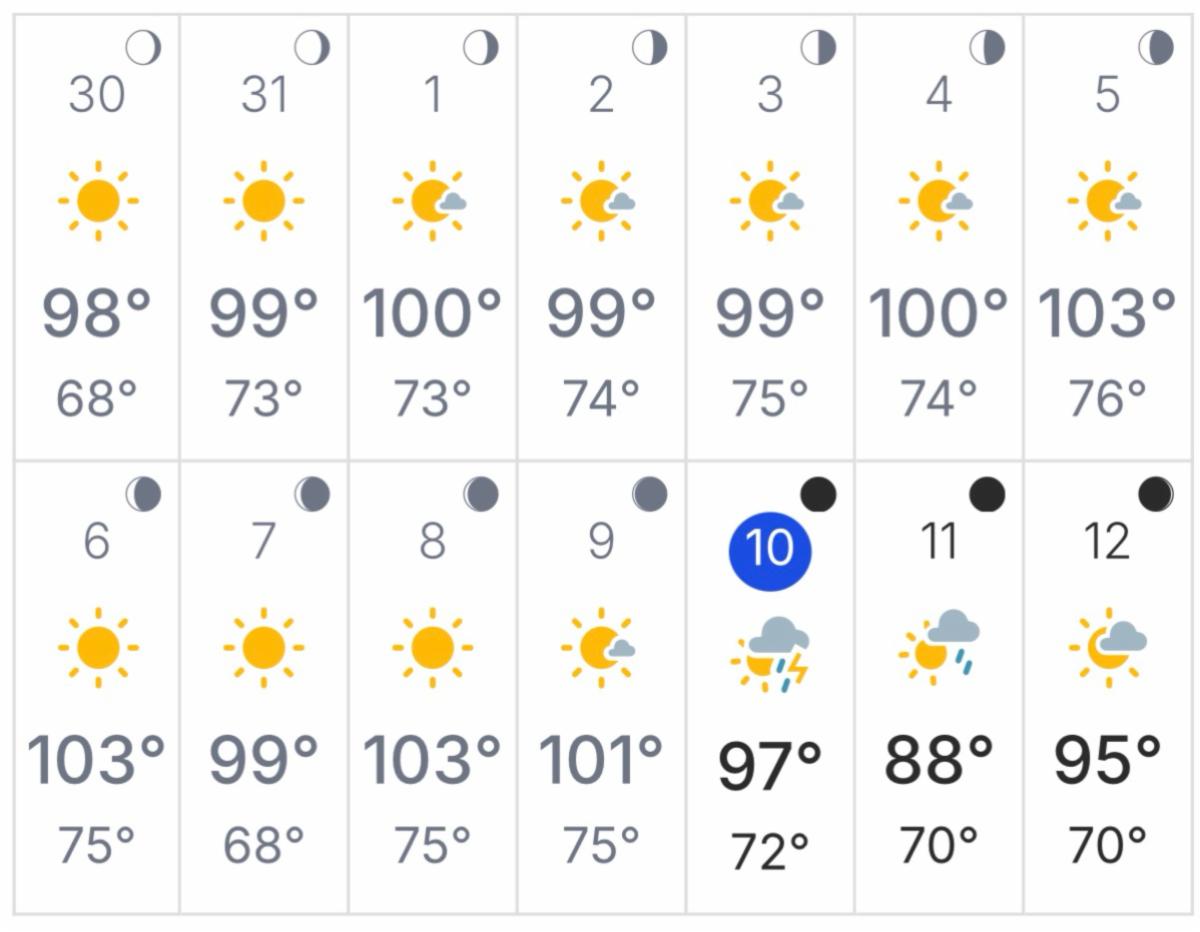
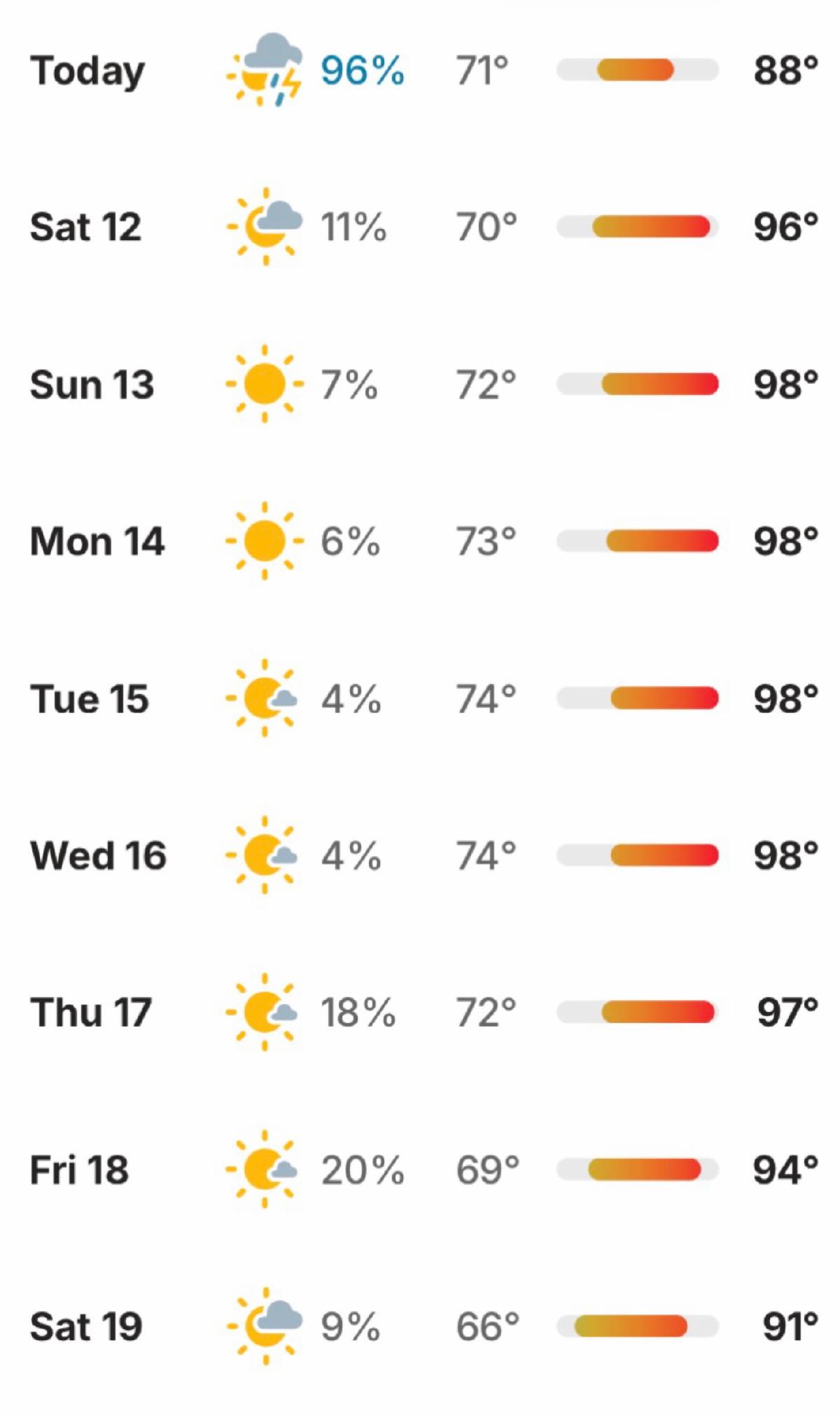
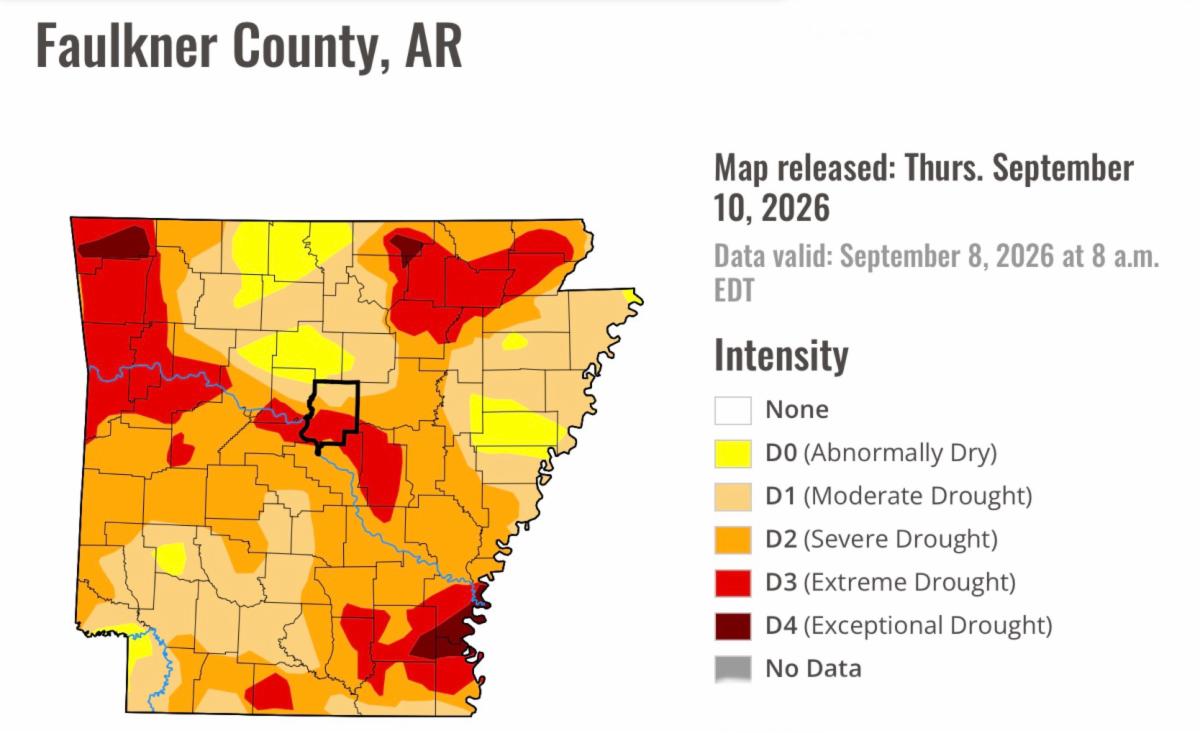
Today had a nice start as rain moved it's way across Faulkner County. I have heard some reports of up to 3 inches this morning in some parts of the county. We will take whatever we can get at this point. Hot temperatures are back next week, and the next best chance of rain is next Friday.
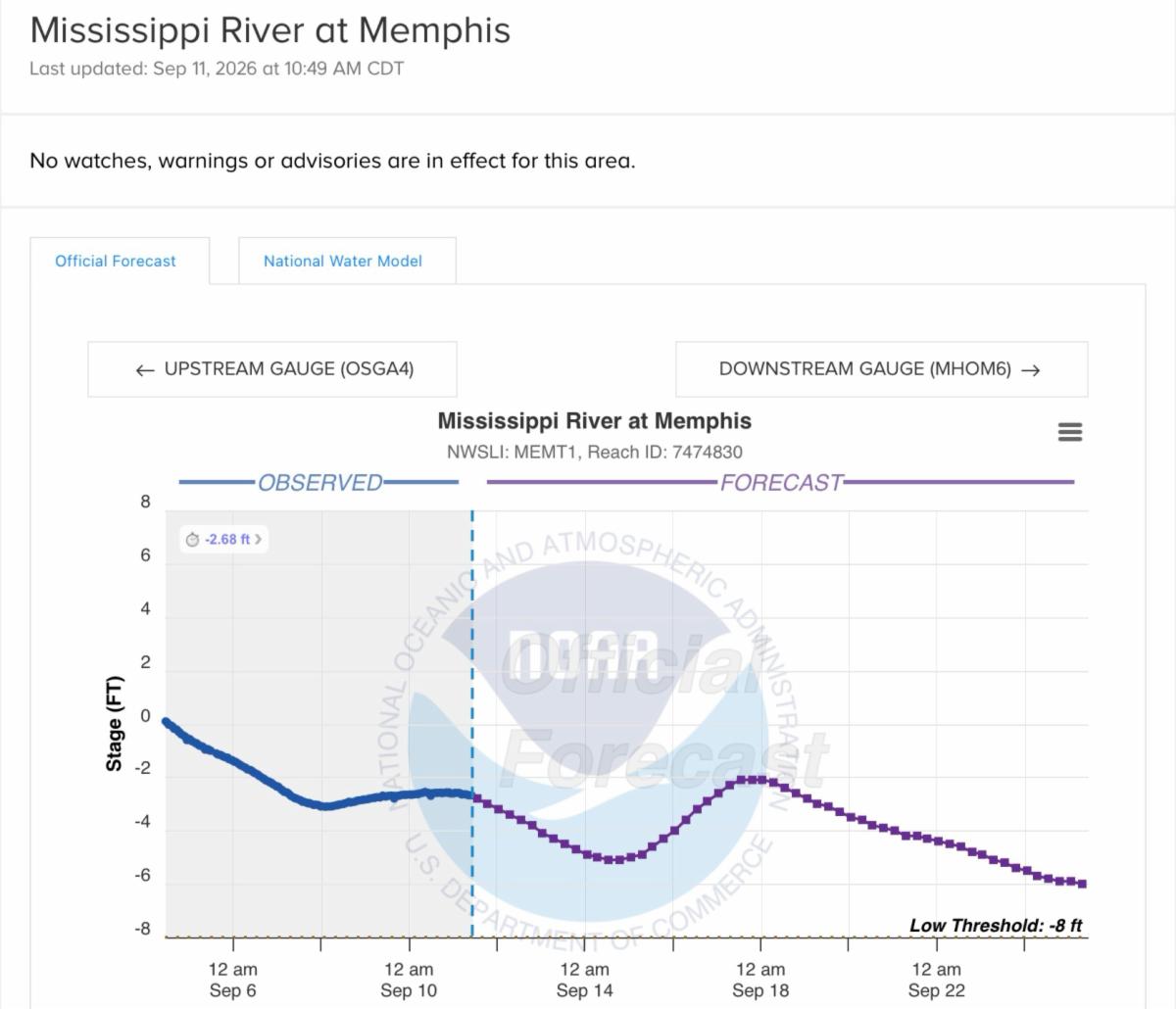
| | Arkansas and Mississippi River | |
Wheat Production Meeting Breakfast
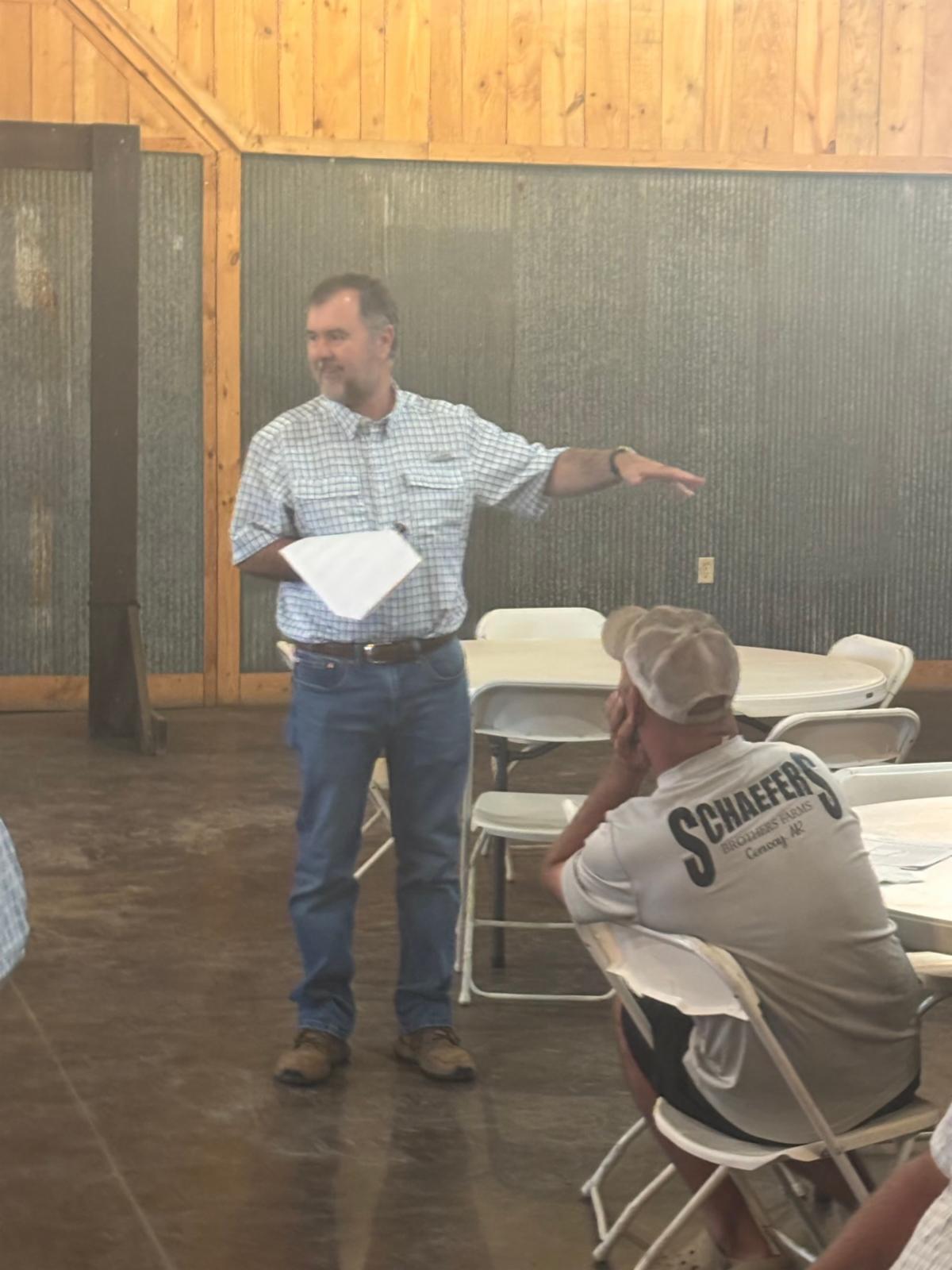
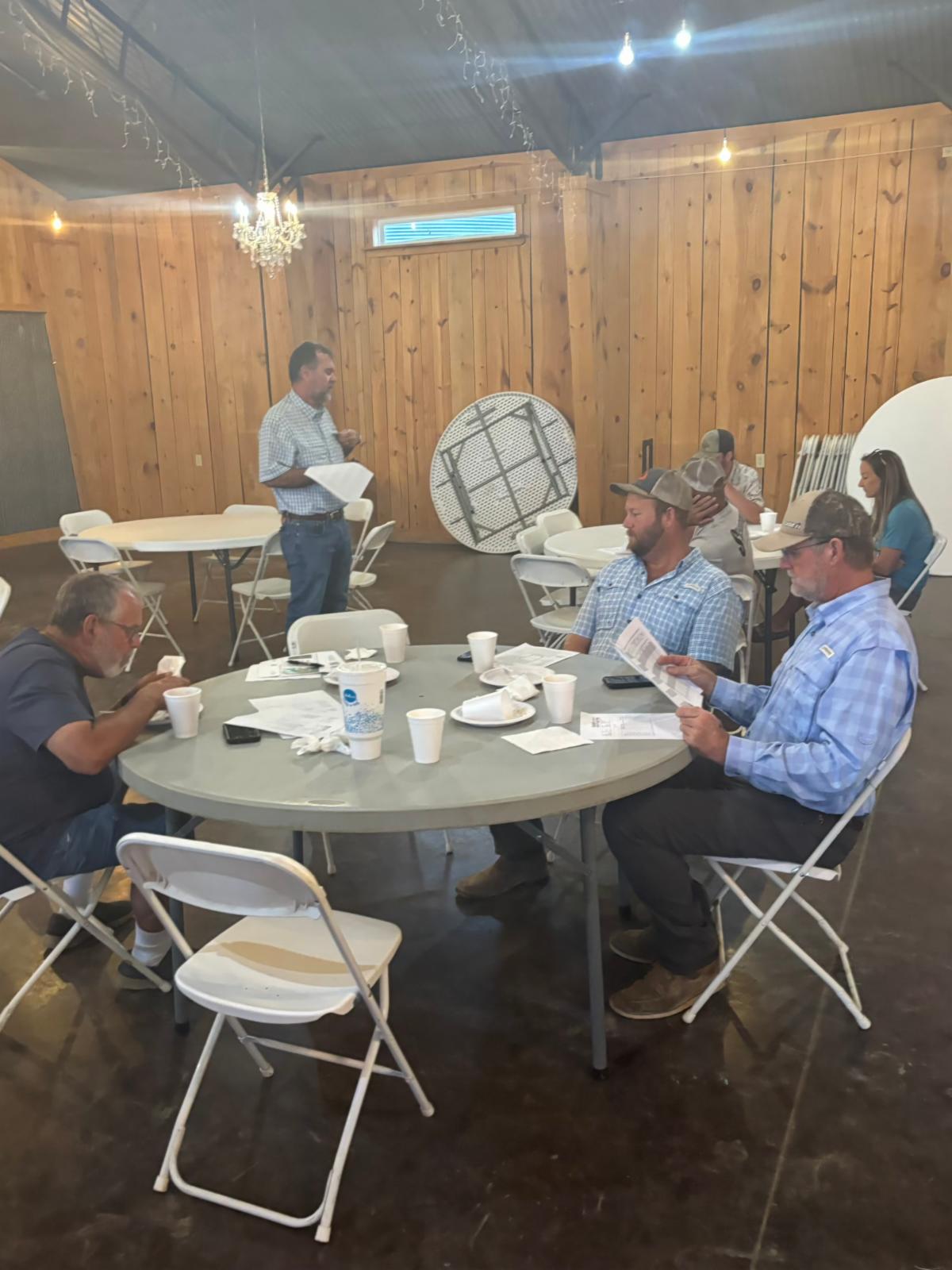
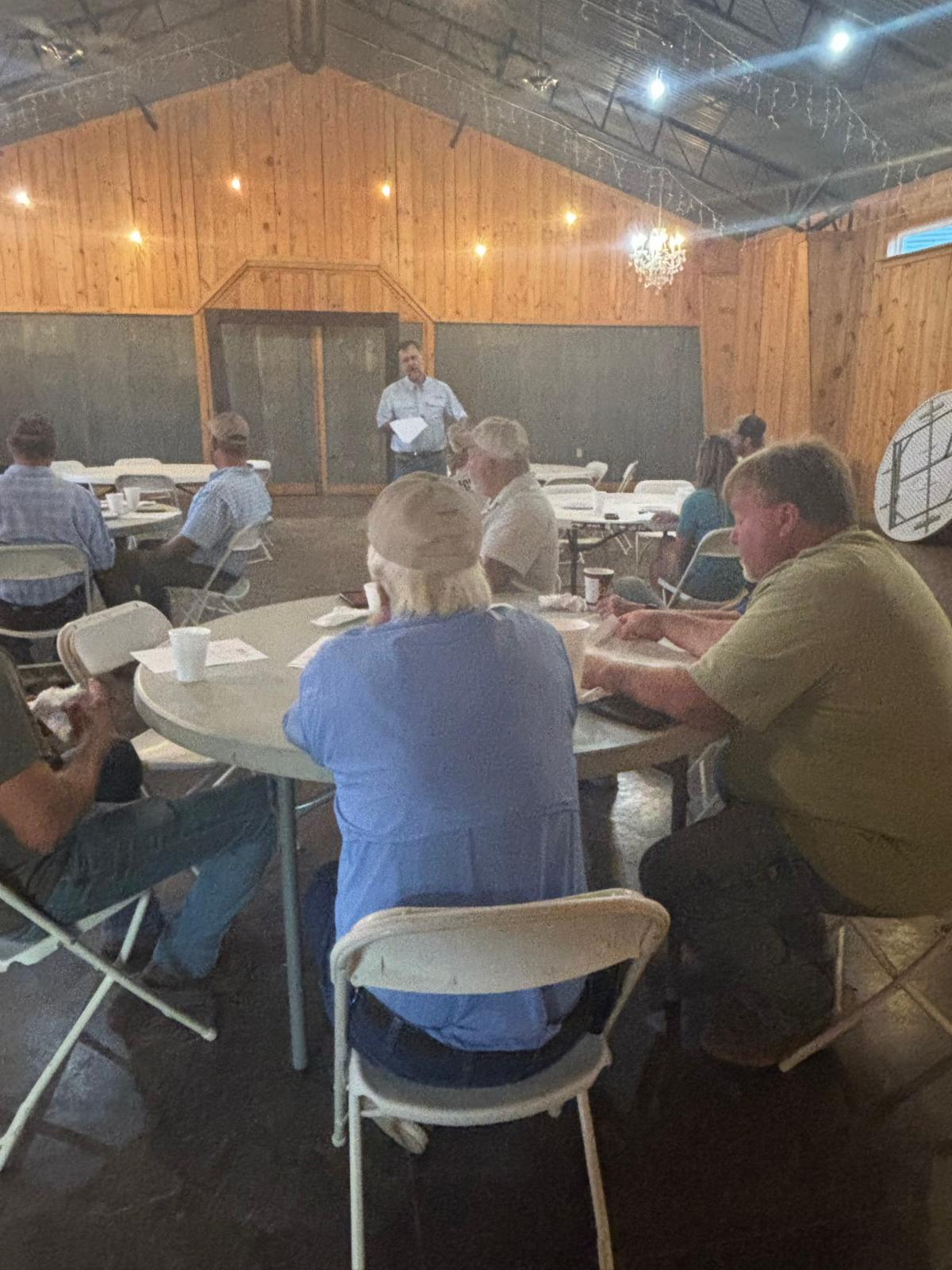
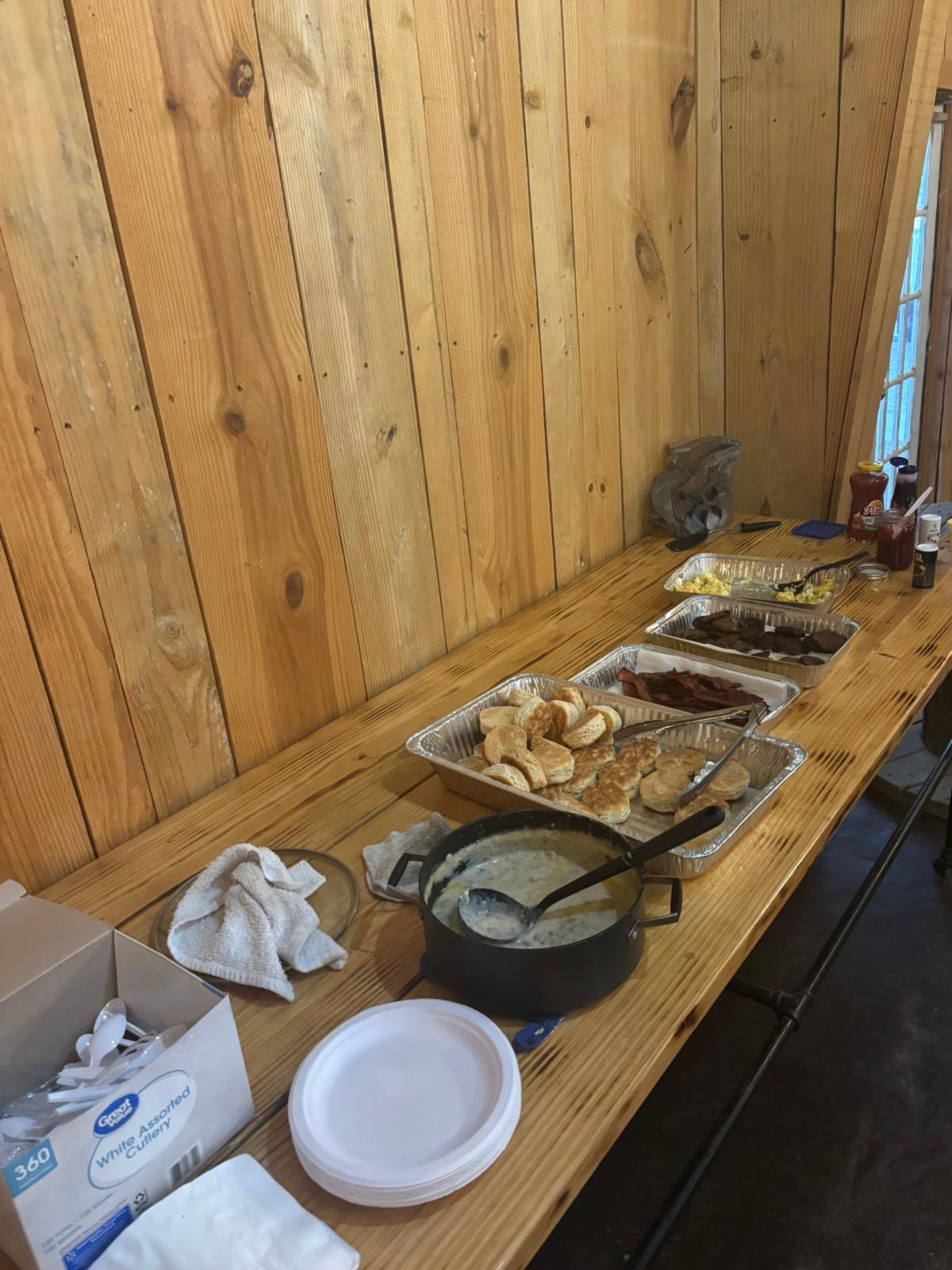
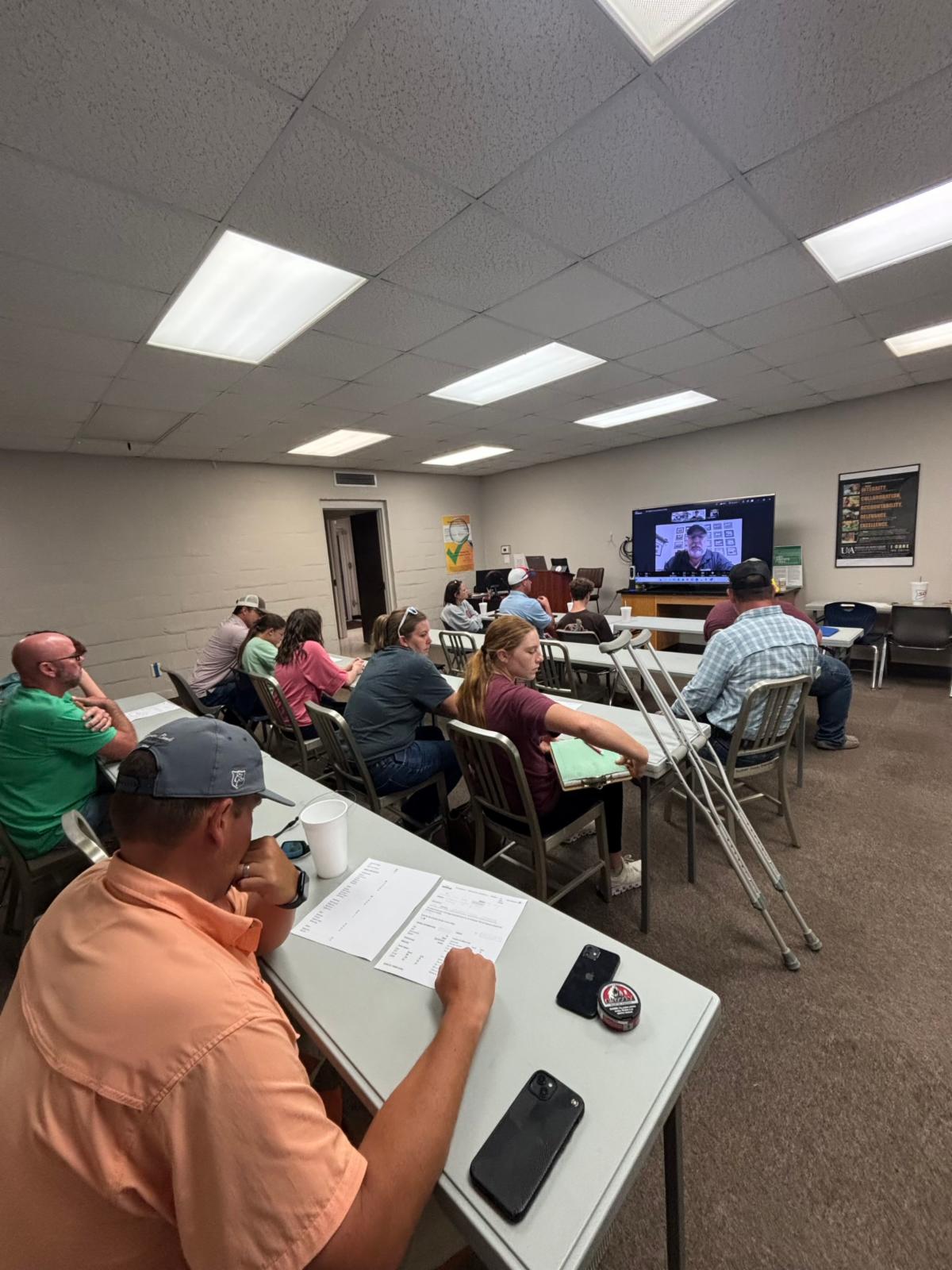
We had a great wheat production meeting this morning at the Barn. Thank you to the Schaefers for letting us use the Barn, and thanks to the great Hank Chaney for helping cook breakfast.
Dr. Jason Kelley gave a very informative update on wheat production practices for the upcoming year and we even touched on corn hybrid selection for 2027.
Thank you to all the producers that came out for the meeting.
| | |
Rice
Rice harvest is still moving forward in the county. Harvesting conditions have been very favorable up until this morning. Producers should be able to get back to it soon.
| | Dr. Jarrod Hardke's Rice Update and 2026 Rice Management Guide | | |
Soybeans
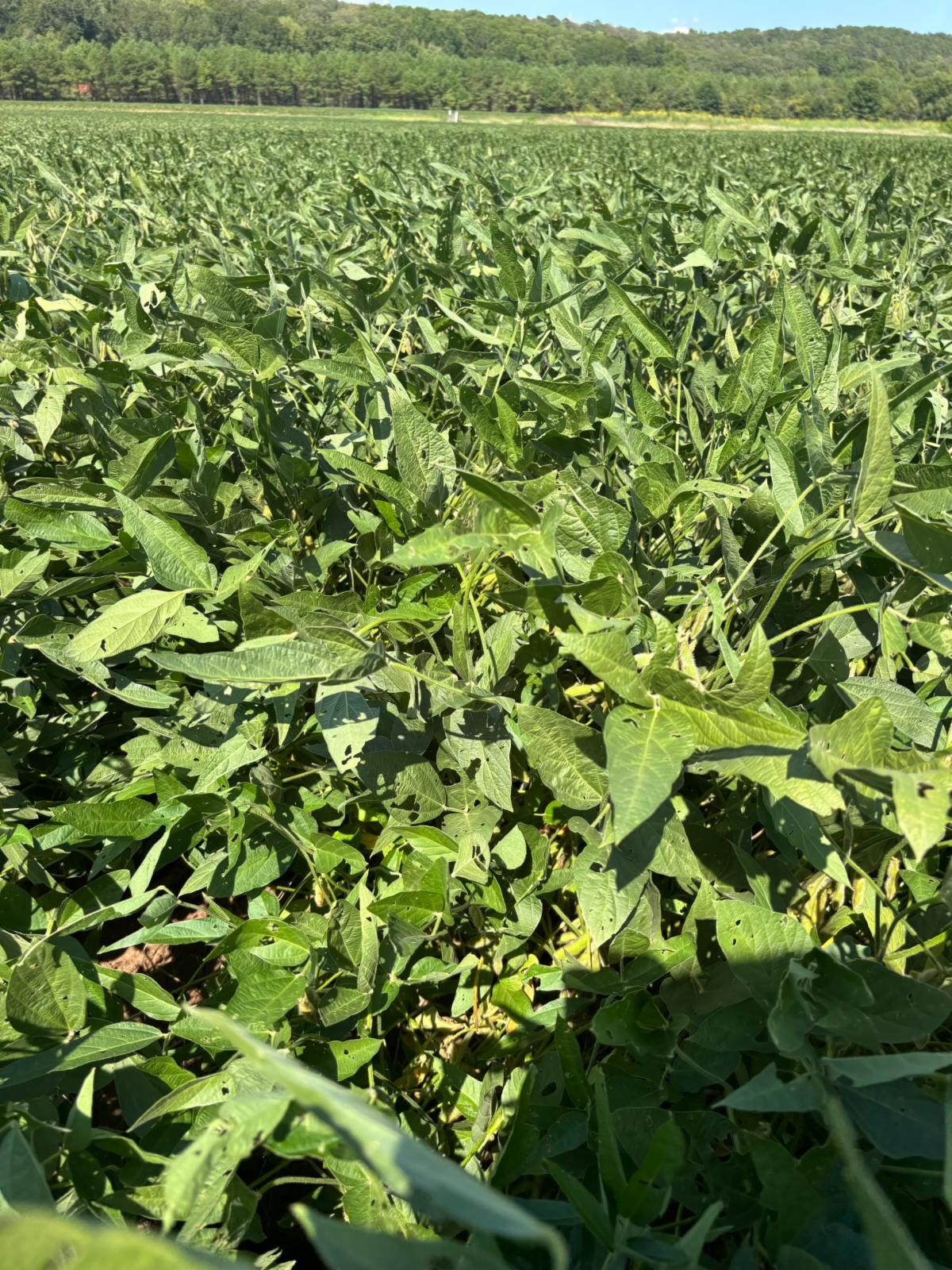
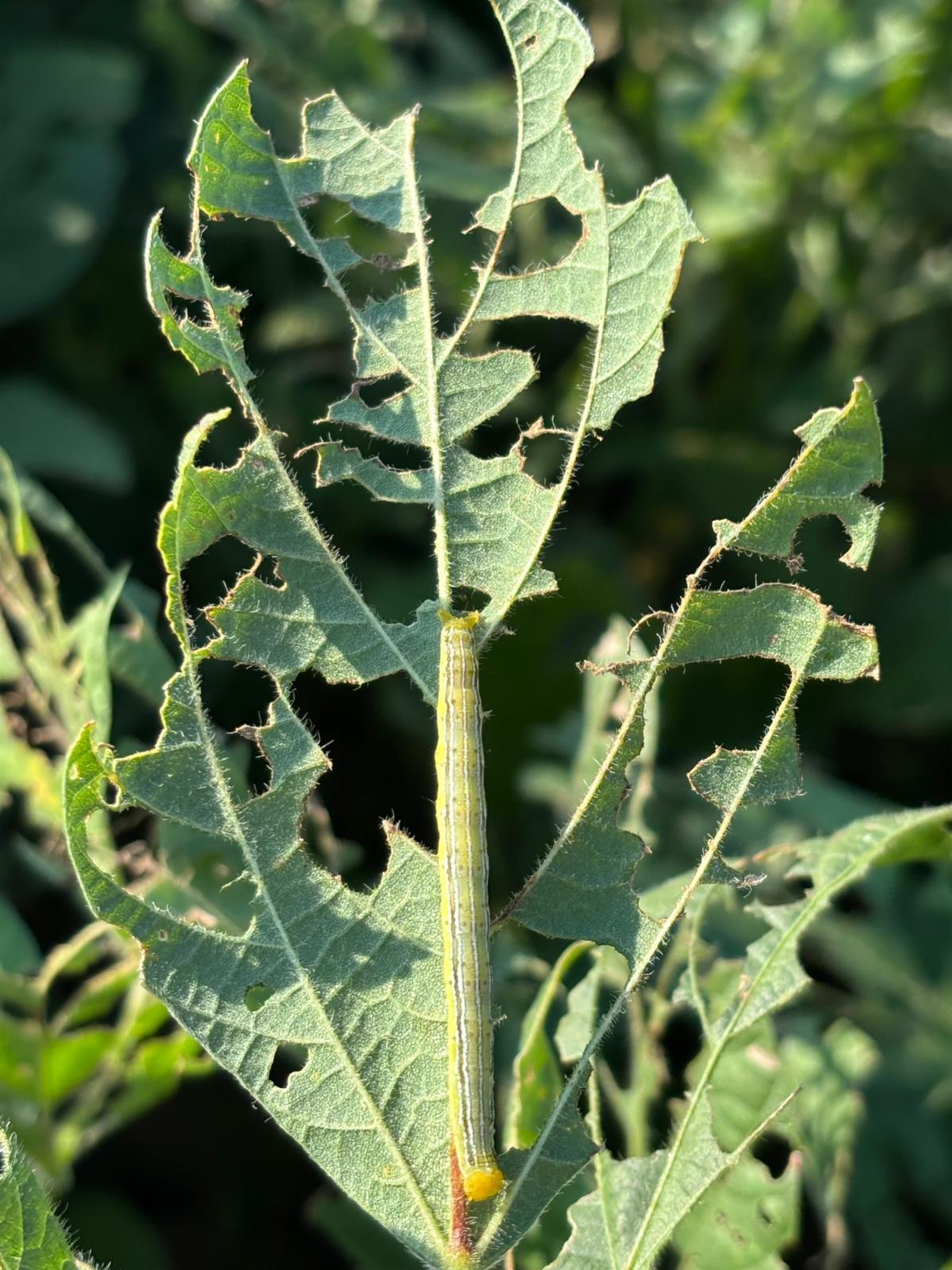
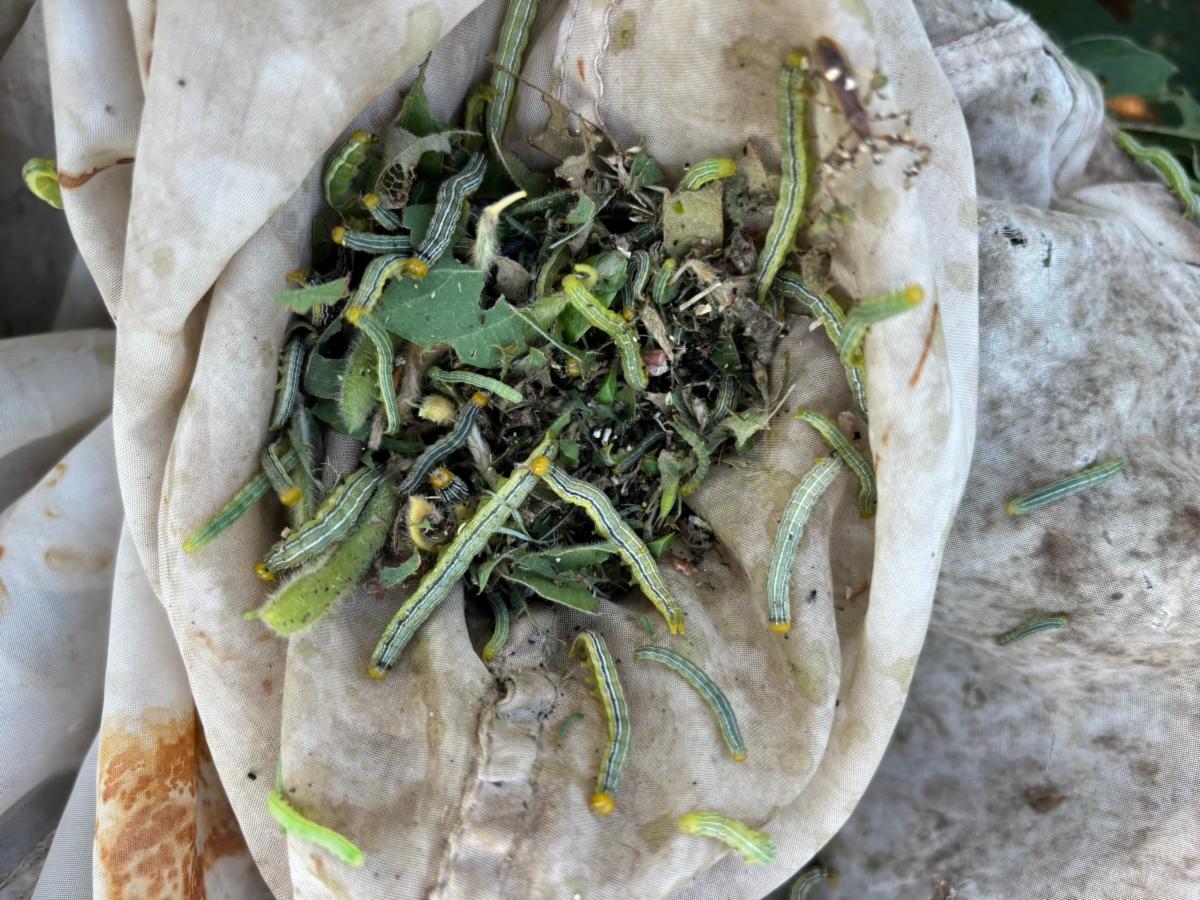
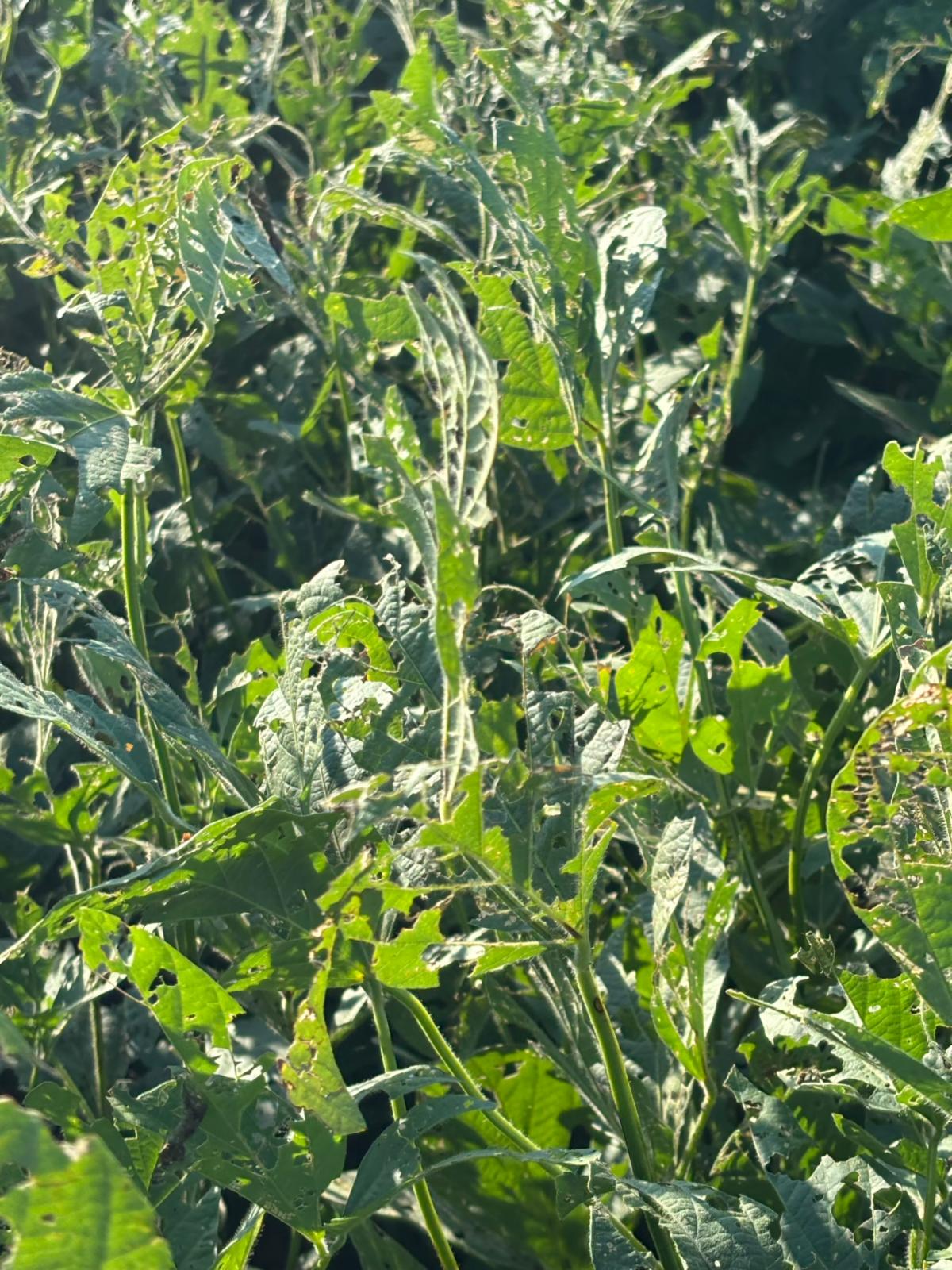
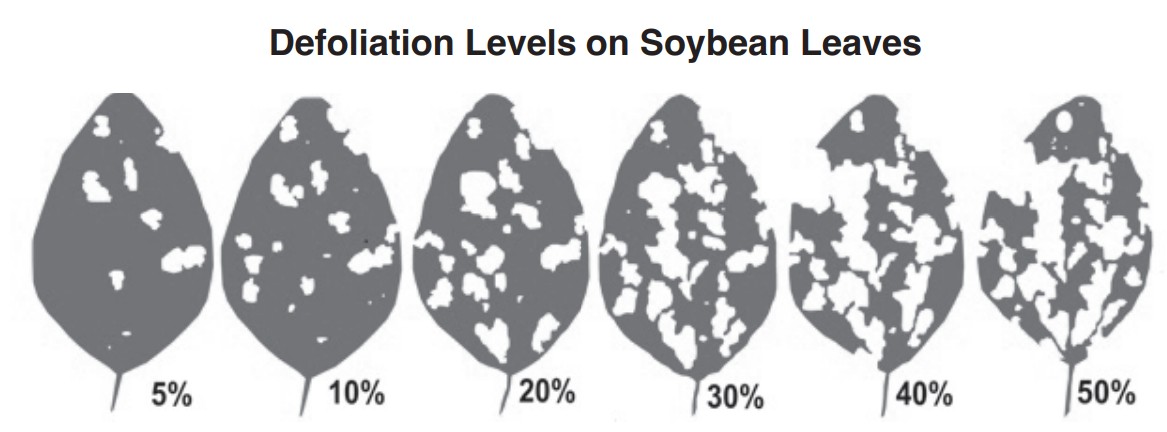
Today is day 10 of the great soybean wormagedon. Velvetbean caterpillars and loopers have really ripped through several hundred acres of soybeans in Faulkner County. Several fields were sprayed this week and there are more on the books to be sprayed. Sweeping these soybean fields remind me of sweeping for armyworms in pastures. They are everywhere. Some fields have green stinkbugs also. Fields are starting to get close to R6.5 so maybe it won't be long we can stop scouting for them. I know I am ready.
Below are some of your options for control. Check for generics for the cheapest options.
chlorantraniliprole = Vantacor/Coragen - 1.2 oz, OR Shenzi/Exceliprole 1.8 oz
chlorantraniliprole + lambda = Besiege 7.2 oz
chlorantraniliporle + bifenthrin = Elevest 6.8 oz
methoxyenozide + spinetoram = Intrepid Edge 4 oz
| | |
Corn
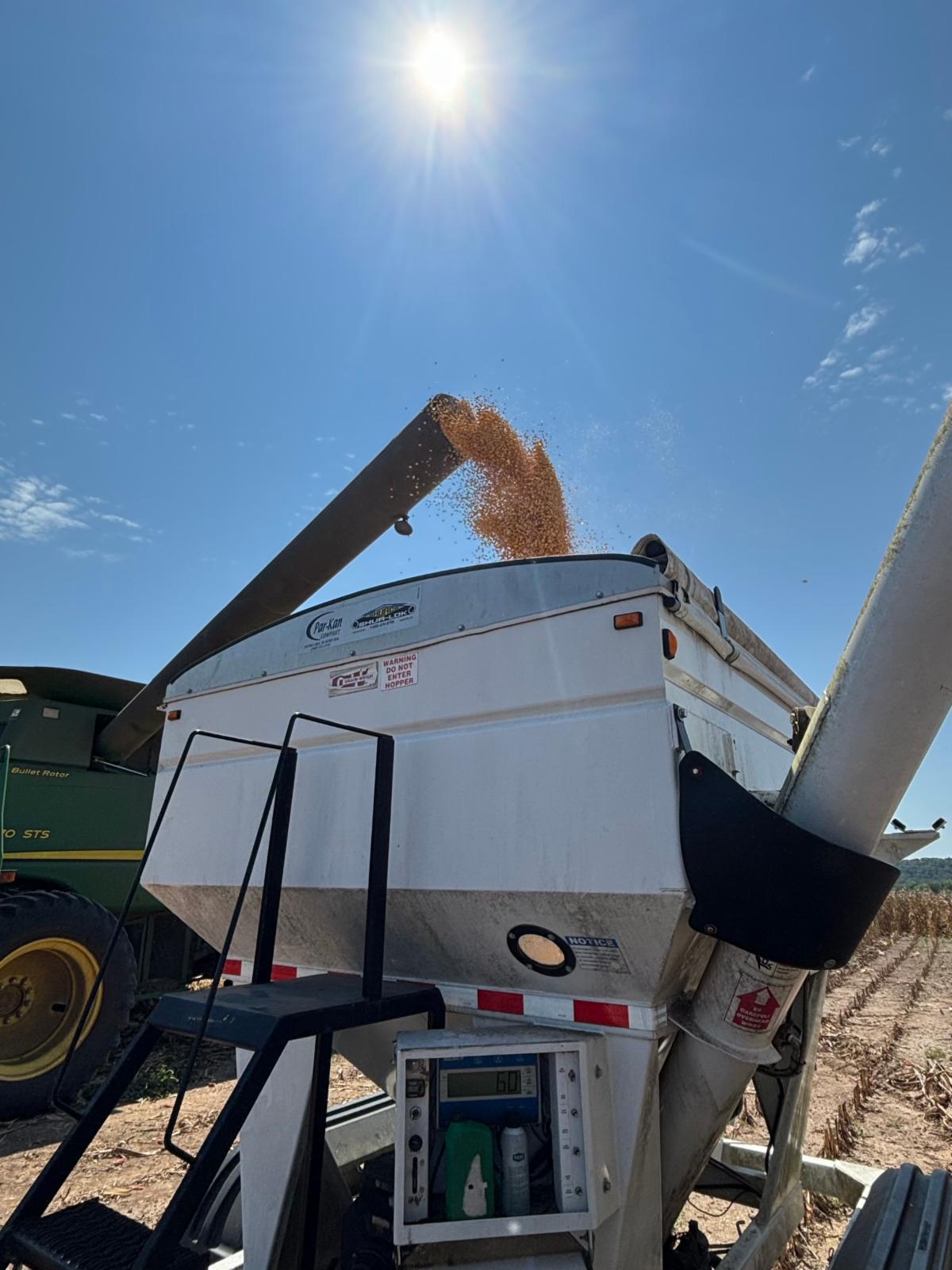
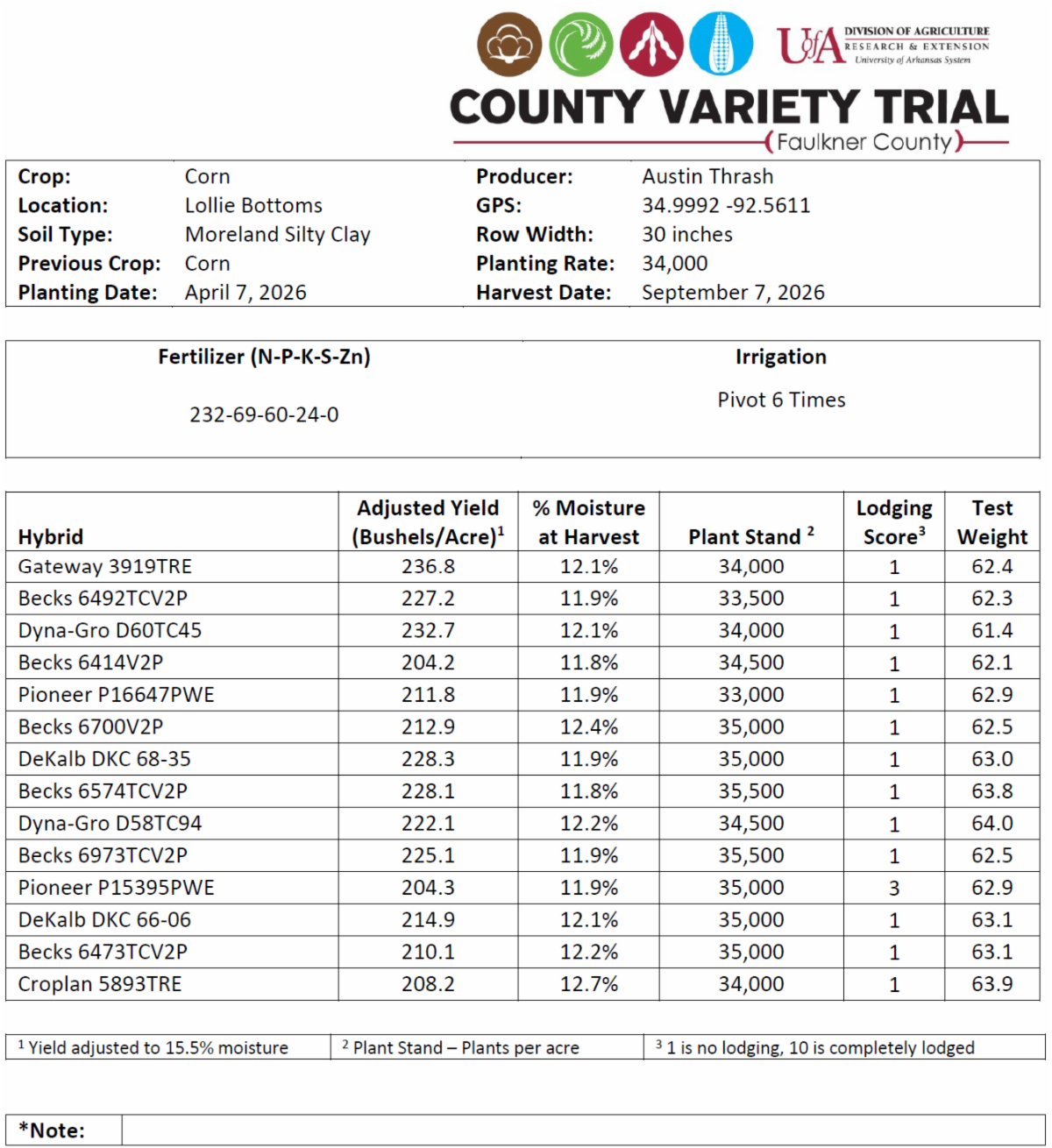
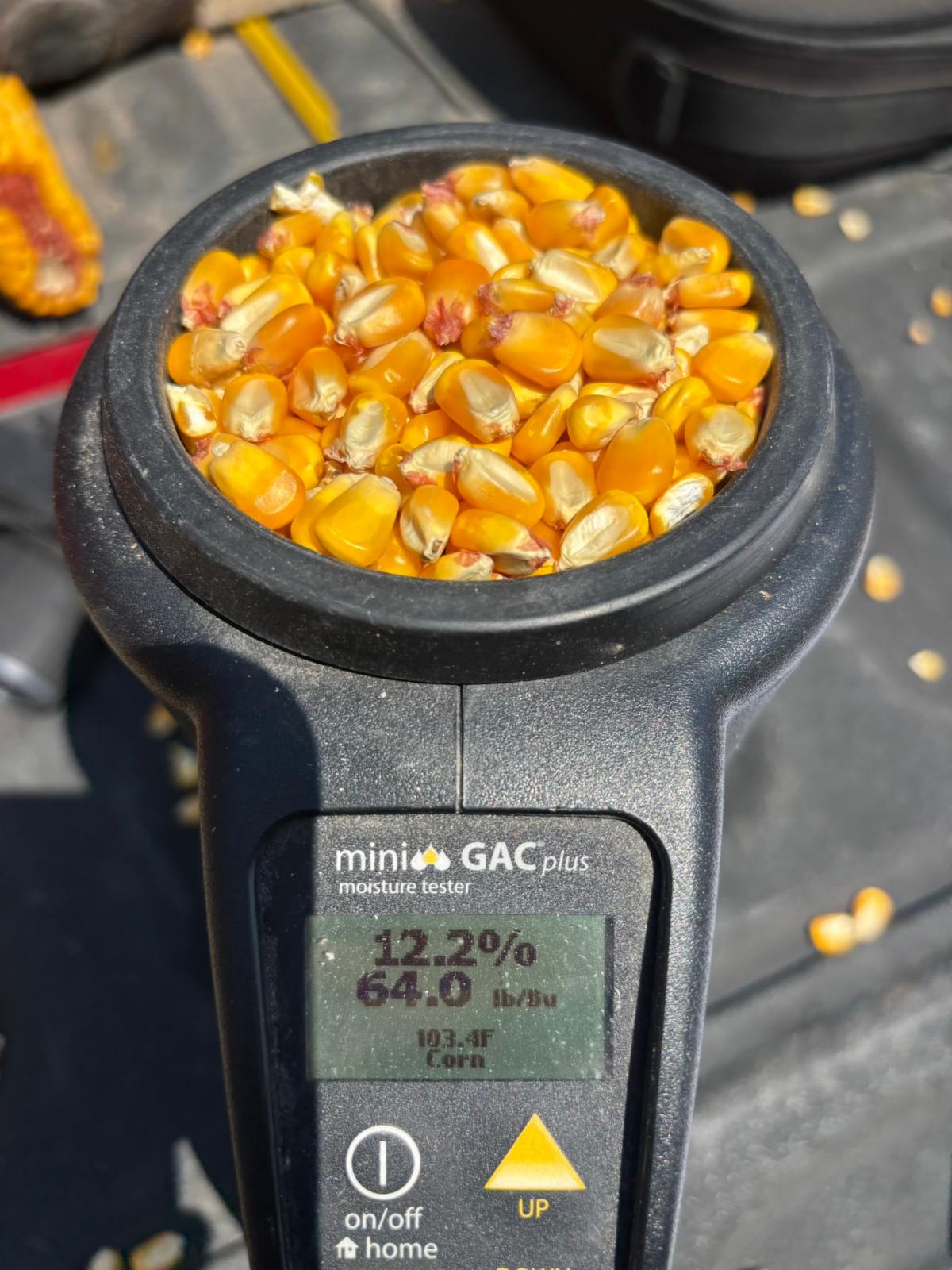
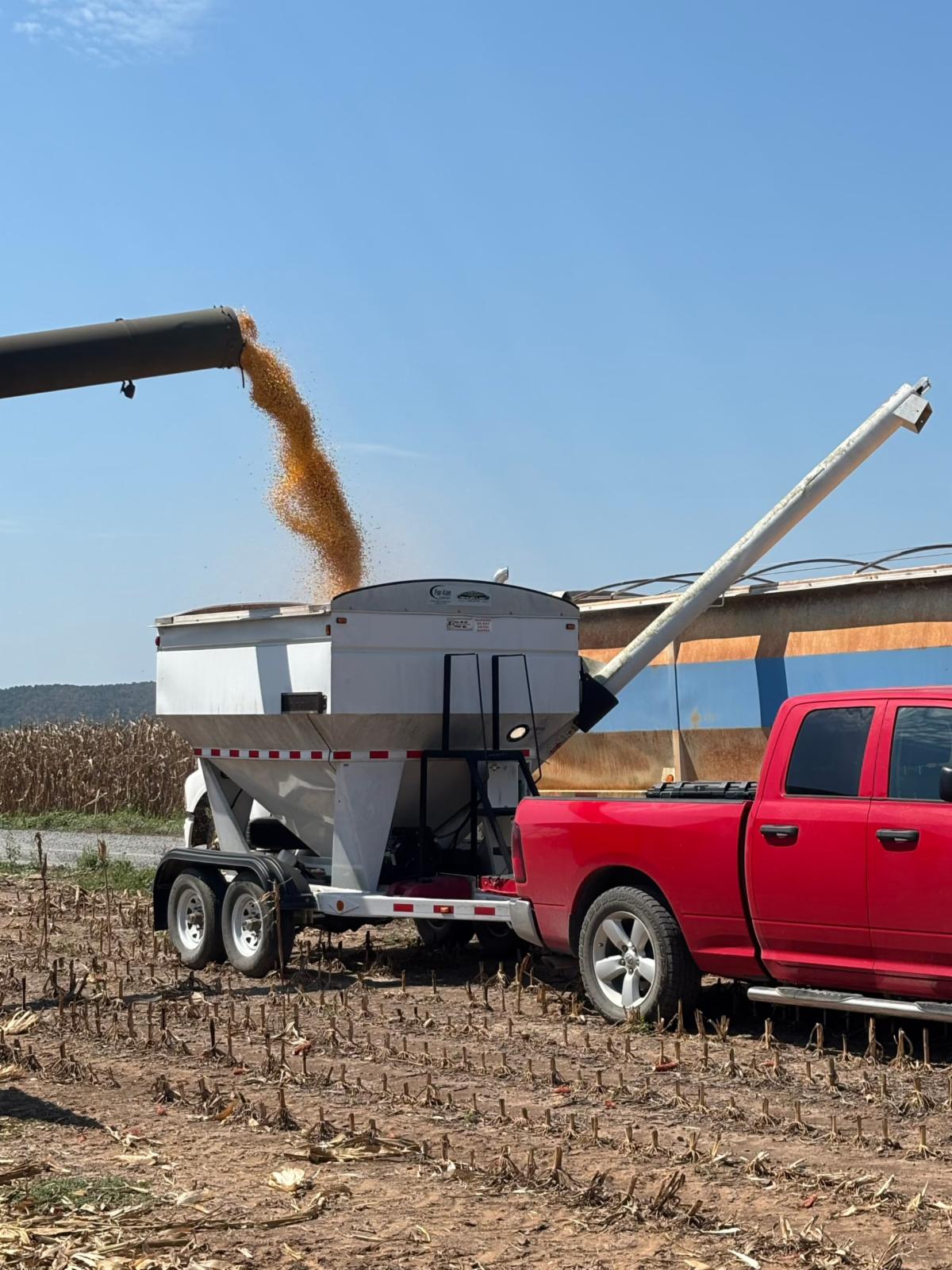
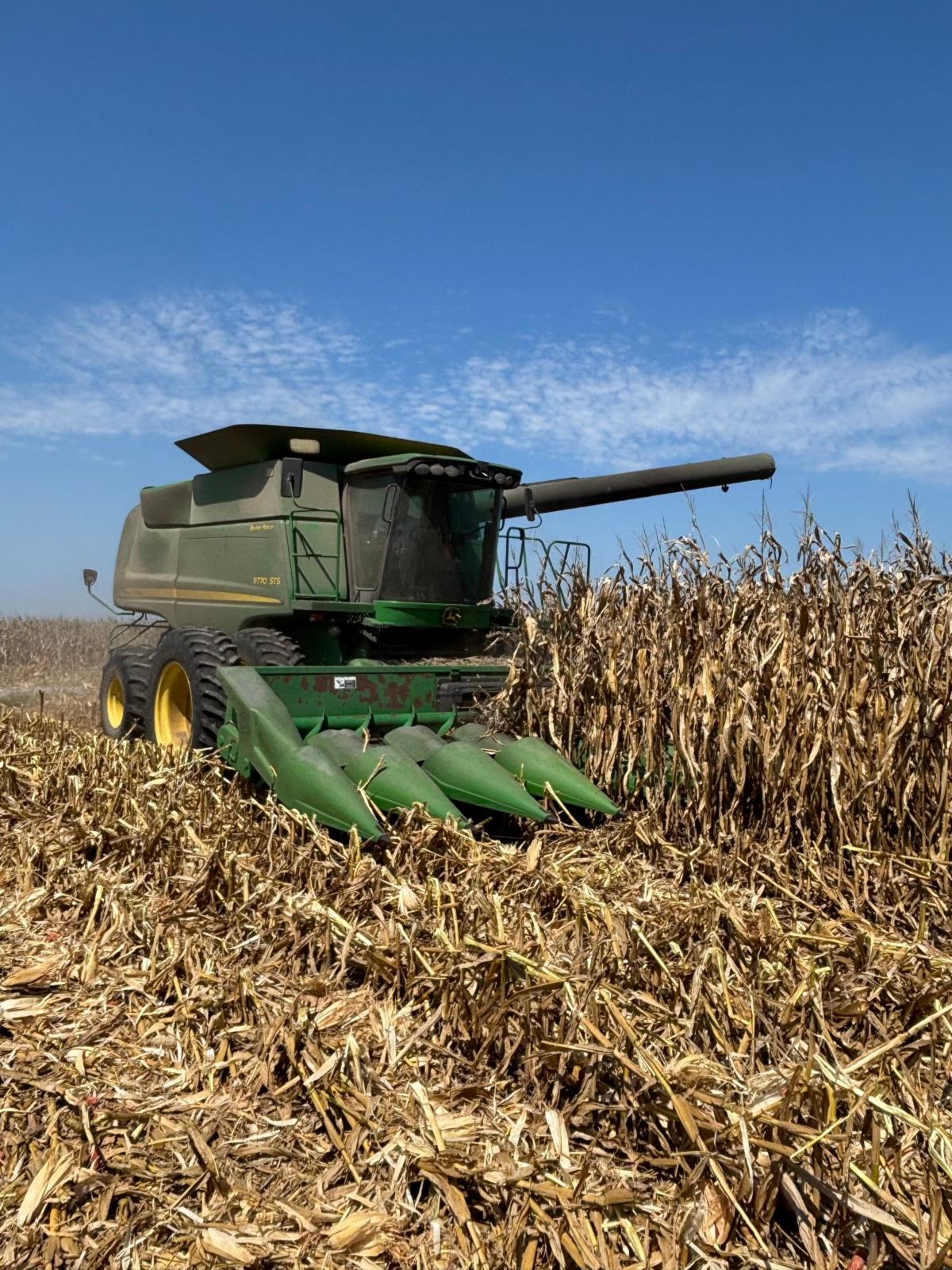
We harvested the Faulkner County Corn Hybrid Trial on Monday. The yields were really good. Thank you to Joe and Austin Thrash for putting the trial on their farm this year and thank you to all the reps that donated seed to put in the trial.
| | |
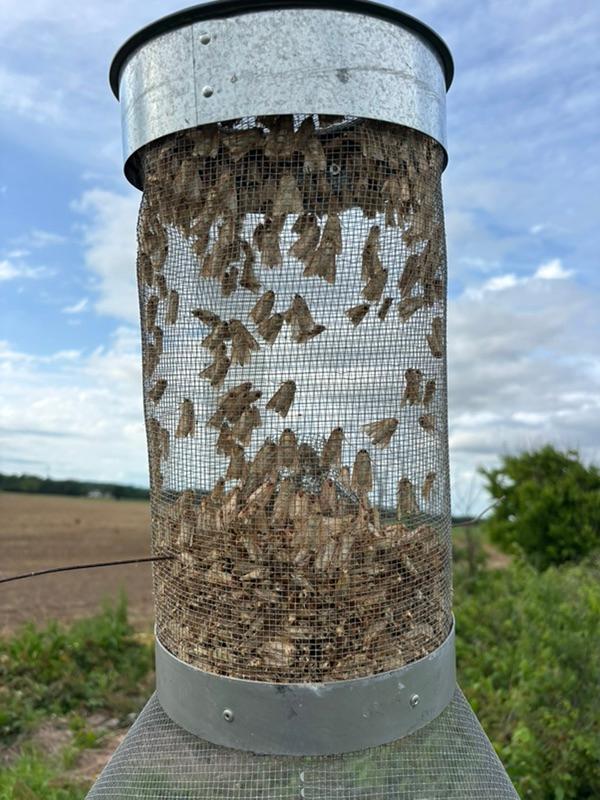
Corn Earworm Moth Traps
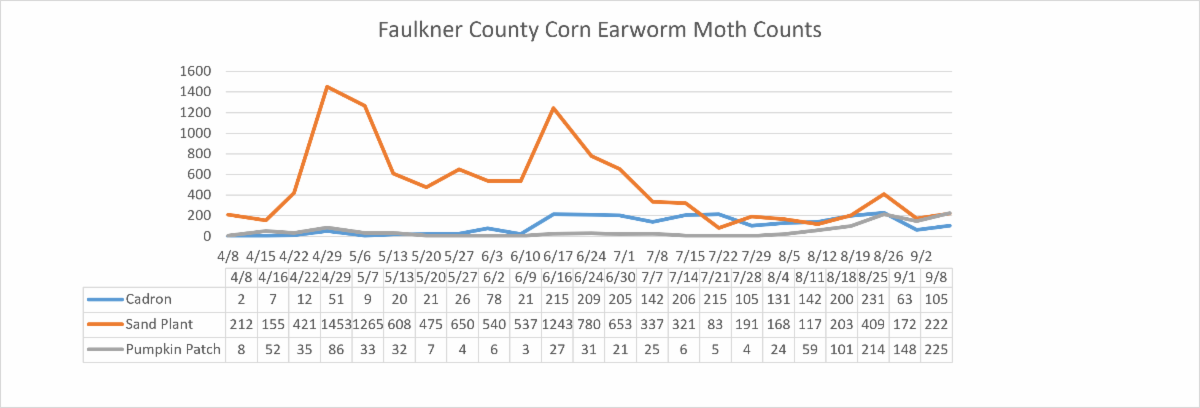
Corn Earworm Moth Counts for September 8, 2026
Cadron - 105
Sand Plant - 222
Pumpkin Patch - 225
| | Beef, Small Ruminants, & Forages | | |
Forages
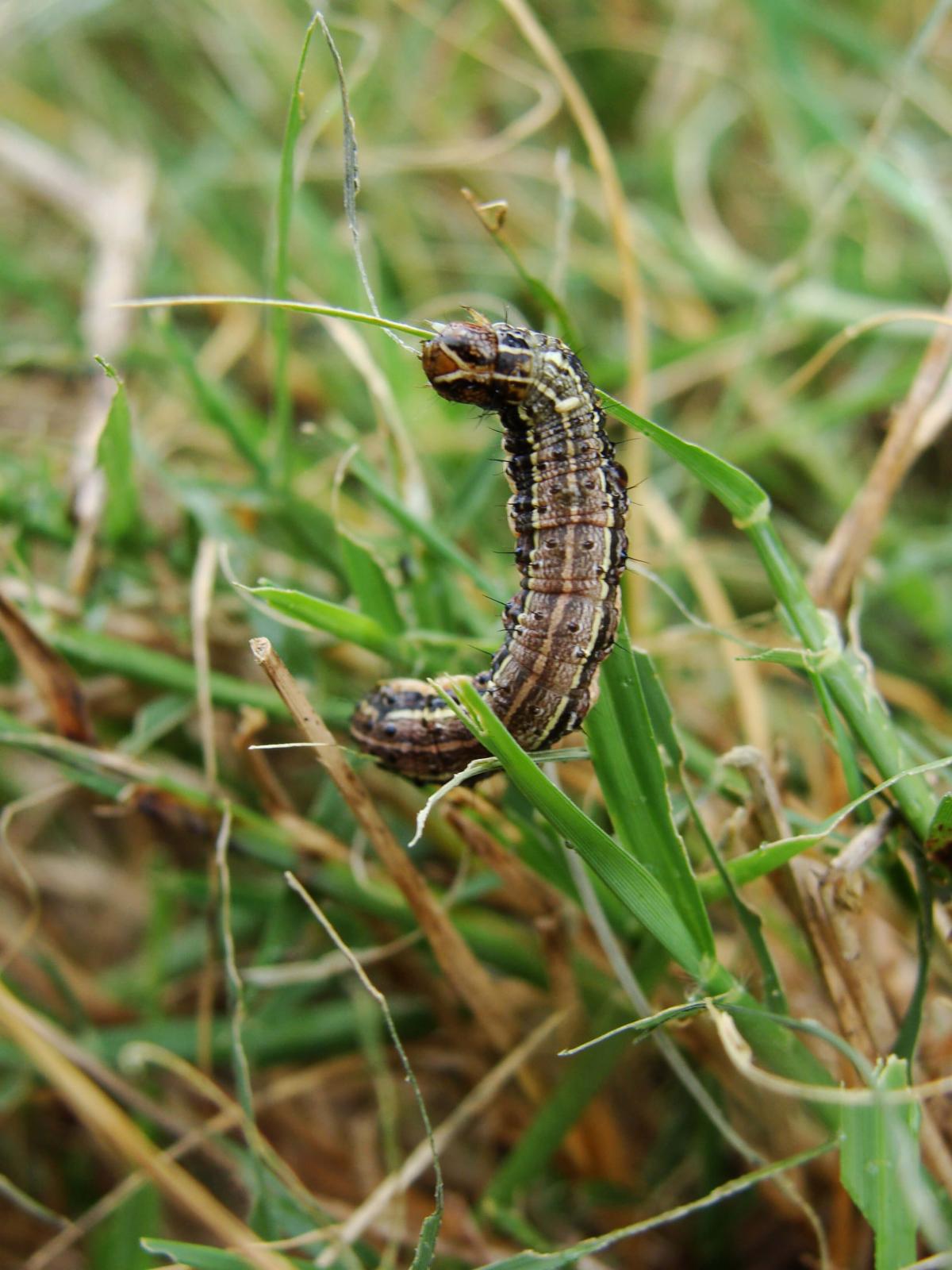
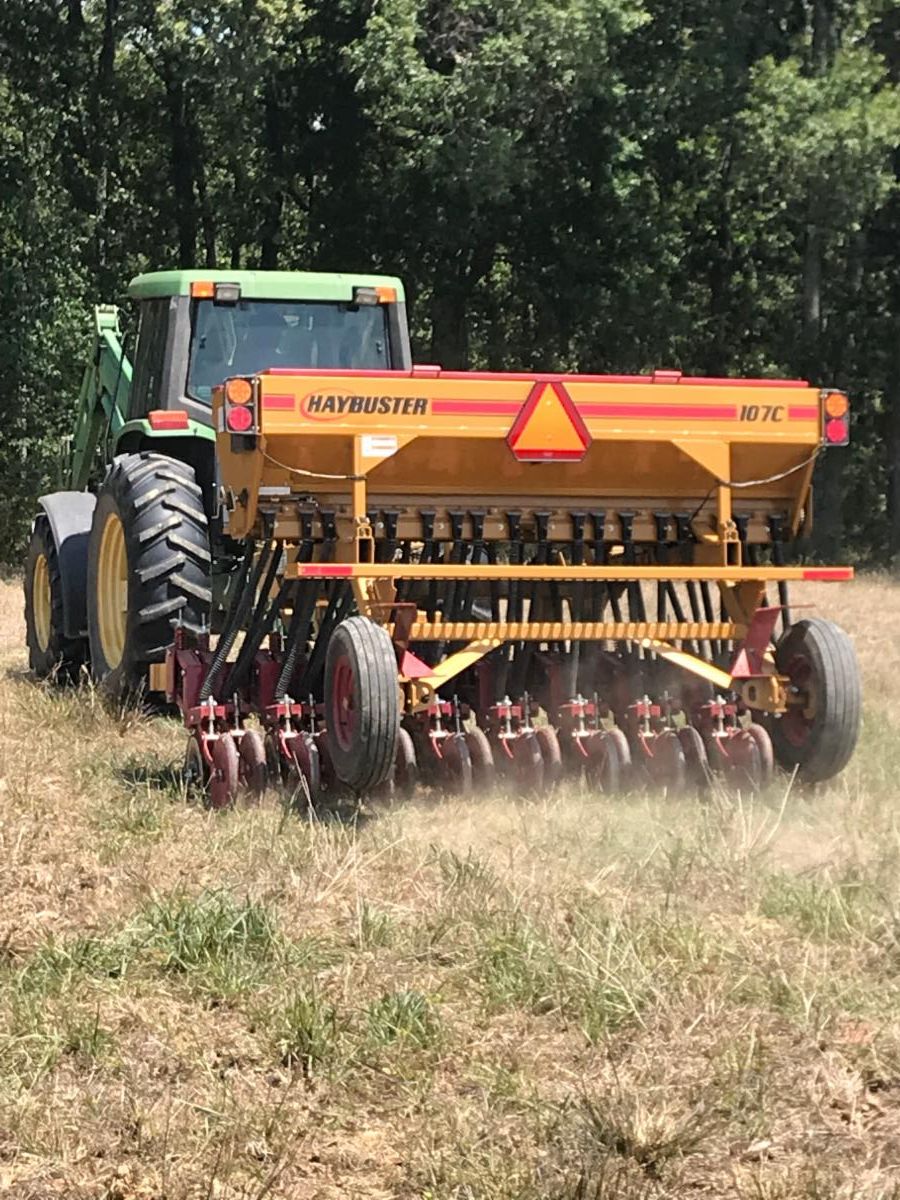
This rain is a big relief for our forage fields. We were getting dry again and this is really going to perk some things up. This will also give us a great opportunity to get some winter annuals planted into moisture. The risk with planting now, is it turning off too dry again and the threat of armyworms. It seems like after a rain the armyworms come back out. I saw more armyworms this past week so they are still around.
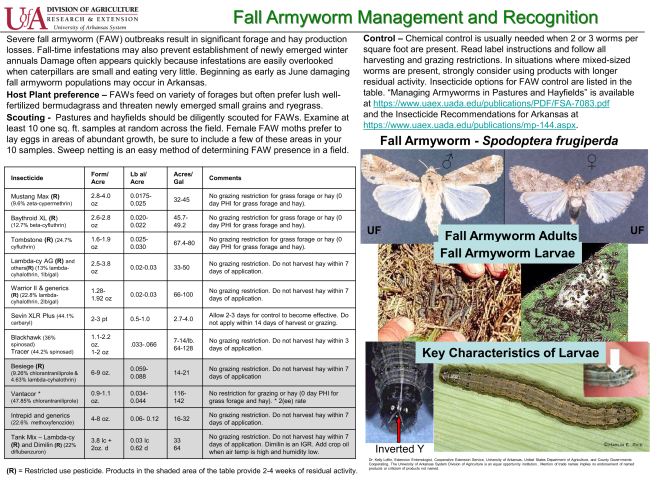
Here are some options for controlling armyworms.
chlorantraniliprole = Vantacor - 1.2 oz, OR Shenzi/Exceliprole 1.8 oz
chlorantraniliprole + lambda cy = Besiege 6 oz
diflubenzuron + 2lb lambda cy = Dimilin 2 oz + 2lb lambda cy 2 oz
diflubenzuron + 1lb lambda cy = Dimilin 2 oz + 1lb lambda cy 4 oz
|
How Much Should You Pay for a Replacement Heifer?
James L. Mitchell, Associate Professor and Fryar Price Risk Management Center Associate Director, University of Arkansas
Ryan Loy, Assistant Professor and Extension Economist, University of Arkansas
With cattle prices at historical highs, few investments carry more weight for a cow-calf operation than the decision to add replacement females. A producer has several options: they can buy a bred heifer to add to their herd or retain and develop a heifer calf of their own, delaying her first calf by a year for a lower upfront cost. Current heifer prices have raised the financial tradeoffs of this decision, and the best strategy depends on assumptions that vary by operation and year.
Buying a heifer means paying today’s price to calve next spring. Raising means giving up what a calf could have sold for at weaning, covering a year of expenses, and waiting an extra year for her first calf. Higher heifer prices make buying more expensive up front but also increases the opportunity cost of holding a heifer calf back rather than selling her.
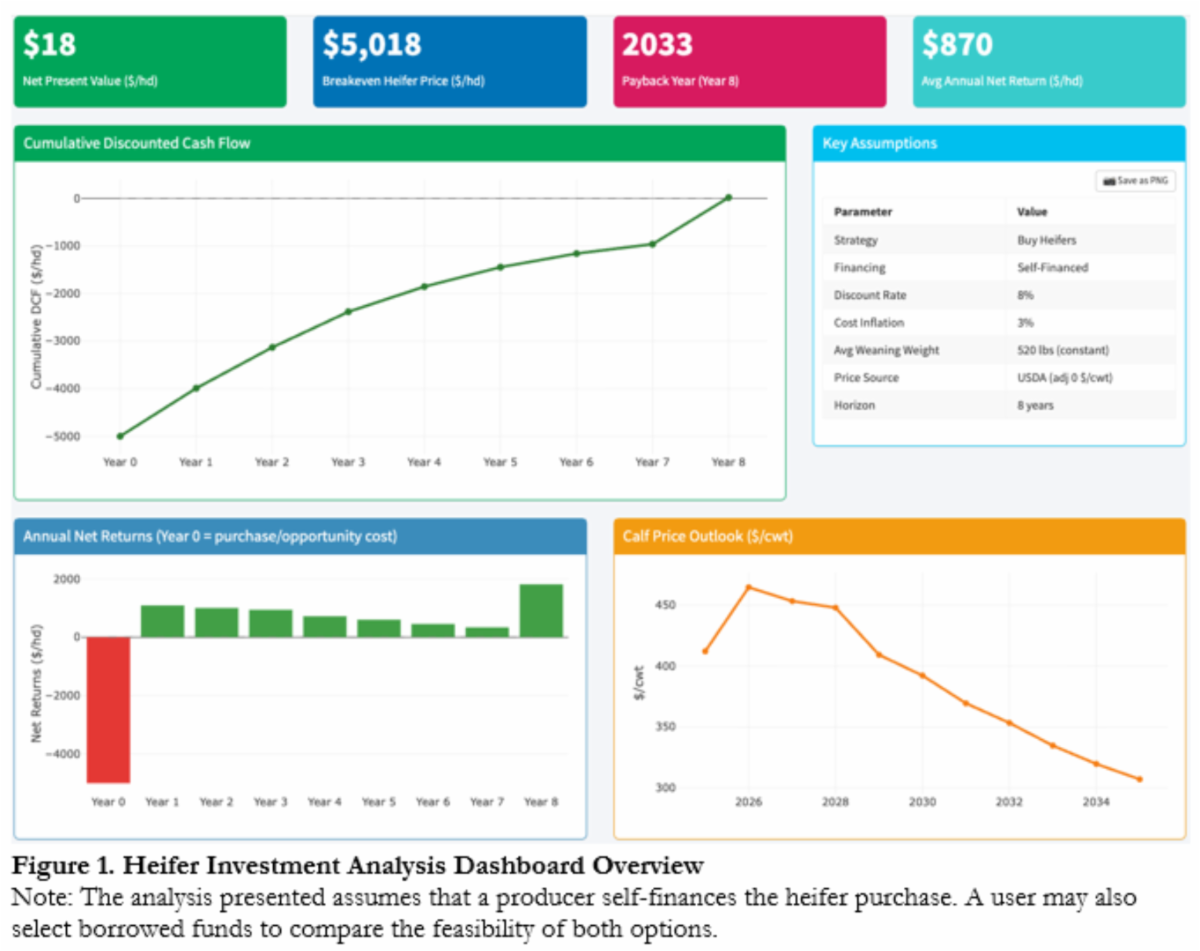
The Beef Cow and Heifer Investment Analysis tool was developed to help producers with this decision. The tool is a free online dashboard that allows producers to enter their own data, such as heifer price, annual cow costs, weaning weight, calf crop percentage, cull weight, discount rate, and cost inflation. The dashboard returns net present value (NPV), breakeven heifer price, payback period, and average annual net return, all of which update in real time (Figure 1).
| |
Consider the dashboard’s default assumptions: a 92% weaning rate, 520-pound weaning weight, $1,100 in annual cow costs, an 8 percent discount rate, and an 8-year productive life, with calf prices and cost inflation following the USDA calf price forecast (users can also substitute their own price and cost expectations). Under these assumptions, the tool estimates the maximum price a producer could pay for a heifer while maintaining an 8 percent return ($5,018/hd in this case), as well as the payback period to recover the investment. Changing an assumption can significantly impact the outcome, highlighting how much this decision is operation specific.
The decision to buy or raise heifers boils down to cash-flow timing and the price paid relative to what a heifer returns over her productive life. The dashboard does not determine which strategy is correct for an operation. However, it provides cattle producers and other agricultural stakeholders with a framework to evaluate the trade-offs between these strategies. The Beef Cow and Heifer Investment Analysis Tool is completely free to use and can be accessed here on any device with an internet connection.
| |
Pasture to Plate
The 4-H Pasture to Plate Steer Project is ramping up as we get close to fair.
On Tuesday September 8, the youth met at the Extension Office. Jim Johnson from Zoetis talked to the youth about their DNA results. Zoetis donated DNA testing to all the steers and we took those samples in March. Each participant received their results Tuesday and Jim went over them. Janeal Yancey went over last year's carcass data and talked to the youth about getting ready for slaughter. Last but not least, Chris Shaw came in from Cypress Valley Processing and went over the cut sheets with the participants.
We have a lot to look forward to the next few months. We will have final weigh in and determine average daily gains on September 19 along with some judging of the animals. The fair show is September 24, and the steers will take a ride to Cypress Valley where they will be slaughtered on September 28. We will get to look at carcasses on October 6.
| |
Capture More of Your Calves’ True Value
Paul Beck, Oklahoma State University Extension Beef Cattle Nutrition Specialist
The price at an auction market is the market's estimate of what a calf is worth that day, based on the information buyers can see and trust. There is very little indication of the calf's future potential for growth, feed efficiency, or carcass value. Calves sired by proven sires may have the potential for high rates of gain, improved feed efficiency, and exceptional marbling and carcass quality, but if that calf is sold at weaning there is no way for the cow-calf producer to capture that future potential.
To get our calves full value we first must create value by early castration and dehorning, a sound health program, and nutrition that allows genetics to be expressed. Second, capture value by marketing uniform groups, documenting genetics and management, choosing a market whose buyers value those traits, or retaining ownership when feed resources, health, finances, risk tolerance, and the market outlook justify it. Retained ownership does not create value; it reveals it. Know where the value is, prove it, and sell where buyers recognize it.
How do you capture the value for these calves?
- Marketing – market calves in uniform lots where buyers recognize the potential value of calves.
- Value Added Programs – preconditioning, all natural, and other programs have costs but can be profitable. An analysis of the Superior Auction markets by Kansas State University shows that calves in the VAC45 program received an $8.64/cwt premium over calves in the VAC24 program, where calves are vaccinated at 2 to 4 months of age but are unweaned at the time of the sale. Calves enrolled in the Oklahoma VAC-45 OQBN program received premium of $23/cwt relative to unweaned non-preconditioned calves with no indication of vaccination status.
- Add weight postweaning – many price discounts decrease as cattle get heavier and approach feedlot entry weights. While discounts associated with calf sex or mismanagement such as leaving bull intact or excessive flesh from overfeeding increase as calves get heavier, other discounts become less important for larger calves. Adding weight on pasture or in a well-designed dry lot growing program helps dilute some of the discounts that are more pronounced in lighter weight calves.
- Retain ownership through finishing – retaining ownership adds much more risk and may be most practical for producers with enough cattle to assemble large groups of uniform single sex groups of calves. However, the only way to fully capture the value of genetic selection for growth, feed efficiency, and carcass quality is to feed cattle through harvest and market cattle based on their actual performance and carcass value. We will examine this more closely in next week’s article.
| |
Winter Annuals
I will leave this winter annual section in for a few weeks as we get ready to plant. The links below are some good information if you think you want to plant some annuals for fall and winter grazing.
| | |
Faulkner County Cattlemen's Meeting
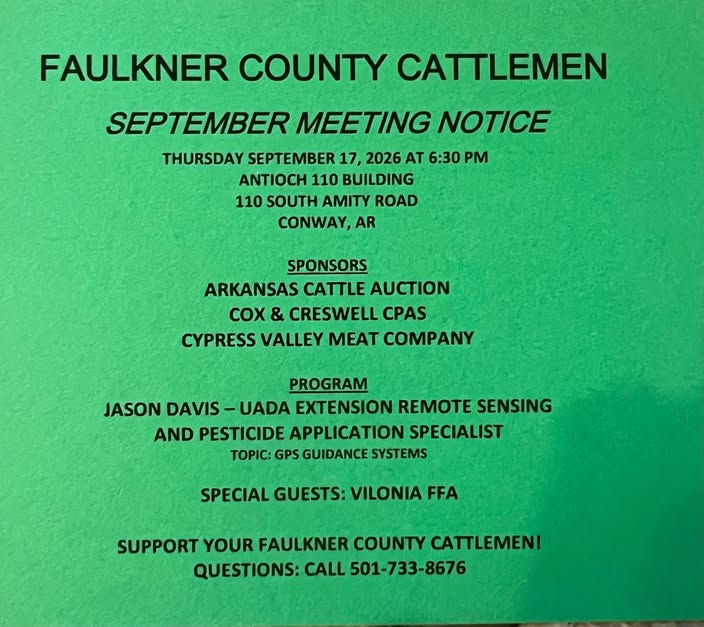
The next meeting of the Faulkner County Cattlemen's Association will be September 17 at 6:30 at the Antioch 110 building. Come out and check out the program from Dr. Jason Davis. He is an amazing speaker that I think everyone will like.
| | |
Arkansas Shepherds Association Field Day
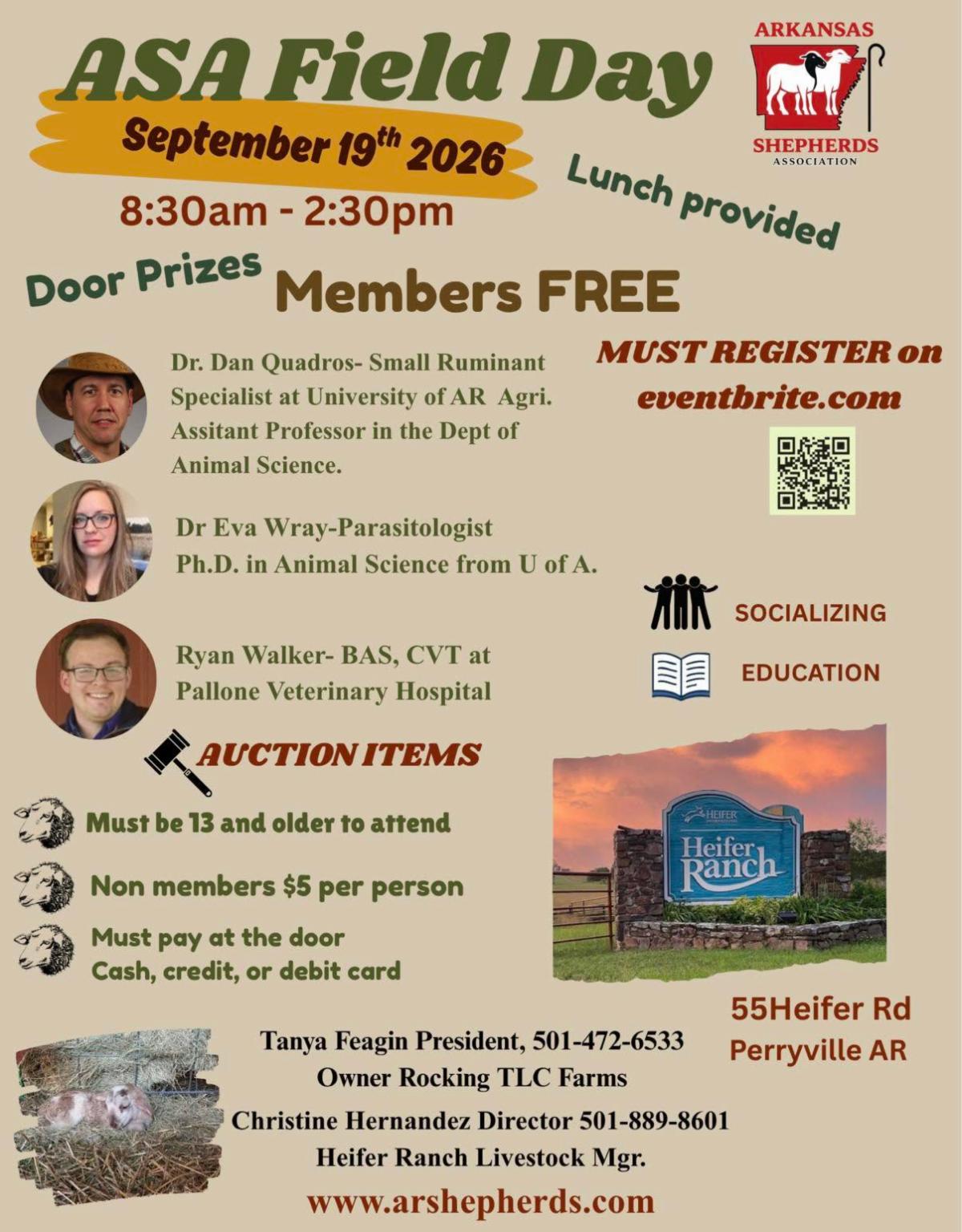
ASA Field Day — Saturday, September 19, 2026
8:30am - 2:30pm
Heifer Ranch, 55 Heifer Road Perryville, AR
Join us for a full day of hands‑on learning, great speakers, door prizes, and silent auction items benefiting the Arkansas Shepherds Association.
Members attend FREE.
Non‑members: $5 per person, paid at the door.
Must be 13 and older to attend.
Everyone must register on Eventbrite to attend.
Topics include:
Nutrition
Hoof care and trimming
How to draw blood
How to give shots
Parasites
Signs/Symptoms
Identifying
Treatment
We’re excited to see producers from across Arkansas and surrounding states come together for education, community, and a great day at Heifer Ranch.
| | |
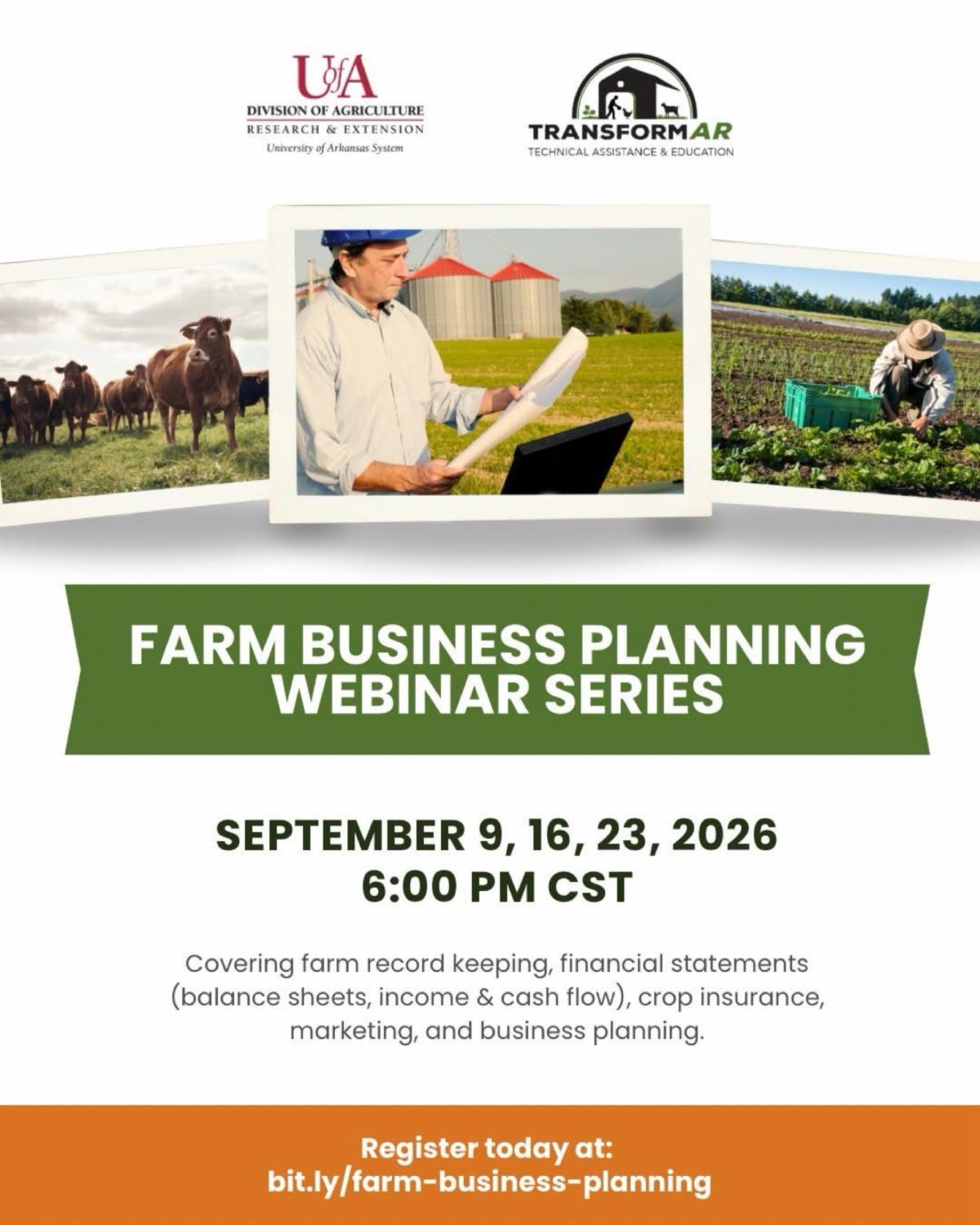
TransformAR Farm business planning
With Dr. Ryan Loy, Assistant Professor UADA | CES | Agricultural Economics & Agribusiness
-September 9, 2026 06:00 PM
-September 16, 2026 06:00 PM
-September 23, 2026 06:00 PM
Central Time (US and Canada)
Learn the fundamentals of farm record keeping, balance sheets, income statements, cash flow statements, crop insurance (microfarm/wholefarm & loan readiness), crop & livestock marketing, breakeven points, and business plan basics.
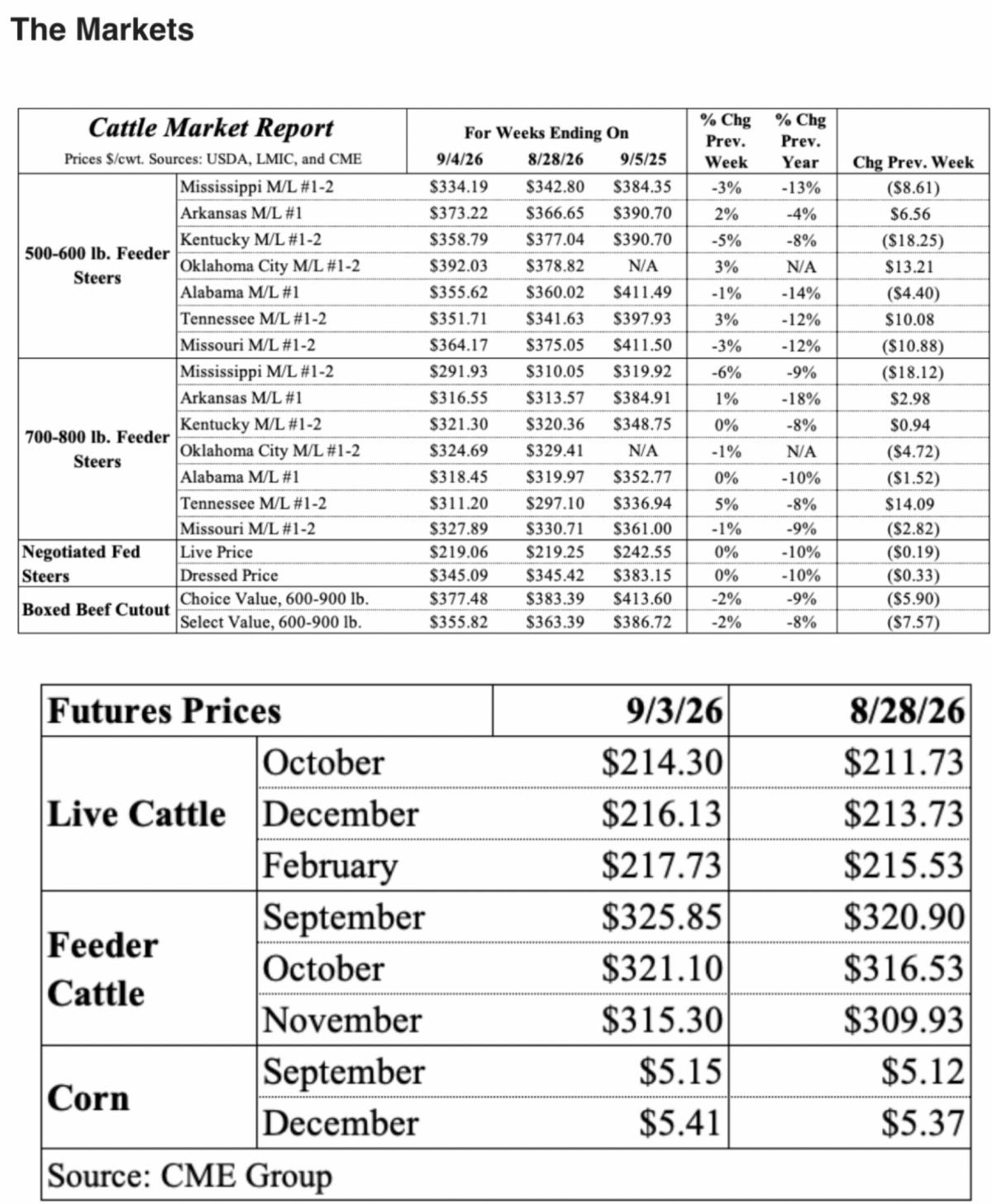
| Here is this weeks Cattle Market Notes Weekly | | |
Pesticide Applicator Trainings
There will be no more in person Pesticide Applicator Trainings until this winter. If you need a license you can still do the training online. There is a link below for the online training and a link to check your license status.
| | |
Livestock Market Report
The following links are for the weekly livestock market report from the Arkansas Department of Agriculture website and the Livestock Auction Dashboard from USDA. Both sites have marketing data for all livestock sold at Arkansas Sale Barns.
| | |
2025 Faulkner County Agriculture Demonstration Summary
The 2025 Faulkner County Agriculture Demonstration Summary is now available at the link below.
The 2025 Faulkner County Demonstration Summary is a collection of on-site demonstration results conducted in Faulkner County by local County Agents. Demonstrations are the cornerstone of the University of Arkansas System Division of Agriculture Cooperative Extension Service’s mission which is:
“We strengthen agriculture, communities, and families by connecting trusted research to the adoption of best practices.”
On-site demonstrations allow producers and homeowners to see firsthand how Extension recommended varieties and best management practices work in their counties and surrounding area.
| | |
Sign up for Text Alerts
You can now sign up for text alerts from me throughout the year. I have two areas you can sign up for which includes Faulkner Livestock or Faulkner Ag (Row Crop Updates). To sign up you can follow one of these links or use the QR Codes below.
| | Pursuant to 7 CFR § 15.3, the University of Arkansas System Division of Agriculture offers all its Extension and Research programs and services (including employment) without regard to race, color, sex, national origin, religion, age, disability, marital or veteran status, genetic information, sexual preference, pregnancy or any other legally protected status, and is an equal opportunity institution. | | | | |