Faulkner County Agriculture Update
September 12, 2025
| | |
Weather
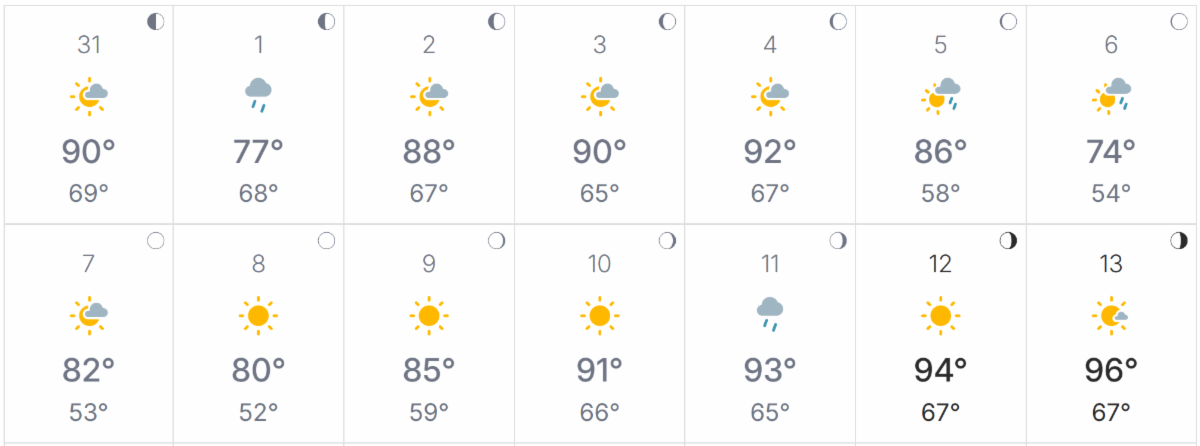
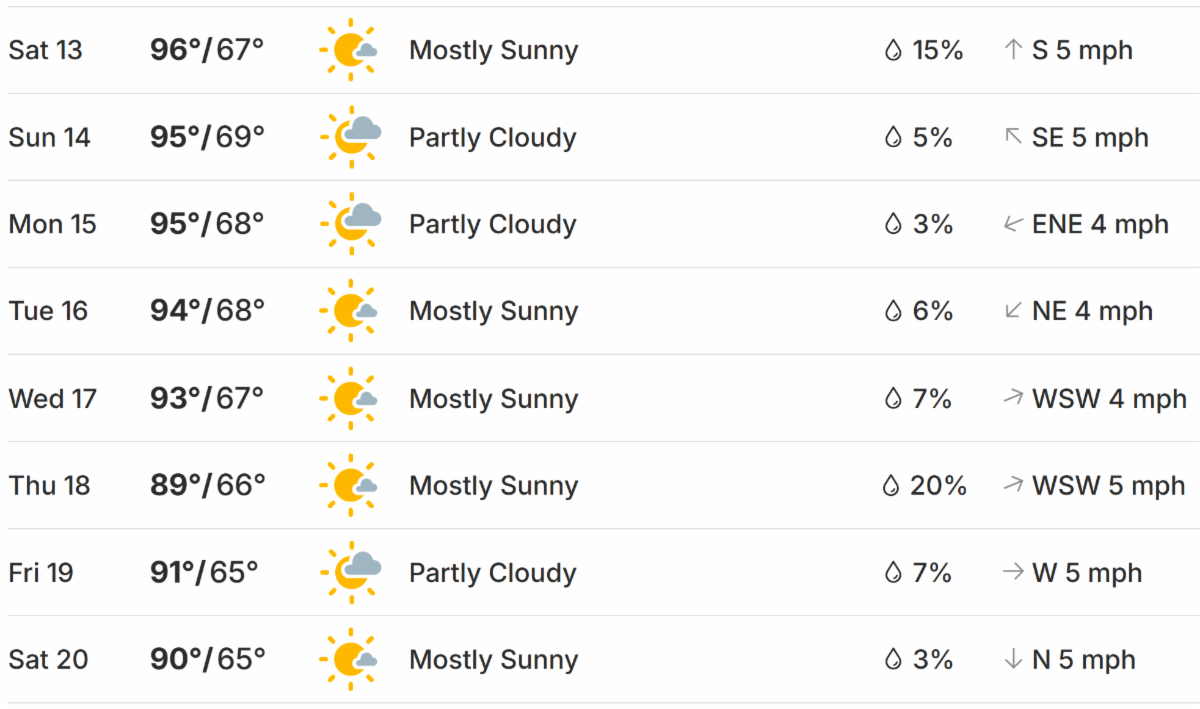
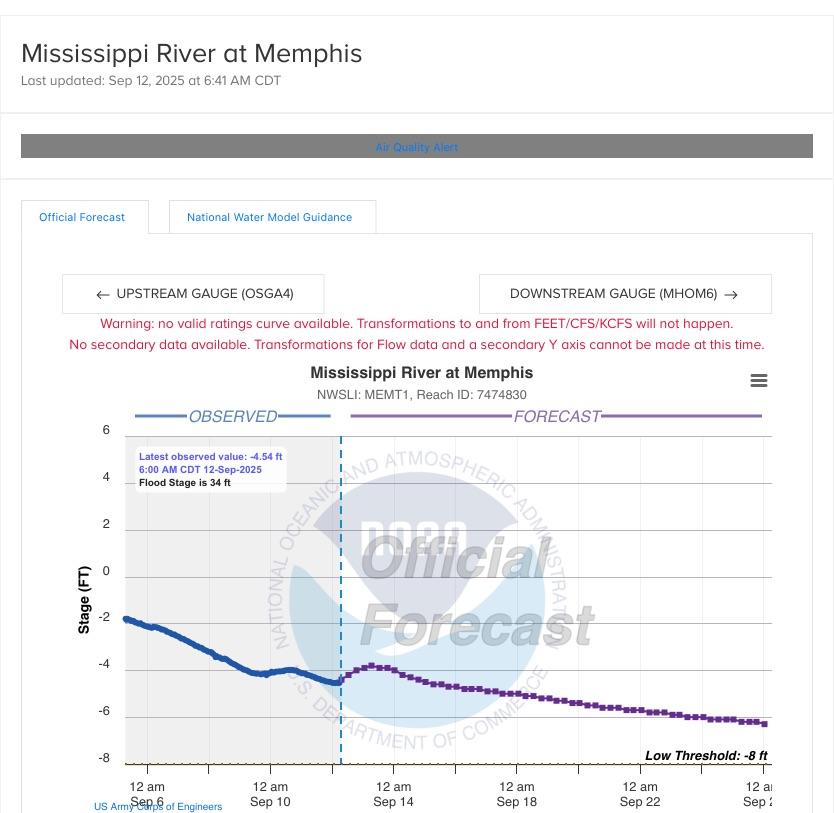
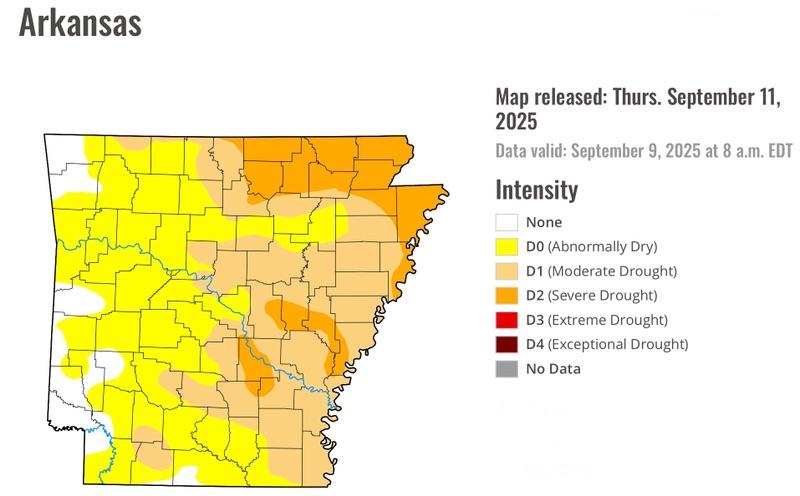
Summer isn't going out quietly. The heat is back in the forecast for the upcoming week. We have a couple of rain chances tomorrow and Thursday. The chances are low, but hopefully we will get something as we continue to head back towards drought conditions.
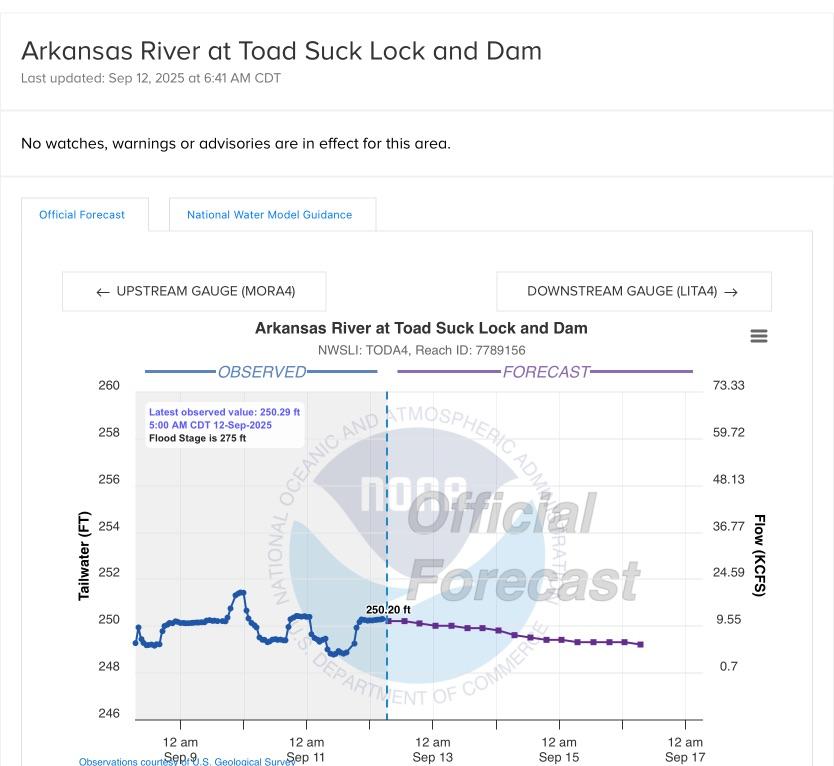
| | Arkansas and Mississippi River | | |
Harvest
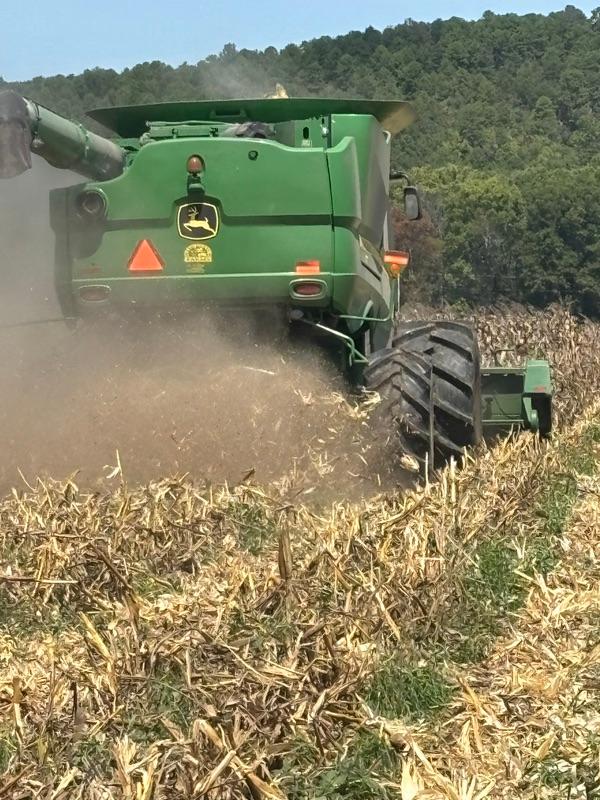
Corn harvest is around 95% done with just a few more fields to go. Rice harvest continues to move forward. We are about 10% done with rice.
| |
Inconsistent Rice Yields
Jarrod Hardke
As known by most and being more widely discussed, we’ve got yield issues out there. To be blunt, 75% of my yield problem calls have been DG263L. The other 25% have been a mixture of Ozark, CLL18, and hybrid (RT 7521 FP may be the majority of the hybrid issues). There are plenty of good yields (and some outstanding) out there in all of these mentioned and others, but that’s the breakdown of the calls I’m getting.
It will be necessary to overgeneralize a little here, but I’ll do my best to describe what I’m seeing and hearing. Certain factors definitely seem to be at play in some fields, and other fields we don’t have a definitive explanation on.
There are three main sections to this article: twin-stem, factors that can lead to low number of grains formed, and factors that can lead to excessive blank grains. Note that for the factors mentioned I’m not trying to cover everything possible, but focusing on factors that appear relevant this year. Disease pressure was overall low and has appeared to have little impact so there isn’t a focus on disease factors here.
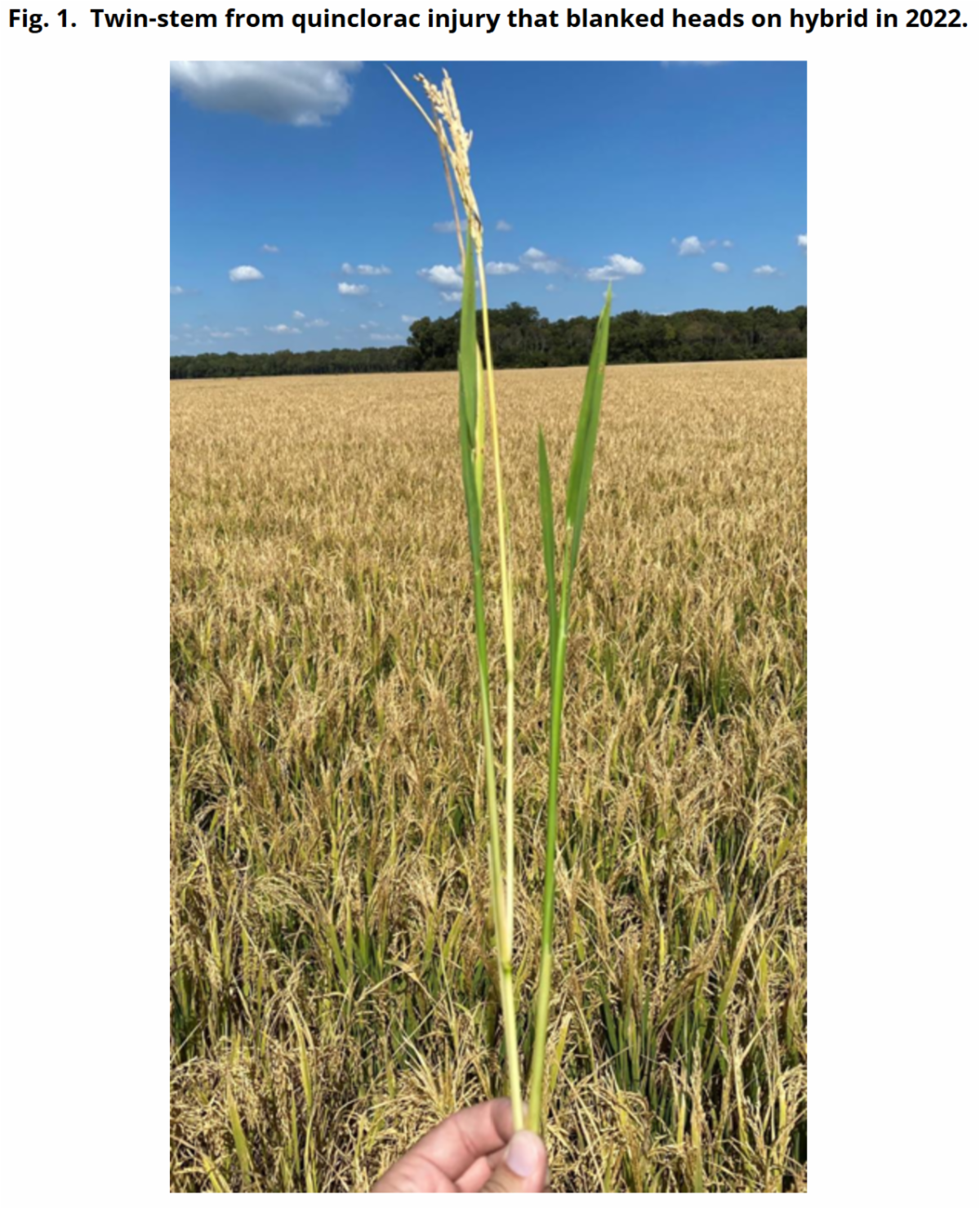
Twin-Stem
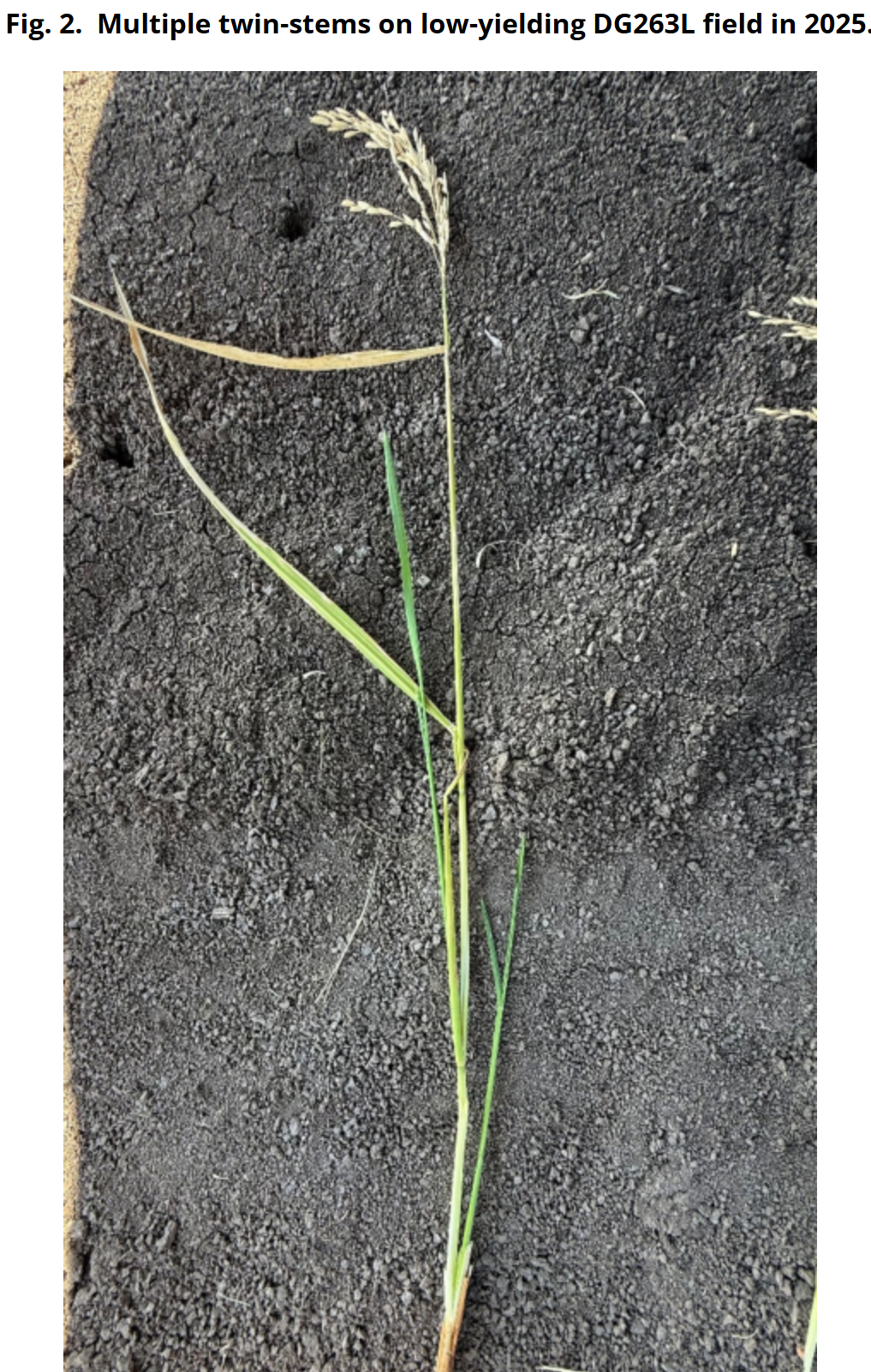
“Twin-stem” is a term I’ve used for a lot of years now to explain a condition where plants make an additional tiller that forms/starts on an upper node above the crown. I don’t know where I got that term or if I made it up, but I digress. I first remember seeing this in a field of CL111 over a decade ago.
We have seen twin-stem for a long time and associated it with a range of causes. Basically, anything that causes significant grain loss or suboptimal production on a tiller might result in a twin-stem. We’ve noted it with herbicide drift or injury, straighthead, stalk borers, etc.
This year, it’s widespread in lower yielding fields – the plant has the nutrients it needs but wasn’t successful in its first attempt to maximize yield. So, it produces another stem high on the plant where it can make another panicle in the shortest amount of time. Twin-stems are a symptom of the problem, not the cause.
| | |
Factors That Can Lead to Low Number of Grains Formed
Late Nitrogen
When the first calls started coming in weeks ago, it seemed as though there were a few common denominators for fields yielding 100-150 bu/acre, which was 20-90 bu off of expectation. Fields that didn’t receive any nitrogen (N) until close to green ring seemed to explain some loss.
In general, more complaint fields were late on N than any one reason that stood out. Not enough time to get N into the plant prior to the formation of grains (~1/2-inch internode elongation) can noticeably reduce yields. However, the N still gets taken up so fields have a good appearance, and they still want to try to make as much grain as possible, which leads to some different growth responses.
You might even see this as a gradient in fields, because wetter ground tends to keep rice progressing while ground that dries out can cause rice to slow down. I think this at times explains our ability to not be as penalized by fertilizing rice late in dry years, but in wet years it bites us.
Late N application can result in a lower number of grains per panicle. And, we will see almost all the grains end up filled on these smaller panicles – where in normal yielding rice it is typical to see 15-20% blank kernels.
Cloudy Weather
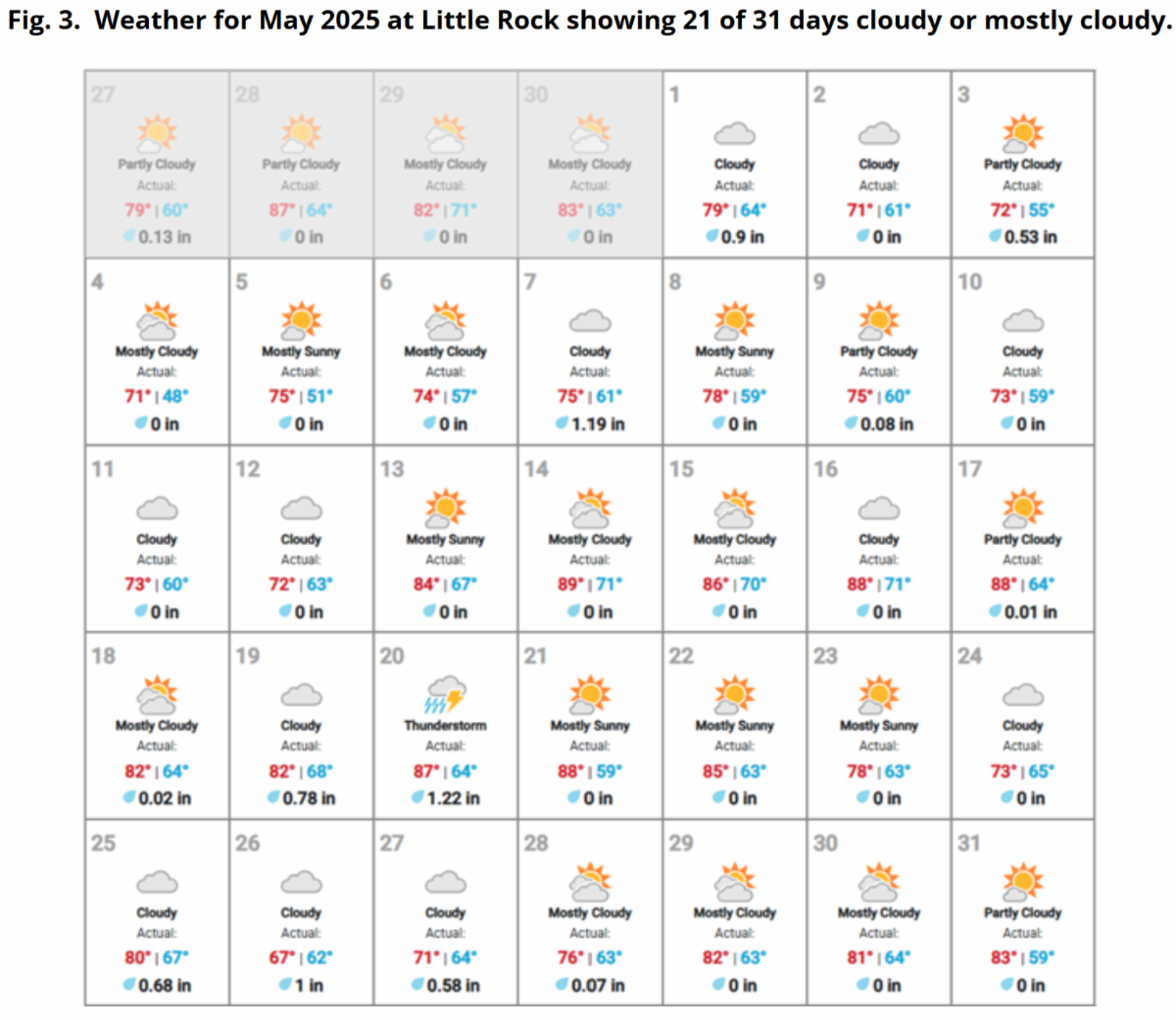
We know from basic research, and experience in 2015, that significant cloudy weather for the two weeks before and/or after reproduction begins (green ring) can negatively impact grain formation. Fewer grains formed – similar to delayed N described above. Earlier-planted rice was reaching green ring by early June when it had been cloudy and raining for the previous month.
| |
Factors That Can Lead to Excessive Blank Grains
Late Herbicide Applications
While late herbicide applications have seemed less of a cause this year, they do and have happened. Most concerning have been high rates of Facet or Loyant near joint movement. Drift of other herbicides could also be in play on some fields so we have to look out for any pattern to our low yields.
Pop-Up Storms
Rain, what rain? Most had absolutely no rain during the flowering window but there were areas of the state that had some isolated pop-up thunderstorms at mid-day during flowering. We know this can cause excessive blanking if it occurs at the wrong time. But this is a minimal factor in 2025.
High Nighttime Temperatures
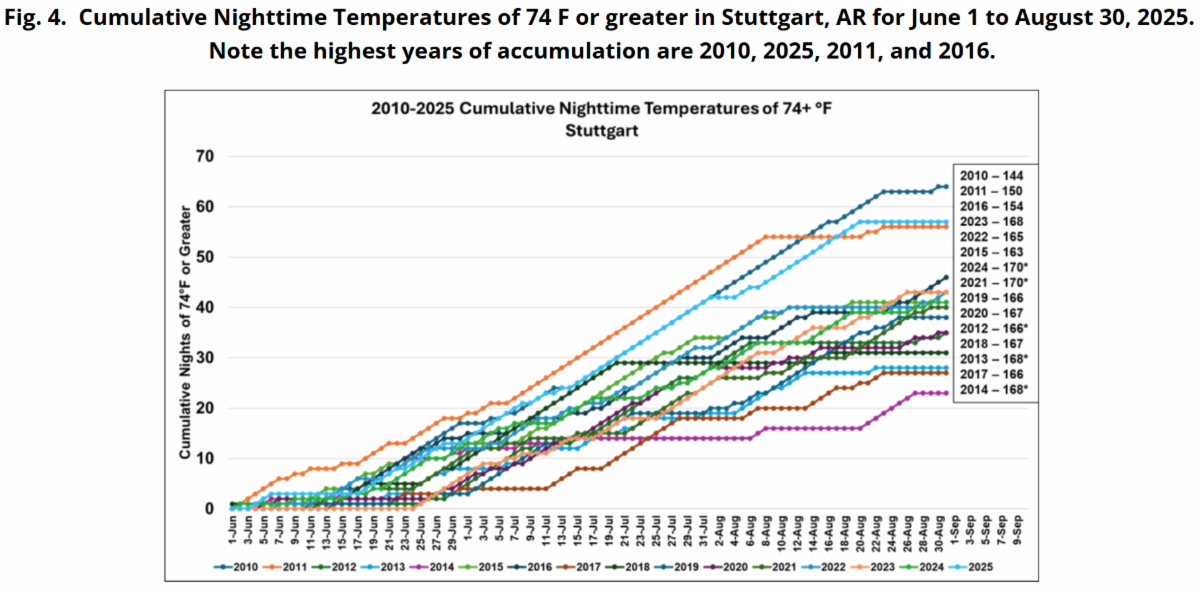
High nighttime temperatures were present for an extremely long stretch this summer, as was well documented. Most often, these periods are short enough that we don’t experience effects beyond grain quality and milling issues. That may not have been the case this year, as very high, prolonged nighttime temperatures can impact the way pollen is formed and released, and how pollen germinates. If this is impacted, sterility (blanking) can become an issue.
| |
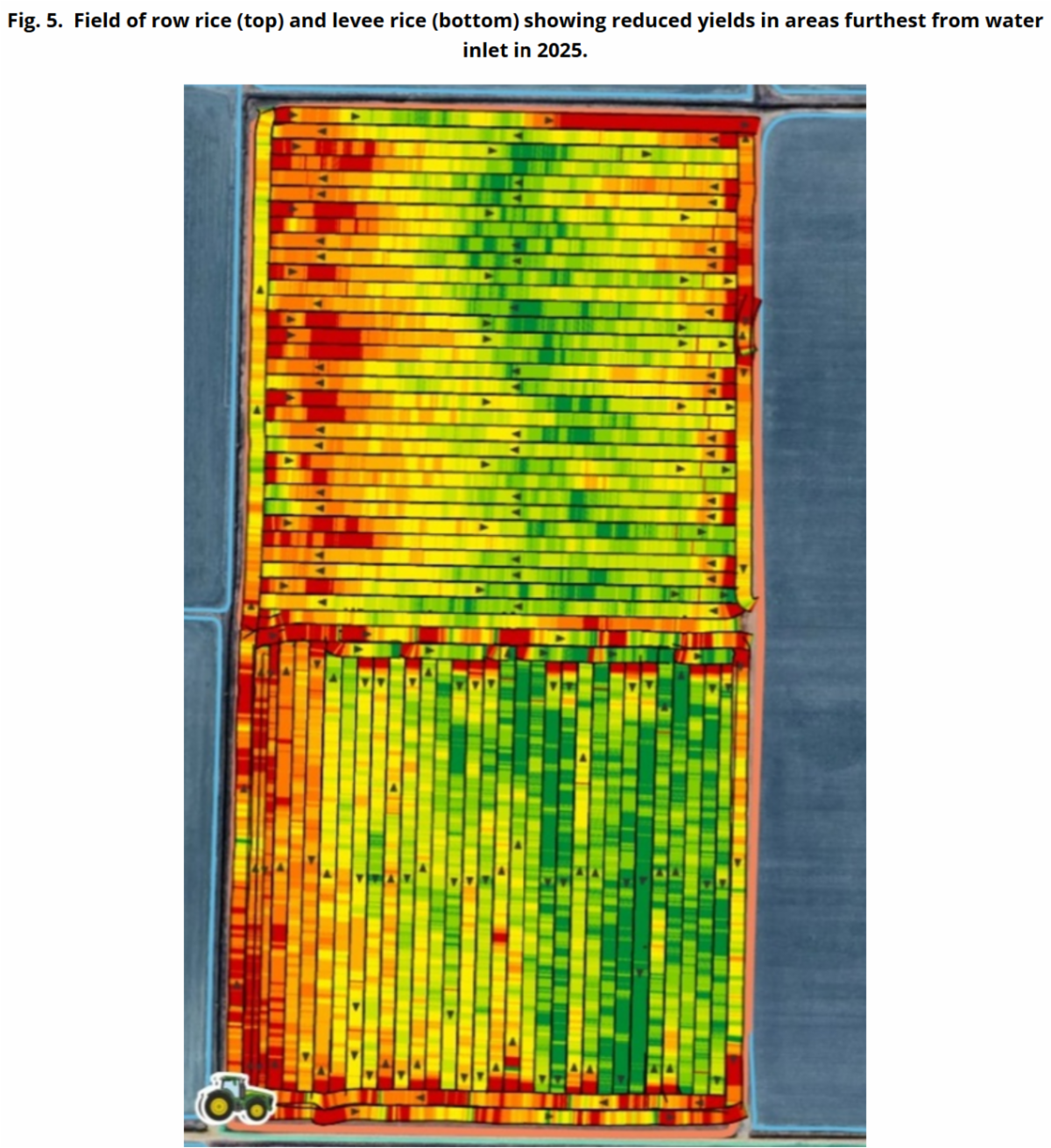
Some have row rice fields where the flooded lower end is performing much worse than the non-flooded upper end. Well, rice didn’t suddenly stop liking a flood, so there’s more to it. In levee fields, as well as the lower ends of row rice fields that were flooded, during the worst of the heat, the water may have heated up adding stress to the rice.
Consider how sensitive rice can be during reproductive growth. In rice-growing areas where cold temperatures are a concern for causing sterility, it is recommended to increase flood depth to insulate the forming panicle from low nighttime temperatures to minimize blanking (sterility). Which leads to the opposite, heat, being able to also cause a negative impact on rice in reproductive stages. Requiring rice to undergo excessive respiration takes energy away from grain development.
In 2016, the most recent year with high temps similar to this one (day and night), we routinely noticed in levee (flooded) fields that yield maps were inverted – that is, instead of seeing low yields near cold water inlets and getting better further away, the rice was best near the well and got worse the further away from the well.
In Fig. 5 below, the top field is a row rice field where the top of the field is on the right and the flooded bottom is on the left, showing low yields in the bottom flooded area. The bottom field in the figure is a levee field using multiple-inlet irrigation. Yields are worst at the bottom of the figure (furthest away from water entering each paddy) and at the far left in the furthest paddies (where water cascaded in the last few) – and the best yields are in the paddies on the right closest to the water inlet.
In hindsight, maybe we should have focused on moving water through the fields more and even dropping boards and letting water run through row rice fields more. But of course, in the heat we were combatting it would have seemed a crazy notion while just trying to keep up with irrigation in drought conditions.
| |
Final Thoughts
The most likely root cause of issues will depend on the specific set of circumstances in each field. There will always be fields that are nearly impossible to explain, sometimes because it’s a combination of issues, and other times because we just can’t know enough. At this point, these are the main factors to consider when trying to determine what happened with lower-yielding fields this year.
If you have very few blank grains and the yield isn’t there – the issue points to earlier season issues during early reproductive growth. If you have excessive blank grain – the issue points to a problem near heading or at flowering that caused that blanking.
| |
Soybeans
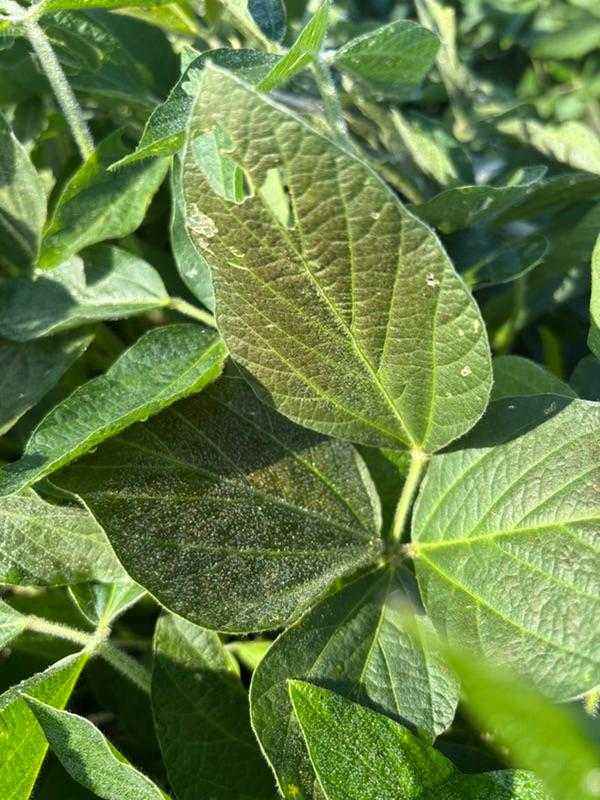
Walking soybeans this week I noticed cercospora starting up in a few fields.
Cercospora leaf blight and Purple seed stain are caused by the same fungal pathogen. Disease development typically occurs late in in the growing season from beginning of seed development through pod fill. The first visible symptom of Cercospora leaf blight is a light purple discoloration on the upper leaf surface. This discoloration can deepen and expand to cover part or the entire upper leaf surface, giving a leather appearance, sometimes mistaken for sunburn. Numerous infections cause rapid necrosis of leaf tissue resulting in defoliation, starting in the upper canopy.
A fungicide isn't really going to help once you see the symptoms on the plant. Planting resistant varieties and working up the residue after harvest are the best ways to keep from getting cercospora.
| | |
Corn Earworm Moth Traps
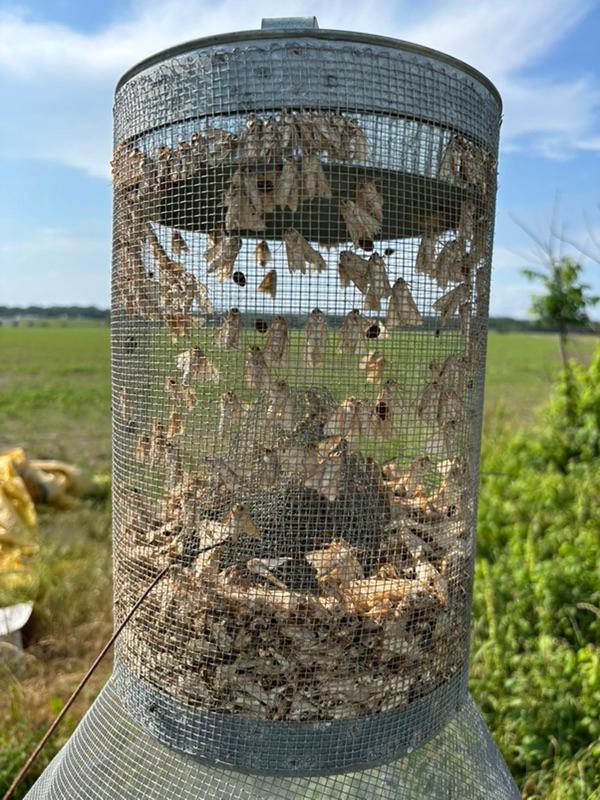
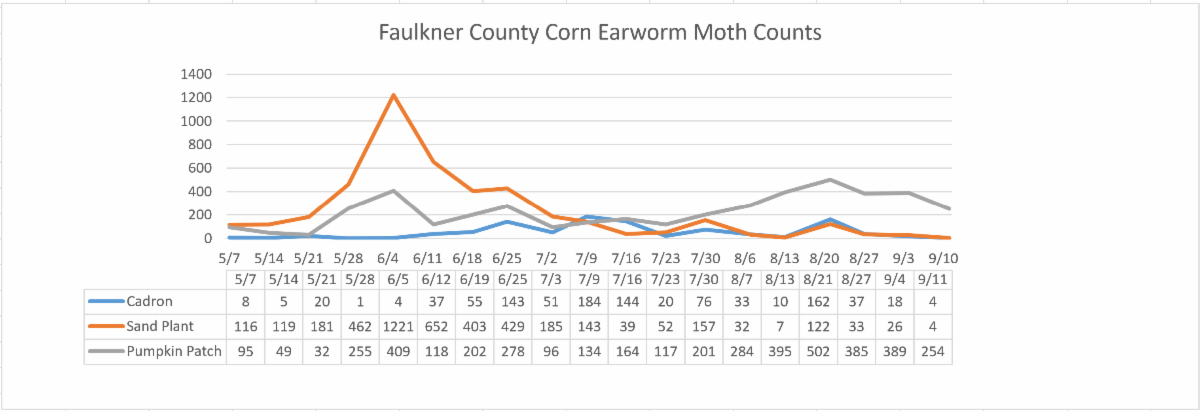
Trap numbers are down this week. Keep scouting soybeans for earworms.
Cadron - 4 moths
Sand Plant - 4 moths
Pumpkin Patch - 254 moths
| | |
Prevented Planting: Historical Impacts to Indemnities and Acreage
Dr. Hunter D. Biram, Assistant Professor and Extension Agricultural Economist
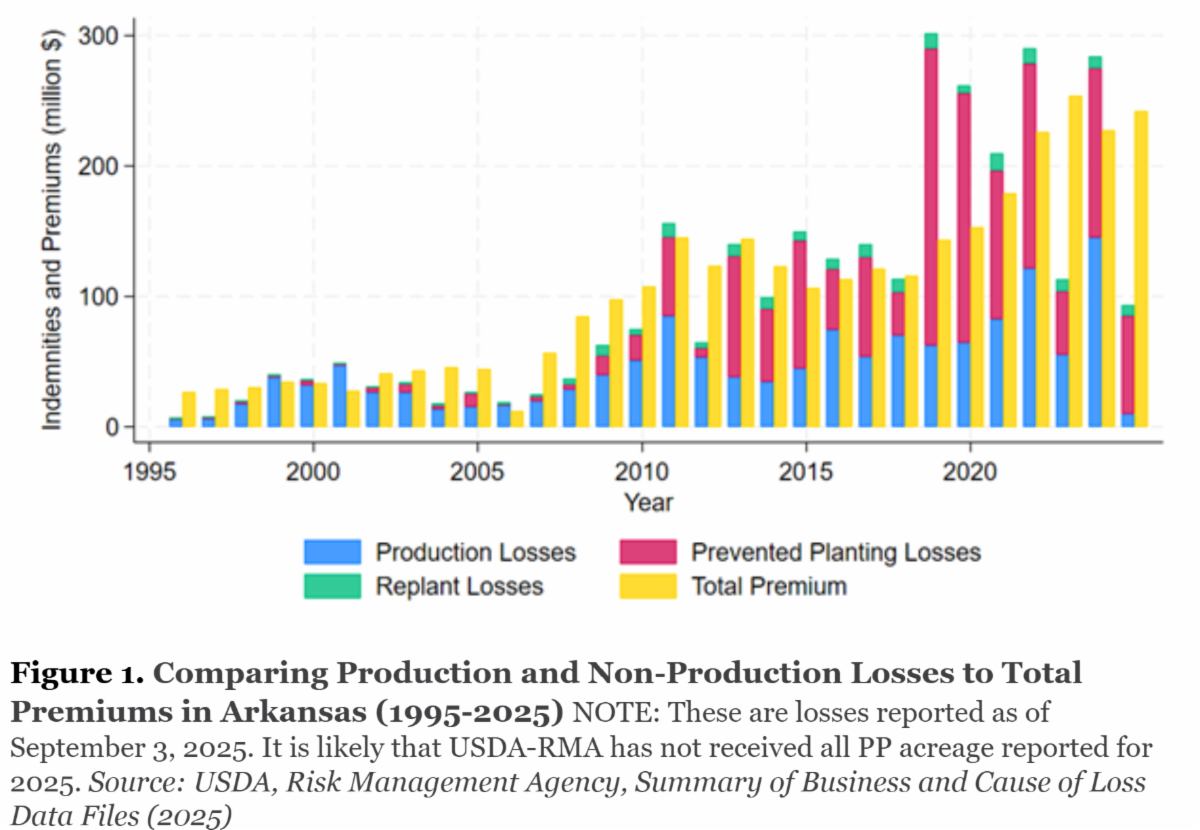
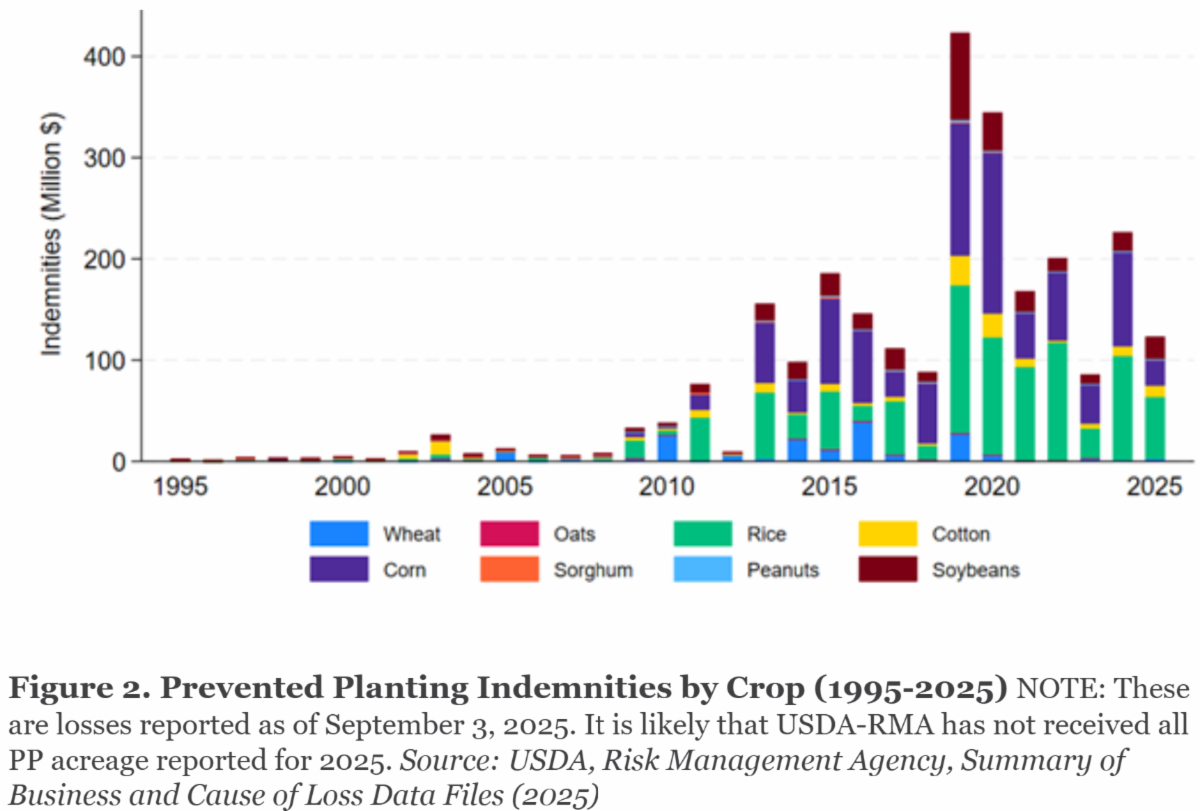
On Monday, July 28, 2025, I discussed the inner workings of the federal crop insurance provision of “Prevented Planting” coverage. This week, I will provide a historical perspective on the magnitude of losses by crop across the state of Arkansas. According to the USDA, Risk Management Agency Cause of Loss data files, crop insurance indemnities (i.e., losses) received by Arkansas producers have increased, along with participation measured by Total Premium, since 1995 (see Figure 1). Prior to 2011, losses were primarily characterized as “Production Losses” which are those losses realized by a producer after harvest of a particular crop has finished. From the period from 2011 to 2018, “Prevented Planting Losses” increased and were almost half of all losses. Since 2019, “Prevented Planting Losses” have largely overtaken all types of losses incurring the most indemnities paid to producers. Further, since 2019, total losses paid to producers have mostly been greater than Total Premium received by crop insurance companies implying a potential for inaccurate program design which will be discussed in a later newsletter.
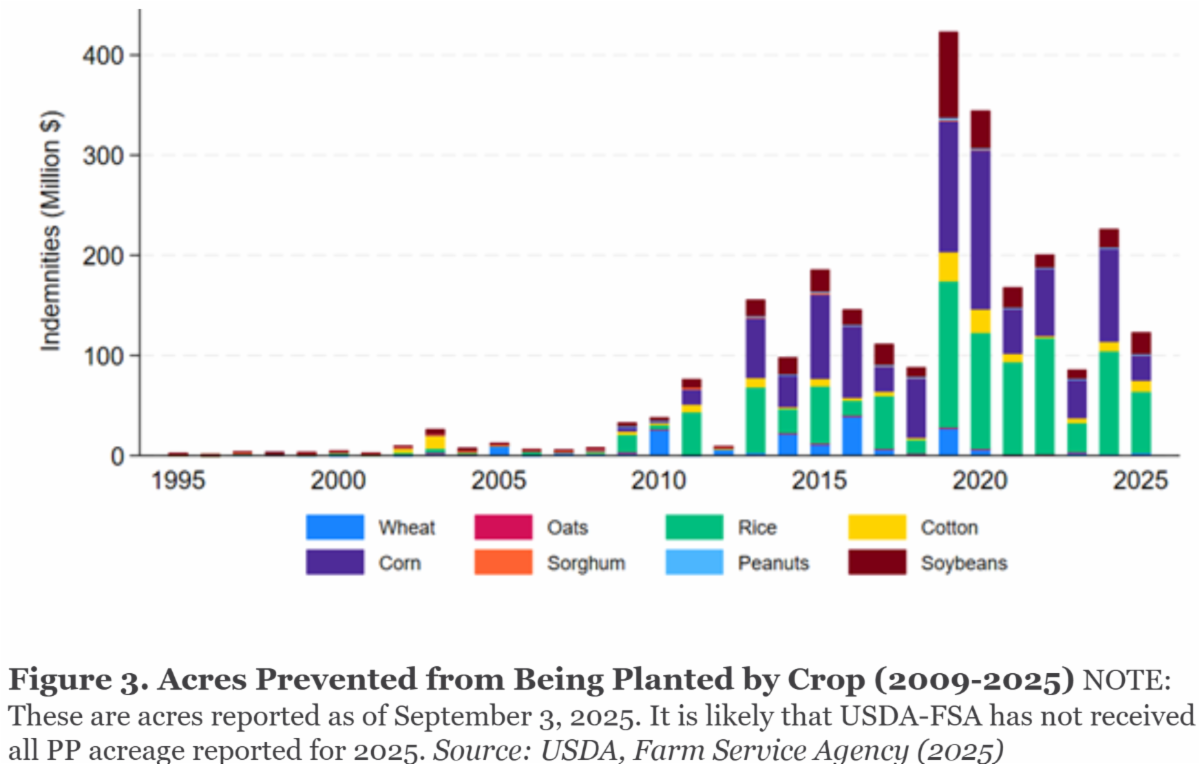
| Breaking down the “Prevented Planting Losses” (hereon PP losses) by crop shows the spread of losses incurred across crops produced in Arkansas. Since 2013, rice and corn has incurred the most PP losses among eight principal crops grown in Arkansas making up an average of 52% of all PP losses in this period (see Figure 2). The most PP losses were incurred in 2019, when corn and rice incurred $131 million and $103 million, respectively in PP losses. Soybeans incurred $86 million in PP losses in 2019 marking the most PP losses incurred by soybeans since 1995. While 2025 losses appear to be down year-over-year, it is likely that USDA, Risk Management Agency has not received all reports of PP losses in 2025. | While 2025 losses appear to be down year-over-year, it is likely that USDA, Risk Management Agency, has not received all reports of PP losses in 2025. To provide more perspective on the most likely amount of PP losses incurred by Arkansas farmers this year, I will use the USDA, Farm Service Agency Crop Acreage Data Reported to FSA (USDA-FSA, 2025). According to USDA-FSA, Arkansas has incurred nearly 1 million PP acres which is the third most acres designated as PP with 2020 and 2019 being the second most and most, respectively (see Figure 3). The greatest rice acreage intentions, noted as the sum of planted, failed, and prevented acres, are in 2025 at 1.80 million acres (USDA-FSA, 2025). Among the same principal crops considered above, rice has incurred the most PP acres at 0.52 million acres followed by corn at 0.20 million acres, and soybeans at 0.11 million acres. Corn tends to follow rice in terms of PP acreage with the most PP acreage for corn being 0.5 million in 2020, 0.33 million in 2019, and 0.27 million in 2022. The most PP acreage for other crops was in 2010 for winter wheat at 0.33 million acres, 2014 for oats at 187 acres, 2019 for cotton at about 38,000 acres, 2011 for grain sorghum at about 23,000 acres, 2015 for peanuts at about 3,300 acres. | | Beef, Small Ruminants, & Forages | | |
ARMYWORM ALERT
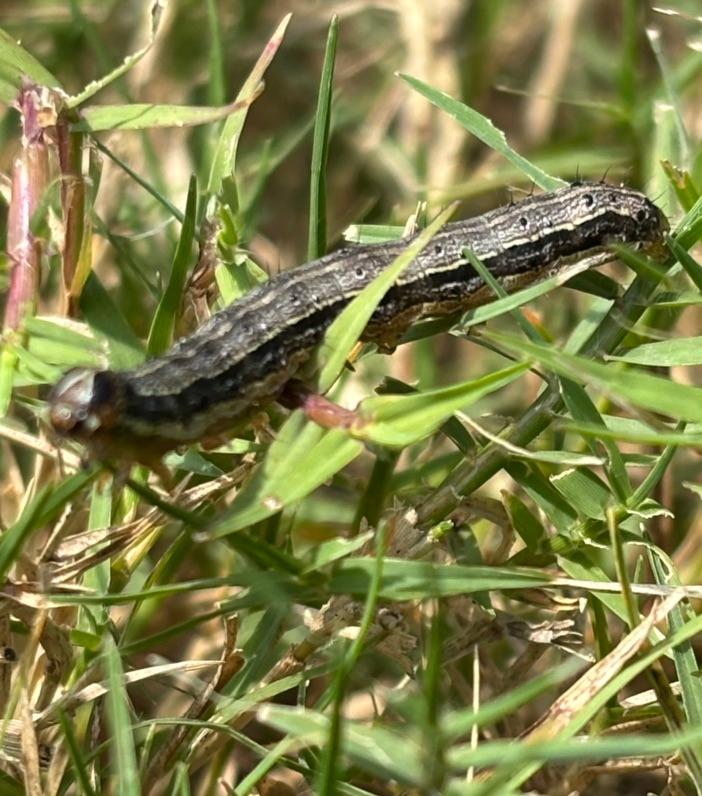
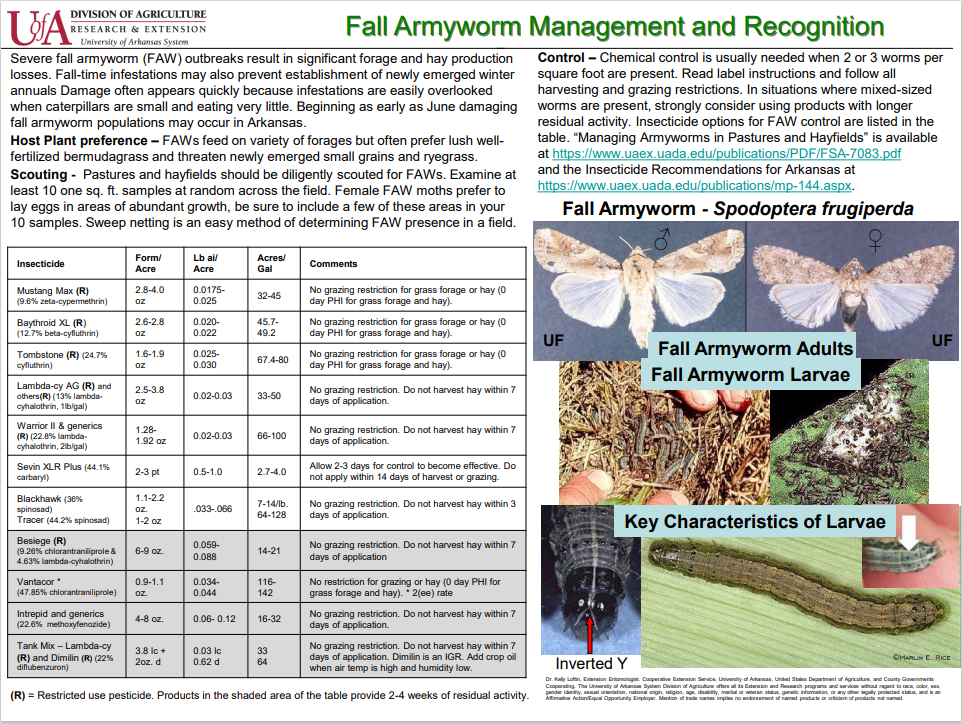
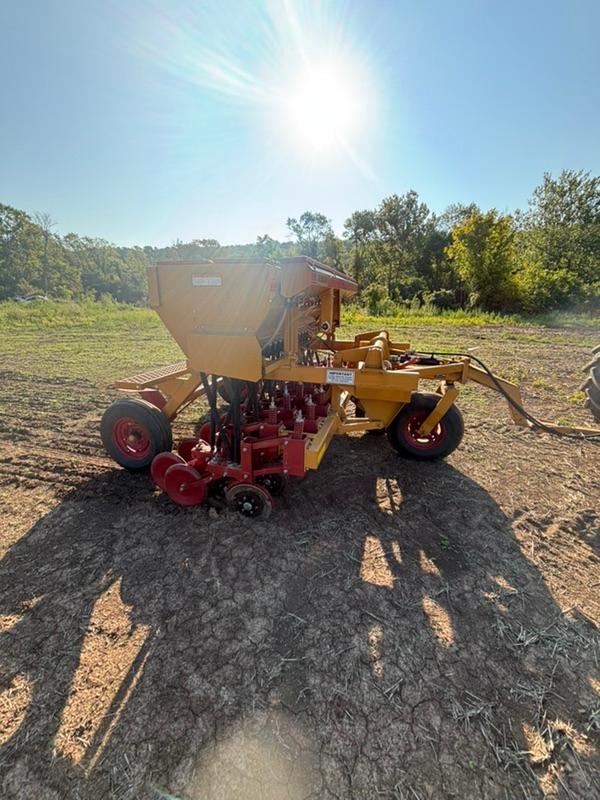
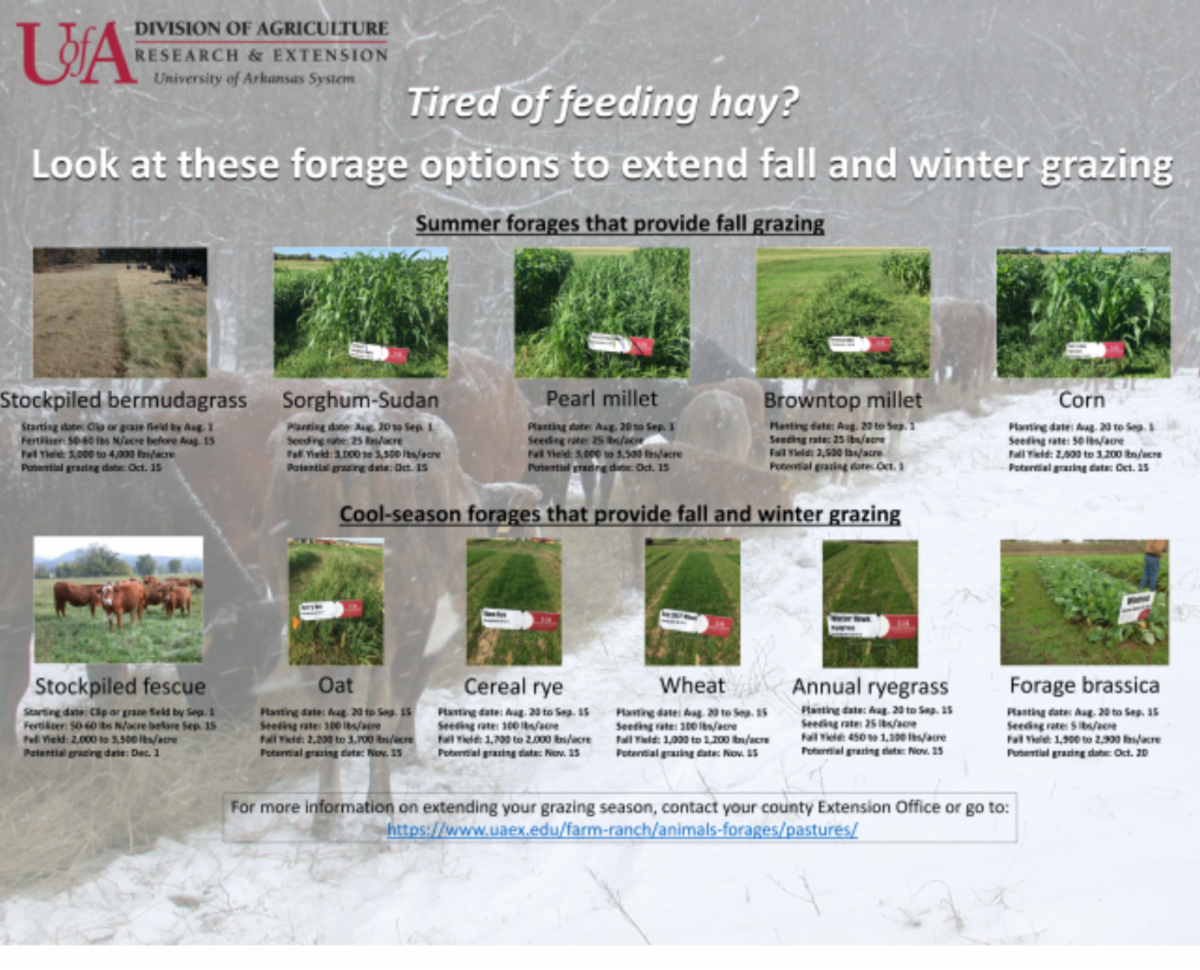
Armyworm calls continue in Faulkner County. Several producers have sprayed fields with sever infestations. I looked at a field of newly planted sorghum sudan on Tuesday that was infested with small worms. I also heard of a field in Conway County of newly planted wheat that had a big infestation. If you have planted some winter annuals, make sure you are scouting them regularly. Also watch your food plots! They will take them out quickly.
| | |
Seven Percent Rule of Body Condition Scores
Mark Z. Johnson, Oklahoma State University Extension Beef Cattle Breeding Specialist
The body condition scoring system (BCS) is used to assess body energy reserves in beef cows. The BCS system used for beef cattle ranges from 1 to 9. A score of 1 indicates cows that are thin and emaciated, cows of BCS 9 are fat and obese.
When condition scoring cows, producers should look beyond age, frame size, depth, length pregnancy status and hair coat. The condition scoring system is intended to provide a consistent system to quantify relative fatness regardless of these other factors that create difference in cows‘ appearance. There is a strong relationship between weight and BCS. For each unit change in BCS, cows should gain or lose approximately 7% of their BCS 5 weight. For example, a cow that weighs 1,200 lbs. at a BCS 5 should reach a BCS of 6 at 1,284 lbs. or drop to a BCS 4 at 1,116 lbs.
Best time to Evaluate BCS?
Typically, late summer/early fall when cows are slicked off and in 2nd trimester of pregnancy is the most accurate and easiest time of the management cycle to evaluate BCS on cows. Weaning time or at time of fall pregnancy checks is realistically the most convenient time of the annual management cycle to capture a weight on cows. If cows need to be fed and managed to have adequate BCS by the start of calving season, managing for a target weight gain can be effective.
Why is BCS Important?
One of the major constraints in the improvement of reproductive efficiency in cows is the length of post-partum anestrous. If cows are to maintain a calving interval of one year, they must bred back within 80 – 85 days after calving. In both old and young cows, it is well established that BCS at calving time determines the rebreeding performance of beef cows in the subsequent breeding season. Cows maintaining body weight, therefore having ample energy reserves before parturition, exhibit estrus sooner than cows losing weight. Body weight change during pregnancy is confounded with fetus and placenta growth. Therefore, the estimation of body fat by use of BCS is more useful in quantifying the energy reserves of beef cows. The process of fetal development, delivering a calf, milk production and repair of the reproductive tract are all physiological stresses. These stresses require the availability and utilization of large quantities of energy to enable cows to rebreed in the required 85 days. Cold and/or wet weather is often faced by spring calving cows and adds additional environmental stress resulting in energy intake that is below body maintenance needs. The cow compensates by mobilizing stored energy or adipose tissue which is why adequate BCS at calving is so critical to reproductive performance.
The Goal
Producers should manage their calving season, genetics, grazing system, supplementation program and herd health to achieve an average BCS of 5 to 6 (target 5.5) in the mature cow herd at calving time. The goal for first calf heifers is to have a BCS of 6 at calving. Typically the greatest reproductive challenge in beef cattle is the breed back of two-year old females raising their first calf, lactating for the first time and still growing themselves, accordingly the higher BCS of 6 is recommended.
| | Cool Season Annual Resources | | |
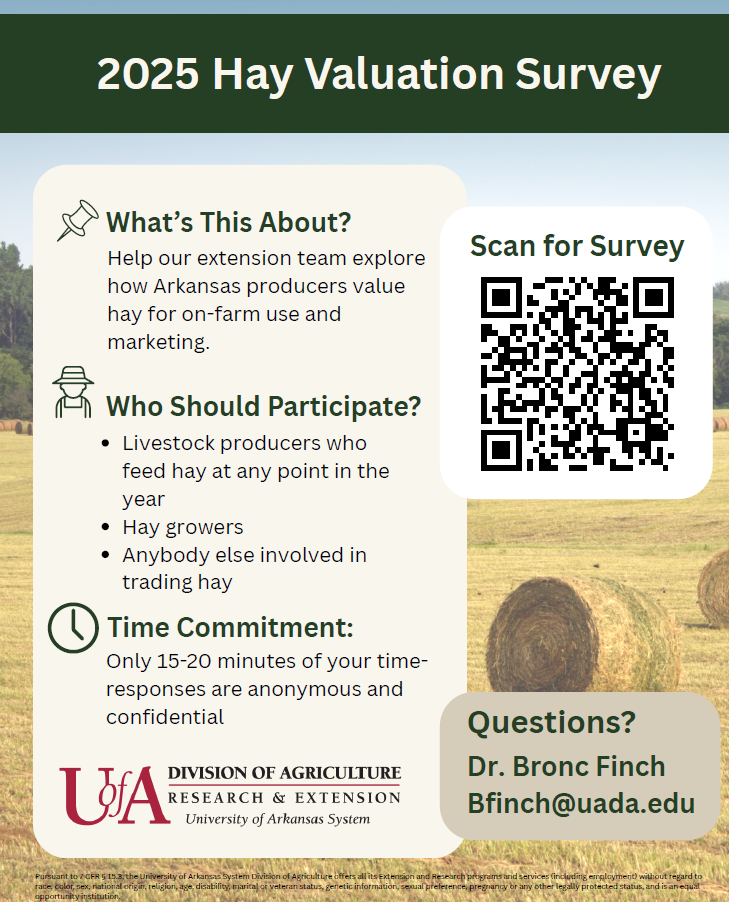
2025 Hay Valuation Survey
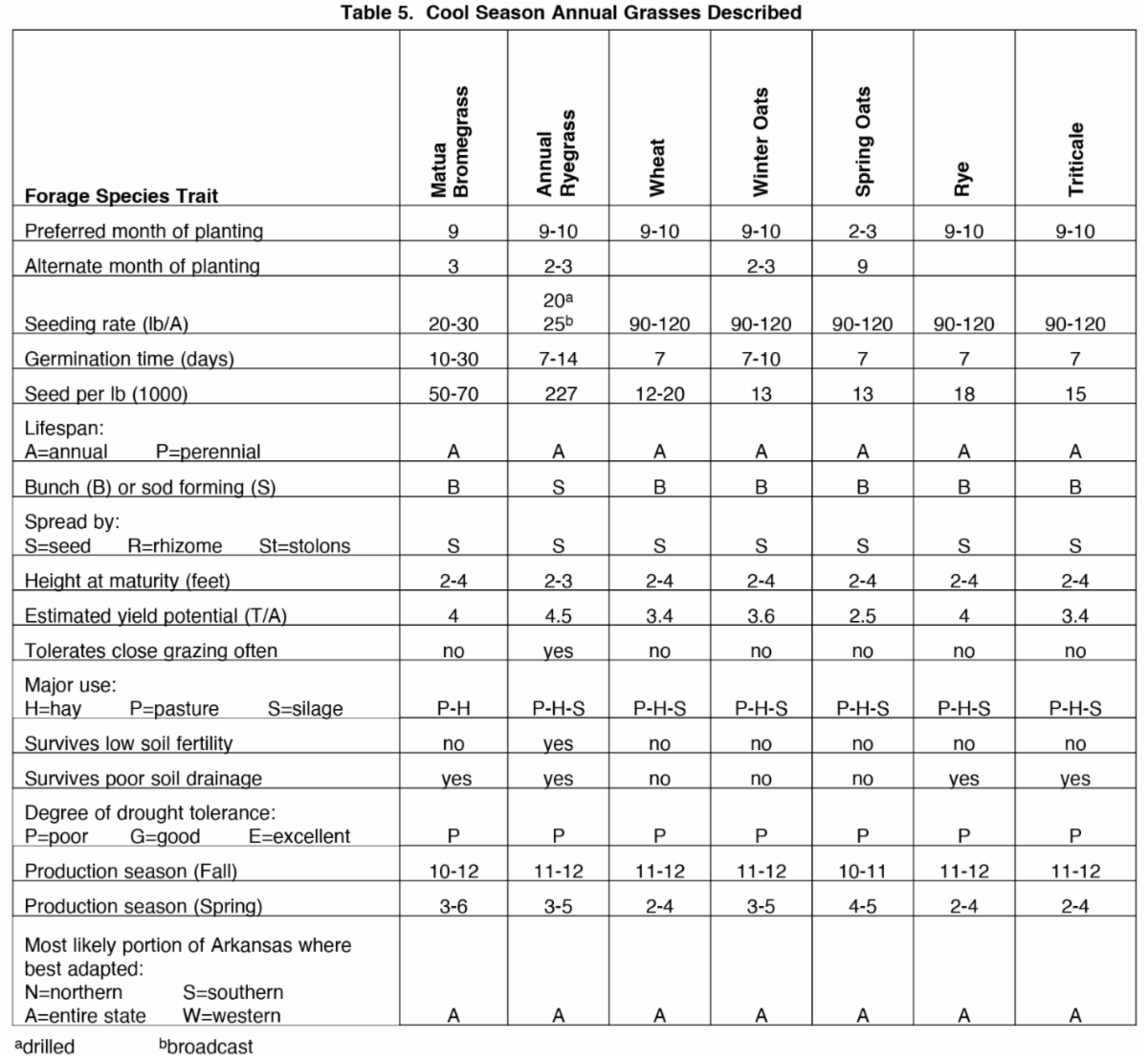
If you are a hay producer, please take the time to take our hay valuation survey. Our specialists are wanting to learn more about how producers value their hay.
| | Upcoming Meetings and Field Days | | |
Livestock Market Report
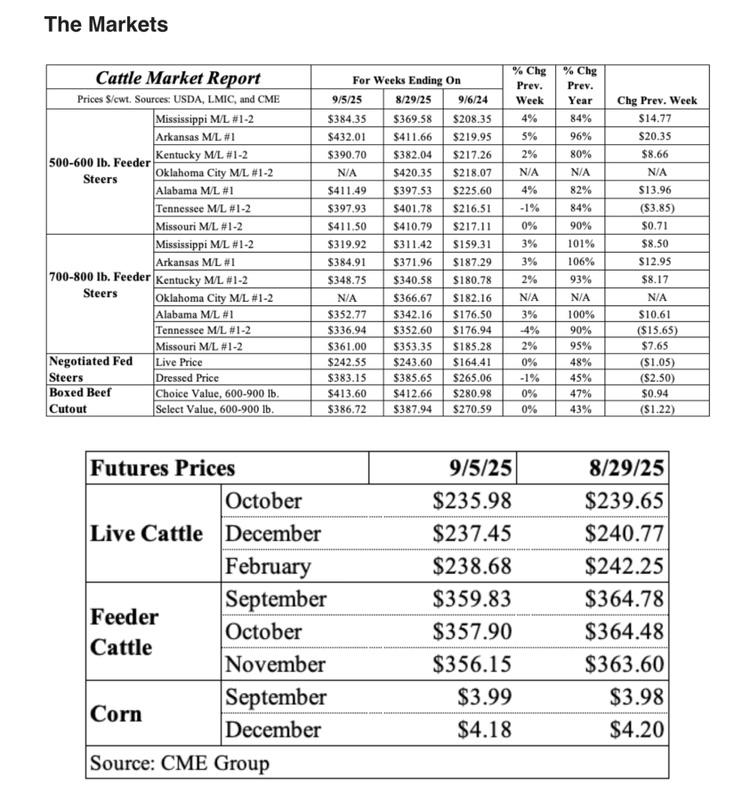
The weekly livestock market report is available on the Arkansas Department of Agriculture website.
| | |
Sign up for Text Alerts
You can now sign up for text alerts from me throughout the year. I have two areas you can sign up for which includes Faulkner Livestock or Faulkner Ag (Row Crop Updates). To sign up you can follow one of these links or use the QR Codes below.
| | Pursuant to 7 CFR § 15.3, the University of Arkansas System Division of Agriculture offers all its Extension and Research programs and services (including employment) without regard to race, color, sex, national origin, religion, age, disability, marital or veteran status, genetic information, sexual preference, pregnancy or any other legally protected status, and is an equal opportunity institution. | | | | |