Faulkner County Agriculture Update
September 19, 2025
| | |
Weather
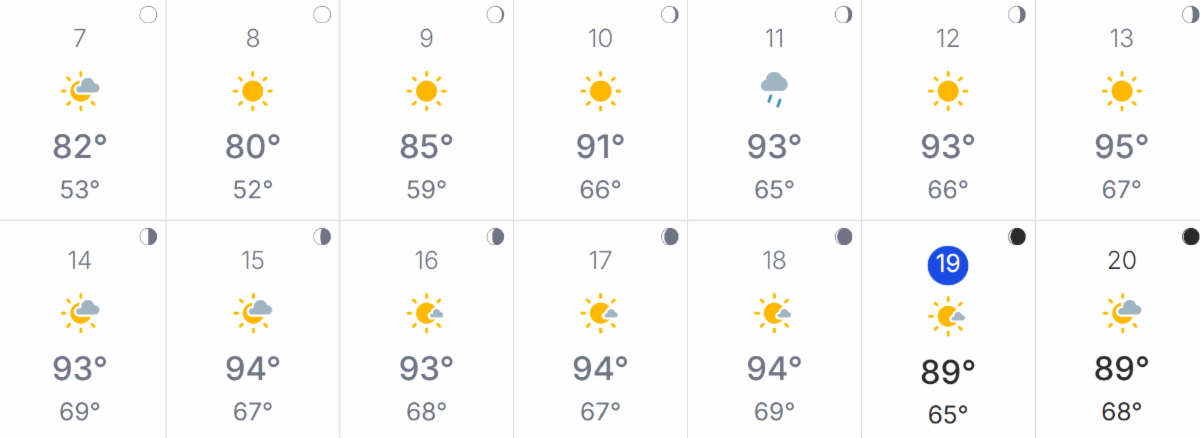
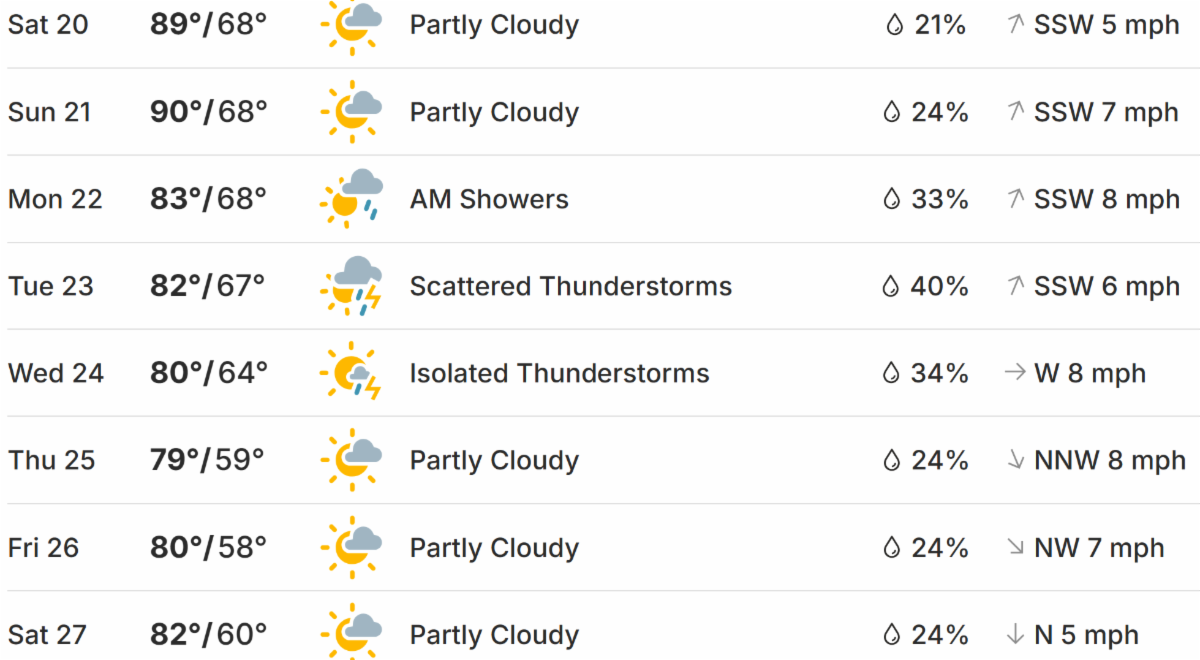
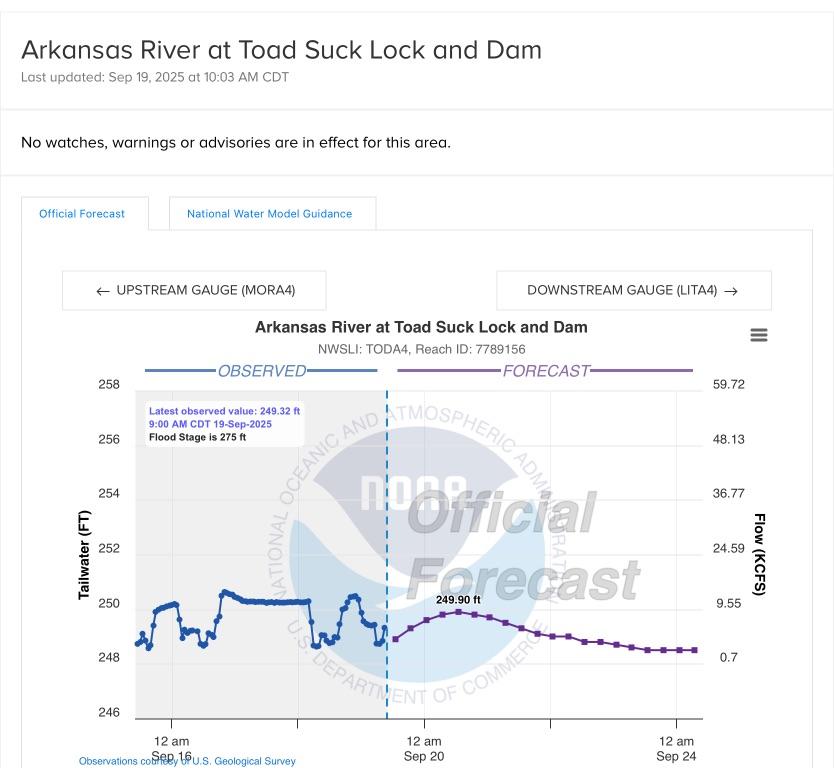
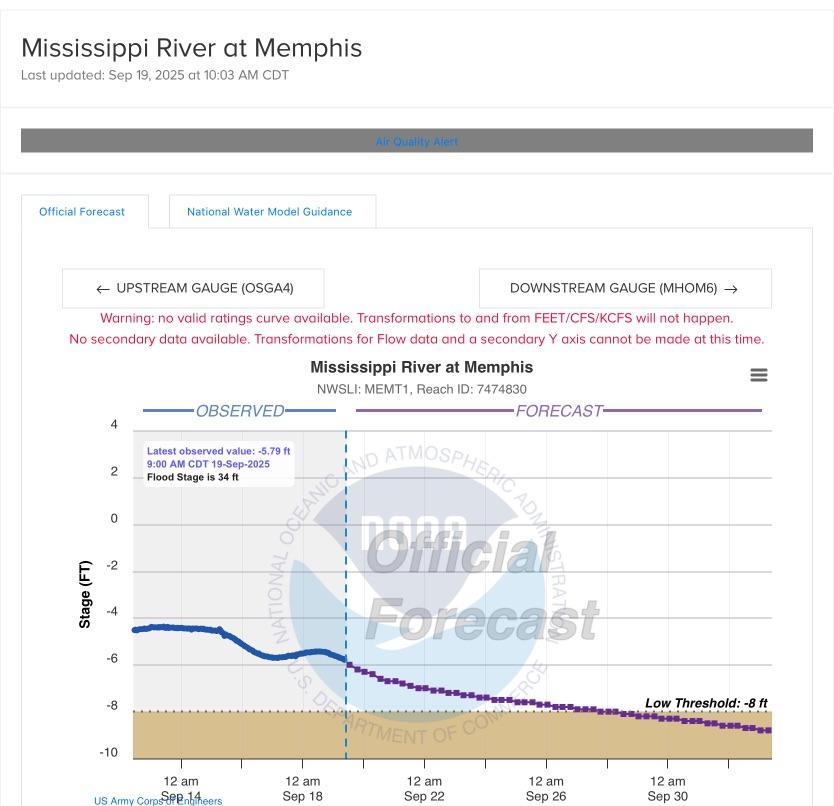
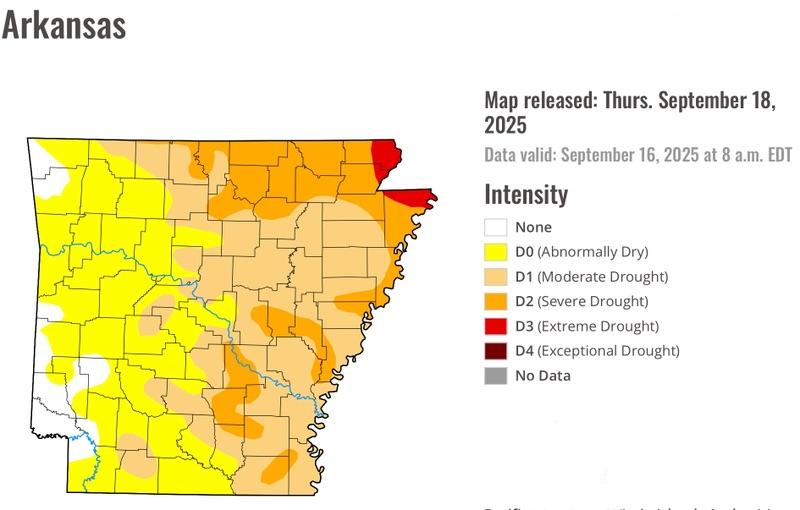
Some areas of the county received a rain this week, but the majority stayed dry. Temperatures were in the mid 90's for the week. Rain chances are back in the forecast for this weekend and most of the upcoming week. We need a good rain as we are still in D1 drought status.
| | Arkansas and Mississippi River | | |
Harvest
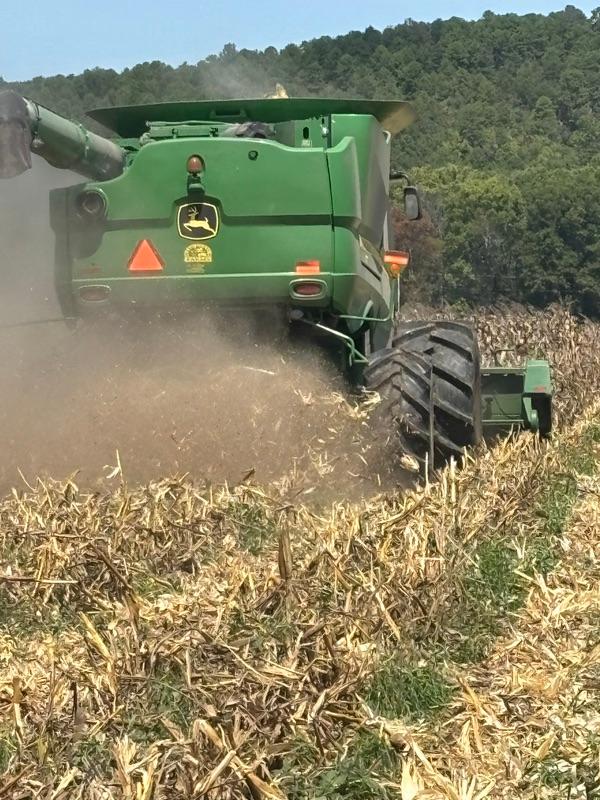
Corn harvest is at 98% done and rice is around 30% done. Rice harvest has slowed as field moisture is still a little high. A few producers have made a round or two around some soybeans testing them out, but moisture is still high.
| |
Pre-emerge Ryegrass Control
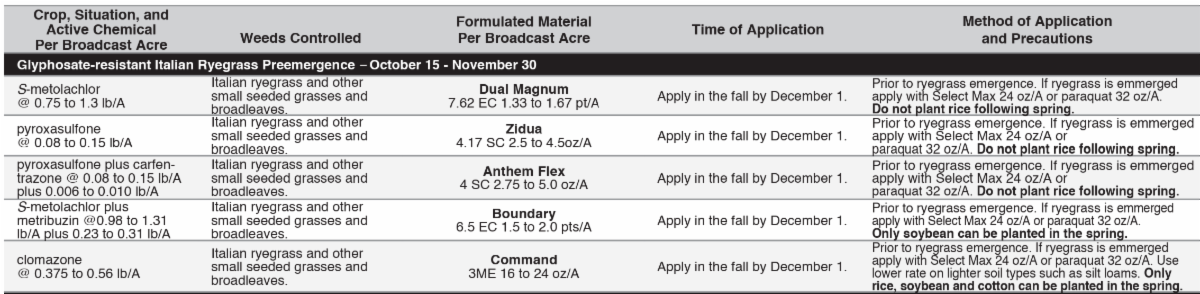
Ryegrass has already emerged from the cool weather and recent rains that have come through. Resistant ryegrass in the spring is becoming harder and harder to control going into planting. Last year I sprayed a demonstration in the spring with some options for spring burndown, but this year I have established a fall residual demonstration. If you have a bad ryegrass population, this might be an option to help with control. My plot will consist of Zidua, Dual, Boundry, Command and Prowl. Below is our recommendations from the MP44. Remember these are all pre-emerges so if you are going into a field where ryegrass has already germinated go with Select or paraquat with your application.
| |
|
Extension Planning and Wheat Production Breakfast
October 2, 2025 at 7:45am there will be a breakfast meeting at the Barn in Lollie. I would like to invite all of the row crop producers to come out for a good breakfast and a quick meeting to help me plan for 2026. I want to hear from as many of you as I can about what I can do to help you in 2026 and what kind of program you would like to see. I have also invited Dr. Jason Kelley to come out and discuss the upcoming wheat year. We should be done by mid morning so everyone can get back to harvest. I hope to see everyone there!
| | |
Rice Insects
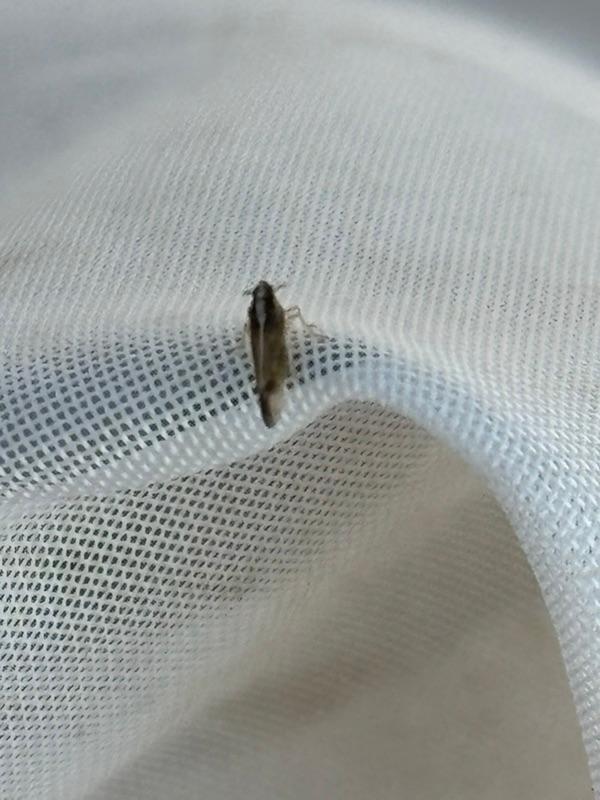
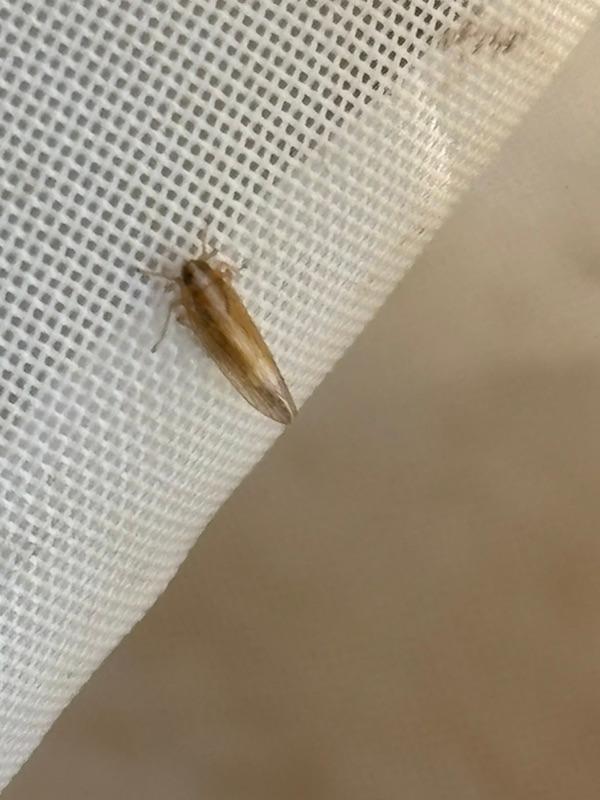
I have received a few calls about producers harvesting rice are seeing a lot of tiny insects on the header after they come out of the field. The majority of those insects are sharpshooters. Those are a certain type of plant hopper that we see every year. They don't do any damage. The insect that is causing concern in Louisiana and Southern Arkansas is the Rice Delphacid. After sweeping fields and looking closely I did find a few delphacids in Faulkner County. Since we are done with this year, this isn't a problem, but I will say it is concerning that it made it this far north. We will watch this closely next year because they can do significant damage to rice if we don't control them.
| | |
Corn Earworm Moth Traps
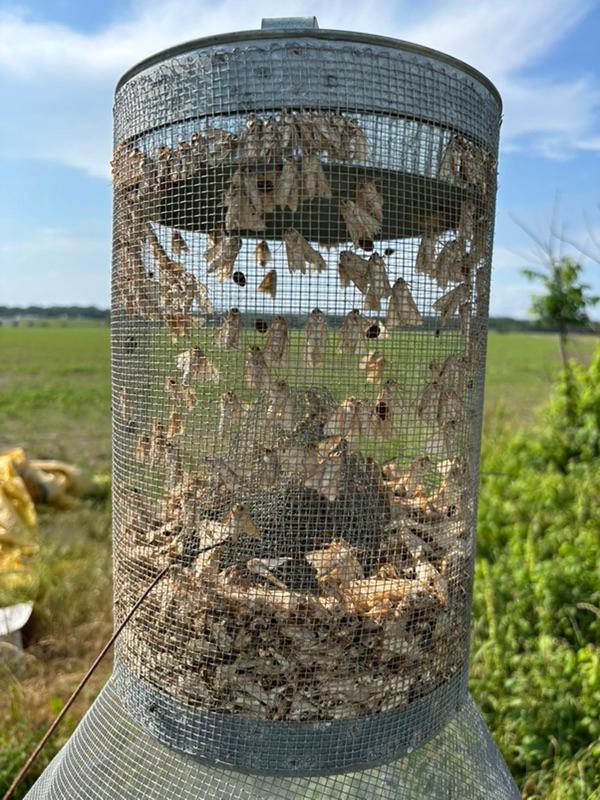
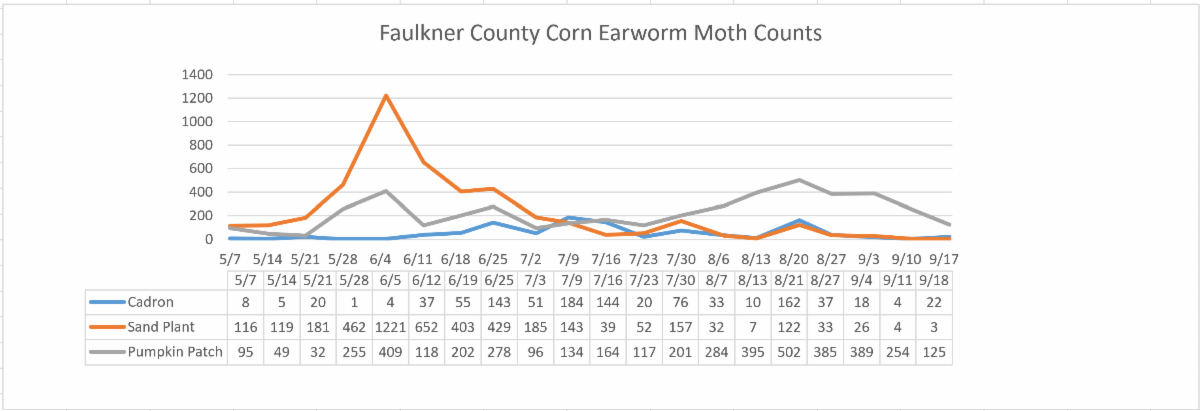
Trap numbers continue to shrink as we are ending up the year. Next week will be the final report of the year.
Cadron - 22 moths
Sand Plant - 3 moths
Pumpkin Patch - 125 moths
| | |
Margin Protection (MP) and Margin Coverage Option (MCO) Sales Closing Date for Corn and Soybeans is September 30, 2025
Dr. Hunter D. Biram, Assistant Professor and Extension Agricultural Economist
As harvest progresses and crop prices stay at historical lows, it is difficult to consider risk management for 2026. The federal crop insurance program offers a tool that can currently provide a form of county-level revenue protection. Margin Protection (MP) crop insurance was made available to corn and soybean producers in Arkansas and other states across the southeast region in 2025. MP is an area-level (i.e., county-level) crop insurance product designed to provide risk protection against the risk of thin margins using a combination of county yields, futures prices, and region-specific input usage. Coverage levels range from 70% to 95% and may be purchased with any individual insurance, such as Yield Protection (YP) or Revenue Protection (RP). It may not be purchased with Supplemental Coverage Option (SCO) or Enhanced Coverage Option (ECO) (see Biram and Connor, 2023). Additionally, there is a new product offering like ECO and MP called Margin Coverage Option (MCO) which I will provide more details on below.
While most federal crop insurance sold in Arkansas has a sales closing date of February 28th, MP for corn and soybeans has a sales closing date of September 30th. MP for all rice types has a sales closing date of February 28th just like YP, RP, SCO, and ECO. Given a different price discovery window offered by MP (August 15, 2025 to September 14, 2025) provides corn and soybean producers with the option to buy MP and lock in futures prices which could potentially be higher than those faced by producers in the normal price discovery window (January 15, 2026 through February 14, 2026). For example, the current USDA, Risk Management Agency (RMA) projected price for MP purchased for corn is $4.55/bushel which implies a price guarantee of $4.32/bushel assuming county yields and costs remain constant.
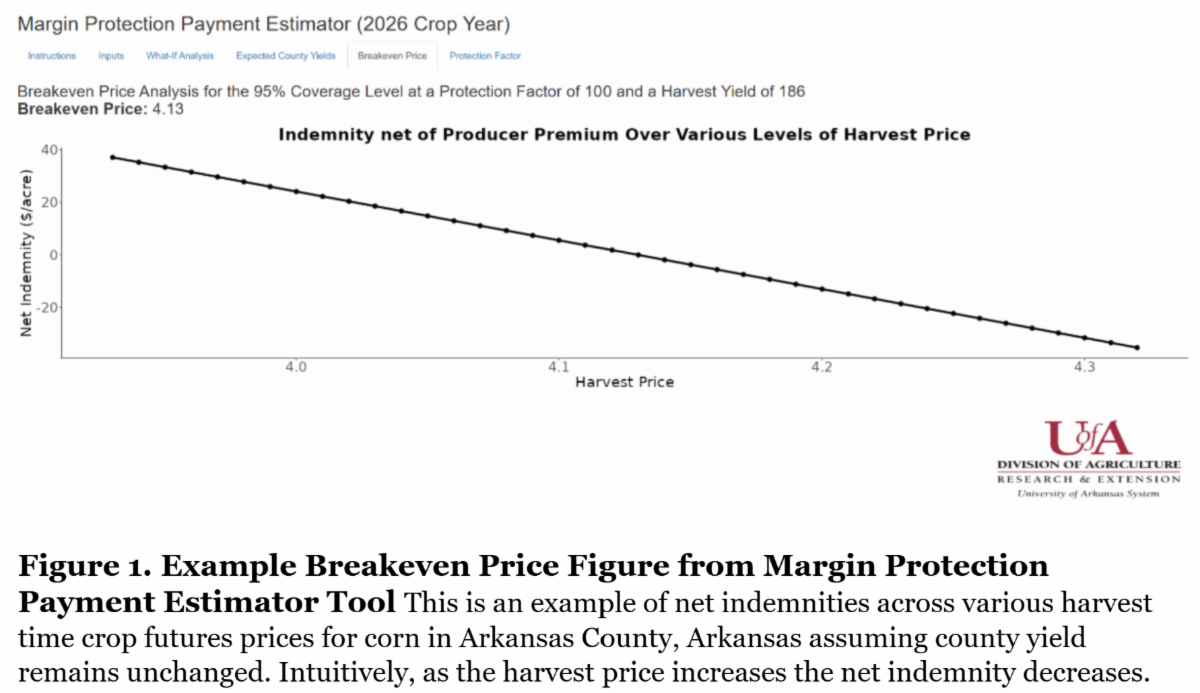
Another decision variable in the MP coverage decision is the Protection Factor (PF). The PF ranges from 80% to 120% and offers higher (lower) protection at a higher (lower) premium cost and largely functions as a farm-level production adjustment. That is, if a farmer perceives their yield to be higher than the county average, they may select a PF higher than 100% at an additional premium cost. Alternatively, if a farmer perceives their yield to be lower than the county average, they may select a PF less than 100% and pay a lower premium. The University of Arkansas, Cooperative Extension Service offers a fully web-based Margin Protection decision aid. The decision aid allows the user to input information such as state, county, crop, and irrigation practice to determine Margin Losses (i.e., indemnities) net of producer paid premiums across all coverage levels. Additionally, the tool offers a feature which calculates a breakeven price which is a harvest time crop futures price which results in a Margin Loss which is the same as the producer paid premium, or results in a zero net indemnity which requires no out-of-pocket premium from the producer. Breakeven prices vary by coverage level and harvest county yields which may be input by the user. The decision aid may be used to determine breakeven prices which will trigger Margin Losses which may be enough to more than cover the producer premium.
An example output providing net indemnities across different harvest crop futures prices, including a breakeven price of $4.13/bushel at the 95% coverage level, is given in figure 1 below. This figure suggests that Margin Losses at or above the producer paid premium is experienced if the 2026 December corn futures price has a 30-day average below $4.20/bushel at harvest (i.e., August 15, 2026 through September 14, 2026). You may access the Margin Protection Payment Estimator (2026 Crop Year) at this link. Fact sheets which provide all of the details of MP may be found at the following links: Margin Protection Crop Insurance and Determining Expected Cost and Premium Rates.
| |
Margin Coverage Option (MCO)
Like MP, MCO provides area-based coverage against an unexpected fall in operating margin. This could be driven by a fall in the county-level yield average, a fall in the harvest-time futures price, or an increase in the futures prices of select inputs or any combination of these perils. MCO uses the same expected and final county-level yields as SCO and ECO and covers a band from 86% to either 90% or 95% of expected county-level revenue. Currently, the subsidy rate for MCO is the same as the updated subsidy rates for SCO and ECO which is 80% of the actuarially fair premium meaning farmers will pay 20% of the total premium expense.
According to the USDA, Risk Management Agency (RMA), a farmer may not purchase MCO with either MP or ECO because they cover the same band of expected county-level revenue. Since RMA won’t raise the SCO band to 90 percent until the 2027 crop year, producers may pair SCO and MCO on the same acres in 2026; work is underway with RMA to preserve the ability to stack MCO/ECO with SCO in 2027. STAX can be combined with MCO: when STAX is at 85 percent or lower, MCO sits on top with a 1-point gap; at 90 percent STAX, MCO adds a five-point band from 90 to 95 percent with no gap. Finally, MCO cannot be purchased with MP despite MP covering up to the MCO minimum of 86 percent. This means combinations like RP-85 + MCO-95 + MP-90 are not allowed. MCO coverage is only available for rice in Arkansas while coverage for corn and soybeans is not yet available. The Sales Closing Date for MCO on Rice in Arkansas is February 28, 2026 like MP and other major crop insurance plans.
MCO Resources
USDA, Risk Management Agency Frequently Asked Questions on ECO
USDA, Risk Management Agency Fact Sheet on MCO
| | Beef, Small Ruminants, & Forages | | |
Pasture to Plate Steer Project
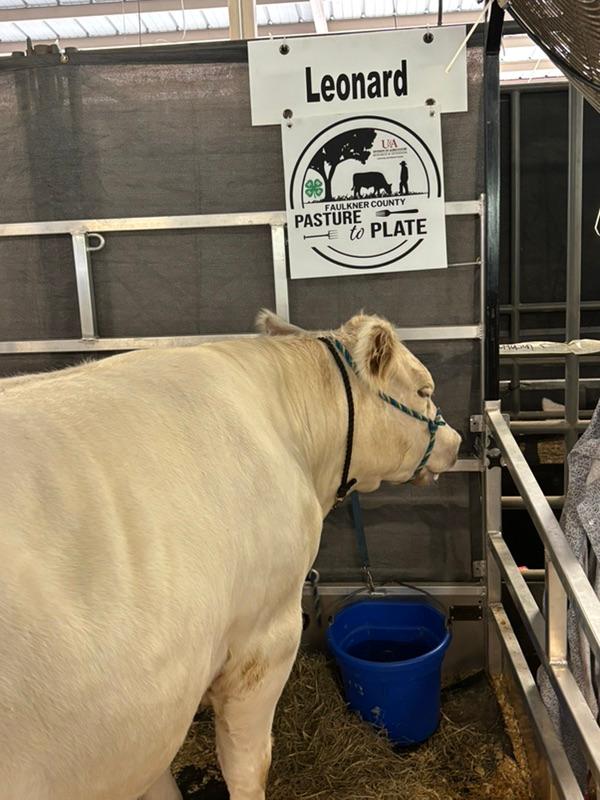
We are starting to get some results from our 2025 Pasture to Plate project. On September 13, the steers were weighed for the final time. The steers spent 182 days on feed and we determined our average daily gain for the steers. This was part 1 of the 4 part project. The 10 steers in the project averaged 2.62 pounds of gain a day.
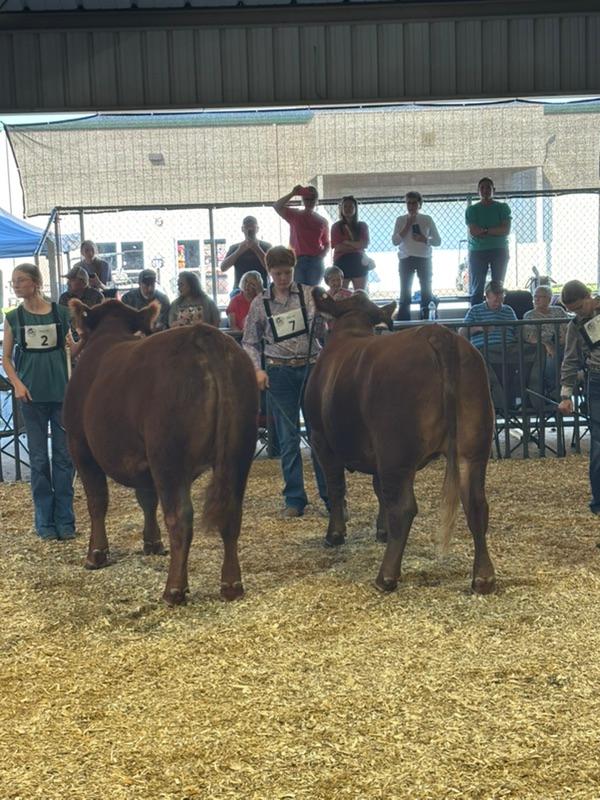
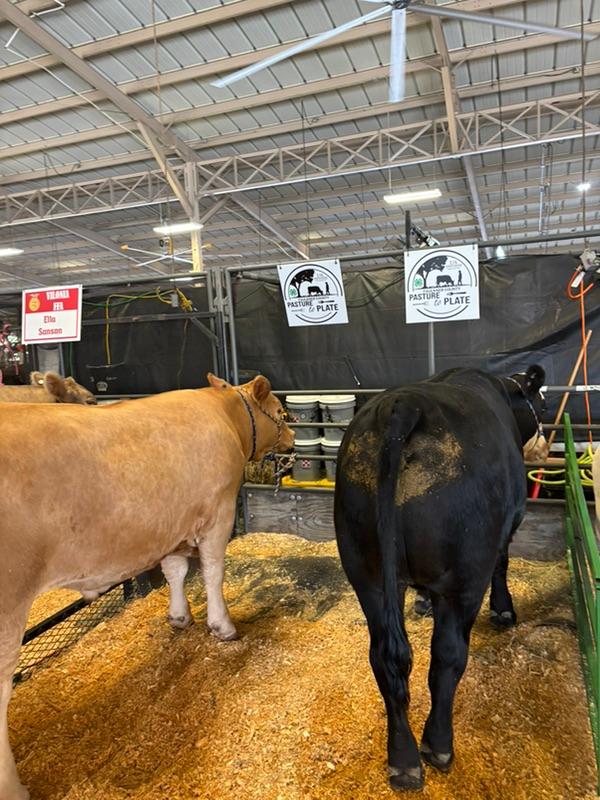
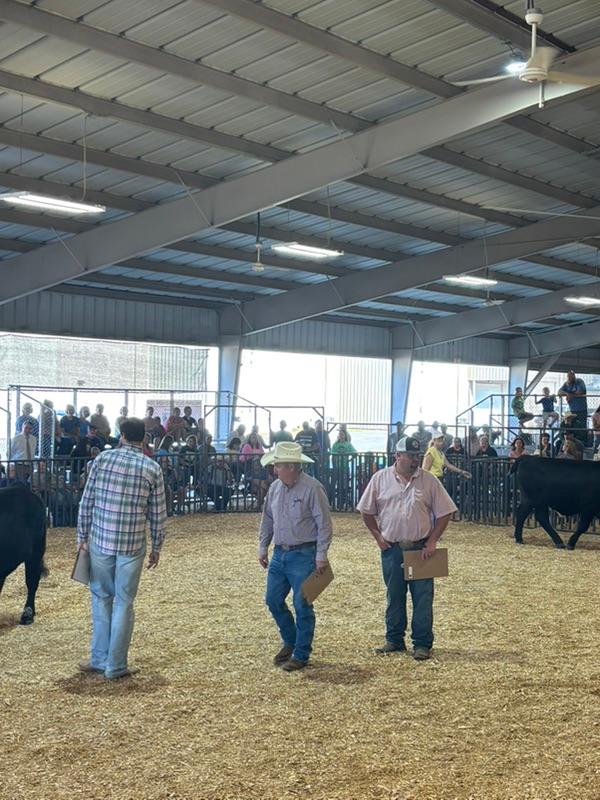
On September 16 the steers made their way to the fair and we had our first Pasture to Plate fair show on September 18. Our judges included the judge from the fair along with Lane Pruitt from Mid State Stockyards and Don Hubbell the new ACA President. The three judges placed the steers in order and that concluded part 2 of 4.
Next step for our steers is a trip to Cypress Valley. We will transport the steers on Monday September 22 to Cypress Valley for processing. All of the youth will meet on September 30 and Dr. Janeal Yancey from the University of Arkansas Division of Agriculture will come down and judge the carcasses for yield and grade. She will teach the participants about what she is looking for when she is grading a carcass and each youth will get to see their individual steer on the rail. The will send in a cut sheet and they will get their meat in a couple of weeks. That is part 3 of 4.
The last part of the project will happen in November as the youth turn in recordbooks they have been keeping all year and they will give a talk.
This has been a great project and the youth and their parents are learning alot. It has been fun working with everyone and we will be signing up participants for 2026 in December.
| | |
Faulkner County Cattlemen's Meeting
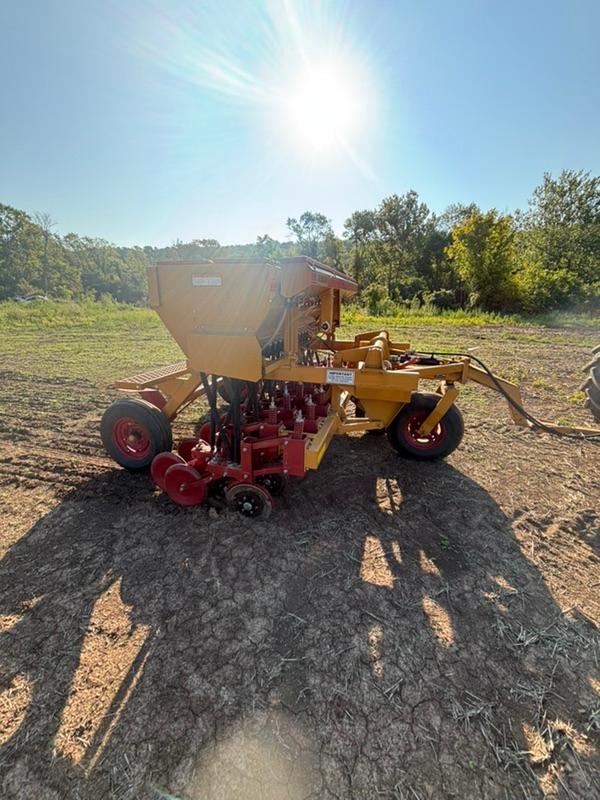
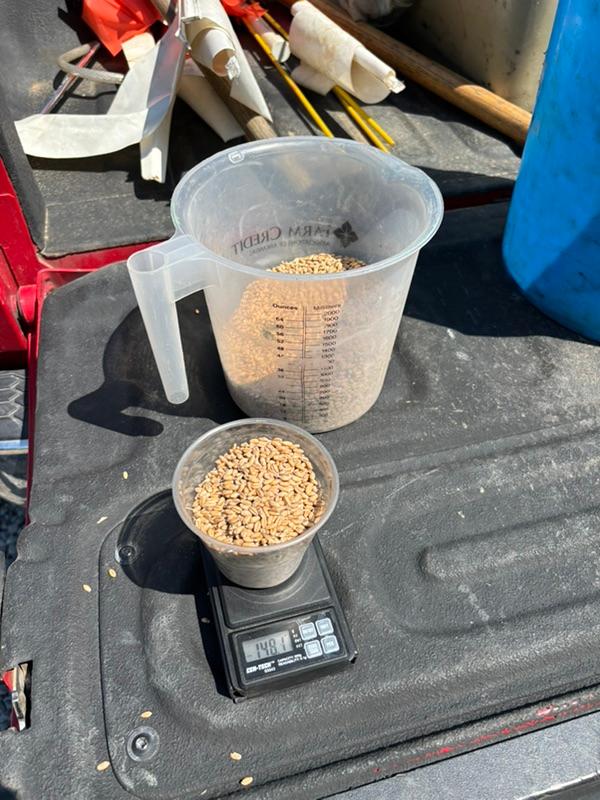
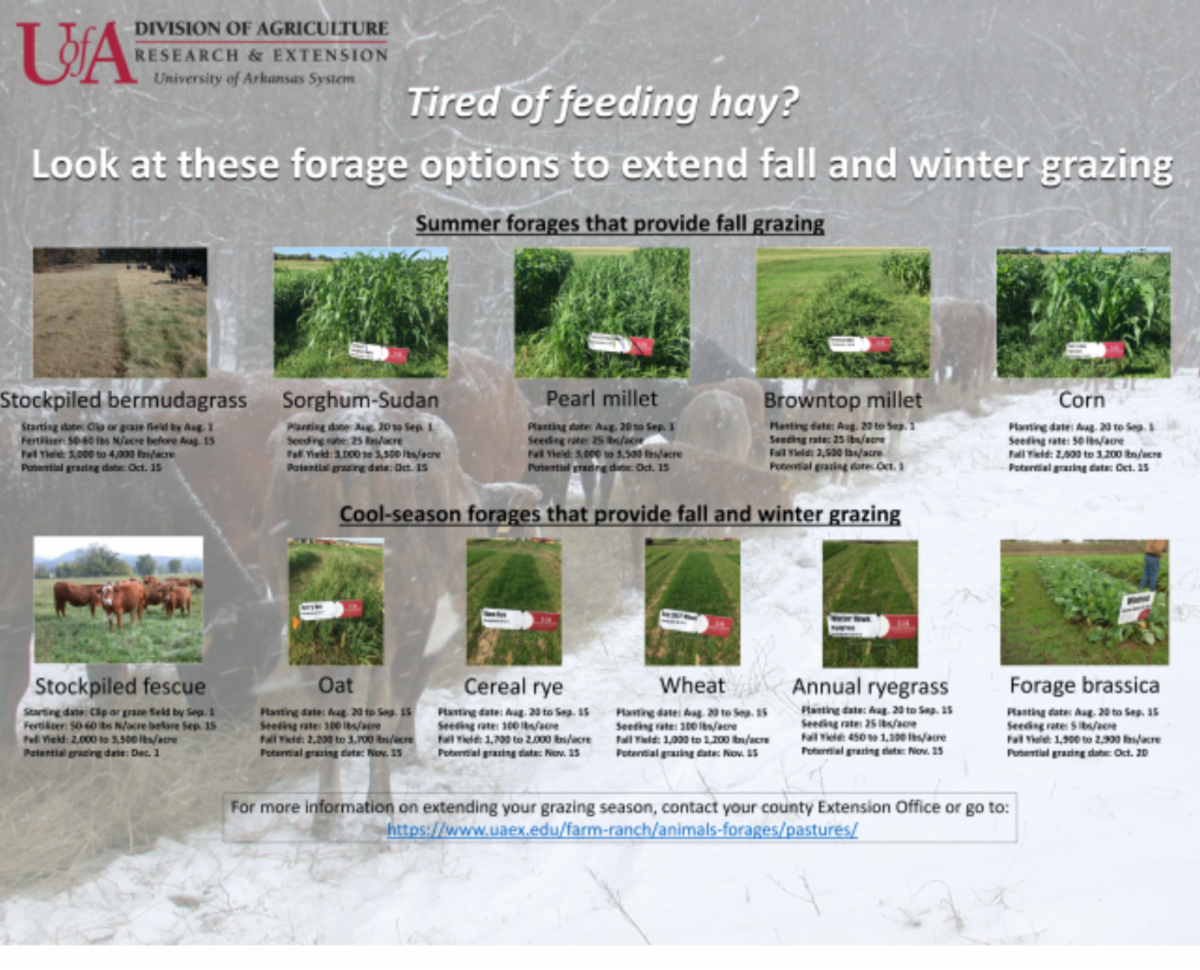
The next meeting of the Faulkner County Cattlemen's will be next Thursday September 25 at 5:30 pm. We will be meeting at the Kenny Simon farm located at 24 Tower Road, Conway, AR. Kenny is the forage instructor for the Extension Service and he will demonstrate how to calibrate a drill and planting winter annuals.
| | |
Armyworm Update
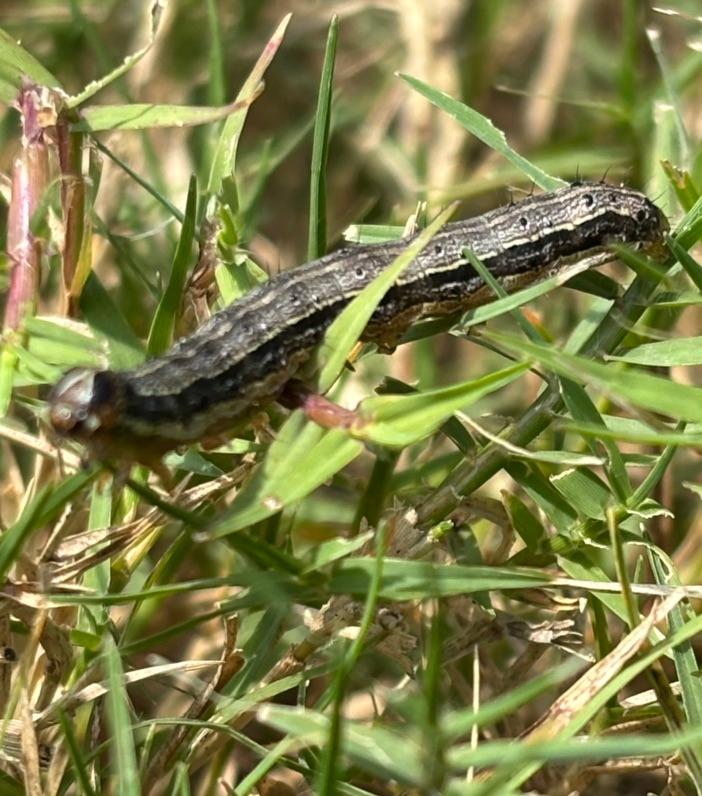
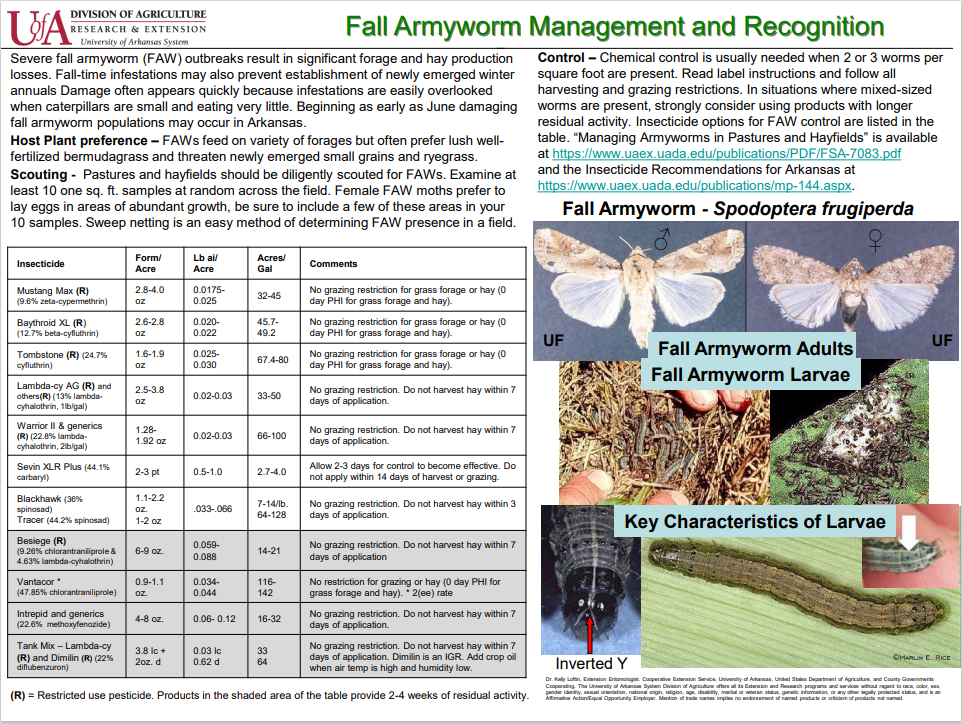
I continue to get calls about armyworms in the county. I am also hearing about Lambda failures in our county and surrounding counties. This flight could be a resistant flight so you may want to switch to Besiege or Vantacor. It is a little more expensive, but the most expensive treatment you can make is the treatment that doesn't work. Make sure if you are planting winter annuals or food plots to keep an eye on them!
| | |
Estimating Winter Hay Needs
Mark Z. Johnson, Oklahoma State University Extension Beef Cattle Breeding Specialist
Some basic rules of thumb to follow when determining the hay supplies you will need to sustain your cow herd over the winter and into next spring.
- Determine your average mature cow size. This can be done by weighing your 4 – 7 year old cows and calculating the average weight. From mature cow size, we can approximate the amount of forage dry matter cows will need to consume per year or per day. For example: a 1,000 pound cow will consume about 26 pounds of forage dry matter per day. A 1,400 pound cow will consume about 36.4 pounds of forage dry matter per day.
- Determine your cow inventory
- Estimate the amount of time you expect to be feeding cows.
From this information you can calculate the total amount of hay needed. For example: 100 cows weighing 1,400 pounds will consume about 3640 pounds of hay per day. We should take into account that a certain amount of the hay fed will be wasted and there will be a certain amount of spoilage of each bale fed that won’t be consumed. With this in mind we will add another 10% to the daily total to bump it up to about 4000 pounds (2 tons) per day.
Remember the amount of hay wasted or spoiled could be higher. If we are feeding hay carried over from last year, expect a higher percentage spoiled in each bale.
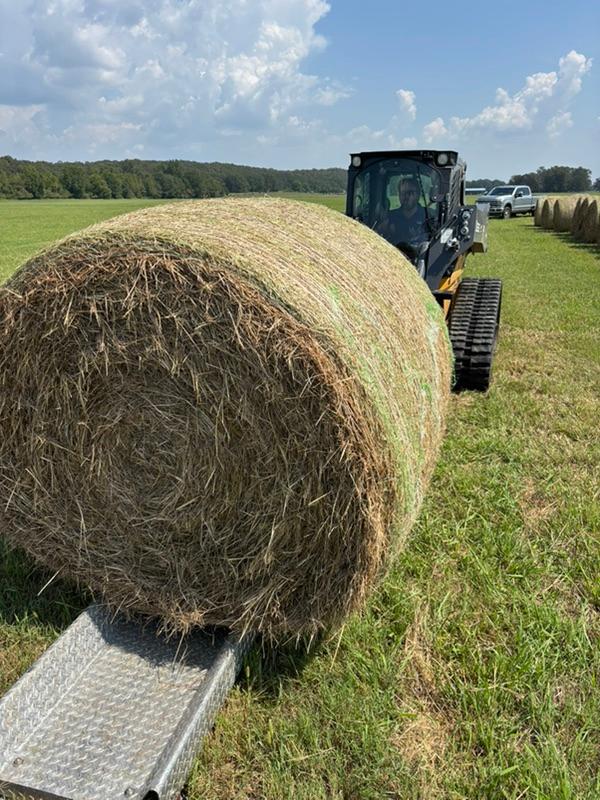
If we are expecting to feed hay from mid-October to mid-May, that is approximately 200 days of hay feeding. 4000 pounds of hay needed per day x 200 days equals a total of 800,000 pounds (400 ton) of forage dry matter that cows will consume over this time. If we are feeding or buying large rounds with an average weight of 1,250 pounds that equates to 640 (800,000 divided by 1,250) big bales needed to sustain the 100 cows.
If possible, purchase hay by the ton. It leads to less error in securing the amount of hay you will need to purchase or have on inventory. If buying hay by the bale is your only option, make sure to weigh enough of the bales to have an accurate representation of bale weight. Also, take into account the amount of spoilage of each bale. One of the upsides of hay baled this summer is less spoilage.
Other factors such as weather, stage of gestation or lactating versus dry cows will obviously impact nutritional requirements of cows from day to day. Many Oklahoma producers are fortunate to have more standing forage than normal as we evaluate pastures right now. This may reduce hay needs and move back the starting date of hay feeding this year.
| | Cool Season Annual Resources | | |
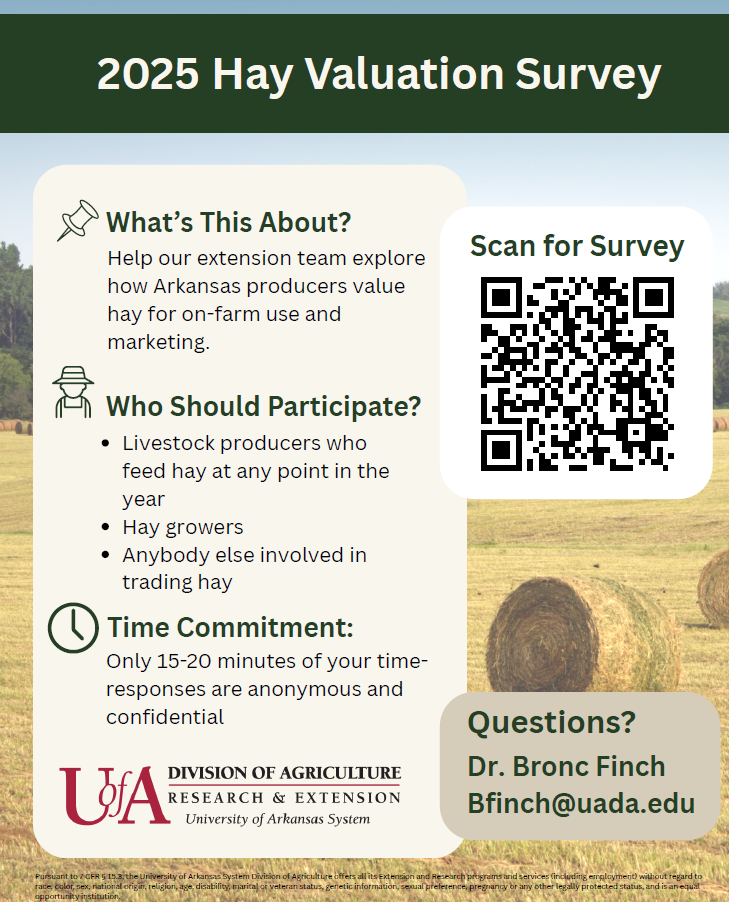
2025 Hay Valuation Survey
If you are a hay producer, please take the time to take our hay valuation survey. Our specialists are wanting to learn more about how producers value their hay.
| | Upcoming Meetings and Field Days | | |
Livestock Market Report
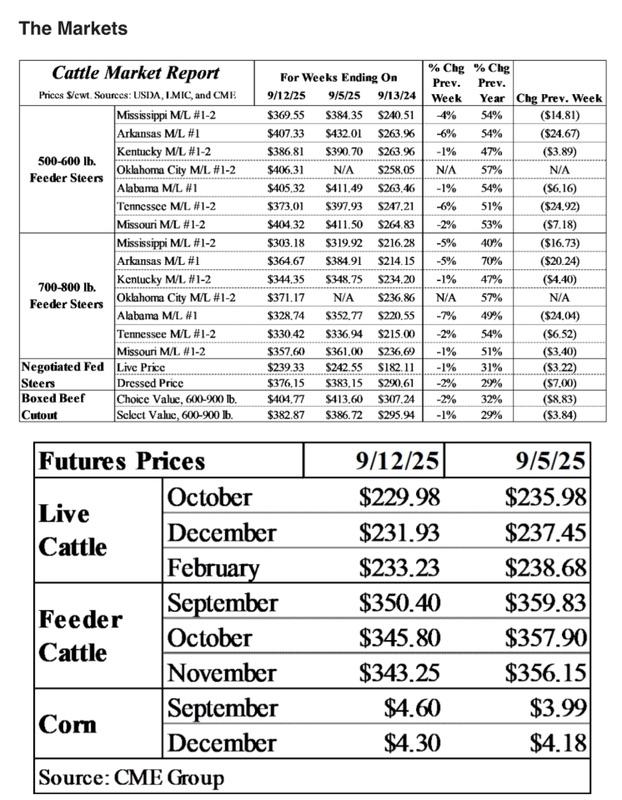
The weekly livestock market report is available on the Arkansas Department of Agriculture website.
| | |
Sign up for Text Alerts
You can now sign up for text alerts from me throughout the year. I have two areas you can sign up for which includes Faulkner Livestock or Faulkner Ag (Row Crop Updates). To sign up you can follow one of these links or use the QR Codes below.
| | Pursuant to 7 CFR § 15.3, the University of Arkansas System Division of Agriculture offers all its Extension and Research programs and services (including employment) without regard to race, color, sex, national origin, religion, age, disability, marital or veteran status, genetic information, sexual preference, pregnancy or any other legally protected status, and is an equal opportunity institution. | | | | |