Faulkner County Agriculture Update
September 5, 2025
| | |
Weather
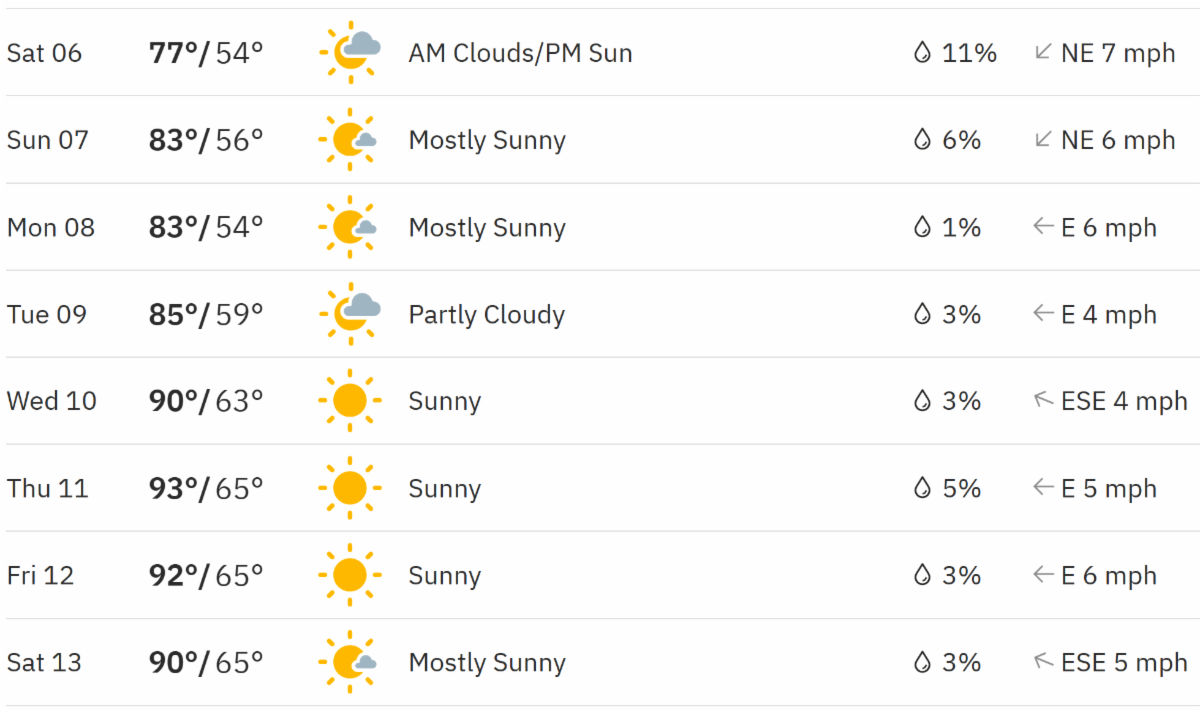
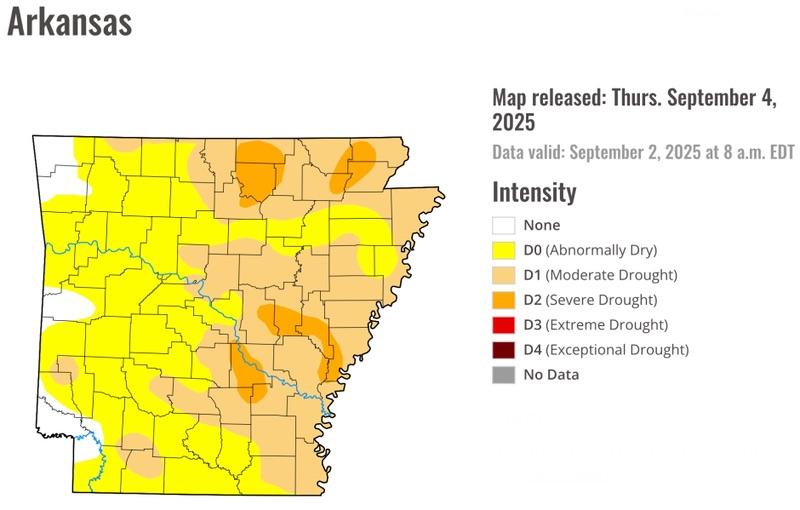
Seems like the heat has creeped back up on us this week. Yesterday was the hottest day we have had in awhile and I could feel it! Looks like we will have another cool front come through giving us some cool temperatures until the end of next week. The rain last week was nice, but we need another one soon as we are starting to get dry again. Even though we moved out of D2 drought status from the rain we still remain in D1.
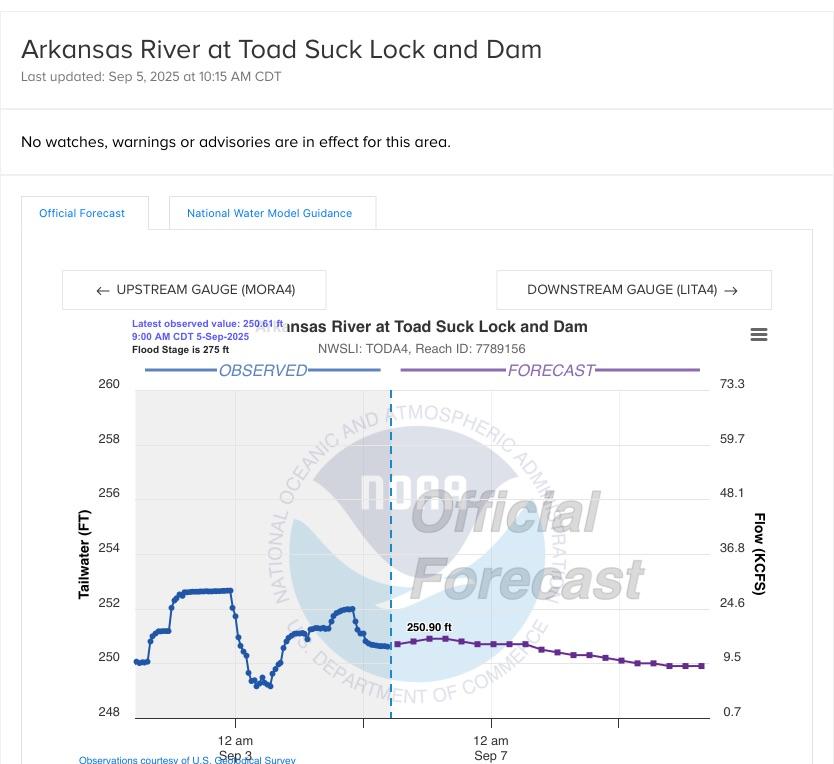
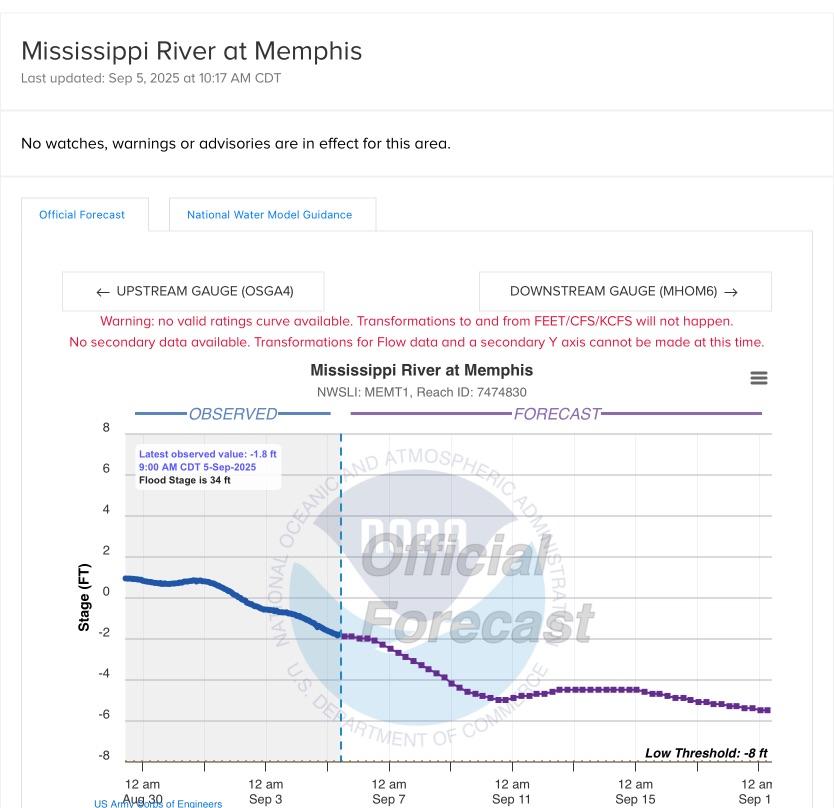
| | Arkansas and Mississippi River | | |
Harvest
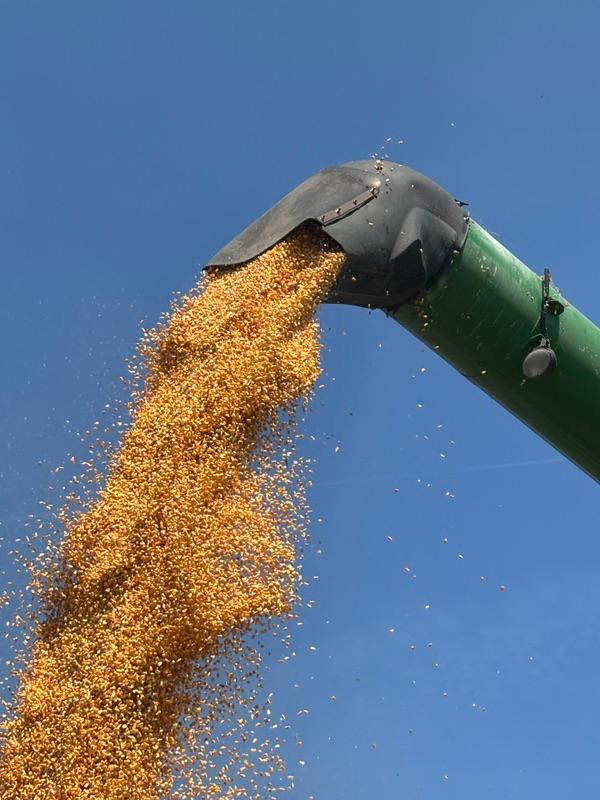
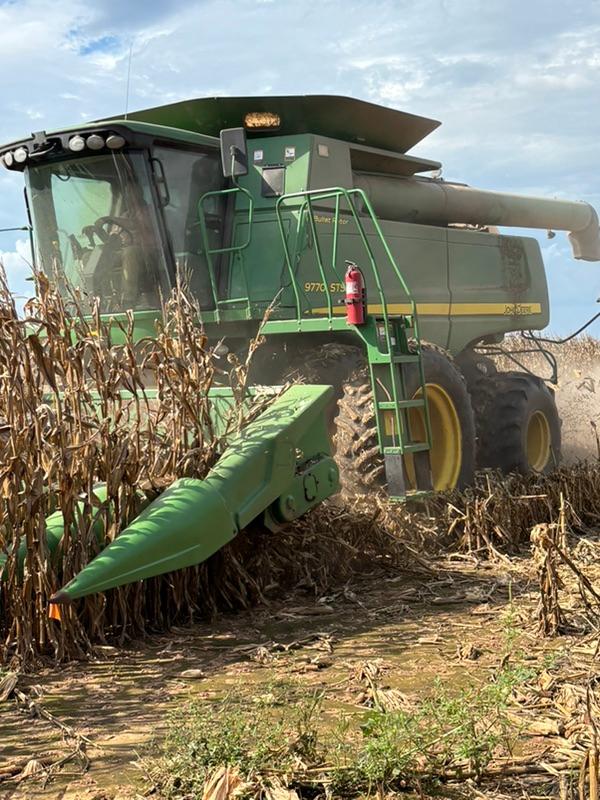
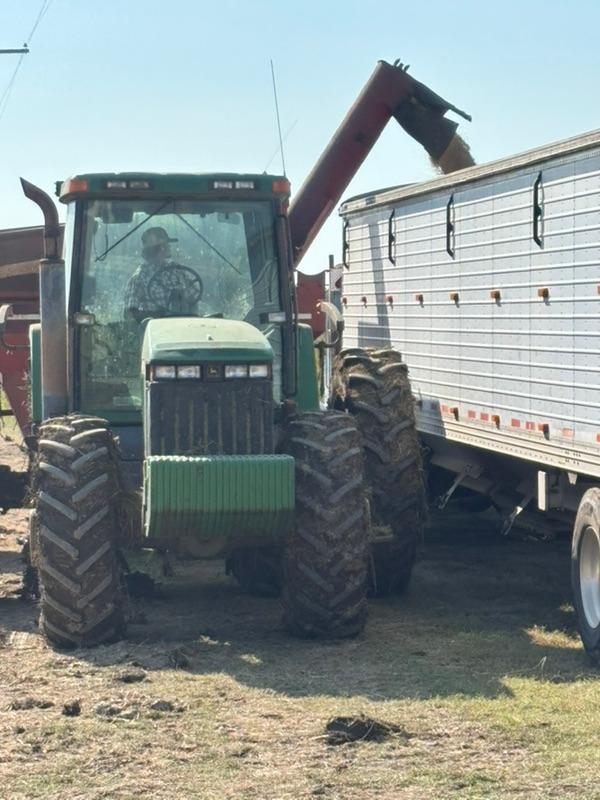
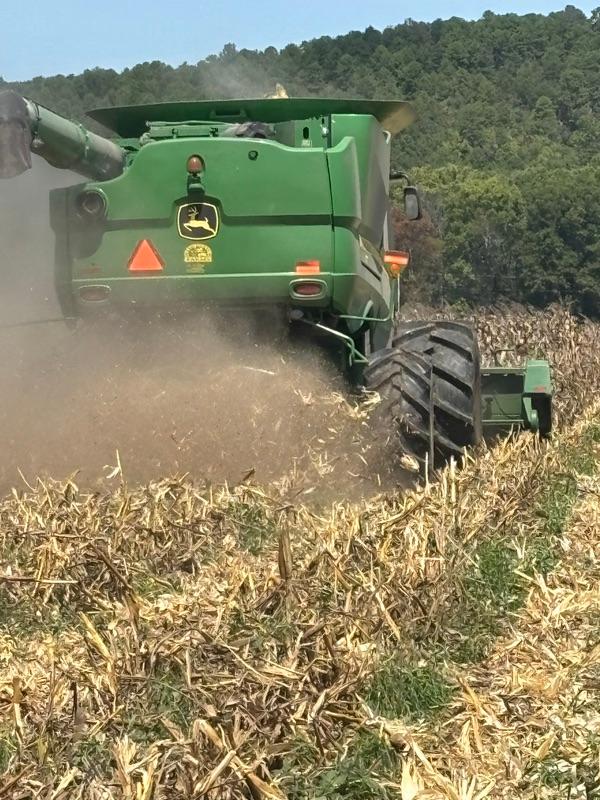
Corn harvest has been going on for a few weeks and we are getting close to being done. We are approximately 80% done with corn. Rice harvest started this week with just a few fields being harvested so far.
| | |
Rice
More rice fields have been drained as we continue on to harvest. Rice is getting mature and the late planted fields are still battling rice stink bugs. Harvest has started with yield reports mixed right now.
| | Dr. Hardke's Latest Rice Update | | |
Soybeans
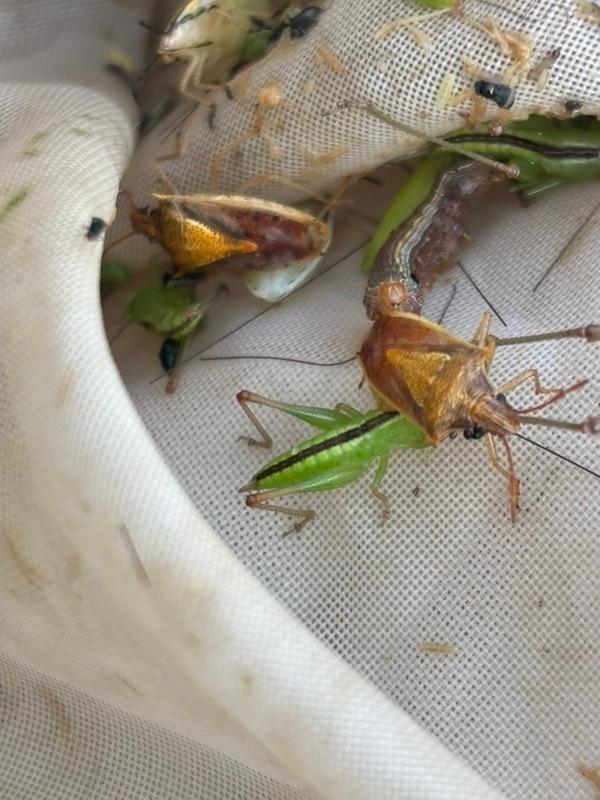
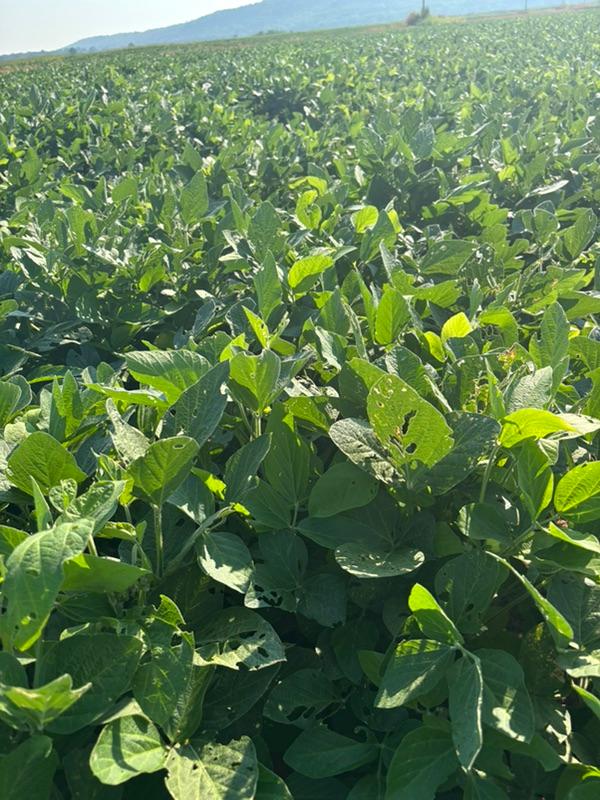
Soybeans have really responded to the rain from last week. There were several acres on the sandiest ground that have really suffered, but some of the smaller beans on better ground have really taken off. We need to get back to irrigating. The rain and cooler weather has allowed us to catch back up with pivots so don't get behind, try and stay ahead of the situation. Keep scouting for worms and stinkbugs.
| | |
Corn Earworm Moth Traps
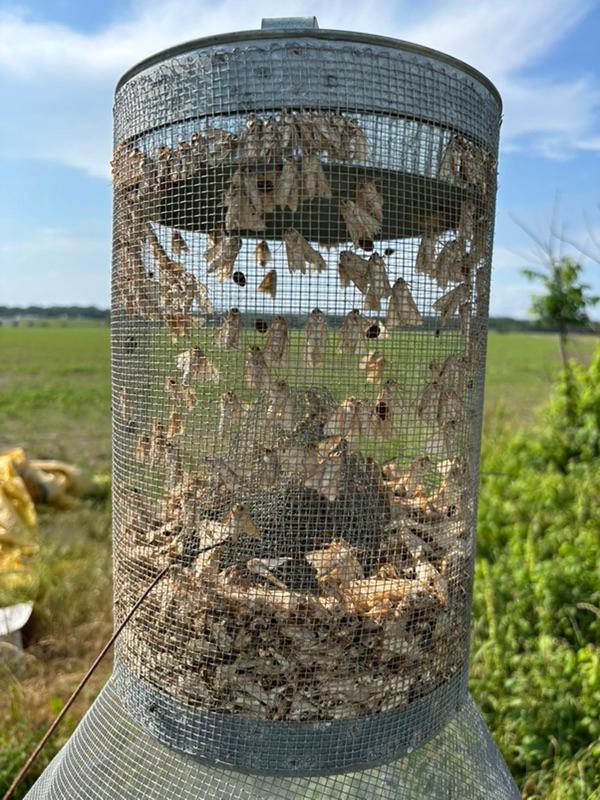
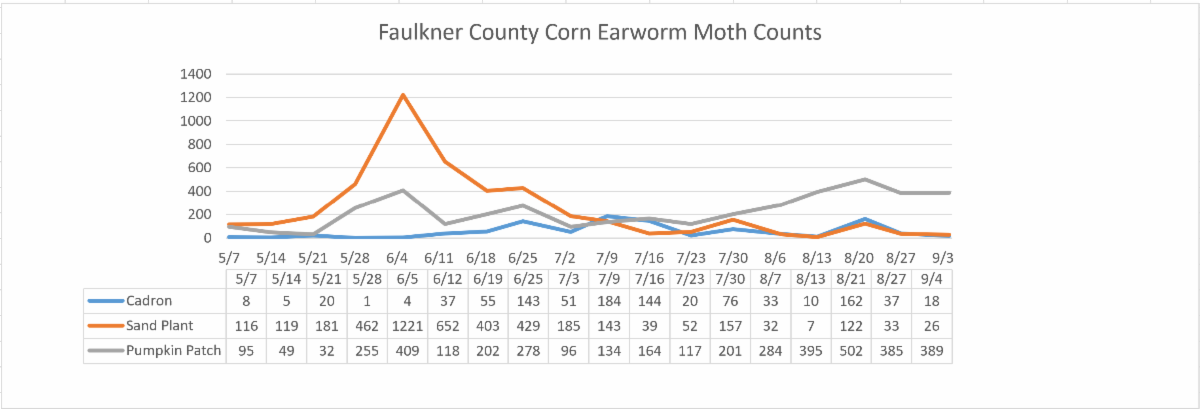
Trap numbers stayed about the same this week as last week. Keep scouting soybeans for earworms.
Cadron - 18 moths
Sand Plant - 26 moths
Pumpkin Patch - 389 moths
| | |
The Mississippi River is Set to Fall to Severe Levels for the Fourth Year in a Row
Dr. Hunter D. Biram, Assistant Professor and Extension Agricultural Economist
Dr. James L. Mitchell, Assistant Professor and Extension Livestock Economist
Mr. H. Scott Stiles, Program Associate
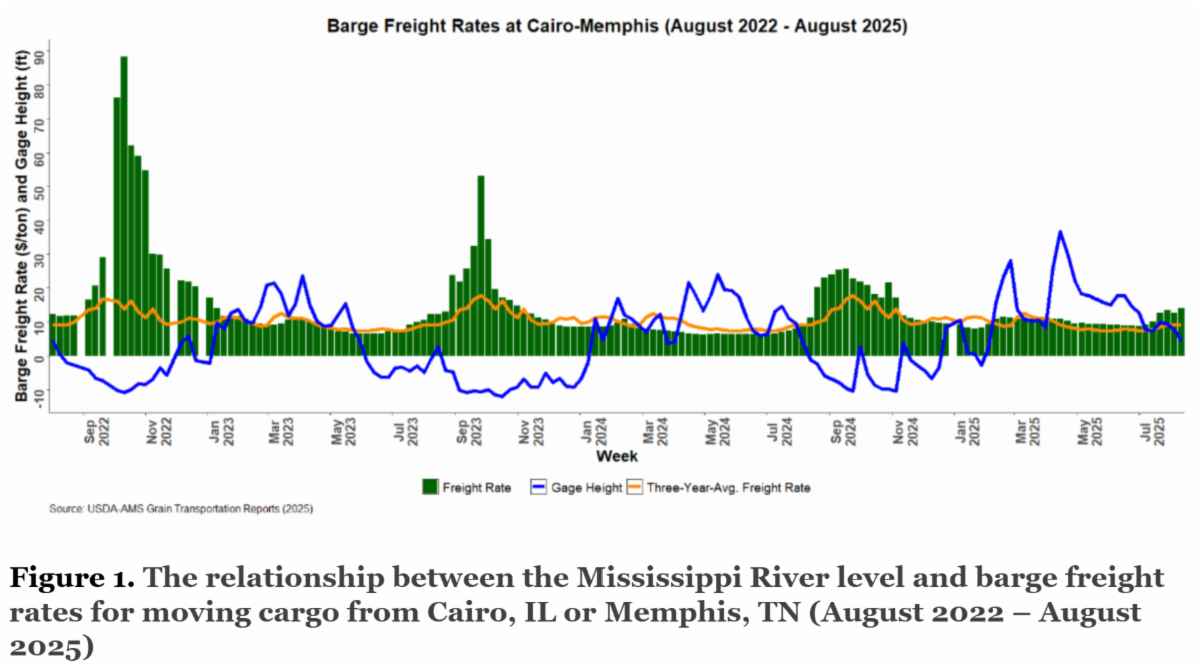
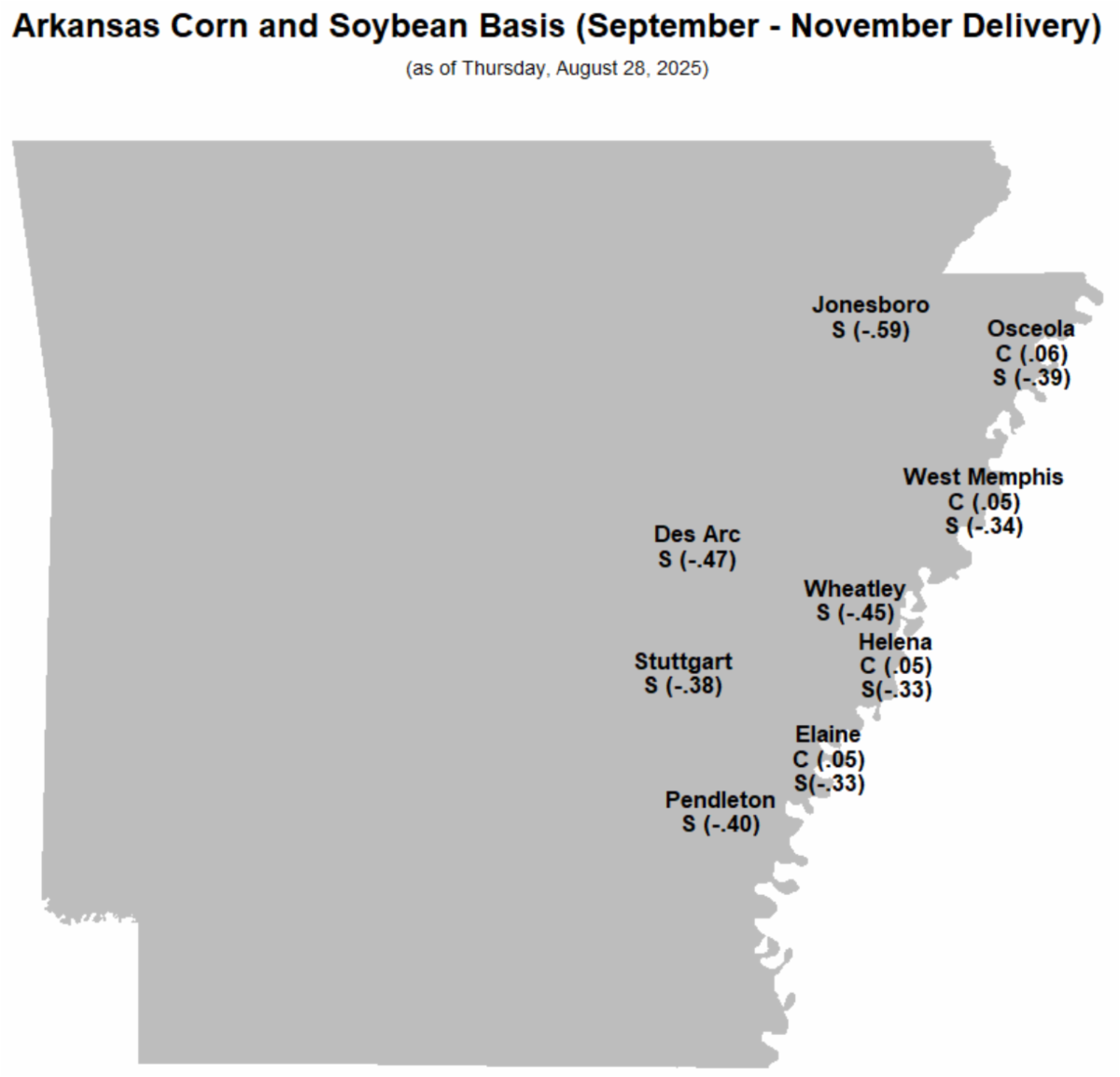
The Mississippi River level measured by the U.S. Geological Survey at Memphis, Tennessee may drop to severe lows for the fourth year in a row (USGS, 2025). The Mississippi River has fallen below the agreed upon zero reference point of the USGS stream gage during harvest (i.e., August 1 through November 30) eight of the last ten years, underscoring the impacts drought can have on river levels. We discuss what is meant by a river level below the zero reference point in a previous article (Biram, Mitchell, and Stiles, 2024; National Weather Service, 2024). Further, the level has now fallen to the “low” stage, defined by the National Weather Service as -5 feet, five times (2015, 2017, 2022, 2023, and 2024). These historically low river levels carry serious implications for cash basis, or the local cash price offered by a grain elevator less the futures price traded on a global market (Biram and Mitchell, 2025).
Figure 1 plots the Mississippi River level measured at Memphis, Tennessee for the period August 11, 2022 through August 20, 2025. This figure also provides the weekly average freight, as well as the expected barge freight rate measured by the non-drought three-year average freight rate (i.e., 2019-2021). Barge freight rates are established by the U.S. Inland Waterway System using a percent of tariff system and have been discussed in a prior article (Biram, Mitchell, and Stiles, 2024). Since the drought event of 2022, we observe that the gage height falls, barge freight rates increase, and vice-versa. However, it appears that barge operators have adjusted as the weekly average freight rate has declined since the drought event of 2022.
| |
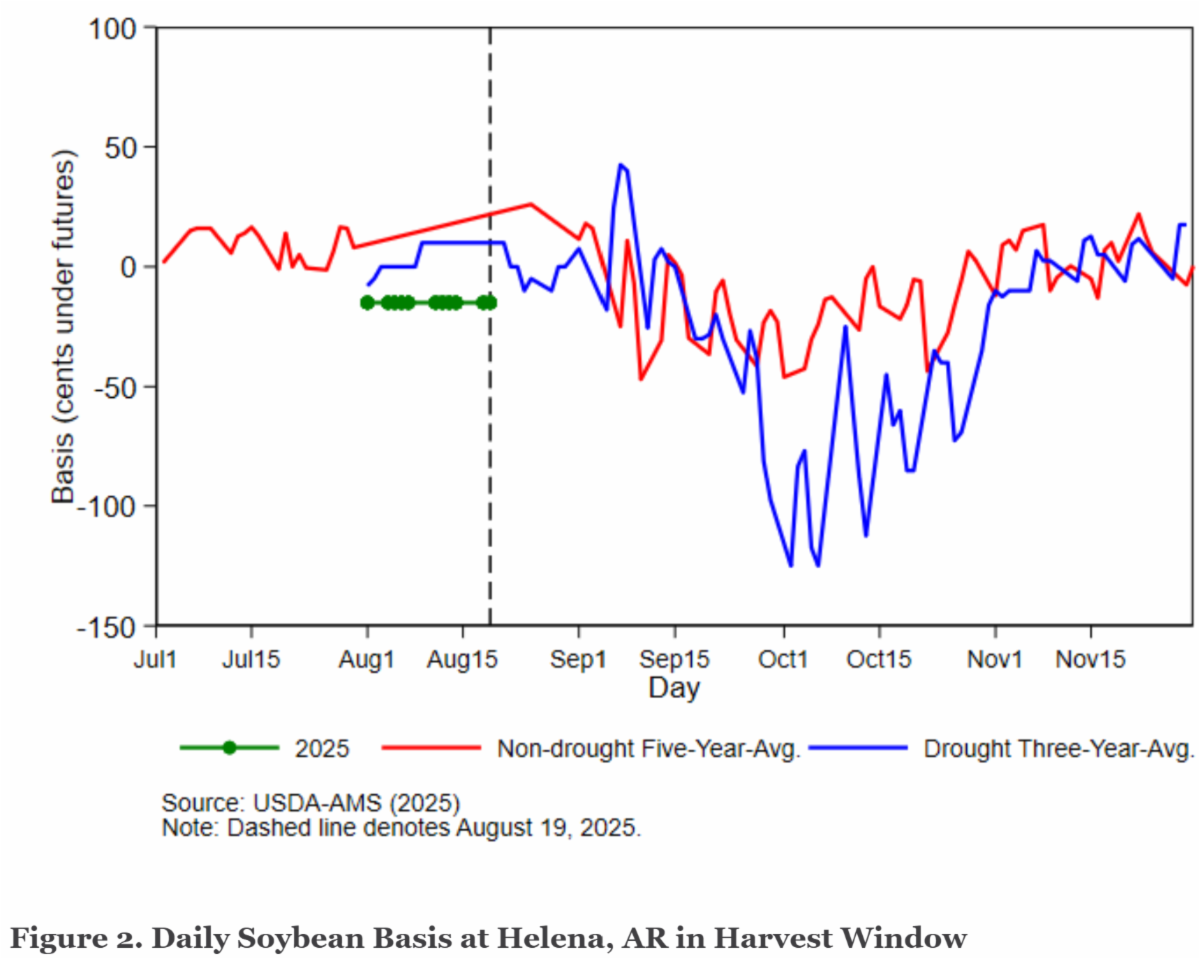
Nonetheless, midsouth soybean basis is not only weaker than the non-drought five-year-average (i.e., 2017-2021), but is also weaker than the average basis observed over the last three drought years (i.e., 2022, 2023, and 2024). Basis is the relationship between a local cash market and the futures market and can change abruptly due to economic or environmental events, such as low river levels. Changes in basis reflect changes to local market conditions. Local cash bids offered by elevators on the Mississippi River tend to be influenced by river level in periods of drought as described by previous SAT articles (Biram, et al., 2022; Biram, 2023; Gardner, Biram, and Mitchell, 2023; Biram, Mitchell, and Stiles, 2024). This is because it is more expensive to ship the same amount of grain in more loads due to reduce barge draft.
Figure 2 shows the soybean basis response to low river levels in Helena, Arkansas in 2022-2024 with current basis for 2025 well below average as of August 20, 2025. The green line in Figure 2 provides the most recent basis for new crop soybeans and is well below both the averages for non-drought and drought years. The dashed vertical line denotes the basis most recently reported (-15) on August 20, 2025 and is 41 cents below the average non-drought-event basis of 26 cents and 25 cents below the average drought-event basis of 10 cents.
| |
The economic impacts of marketing in this window are clear. Mitchell and Biram (2025) determined that in 2022, alone, Arkansas farmers faced nearly $300 million in losses due to widening basis driven by low river levels with a similar impact in Mississippi. A potential option farmers might have is to store grain in the bin and market grain in the post-harvest window as described at length in previous Southern Ag Today articles (Gardner, 2023; Gardner and Maples, 2023; Gardner, 2024; Smith, 2024). Historically, futures and basis tend to recover in the months when there is little domestic production to buy, and stocks are drawn down. However, we recognize not all farmers have the infrastructure in place (i.e., 48% of expected total crop production in 2024 was held storage (USDA-NASS, 2025a and 2025b)) to store grain and market in the post-harvest window which has implications for 2025 returns and 2026 loan renewal.
This article was released in Southern Ag Today on August 27, 2025 and can be found at this link.
| | Beef, Small Ruminants, & Forages | | |
ARMYWORM ALERT
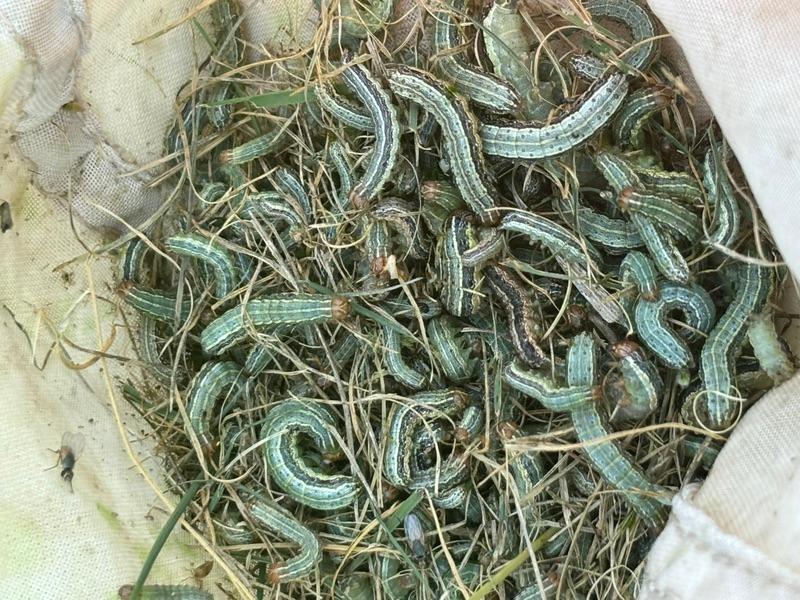
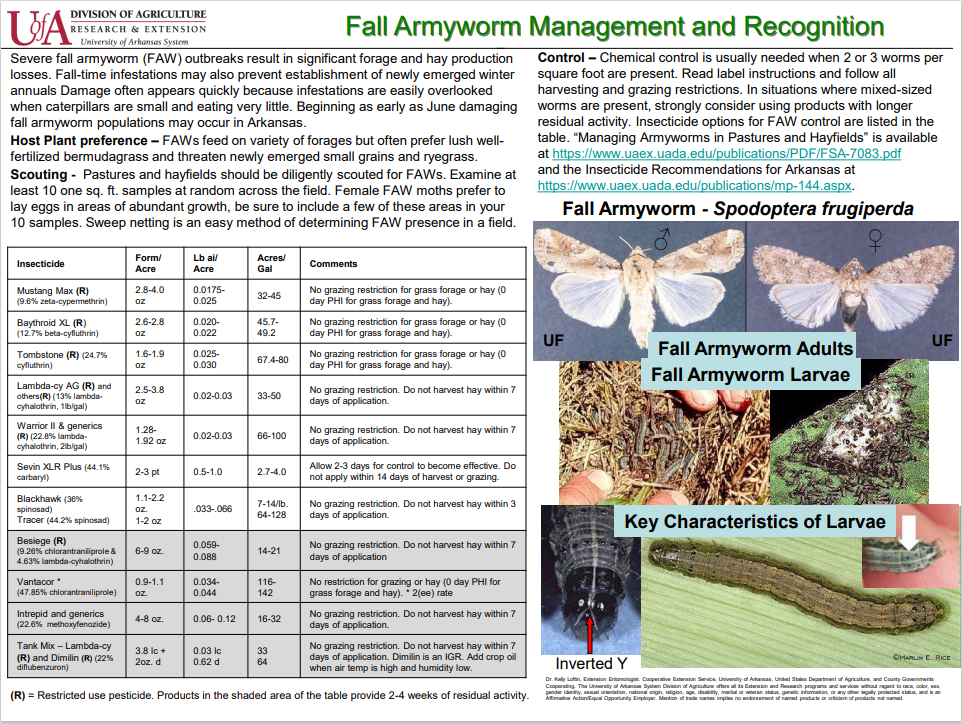
Armyworms have been reported in Faulkner County. The recent rain and green grass has brought on a whole new flush of armyworms. I have talked to producers from Wooster and Greenbrier that are spraying today. If you need a sprayer for your pasture or hay field remember that you can rent a sprayer form the Faulkner County Conservation District. Remember that Lambda and Dimilin are restricted use pesticides and you will need a license to purchase those insecticides.
| | |
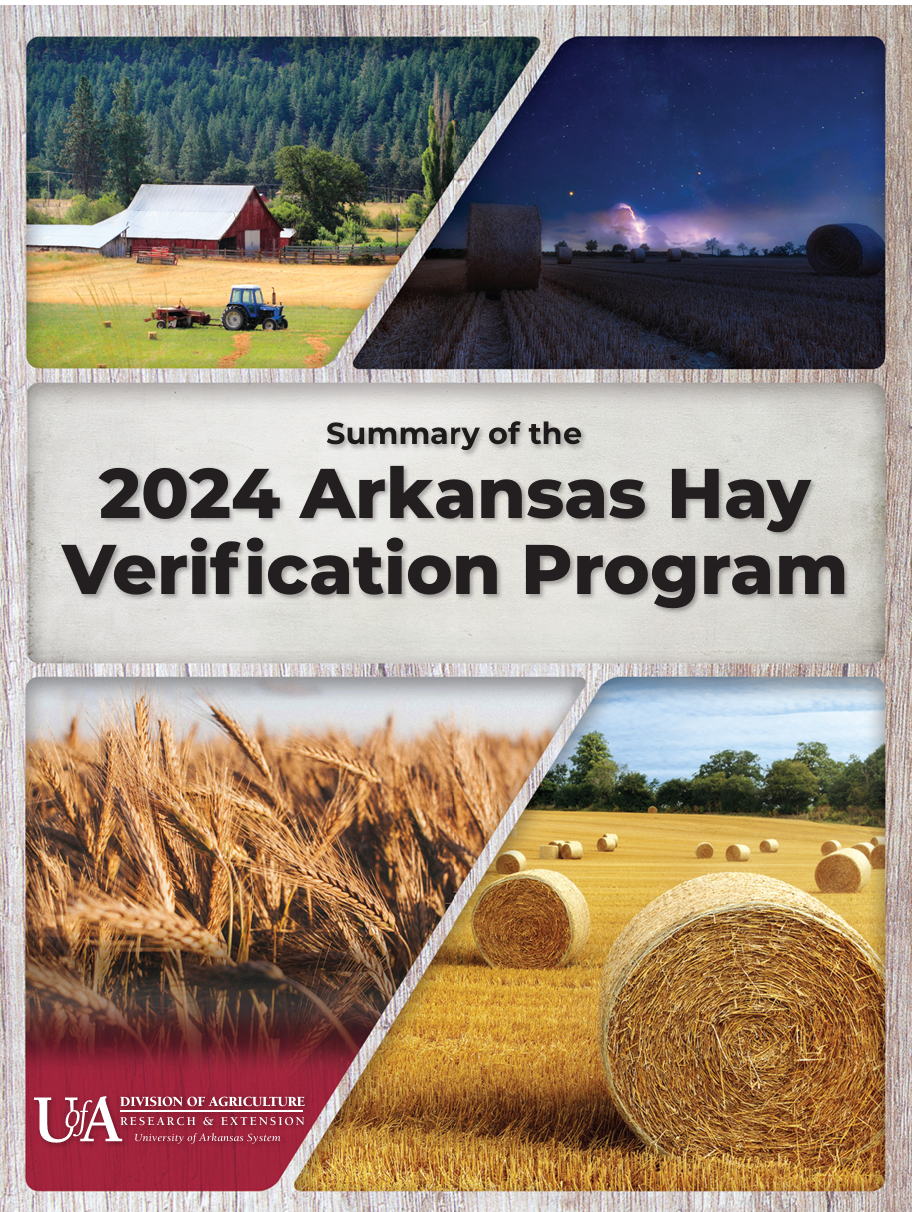
2024 Arkansas Hay Verification Program Report
The 2024 Arkansas Hay Verification Program Report has been released. This publication summarizes results from the 2024 Arkansas Hay Verification Program (AHVP). The AHVP collaborates with Arkansas forage producers, county extension agents, and state extension specialists. The goal of the AHVP is to implement extension recommendations for increasing hay production in accordance with goals established by both the producer and the county extension agent. The aim is to assist hay producers in Arkansas by improving the production and quality of their hay and forage resources.
| |
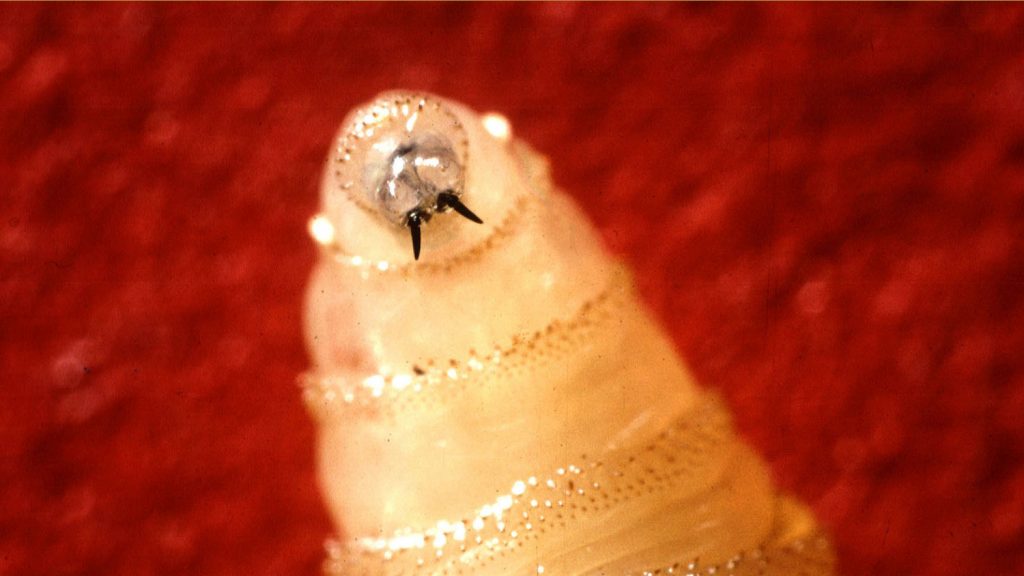
The Continued Fight Against New World Screwworm
Kirsten Midkiff, Ph.D. - Animal Health and Wellbeing Specialist
Over the past few months, we have heard quite a bit regarding New World Screwworm (NWS), its movement, and a plan to protect the United States. Here are a few updates from the past month regarding the current actions being implemented and the current status of the human case of NWS.
The Plan for New World Screwworm
On August 15, U.S. Secretary Brooke Rollins met with Texas Governor Greg Abbott and other stakeholders from across the country to discuss the USDA’s plan to fight NWS. The announcement she made builds upon the five-pronged plan that was issued in June, with focuses on stopping the pest from spreading in Mexico, protecting the border at all costs, maximizing and improving our readiness to respond, build the needed facilities to take the fight to the pest, and continue to push toward new ways (using research, technology, preventatives, and responses) to combat the pest. As part of the approach, the USDA will be taking the following immediate actions:
Innovate the way to eradication
- The USDA will provide up to $100 million to invest in viable innovations. This will allow the advancement of technologies to aid in expanding the U.S. facility and accelerate the sterile fly production if successful. Also, there will be support of research projects with focuses on production techniques, traps and lures, therapeutics, and other tools to improve the preparedness and response to NWS.
Protecting the U.S. border – construction of a domestic sterile screwworm production facility
- The construction of a sterile fly production facility will occur in Edinburg, TX, at Moore Air Force Base. The facility will produce 300 million sterile flies per week; it will be the only sterile fly facility based in the U.S. and will work alongside the facilities in Panama and Mexico.
Wildlife migration prevention
- The USDA will begin hiring mounted patrol riders, known as “Tick Riders,” and other staff that will focus on border surveillance. Training of detector dogs will also occur, which will aid in finding NWS infestations in livestock and other animals on the border and at ports of entry.
Stop NWS from spreading in Mexico and ensure collaboration with all partners for eradication
- Continue working in collaboration with SENASICA in Mexico to help them contain the pest south of the U.S., ensuring it does not reach the border by enhancing U.S. oversight, surveillance, reporting, verification of Mexican NWS activities, and providing vital supplies needed to prevent the further spread northward.
Food safety is of utmost importance
- Continuing to inspect animals and carcasses at slaughter, including for NWS to keep the food supply safe.
At this time, the U.S. border has remained closed to cattle and bison imports. There are no cases of NWS in U.S. livestock.
Human New World Screwworm Case
Earlier this month, though, the U.S. Department of Health and Human Services (HHS) and the Centers for Disease Control and Prevention (CDC) identified an instance of a traveler-associated human case of NWS in the United States. On August 4, the CDC and Maryland Department of Health investigated a confirmed case of NWS in a patient that returned from travel to El Salvador. The risk to public health in the U.S. from this case is low. The USDA initiated surveillance for NWS within a 20-mile radius of the area, which included portions of the District of Columbia, Maryland, and Virginia. All results from the traps have been negative for NWS, and there have been no detections of NWS in the U.S. in livestock or other animals. When a human case of NWS occurred in previous years, the instances were isolated, closed after targeted surveillance was negative in the vicinity, and did not result in livestock transmission. Additionally, there is a possibility that there could be more traveler-associated cases of NWS; with this, the USDA, along with HHS and CDC, will work to ensure there is no active spread of the pest.
| | |
Nutrient Management Tips to Remember This September
Bronc Finch, Ph.D. – Soil Fertility, Forage Nutrient Management
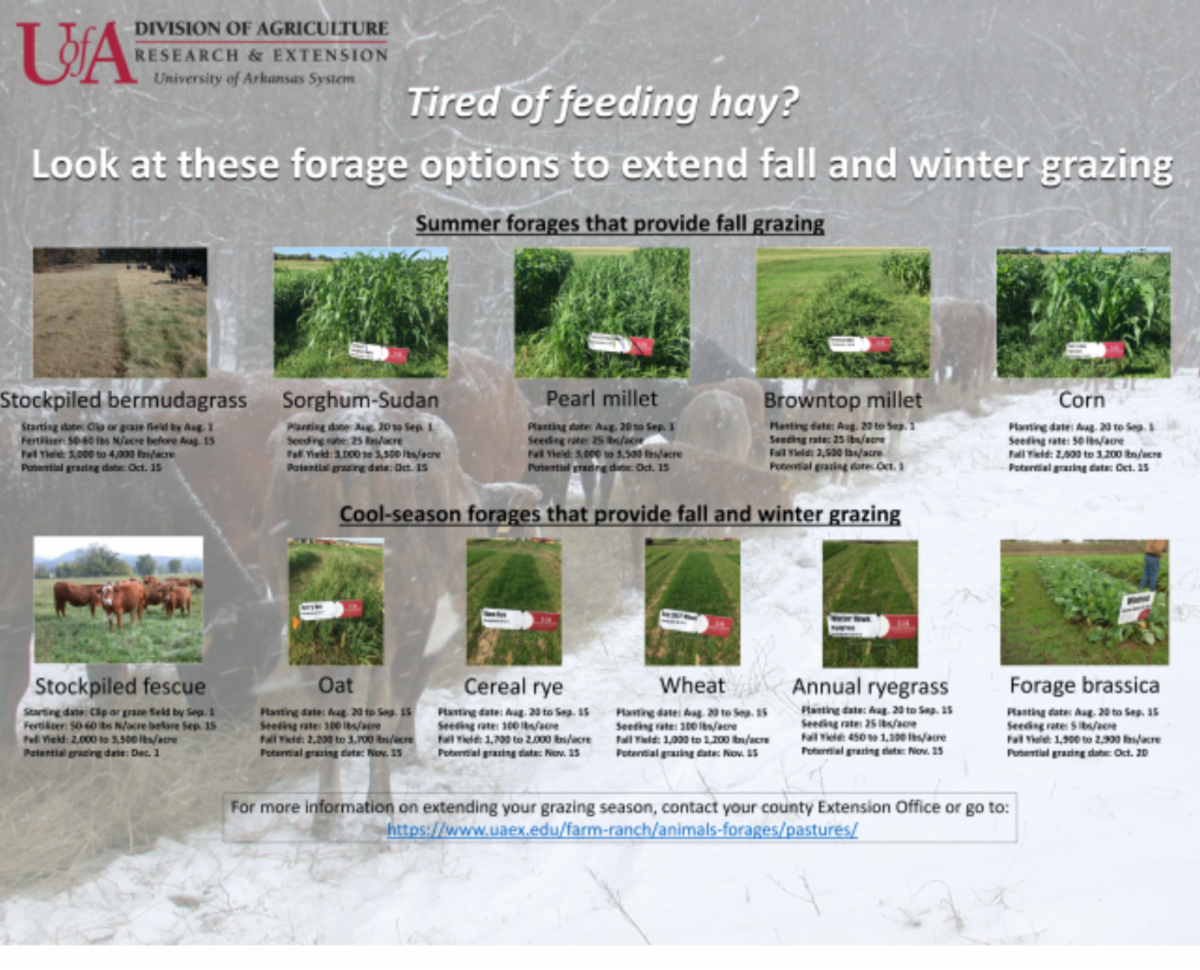
September is often seen as a turning point for forage production systems. As temperatures begin to cool, and forage bases shift from warm to cool, taking the right steps now can ensure success this season and next. Check your fields and test your soils to plan your fall nutrient management.
Hay Production
-
No Nitrogen after September 1st
- Warm season grass growth will begin to slow with cool temperatures and excessive nitrogen may be wasted. Additionally, excessive elongation of leaf and stems may be more susceptible to winter injury
- Fall is a great time to plan for and manage soil pH in warm season forages.
- Lime applications take time and incorporation to begin neutralization. Sampling and applying lime in the fall can allow for winter precipitation to incorporate lime and increase the time for neutralization to occur before the start of the next season. Additionally, this can spread the cost over more of the season.
- Cool Season Hay and Planning for next season
- Plan the number of expected hay harvests, divide Nitrogen (N) and Potassium (K) requirement by the number of hay harvests.
- Apply N and K at green up and following each cutting.
- Need Phosphorus (P)? Apply it in the first application
Grazing Systems
- Annuals
- Apply P and K at or before planting according to soil test recommendations. Excluding Legumes, applying nitrogen at planting can allow for incorporation but could promote weed growth. Delaying N to 10-14 days post planting allows you to ensure stand establishment.
- Cool Season Grasses
- Apply P and K according to soil test along with 60 lbs N/ac at green up.
- Planning to rotate pastures? Apply N after rotating out of a pasture to promote regrowth.
- Hay Feeding
- Hay feeding can serve as an amendment for soils by:
- Incorporating organic matter
- Increasing nutrients, structure, and water holding capacity.
- Move the hay feeding area as much as possible is a good strategy to:
- Reduce muddy areas that can turn to compact soils
- Reduce trampling of a single area
- Spread nutrients and organic matter across the field.
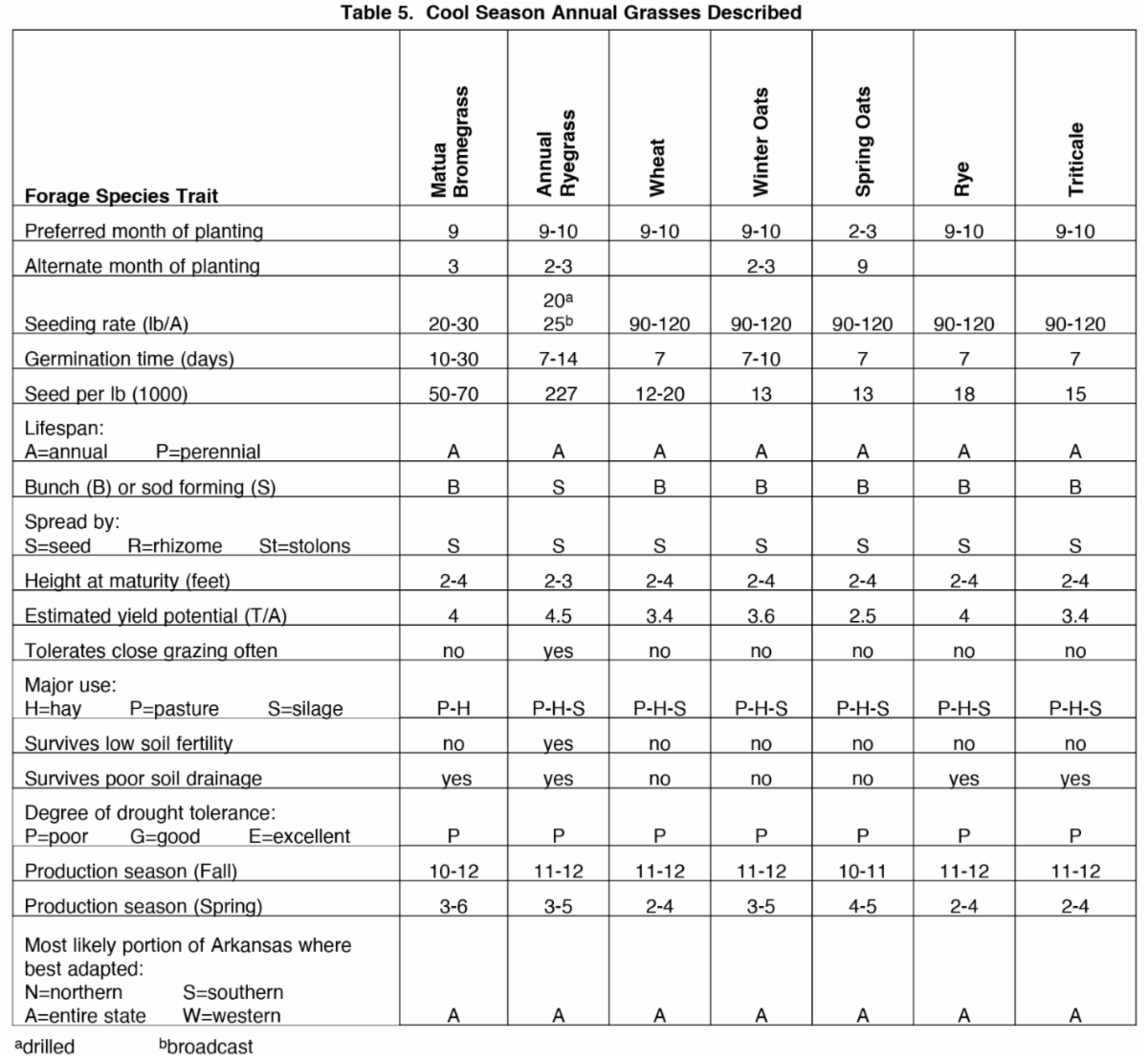
| | Cool Season Annual Resources | | |
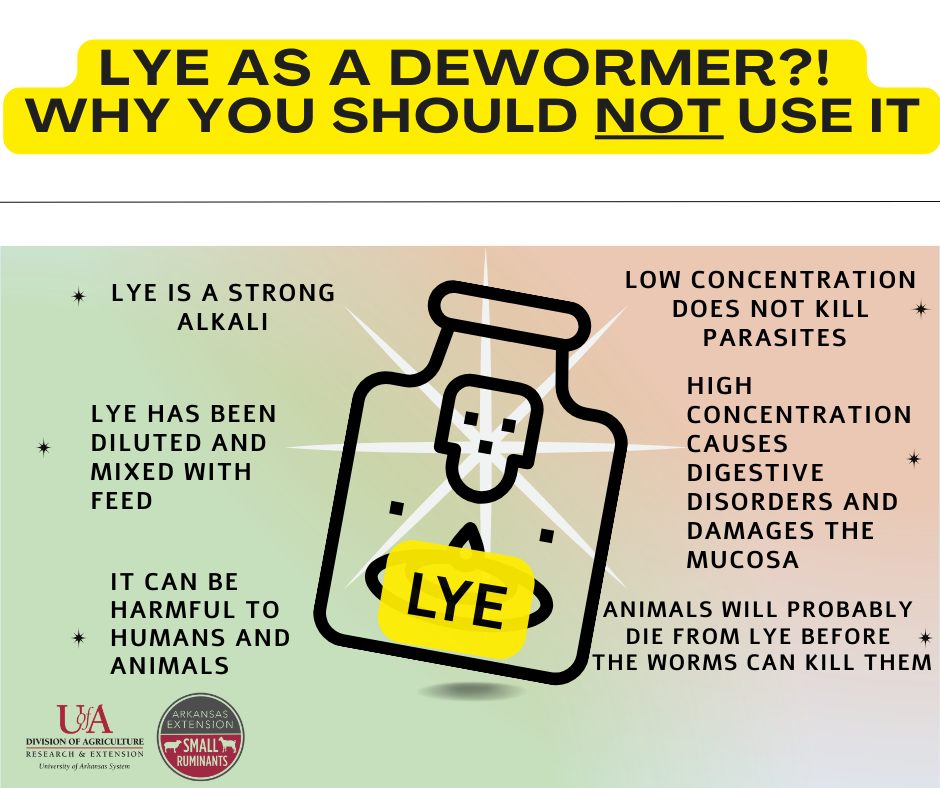
Why you should NOT use lye as a dewormer for small ruminants
You may have seen a suggestion on social media to deworm livestock with lye. People dilute it and mix it with feed. Lye is a strong alkali (can be either sodium hydroxide or potassium hydroxide), having a high pH, that is highly corrosive. That means it can burn the skin or eyes upon contact. When mixing lye with water, it can create heat and fumes that are toxic to breathe. Low concentration does not kill parasites. High concentration damages the mucosa and causes digestive disorders. Probably, it will kill the animals before parasites can kill them.
*Information provided by Dr. Burke (USDA/ARS) and Dr. Morgan (Round Mountain Consulting)
| | |
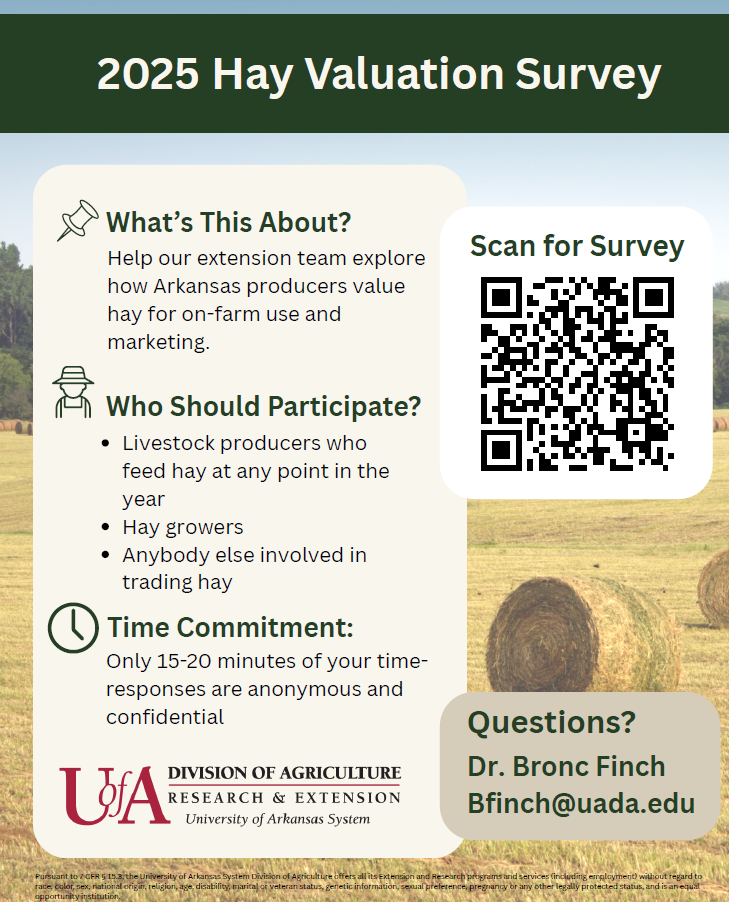
2025 Hay Valuation Survey
If you are a hay producer, please take the time to take our hay valuation survey. Our specialists are wanting to learn more about how producers value their hay.
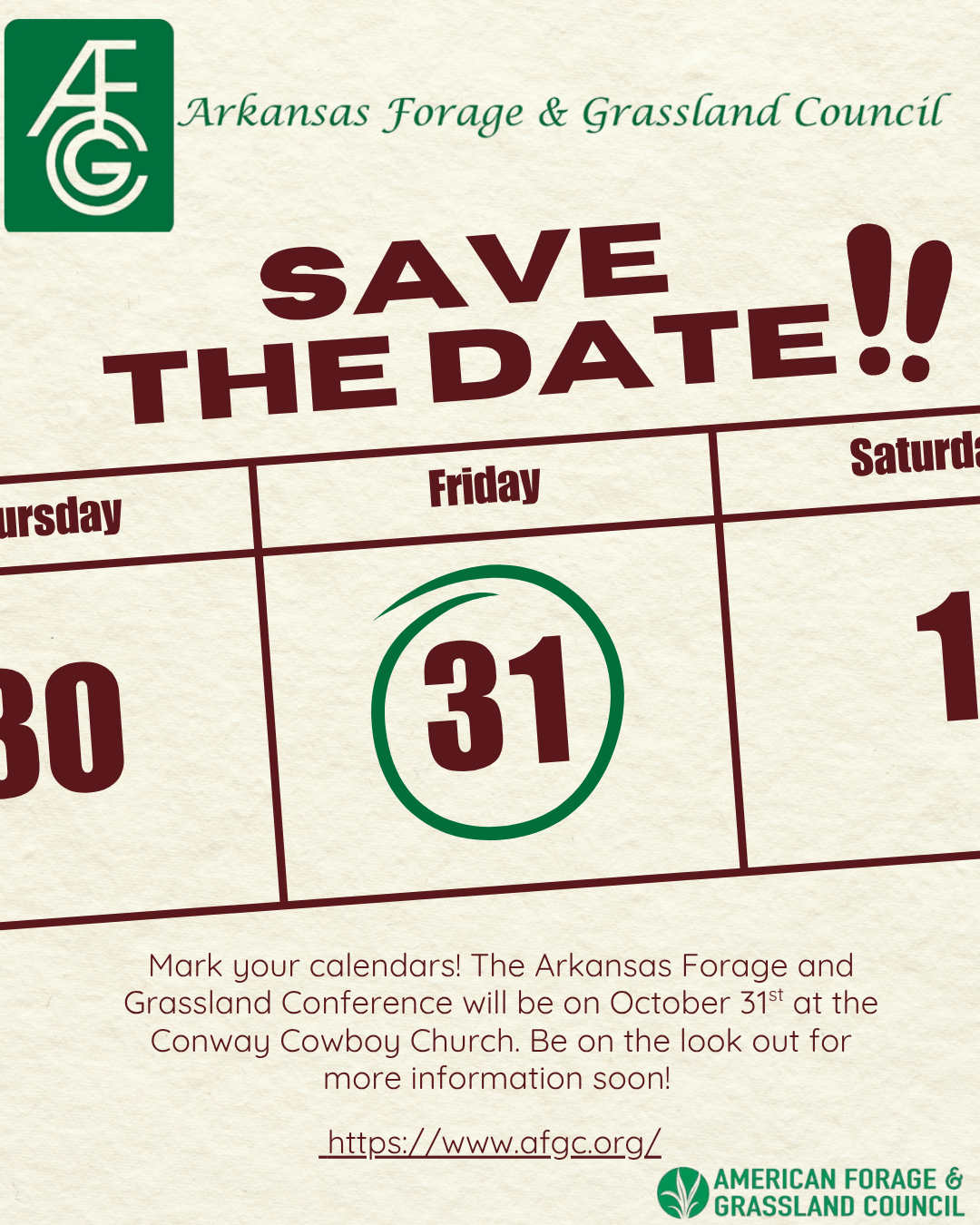
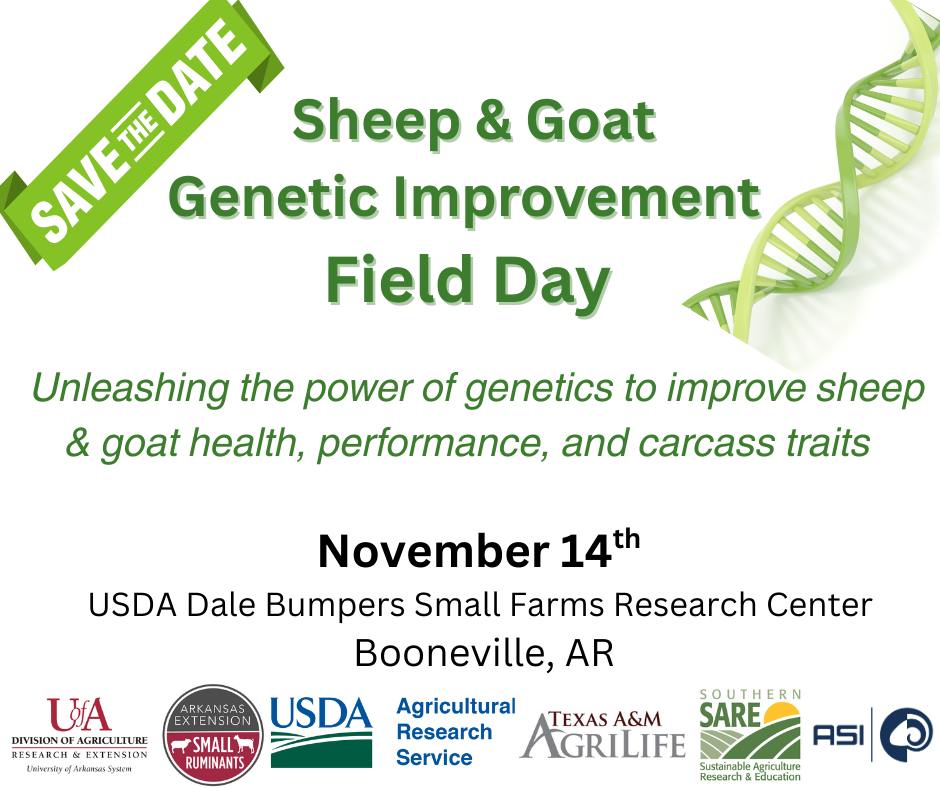
| | Upcoming Meetings and Field Days | | |
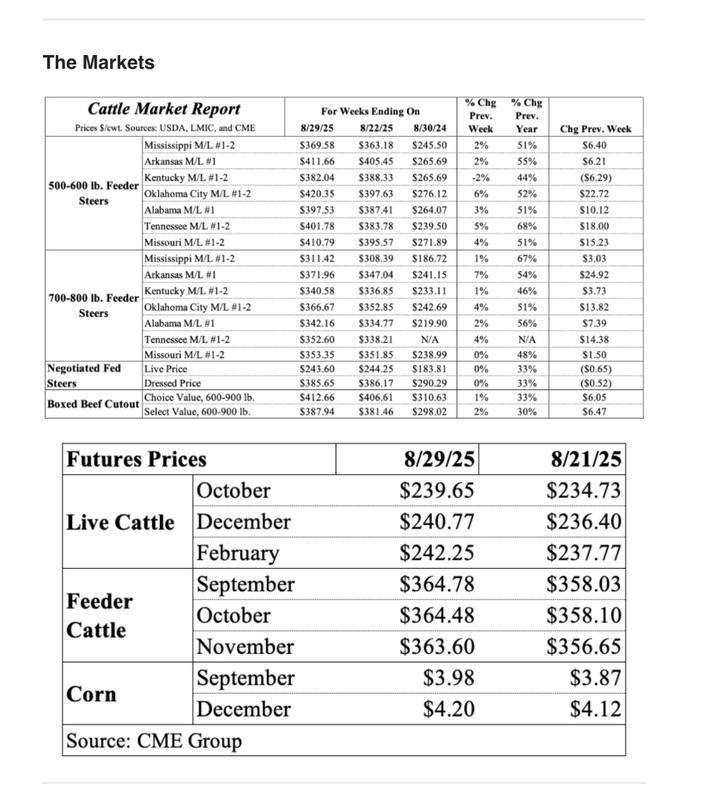
Livestock Market Report
The weekly livestock market report is available on the Arkansas Department of Agriculture website.
| | |
Sign up for Text Alerts
You can now sign up for text alerts from me throughout the year. I have two areas you can sign up for which includes Faulkner Livestock or Faulkner Ag (Row Crop Updates). To sign up you can follow one of these links or use the QR Codes below.
| | Pursuant to 7 CFR § 15.3, the University of Arkansas System Division of Agriculture offers all its Extension and Research programs and services (including employment) without regard to race, color, sex, national origin, religion, age, disability, marital or veteran status, genetic information, sexual preference, pregnancy or any other legally protected status, and is an equal opportunity institution. | | | | |