2026 Issue 3

Featured Practice

Keep it Clean!

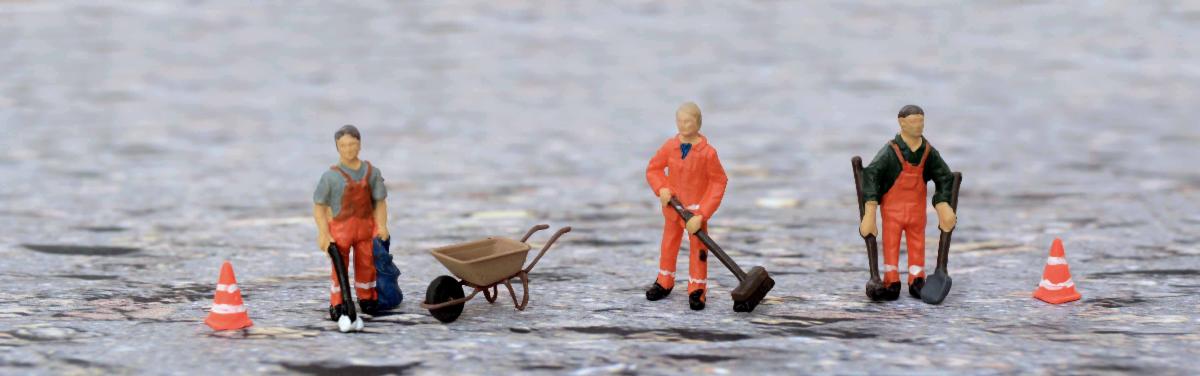
As summer weather continues, storms and drought each offer challenges for keeping projects in good condition and retaining sediment on site. Practice standards 825, 930 and 954 are a few best management practices that can help keep the soil and sediment on site, and any water landing on the site clean.


👉 Dust control is particularly important when those hot summer days can cause any bare areas to become dusty, wind-blown nightmares. Some of the best methods for reducing dust on work sites keep the ground covered as much as possible. Examples include: utilizing phased work plans to maintain vegetative cover and buffer areas, temporary seeding when areas have been disturbed but will remain inactive for periods of time, or mulching practices. Additional ways to help reduce the potential for wind erosion would be utilizing spray-on adhesives, spray mulch mixtures or, in case of emergencies, a means of tillage to roughen the soil to bring larger clods to the surface before any winds and soil blowing begins. Physical barriers like fences, walls or hay bales may be a good last line of defense to prevent soil blowing off site, made even more effective with proper placement and angling of those barriers to best fit the project. Irrigation or water trucks can be used during dry periods to keep the surface moist and prevent dust being kicked up, especially on highly trafficked areas like haul roads.


👉 Utilizing construction entrances/exits allow for traffic in and out of the project site to be contained to one area that can be stabilized to prevent tracking off of the site. A minimum of 6 inches of aggregate with filter fabric underneath (installed long and wide enough to handle the load of traffic coming in and out of the site) is needed to help keep the surrounding streets clean. Additional vehicle/tire wash stations may be implemented if the rock alone cannot remove a majority of mud or debris, but the wash water from these stations needs to be contained so it doesn’t move that sediment-laden water off site. If dust or sediment does make it’s way off site, street cleaning and clearing of debris is needed for any surrounding paved areas to help keep them in good condition.


👉 For projects that are working with concrete, specialized washout areas are needed to manage any of the waste from the usage on site. Concrete waste can be particularly harmful as concrete wastewater has an extremely high pH, is corrosive and can be toxic to aquatic life. The high pH levels can be long lasting in soils, causing issues for plant growth and soil life can struggle to survive. Keeping washout facilities clean and maintained is critical. Concrete washout water may be considered hazardous waste due to the high pH, research local regulations for proper disposal of any accumulated waste. Placement and maintenance of these areas can help prevent concrete waste or wash to become an issue, several different designs are available. Choosing one that makes washout, maintenance, cleaning and inspection easy and accessible will help prevent any wash water from entering storm drains, waterways or surrounding soils. 


With any project, proper planning, phasing and communication on a site can ensure management practices that will be needed are accounted for, plus that the site and adjacent areas are kept clean and pollution free throughout the extent of the project. Links to the featured Standards are below.

IUM Website Tools

Material Specifications


Guidelines to ensure that materials used in construction and conservation sites meet strict durability, performance and environmental standards.


eMail suggested additions

Continuing Education

ISCA Field Indicators of Hydric Soils - Part 2


WHAT: Field Indicators of Hydric Soils Part 2, a two-day training course teaching Field Indicators of Hydric Soils as in the the USACE Wetland Delineation Manual -Midwest & Northcentral-Northeast Regions.


HOSTED BY: Illinois Soil Classifiers Association, Lake County SMC, Lake County Forest Preserve District


DETAILS: Day 1 morning -in the classroom with an overview of soil formation, landscapes, water flow, local glacial activity, & field indicators of hydric soils. Day 1 afternoon -in the field describing and identifying field indicators of hydric soils. Day 2 -in the field at two sites in Lake County Forest Preserves to practice identification of field indicators of hydric soils in sandy soils and manipulated soils.


WHO SHOULD COME: All levels of background, interest, and experience in wetland delineation and soils

WHEN: August 6 – 7


WHERE: Lake County Stormwater Management Commission Office, 500 W Winchester Rd, Libertyville, IL


DEADLINE: August 1

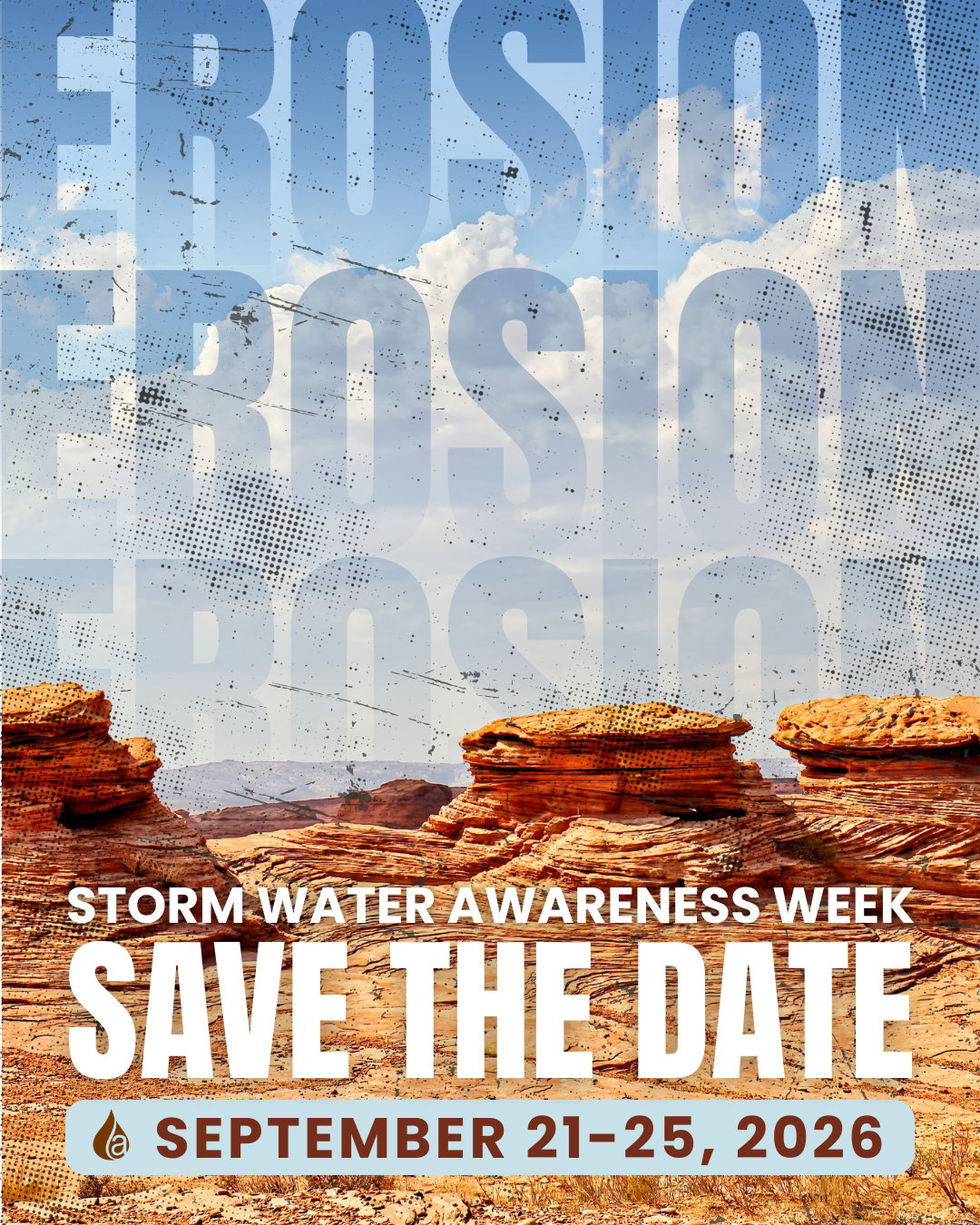
Stormwater Awareness Week

e·ro·sion: 
the process by which soil particles are detached and transported by the actions of wind, water or gravity


Whether you're working on a construction site, doing a municipal inspection, starting a stream restoration project, doing a site walk at your industrial facility or just taking a hike through nature, you've probably encountered first hand this natural process (or sometimes mankind assisted process) which can wreck havoc on your storm water program as well as create awe inspiring scenic views. 


Storm Water Awareness Week 2026 will highlight the topic of EROSION with several specific keynotes and workshops directly geared toward providing important information, education, and tactical plans for managing erosion at a jobsite, city or facility.

In the News

IEPA Grant Awarded


Illinois Soil and Water Conservation Districts have again been awarded IEPA funds for the continued maintenance and updating of the Illinois Urban Manual. This grant specifies the following outputs:


  • One (1) Framework Maintenance Strategy describing the process for updating the IUM
  • Development, or update, of a minimum of six (6) BMP standards with an emphasis on nonpoint source pollution (NPS) and green infrastructure
  • Educational, informational, and technical assistance to developers, engineers, and soil erosion sediment control professionals
  • Maintenance of the IUM webpage
  • An update and expansion of the current IUM resource content
  • One (1) Outreach and Information Strategy describing the continuation of an outreach campaign to effectively deliver the IUM resources to watershed groups, college level students, water quality professionals, government staff and officials, and environmentally conscious individuals throughout the state, including a publicly available IUM presentation on the website
  • One (1) Project Report


The outcomes anticipated are continued use of the Illinois Urban Manual, reduction of NPS pollution through better planned and implemented point and NPS pollution control projects, and improved water quality in Illinois streams, rivers and lakes.

Grant Period:

July 1, 2026 - June 30, 2027


If you are interested in serving on the IUM Steering or Technical Committee, please click

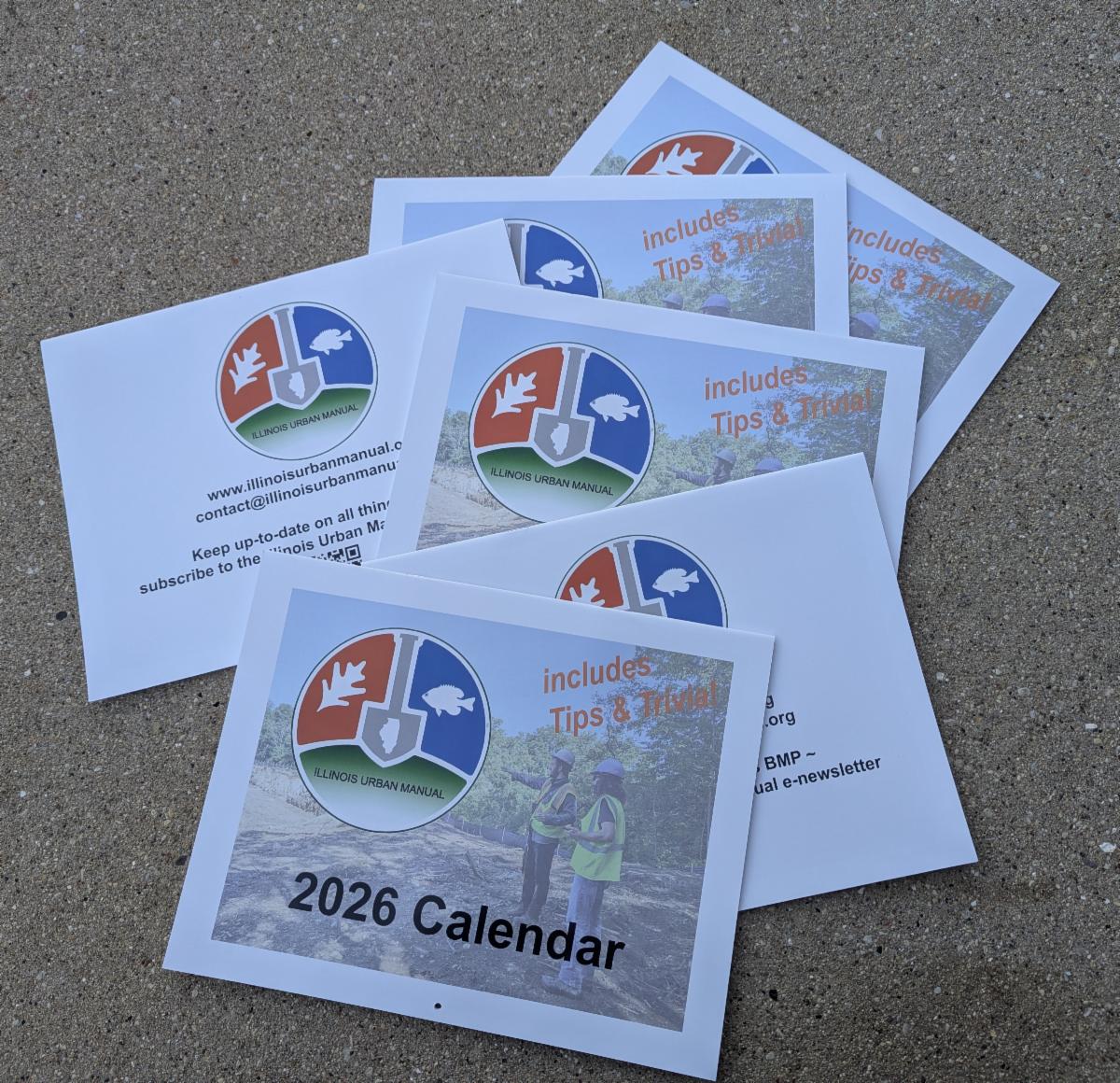
Just a few Calendars still available!


It's July! Don't let 2026 pass you by without your IUM Calendar featuring BMPs, Pro Tips and Trivia!


Available from your local SWCD.


Funding for this project provided, in part, by the Illinois Environmental Protection Agency through Section 604 of the Clean Water Act.

Should we publish a 2027 IUM Calendar? Click One!
Thumbs up        Thumbs down

Envirothon - State Competition


Winning teams from each of the 16 Soil and Water Conservation District Land Use Councils' competitions gathered April 29 - 30 to compete for the opportunity to advance to nationals in Mississippi in July.


Top 3 high school teams in Illinois:

Olney (Richland County)

Lane Tech (Cook County)

Stewardson-Strasburg (Shelby County)


Congratulations to the Olney High School team which will represent Illinois at nationals July 19-25!

Upcoming Events

IUM E-News Sponsored By

Seeking Sponsors for your IUM E-Newsletter!

Pinnacle Engineering Group (PEG) provides expert civil engineering, land surveying, landscape architecture, and construction inspection services to public communities and private industries. Our commitment to excellence is reflected in the impressive array of projects we are undertaking across multiple states. From infrastructure development to cutting-edge design initiatives, Pinnacle Engineering Group is at the forefront of civil engineering solutions that make a tangible impact on communities. Our diverse portfolio showcases our ability to handle complex challenges while ensuring quality and sustainability. As we continue to expand our footprint, our focus remains on integrating the insights and fresh perspectives of our young engineers with the wisdom of our experienced mentors. This synergy drives our accomplishments and helps us maintain a competitive edge in the engineering sector. Pinnacle Engineering Group is not just building projects; we are building careers and creating a legacy of engineering excellence.


Supporting residents, landowners, and businesses in Kane and DuPage Counties in Illinois by leading efforts to ensure healthy soil, clean water, sustainable land development and regenerative agriculture.

Tier Two $25/year

Tier Three $10/year

Tier Three $10/year

A statewide competition promoting critical thinking & environmental stewardship

Illinois Urban Manual News

Funding for this project is provided, in part, by the Illinois Environmental Protection Agency through Section 604 of the Clean Water Act

managed by

Kane DuPage Soil and Water Conservation District

2315 Dean Street

Suite 100

St. Charles IL 60175

Mon-Fri 8am - 4:30pm


illinoisurbanmanual.org

contact@illinoisurbanmanual.org