|
From NAMI National:
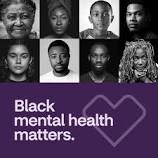
According to the Health and Human Services Office of Minority Health, Black adults in the U.S. are more likely than white adults to report persistent symptoms of emotional distress, such as sadness and feeling like everything is an effort. Black adults living below the poverty line are more than twice as likely to report serious psychological distress than those with more financial security.
Despite the needs, only one in three Black adults with mental illness receive treatment. According to the American Psychiatric Association’s Mental Health
Facts for African Americans guide, they are also:
- Less likely to receive guideline-consistent care
- Less frequently included in research
- More likely to use emergency rooms or primary care (rather than mental health specialists)
What happens at the intersection of mental health and one’s experience as a member of the Black community? While the experience of being Black in America varies tremendously, there are shared cultural factors that play a role in helping define mental health and supporting well-being, resiliency and healing.
Parts of this shared cultural experience — family connections, values, expression through spirituality or music, reliance on community and religious networks — are enriching and can be great sources of strength and support.
|