|
|
Promoting Equity in Higher Education
February 2024
"Research-Practice Partnerships and the PASS Project"
| |
| |
|
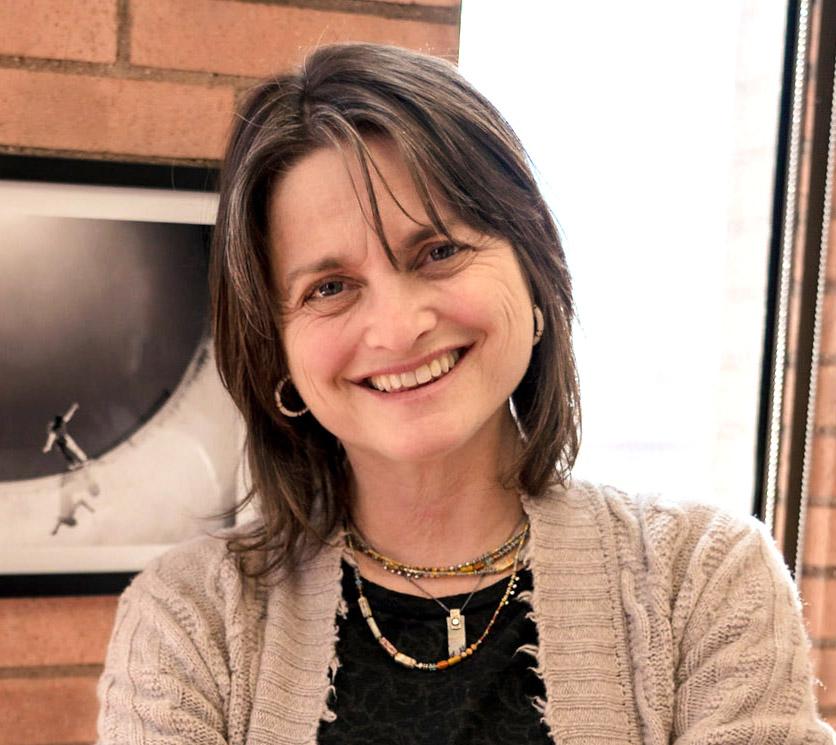
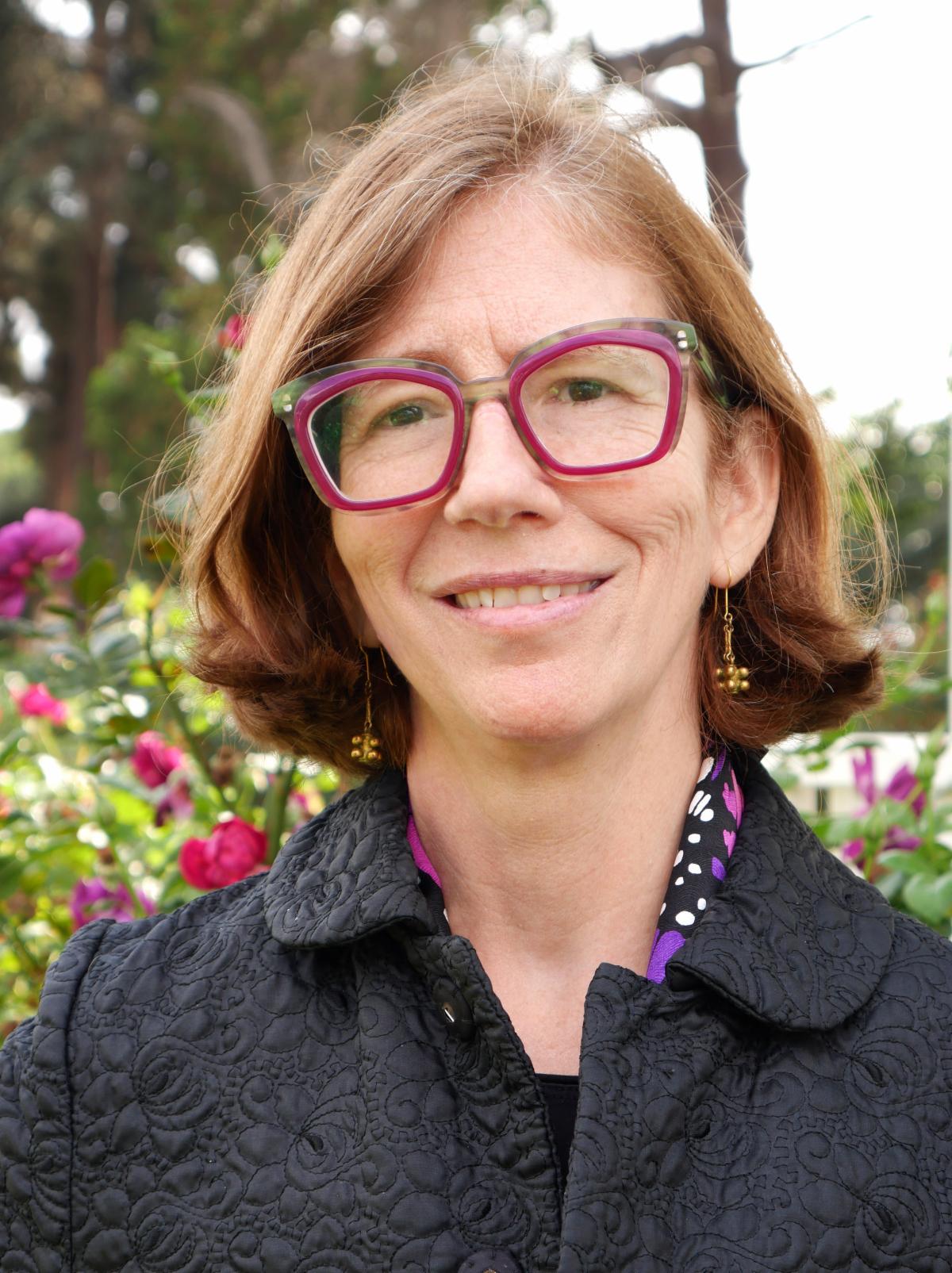
Guest Editor Zoë Corwin, Research Professor
Dear Colleagues,
One of the things I most appreciate about the Pullias Center is our collective commitment across faculty, staff and students to engage in meaningful research, often through research-practice partnerships (RPPs). RPPs involve long-term structured relationships where researchers and practitioners collaborate to learn more about a problem of practice and explore solutions. They entail great intentionality around relationship-building, coordination of logistics, research activities and dissemination of findings — and hold tremendous promise for impact.
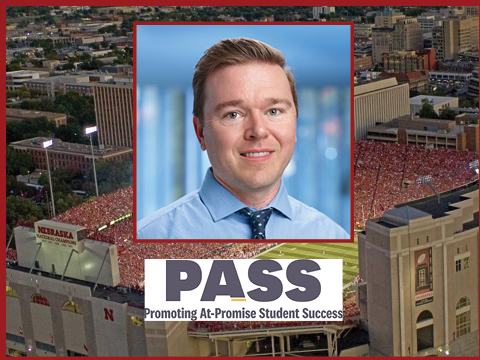
During my time at Pullias, I’ve participated in a wide range of RPPs from partnering with school districts and state agencies to develop innovative, game-based college access digital tools, to working with skateboarding organizations to document the ways that skateboarding enhances mental health and community. Most recently, I have had the honor of serving as the Principal Investigator of one of the largest RPPs in the field of higher education — the Promoting At-promise Student Success (PASS) project. Last month, I participated on a panel with Amy Goodburn, one of our practitioner partners and University of Nebraska–Lincoln’s Senior Associate Vice Chancellor and Dean of Undergraduate Education, We discussed how we have cultivated a productive RPP. Below please find our joint-authored reflections on what it takes to navigate an effective research-practice partnership.
Also in this issue, we highlight Ron Hallett’s return to the Pullias Center as full-time research faculty, a move that greatly enhances the Center’s ability to engage in RPPs.
Cordially,
|  | |
|
Reflections on the PASS Research-Practice Partnership
By Zoë Corwin & Amy Goodburn
One of the most compelling aspects of research-practice partnerships is drawing on diverse expertise in pursuit of making an impact. The PASS Project, with its focus on fostering a culture of ecological validation to improve academic and psychosocial outcomes for at-promise students, is a meaningful illustration of how RPPs can be effective.
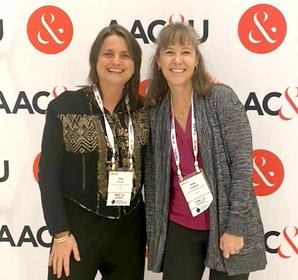
At the recent Association for Undergraduate Education at Research Universities’ annual conference, Zoë Corwin (The Pullias Center) and Amy Goodburn (University of Nebraska-Lincoln) shared their perspectives on the value of RPPs, as well as the strategies that they have employed to cultivate a successful partnership between the Pullias Center, the University of Nebraska-Lincoln (UNL) and the project’s funder, the Susan Thompson Buffett Foundation.
Learn More
| | |
|
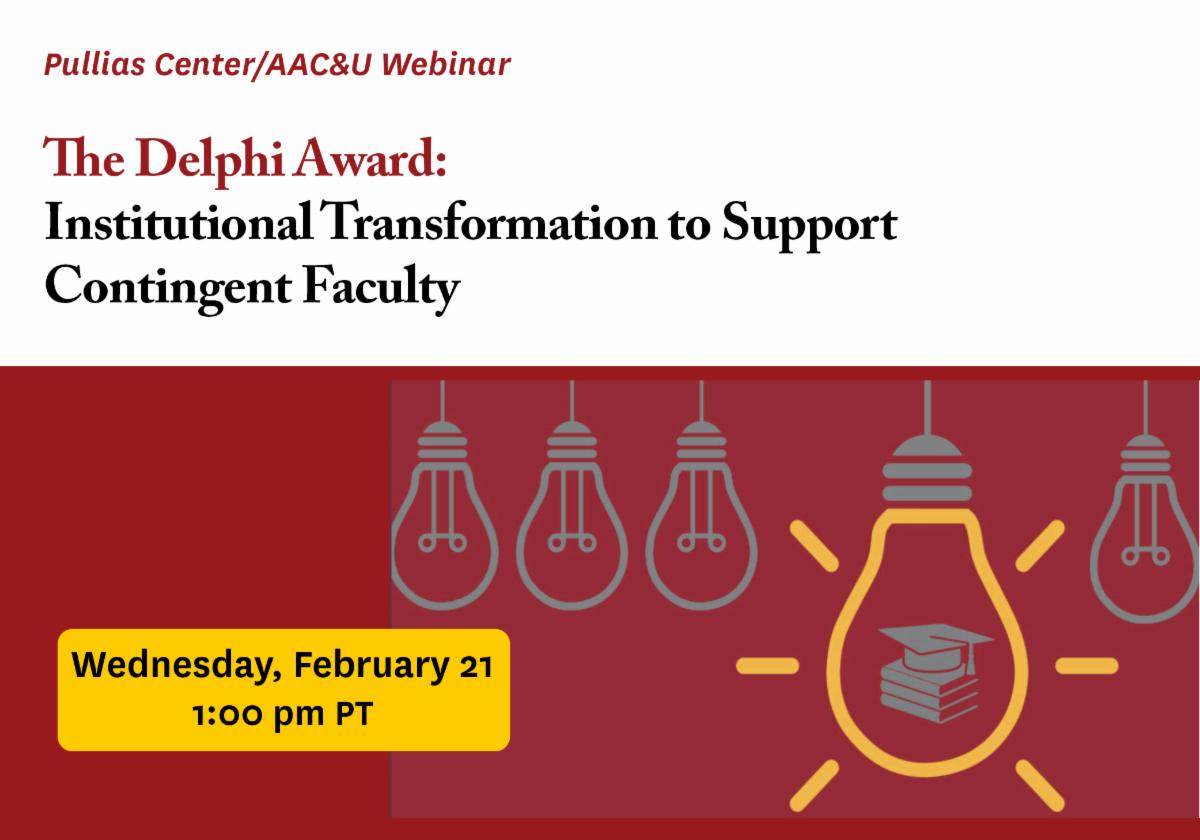
"Institutional Transformation for Contingent Faculty — A Delphi Award Webinar
Slated for Wednesday, February 21, 1:00 PT — Register Now
In this Pullias Center webinar, in partnership with AAC&U, we will will explore innovative practices and lessons learned from institutional change initiatives aimed at the equitable recognition and support of contingent faculty.
Campus leaders from the University of Arizona and Loyola Marymount University, recipients of the 2023 Delphi Award, will describe the policies, practices, and programs that have been put in place to advance the recognition, status and participation of contingent faculty on their campuses.
Moderated by Pullias Center director Adrianna Kezar and AAC&U's Ashely Finley.
| |
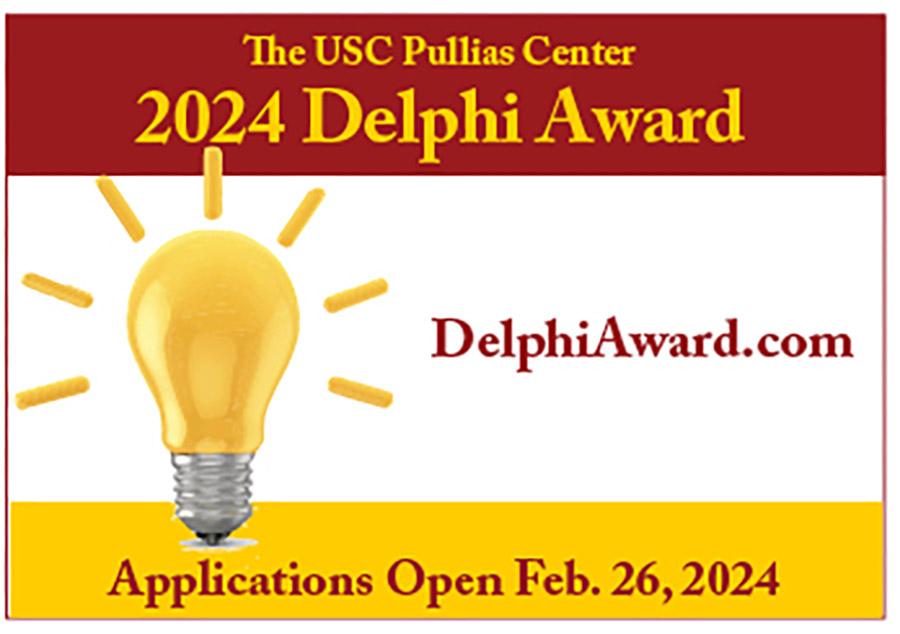
Mark Your Calendars — The 2024 Delphi Award Application Opens on February 26, 2024 | |
|
Join the elite group of 12 institutions that have already received a $15,000 Delphi Award for Their Support of VITAL (contingent) faculty.
Not sure if your program is eligible, or if your support of your campus' contingent faculty is Delphi-Award worthy? Then check out our comprehensive Delphi Award Application FAQ page. It's chock full of everything you'll need to know to prepare a successful Delphi Award application. You can also peruse the case studies from our past Delphi Award winners, including 2023's University of Arizona and Loyola Marymount University.
| |
|
Memorial for Tatiana Melguizo Set for Monday, April 8, 11:30am-1pm
Please join us on Monday, April 8, both in-person at USC and virtually, as we come together to remember Dr. Tatiana Melguizo, who passed away in January.
More details about the memorial event will be forthcoming, and all are welcome.
In the meantime, you can share your memories of Tatiana with her family, Pierre, Mateo, Juliette & Amalia, to: to: amor4tatiana@gmail.com
| |
|
NEW PUBLICATIONS
-
Hallett, R., Kezar, A., Kitchen, J.A., Perez, R., & Reason, R. (2024). An ecological approach to creating validating support for low-income, racially minoritized, and first-generation college students. New Directions for Higher Education. https://doi.org/10.1002/he.20489
| |
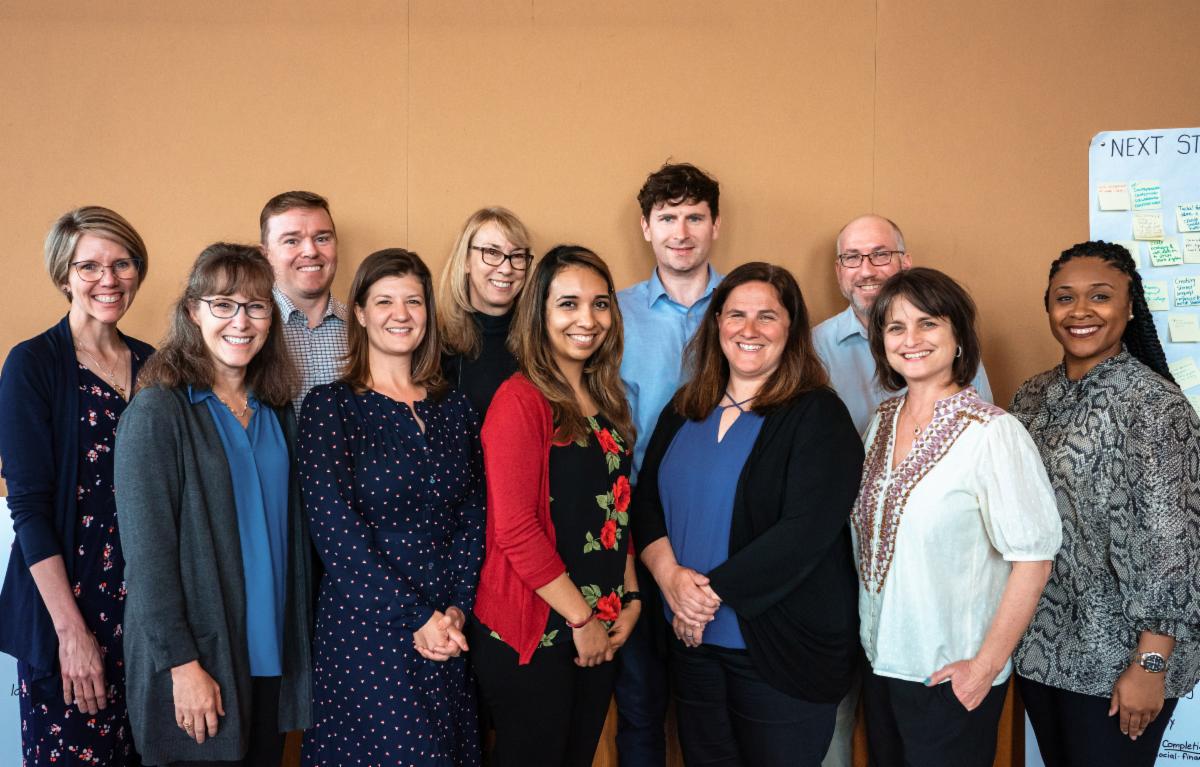
The Promoting At-promise Student Success Research-Practice Partnership Team | |
MORE NEWS
-
Zoë Corwin and Joseph Kitchen will be presenting PASS Project sessions at the 43rd Annual Conference on The First-Year Experience in Seattle, WA. They will be co-presenting with campus partners from the PASS Project for two sessions titled “A Multidimensional Peer Mentoring Model for First-Year, Low-Income College Students” on Feb 19, and “Improving First-year Email Communications: A Validating Approach” on Feb 20.
-
Royel M. Johnson was keynote speaker for Pennsylvania State University’s College of Engineering Racial Equity Forum on February 8. His talk was titled: “Sense of Belonging: An Equity Imperative for Higher Education”
- Adrianna Kezar, Elizabeth Holcome and IUSB's Susan Elrod recently held a successful webinar, "Meeting Higher Education's Most Pressing Challenges with the Change Leadership Toolkit.'
-
Adrianna Kezar and KC Culver presented the 2023 Delphi Awards to winners The University of Arizona and Loyola Marymount University at the AAC&U National Conference. Watch our new video to learn more about the Delphi Project.
| | |
|
THE PULLIAS CENTER FOR
HIGHER EDUCATION
Promoting Equity in Higher Education
| |
The World's Leading Research Center on Student Access and Success in Higher Education | | | | |