Eliminating Discriminatory Practices Against the Mentally Ill in the Criminal Justice System |
|
Mental disability is a common problem in our society and can lead to a multitude of issues, including those with the law. People with mental disability are often disregarded and misunderstood, especially in the criminal justice system. As a result, stigma against these individuals is rampant and can be damaging to their lives. But, it is time to debunk these stigmas and eliminate discriminatory practices against the mentally ill in the criminal justice system.
Debunking Stigmas Against Individuals with Mental Illness in the Criminal Justice System
It is essential to recognize that mental disability is a medical condition and not a choice. Stigmatizing those with mental disability only creates a culture where they are seen as “less than” and unsupported. By eliminating mental health stigmas in the criminal justice system, we can better support and rehabilitate those who need it. Furthermore, we can change the negative stigma surrounding mental illness and recognize that there is no shame in seeking treatment.
Reasonable Accommodations: How Providing Proper Treatment and Support Leads to Better Outcomes
By providing reasonable accommodations for those with mental disability, we can create better outcomes for both the individual and society. This can include access to mental health treatment, medications, and therapy that are often absent in the criminal justice system. These accommodations can provide a significant impact and help individuals with mental illness recover so they can become functioning members of society.
Understanding vs Punishment: Diagnosing and Treating Mental Illness Instead of Incarcerating
It is crucial that we change our approach from punishment to understanding and treatment. Instead of incarcerating those with mental illness, we should be creating a system that diagnoses and provides appropriate treatment and support. When we understand and treat mental disability, we are more likely to prevent criminal behavior and help the individual lead a fulfilling life.
Disabilities Rights
We must recognize that those with mental disability should be afforded the same rights and protections as any other individual. By leveraging the Americans with Disabilities Act (ADA) and disability rights, we can create meaningful reforms in the criminal justice system. This can include ensuring that accommodations are provided, mental health services are available, and appropriate support is given.
It's Time for Change
Eliminating discriminatory practices against the mentally ill in the criminal justice system is long overdue. If we continue to ignore this issue, we are not only hurting individuals with mental disability, but we are also perpetuating systemic problems that create a cycle of harm. It is time for a comprehensive approach that values rehabilitation and understanding rather than punishment. As a society, we need to prioritize the mental health of our citizens, especially those in the criminal justice system. Only then can we create a more compassionate and effective system.
If you or a loved one has a mental disability and has been arrested or convicted of a crime, you need an experienced criminal defense attorney on your side. Elizabeth Kelley specializes in representing individuals with mental disabilities. To schedule a consultation call (509) 991-7058.
|
|
|
|
Representing People with Mental Disabilities: A Practical Guide for Criminal Defense Lawyers
Second Edition
Edited by: Elizabeth Kelley
|
The second edition of Elizabeth’s groundbreaking book, Representing People with Mental Disabilities: A Practical Guide for Criminal Defense Lawyers, will be released later this year. This edition will include new chapters on Substance Use Disorders and Post-conviction remedies, as well as updated chapters on Competency, Sanity, False Confessions, and Neuro-imaging. |
|
Mental Disability and the Criminal Justice System |
|
A podcast which provides information - and hope - to people with mental disabilities ensnared in the criminal justice system, as well as to their families and attorneys. |
|
Youth with autism are more likely to be arrested. A Nevada judge wants to remedy that
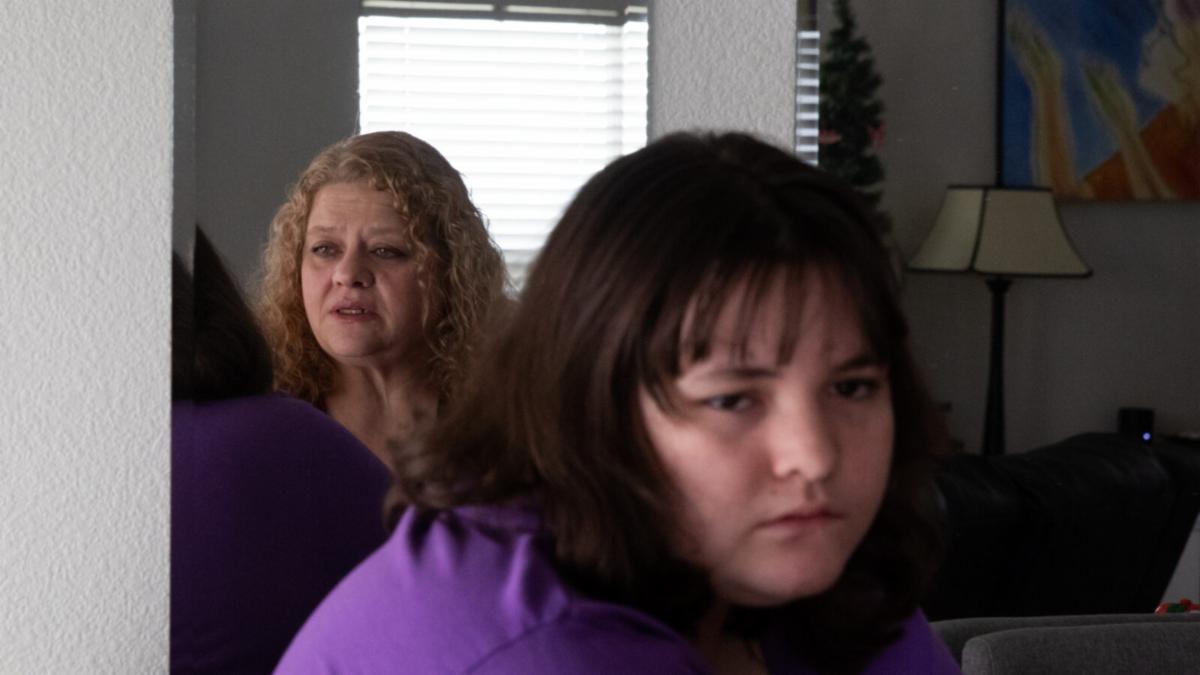
Melody O’Connor is grateful her teenage daughter Angeleena O’Connor was arrested in the winter of 2022.
“Isn’t that a horrible thing to say?” Melody said.
It wasn’t the first time Angeleena had the police called on her. The first time was more than four years earlier – when she was 12.
Angeleena is now 16 and the police have been called to her house more than 40 times over the past four years, including once for a violent incident in which Angeleena grabbed a steak knife and held it to her mother’s face, Melody said.
|
|
Colorado man charged in 2015 mass shooting asks 10th Circuit to halt order for forced medication
DENVER (CN) — A Colorado man charged with killing three people at a Planned Parenthood clinic in 2015 asked the 10th Circuit on Thursday to block a district judge’s order forcing him to take medication in hopes of restoring mental competency and allowing him to proceed to trial.
Robert Dear drove to the Colorado Springs Planned Parenthood on Nov. 27, 2015, armed with “four SKS rifles, five handguns, two additional rifles, a shotgun, more than 500 rounds of ammunition, and propane tanks,” according to a 13-page federal indictment.
“Intending to wage a war” against the fertility clinic which provides abortions, Dear fired 198 bullets at patients and staff both in the parking lot and inside the facility, according to prosecutors. Three people were killed, including a police officer.
|
|
How Australian undercover police ‘fed’ an autistic 13-year-old’s fixation with Islamic State
Counter-terrorism police encouraged an autistic 13-year-old boy in his fixation on Islamic State in an undercover operation after his parents sought help from the authorities.
The boy, given the pseudonym Thomas Carrick, was later charged with terror offences after an undercover officer “fed his fixation” and “doomed” the rehabilitation efforts Thomas and his parents had engaged in, a Victorian children’s court magistrate found.
Thomas spent three months in custody before he was granted bail in October 2022, after an earlier bail was revoked because he failed to comply with conditions.
|
|
Officers Charged Her With Drunken Driving. But Her Brain Was Bleeding.
Driving home from work on the day her life changed forever, Nicole McClure could feel her feet tingling and her sense of direction faltering. Then she noticed colorful lights illuminating the early morning landscape.
“Oh, pretty lights,” she remembers thinking, not realizing that a highway patrol car was coming up behind her. On what was supposed to be a simple drive home from her overnight job at Walmart near Olympia, Wash., Ms. McClure felt increasingly disoriented, and wound up crashing into two roundabouts before pulling over.
The state trooper who had followed her ran to her door with his gun drawn, shouting at her to get out of the car, according to his dash cam video. He demanded to know if she had been drinking or using drugs. She denied it. “I’m not feeling real well,” she said. The trooper was not convinced. She was taken to jail, accused of driving under the influence.
|
|
An 18-year-old is not an adult, brain science shows. The criminal justice system is failing our youth.
In November, the state of Texas executed Brent Brewer for a homicide he committed in 1990, when he was 19 years old. If Brewer had committed the crime a day shy of his 18th birthday, he would be alive today. In fact, he might even be free.
That’s how much difference a day can make.
Of course, there is no real difference between someone who is 18 years old and someone who is 18 years old minus one day. For that matter, research tells us that the brain doesn’t reach adult maturity until we are in our mid-20s.
But the criminal justice system generally considers adolescence to be over by the time a person turns 18. We believe that must change, and that the same opportunities for rehabilitation given to youth under age 18 should be extended to those in their late teens and early 20s, as well.
|
|
Study on Oregon competency restoration describes "revolving door' of defendants
Inconsistencies in Oregon's behavioral health and judicial systems are contributing to a “revolving door” of defendants at the Oregon State Hospital and community restoration programs, a new Oregon Health Authority study says.
Nearly one in four people in the state's psychiatric hospitals in Salem and Junction City or community restoration during the 2017-2022 study had at least one previous admission to the hospital, according to a 183-page report released this month.
The purpose of competency restoration is "to restore someone’s mental capacity so they are well enough to proceed with their criminal case."
But there are not enough resources or staff at the state hospitals or in local communities to restore an increasing number of defendants unable to aid their lawyers in their own defense.
|
|
|
|
|
|
|