Accessibility & Health

February 2025

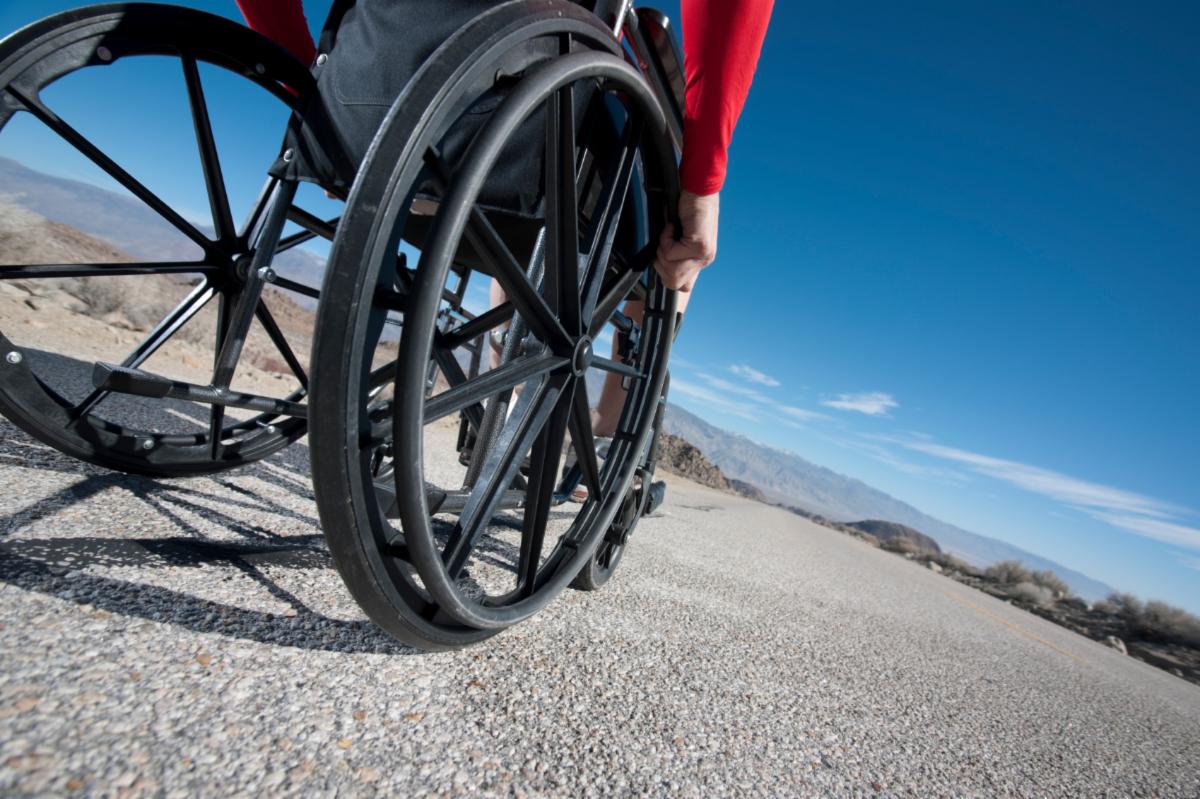
Image of a person propelling themselves in a wheelchair with wide space ahead of them.
WEBSITE
RESOURCES
TRAININGS
Little girl in a wheelchair sits in front of swings.

New Utah DHHS Report


The Utah Department of Health & Human Services recently published a report summarizing the perspectives of people with disabilities and caregivers throughout Utah when engaging with health services. The participants highlighted the following barriers:

Barrier

Description

Awareness

Participants did not know about health promotion programs or recommended preventative screenings they should be receiving.

Programming

Participants felt excluded from programs because recruitment and program materials were not accessible and did not describe available accommodations to participate.

Transportation

Many participants did not have a form of personal transportation or adequate public transportation options to attend programs or receive care.

Healthcare provider interactions

Providers were not trained in how to communicate with or treat people with disabilities, so many participants shared having poor experiences and unmet healthcare needs.

Systems

Participants shared that gaps in available services and differences in what were considered priorities for their care led to frustration with insurance providers.

Knowing these barriers experienced by people with disabilities throughout Utah will allow us to improve our inclusion efforts!

ADA Highlight - Mobility Devices

It is important to consider a few factors when deciding whether "other power-driven mobility devices", such as Segways or scooters, can safely enter public entities, such as a health department. These factors include:


  • the type, size, weight, dimensions, and speed of the device;
  • the volume of pedestrian traffic (which may vary at different times of the day, week, month, or year);
  • the facility’s design and operational characteristics, such as its square footage, whether it is indoors or outdoors, the placement of stationary equipment, devices, or furniture, and whether it has storage space for the device if requested by the individual;
  • whether legitimate safety standards can be established to permit the safe operation of the device; and
  • whether the use of the device creates a substantial risk of serious harm to the environment or natural or cultural resources or poses a conflict with Federal land management laws and regulations.


Man with a prosthetic leg using a hoverseat mobility device
A man and a woman sitting at a table talking with a Segway in the background

Public entities cannot ask people using these devices about their disability.


However, they can ask for proof that the device is needed because of a disability.


If the person shows a valid, state-issued disability parking permit or card, that is enough proof.


If the person doesn’t have this document, but says that the device is for a mobility disability, that should also be accepted as proof, unless they do something that goes against what they said.

FACT SHEET
POWER-DRIVEN MOBILITY DEVICES

New Fact Sheet!


Common Myths about Non-Apparent Disabilities


By understanding and challenging common misconceptions about non-apparent disabilities, the reader can begin to reflect on their own beliefs and assumptions. By doing so, they can contribute to a more inclusive, empathetic, and supportive environment for individuals with all types of disabilities—whether visible or not.

READ IT NOW
Hailey Judd

In case you missed it:

Demographic Disability Data in Utah: What’s the Status and Where to Find It


Presenter: Hailey Judd, MPH, CHES


This course covers:

  • Utah demographic disability statistics 
  • Sources for disability data in Utah and the United States
  • A live demonstration querying disability data
ENROLL
Woman typing on a computer

Training Topics?


We are working to provide trainings and learning resources that you will find valuable, but we would love to hear your insights.


Please let us know what you are interested in learning more about!

TAKE OUR SURVEY

We Need Your Feedback!


Are you passionate about the accessibility of community health programs? We are too, and we need your help to make our ADA compliance training materials better! At the IDRPP, we’ve created a training repository to support public health departments in ensuring accessibility, and now we need your feedback to ensure it’s serving your needs.


Join us for a one-on-one usability interview where you can use the materials and share your experience with us. Your insights will help us improve the materials and make a lasting impact on public health accessibility across Utah.

The interview will take about one hour and will be conducted over Zoom.


Click the link to sign up and help us create better resources for your community!


Questions?

Email Elle at Rebecca.Smith@usu.edu or Dr. Chen at Chen.Chen@usu.edu.


This study has been approved by the USU IRB (Protocol #14360).

PARTICIPATE
Institute for Disability Research, Policy & Practice logo

CONTACT US

(435) 797-1981

Facebook  X  Instagram  LinkedIn