|
Happy February!
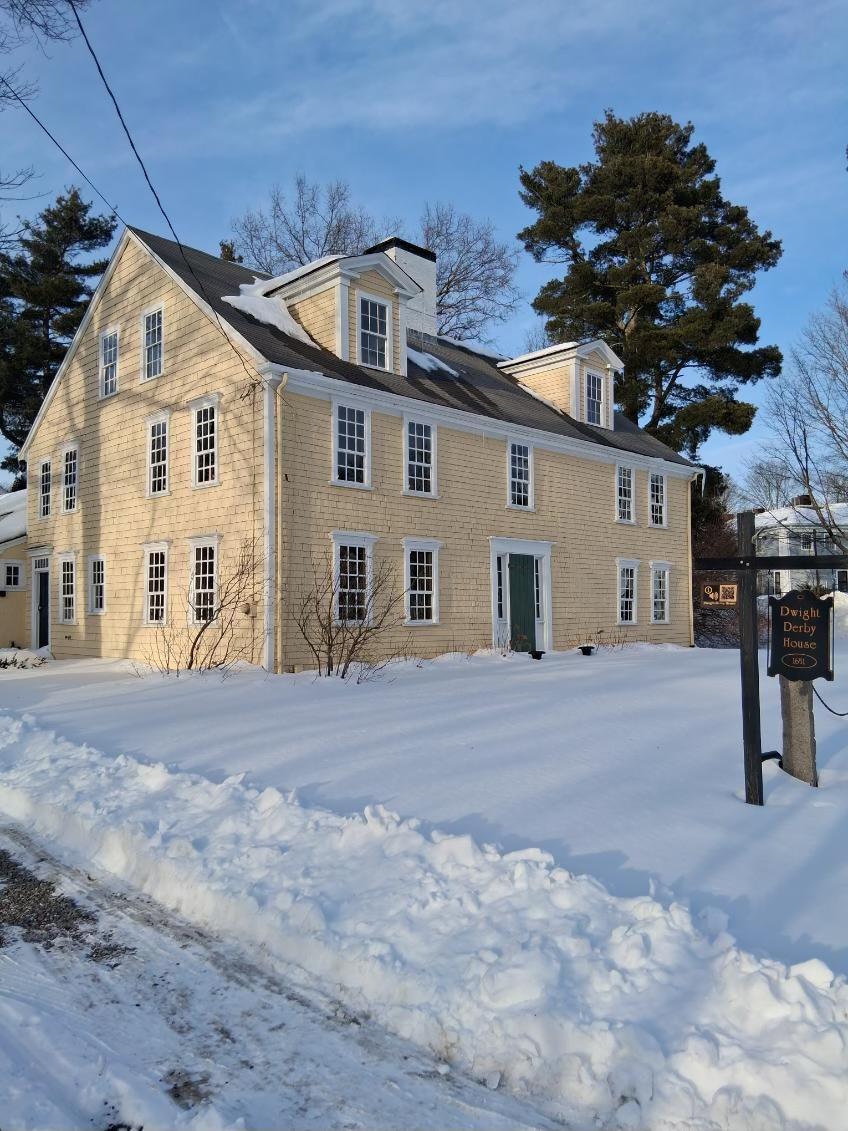
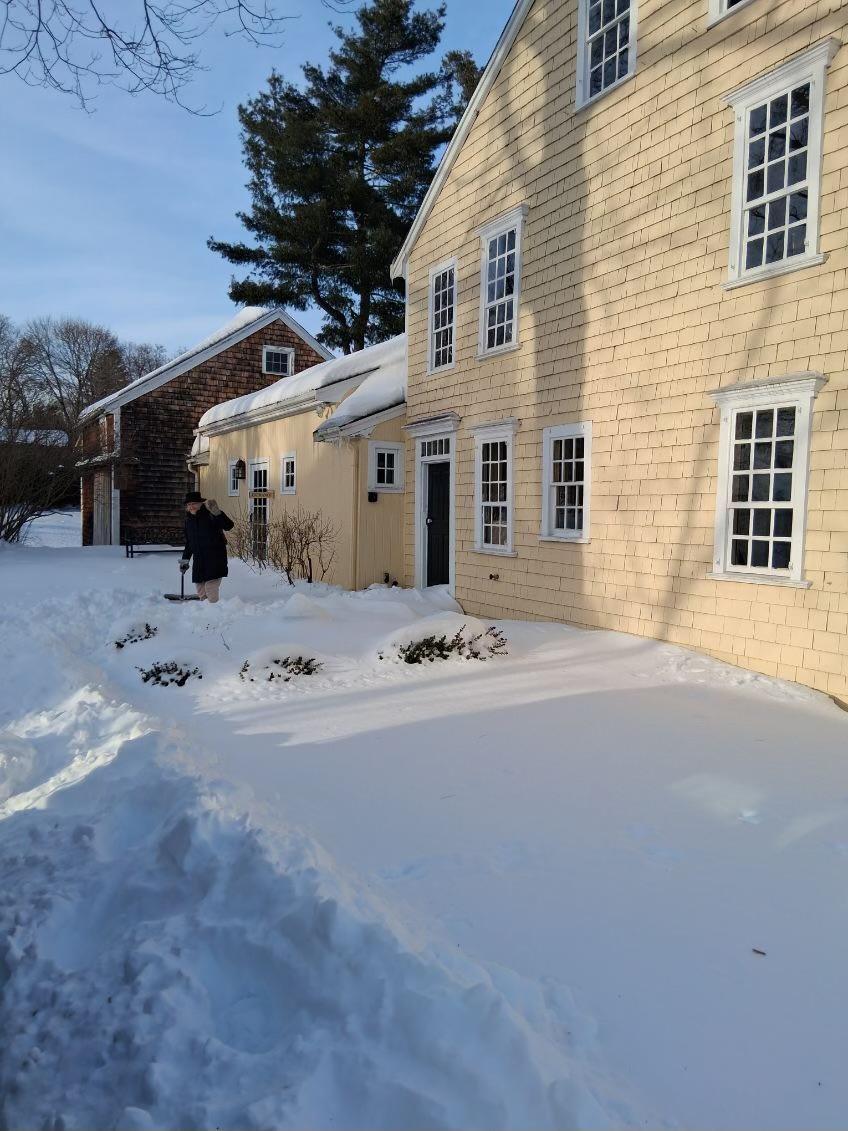
I’m happy to report that the Dwight-Derby House has held up well during the wild weather that we’ve been having in Massachusetts. Seeing the photos that Cheri and Bob Autry took of the house makes me wonder about the storms that the Dwights, Townsends, and Derbys lived through at 7 Frairy Street. I only wish that we could hear their stories.
We’re closed now, but research and planning continue. We are very excited that the Boy Scouts will share their displays with us next month and about participating in Medfield History Weekend in late April. Keep your eyes open for more information!
Best,
| |
MaryKate McMaster, President
Friends of the Dwight-Derby House
|
| If These Walls Could Talk | | |
Editor's Note: This issue launches a new occasional series exploring the people who have lived in the Dwight-Derby House across more than three centuries. Homes like this one are more than architecture—they are containers of lives, choices, hardships, and hopes that shaped Medfield itself. By tracing the families who called this house home, we gain a richer, more human understanding of our town’s history.
We begin where the story begins—with Timothy Dwight, who built the original house and was its first inhabitant. His life reminds us that the foundations of Medfield were laid not only with timber and stone, but with service, sacrifice, and resilience. We hope this series will deepen your connection to the house, its inhabitants, and the community they helped create.
| | Timothy Dwight — Early Settler and Defender of Medfield | | |
Timothy Dwight, one of Medfield’s first thirteen settlers and namesake of the Dwight-Derby House, played a central role in the town’s earliest years. Before coming to Medfield, he lived for several years in Dedham and was likely the brother of John Dwight of that town. When Medfield was laid out, Timothy drew a generous 12-acre house lot (the maximum size allowed) along North Street, and his home stood on the very site where the historic house remains today.
A trusted leader, Dwight served on Medfield’s first board of selectmen—holding the office for an impressive eighteen years—and became the town’s first representative to the Massachusetts General Court in 1652. He also served as Medfield’s chief military officer. After years of service, he was honorably discharged in 1668 due to failing eyesight.
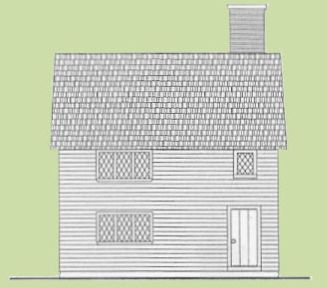
| | Conjectural appearance of the original Timothy Dwight House in the Seventeen Century. The house was small, but no smaller than those of many worthy men. | | |
During the action in Medfield in King Philip's War, Timothy Dwight was gravely wounded and died a few weeks later in 1676. In his will, written as he faced death, he left his house and barn—“if it please God that they stand”—to his son Timothy. His widow, Dorcas Watson Dwight, later remarried to John Adams; however, it was her surviving son John—born of her first marriage to Timothy Dwight—who ultimately inherited the homestead and carried the family line forward in Medfield.
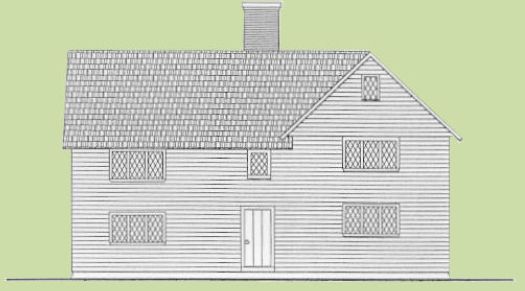
| | Conjectural appearance of the Timothy Dwight House in the mid-seventeen century after he doubled the size of the house by building two more rooms on the opposite side of the end chimney. | | |
That son, John Dwight, grew up to be a prominent figure in town affairs. Like his father, he served as Medfield’s chief military officer, as well as town treasurer, town clerk for six years, selectman for ten years, and representative to the General Court in 1741 and 1743. He died in 1751; his wife Elizabeth Harding Dwight died in 1758.
Together, Timothy Dwight and his descendants helped shape Medfield’s government, defense, and community—leaving a legacy still visible in the house that bears their name.
| | |
Dwight-Derby House Weathers the Winter Storms
by Bob Autry
I am captivated by the proud majesty of the Dwight-Derby House and by the stories of those who have lived within its walls. For 350 years, this remarkable home has welcomed generations who grew, endured, and moved forward to shape the world beyond Medfield.
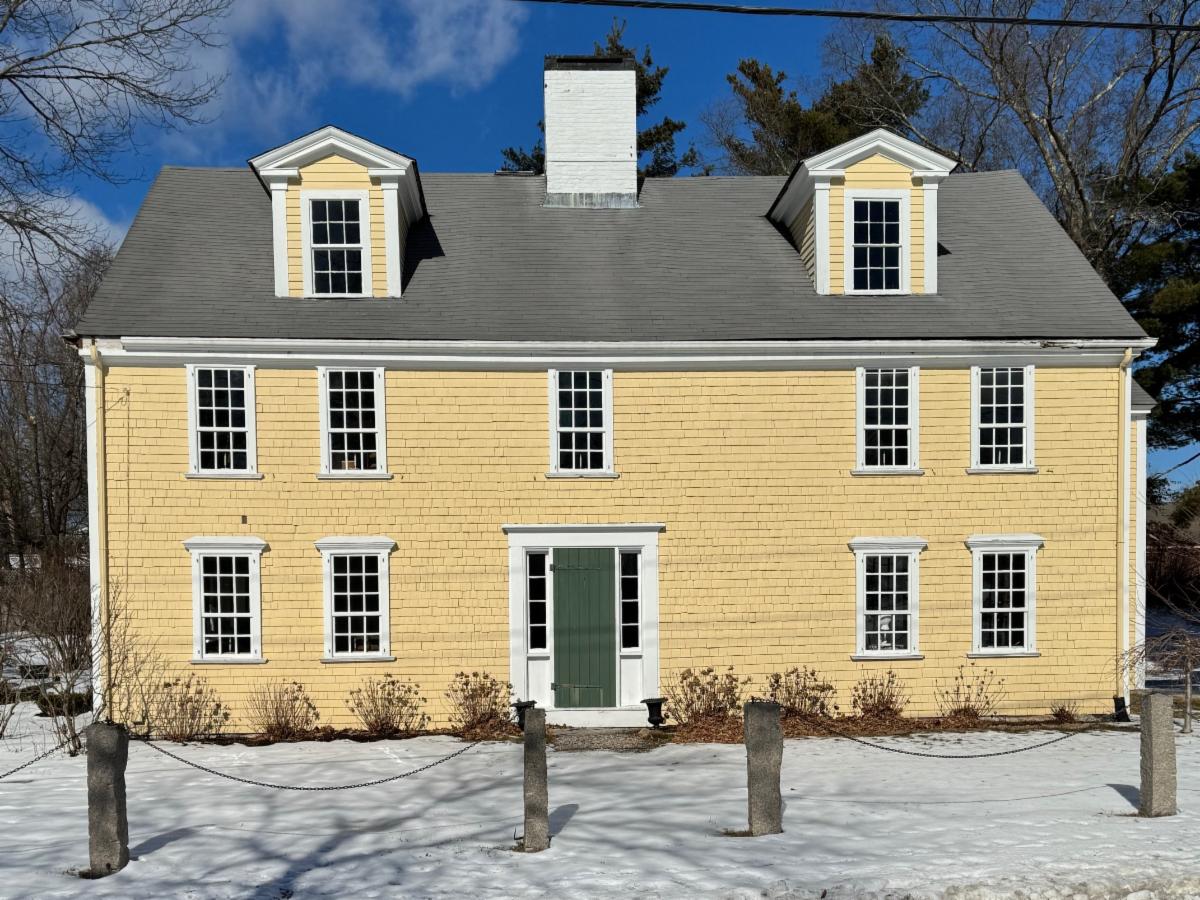
This is how the house appeared on a beautiful snowy New England day in January 2026. Facing a record-cold winter and two feet of fresh snow, the Dwight-Derby House wore its white mantle with quiet dignity—just as it has weathered countless seasons across centuries of local and national history.
The house stands as a powerful symbol of survival and of the resilience of the caretakers who have preserved it through time. If you love history and are inspired by the lives of ordinary people who lived with courage and conviction, then you owe it to yourself to visit the Dwight-Derby House and experience a living piece of American history.
| | Board member Cheri Autry and her husband Bob checking on the Dwight-Derby House after the latest storm. | | George Horatio Derby Keeps Us Laughing | | |
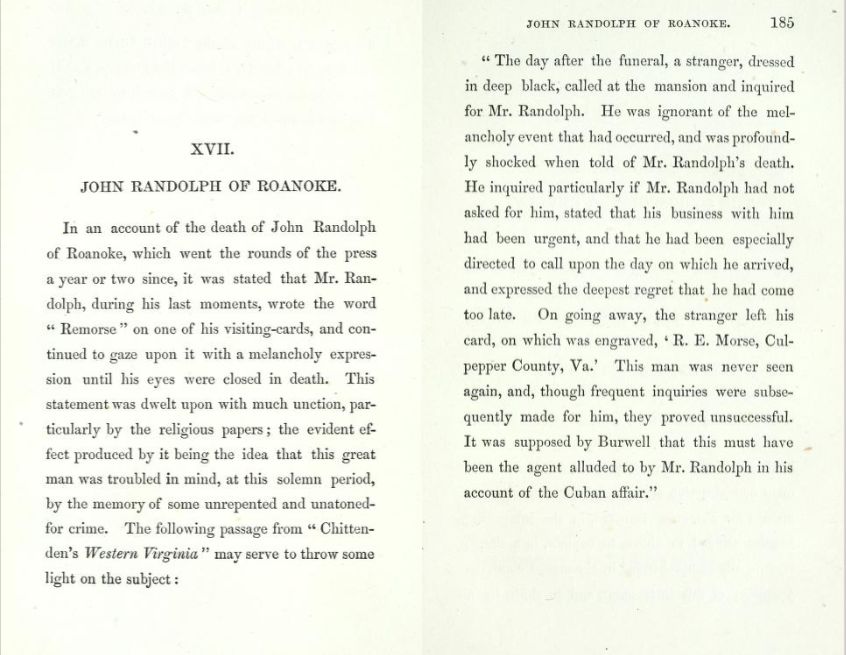
From pp. 184-185 of "The Squibob Papers" by George Horatio Derby
XVII. John Randolph of Roanoke
| | |
Join Our Community
Get the latest news and updates by joining our online communities. Click the Facebook and Instagram icons below, then hit the "Like" button and "Follow" button on our pages. Your support helps us grow and keep you connected—thank you!
| | |
A February Dwight Wedding
Generations after Timothy Dwight’s time, the house he built remained at the center of a far-reaching family network. His great-great-grandson, Timothy Pike, was part of an extensive Dwight clan that regularly gathered for milestones large and small. In February 1783, when Pike married Anne Potter in Framingham, it is easy to imagine that many of his Medfield relatives made the journey to witness the celebration—another reminder that the Dwight family’s ties stretched well beyond the bounds of the original homestead.
Timothy Dwight --> John Dwight --> Elizabeth Dwight Balch --> Sarah Balch Pike --> Timothy Pike
| | | | |