February 2026

Habitat Stewardship Project, Monterey Bay


Our mission is to bring nature closer to people, and people closer to nature through hands-on experiences in community based habitat restoration and environmental education.

Weather Watch...


This February 2nd will bring another Groundhog Day. Will Phil the Groundhog will see his shadow and usher in another 6 weeks of winter? This American tradition is largely a fun diversion as opposed to a forecast based in science. Our current experience in central California is fairly warm and dry days in the height of winter. Some temperatures lately have run up to 10 degrees warmer than in Southeast Florida! The coming week may bring some slightly lower temps but still no rain. With lots of plants to get in the ground we will need to cross some fingers and cash in some wishes for rain in the coming days and weeks. Here's to hoping for a shadow this Monday!

Last Month's Highlights

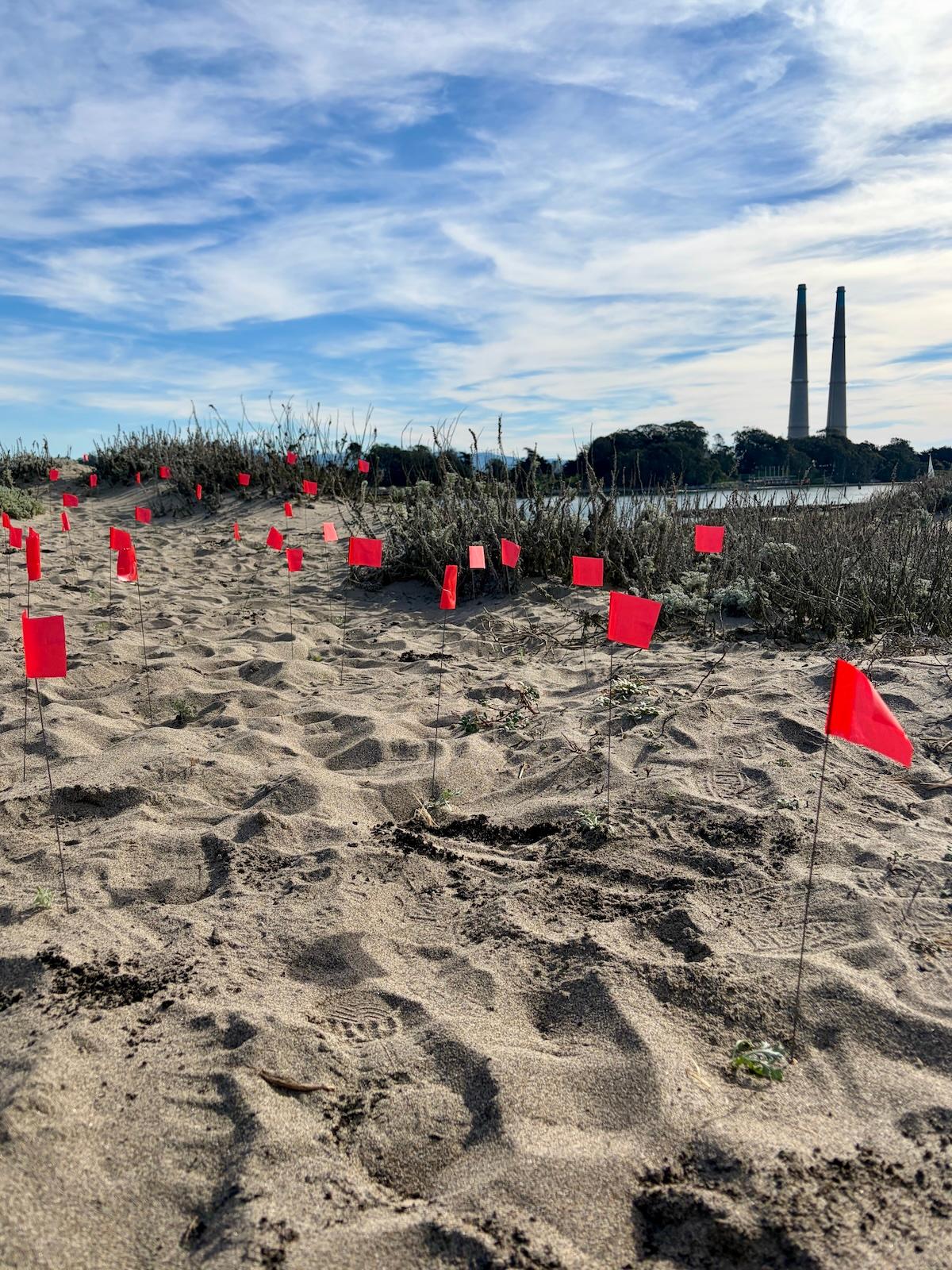
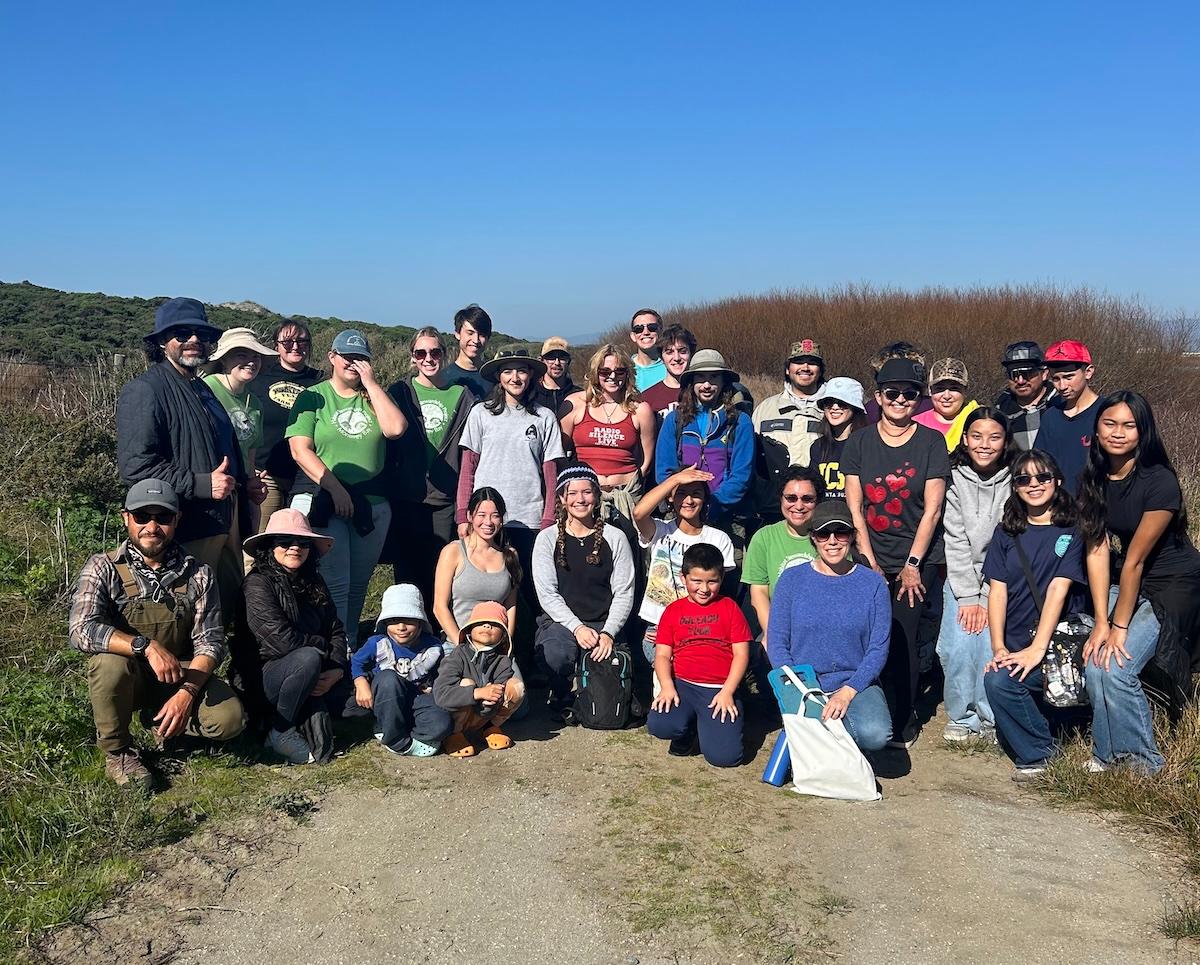
February included lots of dune planting events! We partnered with Central Coast Wetlands Group at Zmudowski and Moss Landing state beaches as well as with Monterey Peninsula Regional Park district at Marina Dunes Preserve. We were so happy to see so many new faces volunteering as well as some returning volunteers. We are grateful for such a caring and active community of doers!

Upcoming Community Events

Everyone is welcome to our family-friendly FREE community events.

We provide gloves, tools, and supplies.

Sun protection, reusable water bottle, and closed-toe shoes are recommended.


Keep checking our "Community Events Calendar" for updates or join us at DONS which runs year long!


Saturday, February 7th - Natividad Creek Park Cleanup

10:00AM-1:00PM

Location: Natividad Creek Park, Salinas

Join us as we clean up Upper Carr Lake and learn about local bird species. Visit our website to register for this event! 


Saturday, February 7th - Planting at Marina Dunes Preserve

10:00AM-1:00PM

Location: Marina Dunes Preserve, Marina

Join us as we partner with Monterey Peninsula Park District to plant native dune plants in critical dune habitat. Tools and snacks provided. Visit our website to register for this event! 


Saturday, February 14th - Planting at Zmudowski State Beach

10:00AM-1:00PM

Location: Zmudowski State Beach, Moss Landing

Join us as we partner with Central Coast Wetlands Group to plant native dune plants in critical dune habitat. Tools and snacks provided. Visit our website to register for this event! 


Saturday, February 21st - Planting at Marina Dunes Preserve

10:00AM-1:00PM

Location: Marina Dunes Preserve, Marina

Join us as we partner with Monterey Peninsula Park District to plant native dune plants in critical dune habitat. Tools and snacks provided. Visit our website to register for this event! 


Saturday, February 28th - Planting at Moss Landing State Beach

10:00AM-1:00PM

Location: Moss Landing State Beach, Moss Landing

Join us as we partner with Central Coast Wetlands Group to plant native dune plants in critical dune habitat. Tools and snacks provided. Visit our website to register for this event! 


Saturday, February 28th - Planting at Fort Ord National Monument

10:00AM-1:00PM

Location: Creekside Terrace, Fort Ord National Monument, Salinas

Join us as we partner with the Bureau of Land Management to restore a section of eroded trail. Tools and snacks provided. Visit our website to register for this event! 


EVERY TUESDAY

| Email Christina McKnew at cmcknew@csumb.edu

10:30AM-12:30 PM

DONS (Docents of Native Species), native plant volunteer group

Location: Greenhouses near the CSUMB Watershed Institute-

4100 B St, Seaside, CA 93955


Click the Community Events button to learn more and sign up for an event!

Miners in Central California

By Laura Lee Lienk, HSP Director

Some easily seen! Some rarely seen!


Two native “miner’s” species are found in Central California. Both get their names from their association with the gold miners from the mid 1800’s.


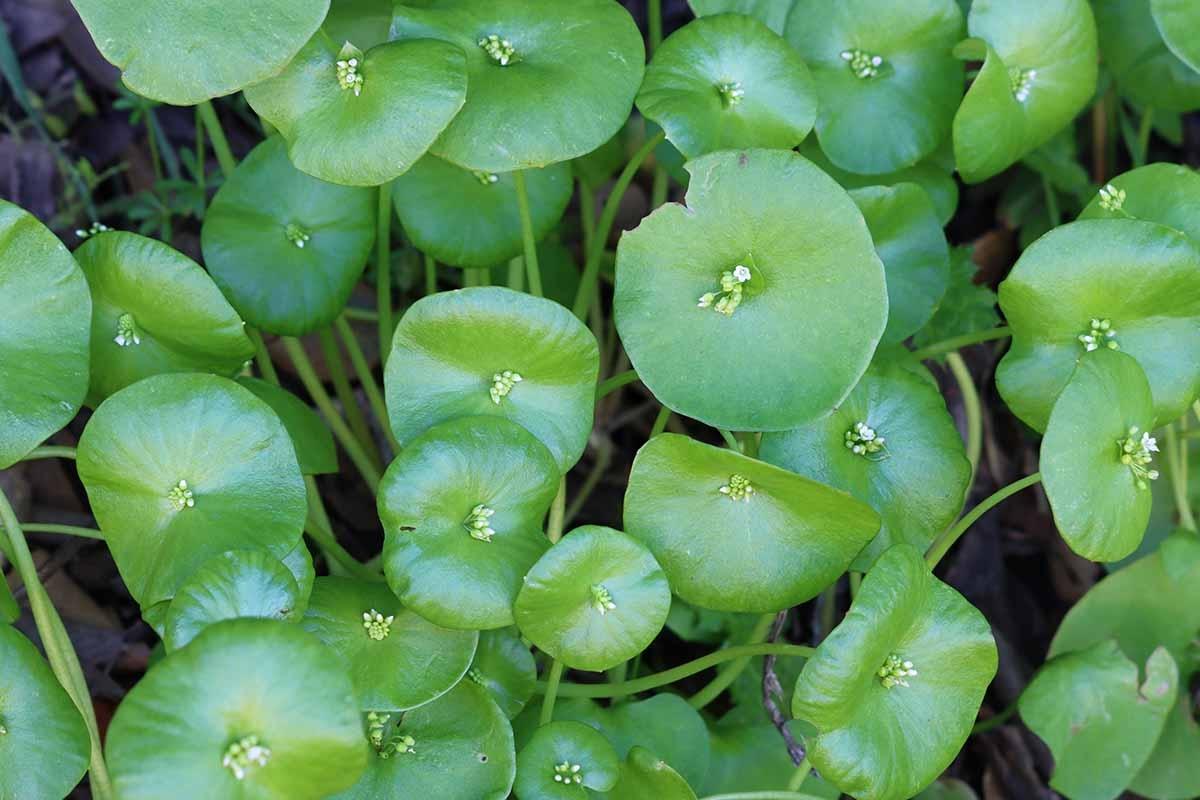
Easily Seen: Miner’s Lettuce Claytonia perfoliata is leafing out and in bloom and is ready for gathering now. The goldminers used it to prevent scurvy and we can eat it raw as a source of vitamin C. It can also be boiled like spinach and other leafy vegetables. Later in the spring when the leaves and stems turn orange or red it is fun to touch the seed pods to cause them to propel the tiny seeds away from the parent plant.  


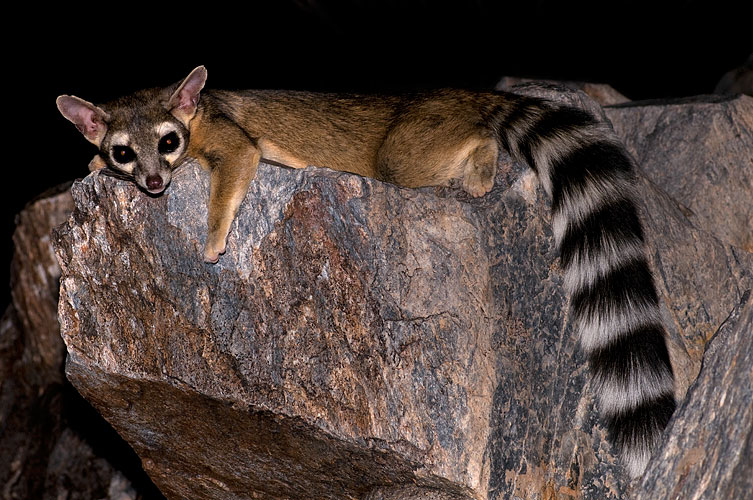
Rarely Seen: Miner’s Cat or “ringtail cat,” Bassariscus astutus is also associated with the CA gold miners and can be found across California and the southwest. The gold miners welcomed these small mammals to their homes and mines as they hunted mice and other pesky rodents. Nocturnal and elusive, seeing a miner’s cat is a real treat. I have never seen one, though I believe they are common in the more arid areas of southern Monterey County


Ringtails are opportunistic omnivores,their diet includes insects, small mammals such as rodents and rabbits, birds, lizards, berries, fruits, and occasionally human food if they venture into populated areas. They are skilled hunters, using their agility and keen senses to capture prey. Ringtails play a vital role in their ecosystem. As predators, they help control populations of rodents and other small animals. They also contribute to seed dispersal by consuming fruits and berries. Their foraging activities can help aerate the soil and promote plant growth. They are, in turn, preyed upon by larger predators such as coyotes, bobcats, and owls, forming an integral part of the food web.

Let's Think Together

By Laura Lee Lienk, HSP Director


One of our “DON”s who volunteers at the greenhouse on Tuesdays has begun a new Substack called Let’s Think Together. Each week, Mark Hollingsworth publishes a new invitation to think along less traveled paths of thought. He believes that some common ways that humans in our culture think—such as treating Earth as a storehouse of objects (resources) for the good of humanity alone—have led us into this climate crisis of global warming. So thinking along other paths—such as treating each being on earth as a subject with its own intentions and its own intrinsic value—can help lead us through this crisis.


Explore this Substack at markhollingsworth.substack.com. Mark would appreciate any questions or comments you might have.

Banff FF 2026

A Gift Your Valentine Will Love!

By Laura Lee Lienk, HSP Director


Show your love to a special friend or family member and support HSP in the process by purchasing tickets to the Banff Mt. Film Festival on Friday night, April 10, 2026.  


Be sure to buy your tickets directly from the Golden State Theatre to avoid extra charges

See you there!

Learning About the Native Plants on the Dunes of Monterey Bay

By Samuel Anaya-Alvarez, Education Program Coordinator


Along California’s central coast, Monterey Bay is identified for its dramatic scenery, abundant wildlife, and rich coastal habitats. One of its most distinctive yet often overlooked features is its coastal dune system. Shaped by wind, waves, and salt spray, these dunes may appear harsh and barren, but they support a diverse community of native plants uniquely adapted to survive in shifting sand. Together, these plants form the foundation of dune ecosystems, providing food, shelter, and nursery habitat for a wide range of wildlife.


Native dune plants play a critical role in maintaining healthy dunes. Their deep and spreading root systems stabilize moving sand, reduce erosion, and protect inland areas from storms and wind. Beyond their physical role, these plants support insects, birds, and small mammals by providing nectar, seeds, foliage, and protective cover. Dense vegetation creates sheltered spaces where wildlife can feed, nest, and reproduce, making dunes vital habitat rather than empty landscapes or ice plant paradise.


Plants Grown and Planted by Habitat Stewardship Project


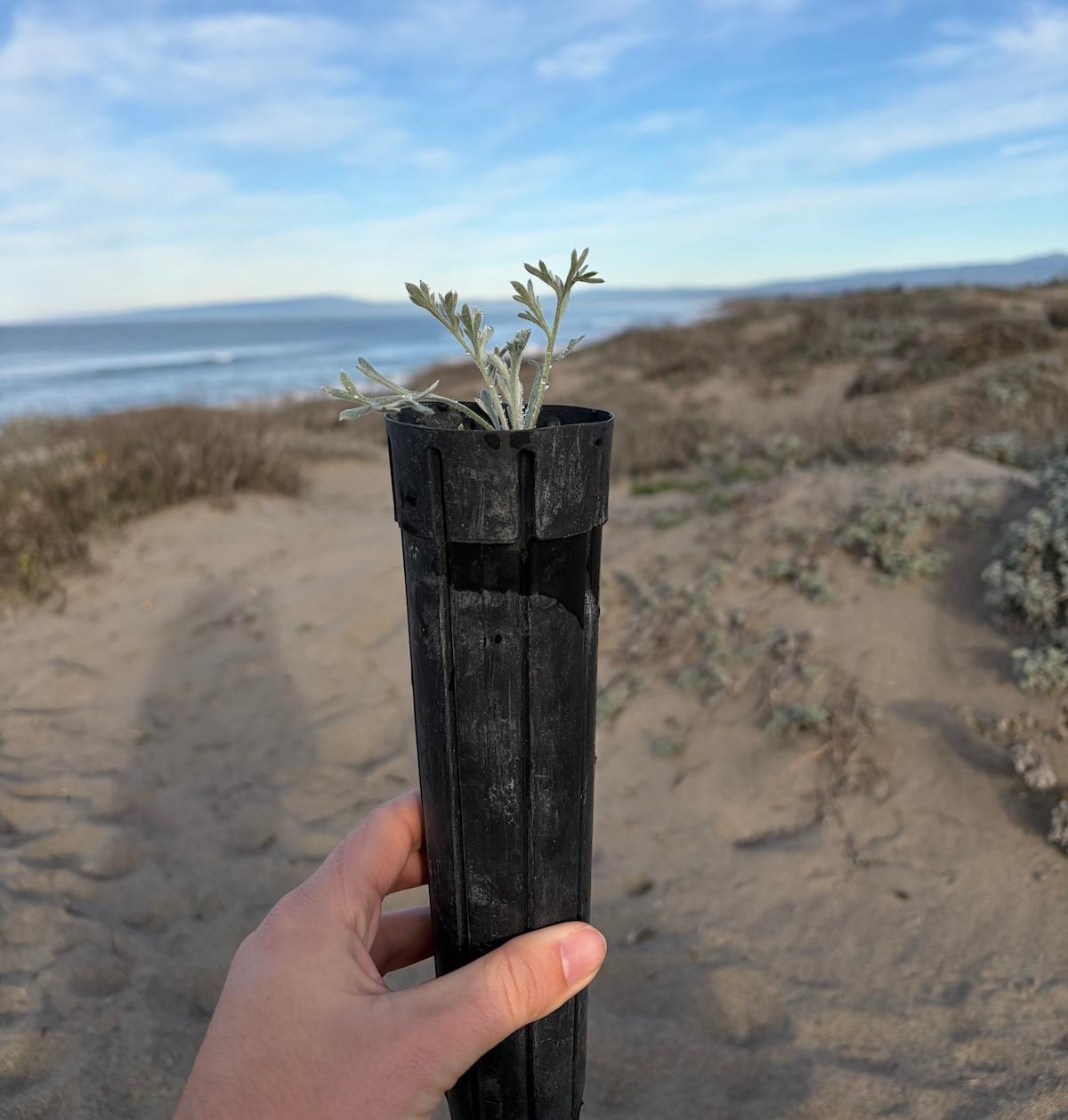
Habitat Stewardship Project grows and plants a variety of native coastal species. These plants are propagated in our greenhouse and later planted at local dune restoration sites, where they help stabilize sand, support wildlife, and rebuild healthy native habitat.

Plants currently grown and planted through our project include:


  • Beach Burr (Ambrosia chamissonis) – a key dune stabilizer that provides cover and seeds for wildlife
  • Beach Sagewort (Artemisia pycnocephala) – hardy and wind-tolerant, ideal for anchoring loose sand
  • Beach Morning Glory (Calystegia soldanella) – a spreading groundcover that helps hold dunes together
  • Beach Evening Primrose (Camissonia cheiranthifolia) – an early colonizer that supports pollinators
  • Mock Heather (Ericameria ericoides) – a coastal scrub species that attracts insects and birds
  • Lizard Tail / Seaside Woolly Sunflower (Eriophyllum staechadifolium) – helps stabilize soils and supports native insects
  • Bush Lupine (Lupinus arborius) – improves soil health through nitrogen fixation and provides shelter for wildlife
  • Branching Phacelia (Phacelia ramosissima) – a pollinator-friendly plant that supports the dune food web


Despite their resilience, native dune plants face threats from invasive species, human development and pollution and heavy recreational use. Through the Habitat Stewardship Project, students and community members help restore dune habitats at sites including Marina Dunes Preserve, Moss Landing State Beach and Zmudowski State Beach. Working alongside partners such as Central Coast Wetlands Group and Monterey Regional Park District. Students and volunteers help remove invasive plants, replant native species, and learn firsthand how healthy dunes support wildlife and protect the coast for our future generations.

MCGIVES a Success for HSP

By Laura Lee Lienk, HSP Director

Many thanks to HSP donors who gave to us via the MCGIVES! Fundraising Campaign at the end of 2025.  Donations totaled $16,537 and when the MCGIVES! match donation we hope to have raised about $19,000.  These funds support all aspects of our program, especially in support of our student staff and volunteers.

Learn about Restoration in Monterey County

Check out our social media sites!


Learn more on native plants and invasive species, future events, and see past event photos on our social media accounts: @hspmontereybay

Facebook  Instagram