February 2026 Newsletter

In this Issue


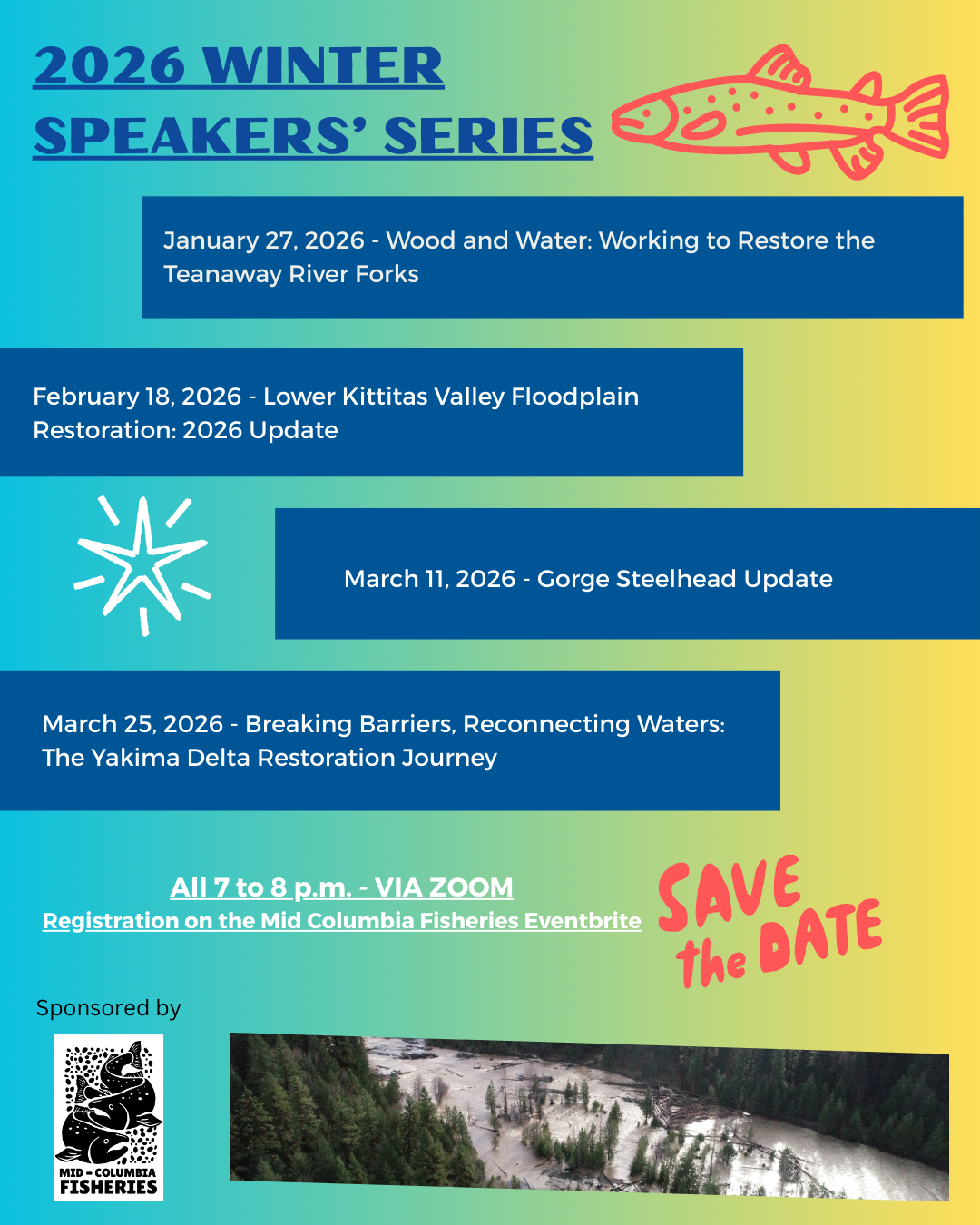
  • 2026 Winter Speakers Series
    
  • Hayday Project: A Demonstration in Urban
    Restoration


  • Welcome to New Staff
    
  • Partnership In Focus at Yakima River Mile 55


2026 Winter Speakers Series

Hayday Project: A Demonstration in Urban Restoration

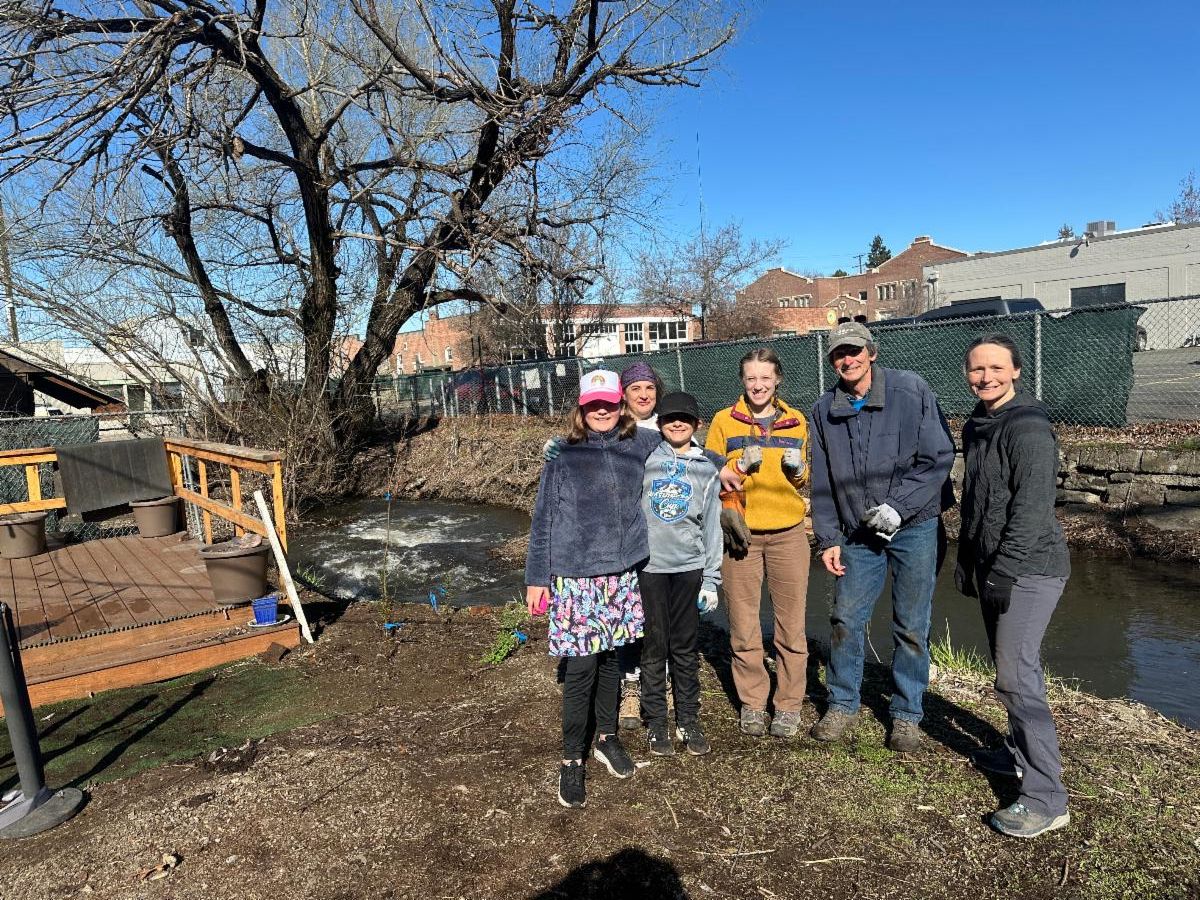
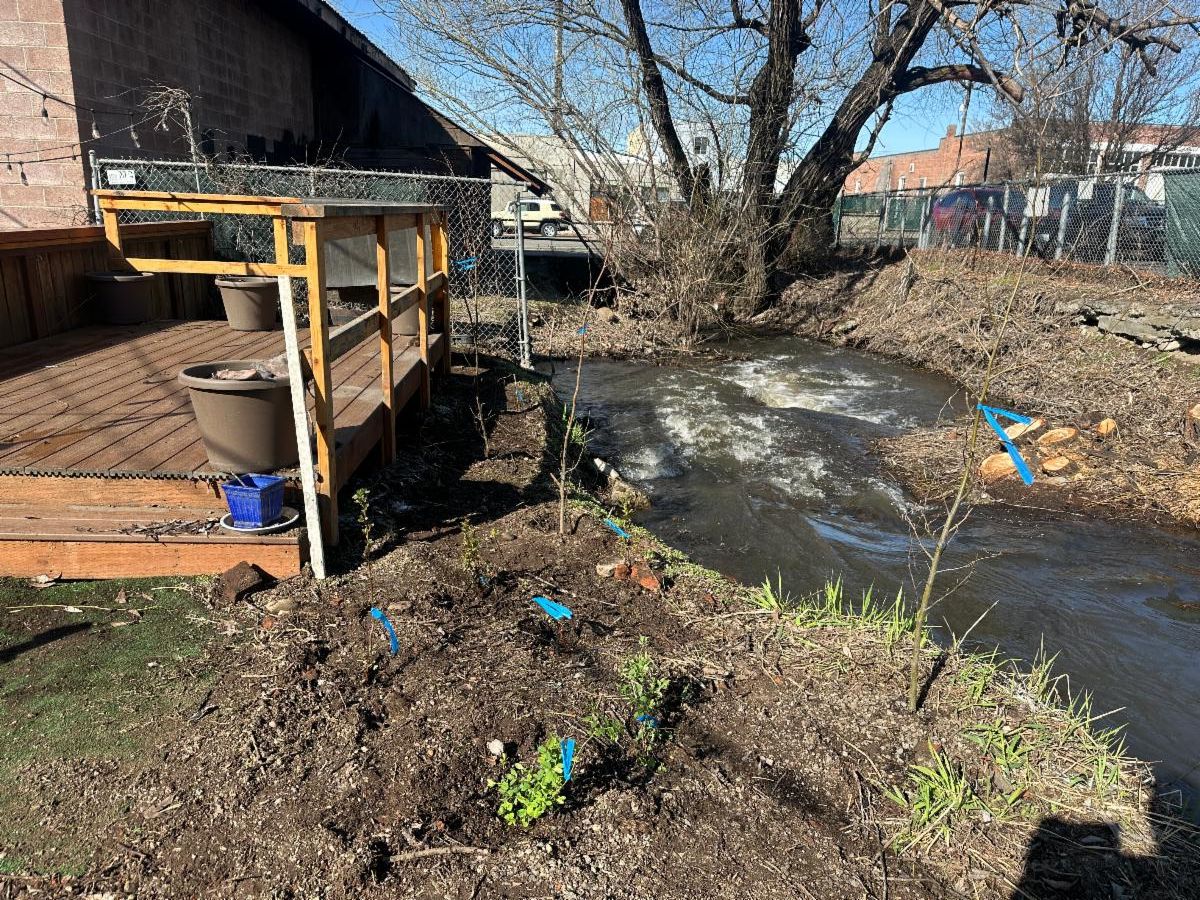
Since launching in 2025, the Hayday Riparian Demonstration Project is transforming a very small stretch of urban stream into an example of what community-powered restoration can accomplish.


Our first step was tackling invasive crack willow, removing mature trees, and applying targeted herbicide treatments to stop regrowth. With invasive species under control, we turned to rebuilding—planting native trees and shrubs that will stabilize streambanks, filter runoff, and provide the shade needed to keep water cool for salmon and trout.


Revegetation is well underway, and Mid-Columbia Fisheries staff will complete the remaining plant installations this year. This spring, we are excited to partner with a local school to help finish the planting effort—giving students hands-on experience and a direct connection to caring for their local waterways.


Located in the heart of Ellensburg, the Hayday site serves as a highly visible urban riparian buffer and demonstration area. It showcases how native plants improve habitat, protect water quality, and create long-term stream resilience. For landowners and community members interested in restoration, it’s a real-world example of what is possible through partnership and science-based action.


Long-term maintenance will be supported by volunteers and partners through Mid-Columbia Fisheries’ Adopt-a-Stream program, ensuring the site continues to thrive as the plants establish and grow.


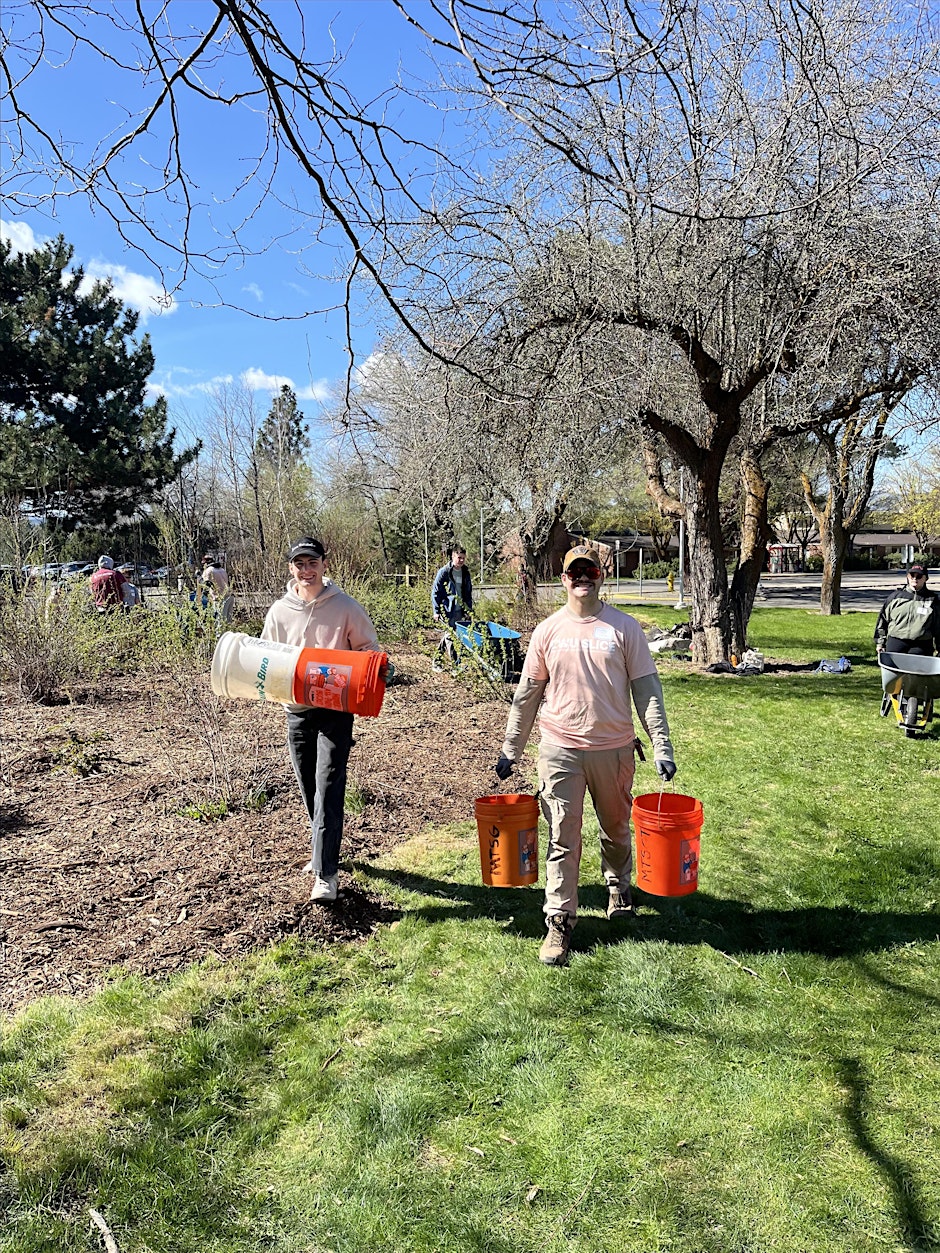
Photos from our 2025 planting highlight the energy behind this effort—volunteers working alongside MCF staff Becca Wassell and Lily De Young to build a healthier stream corridor for the future. A huge thanks to the WA Department of Ecology for their funding support, making this important work possible!

New Staff and New Roles

Emerson & Justin

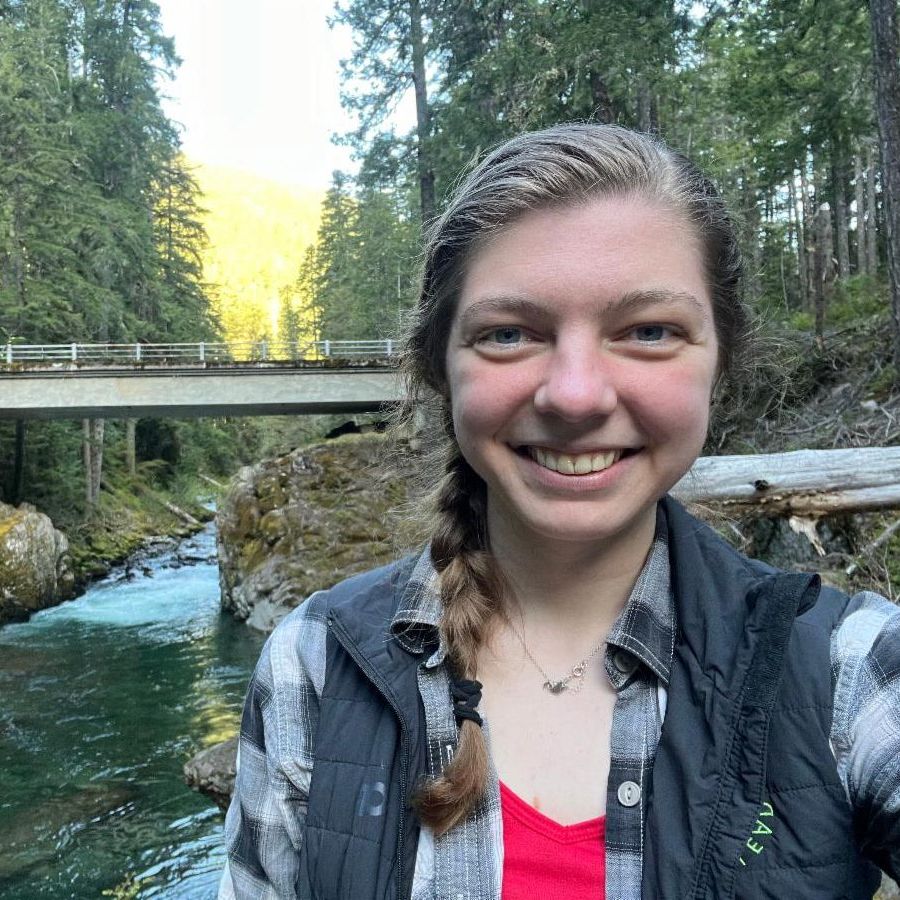
We are delighted to welcome Emerson Blotz as our new Education and Outreach Assistant!


Emerson brings a strong background in environmental and outdoor education, with teaching experience in Montana, Minnesota, and Washington. She graduated from the University of Montana Western in 2020 with a dual Bachelor of Science degree in Environmental Science and Environmental Interpretation.


While Emerson has always loved the outdoors, her passion for sharing that love with others began during her teenage years while volunteering at a summer camp.


She is particularly passionate about introducing children to new concepts in science and nature, aiming to foster a deeper understanding of and connection to the world around them.

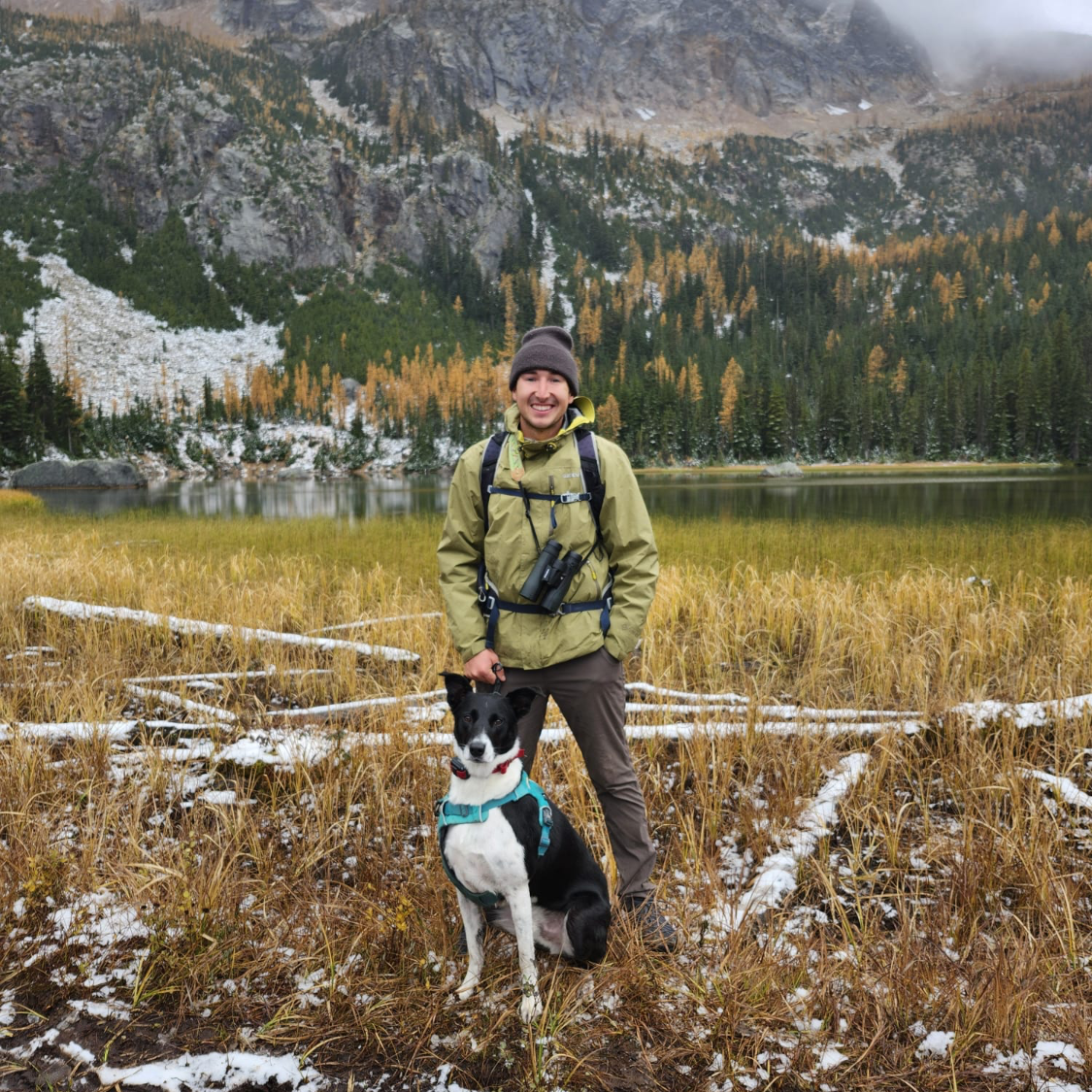
Justin Finkbeiner is officially stepping into his role as a Project Technician, and we couldn’t be more excited to have him on the team in a new role! 


A Central Washington University grad (Class of 2023 ) with a B.S. in Environmental Science (geology focus + sustainability minor), Justin is no stranger to hard work—he’s already spent three seasons on our restoration crew, last year as a crew lead, and previously joined us as a work-study. Safe to say: he knows his way around salmonid habitat restoration. 


Justin says he feels lucky to now work in the very places he grew up exploring outdoors, and he’s excited to keep giving back through on-the-ground restoration work with MCF.


When he’s not restoring rivers, you’ll find Justin behind a camera, hanging with his dog, or cooking up something delicious.

Partnership In Focus at Yakima River Mile 55

First Phase Complete at Yakima River Mile 55 Restoration Project


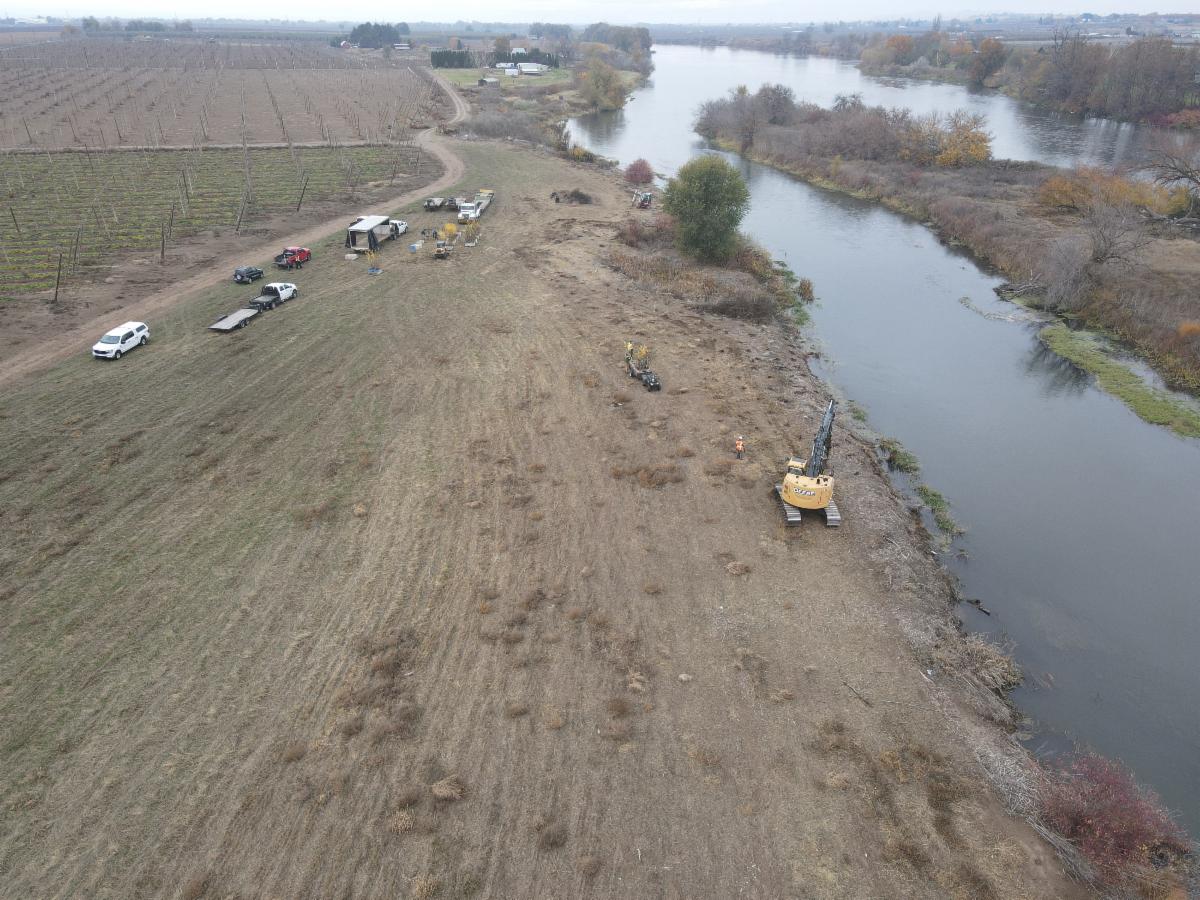
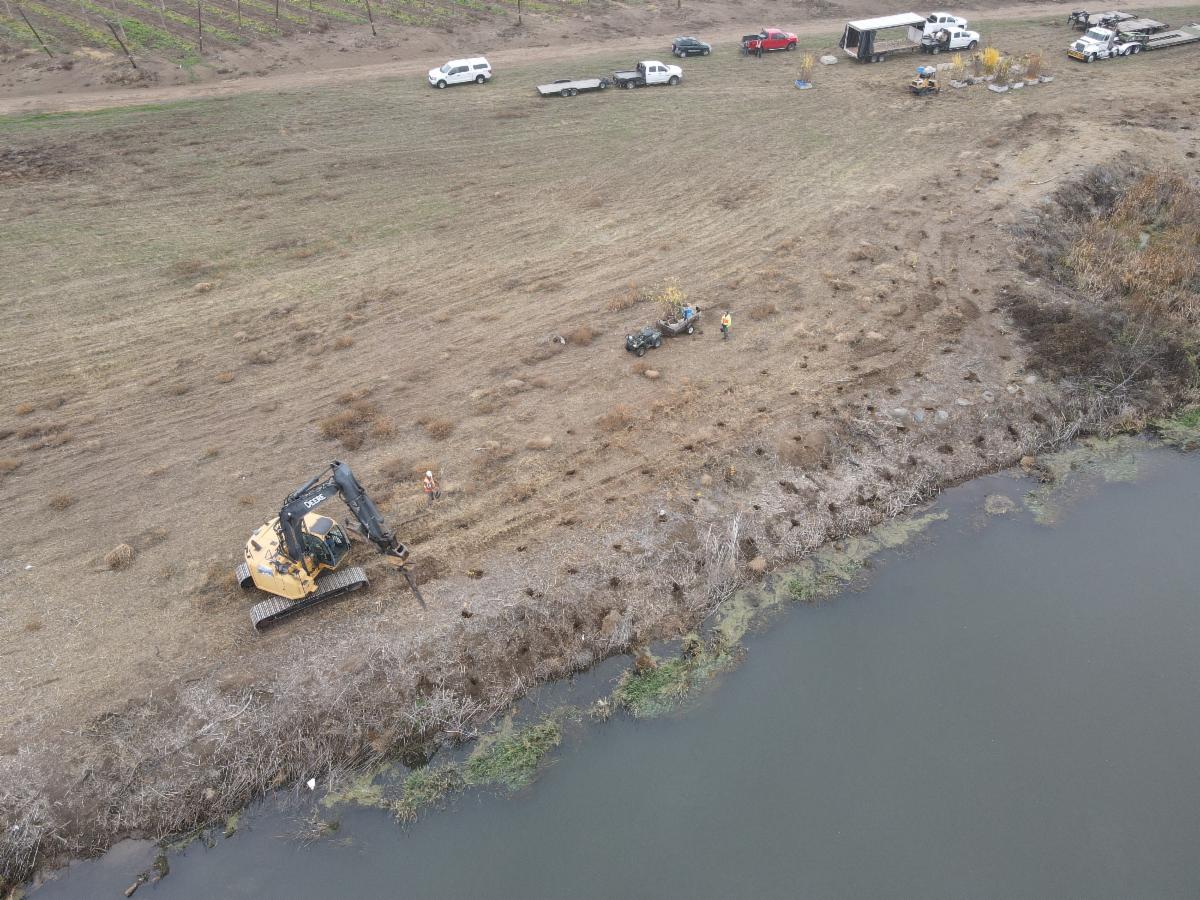
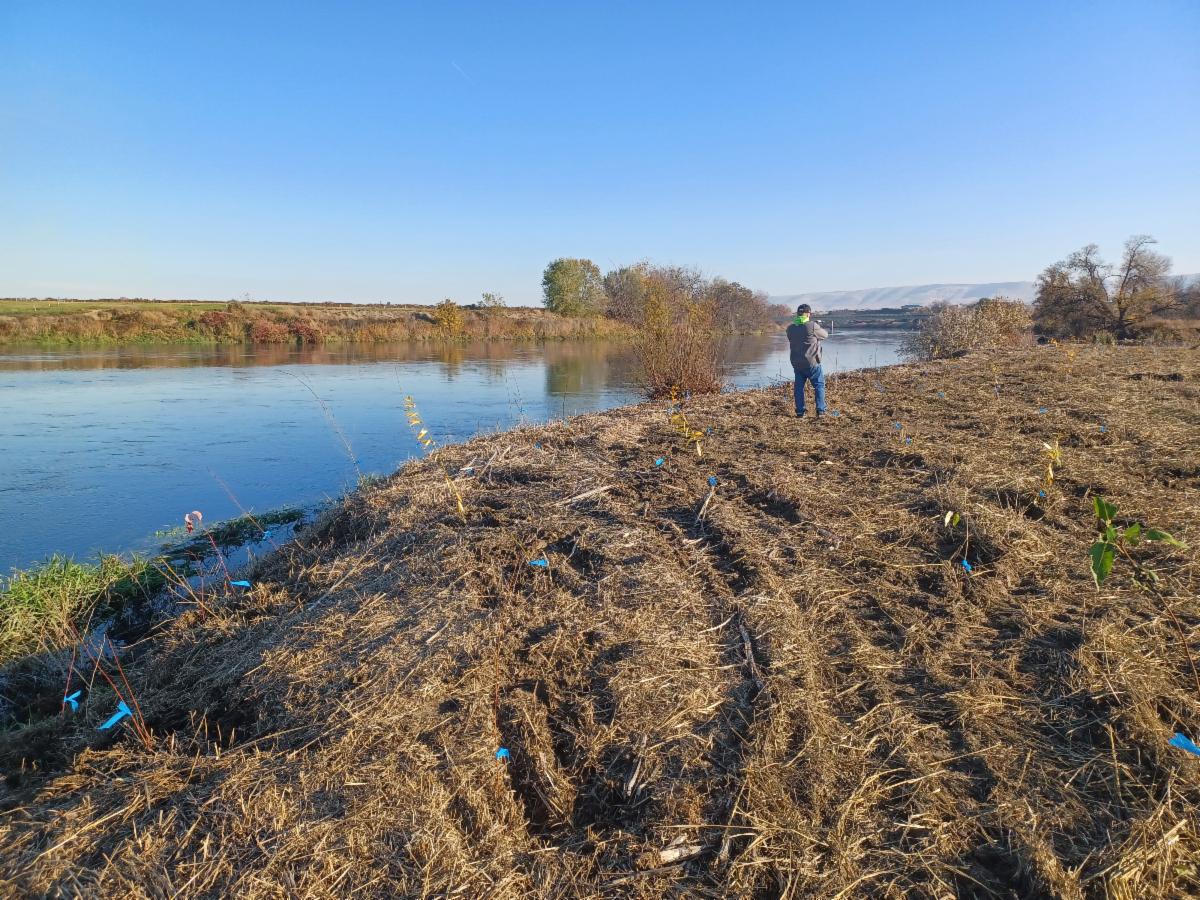
In mid-November 2025, Mid-Columbia Fisheries reached an exciting milestone for planting at a site on Yakima River Mile 55 near Mabton. The first phase of planting is now complete — an important step toward rebuilding a healthy riparian corridor along this stretch of river.


Crews deep-planted 1,550 native trees and shrubs across 1.5 acres along more than 1,500 feet of river. Using heavy equipment. Plants were installed deep into the soil profile to access reliable moisture and increase long-term survival. The planting includes Black Cottonwood, Peachleaf Willow, Coyote Willow, Arroyo Willow, Red Osier Dogwood, and Water Birch, which will grow into a resilient buffer along the river’s edge, helping filter runoff, provide shade and nutrients to the river, and eventually provide roughness and wood to the river.


This work is part of a larger restoration effort. In upcoming phases, an additional 5.5 acres of terrace will be planted with native bunchgrasses, shrubs, and trees. Together, these plantings will significantly expand the footprint of restored habitat and strengthen ecological function at the site.


Once established, the project will create a native vegetated buffer between an active hop field and the Yakima River. This buffer will serve as a natural filter strip, capturing sediment during surface flows, reducing erosion, improving water quality, and shading the river. To thrive, salmon, steelhead, and resident fish species depend on cool, clean water.


Riparian restoration like this delivers long-term benefits not only for fish and wildlife, but for the entire watershed. Healthy streamside vegetation supports biodiversity, improves water quality, and enhances overall river resilience in the face of changing climate conditions.


The work is being supported by grants from the Washington Department of Ecology and the Washington Conservation Commission’s Riparian Grant Program in partnership with the South Yakima Conservation District. We are grateful for their collaboration and shared commitment to restoring the Yakima River — one reach at a time.

Funding Cuts Threaten Local Salmon & Stream Restoration


State and federal funding cuts are hitting hard—putting boots-on-the-ground restoration, conservation education, and volunteer programs at risk.


At Mid-Columbia Fisheries, this means fewer riparian plantings, fewer students in the field, fewer volunteers restoring streams, and fewer projects that directly improve salmon habitat in the Yakima Basin.


These cuts don’t just reduce line items in a budget. They slow river restoration. They delay habitat recovery. They limit opportunities for the next generation of conservation leaders.


We’re still showing up for our rivers—but we can’t do it alone.

Now more than ever, your support keeps crews planting, students learning, and streams healing.


🔗 Donate today to protect the lands, waters, and salmon we all depend on. Every gift fuels real restoration.

Mid-Columbia Fisheries Enhancement Group is dedicated to protecting and restoring wild salmonid populations, their habitats, and ecosystem functions that support native fish species through restoration, protection, education, and community involvement throughout our region.

Facebook  Instagram

Cowiche Creek Restoration, Yakima, WA