Coordinator's Corner
With Kindergarten Registration coming soon and Valentine's day around the corner, now is a great time to explore how children begin to form friendships. From birth to school age, there are so many social and emotional skills that children learn. Feel free to use this info as an overview and email us questions about what you'd like to learn.
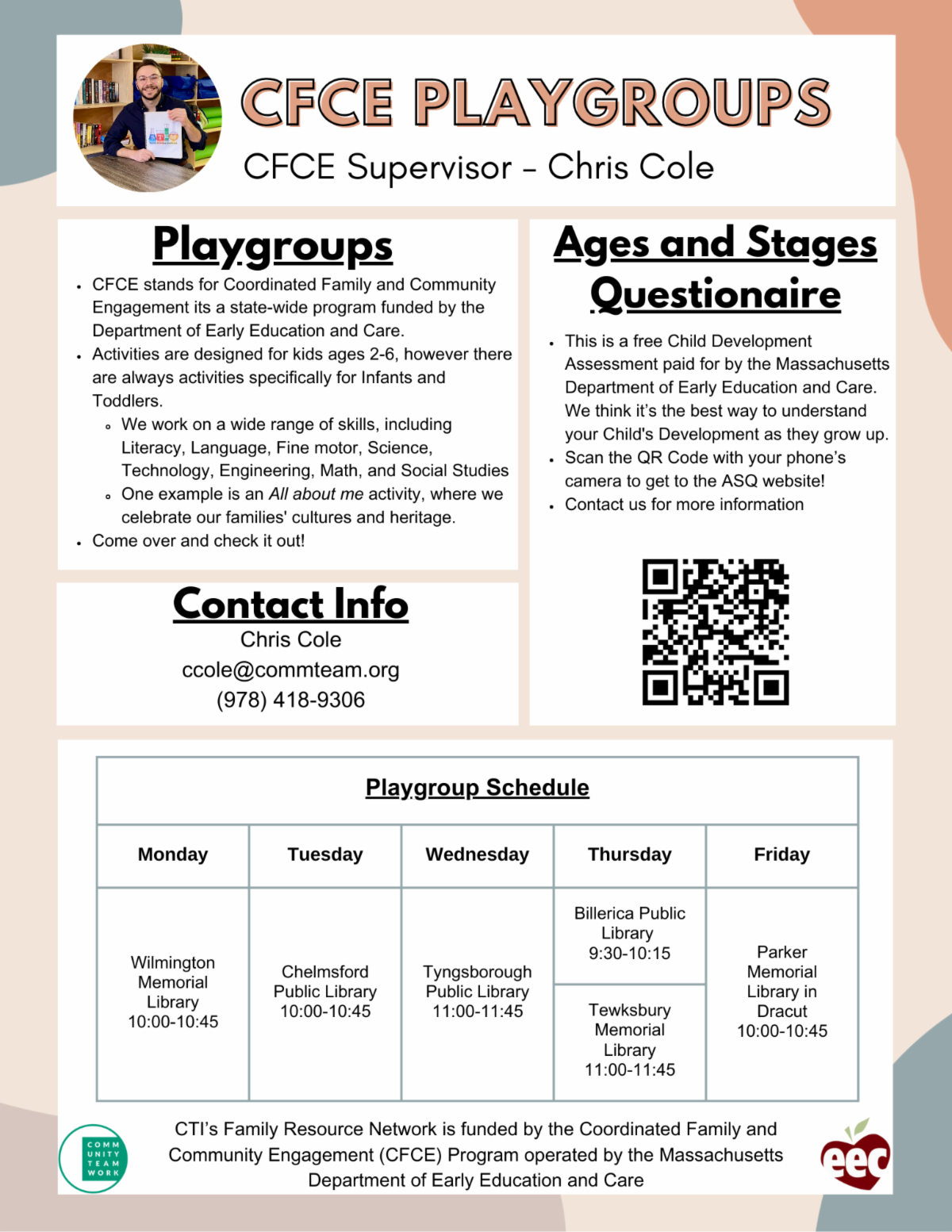
We know from decades of peer reviewed research that children learn best through play, we can use this to see how relationships form. Adult-Child Interaction is the primary driver of relationships during the period of birth through two years old. Having trusted adults as caregivers is very important. That allows kids to feel safe in engaging with the outside world. Kids mostly play by themselves from birth until around 2 years old, early on we refer to it as unoccupied play, and later we call it solitary play. Unoccupied play is what most newborns do when they're learning how to move their body and explore their environment. Solitary play is similar to unoccupied play, in that they can do it on their own, but now they're intentionally practicing skills. Sometimes they're making faces at a mirror, other times they might be moving toys around. During this stage we expect them to almost ignore adults from time to time. Many children expierence stranger anxiety during this time, but exposure to diverse environments and people can help your kids work through that anxiety. We emphasize how parents are their children's first teachers. Children are learning how adults will treat them based on their most trusted adults, their parents. Do you think your kids have issues with stranger anxiety? Why not come to a playgroup and see how your kids react in low stakes interactions with others.
Around the age of 2 years old, we see the act of play change for kids. They become more focused on the people around them and their peers. We expect to see "onlooker behavior", and "parallel play" when kids are around 2 years old. Think of onlooker behavior like 'people watching' , they're not engaging directly but instead they are watching and listening. Onlooker behavior is much like studying the behaviors of others in order to do it themselves. We expect to see parallel play around 2 years as well, this is when kids are playing the same thing at the same time in the same place without much engagement between people. They might be building, reading, drawing, or racing near someone else doing a similar activity.
From ages 3-6 we expect to see egocentrism begin to decline, and empathy start to develop. This is the main reason we bring face charts to our groups and talk about feelings so much, learning empathy can make a big impact on social and emotional development. We look for Associate play at about ages 3-4, this looks similar to parallel play but include surface level interactions. Kids might start to share a toy, a block, take turns, etc. but there's not a lot of rich cooperation or compromise. You can help build these skills by using the solution cards like the ones at our playgroups (linked below). When children shift from surface level interaction based on the activity, we refer to this as Cooperative play. Typically we look for cooperative play anywhere from 4-6 years old, this is when children work together to create rules or set a goal for an activity. Here's the fun part, because there's more things to agree on, now there's more things to fight over! Emotional regulation is an important skill, and we encourage you to use the materials offered at playgroups to help your kids navigate these situations.
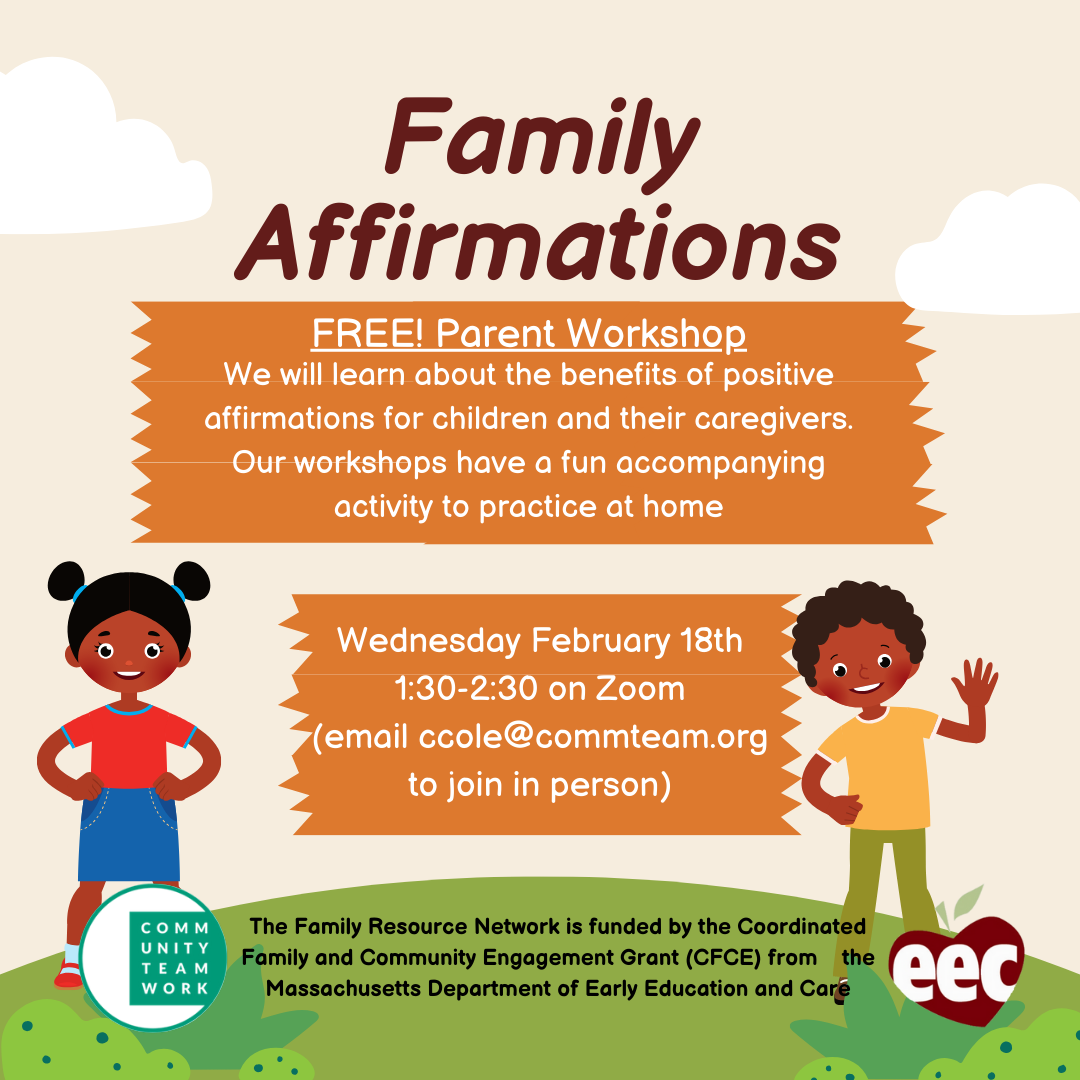
Early Educational researchers have been studying this really closely, and fitting all of the research into one Coordinator's Corner is nearly impossible. I would encourage you to attend our parent workshops, ask us questions at playgroups, fill out an ASQ-3 , and learn more about this topic using some of the links below. We'll be here for you every step of the way.
Did you really like this topic? Read more about it here,
The Power of Play- MSU Extension
How Children Make Friends - Department of Health and Aged Care Australia
Solution Cards at Home- NCPMI
|