|
Higher education continues to operate in an environment of significant financial uncertainty, and few issues are more central to student access than the future of Pell Grant funding. For millions of community college students, Pell is often the difference between enrolling and not enrolling at all. Even the possibility of reduced funding, tighter eligibility, or delayed implementation of new Pell programs creates ripple effects for institutions already working with lean budgets and limited staffing capacity.
At the same time, the expansion of Workforce Pell has generated both excitement and real concern across rural community colleges. While the goal of expanding Pell access to high-quality, short-term workforce programs is an important step forward, many rural institutions are facing practical barriers to implementation. Aligning new programs with federal requirements, securing accreditation approvals, building employer partnerships, and covering upfront costs before reimbursement are significant challenges, especially for colleges with small teams wearing multiple hats.
These pressures are unfolding at a moment when institutions are also confronting enrollment declines, rising operational costs, and growing workforce demands from local employers. The path forward requires not just new funding streams but also the capacity to navigate policy changes quickly and strategically.
This is where the Alliance’s work is becoming increasingly vital. Through our Alliance Academies, colleges are strengthening their ability to build sustainable workforce programs, diversify revenue through fundraising, and lead institutional change effectively. Participation remains strong, and early outcomes show that colleges are already translating learning into action on their campuses.
We also saw the power of collective problem-solving firsthand at our recent Rural on the Rocks event in Washington, D.C., where leaders, partners, and policymakers engaged in honest conversations about access, funding, and the realities facing rural higher education. These relationships and shared insights are helping ensure rural colleges are not an afterthought in national policy discussions but a driving force in shaping solutions.
While challenges around Pell funding and workforce implementation remain, RCCA is focused on equipping rural colleges with the tools, partnerships, and leadership capacity needed to adapt and thrive. By working together, sharing best practices, and investing in people, we can turn today’s uncertainty into long-term opportunity for rural students and communities.
| | |
From the RCCA Board | Building Workforce Pathways
CSI + Chobani + Idaho Launch
| | |
One of the most exciting things happening at the College of Southern Idaho (CSI) right now is our partnership with Chobani through the Chobani Scholars Program, aligned with Idaho’s Launch initiative. This collaboration is more than a scholarship. It is a workforce strategy that connects rural students to high-demand careers while meeting employer needs.
Here’s the big picture: Idaho Launch provides funding for short-term training and education in high-demand fields. Chobani, a major employer in our region, saw an opportunity to invest in local talent and partnered with CSI to create a program that supports students financially and professionally. The result? Students receive tuition assistance, mentorship, and a clear pathway into careers that matter to them and to our local economy.
Why does this matter for rural colleges?
We know that affordability and access are two of the biggest barriers for rural students. By combining state resources with employer investment, we are reducing those barriers and creating a win-win situation: students gain skills and credentials, and employers build a pipeline of qualified workers.
Takeaway
Partnerships like this don’t happen by accident. They require conversations with employers about their workforce needs and creativity in aligning those needs with state programs and college offerings. When we connect the dots, we create opportunities that strengthen both our students and our communities.
Question for you
What employers in your region could benefit from a similar approach? How might you leverage state or local funding to make it happen?
Call to Action
Let’s learn from each other! If your college has a workforce partnership that’s making a difference or if you are exploring ideas, share your story with the RCCA community. Email us or post in our member forum so we can build a library of strategies that work for rural colleges.
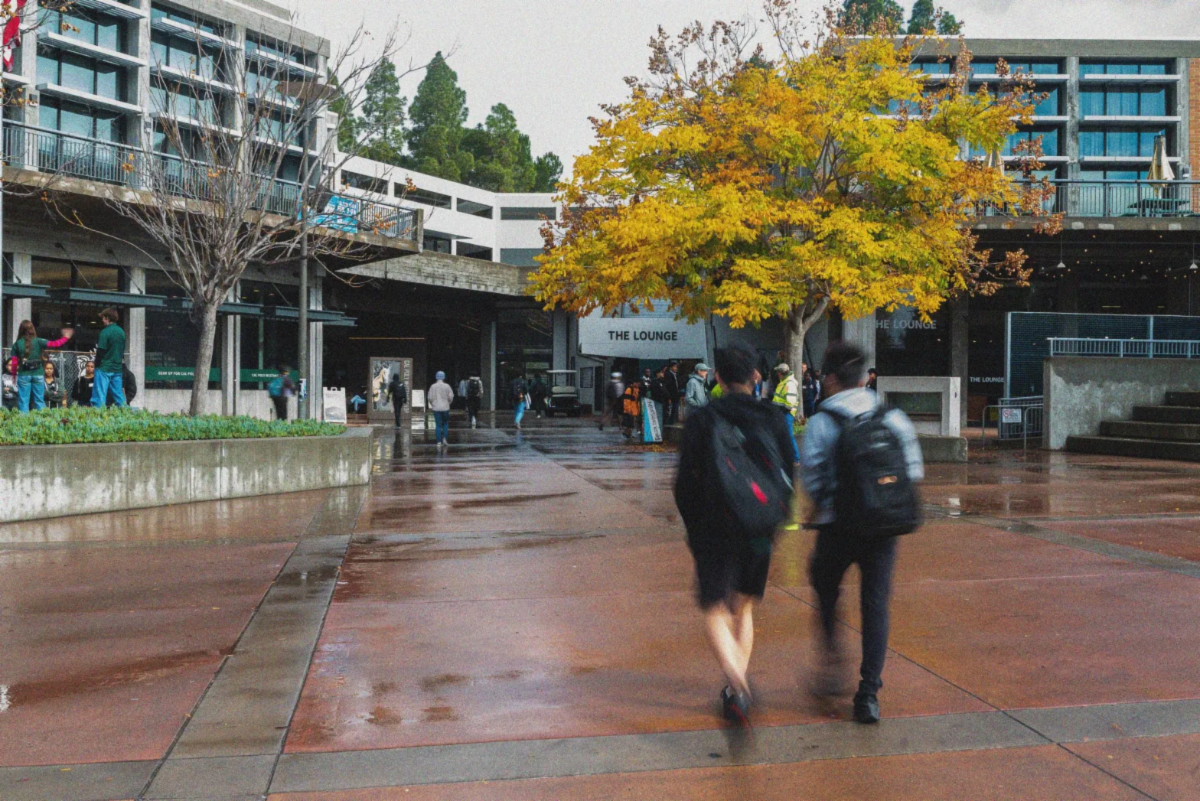
| | Cal Poly’s 2+2 program will expand to include liberal studies at Cuesta College and business administration at Allan Hancock College beginning in fall 2026. Sam Arrigoni / Mustang News |
Cal Poly expands 2+2 pathway to include new degree options at Cuesta College and Allan Hancock College
California Polytechnic State University is broadening its community college partnerships to give local students more ways to earn bachelor’s degrees without relocating to its main campus. Through an expanded 2+2 pathway, students can start lower-division coursework at partner colleges such as Cuesta College and Allan Hancock College before completing upper-division work through Cal Poly beginning in fall 2026. New degree options include liberal studies and business administration, offering flexible evening and online formats for regional learners, working adults, and those who want to stay close to home.
Read the full article here.
| | |
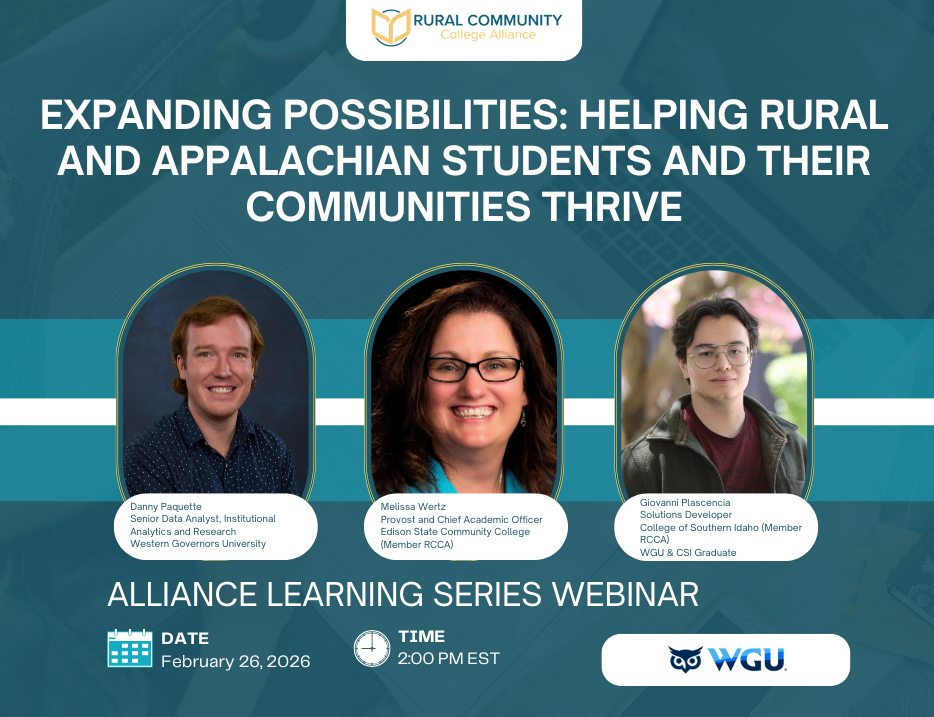
Expanding Possibilities: Helping Rural and Appalachian Students and Their Communities Thrive
Join RCCA for a timely conversation on how innovative partnerships are expanding educational and career pathways for rural and Appalachian students and helping them build successful futures close to home.
Thursday, February 26
⏰ 11 a.m. Pacific | 12 p.m. Mountain | 1 p.m. Central | 2 p.m. Eastern
During this session, you will hear from higher education leaders and practitioners working at the intersection of local and online education, workforce development, and student access.
-
Danny Paquette, Senior Data Analyst, Institutional Analytics and Research, Western Governors University
-
Giovanni Plascencia, Solutions Developer, College of Southern Idaho; WGU and CSI graduate
-
Melissa Wertz, Ed.D., Provost and Chief Academic Officer, Edison State Community College
The discussion will explore how collaboration between community colleges and education partners is increasing access, strengthening local workforces, and opening new doors for rural learners.
Facilitated by
Christy Seawall and Krista Spencer, Senior Transfer Partner Executives, RCCA and Western Governors University
| | Resources and Opportunities | |
|
Building Common Ground
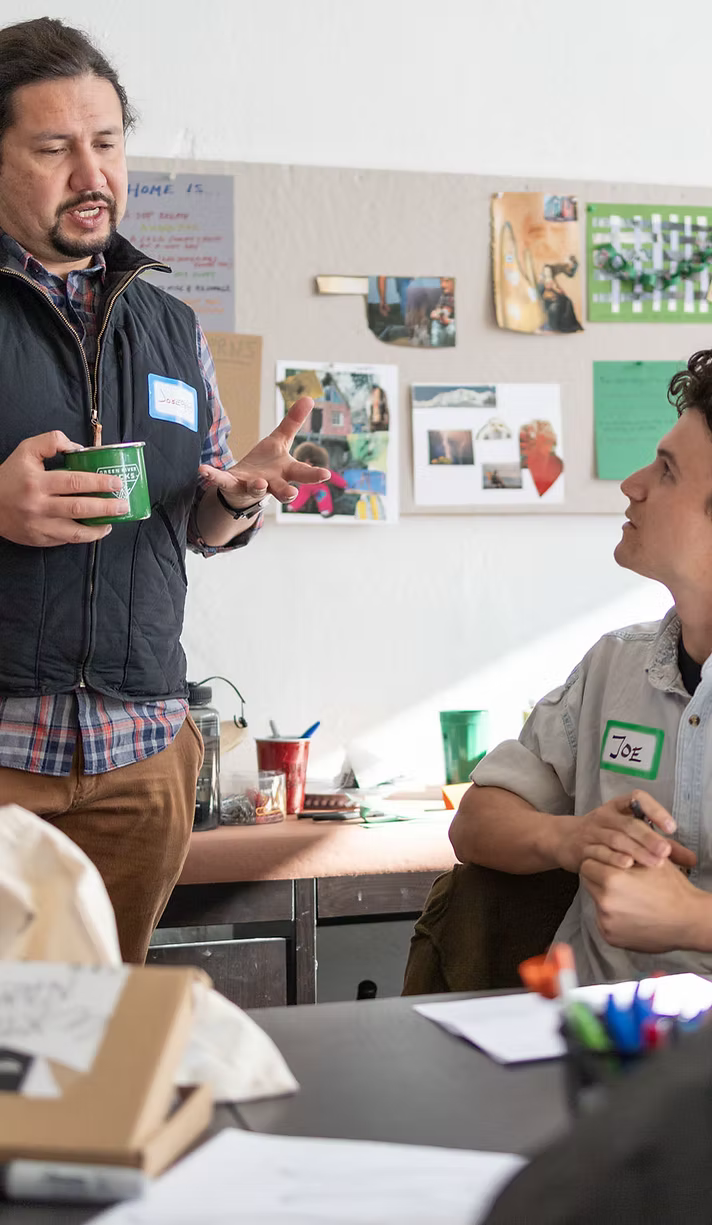
Building Common Ground: Fieldwork, a new national program supporting rural and Tribal communities through design, planning, and project development assistance.
Fieldwork supports rural and Tribal community-centered projects rooted in local history, culture, and identity, especially those at an early or exploratory stage. Over the next two years, selected communities will receive hands-on support from designers, planners, and development advisors at no cost.
Building on lessons learned from the Citizens' Institute on Rural Design, a former program of the National Endowment for the Arts, the program is intentionally structured to meet communities where they are, rather than expecting them to come in with fully formed projects or outside consultants already in place.
Helpful links
Applications are open now and will be accepted through March 27, 2026.
| | | | |
February is Career and Technical Education Month, a time to spotlight how CTE programs prepare students with real-world skills that lead directly to in-demand careers.
From healthcare and manufacturing to IT and skilled trades, CTE connects education to opportunity and strengthens local and regional workforces.
👉 Explore the CTE Month Toolkit to find ready-to-use resources, messaging, and ideas to celebrate CTE on your campus.
| | |
February is also Financial Aid Awareness Month, an opportunity to remind students that college may be more affordable than they think.
Grants, scholarships, work-study, and other aid options can make higher education accessible, and completing the FAFSA is often the first step.
👉 Visit the Financial Aid Awareness resources to share tools, tips, and outreach materials that help students understand their options and take action.
| |
|
President Opportunity at Central Maine Community College
The Maine Community College System Board of Trustees is seeking applications and nominations for the next President of Central Maine Community College in Auburn, Maine. CMCC serves approximately 5,000 students annually and is known for strong workforce programs, innovative funding approaches, and championship athletic teams.
The Board is looking for a collaborative, student-focused leader with strong communication skills and a commitment to equity, inclusion, and regional economic and workforce development. Candidates should bring senior-level leadership experience in education or related fields and a clear vision for advancing student success.
Applications are being reviewed now, with priority consideration through February 27, 2026.
👉 Learn more and apply here.
| | | |
|
The Board of Directors of Western Iowa Tech Community College (WITCC) invites nominations and applications for the position of President.
WITCC is a publicly supported comprehensive community college with a focus on technical programs. The College enrolls approximately 7,000 (2024–2025 AY) students in combined credit and noncredit programs and issues approximately 1,800 credit credentials, resulting in the college standing as the #1 credential-awarding college in Iowa. Additionally, WITCC has a 57% combined overall graduation and transfer-out rate within 150% of “normal time.”
The next President of WITCC will be deeply engaged in and committed to the region and will be an energetic, passionate, transparent, and strong communicator and collaborator. The ideal candidate will be an active listener; a skilled leader in change management; an academic leader who values the integration of industry partnerships, technical programs, and successful transfer; and a champion for a student-focused culture. The President will serve as a visible spokesperson who works as a partner with the Board of Directors in a responsive, transparent, accountable, and collaborative manner. They will strengthen partnerships with business and industry, K–12 systems, universities, the military, and public officials to meet regional workforce and economic needs; and focus on increasing enrollment and student success through strategic enrollment management, expanded access, and improved retention and goal attainment. WITCC's next President will also lead efforts to serve new student populations, particularly adult learners and student-athletes, through targeted outreach, innovative programs, clear academic pathways, and further development of the athletic program.
WITCC serves the Iowa counties of Cherokee, Crawford, Ida, Monona, Plymouth, and Woodbury, which have a combined population of about 180,000. The main campus is located in Sioux City, Iowa, with outreach campuses in Cherokee and Denison, with additional centers in Le Mars and Mapleton.
For confidential inquiries or additional information, please contact
Sandy Caldwell, Ed.D.
ACCT Consultant
(307) 389-4193 (c)
sjcaldwellok@gmail.com
Target Date: March 2, 2026
| | | | |
The U.S. Department of Education's Rural Education Resource Center has a new look and new resources. Check it out for information on federal grants for rural schools and communities, practice tools for teachers and school leaders, and impact stories of the innovative and inspiring work happening in rural schools.
| | | |
In Case You Missed It: From Our Friends at ACCT
February 10, 2026
LAW ALERT
At NLS 2026, we just learned of a new community college competitive grant opportunity. Today's keynote speaker, Dr. Henry Mack, Assistant Secretary of the Department of Labor, revealed this morning that the U.S. Department of Labor intends to announce a grant competition for the Strengthening Community College Training Grant (SCCTG), including $65 million from FY25 funding and possibly up to an additional $65 million from FY26 funding. SCCTG is critical for community colleges to meet the needs of employers and support students in obtaining good jobs in in-demand industries. Dr. Mack shared that the funds would be used as seed money to help short-term programs become eligible for Workforce Pell Grants. The funding can be used to strengthen faculty salaries, equipment, data, or other purposes. ACCT will share additional information once the competition is officially announced.
| | Follow the RCCA Facebook Page | | | | |