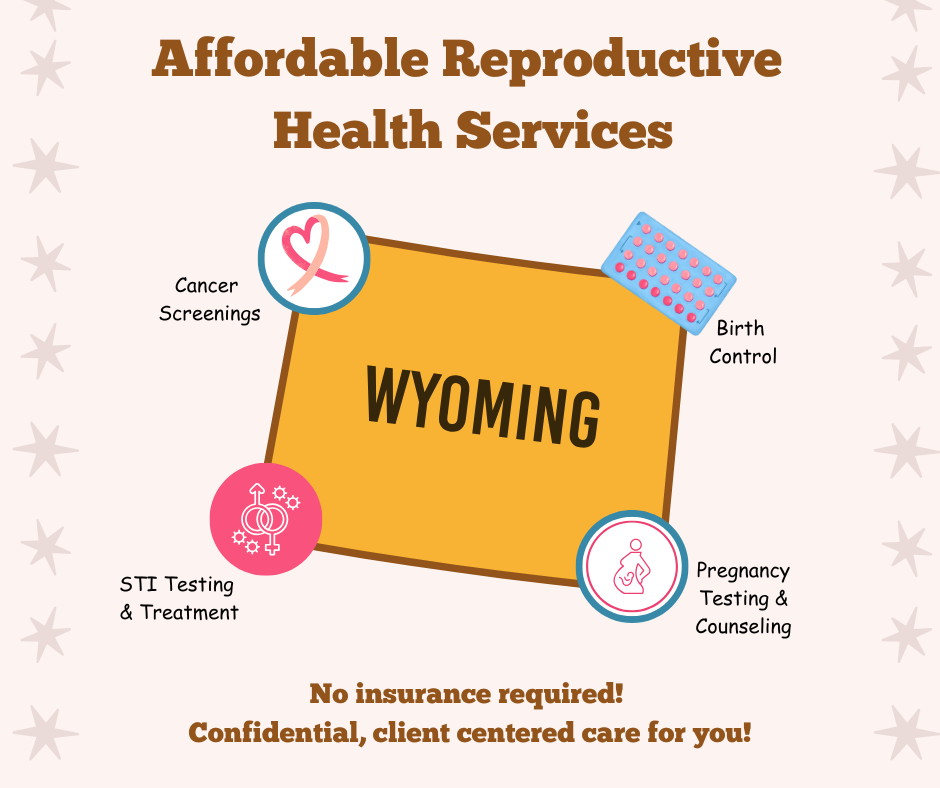
The Wyoming Health Council works to ensure that all people can access equitable, inclusive, high-quality, and affordable reproductive and sexual health care. | | |
Remaining Withheld Title X Grants Restored; NFPRHA Concludes Lawsuit
This morning, January 13, NFPRHA voluntarily dismissed its lawsuit challenging the US Department of Health and Human Services’ (HHS) illegal withholding of Title X grants, following HHS’s restoration of the remaining grants withheld from NFPRHA member grantees.
NFPRHA, represented by the American Civil Liberties Union (ACLU) and the ACLU of the District of Columbia, filed its case on behalf of its members after HHS “temporarily withheld” 22 Title X noncompete continuation grants at the end of March 2025, due to alleged “possible violations” of the terms and conditions of the grant awards, including the requirement that grantees administer Title X projects in compliance with federal civil rights law.
National Family Planning and Reproductive Health Association v. Kennedy, et. al., asserted that HHS had no lawful authority to withhold the grants before making any actual determination that the affected grantees had violated the terms and conditions of grant awards or federal civil rights law and before providing the grantees with an opportunity to remedy any alleged violation.
In short, NFPRHA’s lawsuit sought to hold the government accountable for its illegal acts, and in that, NFPRHA succeeded. Over the course of NFPRHA’s litigation, HHS restored all of the grants that were subject to NFPRHA’s lawsuit; NFPRHA’s membership included 15 of the 16 affected grantees.
With the final grants at issue in the case restored in late December, the case was rendered moot, and NFPRHA voluntarily dismissed its case today.
NFPRHA issued a press release on today’s filing.
If you have any questions, please contact Robin Summers, Vice President and Senior Counsel, at rsummers@nfprha.org.
| | |
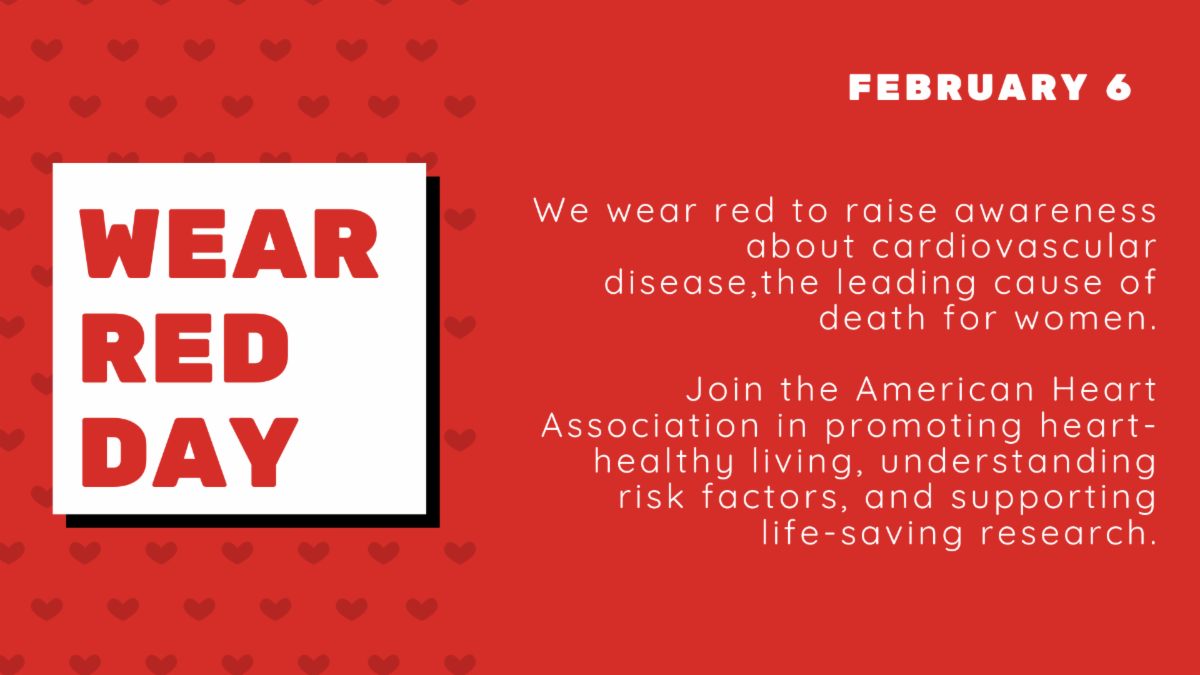
Don’t Overlook the Connection Between Heart Health and Fertility
For those planning to become pregnant, there is an often overlooked yet vital factor: the connection between heart health and fertility.
The growing recognition of the intersection between these two specialties has paved the way for increasingly collaborative care models and shown how fertility and cardiovascular health cannot be treated in isolation. In fact, early referrals, shared decision-making, and team-based care can significantly improve outcomes, particularly for high-risk patients.
In this Q&A, Tia Jackson-Bey, MD, a reproductive endocrinologist and infertility specialist at RMA of New York and Assistant Clinical Professor, Obstetrics, Gynecology and Reproductive Science, at the Icahn School of Medicine at Mount Sinai, and Ruwanthi Wijesinghe, MD, a cardiologist at Mount Sinai and Assistant Professor of Medicine (Cardiology), explain why maintaining a healthy heart is crucial for reproductive success, how multidisciplinary care can enhance patient outcomes, and steps you can take before, during, and after pregnancy to improve your overall heart health.
| |  | |
What to Know About Heart Disease and Your Sexual Health
Heart disease may contribute to changes in sexual function, such as reduced libido, vaginal dryness, or erectile dysfunction. However, sexual activity is safe and healthy for most people with heart disease.
People with heart disease may have firsthand knowledge of how the condition can affect their quality of life. Physical limitations and psychological stress can interfere with your ability to participate fully in daily activities. For some people, this includes their sexual health.
Sexual activity can be an important part of adult life. The World Health Organization (WHO) notes a link between positive sexual health indicators and good quality of life.
In a 2024 Swedish survey, about 3 in 4 people with heart disease said their condition affected their sexual health. And while most wanted more information, only about 5% received it. So, let’s take a look at specific ways in which heart disease can influence your sexual health.
| | | |
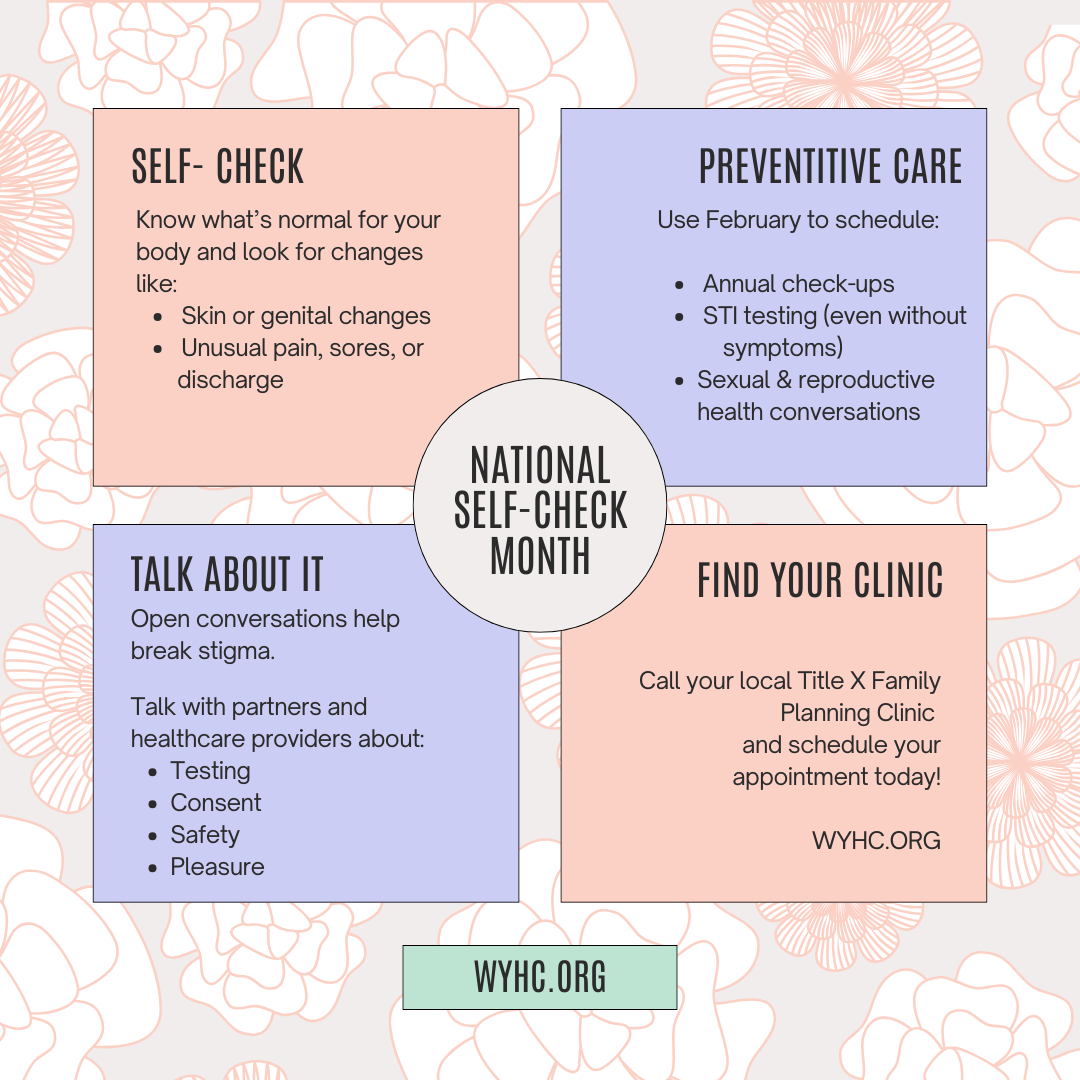
National Self-Check Month
This is a reminder to take charge of your health!
That includes sexual health. Regular self-checks, STI testing (even without symptoms), preventive screenings, and open conversations with partners or providers all support your overall wellness.
Your body, your health, your power!
| | Over the past century, advancements in contraception and community-based healthcare have expanded pathways for individuals to plan their families and futures. | | |
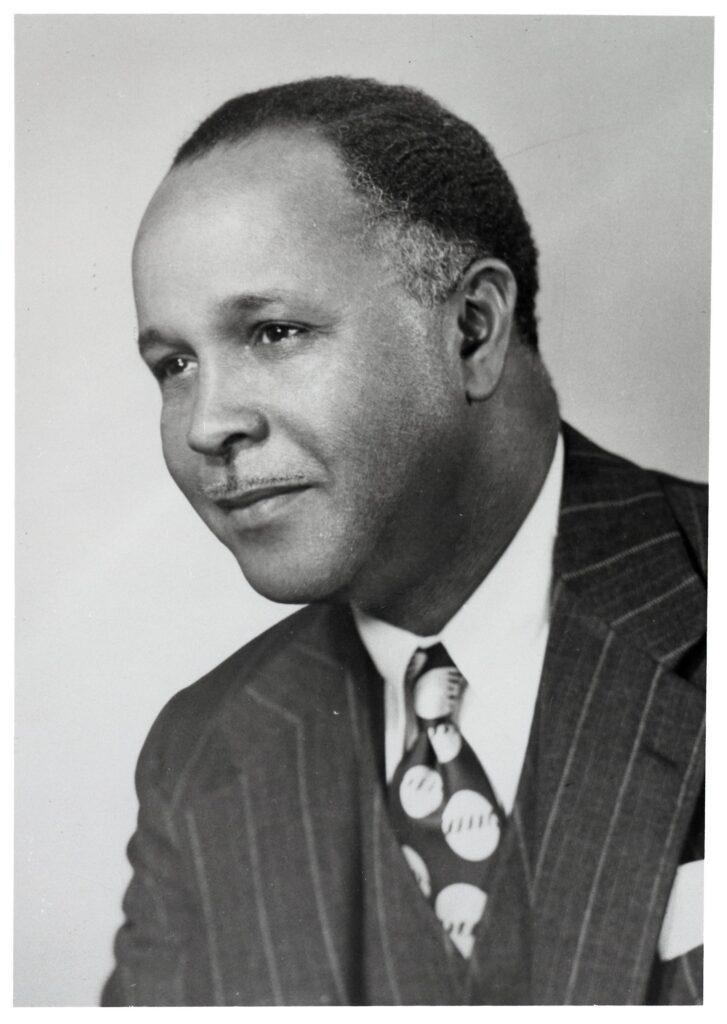
Dr Percy Lavon Julian
Dr. Percy Julian was a pioneering chemist whose research with soybeans led to major medical breakthroughs. By synthesizing hormones like progesterone and testosterone from soybean oil, his work helped make treatments used in birth control and miscarriage care more accessible. His innovations advanced modern medicine and expanded access to essential healthcare worldwide.
| | |
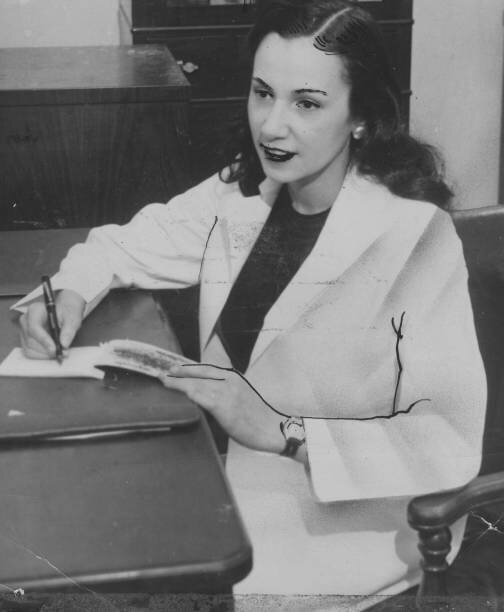
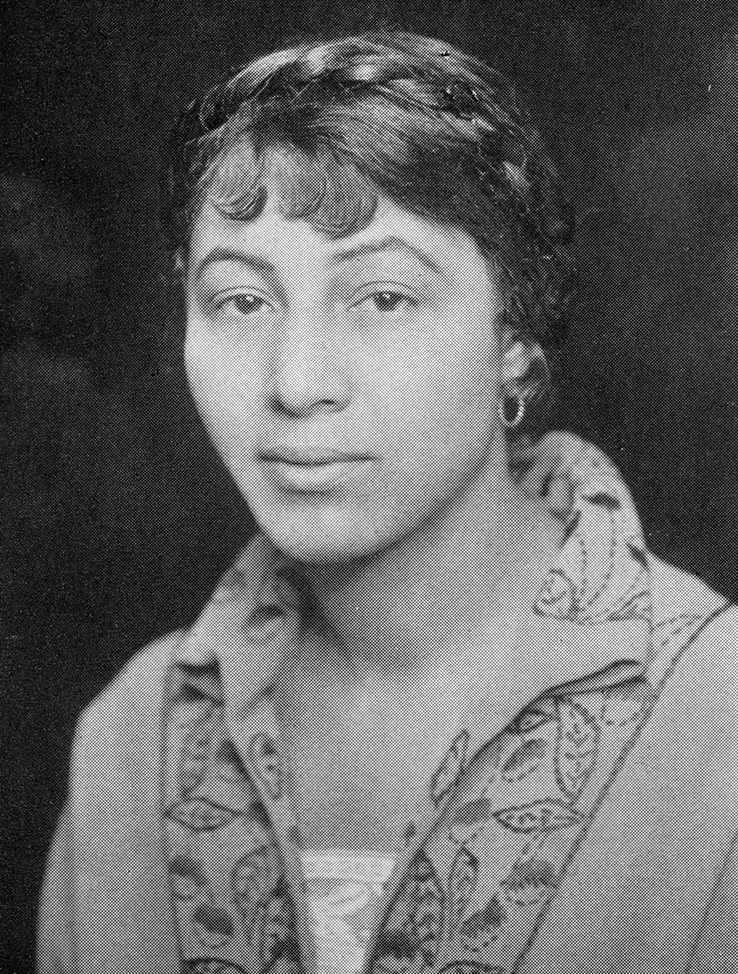
Dr N. Louise Young
Dr. Nellie Louise Young was Maryland’s first Black female physician and a pioneer in reproductive healthcare. Specializing in gynecology, she was the only African American physician trained in birth control at the Baltimore Birth Control Clinic. In 1938, she opened a Planned Parenthood clinic in Baltimore that provided reproductive healthcare to underserved women, helping address critical gaps in access to care.
| | |
Dr. May Edward Chinn, PhD.
Dr. May Edward Chinn was a physician and researcher who became the first African American woman to graduate from Bellevue Hospital Medical College in 1926. In the early 1930s, she worked with Dr. George Papanicolaou on cytological methods for cancer detection and became a strong advocate for early cancer screening. Her work helped advance approaches to preventive care and early detection.
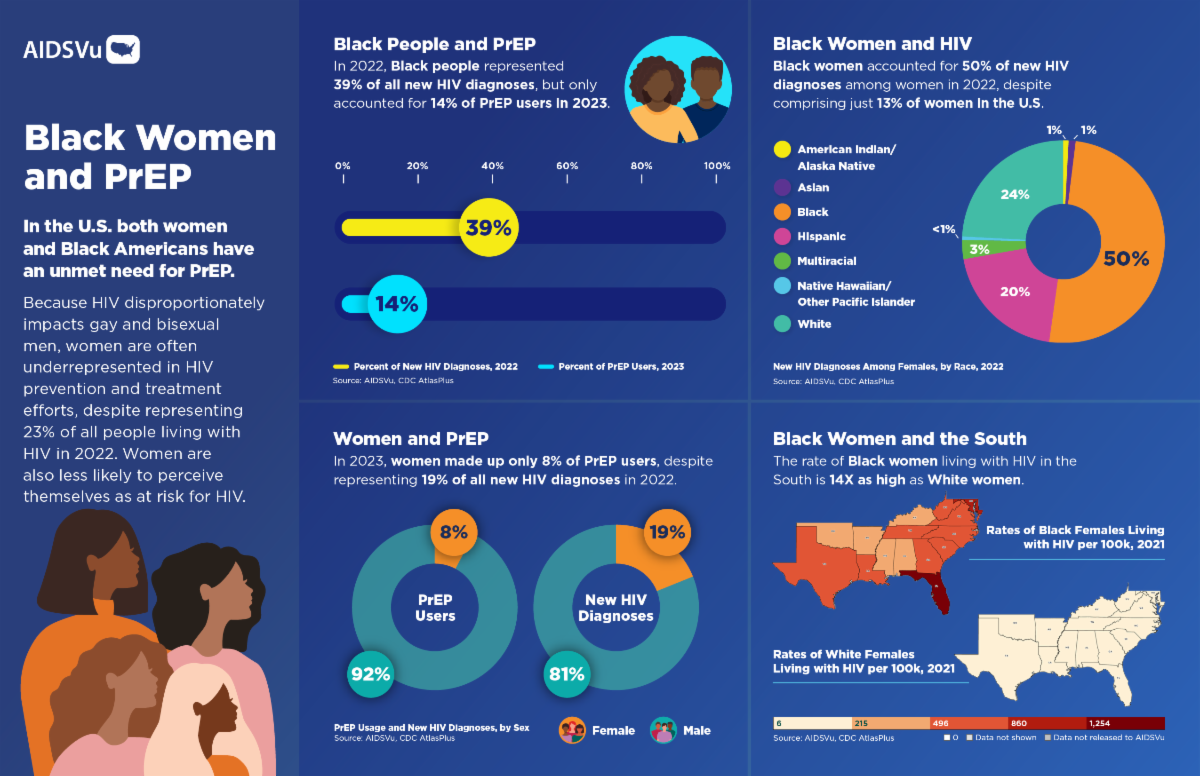
| | National Black HIV/AIDS Awareness Day-Feb 7th | |
An unsuspecting group of women is getting HIV. Geography is in part to blame
Masonia Traylor folded into a ball in the corner of the patient room. "No," the 23-year-old screamed, over and over again. She was HIV-positive.
It came as a surprise to the now 38-year-old from Decatur, Georgia. She built a rapport at her local OBGYN office and always stayed on top of her health as best she could. This included HIV testing; she always wanted to set a good example for her loved ones. A Black woman shared her story of almost dying from HIV complications at a school assembly years back. Someone who looked like her warned that anyone could get HIV – not just gay and bisexual men. Traylor thought, "You can't tell that girl got it. Like, she looks so pretty, healthy, everything.'"
Despite novel developments in the treatment and prevention of HIV – people can live healthy, long lives with HIV undetectable in their bloodstream – tens of thousands of new cases are diagnosed in the United States each year. And a lot of those diagnoses occur in certain parts of the country and among certain populations. A group often forgotten about in the discussion of HIV – despite research pointing to an ongoing crisis – is Black women. Specifically those who live in the South. Why?
| | | National Sex Education Day-Feb 2 | | |
Sex Education 101: The Conversations You Should Be Having With Your Kids
In the "old days," many parents thought a single "birds and bees" chat meant they'd done their due diligence as parents. But we all know how well that turned out. That's why it's critical to start conversations about sex education early and have them often.
"As parents, we all want the authority and privilege of explaining the changes in adolescence and sex education,” says Megan Michelson, director of The Birds And Bees podcast. “We want parents to start talking and keep talking."
She recommends an approach that's "frequent and frank," but notes that "there is so much power in the first impression! Be proactive, not reactive. At the same time, we all know this practice requires a clear vision, direction, and a goal in mind."
Sitting down for a big, serious, face-to-face conversation can be intimidating, for both parents and kids. "You can start as young as three or four years old when a child pulls a tampon out of a purse and asks, 'What is this?'" says Michelson, who is also a former middle school educator. "Rather than grab it and tell them to not touch things like that, simply say, 'Oh sweetheart, this is a tampon. [Some parents] bleed once a month, and it's called a period. A tampon helps keep things clean.' While this might be your first conversation about periods, it should not be your last."
As a pediatrician and a parent, Dr. Natterson recommends parents encourage open discussion. "My mantra is talk early, talk often, talk about everything. But not all at once," she says. "We can't just sit down and information dump on our kids because that's a lecture, and it's too much. Every day offers teachable moments: You might be watching a show together and press pause. You might hear a story about something that happened at school or on the field. It's never too early to start these conversations."
| | | |
70 Sex Questions to Ask Your Partner Before Your First Time
Deciding to have sex for the first time can be a big deal. Not the kind of big deal it’s painted as in abstinence-only sex education spaces, mind you — you’re not signing your name in the devil’s book here. But having sex for the first time can be a way to learn all kinds of new things about yourself, from your likes and your preferences to new layers of your sexuality or gender identity.
Having sex with a partner for the first time, of course, also involves a whole other person. And whether this is someone you’re in a long-term relationship with or a partner of the more casual stripe, you’re probably wondering what sex with this person is going to be like. Some of your sex questions, from what position is best for first-time sex to how to know if you orgasm, can be answered by the experts. But for a lot of the big sex questions for couples (or a couple of people!), you’ll need to go to the source. That means having an open conversation about sex with the person you plan to have it with.
If you’re ready to dig into some questions about sex to ask your partner, keep scrolling. We’ll hear first from sexperts about the sex questions it always makes sense to ask, whether it’s your first-ever time having sex or your first time doing it with this person. And once we’ve covered the foundational sex questions, we’ll switch over to some sex questions to ask that are just for fun, too — because sex should be fun!
| | | Teen Dating Violence Awareness Month | | |
Real Love Respects
This year’s theme cuts through the noise by focusing on what real love should look and feel like. In a world full of mixed messages, this theme centers around one truth: respect is non-negotiable. It empowers youth to recognize harmful patterns early and to expect more from love. Because respect is everything, it’s earned, it’s honest, and it never makes you question your worth.
Remember: If it’s real, it’s respectful.
| | | |
Digital Abuse: A Discussion about Teen Dating Violence
Dating violence can be more than just physical; your partner doesn’t have to physically hurt you to be abusive. Read this blog post to learn more about digital abuse and how to get help.
Even before the COVID-19 pandemic, digital abuse was a concern for many in unhealthy relationships. 1 in 3 teens and 1 in 3 adults will experience some sort of domestic abuse in their lifetime.
Domestic violence can be more than just physical; your partner doesn’t have to physically hurt you to be abusive. Examples of digital abuse include:
- Looking through your photos, text messages, or call history
- Stealing or insisting on sharing your social media passwords
- Pressuring you into sending sexually explicit photos, messages, or videos
- Deleting contacts from your phone
- Constantly calling or texting you when you’re not with them.
Questioning your social media activity (e.g., “Who is this guy that commented on your post?” or “Why are you following all of these girls on Instagram?”)
An abusive partner might try to disguise these or other behaviors in a caring, loving way. They might say something like, “It’s only because I care about you so much” or “I just want to protect you.”
Digital harassment is never okay, whether it’s a current partner or an ex-partner. While it’s not uncommon for someone to look at their ex’s social media pages after a breakup, signing into them or monitoring their communications is a different story.
| | |
How to protect your teen from dating violence
In the United States, teen dating violence remains common, with about 1 in 3 teenagers experiencing physical, sexual, emotional or verbal abuse from a dating partner, according to statistics from the Children’s Hospital of Philadelphia.
The consequences of teen dating violence can be both immediate and long-lasting.
Victims are more likely to face depression, anxiety and substance abuse and have aggressive behavior and suicidal thoughts, according to the US Centers for Disease Control and Prevention.
Navigating healthy relationships can be challenging for both teens and parents, but caution and open communication are critical to prevent acts of violence.
Early warning signs
Many people associate physical violence, such as pushing, hitting or even sexual assault, with abusive relationships, but a form of psychological violence called coercive control is also common in such relationships.
Common signs of coercive control might include demanding to know a partner’s whereabouts or forcing them to share their location, pressuring for explicit photos or other information such as passwords, as well as engaging in isolating behaviors, such as discouraging a partner from seeing friends, family members or others perceived as a “threat” to the relationship.
Many teens struggle to recognize these unhealthy dynamics, especially because pop culture often portrays jealousy as a sign of love.
| | |
National Condom Day
Feb 14th
How to Find the Perfect Condom Size for You
Finding the right condom size is not just about comfort—it's essential for safety and effectiveness. Accurate sizing can help prevent issues like condom slippage and breakage, ensuring both pleasure and protection during sex.
Although size is central to the selection of a condom, other factors are important, including sensitivity and whether the condom is being used to prevent pregnancy, STIs, or both.
One of the first factors to consider is whether the condom has a reservoir tip. This is a nipple-like tip that "catches" semen as it is ejaculated. The vast majority of commercial condoms sold in the United States have reservoirs; for safety's sake, it is best to avoid those that don't.
The type of material a condom is made of is also a major consideration. There are four types, each of which has its pros and cons:
-
Latex: A natural rubber that most condoms are made of
-
Lambskin: Made from the intestinal membrane of a lamb
-
Polyurethane: Made from a type of plastic
-
Polyisoprene: Made from a petroleum-based material with a similar chemical structure to latex
| | | |
Single Awareness Day
Feb 15th
The Best Way to Date in 2026: Why Singles Are Ditching Dating Apps
Dating in 2026 looks nothing like it did five years ago. If you’re single, you’ve probably noticed the shift: fewer people swiping endlessly on apps, more people actually meeting in real life, and a growing recognition that the old way of doing things simply doesn’t work.
Singles across the country are leading a quiet revolution in how people date. They’re deleting Hinge, uninstalling Bumble, and rediscovering what actually creates lasting connections: intentionality, human curation, and meeting people through trusted networks rather than algorithms.
Why Dating Apps Failed
The dating app experiment is over, and the results are in: it didn’t work. Singles spent years swiping, matching, and messaging, only to end up right back where they started — frustrated, burned out, and single.
The problem was never you. Dating apps are designed to keep you on the app, not to get you into a relationship. Their business model depends on your failure. Every successful relationship is a lost customer. Match Group, the parent company of Tinder, Hinge, and Match.com, openly states in their SEC filings that their revenue depends on user engagement — not user success.
Smart singles figured this out. They realized that an algorithm optimized for profit can’t understand chemistry, compatibility, or what actually makes two people work together. A photo and a bio can’t capture someone’s presence, their energy, or whether you’ll actually enjoy spending time with them.
| | | |
Help Find Title X Program Review Consultants
OPA is recruiting program reviewers—who are not currently employed by a Title X grant recipient—to conduct upcoming Title X Program Reviews. We are looking to recruit program reviewers who:
• Have an in-depth knowledge of Title X family planning program guidelines and regulations (e.g., policies, procedures, quality improvement and assurance, performance standards).
• Have excellent writing and copyediting skills, including basic knowledge of Microsoft Office to produce deliverables after completing program reviews.
• Can travel for up to 7 days to grant recipient and subrecipient sites in the U.S. and U.S. territories to conduct program reviews in person.
• Can provide technical assistance based on program review observations and findings.
• Have experience with meeting platforms such as Microsoft Teams and Zoom to attend virtual trainings and meetings if needed.
If you know someone who is interested in conducting the Administrative, Clinical, or Fiscal portions of the Program Review to help enhance Title X programs, please ask them to send an email to OPASupport@norc.org with the subject line "Title X Program Reviewer." The email should include their interest, contact information, and resume or CV.
| |
Please consider supporting reproductive and sexual health care in Wyoming!
You can donate directly to us—100% of your contribution goes toward supporting health care access in our state.
| | | |
This newsletter was developed (in part) with federal funds from the Office of Population Affairs. For more information on the rules and regulations that apply to our programs, please visit
https://opa.hhs.gov/grant-programs/title-x-service-grants
This project is supported by the Office of Population Affairs (OPA) and the Office of the Assistant Secretary of Health (OASH) of the U.X. Department of Health and Human Services (HHS) as part of a financial assistance award 1 FPHPA 006541-0-00 totaling $978,380 with 100 percent funded by OPA/OASH/HHS. The contents are those of the author and do not necessarily represent the official views of, nor an endorsement, by OPA/OASH/HHS or the U.X. Government.
| |
WYOMING HEALTH COUNCIL
111 S. Durbin, Suite 200
Casper, WY 82601
Call Us: (307) 439-2033
| | | | | |