|
To Be Seen and Accepted
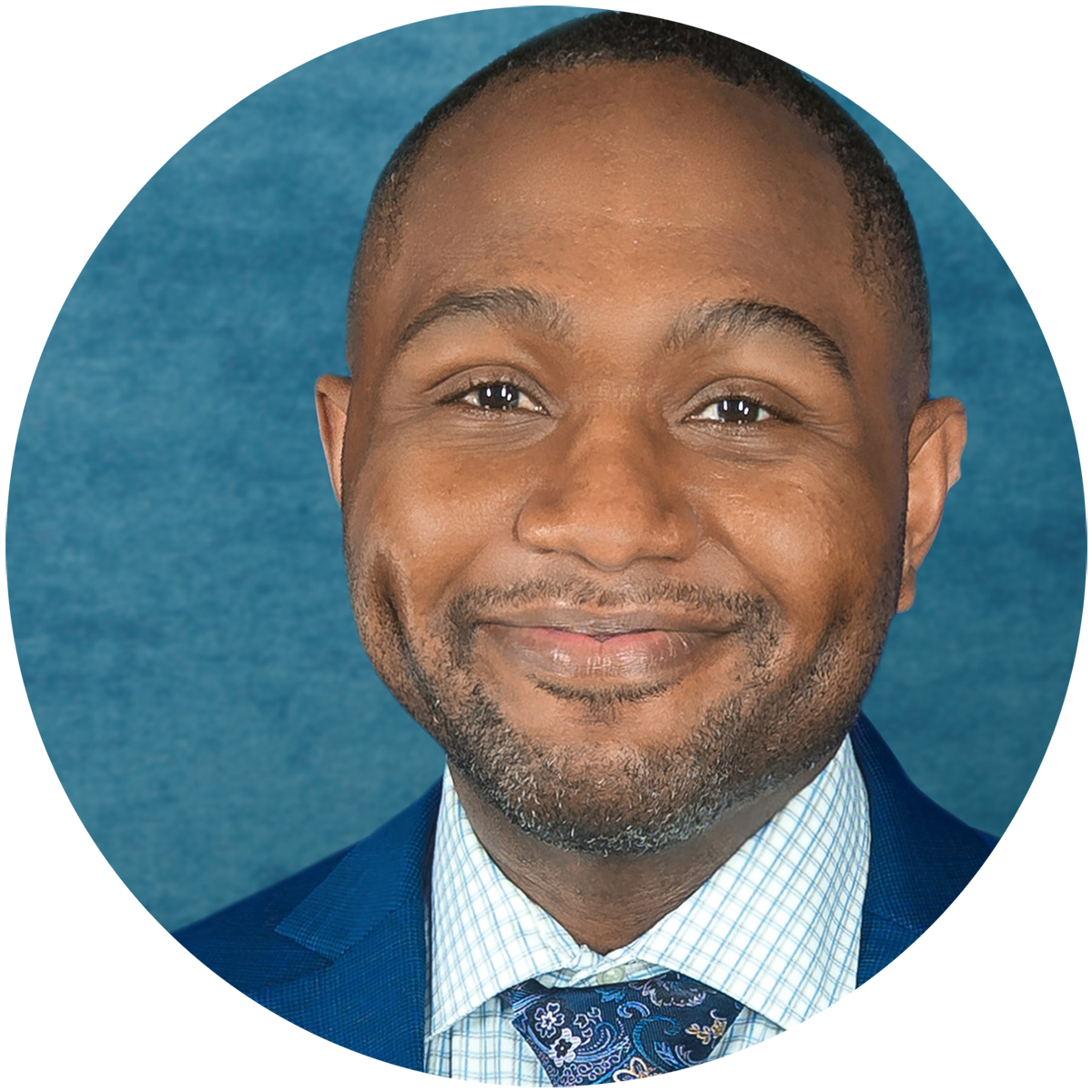
Oakland Community College featured me in their alumni story for Black History Month. At first, I thought, “I’m 44 years old; I’m not an official Black historical figure.” When I think of Black History, I associate it with iconic figures like Martin Luther King Jr., Rosa Parks, and Frederick Douglass — those who fought for justice and equality, paving the way for my existence today.
The Legacy of Black History Month
Black History Month began in the early 20th century when historian Carter G. Woodson established Negro History Week in 1926, aligning it with the birthdays of Abraham Lincoln and Frederick Douglass. Woodson aimed to educate the public and instill pride in the Black community. By the 1960s, the week evolved into a month-long celebration, officially recognized by President Gerald Ford in 1976.
The essence of Black History Month is to honor the contributions of Black individuals across various fields — science, arts, politics, and sports — enriching our understanding of history and fostering inclusivity.
Finding My Own Place in Black History
Upon reflection, I realized my journey could inspire the next generation. I’ve worked to bridge gaps in law enforcement, nursing, and mental health resources, especially in communities of color. As a person of color and a male in the mental health field, I strive to challenge stigma and provide representation. My goal is to encourage emotional openness and promote healthier expressions of masculinity.
Focusing on visibility shows that anyone — regardless of race or gender — can prioritize mental well-being. Through culturally competent care, I aim to normalize conversations about mental health and inspire greater diversity within the field.
The Importance of Celebrating All Voices
Celebrating Black History Month — and other heritage months like Women’s History Month and Pride Month — is vital. These months ensure marginalized voices are heard and help us build a future where everyone is seen and accepted.
Let’s work together toward a future where every voice matters, and every person has a place at the table.
|