|
Dear Pollinator People,
There's a dissonance in the beauty of spring this year—like the endless whir of a nearby weed whacker while you're trying to enjoy a moment in the garden. We are all allowed, even encouraged, to feel genuine heartbreak, rage, and grief over the constant attacks on our Country's natural lands, biodiversity, and ecosystem health—but let's not entertain despair at our table. Let's not do the work for them and give up the fight; not with all these bugs, birds, and other critters doing everything they can to survive and thrive out there; not with so many buds about to burst into bloom.
The riot of life that is May in the Northern hemisphere most certainly has the power to regenerate even the most degraded and neglected lands, and also to lift our spirits and strengthen our resolve.
We at PPAN are doing everything we can to support both human health and the myriad beings of the more-than-human world who simply never stop rising. Will you help us keep up this good work?
| |
Read on for action alerts, community events, and educational resources. And remember, whatever you can do today is enough for today.
In solidarity,
Emily & the PPAN Team
| | Pollinator Profile: Squash Bees | | |
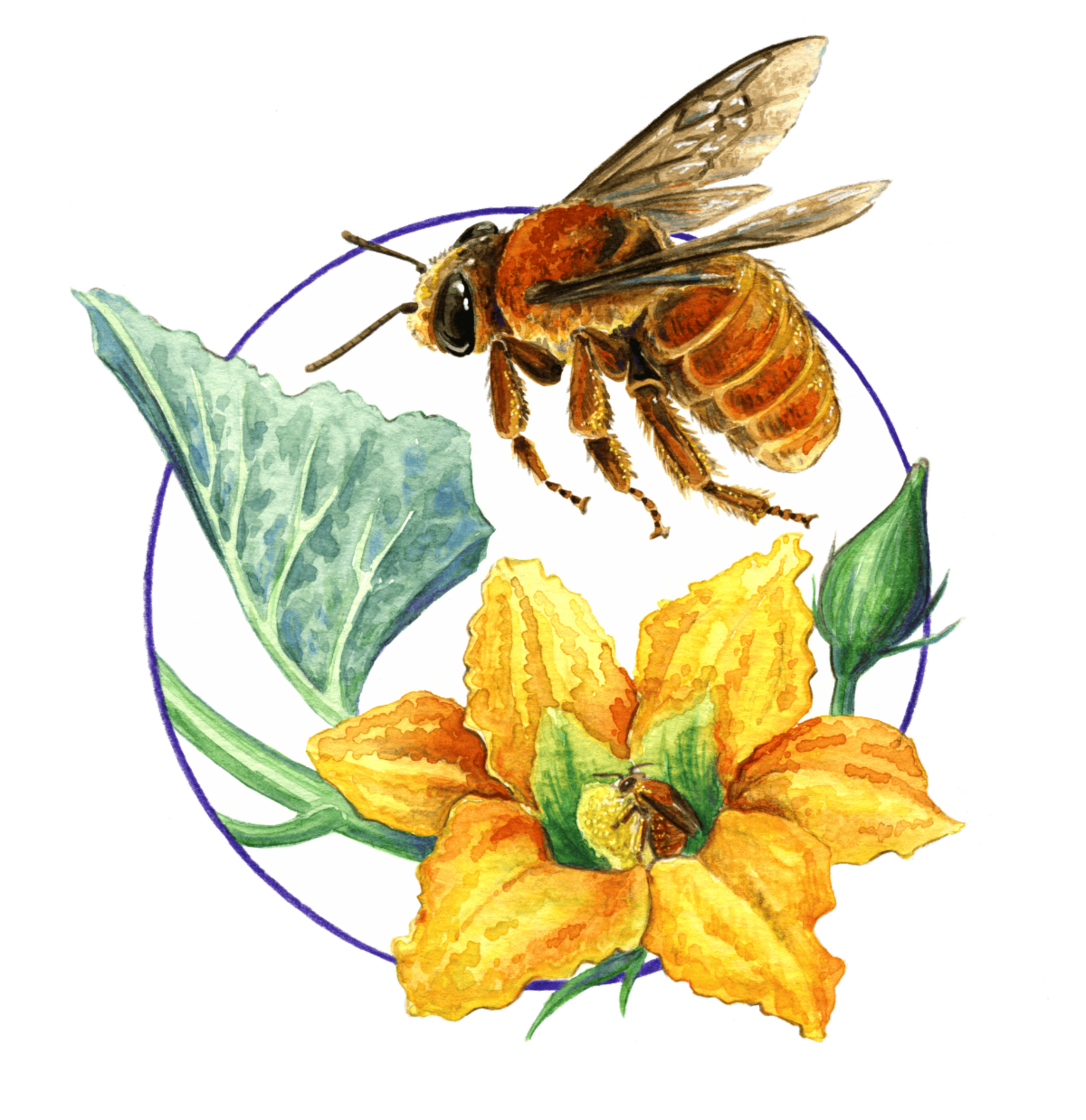
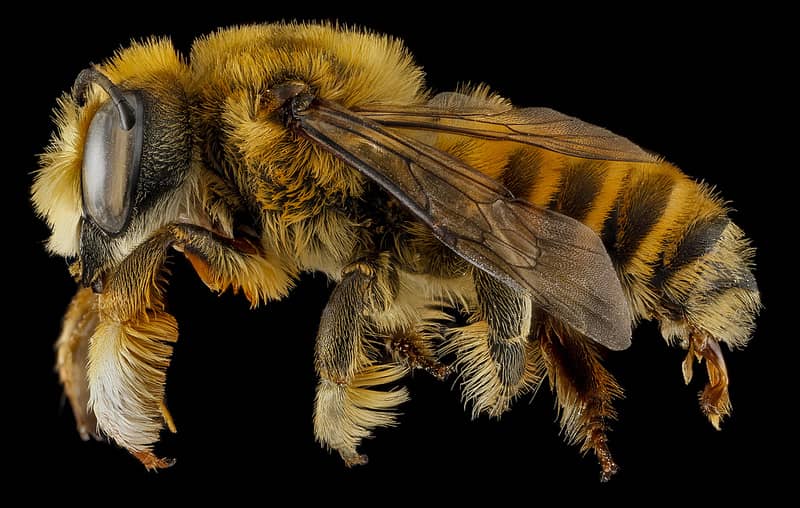
Here's one garden friend who does not think it's possible to plant too many zucchini! Xenoglossa strenua is one species of solitary, ground-nesting bees commonly known as a squash bees native to Colorado. They are specialist pollinators, relying almost exclusively on one type of plant—in this case, squashes, pumpkins, and gourds.
The adults are attracted to the distinctive scent of the flowers and can be found foraging around dawn. Their activity tapers off by mid-morning, though sleepy males may be found resting inside the flowers throughout the day. Females prefer to dig individual branching nests in mostly bare soil, where they lay several eggs and provision each with a mixture of nectar and pollen to nourish the developing larvae. Preserving open soil habitats near gardens and farms is essential for supporting healthy populations of these native, agriculturally important pollinators!
| |
Webinar May 21st: Pollinators After Dark: How Light Pollution Impacts the Night Shift
| | |
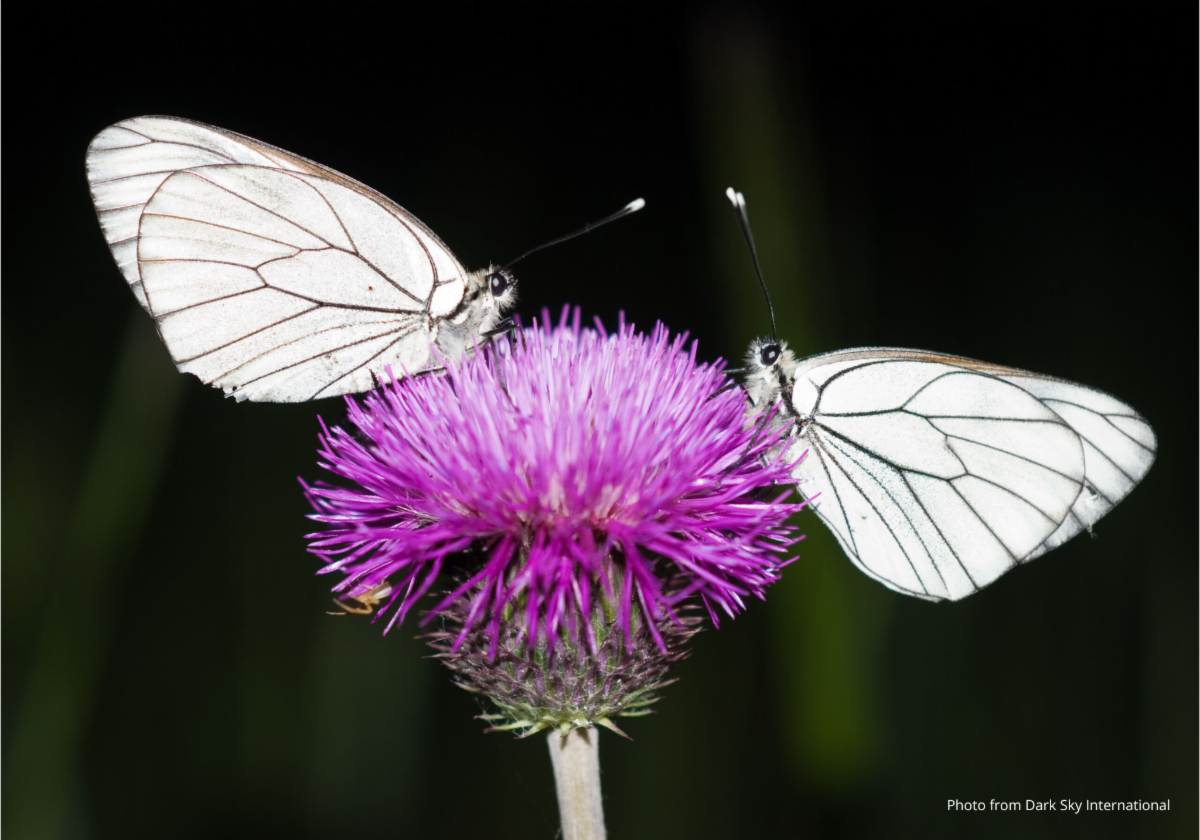
When we think of pollinators, bees and butterflies usually come to mind—but there's a whole other crew that works the night shift. Moths, bats, beetles, and other nighttime pollinators play a huge role in keeping ecosystems healthy. Unfortunately, light pollution is making their jobs a lot harder.
Join us for a noon webinar on May 21st with Richard O'Brien of DarkSky Colorado to learn how artificial light at night impacts pollinators—and what we can do to help. We’ll talk about why this matters, what’s happening here in Colorado, and simple steps we can all take to make a difference.
Richard O’Brien has been an active member of DarkSky Colorado since 2016, contributing to its mission to protect night skies through advocacy, education, and outreach. From 2019 to 2023, he served on the board, and continues to support the organization as the Northeastern Colorado Regional Coordinator. In recognition of his outstanding dedication, he received the Sirius Star Award in 2019, honoring him as the “brightest star” in the Colorado chapter.
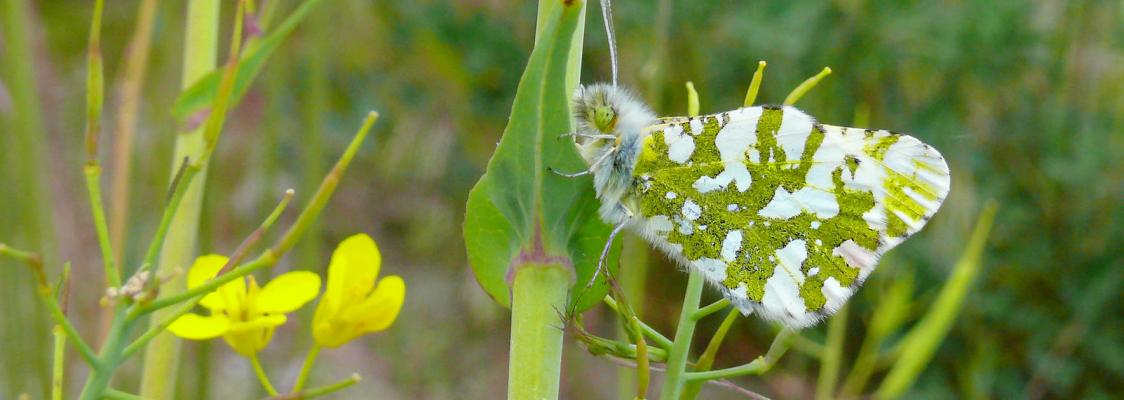
| | The endangered island marble butterfly (Euchloe ausonides insulana). Photo: Scott McCarthy / USFWS) via Xerces. | | |
Currently, the Endangered Species Act (ESA) prevents both the direct killing of federally listed species and also "harm" to their remaining populations, which includes any action that would negatively impact the species, including damaging or destroying habitat. The Trump administration has proposed changes to the ESA that would remove the definition of harm in an effort to undermine habitat protections for endangered species.
Please add your name to the letter our friends at The Xerces Society have created.
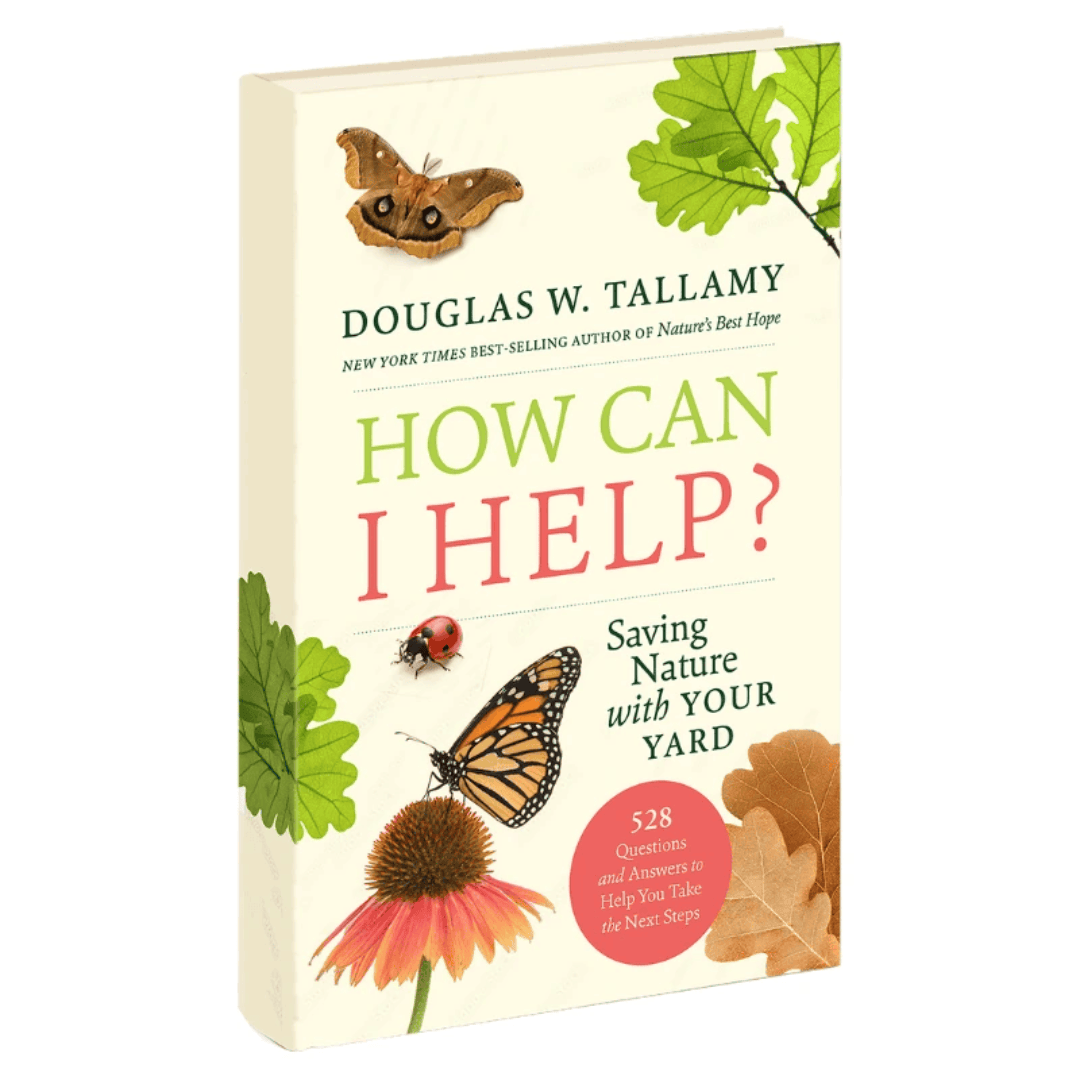
| | 🐝 Save the USGS Bee Lab 🐝 | | Doug Tallamy's earlier books are amazing but not quite as digestible as this one, in which he refines his message and addresses the most frequently asked questions he's received over the past 15+ years since Bringing Nature Home came out. We will be gifting this book to many people! For endless habitat gardening inspiration you can also explore Tallamy's nonprofit: Homegrown National Park. | | |
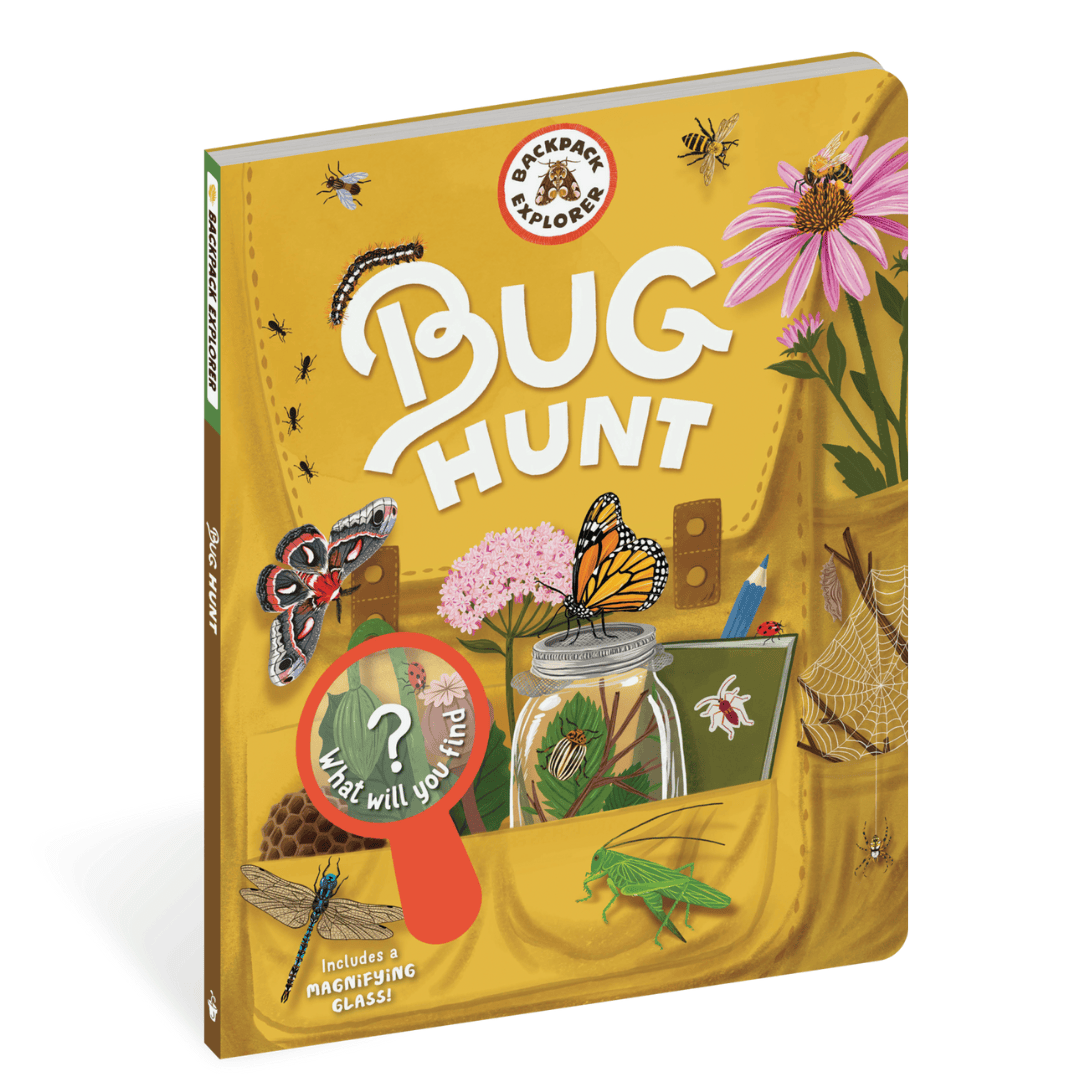
Get the kids (and the young at heart) in your life outside with this well-designed guide to getting to know the pollinators and other critters who are your neighbors (or even housemates!). The book has stickers—need we say more?
And for the more grown up crowd, we have pre-ordered Eric Eaton's Bugwatching: The Art, Joy, and Importance of Observing Insects, out this July!
| | We 💜 Pollinator-Friendly Businesses! | | Have a tree that needs tending or a bee colony needing attention? If you're in or near Boulder County reach out to long-time PPAN supporter Bees & Trees and be assured that their services will never harm the invertebrates that call your yard home. | | Help Us Update the Pollinator-Friendly Businesses Guide | | Do you know of a pollinator-safe, pesticide-free landscaping company, arborist, nursery, or garden center anywhere in Colorado? Bonus if they sell native plants! Please send us their info for the 2025 updated pollinator-safe businesses guide! | |
Upcoming Opportunities to Connect & Learn
May 12th — If you're in Denver, join Habitat Fund grantee, The GES Coalition, for their Food Forest Spring Celebration, a bilingual day of food, music, plant giveaways, and more.
May 18th — Join Butterfly Pavilion’s Pollinator Gardening Bootcamp for hands-on training to empower you to design, plant, and maintain a pollinator-friendly space.
June 1st — Colorado Pollinator Month Begins! Keep an eye out for our next newsletter with details!
June 12th — Save the date for a beginner-friendly how-to session on using iNaturalist with PPAN Board Member, Dr. Julie Morris.
June 27th — Colorado Pollinator Network's 2025 Big Day of Bugs at Denver Botanic Gardens
September 20th – And last, but certainly not least, save the date for PPAN's beloved Bumble Bee Bash, back at Yellow Barn Farm! 🐝 Have an idea for auction item? Please hit reply!
| | PPAN is proud to be a vetted nonprofit partner of: | | | | |