Volume 2 Issue 2 1st Quarter 2026 | | Welcome to Fiber Foundations for 1st Quarter 2026, exclusively sponsored by Kadant Black Clawson. | | |
| | Care and Feeding for Lime Mud Filters | |
The Lime Mud Precoat Filter is an essential part of the recausticizing plant and serves as the final dewatering and washing step for the lime mud before it is fed to the lime kiln. Stable and efficient operation of the lime mud filter is necessary to ensure a minimal amount of filtrate and related chemicals enter the kiln with the discharged lime mud, which affect kiln operation in many ways. These factors include kiln fuel usage, kiln ring formation, soda losses, as well as the environmental impact of Total Reduced Sulfur (TRS) content in the flue gas.
| Ideal Appearance of Lime Mud Filter Discharge Solids & Precoat Renewal | |
Typical Lime Mud Filter equipment is expected to last 25-30 years, but there are some basic care / maintenance needs that need to be addressed routinely to maintain stable operation and to maximize its performance.
Several process operational parameters need to be controlled such as cake thickness, feed slurry density and temperature, shower water temperature and distribution, lime mud permeability, and grits accumulation. There are also recommended practices for routine maintenance that help both performance and reliability of the equipment.
In general, running a thinner cake results in achieving higher discharge solids. Scraper blades set at >3/8” from the high point of the drum is considered as the Best-in-Class practice. Modern drums run in the 3-4 RPM range. Thicker precoat cake can lead to 1-2% solids drop for the drum working at the same speed.
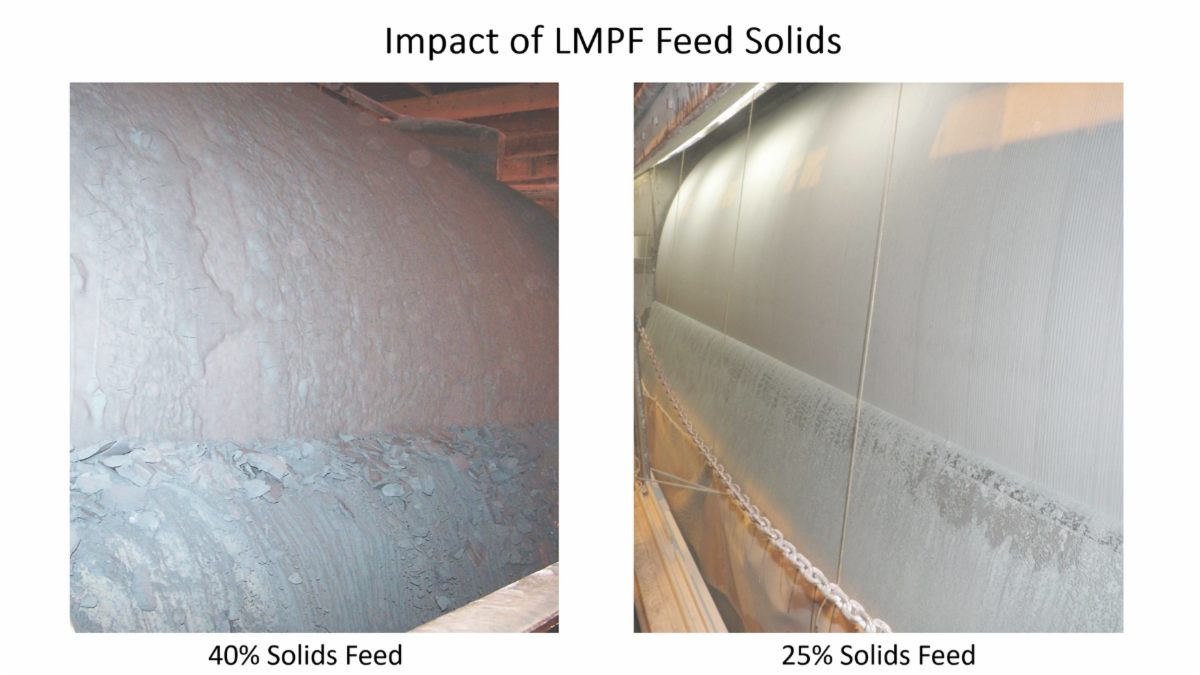
Feed slurry density dictates how the precoat is formed on the drum face. An evenly formed precoat is then washed and dewatered more efficiently. Optimum feed solids range is about 25%.
| Impact of lime mud filter feed solids | |
Feed slurry temperature as well as temperature of cake wash water defines the viscosity of filtrate. Warmer water leads to lower viscosity and filtrate that is easier to drain. Warmer shower water also improves efficiency of the cake displacement washing. However, there is a limit on cake wash water temperature as flashing can impact the vacuum in the system. Therefore, the recommended cake wash water temperature is 160-190F.
Another important factor for cake wash shower water uniform distribution. This can be achieved through a properly designed system with correct flow and spray patterns. Over time, it is essential to maintain the cake wash water system by cleaning and replacing nozzles, as well as flushing upstream water strainer baskets, and replacing filter elements as they become worn and develop holes.
Besides upstream factors impacting lime mud permeability (like overliming, over-agitation, excessive amount and poor quality of purchased lime), operation of the re-precoating system directly defines how long the precoat can be maintained until it must be dropped and reformed. The re-precoating system must replenish the lime mud precoat located between the scraper blade and the drum surface to maintain its permeability. There are several different technologies that allow for extended precoat life by using pressurized water jets at 50-1000 PSI. The technologies have different requirements for maintenance and housekeeping. Kadant Precoat Renewal System (PRS) provides an oscillating shower bar with the nozzles spaced in 12” increments so the precoat is fully renewed every 10 minutes. The Kadant PRS has some key wear parts that need to be replaced every 1-2 years that will allow for consistent, efficient operation.
Still, periodical dumping of residual lime mud from the filter vat is essential, especially if grits accumulation is noted. It is important to purge accumulated grits out of the cycle – by dumping the vat contents to the sewer and avoid recycling them back to the lime mud storage tank where they will end up accumulating in the filter vat once again.
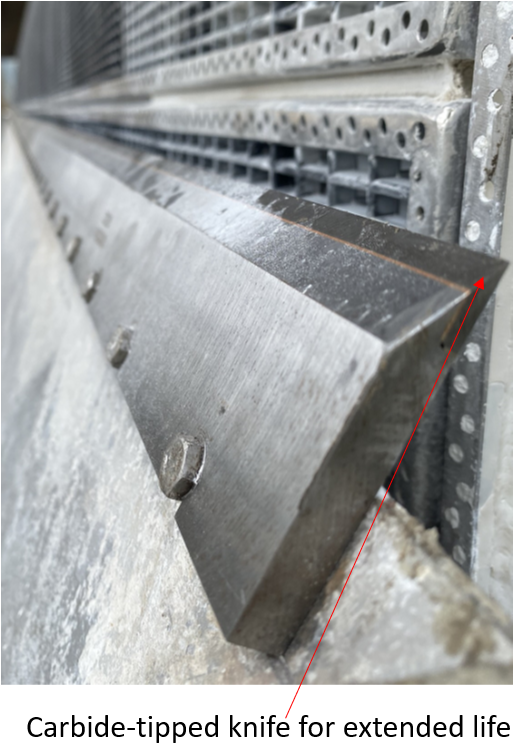
Routine replacement of the scraper knives to keep them sharp is a very rewarding practice. Some mills see 3% solids increase with replacing knives each year. For a typical mill, replacement of lime mud filter knives pays back in 2-4 months.
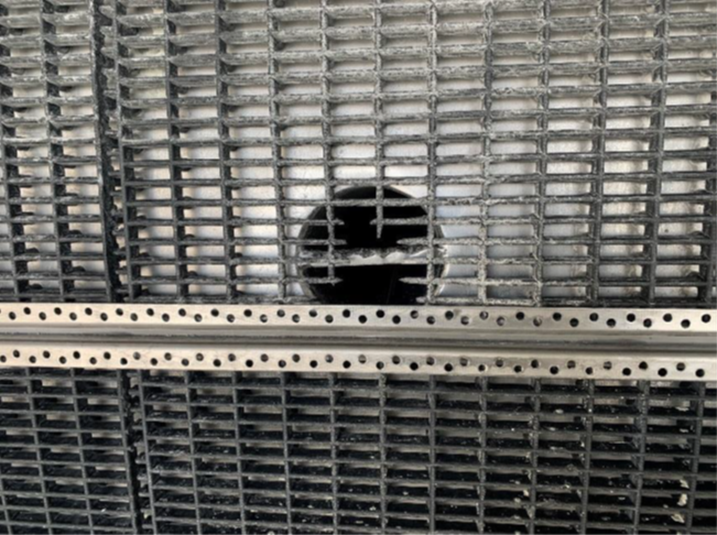
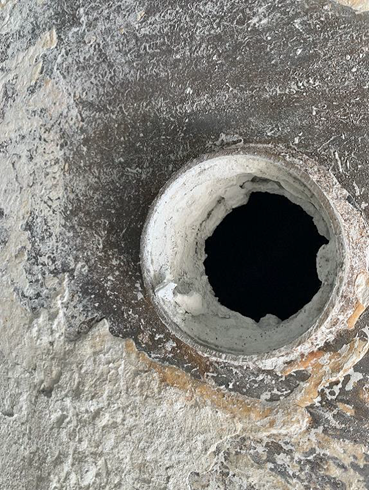
| Sharp blades improve discharge solids | The drum surface is covered by plastic grids which provide area below the drum surface for removal of filtrate to the drum internal piping system. The grids uniformly support the facewire which is susceptible to wrinkling, tearing, or hole formation. It is important during replacement of the face wire to inspect the grids for wear and replace as needed to minimize causes for potential face wire failure. | Check conditions of grids and replace as needed to prevent face wire damage | It is also important to periodically check vacuum relief ports on the drum head to confirm they are open and clean. Without proper vacuum relief, a small crack or hole in the drum internal piping can subject the drum structure to vacuum which can lead to cracks in the drum heads and premature failure of the drum, requiring very costly repairs and eventual replacement. | Check and keep vacuum relief nozzles open and clean | Proper lubrication, replacement of bearing liners, and wear plates per vendor recommendations also helps to maximize the equipment life. Timely replacement of bearing liners is essential and if left unchecked can result in damage to the drum trunnions which can lead to run out issues and costly repairs. | |
Petr Kulchitsky,
Senior Chemical Pulping SME
Kadant Black Clawson LLC
and
| |
Chris Knollman,
Chemical Pulping Applications Manager
Kadant Black Clawson LLC
| | | |
| | Optimizing Screening Technology for High Yield Pulp Mill Performance | |
In today’s competitive pulp and paper industry, mills are under constant pressure to increase throughput, improve fiber yield, and maintain consistent product quality often while processing a wide range of kappa and species. Screening technology sits at the center of this challenge. Modern cylinders, rotors, and screening systems must withstand high production rates, variable feed conditions, and abrasive contaminants while still delivering clean pulp. Reliable screening performance doesn’t just protect refiners and paper machines; it directly contributes to mill efficiency, energy and chemical optimization, and overall profitability.
Pulp mills rely on several types of screening systems, each with its own operational demands: knotter positions for coarse rejects, hot stock screening for high temperature, high consistency pulp, and washed stock screening for final fiber quality. The designs of cylinders and rotors, and the technical support behind them, play critical roles in ensuring steady, high yield performance across all three.
Knotter Screening: Managing the Coarsest Challenges
Knotter screens are the mill’s first line of defense. Tasked with removing undercooked chips, knots, and other rogue debris found in the fiber stream. Because material entering knotters is highly variable, equipment in this position must withstand both the high variability and impact of foreign objects from upstream digesters or mechanical pulping processes.
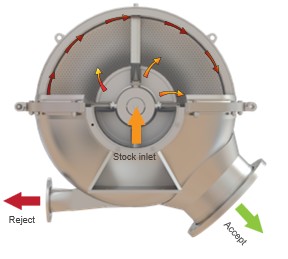
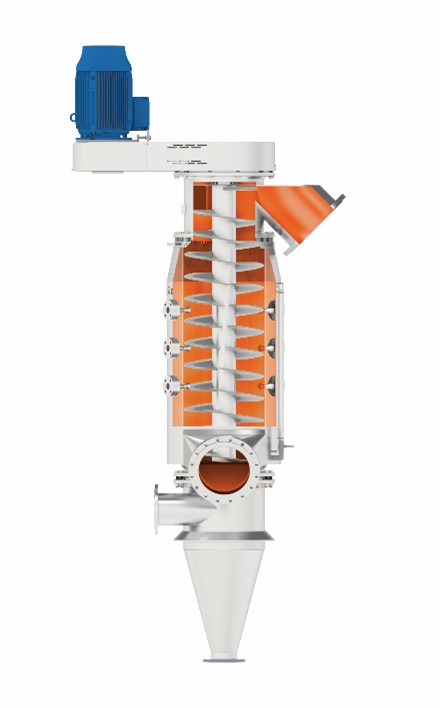
Because of the harsh demands of a knotter, several specialty screens have been developed over the decades with the goal to provide high reliability and robustness in a critical position. Kadant offers a Radiscreen and Raditrim pairing for this position that accomplishes production goals with unique geometry and low speed operation that protects internal components against damage from debris that can damage a screen.
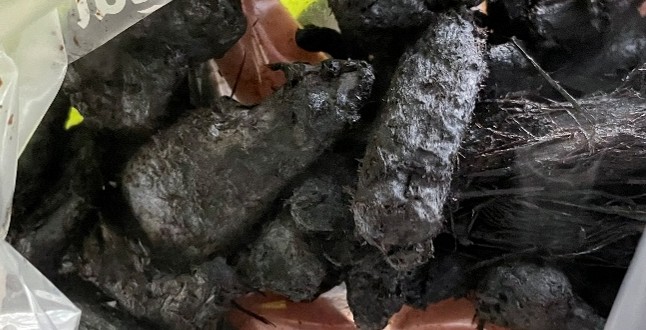
| Cutaway of Radiscreen-K Primary Knotter | Cutaway of Raditrim-K Secondary Knotter | Raditrim is a Secondary Knotter that uses a closed, non-pressurized screening environment to efficiently remove knots and other debris from the fiber stream while keeping the black liquor contained. The vertical screw elevates knots and other debris up through a showering zone to remove any fiber before being dropped onto a conveyor or other reject path. The Raditrim is also equipped with a heavy reject trap to evacuate heavy debris like rocks, bullets, or other metals. | Knots Rejected from Raditrim | |
Hot Stock Screening: High Temperature, High Consistency, High Demand
Hot stock screening combines many of the harshest demands a screen can face. Elevated temperatures, high shive content, active chemical environment, and high consistencies are paired with a production demand that commonly outpaces what the original system design. This type of screening is particularly demanding on cylinders and rotors due to thermal expansion, resinous materials, and high fiber velocities. Equipment selected for this position must be engineered for dimensional stability and slot integrity under heat.
The Impulse Rotor and V-Max wedgewire cylinder are the Kadant standard in hot stock screening. The robust mechanical design of these components allows for reliable production, even through upstream disruptions. The Impulse rotor is a drum rotor that can be custom designed for your needs. Through experience, Kadant has developed a standard specification for nearly all screen models seen in pulp mills but also has the flexibility to adapt to a system that must address challenges that are not standard. Rotor speed, foil pass frequency, and clearances are only some of the variables that Kadant can modify to provide a rotor suited for a mill’s needs.
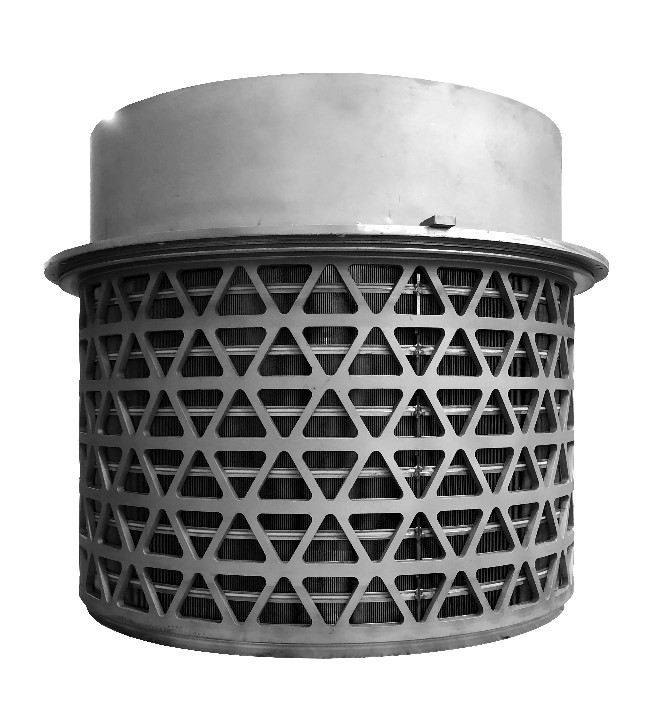
The V-Max cylinder is the toughest, most reliable option in the market. The V-Max is designed to withstand both the extreme environment of hot stock screening and the mechanical fatigue that is associated with high cycle, high intensity pressure pulsations that are required for today’s production needs.
| V-Max Cylinder with optional Rock Hood (for downflow screen designs) | |
The V-Max is a rebuildable cylinder. It reuses the cage as a basis to mount new panels to provide the proper slot width and wire profile to provide high quality stock. The V-Max cage imparts strength to the cylinder through the clip-and-groove design. This unique feature gives the wires strength against the powerful negative (inward) pulsations delivered by the rotor, which often are an order of magnitude or greater than the positive (outward) pulse.
For mills focused on high yield production, hot stock screening efficiency has a direct and measurable impact on overall fiber recovery. Kadant’s technical support teams that understand the interaction of furnish variability, kappa, and screen performance can help fine tune system settings and select the correct cylinder types to maintain optimum flow.
Washed Stock Screening: Fine Screening for Final Fiber Quality
Screening after pulp has been washed tends to have an increased focus on final pulp quality. The “slick” liquor environment of hot stock screening is beneficial for increased production but allows debris through at a higher rate than washed pulp slurries. Here the goal is to remove shives, uncooked fiber bundles, and small contaminants before stock enters bleaching, refining, or the paper machine. Slot widths are significantly narrower, and the demands on rotor dynamics are greater.
The benefits of the V-Max and Impulse in a hot stock position can also be adapted for washed stock applications. Through a variety of wire profiles and available slot width designs, the V-Max can be specified to provide high quality pulp for the downstream process. Likewise, the Impulse design can be adapted to higher efficiency by modifying speed and foil patterns to limit debris passing through the cylinder.
The challenge lies in maximizing capacity while maintaining the precision required for clean final pulp. Cylinders must be manufactured to ensure stable slot performance across long production runs. Mills seeking high production rates rely on suppliers who can provide application specific rotor designs, engineered to maintain open slot area and reduce plugging under variable furnish conditions. A plugged or worn cylinder can have plant-wide consequences, emphasizing the need for durable materials, robust rotor mechanics, and responsive technical support.
Reliable Equipment and Support for Diverse Furnishes
With growing use of mixed species, higher kappa targets, and everchanging chip sources, screening systems must adapt to broader and more unpredictable furnish characteristics. Mills increasingly depend on suppliers who offer not only precision engineered cylinders and rotors but also process expertise. Having a supplier that can support troubleshooting, system audits, slot selection, rotor optimization, and predictive maintenance is a key piece of a highly optimized pulp mill.
Pulp mills succeed when screening systems run smoothly. With modern screening technology and supported by experienced technical teams, mills can handle process upsets, improve fiber recovery, and maintain consistent product quality while pushing production goals higher than ever.
| |
By Steven Johnson
Product Manager - Screening
Kadant Black Clawson, LLC
| | | |
| | |
No, I am not talking about a steakhouse, or geography in Australia. I am talking about lime mud filters and where they are lost in the mill. I am sure that 99% of the employees on a virgin mill site don't know what these are or where they are, but their uptime and efficient operation is vital to the mill. I am pleased to see Kadant Black Clawson devoting efforts to making them better. If you own one, I hope you read the first article in this issue.
By Jim Thompson, CEO
Talo Analytic
International &
Paperitalo Publications
jthompson@taii.com
| | | | China's new pulp import restrictions create 'black swan event' for OCC | |
| | The announced restrictions on dry-milled recycled pulp imports could set the table for a full ban on the material. | | | | Sustainable Progress and Innovations in Pulp and Paper: November Highlights | |
| | As this year comes to an end, it is clear that the path toward a sustainable future in the pulp and paper industry remains ongoing and evolves with each new development. Numerous organizations across the sector continue to introduce innovative solutions and respond to changing regulations, highlighting both progress and new challenges. | | | | Recognizing sustainable progress | |
| | Although many major corporations have amended sustainable packaging goals, experts cite progress over the years, though more work must be done. | | | | What a difference a year makes | |
| | With nearly 10 percent of North American paper capacity shuttered this year, the second half of the decade is starting with much less optimism than the first half. | | | | Fiber Foundations™ is a joint production of Paperitalo Publications and Kadant Black Clawson, LLC and is exclusively sponsored by Kadant Black Clawson, LLC | | | | |