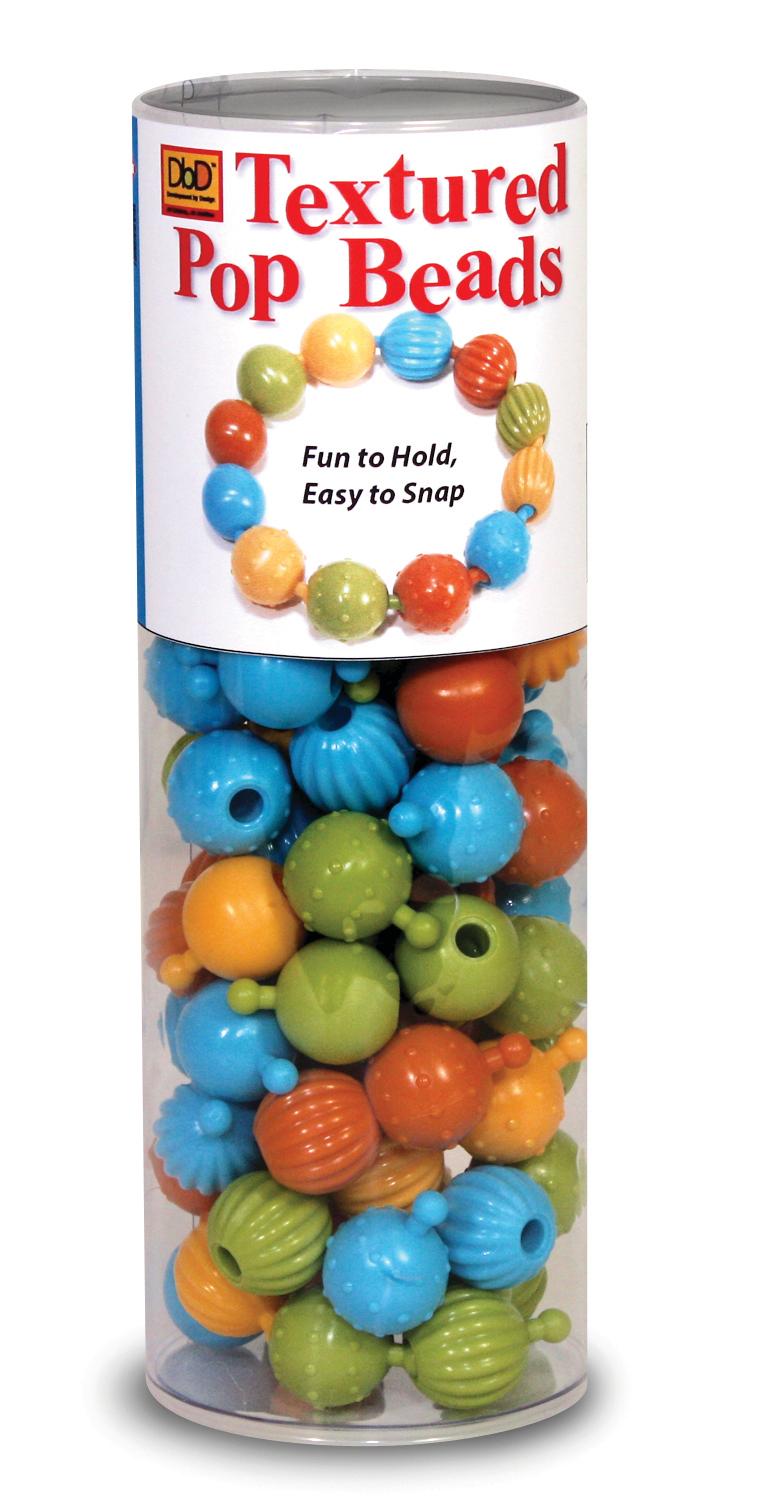
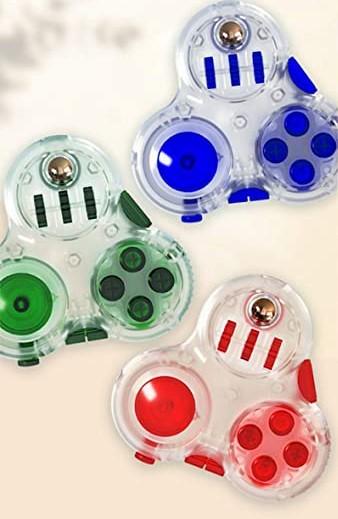
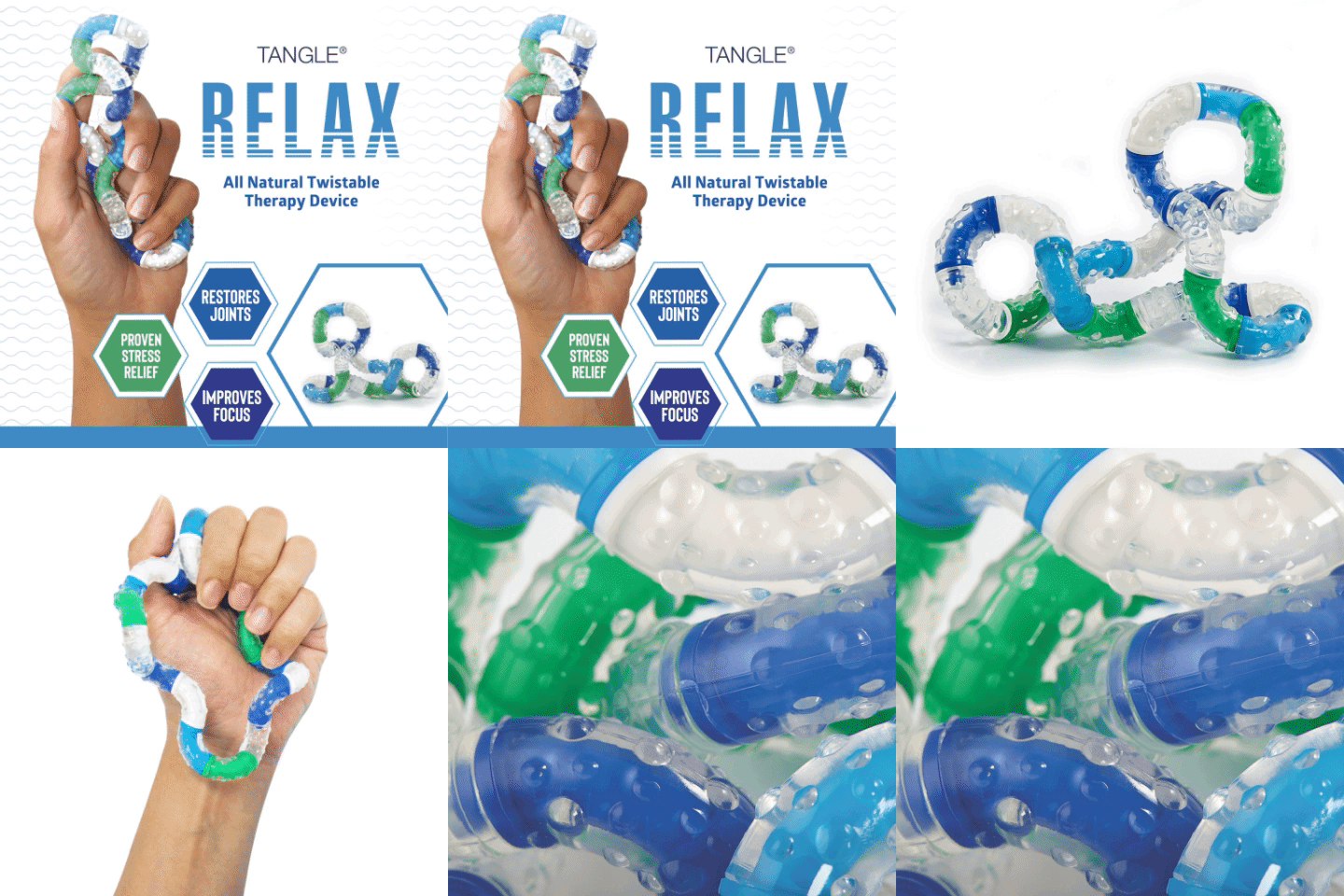
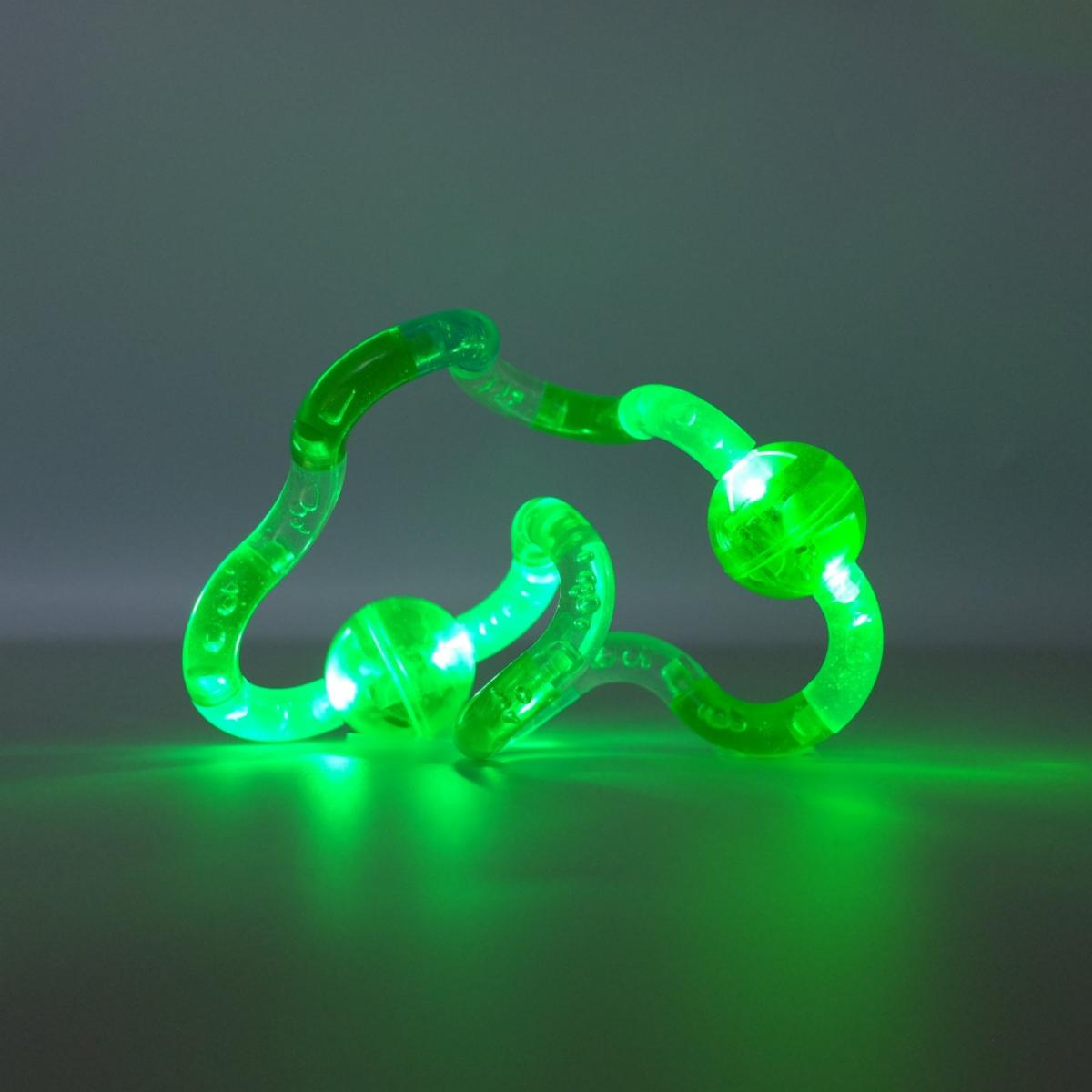
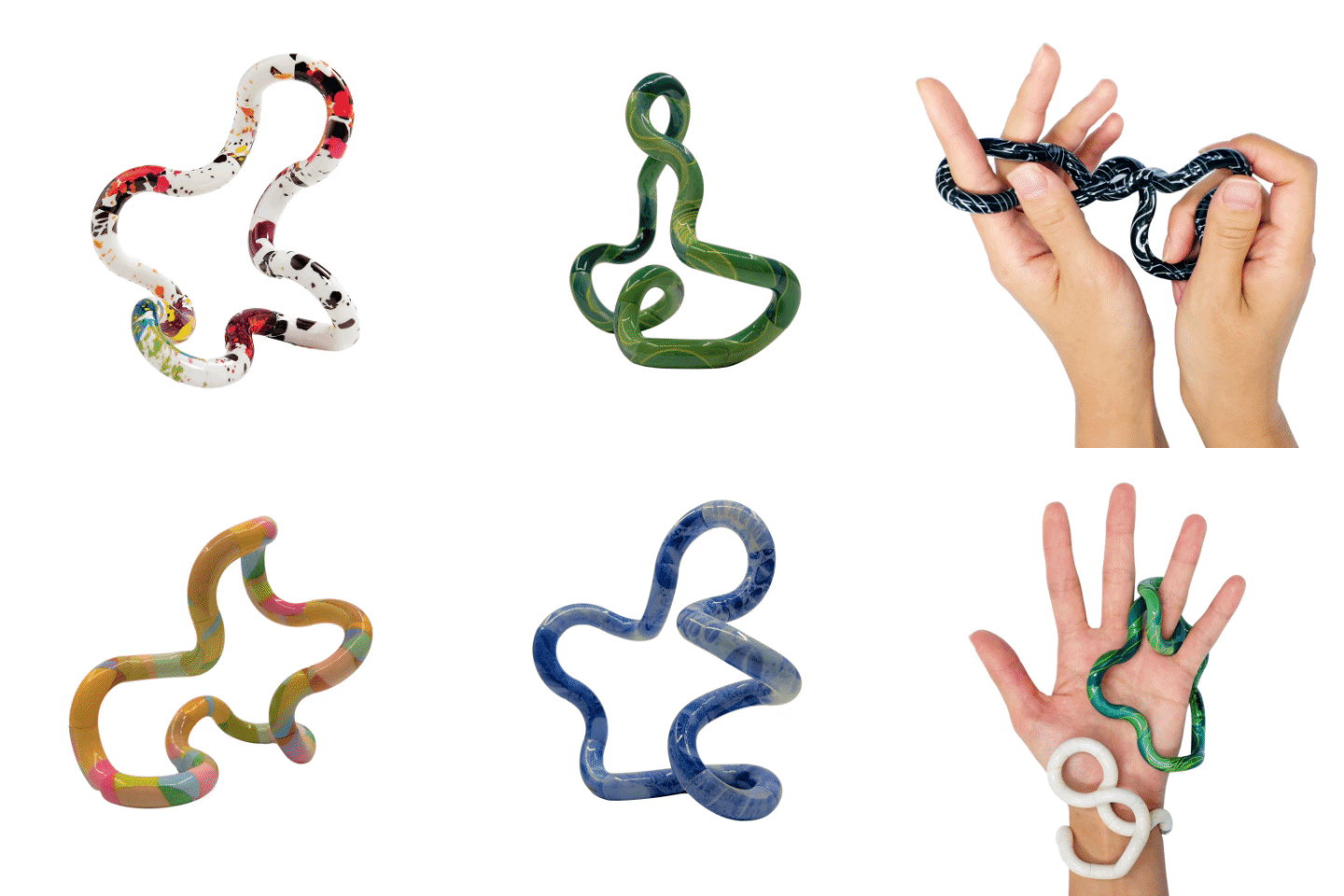
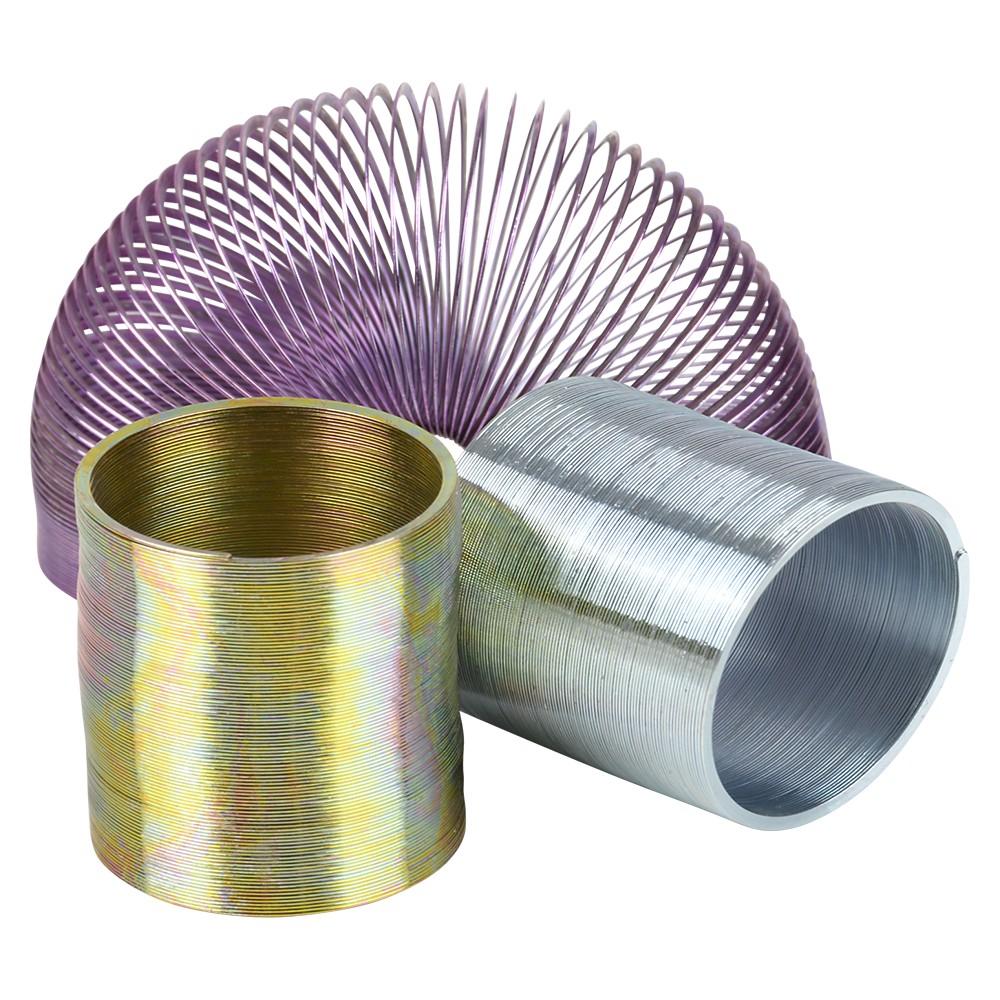
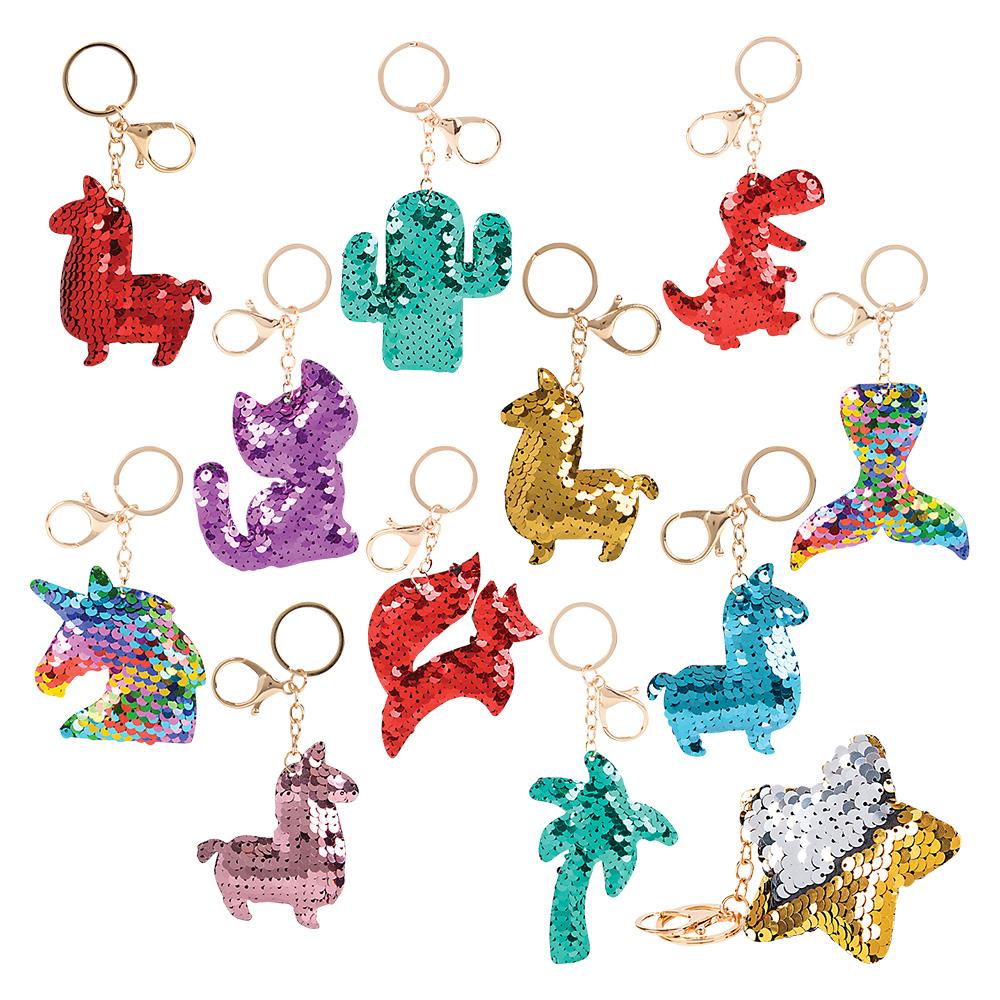
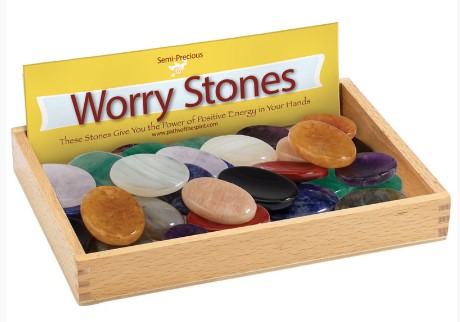
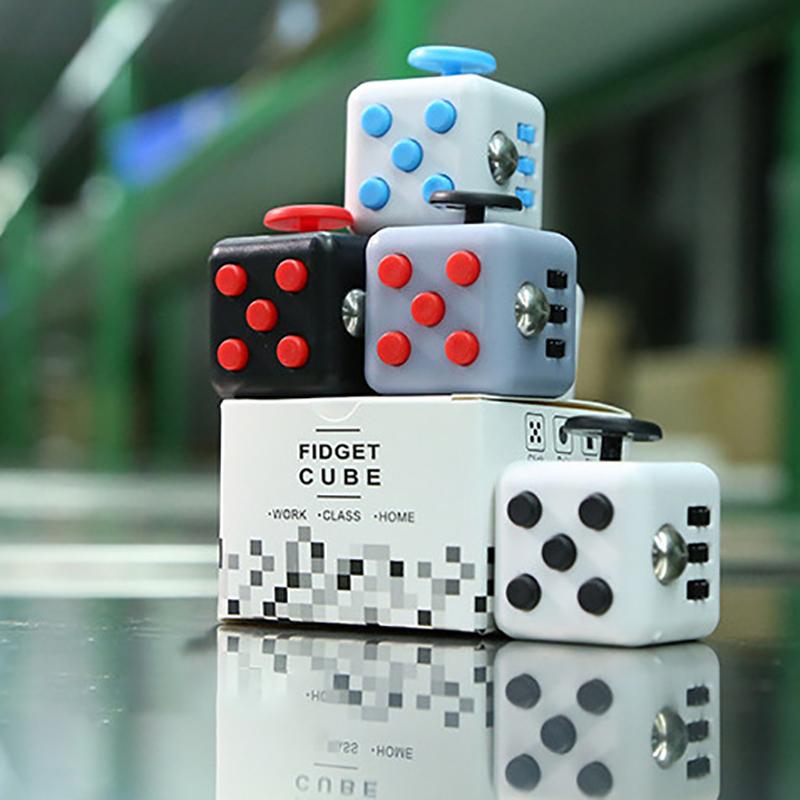
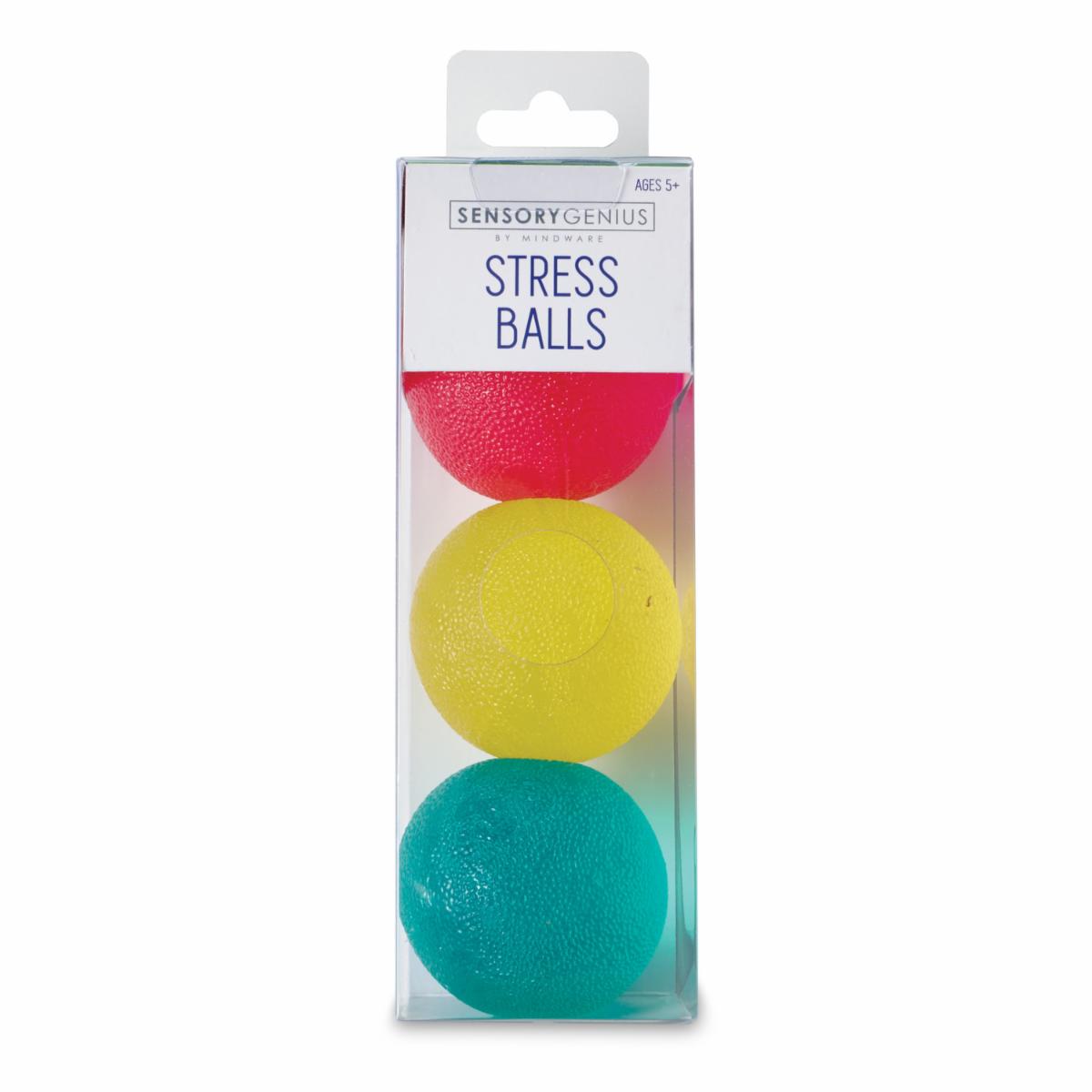
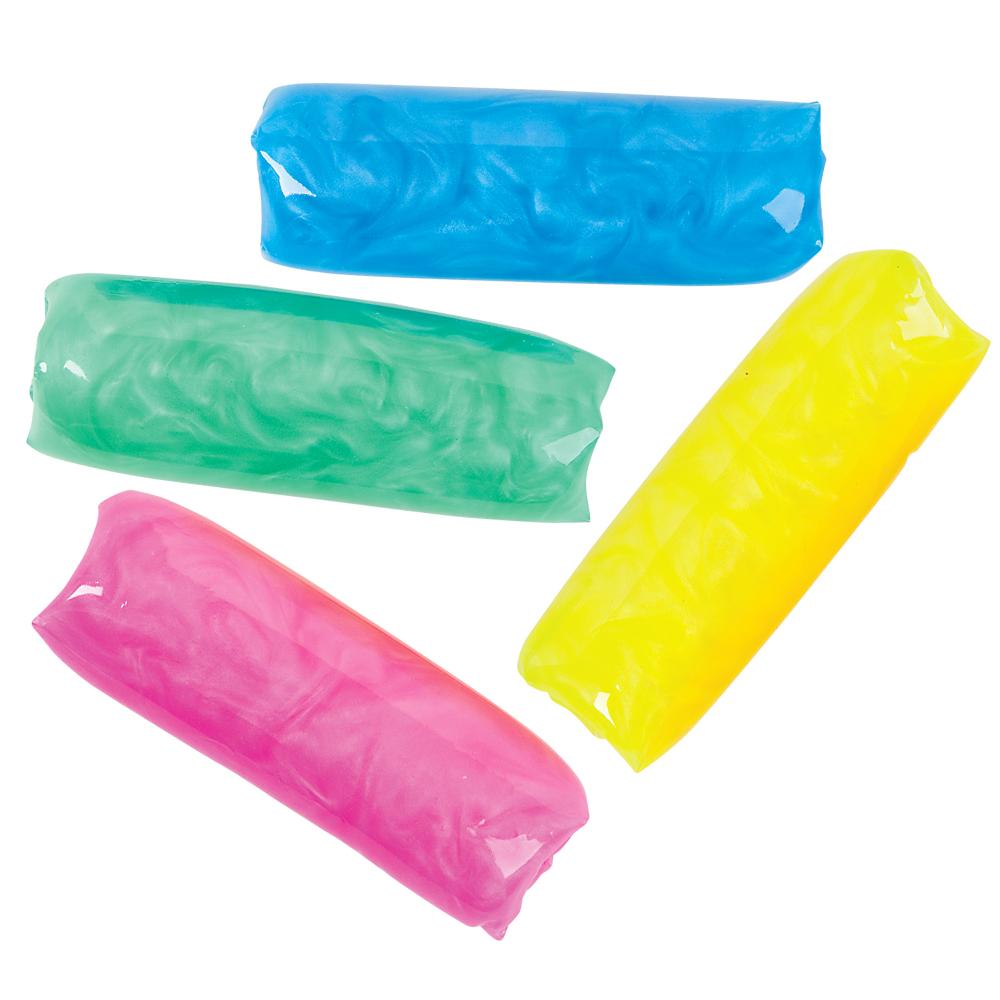
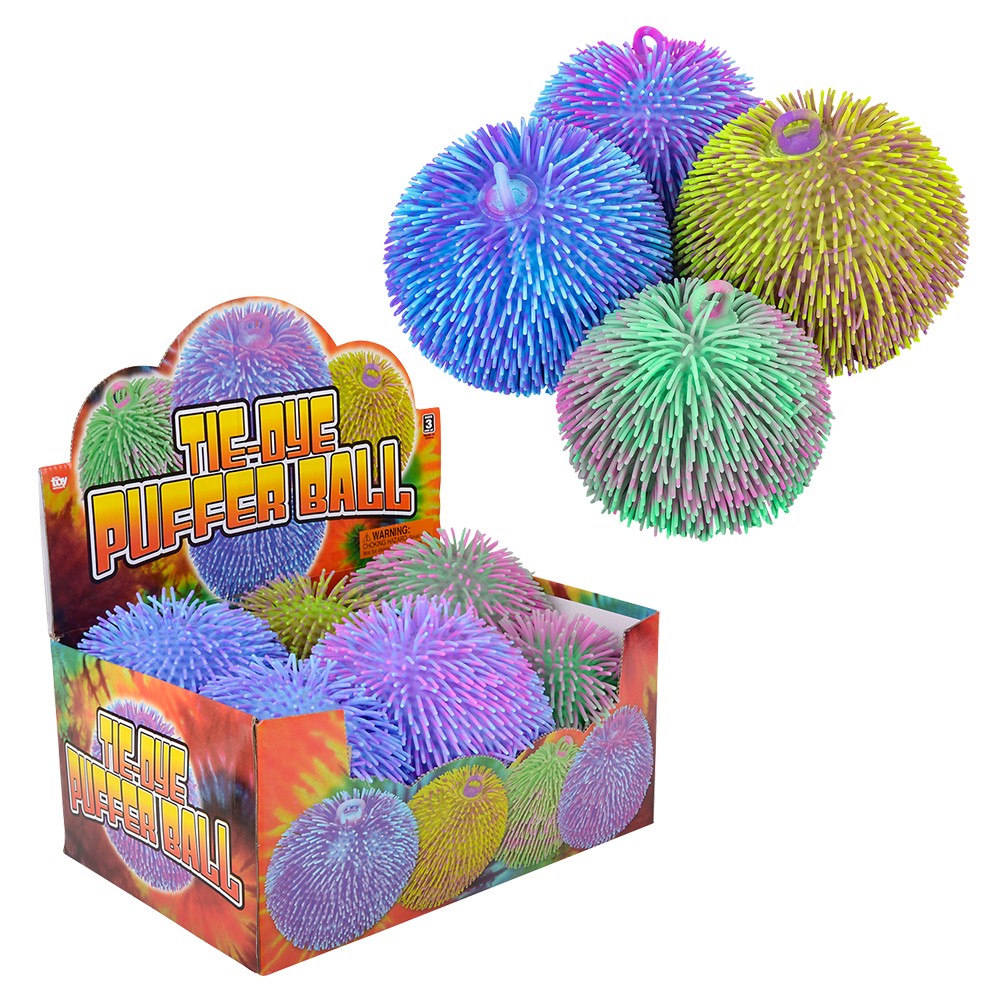
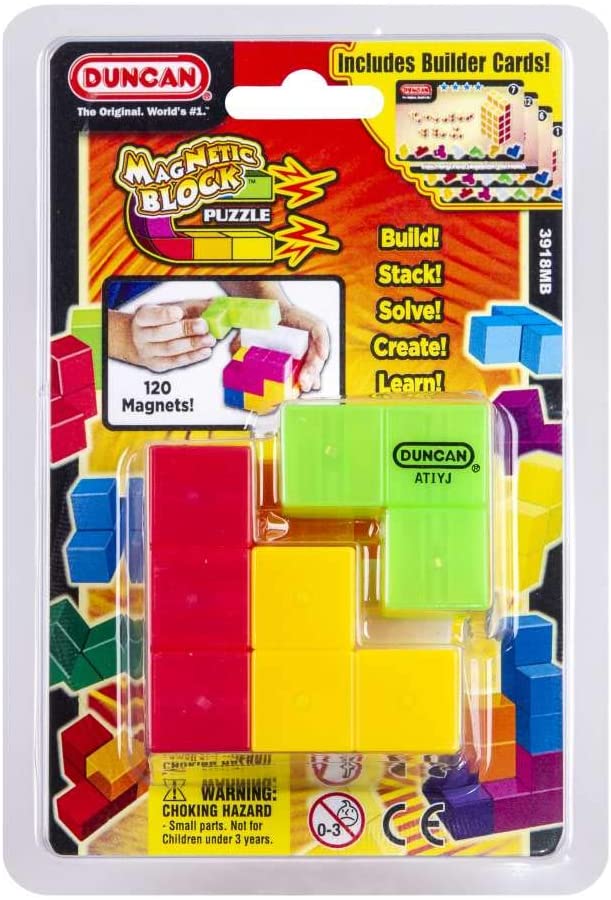
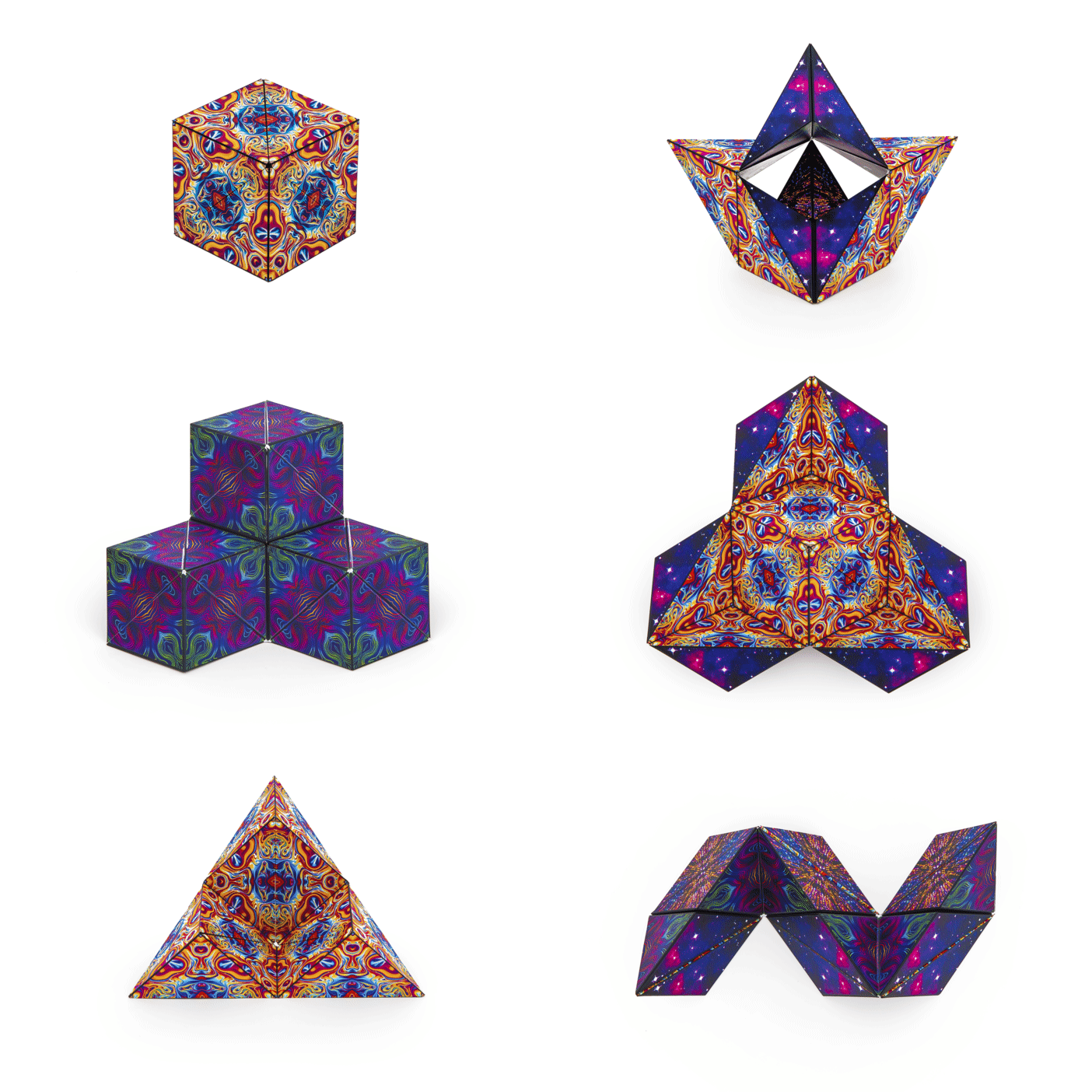
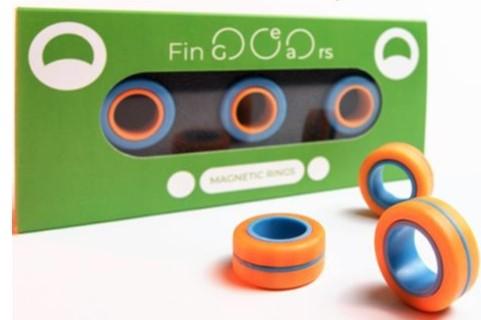
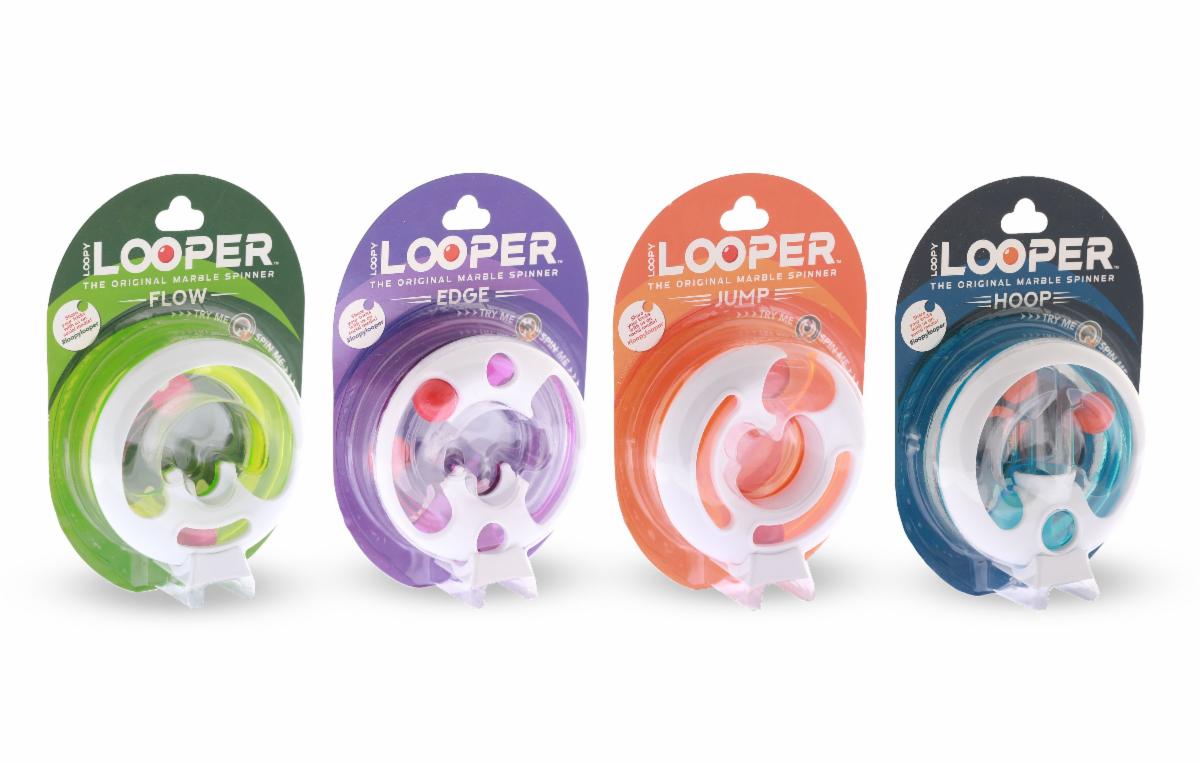
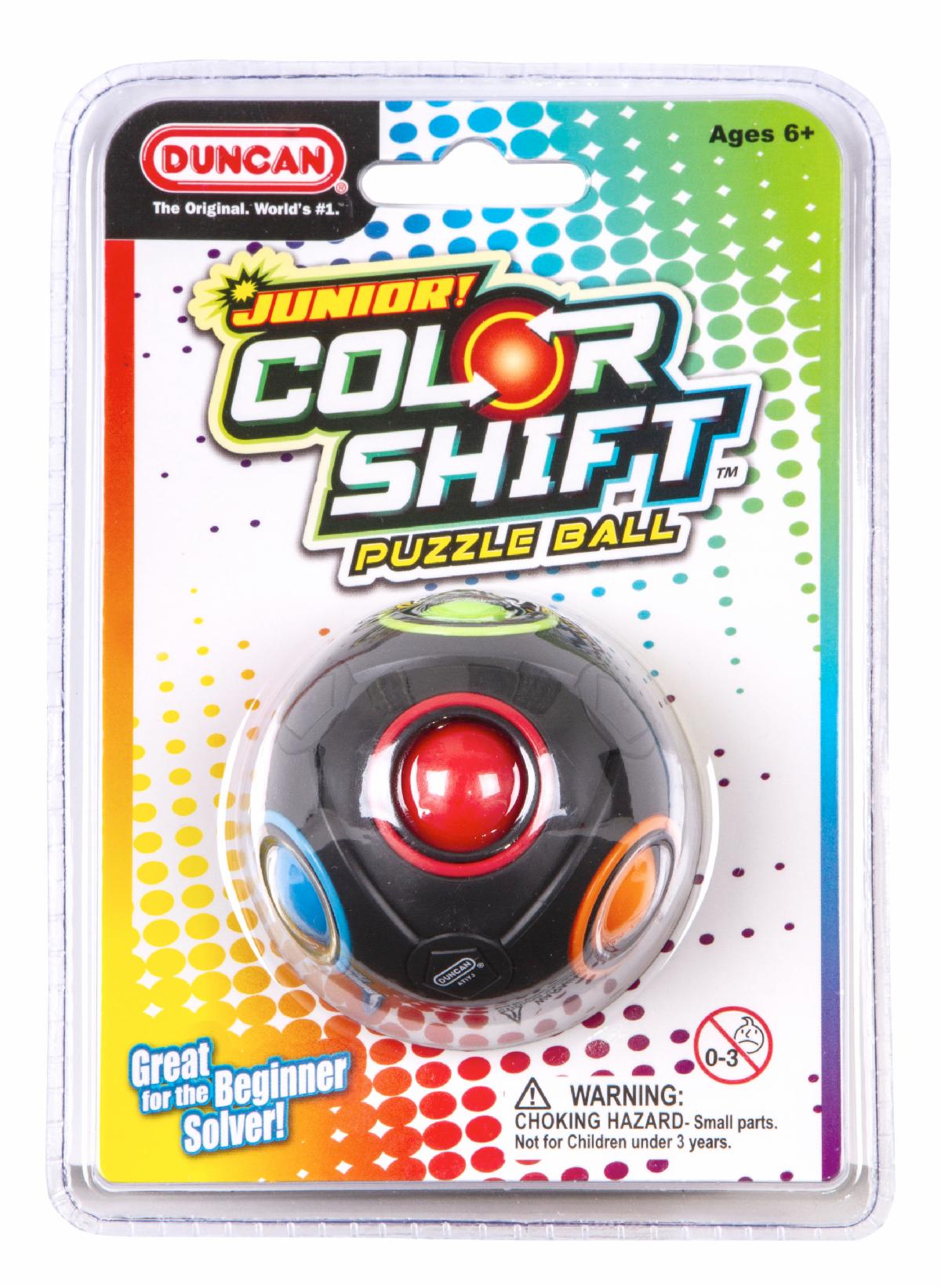
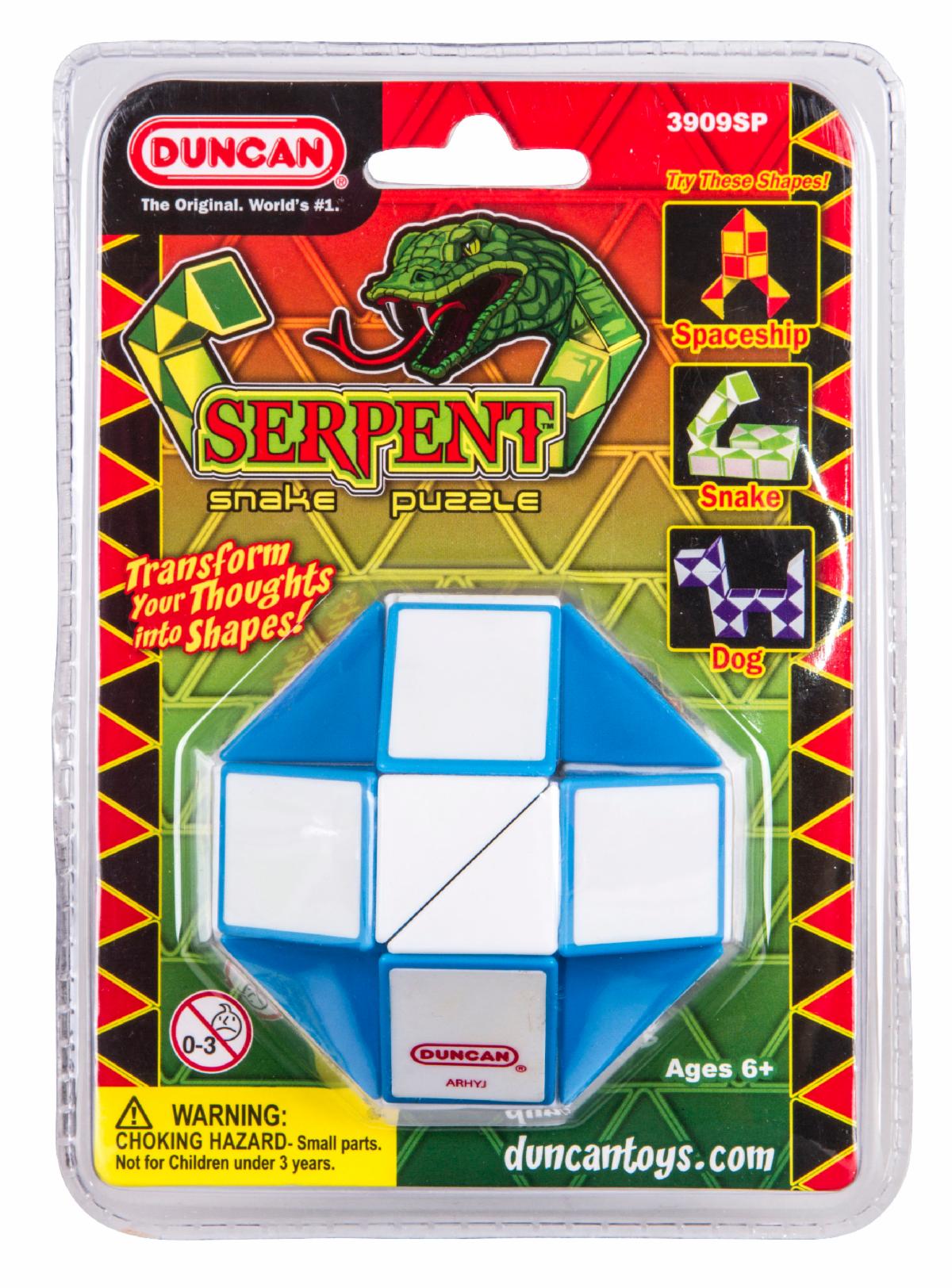
Fidget toys have exploded in popularity again. I wanted to know why, and what was causing this.
Many of the initial studies pointing to the positive effects that fidgeting has had with helping kids focus has been done by Julie Schweitzer, professor of psychiatry and behavioral sciences at the UC Davis Mind Institute. Schweitzer says "Anxiety surrounding Covid-19, and working or attending school from home is a challenge. People are expected to be paying attention to virtual meetings for hours. Anything you can do to help improve people's attention, alertness, and emotional regularity could be helpful".
In her studies, Schweitzer has found that fidget devices both ease anxiety, and can lead to an increase in focus.
Jennifer Rothman, LCSW who works with special needs children agrees. "These gadgets and toys have been particularly helpful during the pandemic. Anxiety thrives on unpredictability, and we have a lot of that right now. Finding calming practices and ways to manage stress is even more crucial, and tactile input can be incredibly soothing."
What resonated for me was, we all have nervous habits. They manifest themselves though our nail biting, cracking our knuckles, moving our knee up and down while sitting, twirling our hair, and many more repetitive (and soothing) behaviors.
Fidget toys can replace those activities, and can actually help kids stay focused while sitting still and attending in a long meeting or when taking on a major task.
Sydney Zentall, PhD. says "when a child needs to look at and/or listen to a teacher, quiet tactile manipulatives can be effective classroom tool choices to help promote that increased focus".
The question then looms "Do all fidget toys increase focus?" It depends on the type of fidget toy given. As I delved into this further, I found out that not all fidget toys are created equal.
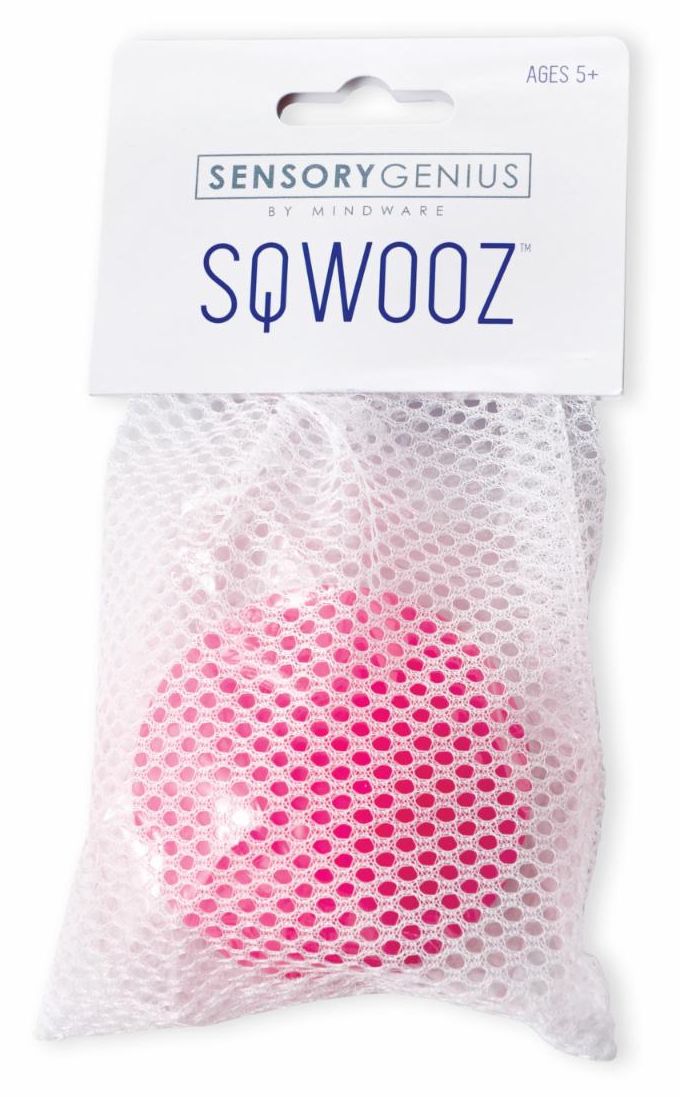
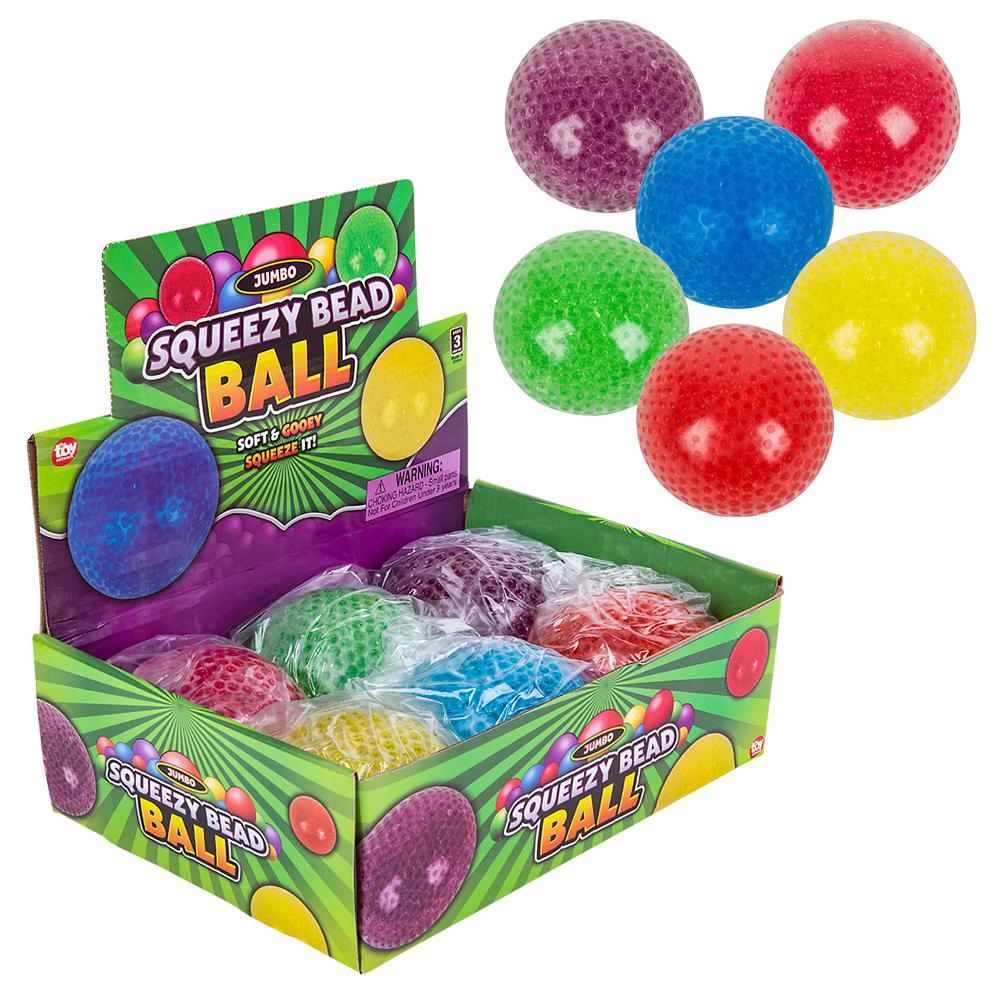
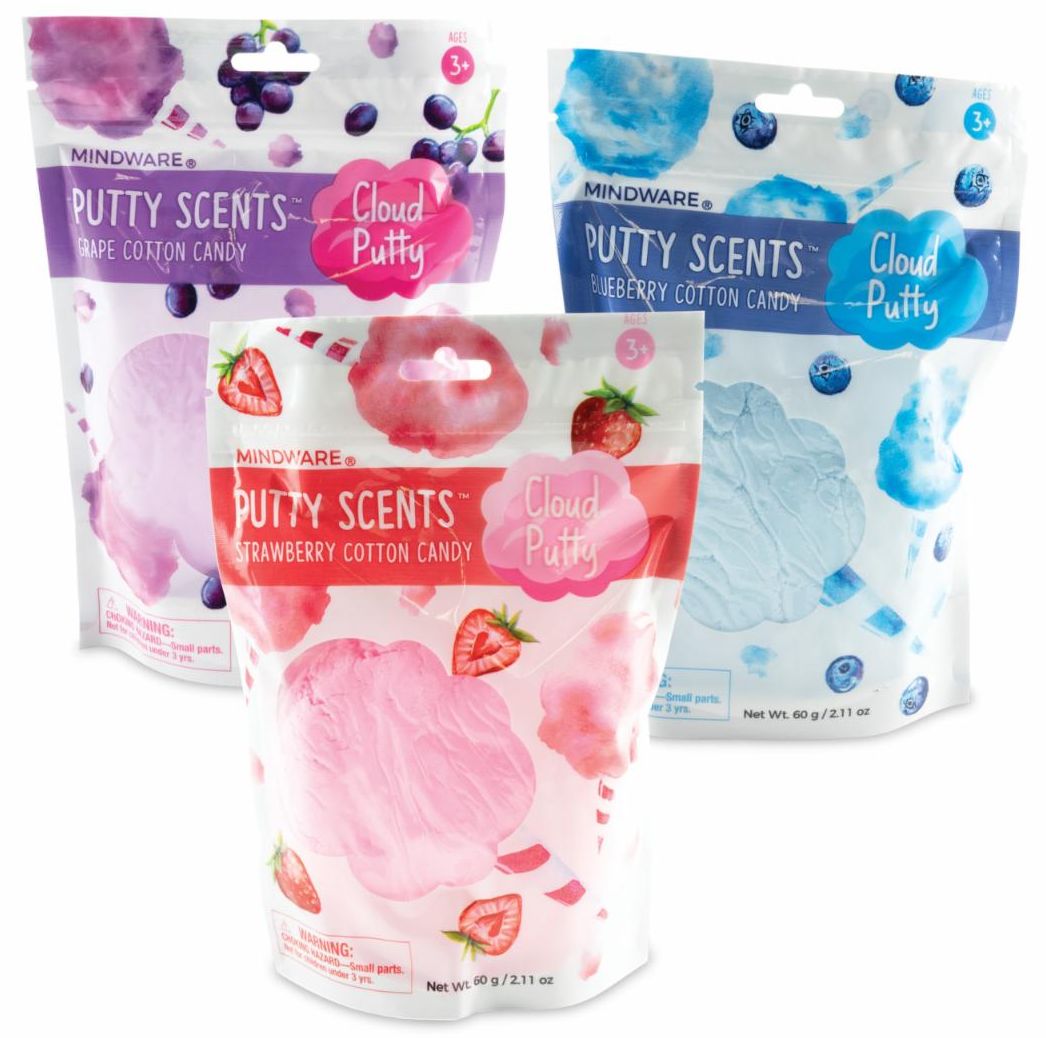
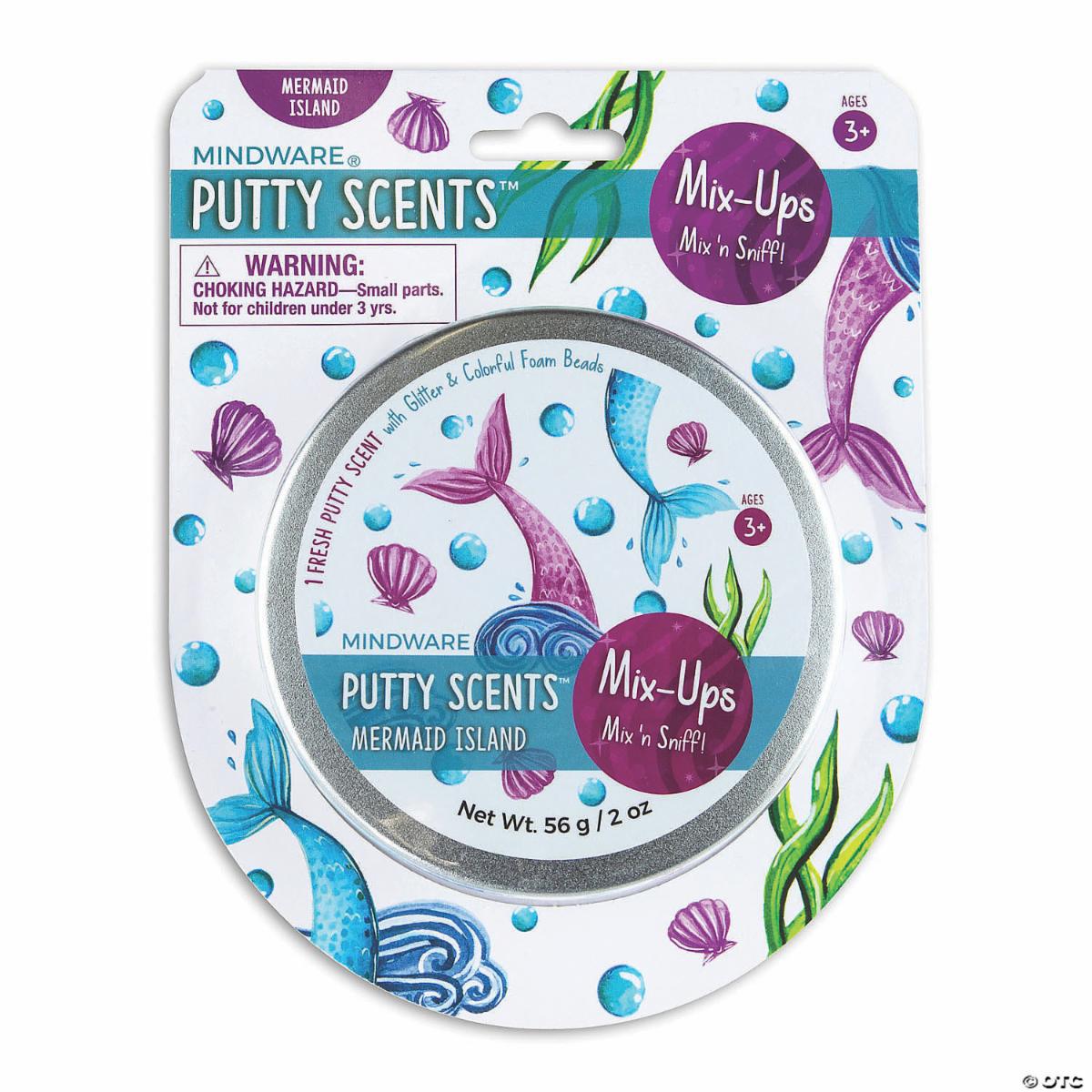
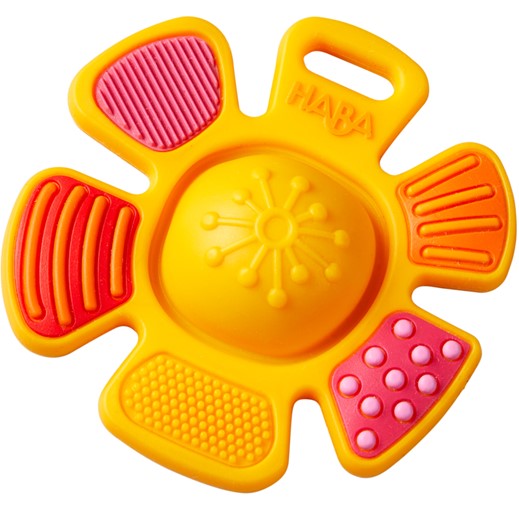
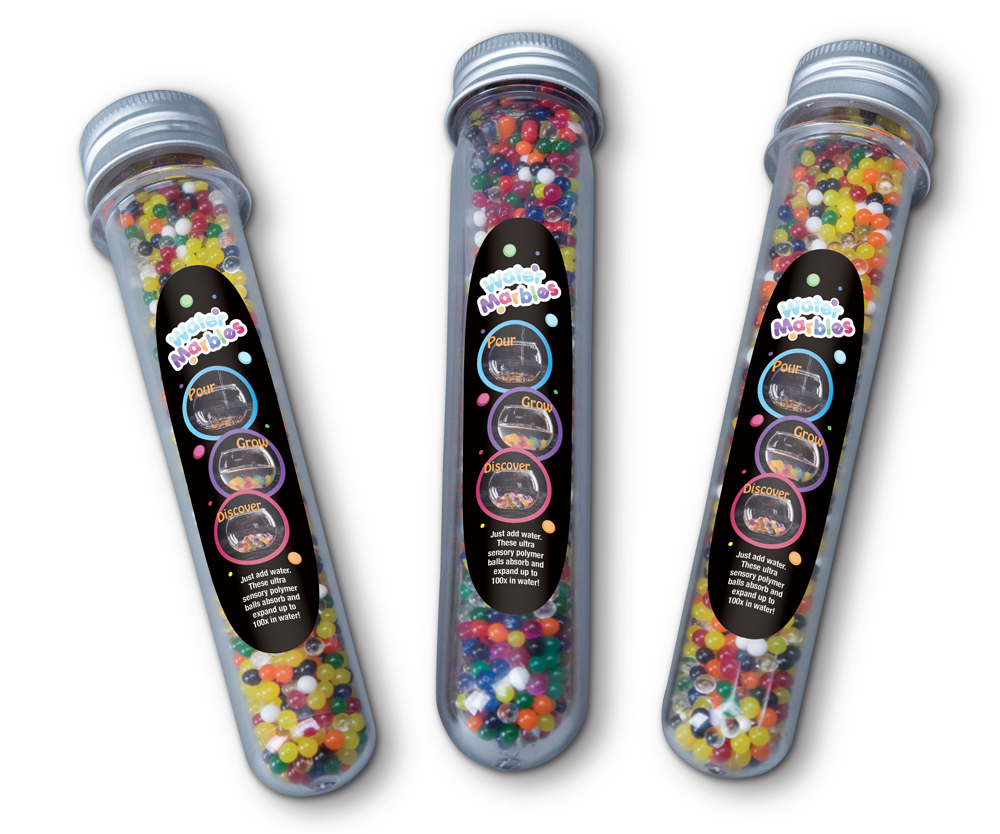
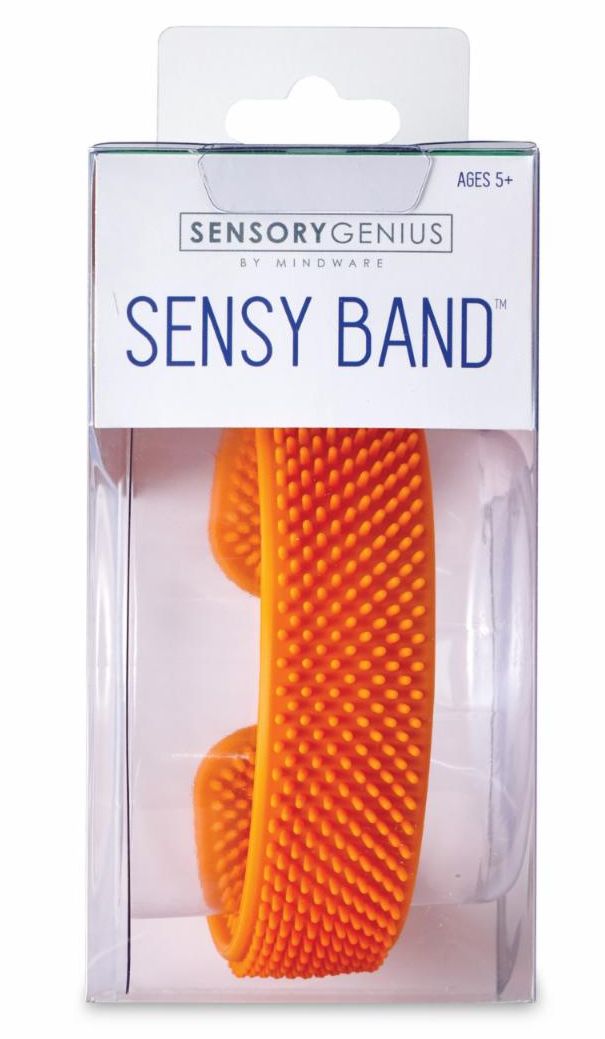
To help break it down, there are two main categories. The first is an object, that takes no visual attention, and is essentially involved in a repetitive movement. I'll refer to this as Sensory Fidget. The Sensory Fidget enables the child to focus on the instructional learning, while providing comforting, repetitive motion.
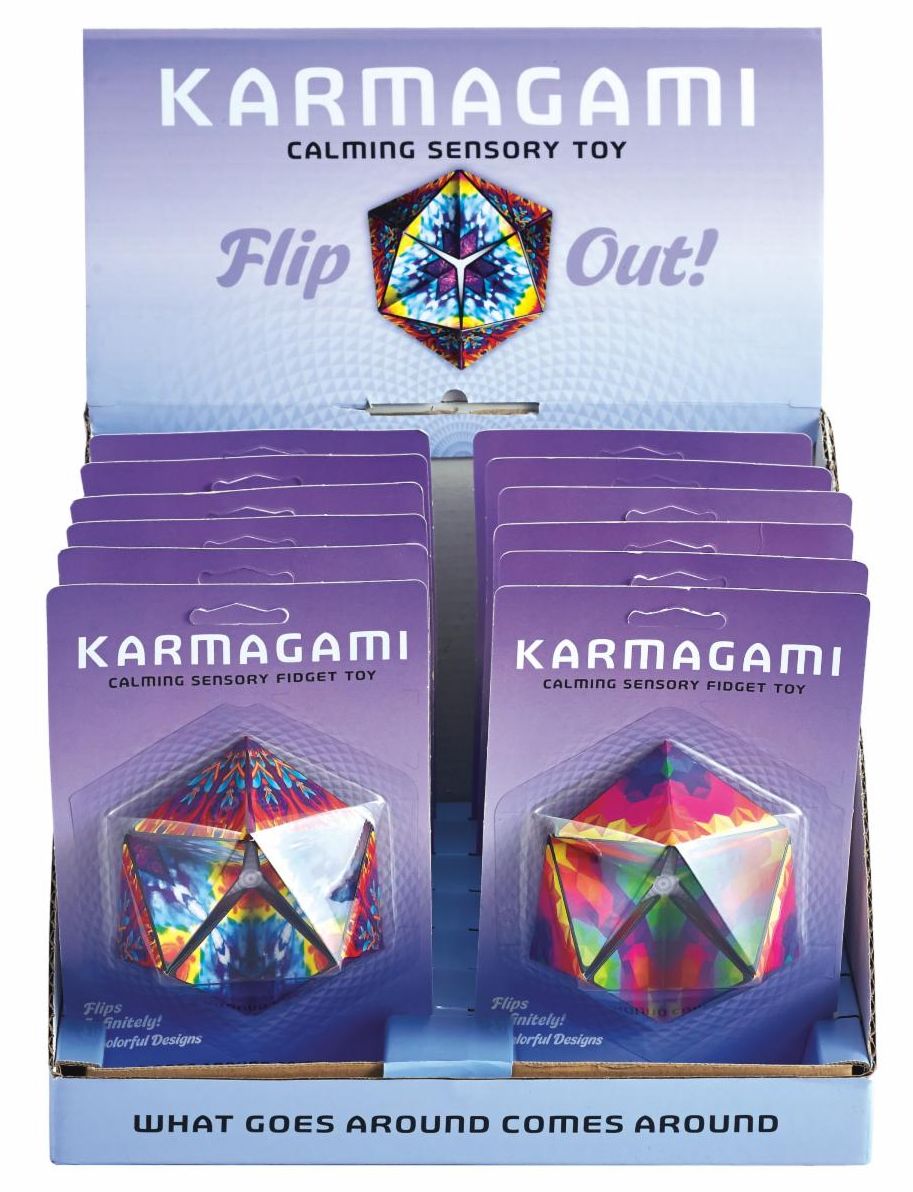
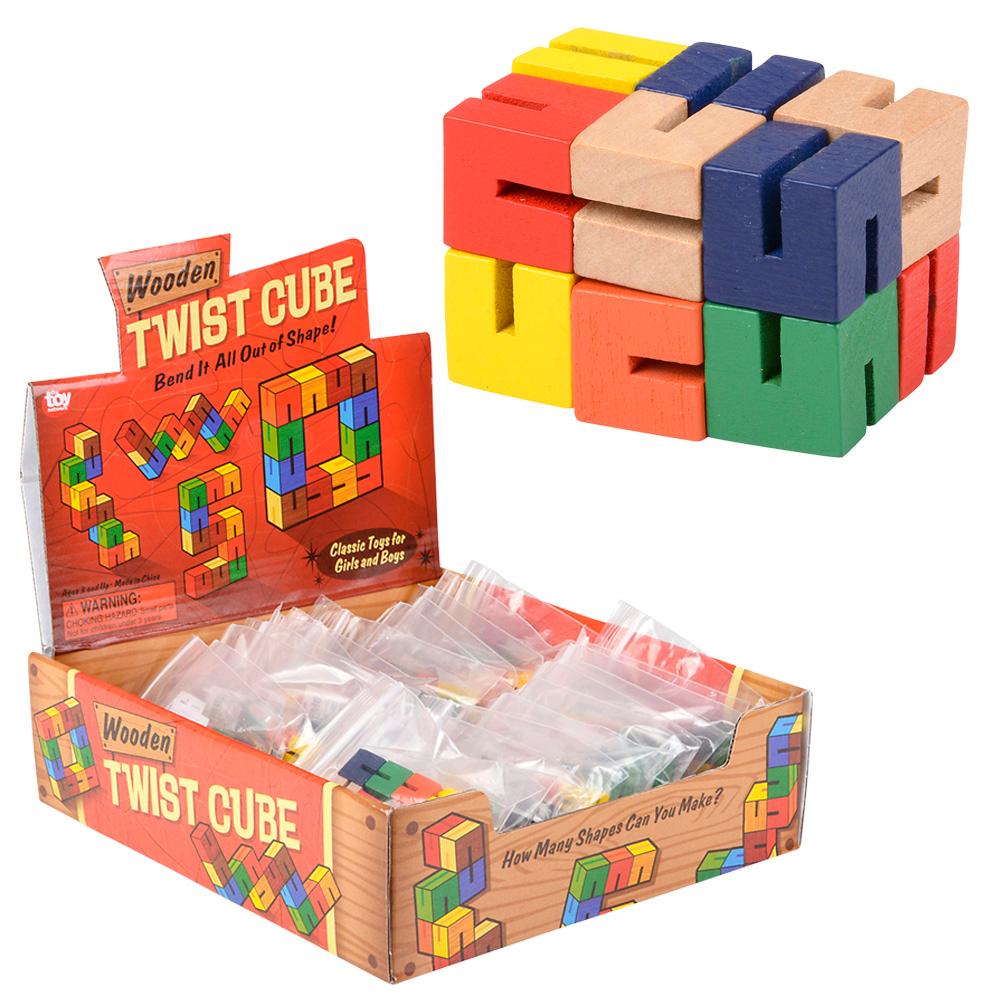
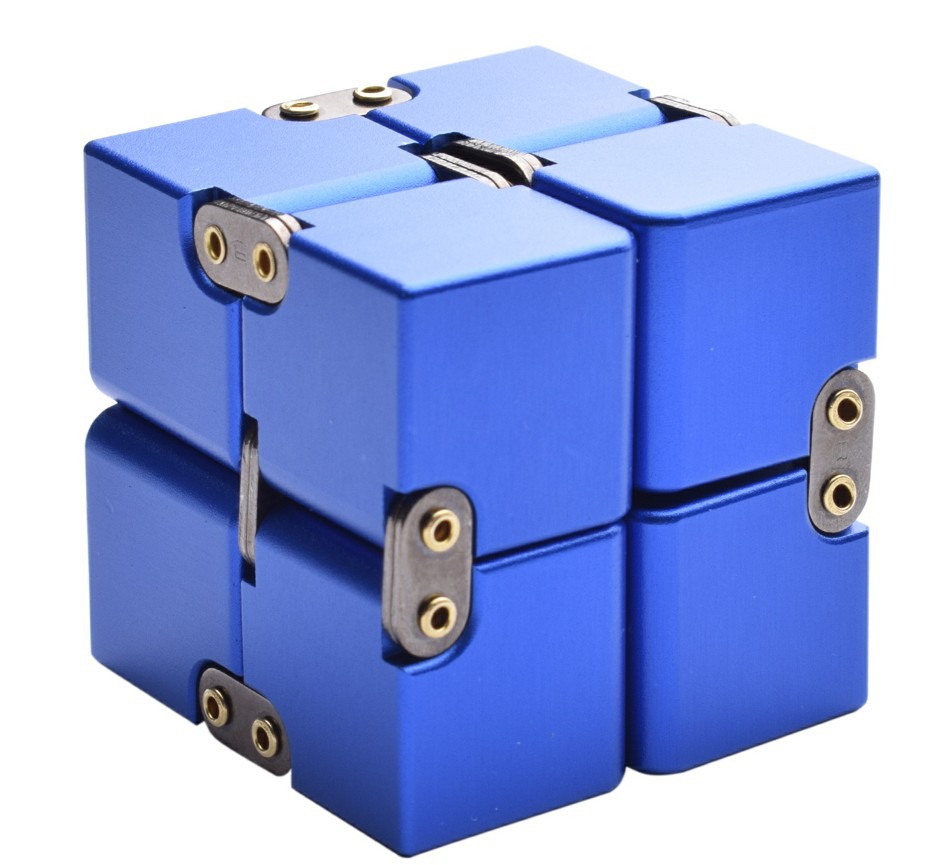
We also have the Skill Fidget. This is an object that has a certain level of challenge to it, requiring both visual attention and oftentimes manual dexterity. These toys would be especially useful during breaks in instruction as a way to release anxiety.
What we are seeing with fidget toys is not a fad. This won't go from 0-100 and then die down just as quickly as it started.
We are seeing a change in children's behavior during this pandemic. Fidget toys are meeting a need, and helping kids cope.
I don't feel that we will have a break out winner like the Fidget Spinner from a few years ago. Rather I think we are going to see much innovation from manufacturers in 2021 in providing both tactile and sensory toys.
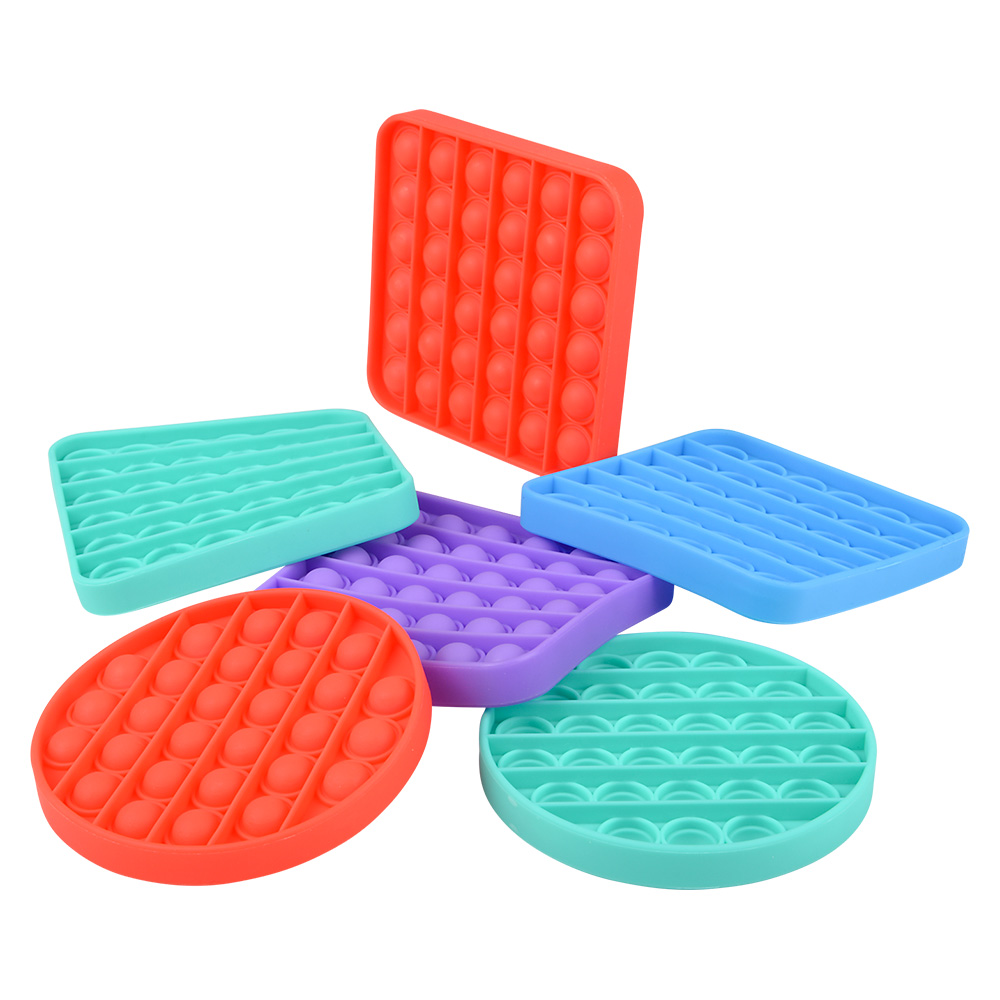
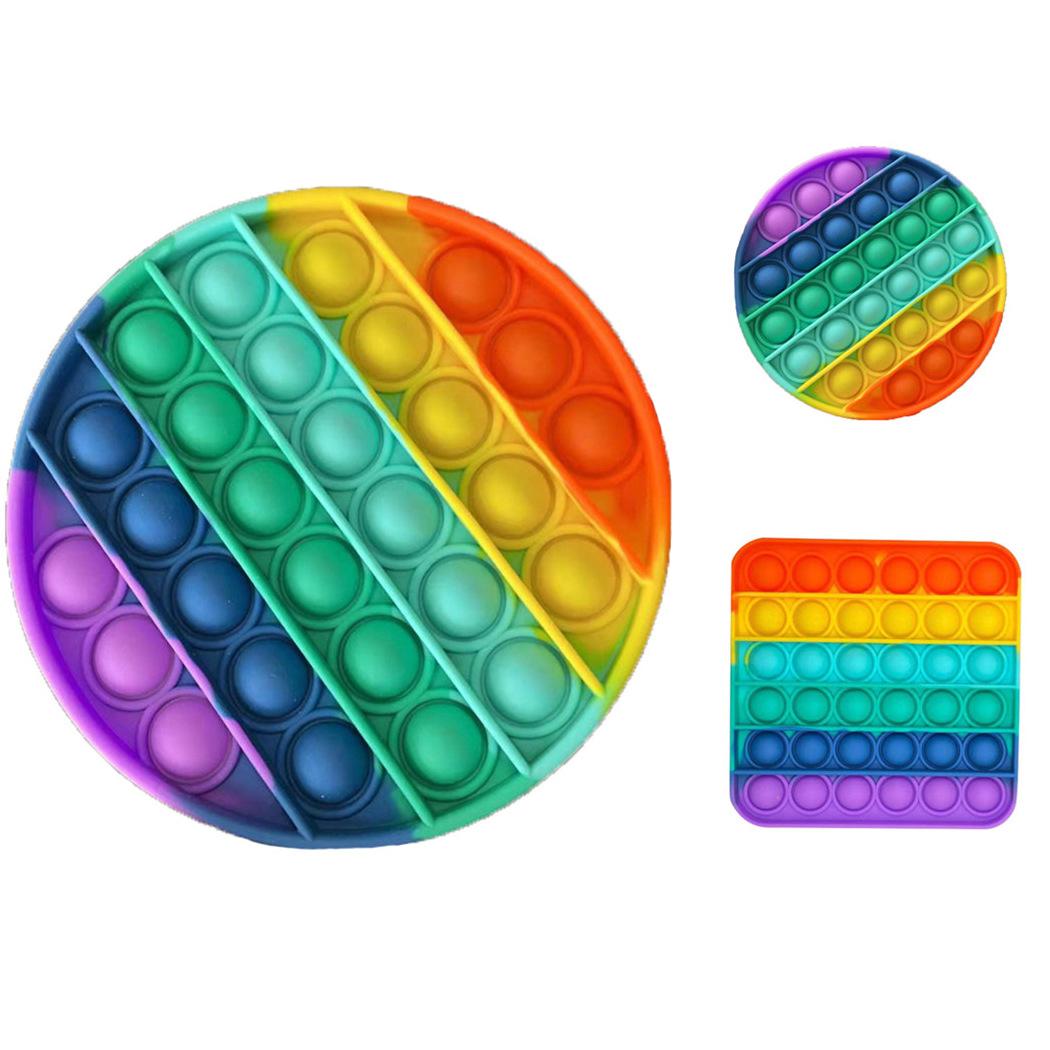
Poppers are currently the most popular fidget toy. That will probably fade soon, and a new one will take it's place. That will then fade, and another new one will take it's place.
What won't fade in 2021 is the need for comforting, tactile, and sensory toys for children (and adults) of all ages.