| | The Newsletter of Fig Tree Books | | June '25: Issue #67 --- Fredric D. Price, Founder & Publisher | | Fig Tree Blog Named as One of 25 Best Jewish Blogs for 2025 | | Visit FeedSpot to see the list | | Click on the Blog above to sign up | |
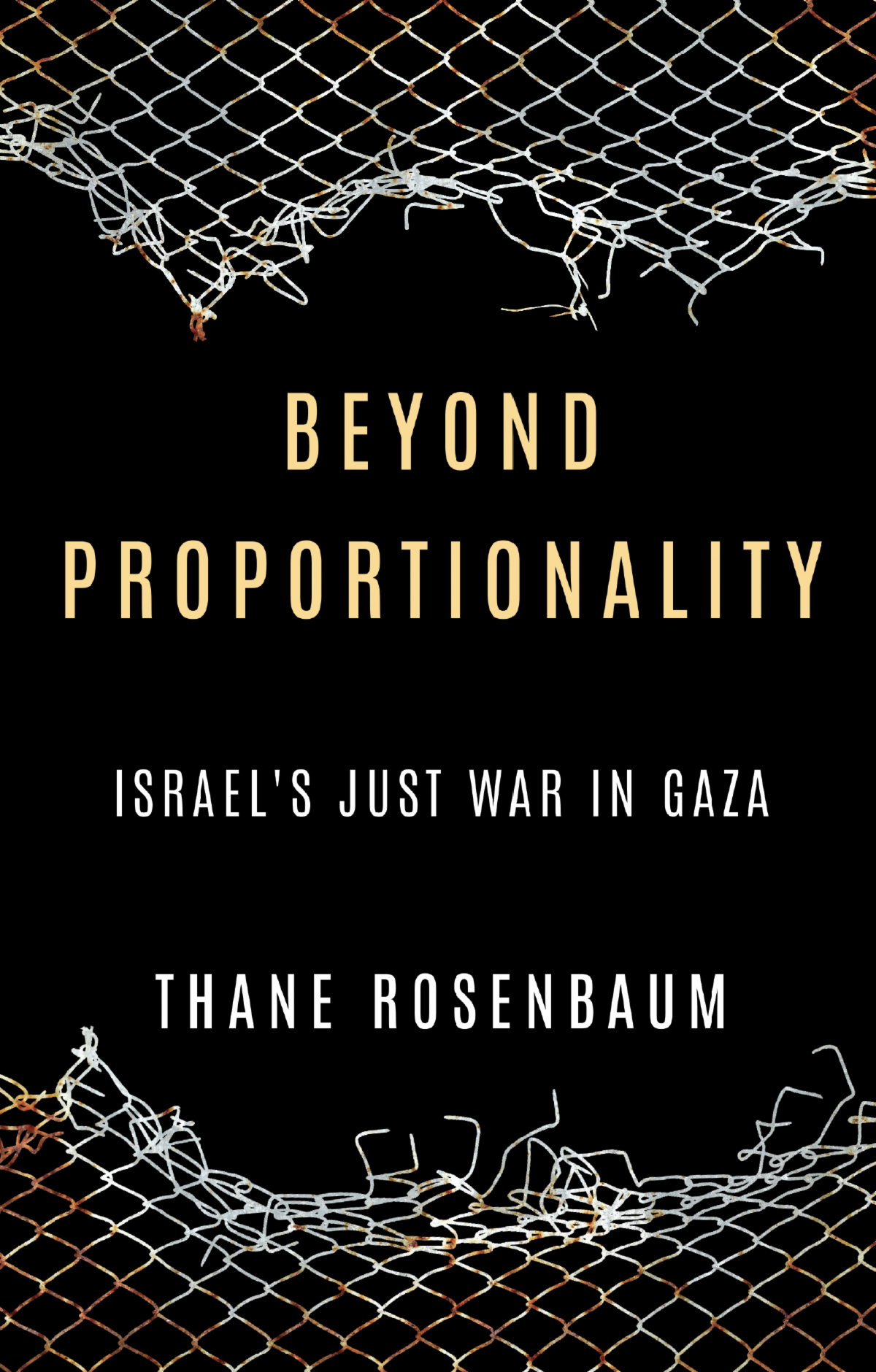
BOOK: Beyond Proportionality - Israel's Just War in Gaza,
by Thane Rosenbaum
| | |
Imagine a war without battlefields. There are no uniforms. Civilians and combatants are indistinguishable. Homes, schools, hospitals, and religious buildings are used as command centers and for the warehousing of weapons. Apartment rooftops are launching pads; the civilians who live inside…human shields. There are over 300 miles of reinforced tunnels, all outfitted with weapons, communications, and surveillance equipment. Such passageways enable terrorists to travel freely.
Everywhere a soldier turns presents a threat. Collateral damage is the unavoidable consequence of a right of self-defense in a war where enemy combatants are standing behind their own civilians. The situation is madness, and a moral morass.
And, yet, every time Israel is forced to defend itself against terrorists who shield themselves among civilians, it is blamed for causing disproportionate death, when the legal principle of proportionality is not violated at all.
Beyond Proportionality examines the relevant legal standards, as embodied in the U.N. Charter, international humanitarian law, and, most especially, the principle of proportionality, as codified in the Geneva Conventions, and concludes that Israel’s war in Gaza is lawful and just. The targets are terrorists, weapons, and tunnels—not innocent civilians. Israel relies upon verifiable intelligence and deploys precise weapons, endangering its own soldiers in order to minimize civilian death. And, yet, as in any war, there is collateral damage, but it is proportionate to necessary military objectives.
The bombings of Hiroshima and Nagasaki, and Dresden, in which hundreds of thousands of civilians were killed, did not, under the laws of armed conflict, constitute genocide. The same could be said of the large number of civilians unintentionally killed in Iraq and Afghanistan, on urban terrain not unlike Gaza, but without the global public scrutiny.
| | | | |
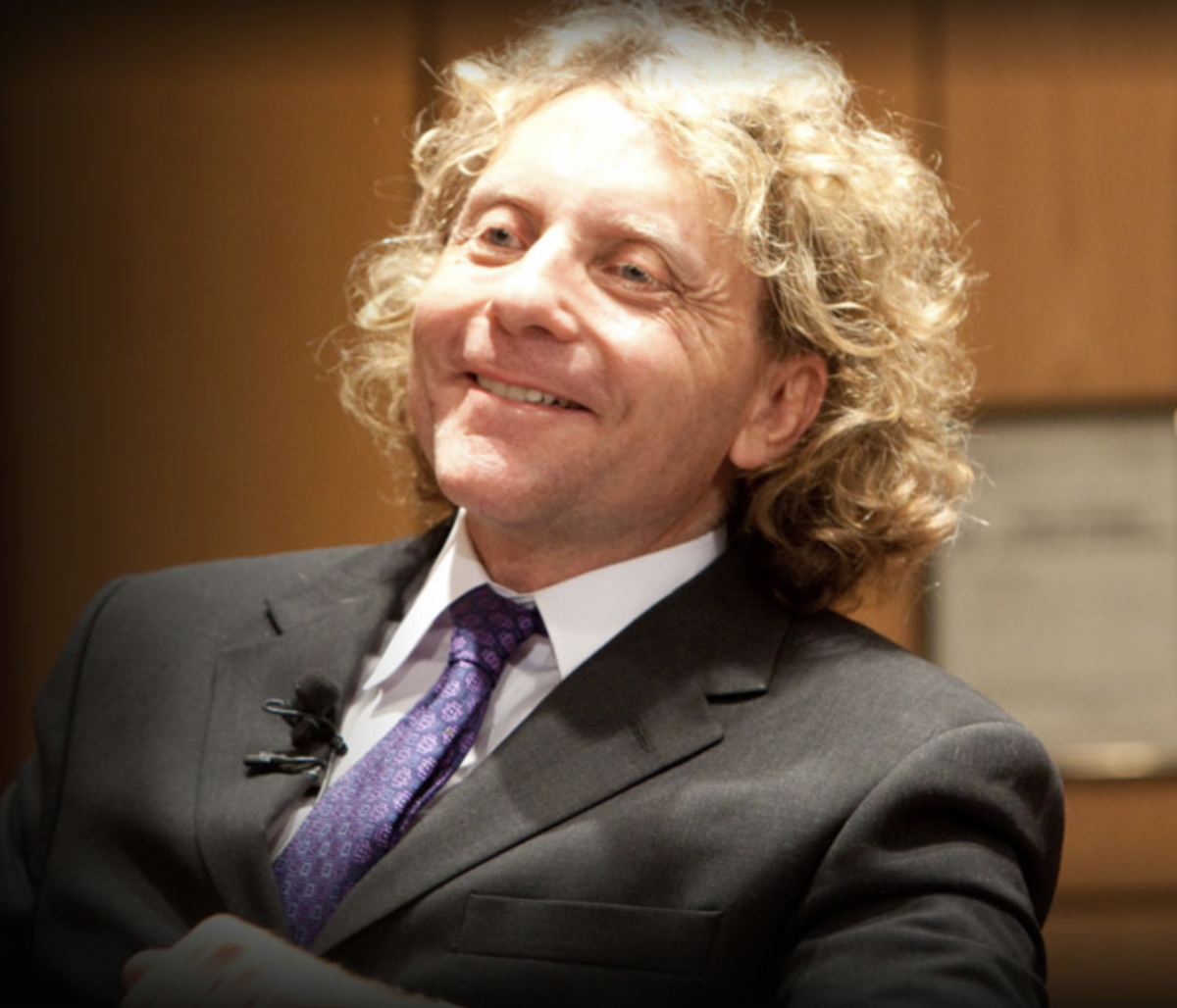
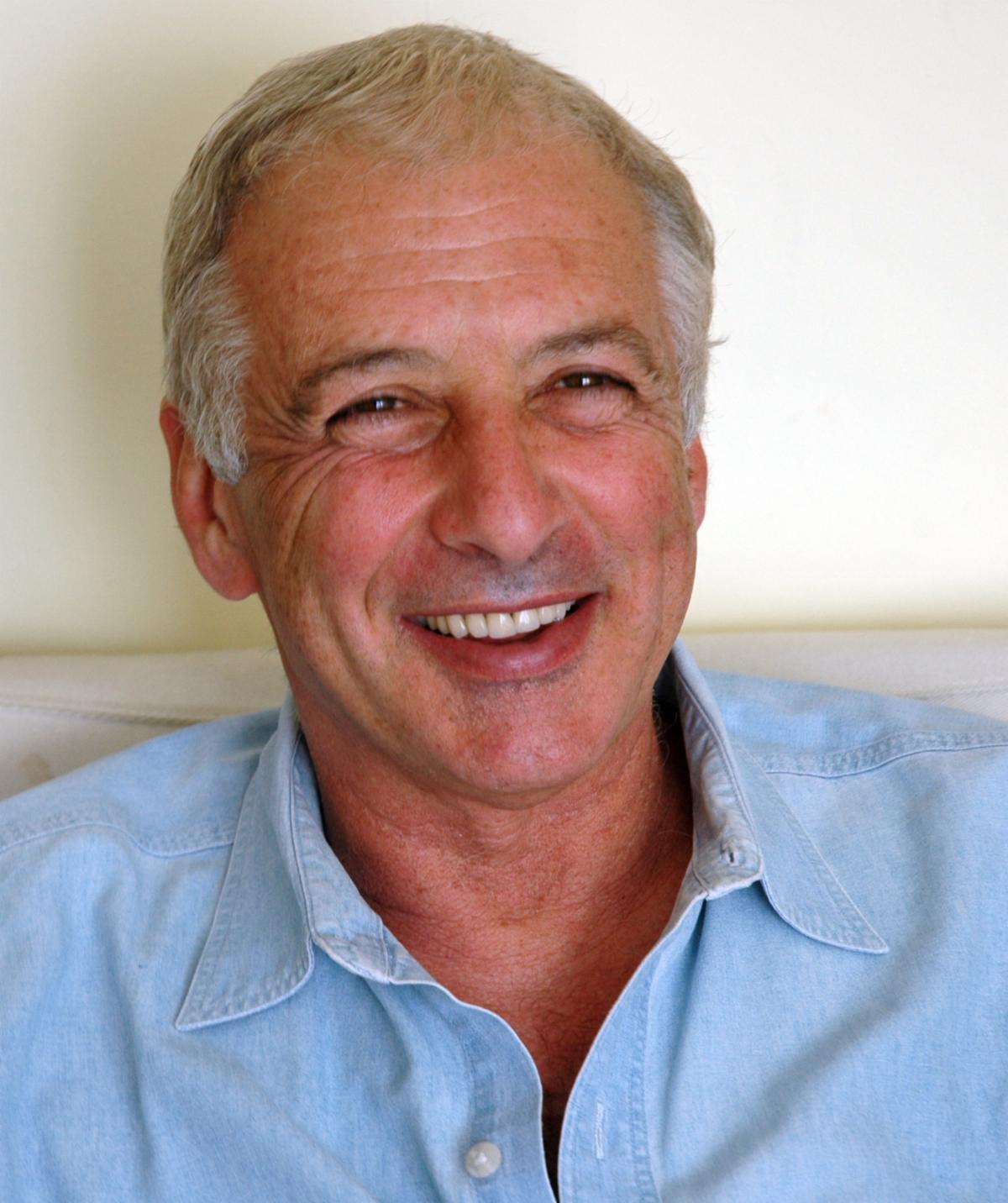
Thane Rosenbaum is a law professor, legal and Middle East analyst, novelist, essayist, talk show host, and Distinguished University Professor at Touro University
| |
JEWS OF DIFFERENT HUES:
Meet These Hispanic Jews Impacting the World
| |
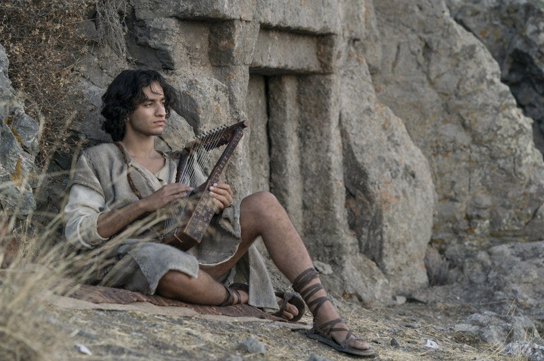
Hispanic Jews account for about 4% of the Jewish population in the U.S. Meet some notable Hispanic Jews who have made a noteworthy difference in the world-whether that's through influencing policy, magic, or writing a catchy song!
| |
SHORT STORY: Laugh or Die, by Alan Swyer
| |
“Chicken gets a laugh,” Max Fine explained the first morning Larry Becker met him for breakfast at a Studio City deli. “But pigeon? At best a maybe. Lollygag? Yup. Dawdle? Nah. Woebegone? Bingo! Sad? Miserable? Goose egg. Follow?”
Not wanting to hurt the older man's feelings, Becker nodded. When their coffee and bagels arrived, he listened as Max continued to lecture. “Then there's the Rule of Three,” Fine stated. To get the maximum, you need variations of a joke three times. First, for a chuckle, is to establish. Second, for a giggle, to reinforce. But the third, that's for a belly laugh. Stop at two, you sell yourself short. Go beyond three, and it backfires.”
| | |
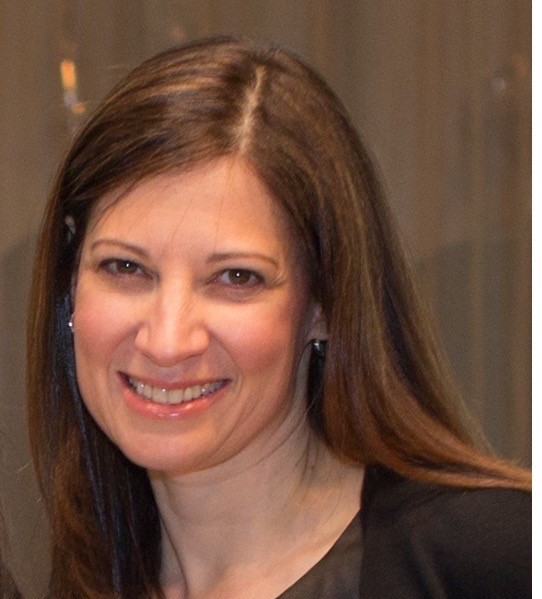
| Alan Swyer is an award-winning filmmaker whose recent documentaries have dealt with Eastern spirituality in the Western world, the criminal justice system, diabetes, boxing, and singer Billy Vera. In the realm of music, among his productions is an album of Ray Charles love songs. His novel 'The Beard' was recently published by Harvard Square Editions. | |
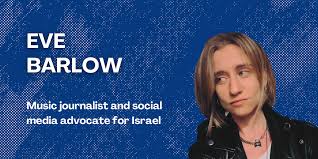
ESSAY: Open Season, by Eve Barlow
| Israel is the battered woman of the world. She is in a violent relationship with everyone else. We saw plenty proof of that this week. What people don’t understand about coercive control and DARVO (Deny Attack Reverse Victim and Offender) is that the perpetrator doesn’t just control the victim. The perpetrator controls the narrative around the victim, thereby controlling everything and everyone that tries to help or liberate the victim, including family members, friends, employers, etc. | | Eve Barlow is also an outspoken voice on Jewish identity, Zionism, and fighting antisemitism on social media,and has also shared her views in publications such as Tablet. Barlow was also named one of The Algemeiner’s Top 100 People Positively Influencing Jewish Life in both 2020 and 2021. | | |
Click above to see Eve Barlow's
substack site "Blacklisted"
| |
PODCAST: Tikvah's Building the Impossible Dream:
The History of Zionism
| | Join Dr. Daniel Polisar on a journey through the miraculous rebirth of the modern Jewish state, from Napoleon’s flirtation with Zionism to Herzl’s tireless Zionist advocacy to Menachem Begin’s peacemaking. A leading expert on Zionist history, Dr. Polisar will give you a tour of the big ideas and the heroic figures that defined the modern rise of Jewish nationalism. | | | | Tikvah advances Jewish excellence and Western civilization through education & ideas. | |
ESSAY: How America’s Jews Became America’s ‘New Blacks’
| | |
Few progressive maxims are more sacrosanct than the idea that African Americans are “incapable of racism.” Racism is a specific evil directed at black people; it is particularist, not universal. This philosophy is a by-product of the effort to understand the violent racial unrest that coursed through American cities in the mid-1960s.
In 1968, Lyndon Johnson tasked the National Advisory Commission on Civil Disorders (better known as the Kerner Commission) with identifying the underlying causes of this urban chaos. The conclusion: Foundational white prejudice paired with the might of government institutions such as the military and police forces was responsible for the mayhem. Racism wasn’t merely prejudice, a means for certain groups of people to show and act on their bias against certain groups of people different from them. No, racism was the power to transform that prejudice in ways that “affect someone’s life physically, economically, educationally, politically or otherwise,” as Clyde W. Ford put it in the Los Angeles Times last year.
Aided and emboldened by private and public institutions, white people possess this power. And because they do, they could be racist. Black people, who had been long denied the safeguards of favorable police patrols or housing authorities or education departments, could not.
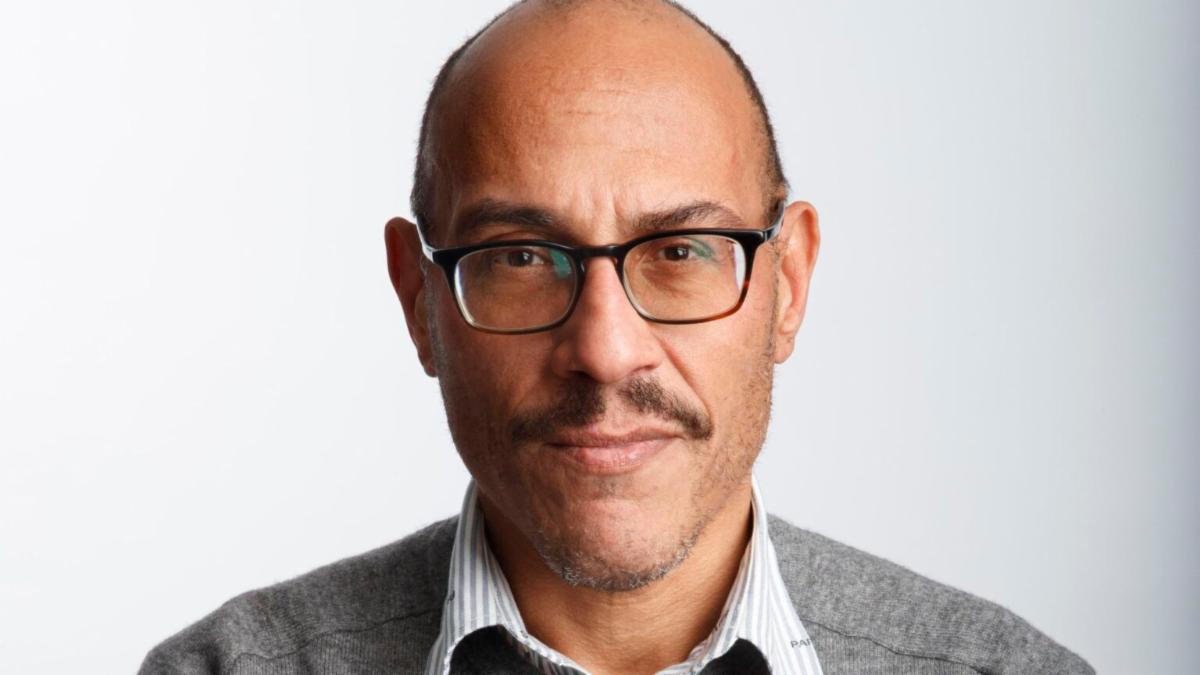
| | | | David Christopher Kaufman is an editor and columnist at the New York Post and an adjunct fellow at the Tel Aviv Institute. | |
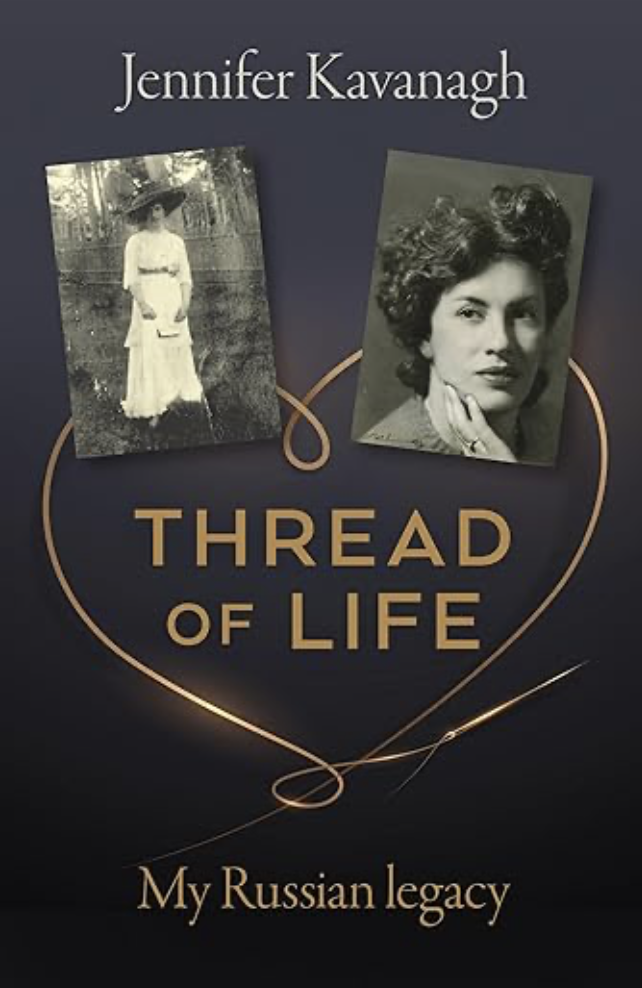
MEMOIR: Thread of Life, Mhy Russian Legacy,
by Jennifer Kavanagh
| | |
Thread of Life is a portrait of the twentieth century - its times of war and peace - seen through the lives of three generations of Jewish women. At its heart are Dora, a romantic and tragic figure, a concert pianist born in Riga, who lived in St Petersburg and was killed in the Riga Holocaust; her daughter, Genia, born in 1915 in St Petersburg, who lived in many places around the world before dying in England at the age of 102; and, in their different threads and versions of the truth, their legacy to author Jennifer Kavanagh, who shares her moments of discovery while addressing themes of Russia, Jewishness, motherhood, music, home, and language, as well as the vagaries of memory.
| |
BLOG: With commentary and Guest Blogs on culture & current events, plus mini-reviews of books not published by Fig Tree Books
CLICK on the BLOG image to READ, REPLY to what we've written, COMPOSE something on your own about the state of literature (Jewish or otherwise), book publishing in general, culture & current events, or a specific book that you want to let others know about. And to SIGN UP, so you don't have to wait to read our blogs once a month when Fig Tree Lit is published.
| | | | |