| | The Newsletter of Fig Tree Books | | December '25: Issue #73 --- Fredric D. Price, Founder & Publisher | |
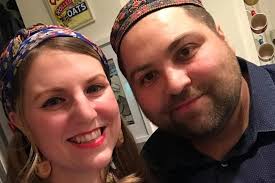
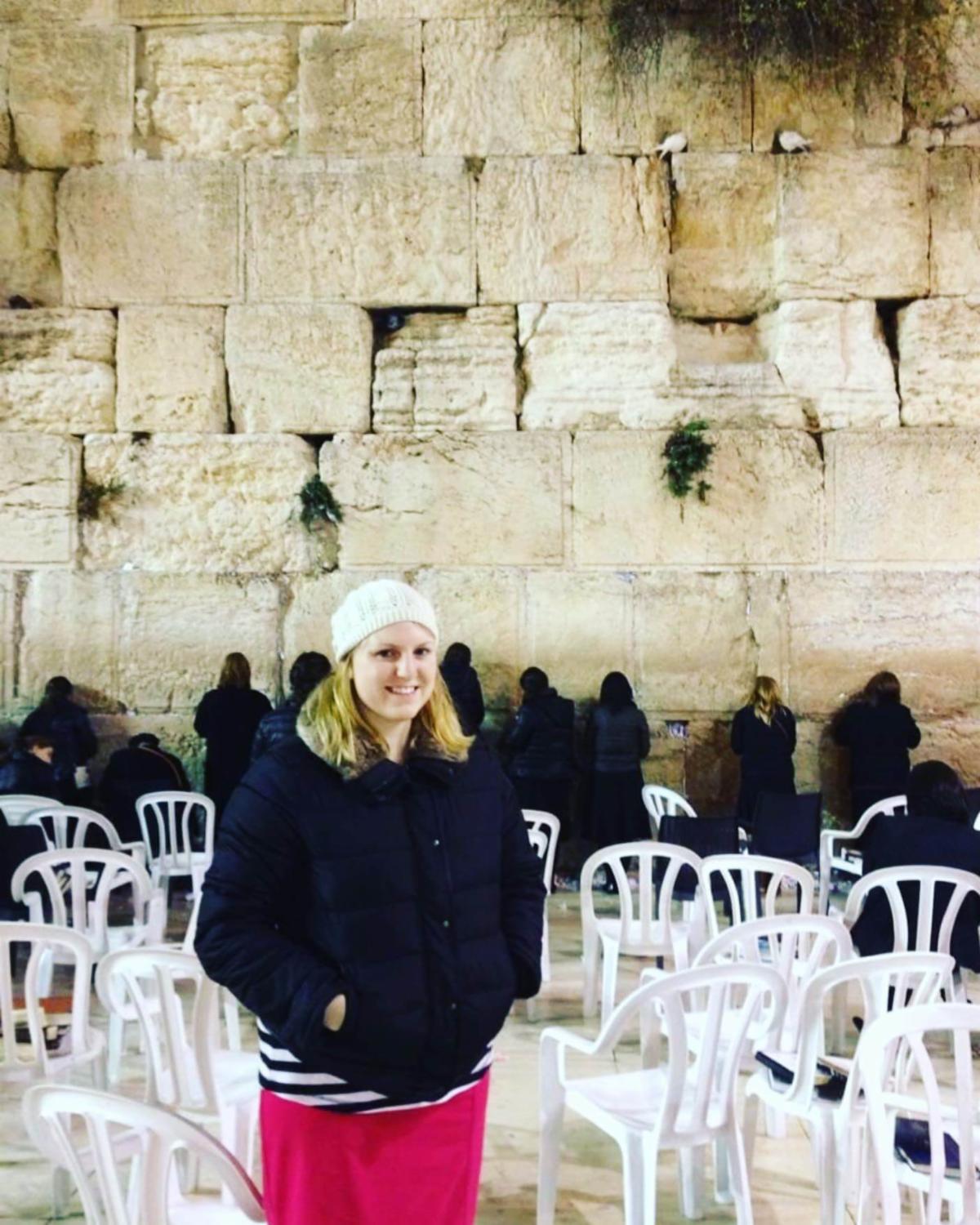
JEWS OF DIFFERENT HUES: Joining a Hated People: My Journey of Conversion and Becoming an Orthodox Jew
| | |
Last week, we learned that Jewish babies — the Bibas boys — could be murdered in cold blood, and countless people around the world would justify it. It’s just like the Holocaust, when much of the world seemed to turn a blind eye to antisemitism, or straight up approve of it.
Despite the fact that never again is now, I do not regret my decision to join the Jewish people. The hate is nothing new. I was well aware of it going into my conversion process.
| |
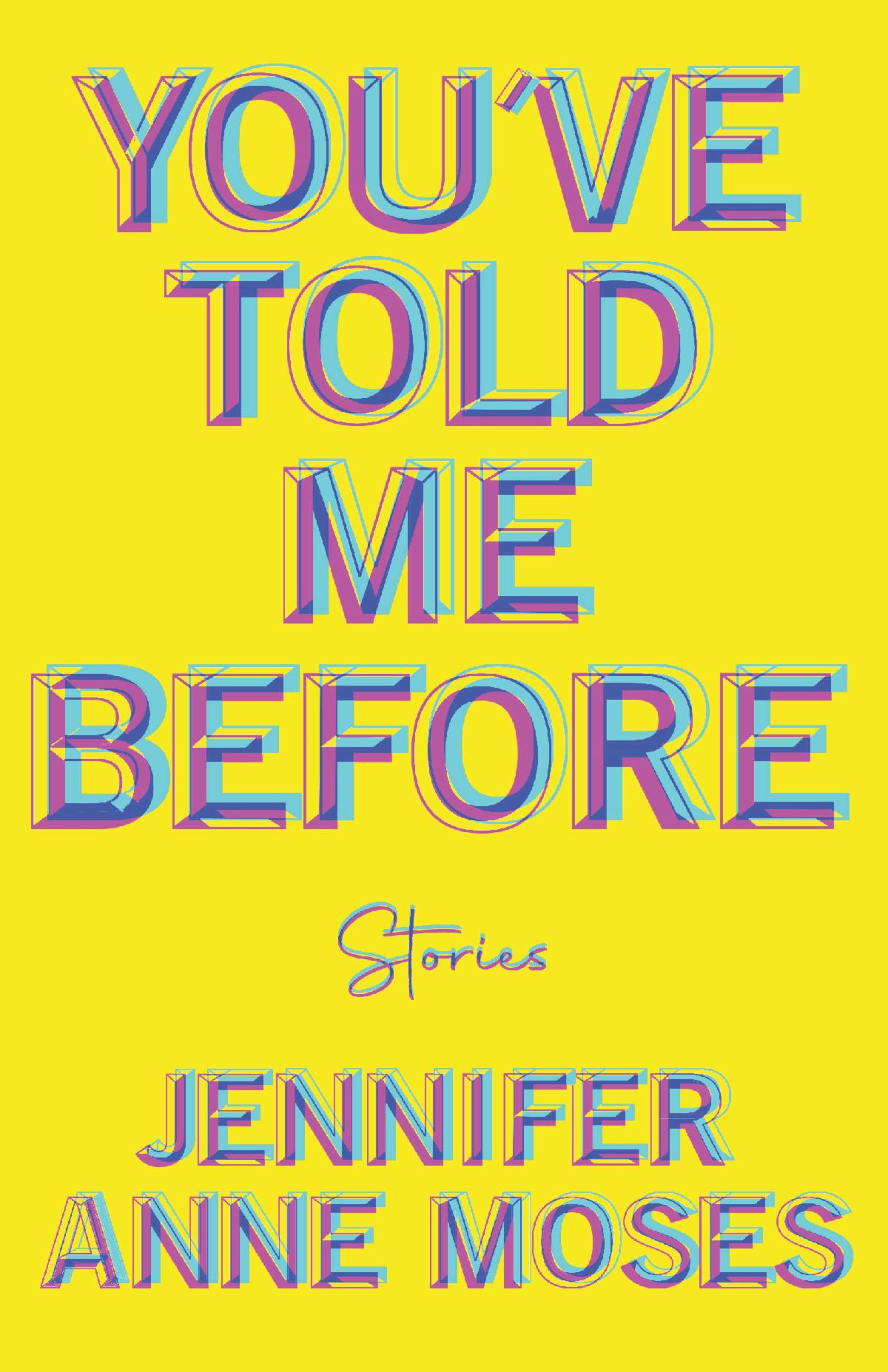
FICTION STORIES: You've Told Me Before,
by Jennifer Anne Moses
| |
Right around the time, post October 7, that college students from coast to coast started shouting “from the river to the sea” and “globalize the intifada,” I decided it was time to collect some of my favorite short stories and arrange them as a collection. Why now? Why not? Though at the time I was writing countless, almost entirely unpublished op-eds pointing out how, when it comes to antisemitism, the far right and the far left meet in the middle and shake hands, I was spitting into the wind. Fiction, however, is fiction: it is story, rather than argument, about human beings, their innards, their motivations, their taste in music or home decor. In the case of You’ve Told Me Before, my human beings are mainly Jews and, therefore, living inside a Jewish world view which includes specifically Jewish concerns. Rather than argue, fiction invites the reader to live, if only via text, and if only metaphorically, inside someone else’s existence.
Most of the stories in the collection had already been published in small and literary magazines, and represent my earliest as well as my most recent foray into writing short stories. The form is no longer so popular, let alone a commercial slam dunk. (To put it mildly.) But like most writers, when a story is “given” to me (by what many call the muse but I attribute to the Divine) I figure I better accept the great gift, and do with it as best as I can.
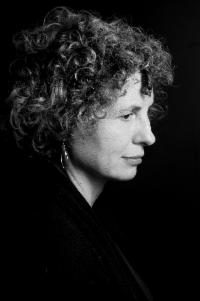
| | | | Jennifer Anne Moses is a writer and painter whose books include The Book of Joshua, Food and Whine, and Bagels and Grits. Her writing has appeared frequently in Time magazine, the New York Times, Washington Post, Wall Street Journal, Times of Israel, and elsewhere. | In her new short story collection, You’ve Told Me Before, her characters, connected to Judaism in a variety of ways, deal with strained and complex relationships, whether they be romantic, platonic, or residential. | |
MONTHLY BLOG: We are no longer welcome,
by Yardenne Greenspan
| | |
Two weeks after October 7th – as Israel’s counterattack against Hamas was picking up speed and claiming many lives, but before the ground invasion commenced, and while the death toll in Israel continued to rise, confusion plaguing dozens of families who were still waiting to learn whether their loved ones had been spared, murdered, or kidnapped – my writing group fell apart.
All at once, my relationship with several members of the group went south. They cited my social media activity — raising awareness of Hamas’s crimes, calling on the world to demand the release of hostages, and condemning protests that reframed murder and rape as resistance — as insensitive, nationalistic, and myopic. There may have been other reasons for the rift that developed, but I wasn’t given any, so all I have is my own understanding of the situation. We had years of close, intimate friendship under our belts. (If you’ve ever been part of a writing group, you know all too well the vulnerability this entails. Especially if, like me, you have been working on a memoir.) I spent a good long while looking back at every single thing I’d posted, but found no calls for violence in my words, no hatred directed at any group of people. I only found the fear, turmoil, and urge to make the world understand what any Jewish Israeli was expressing. Was that the problem?
| |
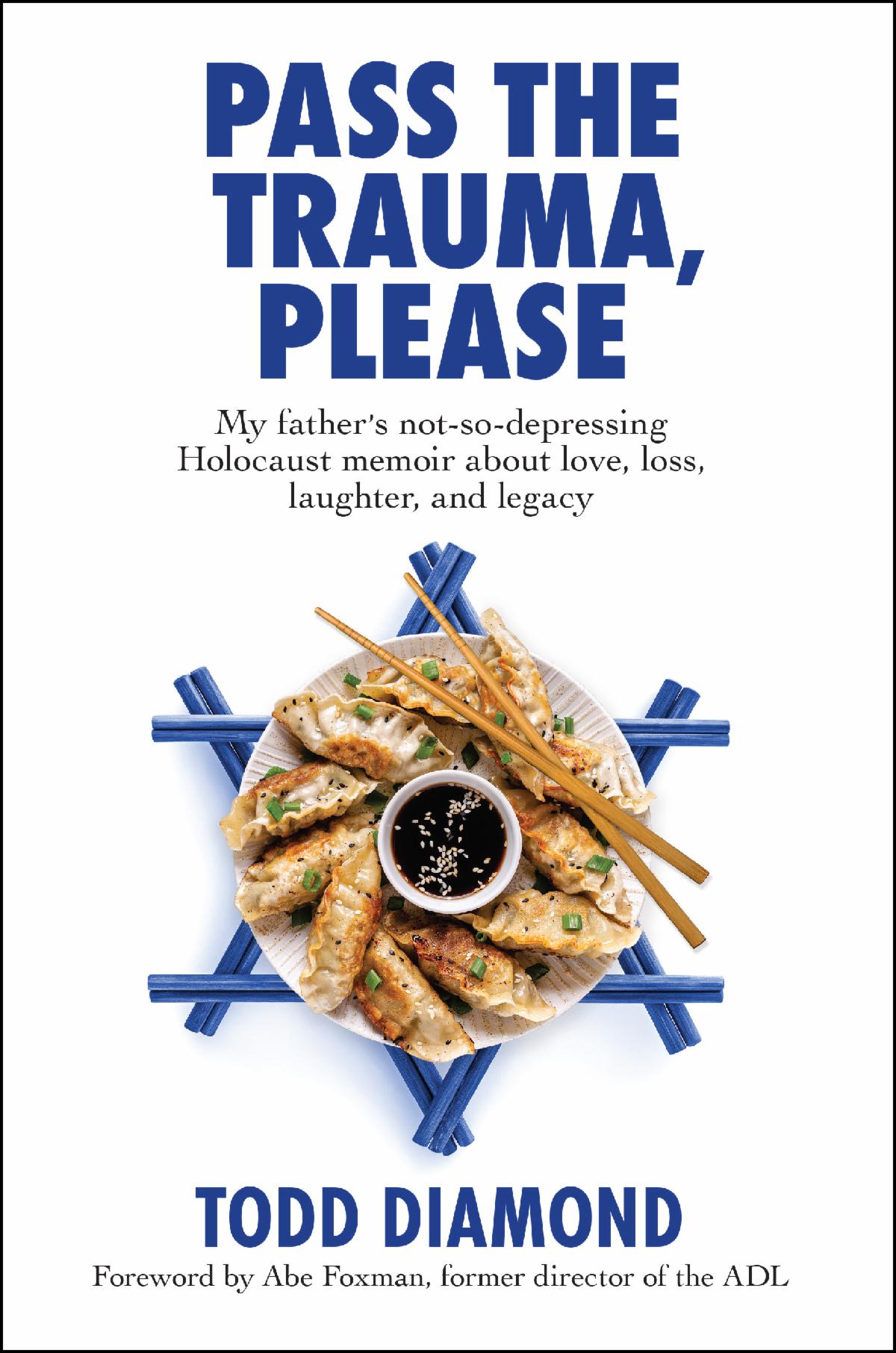
NON-FICTION BOOK: Pass the Trauma, Please,
by Todd Diamond -
Finding Humor In His Father's Holocaust Story
| | |
The OCU Chronicle: What inspired you to write your father’s story in such a candid and often humorous way, taking the approach you did?
Todd Diamond: There’s only so many times you can hear your Holocaust-survivor father say, “When are you going to write my story? I’m not getting any younger over here,” before you give in and start filling up a Notes app and a pile of Moleskines.
He’s one of the last survivors, so there was urgency to get his story out there while he’s still alive, still able to answer tough questions. Ideally, he’d reveal things he never shared before.
My first draft was shaping up, it was a somber, historical account—very reverent. He read it and said, “Meh, I don’t like it. Doesn’t sound like you. Doesn’t sound like me.” Suddenly my father was my editor. Then he laid down the real challenge: “Do me a favor, son. Don’t drown the book in darkness. Everyone knows the horrors already. It’s okay if people cry reading my story. But you’ve got to make ‘em laugh, too.”
That was the turning point. My father is blunt, sometimes wildly inappropriate even when describing the darkest parts of his past. Yet the book wasn’t a true reflection of him...no cranky humor, and not a single F-bomb. The book finally found its voice.
The other inspiration? A second-generation duty to family, Judaism, and the future: to keep Holocaust stories alive in new ways that engage a wider audience, especially at a time when antisemitism is rising and Holocaust awareness is slipping at an alarming rate.
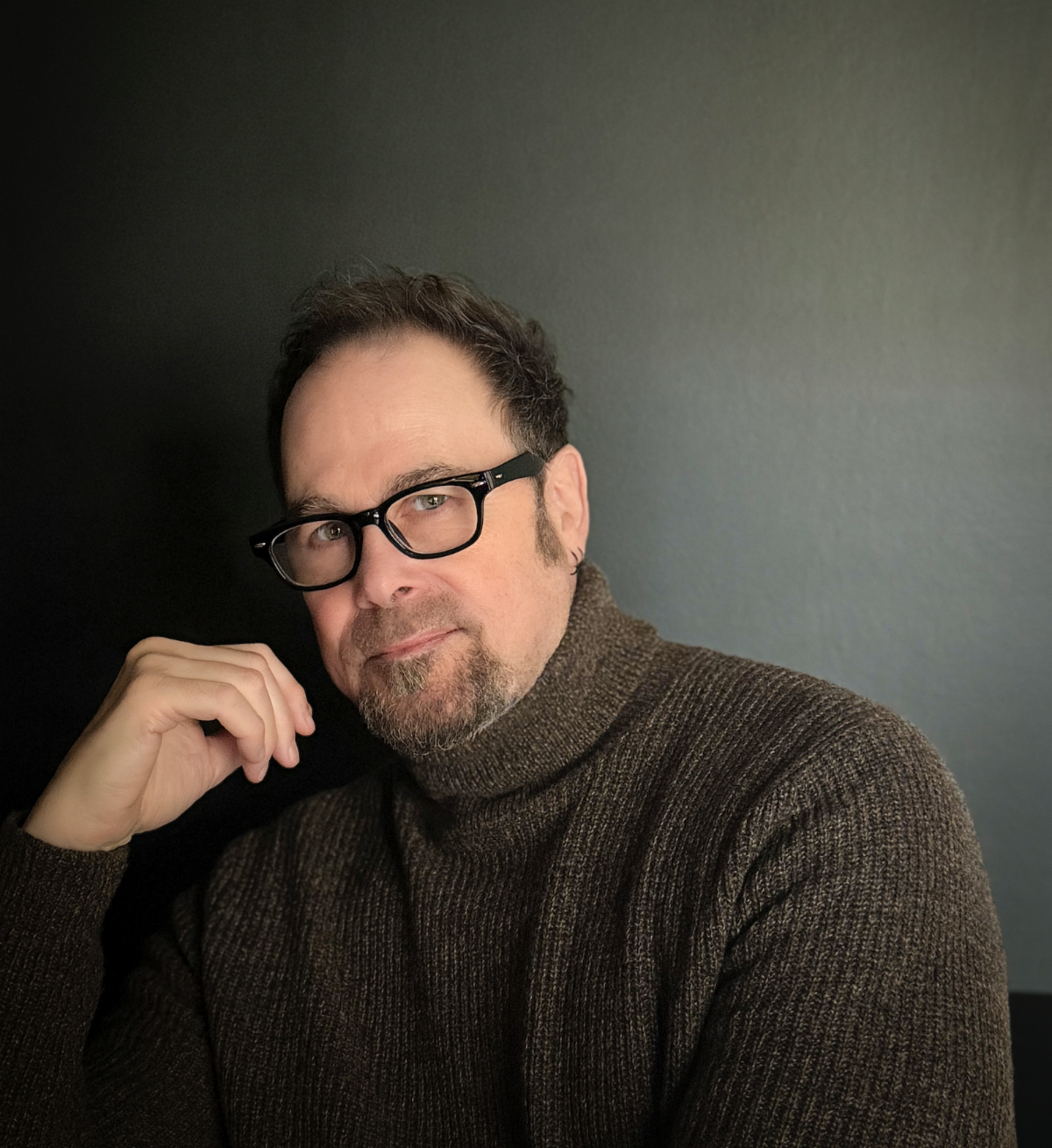
| | Born in Queens, New York, Todd Diamond delivers narratives that are unapologetically raw and darkly humorous—a reflection of the borough that raised him. Whether it’s sordid tales from his advertising career or stories about his family’sHolocaust experiences, he resonates with those who prefer their prose served with a healthy dose of cynicism and unsweetened insight. | | |
SHORT STORY: Food and Fur, by Ephrat Huss
| | My grandmother as a child was separated from her parents in those terrible waves of Holocaust leavings, and she grew up in a dark, gloomy, Victorian-type orphanage in England; the type where the famous psychologist Bowlby measured attachment styles by giving the children a furry cuddly monkey with no food, or a wire monkey with food, what a choice. My grandmother got boiled cabbage (food) – and no fur (hugs). She grew up and became a nurse, as women did then, and she worked in another dark institution, a psychiatric hospital - turning the corners of sheets into pointed triangles, emptying bedpans, tying crazed people to beds, all the while smiling politely with her mouth, eyes like impenetrable mirrors in which the crazies could see only themselves. | | |
Ephrat Huss chairs an MA in Art in Social Work at Ben-Gurion University of the Negev in Israel. I have written academic papers and books about arts in social work. My last book was “Using arts to transform society” (Routledge 2022). Over the Corona years I completed an MA in creative writing at Bar Ilan University and so have at the age of 64 moved from writing “about” arts to my own arts. This story is an adaptation of a chapter of a just completed novel called “Feet in the Sea of Galilee”. | | |
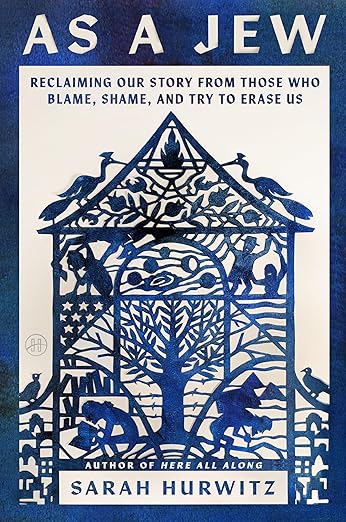
NON-FICTION BOOK: As a Jew, by Sarah Hurwitz
| | |
At thirty-six, Sarah Hurwitz was a typical lapsed Jew. On a whim, she attended an introduction to Judaism class and was astonished by what she discovered: thousands of years of wisdom from her ancestors about what it means to be human. That class sparked a journey of discovery that transformed her life.
Years later, as Hurwitz wrestled with what it means to be Jewish at a time of rising antisemitism, she wondered: Where had the Judaism she discovered as an adult been all her life? Why hadn’t she seen the beauty and depth of her tradition in those dull synagogue services and Hebrew school classes she’d endured as a kid? And why had her Jewish identity consisted of a series of caveats and apologies: I’m Jewish, but not that Jewish . . . I’m just a cultural Jew . . . I’m just like everyone else but with a fun ethnic twist—a dash of neurosis, a touch of gallows humor—a little different, but not in a way that would make anyone uncomfortable.
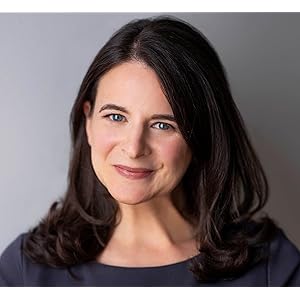
| | Sarah Hurwitz served as a White House speechwriter from 2009 to 2017, first as a senior speechwriter for President Barack Obama and then head speechwriter for First Lady Michelle Obama. She was the chief speechwriter for Hillary Clinton on her 2008 presidential campaign. Hurwitz is the author of Here All Along: Finding Meaning, Spirituality, and a Deeper Connection to Life—in Judaism (After Finally Choosing to Look There), which was a finalist for two National Jewish Book Awards and the Sami Rohr Prize for Jewish Literature. She has been featured throughout the media, from profiles in the Washington Post, Boston Globe, and The Guardian to appearances on the Today show, Morning Joe, and NPR. The Forward has twice named her one of 50 Jews who has impacted American life. Hurwitz is a graduate of Harvard College and Harvard Law School and was a 2017 Fellow at the Institute of Politics at Harvard. | |  | |
“If you want to understand the situation American Jews find themselves in right now—not just the bewildering hatred, but the many internal and external forces preventing us from understanding it—stop whatever you’re doing and read this book.” — Dara Horn, author of People Love Dead Jews
“This book explains antisemitism and the danger it poses—not just to Jews, but to all of us. It also reveals the breathtaking history and resilience of the Jewish people and the beauty of Jewish tradition.” — Van Jones, CNN Host and New York Times bestselling author
| | |
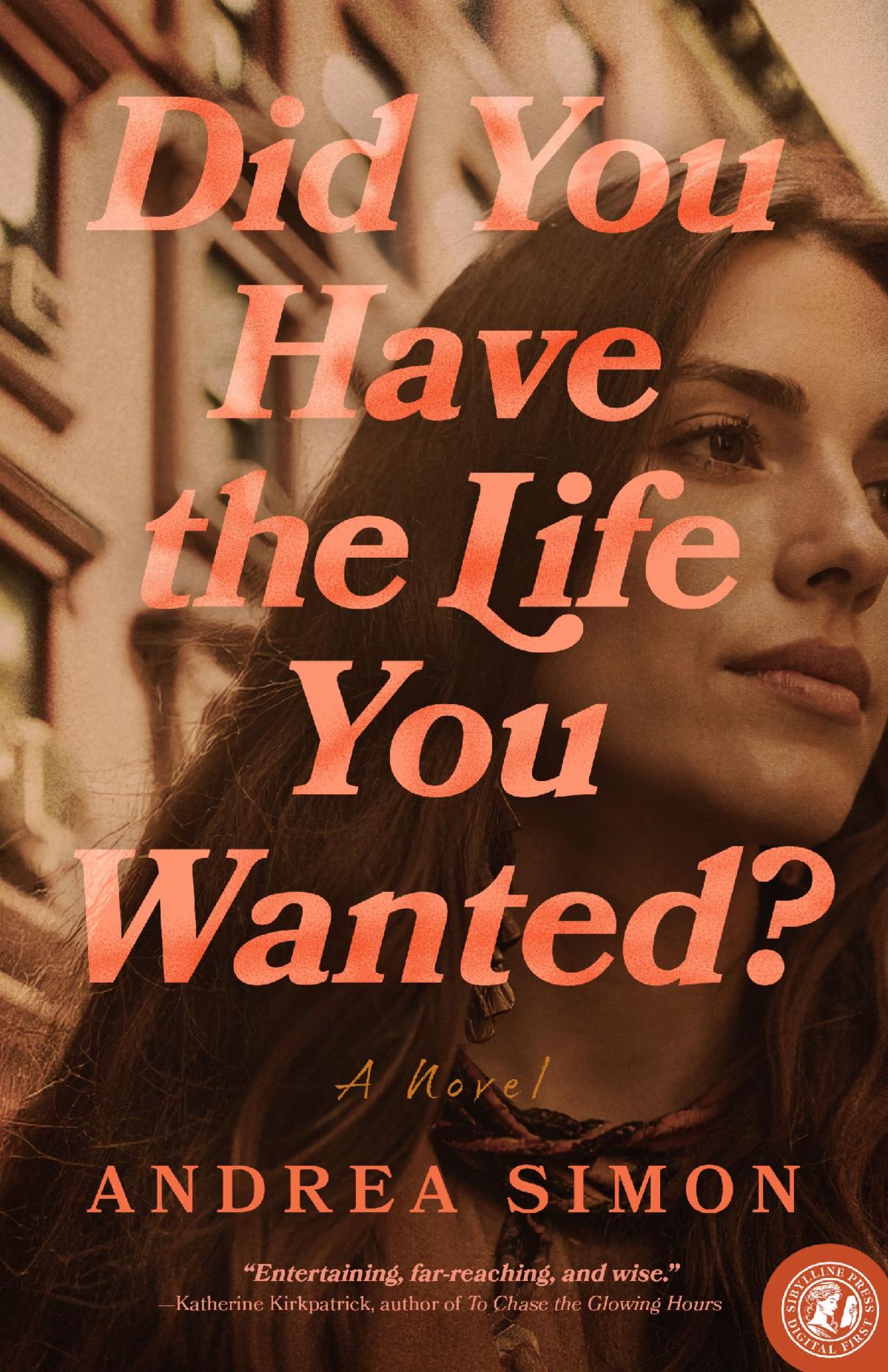
NOVEL: Did You Have The Life You Wanted? by Andrea Simon
| | |
Anita Rappaport is dogged by the question: Did you have the life you wanted?
Life begins for Anita in 1968 when she graduates from college, leaves her family home in Brooklyn, and moves to Greenwich Village, stepping into the revolutionary heyday of her times. Against the turbulent backdrop of racially charged school strikes, the Stonewall Inn and Attica uprisings, and the nascent feminist movement, Anita grapples with gang violence, job restrictions, gender stereotypes, as well as the corrosive nature of familial secrets and regrets, and, ultimately, her own evolution as a woman during and after this volatile era. As she ages, Anita asks herself and her friends the question: “Did you have the life you wanted?” prompting surprising and heartbreaking responses.
Spanning the generations over a fifty-year period from 1968 to 2019, Did You Have the Life You Wanted? is a celebration of the ‘70s, the women who lived through it, and the legacy they left their daughters. Above all, this novel serves as an anthem to the restorative and life-affirming power of female friendship
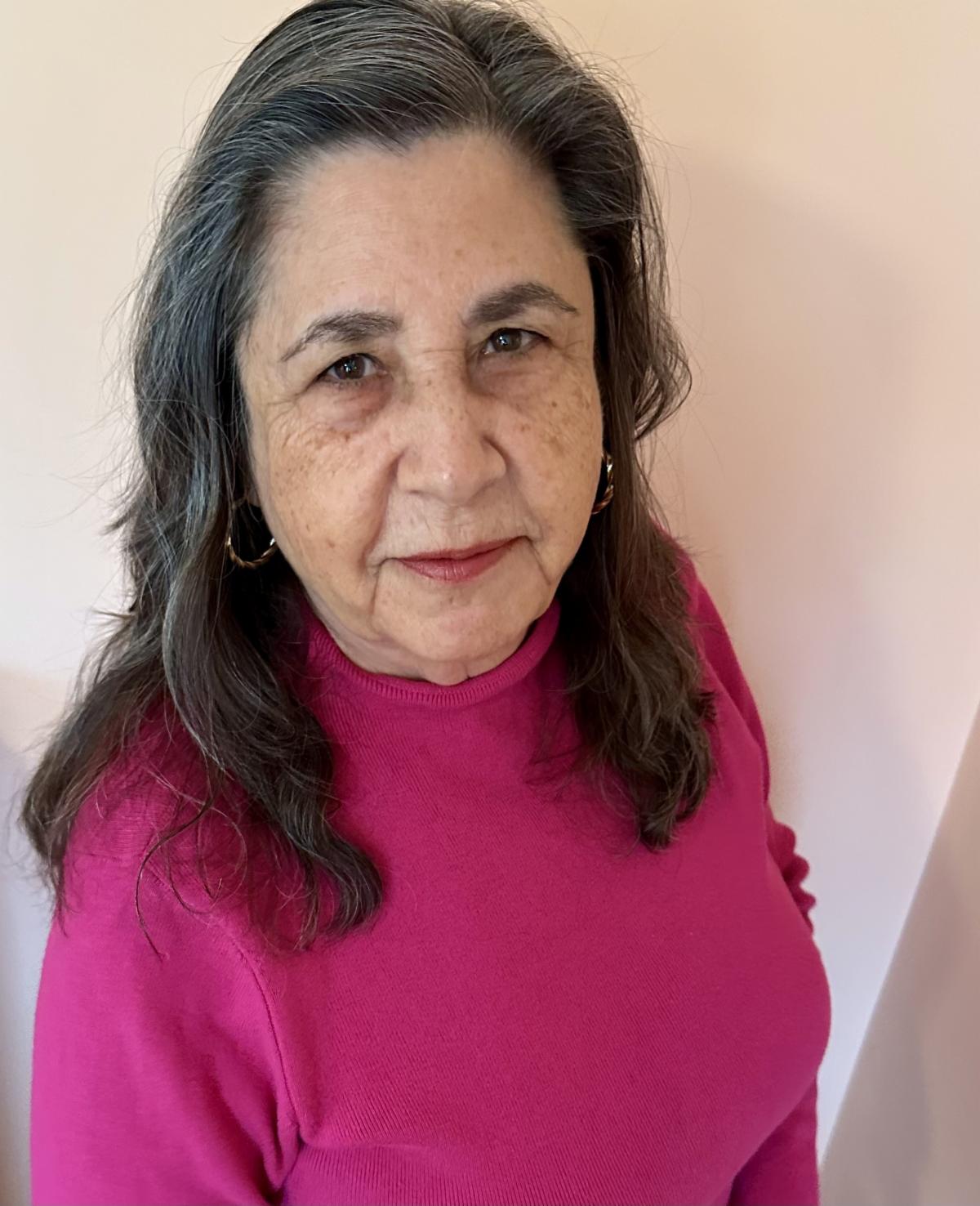
| | | | | Andrea Simon is the author of three award-winning, published books: the groundbreaking memoir/history, Bashert: A Granddaughter’s Holocaust Quest; historical fiction, Esfir Is Alive; and a novel-in-stories, Floating in the Neversink. Andrea holds an MFA in Creative Writing from the City College of New York, where she has taught writing. Students from her course “Writing About Your Mom without Guilt,” created the anthology, Here’s the Story...Nine Women Write Their Lives, of which Andrea is the editor and a contributor. | | |
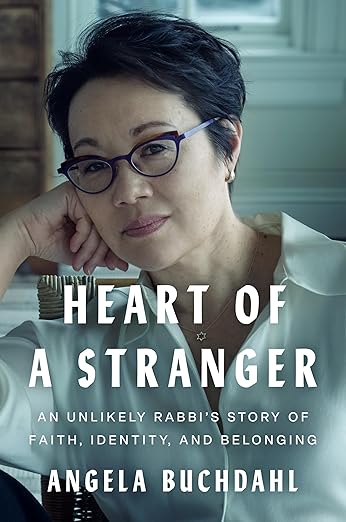
NON-FICTION BOOK: Heart of a Stranger, by Angela Buchdahl
| | |
From the first Asian American to be ordained as a rabbi, a stirring account of one woman’s journey from feeling like an outsider to becoming one of the most admired religious leaders in the world
Angela Buchdahl was born in Seoul, the daughter of a Korean Buddhist mother and Jewish American father. Profoundly spiritual from a young age, by sixteen she felt the first stirrings to become a rabbi. Despite the naysayers and periods of self-doubt—Would a mixed-race woman ever be seen as authentically Jewish or chosen to lead a congregation?—she stayed the course, which took her first to Yale, then to rabbinical school, and finally to the pulpit of one of the largest, most influential congregations in the world.
Today, Angela Buchdahl inspires Jews and non-Jews alike with her invigorating, joyful approach to worship and her belief in the power of faith, gratitude, and responsibility for one another, regardless of religion. She does not shy away from difficult topics, from racism within the Jewish community and the sexism she confronted when she aspired to the top job to rising antisemitism today. Buchdahl teaches how these challenges, which can make one feel like a stranger, can ultimately be the source of our greatest empathy and strength.
Angela Buchdahl has gone from outsider to officiant, from feeling estranged to feeling embraced—and she's emerged with a deep conviction that we are all bound to a larger whole and mission. She has written a book that is both memoir and spiritual guide for everyday living, which is exactly what so many of us crave right now.
| | Angela Buchdahl is the first Asian American rabbi. She serves as the Senior Rabbi of Central Synagogue in New York City, the first woman to lead this flagship congregation in its 185-year history. Under her leadership, Central has grown to become one of the largest synagogues in the world, with live stream viewers in more than one hundred countries. She has led prayers in the White House for two U.S. presidents and is frequently featured on national news outlets including Today, NPR, and The Wall Street Journal to speak on the moral issues of the day. Rabbi Buchdahl and her husband live in New York City and have three children. | |
BLOG: With commentary and Guest Blogs on culture & current events, plus mini-reviews of books not published by Fig Tree Books
CLICK on the BLOG image to READ, REPLY to what we've written, COMPOSE something on your own about the state of literature (Jewish or otherwise), book publishing in general, culture & current events, or a specific book that you want to let others know about. And to SIGN UP, so you don't have to wait to read our blogs once a month when Fig Tree Lit is published.
| | | | |