| | The Newsletter of Fig Tree Books | | February '26: Issue #75 --- Fredric D. Price, Founder & Publisher | |
JEWS OF DIFFERENT HUES:
Actually, I’d love for Chabad to ask me if I’m Jewish,
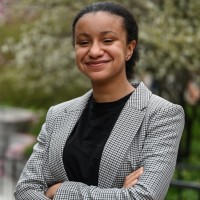
by Olivia Haynie
| | |
I was waiting with my friend for a train in New Jersey when we were approached by a young missionary from the Church of Jesus Christ of Latter-day Saints. Unaware of the fact that we were currently on our way back to New York from a Sukkot party, he asked if we’d like to attend church with him on Sunday. When we told him we were Jewish, he politely responded, “I respect that. G-d bless you.” Probably the nicest ending to a proselytizing interaction one could hope for.
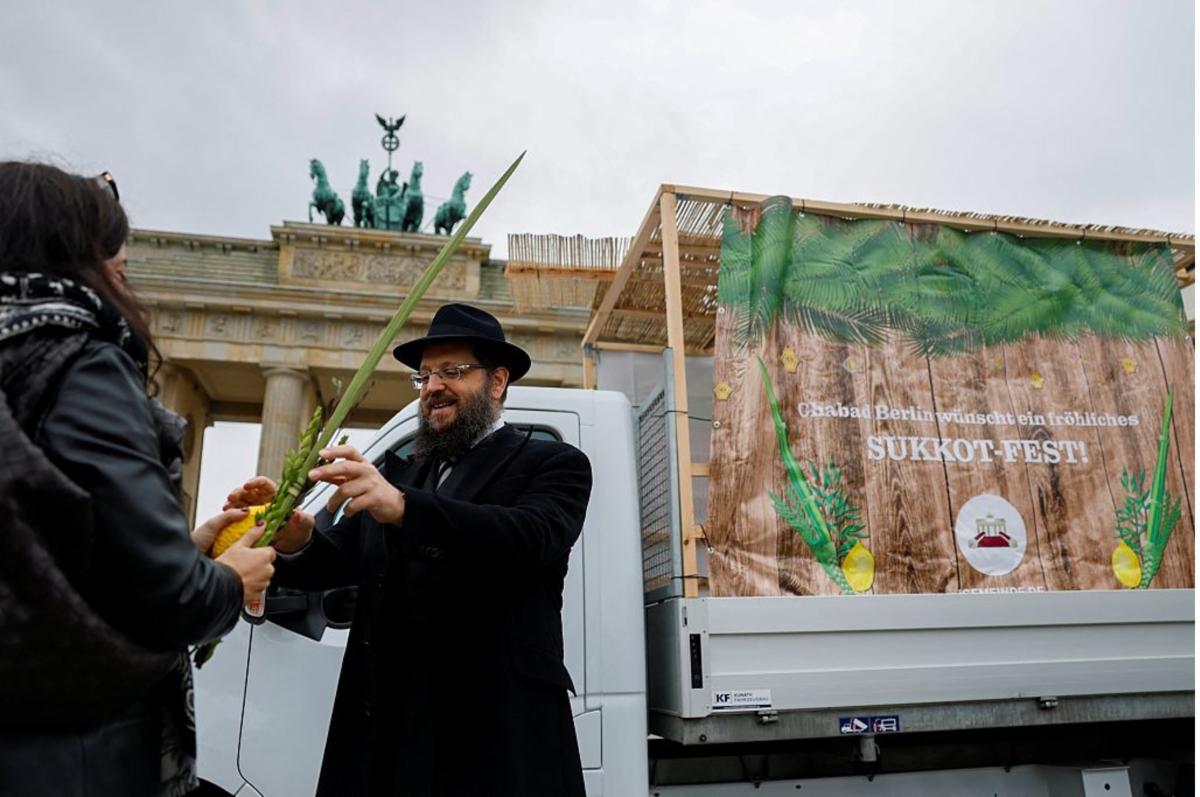
Once the missionary left, my friend told me he was reminded of being incessantly approached by religious devotees from Chabad, asking him to shake the lulav and etrog. Although he talked about this barragement as an annoyance, I saw it as a privilege.
As a Black woman, I don’t exactly fit the model for the types of people Chabad profiles and have never been approached. It doesn’t happen to me in New York, where a Mitzvah Mobile is a common sighting. It didn’t happen to me on the main walkway of my college campus, where the local Chabad chapter would set up a table as a holiday would approach.
| | |
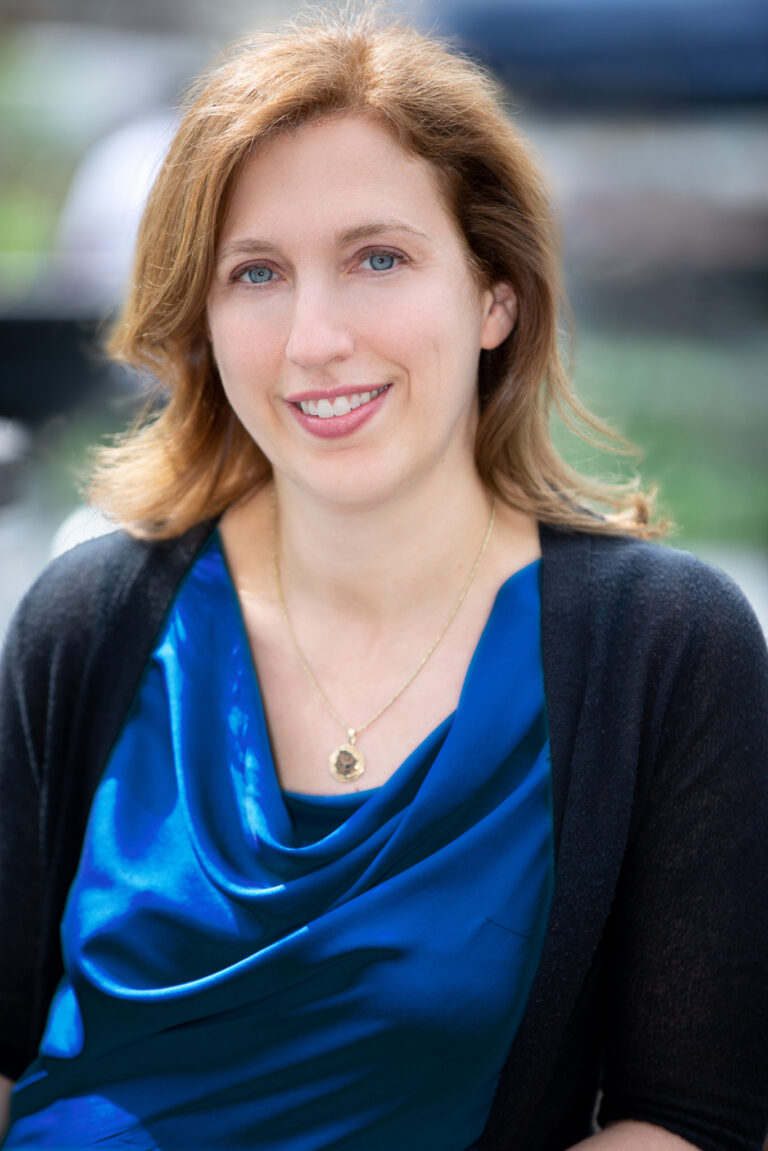
As an editorial Fellow with the Forward, I write about film, books, and culture. I have a special interest in identity formation, nationalism, and the relationship they have with media and culture. I am also very passionate about multimodal research and audio and video ethnography. From 2022-2025, I was a Mellon Fellow with the Collective for Advancing Multimodal Research and Arts at Penn. | | |
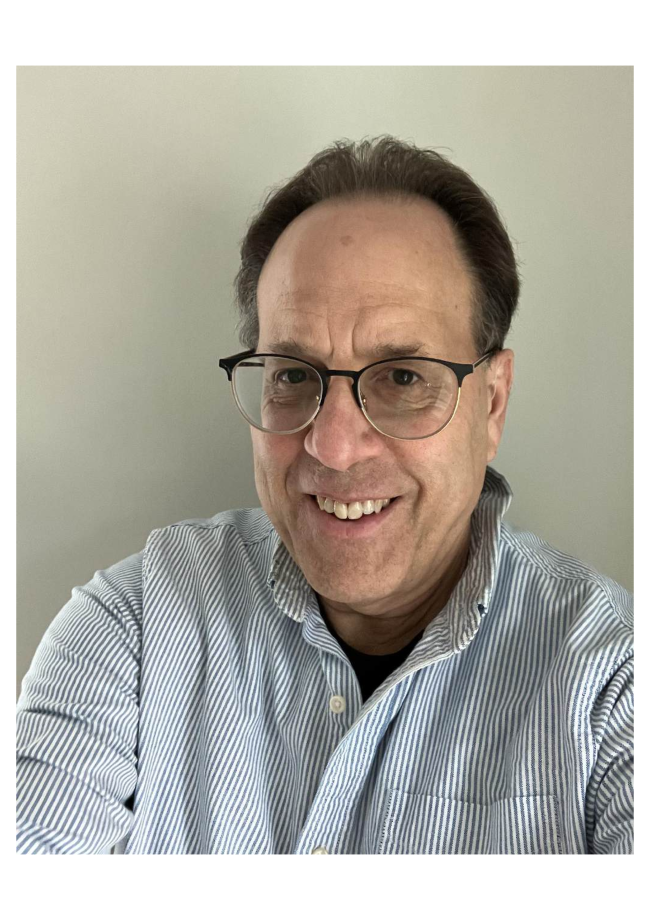
MEMOIR: What would Philip Roth Do? by Matthew Check
| |
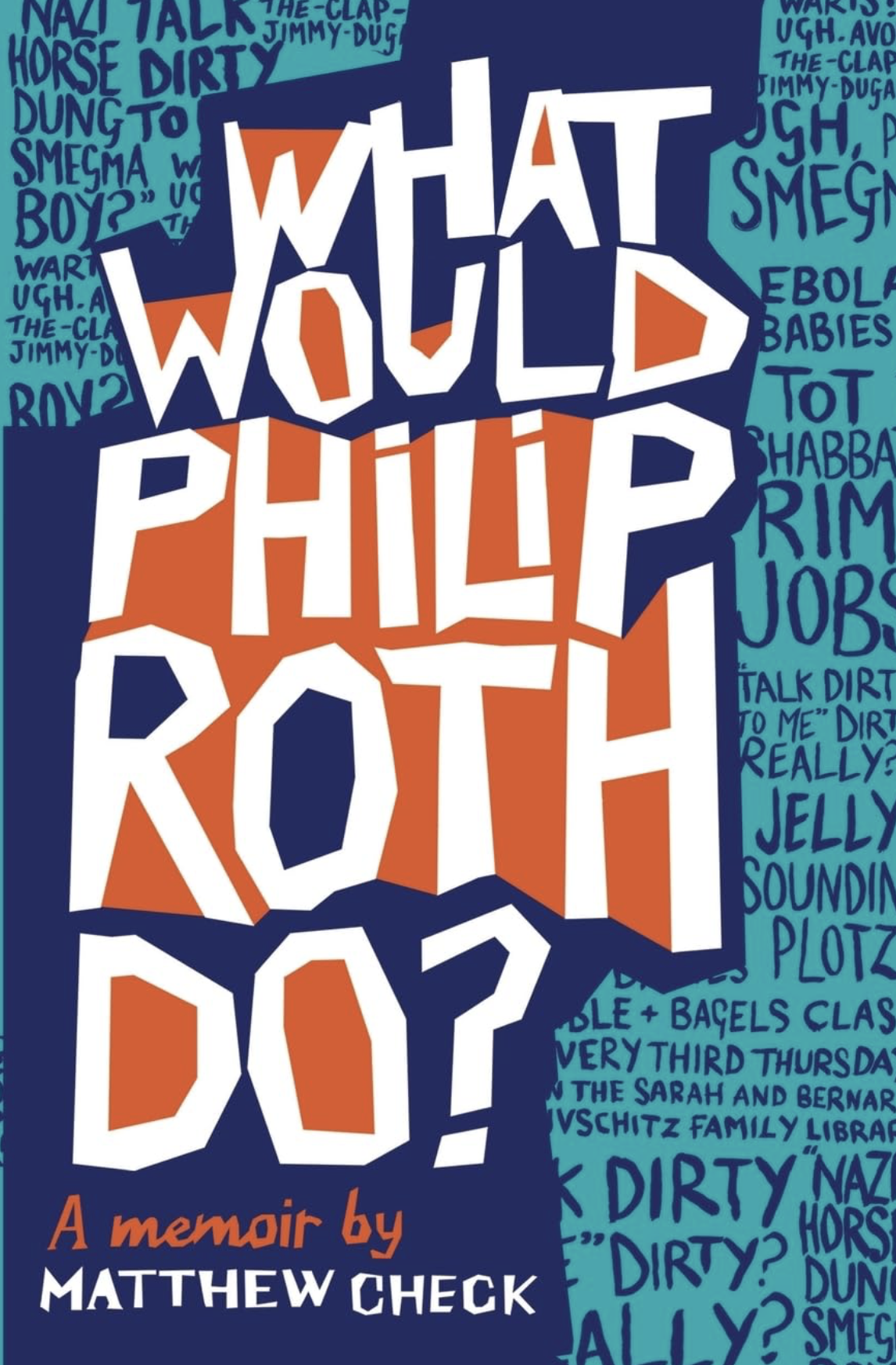
Matthew Check’s debut memoir, What Would Philip Roth Do?, arrives this fall from Parentheses Press. In this irreverent coming-of-age story, Check recounts his mid-2000s move to New York City with a trio of earnest ambitions: to earn a graduate degree in Jewish education, play bluegrass banjo, and meet the Jewish woman of his dreams. What follows is a whirlwind of misdirection and self-discovery—teaching Hebrew in a messianic community, navigating a relationship with a maybe-Anti-Zionist grad student, and unexpectedly becoming a Hebrew school principal whose most public duty involved playing banjo at Tot Shabbat while competing for attention with a purple dinosaur puppet named Pierre.
Threaded throughout the memoir is an imagined dialogue with Philip Roth, the one figure Check envisions as truly capable of appreciating the absurdity, audacity, and unexpected tenderness of his experiences.
Blending Jewish identity, bluegrass and songwriting, Hebrew linguistics, the Israeli–Palestinian conflict, and the candid reflections of someone now eleven years into recovery, What Would Philip Roth Do? offers a humorous, heartfelt portrait of a young idealist trying—and often failing spectacularly—to make sense of adulthood, purpose, and Jewishness in a chaotic world.
| | | | |
JEWISH BOOK COUNCIL
Reviewed by Benjamin Selesnick
“A telling portrait of adolescence...”
“What Would Philip Roth Do?” is a strong debut: funny, warm, nuanced, and insightful...."
★★★★★ READER’S FAVORITE
Reviewed by Carol Thompson
“A playful homage to Roth’s spirit.”
“I couldn't stop reading this book.”
| | |
★★★★★ CHICAGO REVIEW OF BOOKS
Reviewed by Scott Olsen
“Candid explorations of the messy intersections of art, sex, and identity.”
“Both a coming-of-age narrative and a meditation on how art and artists shape our inner lives.”
“An unusual texture: part confession, part literary séance.”
★★★★★ MANHATTAN REVIEW OF BOOKS
Reviewed by Kyle Eaton
“Funny, awkward, and sometimes wildly uncomfortable, but that’s the point.”
“A mash-up of heritage, humor, and horniness that feels surprisingly relatable.”
“Hilarious, and strangely affirming: a reminder that art often comes from our most humiliating and complicated experiences.”
| |
MONTHLY BLOG: Antisemitism in Publishing- These Authors are Writing on Their Own Terms, by Leah Grossman
| | |
Jewish authors silenced by publishers are reclaiming their voices—transforming rejection into resilience, solidarity, and bestselling works that refuse to bow to hate.
It’s no secret that anti-Jewish hate has infiltrated the publishing industry since October 7, 2023. Jewish authors have been blacklisted, dropped from their publishers, targeted in coordinated campaigns to review-bomb their books, and more.
If anyone’s attuned to the real-world implications of antisemitism in publishing, it’s Zibby Owens. Zibby is the founder and CEO of Zibby Media, a bestselling author and editor, an indie bookshop owner, and host of the podcast Totally Booked with Zibby.
| |
NON-FICTION BOOK: Pass the Trauma, Please,
by Todd Diamond
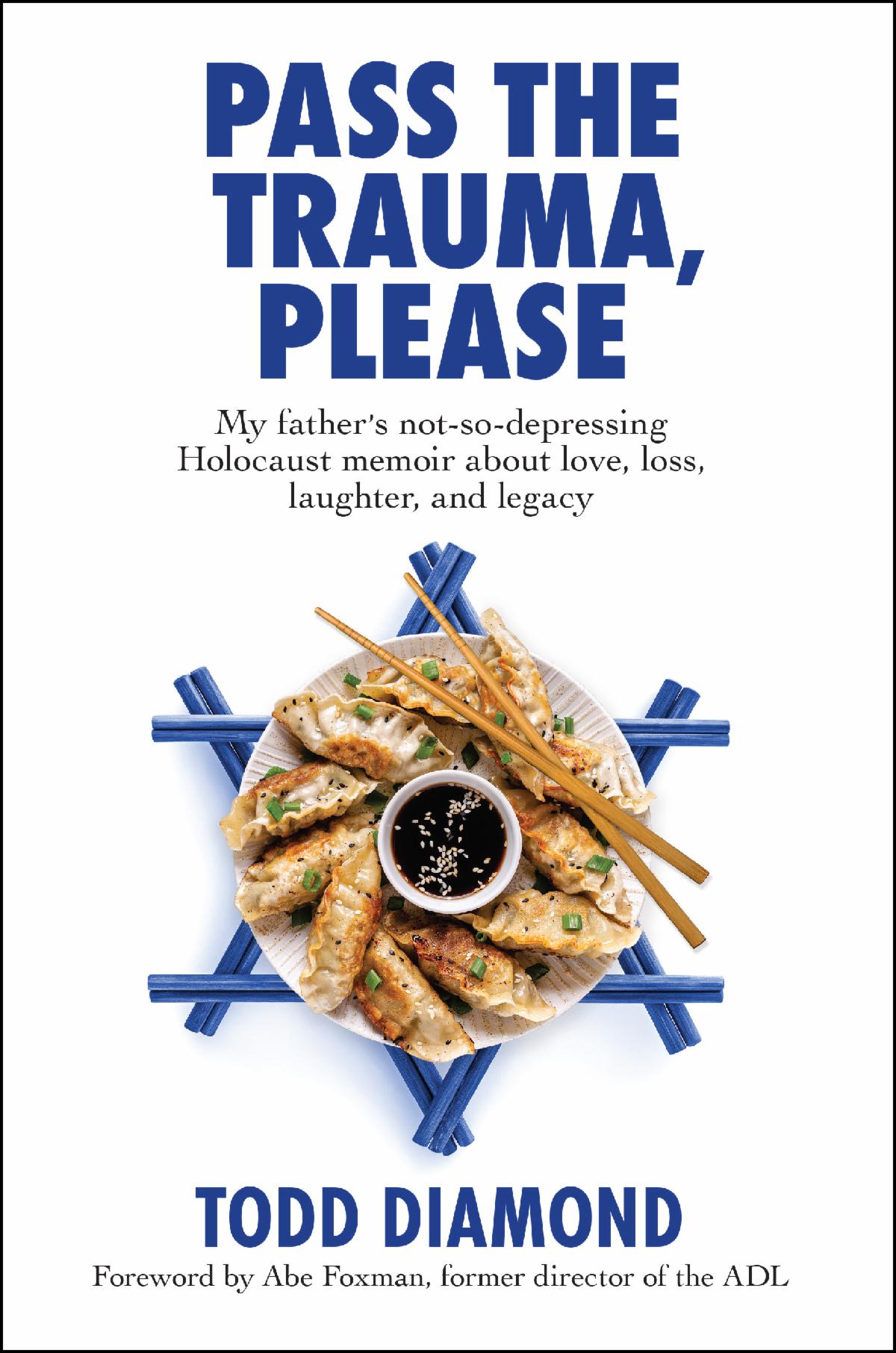
| | Born in Queens, New York, Todd Diamond delivers narratives that are unapologetically raw and darkly humorous––a reflection of the borough that raised him. Whether it’s sordid tales from his advertising career or stories about his family’s Holocaust experiences, he resonates with those who prefer their prose served with a healthy dose of cynicism and unsweetened insight. | |
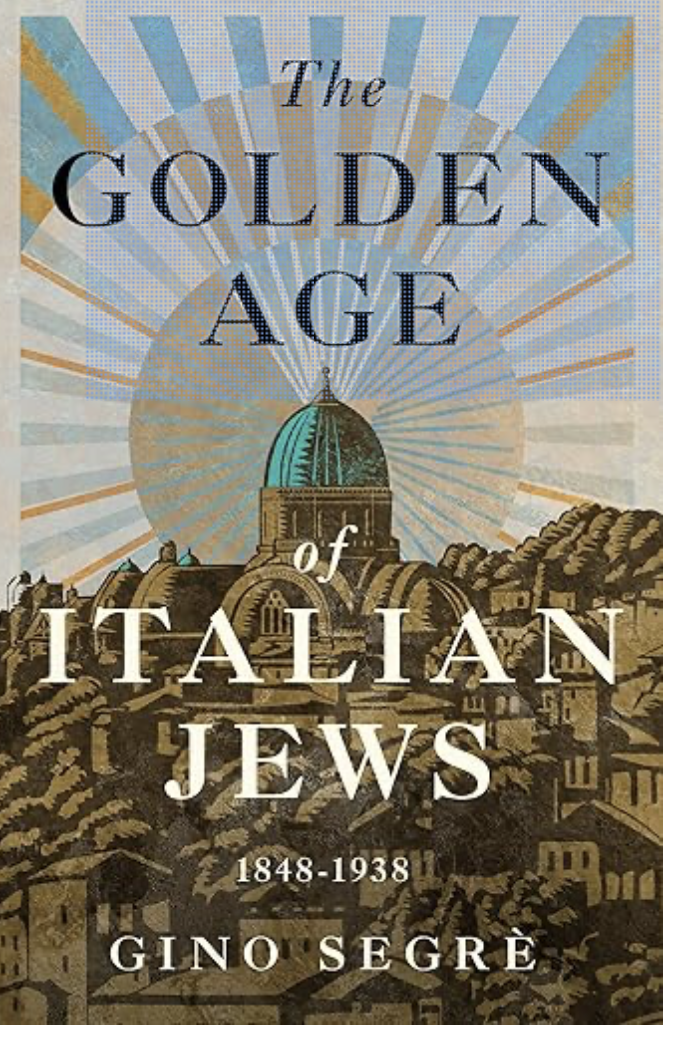
ESSAY: Exploring the Golden Age of Italian Jews, by Gino Segrè
| | My interest in writing my new book, The Golden Age of Italian Jews: From 1848 to 1938, was spurred by the chance to delve into my own family history and relate it to the arc of Italian Jews during this period. My research began by examining where Jews stood in the mid-1800s, a time when my father’s paternal grandfather, Angelo Segrè, owned a small store in Bozzolo, a little town near Mantua. He and his wife, Egle, had four children who lived beyond infancy. Their middle son, Giuseppe, my grandfather, went into commerce and became the head of a paper mill near Rome. Their other two sons, Claudio and Gino, attended university and had notable careers, one as a geologist and the other as a law professor. Both became members of the Accademia dei Lincei, Italy’s equivalent of the British Royal Society. Their sister, Bice, married a chemistry professor at a university. | | |
|
Gino Segrè has authored five books on the history of science: A Matter of Degrees (2002), Faust in Copenhagen (2007), Ordinary Geniuses (2011), The Pope of Physics (2016) with Bettina Hoerlin, and Unearthing Fermi’s Geophysics (2021) with John Stack. The Pope of Physics was a New York Times Book Review Editor’s Choice and named a Best Book of the Year by Bloomberg; Faust in Copenhagen was a finalist for the LA Times Book prize. Segrè was born in Florence, Italy and raised there and in New York City. He is a former chair and professor emeritus of physics and astronomy at the University of Pennsylvania and has received awards from the National Science Foundation, the U.S. Department of Energy, the Alfred P. Sloan Foundation, and the John Simon Guggenheim Memorial Foundation. He lives in Philadelphia with his wife Bettina Hoerlin.
| | |
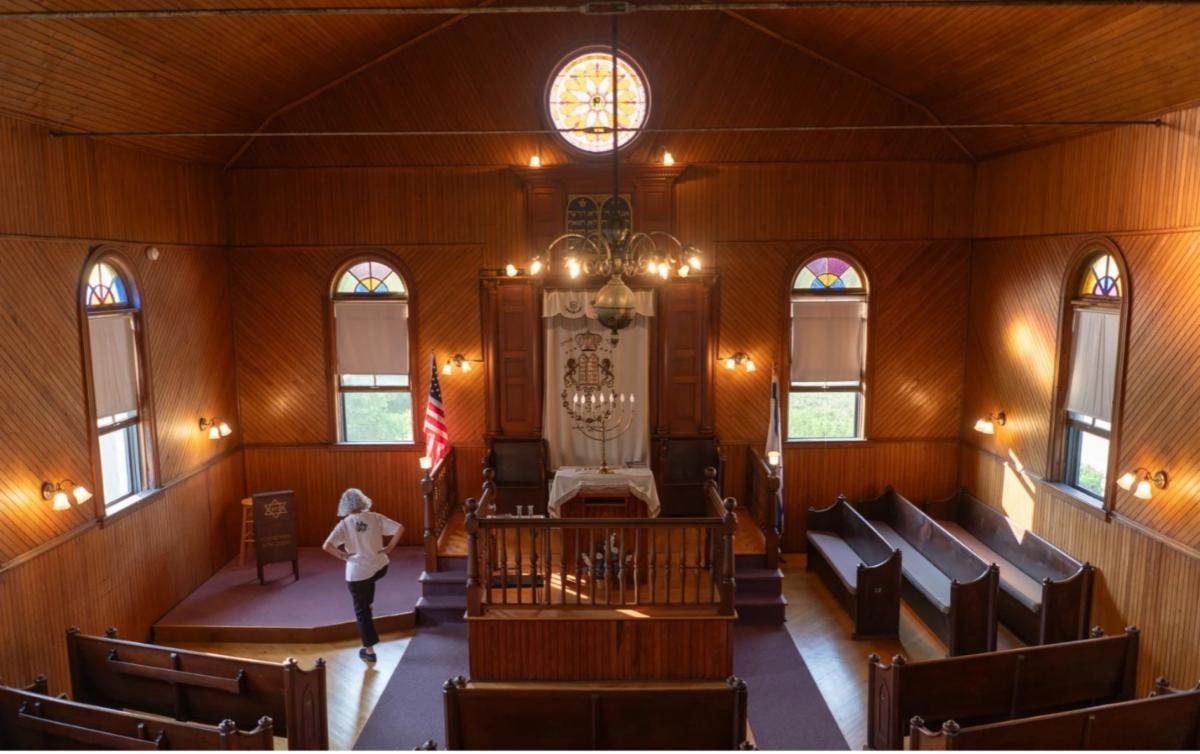
ESSAY: NY’s rural 120-year-old ‘Peddlers’ Synagogue’ charts new path without a congregation, by Luke Tress
| | That synagogue, Beth Joseph, hosted weddings, bar mitzvahs and prayer services managed by its Yiddish-speaking committee for decades. The building was known as the “Peddlers’ Synagogue,” named for its itinerant salesmen, like Ginsberg, who resorted to peddling after the plumber who was training him died. Despite his rough start, Ginsberg went on to play a central role in the synagogue’s construction and the local community. But like many small-town Jewish congregations across the US, the community dissipated as its region’s fortunes declined. Today, as the synagogue’s 120th anniversary approaches, it is charting a new path forward, with the help of a few remaining congregants and the local community. | | |
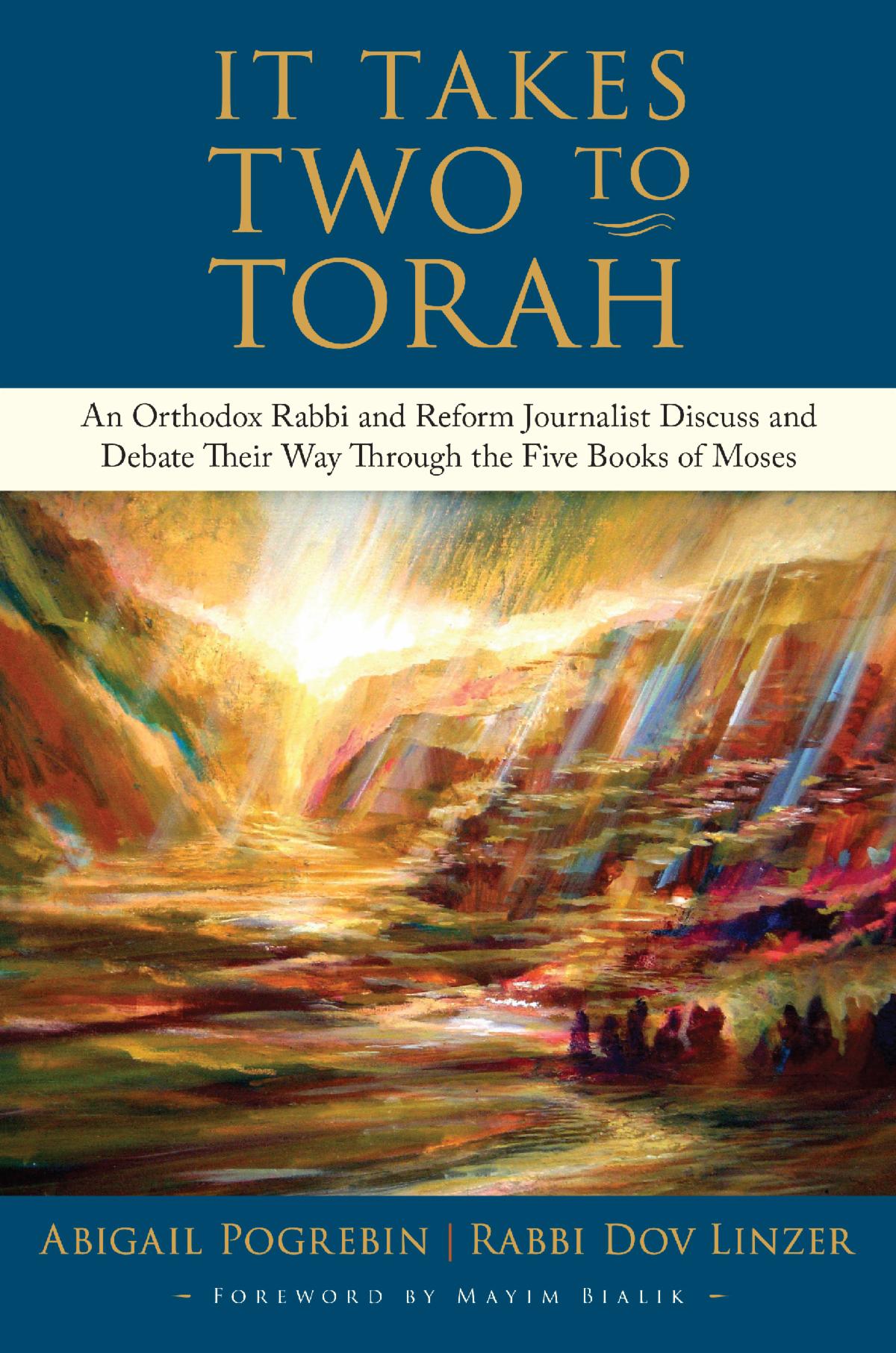
NON-FICTION BOOK: It Takes Two to Torah,
by Abigail Pogrebin and Rabbi Dov Linzer
| | | This book is the product of two people literally meeting in the middle to bring us their most honest intellectual and relevant understanding of the Torah. Pogrebin and Linzer engaged in short dialogues on a podcast forTablet Magazine, and they have now been collected and edited so that the full, fascinating exploration can be found in one place. | |  | | |
VIDEO INTERVIEW: The Lies Smart People Believe,
with Dara Horn
| | |
Dara Horn is the award-winning author of seven books, including the novels In the Image (Norton 2002), The World to Come (Norton 2006), All Other Nights (Norton 2009), A Guide for the Perplexed (Norton 2013), and Eternal Life (Norton 2018), the Passover-themed graphic novel One Little Goat (Norton 2025), and the essay collection People Love Dead Jews: Reports from a Haunted Present (Norton 2021).
One of Granta magazine’s Best Young American Novelists (2007), she is the recipient of three National Jewish Book Awards, among other honors, and she was a finalist for the Kirkus Prize, the Wingate Prize, the Simpson Family Literary Prize, and the Carnegie Medal for Excellence in Fiction. Her books have been selected as New York Times Notable Books, Booklist’s 25 Best Books of the Decade, and San Francisco Chronicle’s Best Books of the Year, and have been translated into thirteen languages.
Her nonfiction work has appeared in The New York Times, The Wall Street Journal, The Washington Post, The Atlantic, Smithsonian, Tablet, and The Jewish Review of Books, among many other publications. She is also the creator of the history podcast Adventures with Dead Jews.
| | |
Horn received her doctorate in comparative literature from Harvard University, studying Yiddish and Hebrew. She has taught courses in these subjects at Sarah Lawrence College and Yeshiva University, and held the Gerald Weinstock Visiting Professorship in Jewish Studies at Harvard. She has lectured for audiences in hundreds of venues throughout North America, Israel, and Australia.
She lives in New Jersey with her husband and four children.
New Venture: The Tell Institute
Horn is also the founder and president of a new non-profit, The Tell Institute, devoted to educating the broader American public about Jewish civilization, including in K-12 schools and other channels.
| |
BLOG: With commentary and Guest Blogs on culture & current events, plus mini-reviews of books not published by Fig Tree Books
CLICK on the BLOG image to READ, REPLY to what we've written, COMPOSE something on your own about the state of literature (Jewish or otherwise), book publishing in general, culture & current events, or a specific book that you want to let others know about. And to SIGN UP, so you don't have to wait to read our blogs once a month when Fig Tree Lit is published.
| | | | |