| | The Newsletter of Fig Tree Books | | June '26: Issue #79 --- Fredric D. Price, Founder & Publisher | |
JEWS OF DIFFERENT HUES: Shavei Israel
| | |
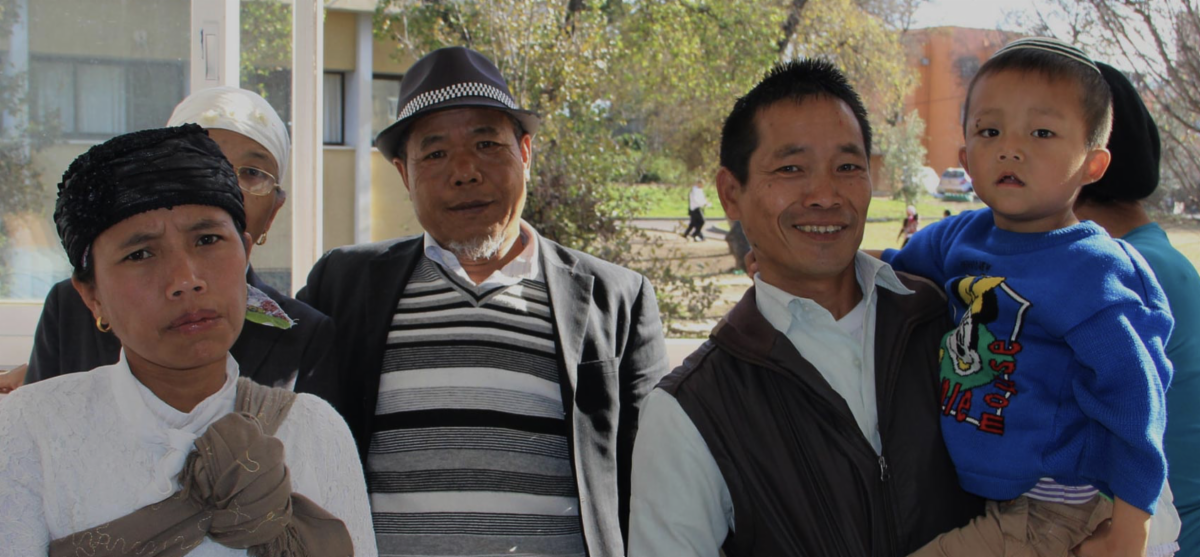
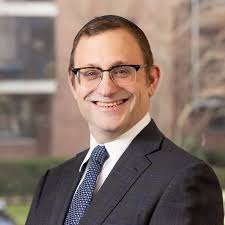
SHAVEI ISRAEL REACHES OUT to “lost” and “hidden” Jews around the world. From Poland to Peru, and Barcelona to Brazil, Shavei Israel aims to help descendants of Jews reconnect with the people and State of Israel. We open the door to all who have decided that Judaism and a return to the Jewish people are central to their fate and their identity.
Shavei Israel was founded in 2002 by Michael Freund, and formally incorporated as an organization in 2004. While serving as the Deputy Communications Director under Israeli Prime Minister Benjamin Netanyahu in 1997, Freund opened an envelope that arrived in the mail one day. That simple action was to profoundly change his life as well as that of many others.
The letter was from a group in northeastern India called the Bnei Menashe. They said they were descendants of the tribe of Menashe, one of the Ten Lost Tribes of Israel, and were pleading to return to the Promised Land. Their letter sent Freund on a mission to learn all he could about the Lost Tribes of Israel. In the process, he discovered that all across the world there are “lost Jews” dreaming of returning to their Jewish roots.
| |
ESSAY: Why Jewish Staff Are Quietly Leaving
Progressive Nonprofits, by Sharon Leslie
| | |
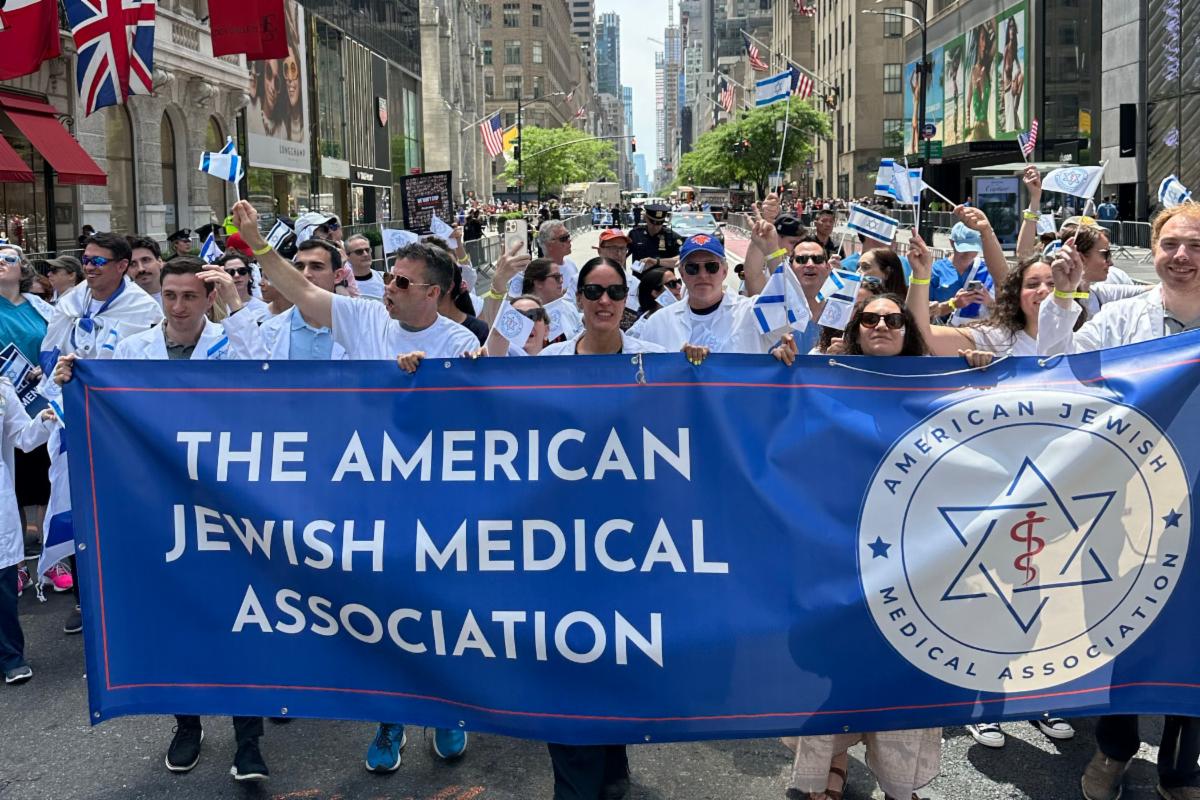
Progressive nonprofits pride themselves on inclusion and equity. These organizations, however, may quietly be losing Jewish talent because they haven’t integrated antisemitism into their equity work.
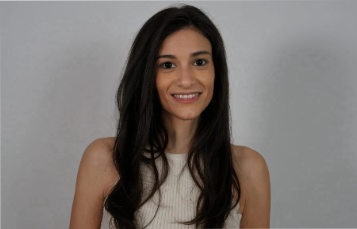
The story of Ariel Amaru demonstrates the ramifications of this blind spot. As a Jewish woman of color working at a gender justice nonprofit, Ariel experienced antisemitism as a steady accumulation of microaggressions, ideological litmus tests, and silences that spoke volumes.
In the weeks after the October 7, 2023, attacks by Hamas on Israel, the nonprofit’s union leaders adopted language that crossed the line from criticism of Israeli policy into antisemitic tropes. Ariel and two other Jewish women quietly left the workplace union, not because they were called out, but because their discomfort and Jewish identities clearly didn’t count.
The pattern continued. A Jewish colleague quit after months of Slack messages and team chatter casually labeling Zionists as “colonial” and “genocidal,” with no awareness of how that rhetoric landed with Jewish staff.
Some coworkers simply assumed Ariel must be an anti-Zionist. One called the organization “a safe place to be an anti-Zionist Jew,” then was stunned when Ariel replied that she is a Zionist Jew with family in Israel. In another meeting, a staffer confidently repeated a debunked claim about Israel, forcing Ariel to correct it and ask why such misinformation had a place at work.
Your copy should address 3 key questions: Who am I writing for (audience)? Why should they care (benefit)? What do I want them to do (call-to-action)?
| | MONTHLY BLOG: Reporting Antisemitism in the Literary World Jewish Book Council | | |
Jewish Book Council is dedicated to supporting and uplifting Jewish and Jewish-interest books and authors through marketing and editorial endeavors, education, and networking. JBC aims to be a comprehensive resource throughout an author’s career and experiences in the Jewish literary world. To this end, with the rise of antisemitic incidents internationally, JBC has launched an initiative for authors, publishers, publicists, agents, editors, and readers to report antisemitic literary-related incidents.
| |
EXCERPT FROM A COMPLETED BOOK
LOOKING FOR A HOME:
1002 Chadwell Lane: Jewish Suburbia in the Midcentury, by Neil Davison
| | Chadwell Lane, the street where I spent my youth, was an unassuming stretch of sidewalk and asphalt that ran downhill in a new suburb about twenty minutes from the D. C. line. Like so much farmland during the postwar decade, its subdivision had been leveled, curbed-and-guttered, and flagged “For Sale” by 1960, the year I was born. Standing at the top of the street, the view of its geometry of lawns and rooftops made it appear like a poster for Eisenhower’s America: a fresh grid spread out in neat rows like the era’s promise of new beginnings, of unrivaled and widespread prosperity. To this day, I retain a Polaroid snap of the place that—beyond the cloying distortions of memory—attests to how auspicious that atmosphere felt. Our subdivision and elementary school had been dubbed Forest Acres by an enterprising builder who probably never once entertained the irony of the name, especially after the developers finished their work of scraping the land. This was the closing years of the migration from larger cities to the formulaic thrift of the “’burbs,” an era in which our New York cousins, cramped in their postal-square Brooklyn apartments, referred to as “moving out to the country.” In speaking about our home, my parents never failed to mention that, the year they bought the place, the boulevard bordering our neighborhood was still a gravel road. | | |
Neil Davison is Professor Emeritus of Modernism, Irish Studies, and Jewish Cultural Studies at Oregon State University, a position he held for the thirty years. He previously taught at George Washington in the District of Columbia, his home town. A scholar of Literary Modernism, he has authored three critical monographs: James Joyce, Ulysses, and the Construction of Jewish Identity (Cambridge, 1996; paperback edition, Foreword by Sir Anthony Julius, 1998), Jewishness and Masculinity from the Modern to the Postmodern (Routledge, 2010), and An Irish-Jewish Politician, Joyce’s Dublin, and Ulysses: The Life and Times of Albert L. Altman (Univ. Press of Florida, Joyce Series, 2022), and has published critical essays in professional journals for over forty years. In 2000, he was awarded a grant from the Lucius N. Littauer foundation for Jewish research to study Joyce’s encounter with Zionist writings in Trieste, Italy. In 2013 he was invited as the keynote lecturer on his work on Joyce’s Jewish themes at the Irish Jewish Museum in Dublin. He has lectured on his work on 20th century Jewish masculinities at Harvard, Fordham, Purdue, Loyola Marymount LA, and Ben Gurion University in the Negev. Before completing his PhD at University Maryland in 1993, he earned an MFA in Creative Writing from Columbia University and has placed poetry in several small-press magazines such as Cimarron Review, Ironwood, Abraxas, West Branch, and Small Pond. | | |
NON-FICTION BOOK FROM FIG TREE BOOKS LLC:
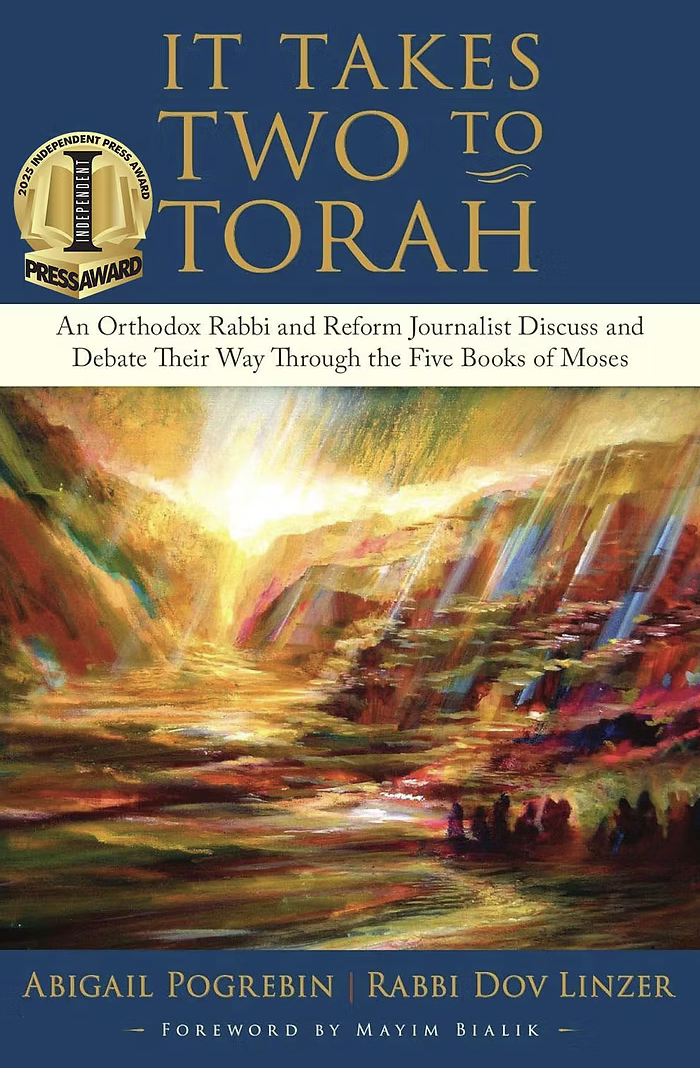
It Takes Two to Torah, by Abigail Pogrebin and Rabbi Dov Linzer
| | |
By Rabbi Rachel Esserman
One of the joys of Torah dialogue is to have someone suggest an idea about the text that had never occurred to you. Almost everyone has something to add from their personal or professional expertise and their lived experiences. Even someone who has never studied the biblical text before can offer interesting and challenging ways to understand its meaning because they don’t have the same preconceptions as those who are more learned. The idea that people of different backgrounds can challenge and inspire each other was behind the “Parsha in Progress” podcast sponsored by Tablet magazine, which features Rabbi Dov Linzer, an Orthodox rabbi, and author Abigail Pogrebin, a Reform Jew. Their dialogues were recorded and are now the source of a new book of Torah commentary, “It Takes Two to Torah: An Orthodox Rabbi and Reform Journalist Discuss and Debate Their Way Through the Five Books of Moses” (Fig Tree Books).
| | |
CHAPTER FROM AN UNPUBLISHED NON-FICTION BOOK:
Weltschmerz AF, by Michal Hecht
| | |
Chapter 1: To Bear Witness
I was going to lie just now and say “For weeks…” but screw it, I’ll tell you the truth—it was months. For months, I maintained this self-destructive, innate refusal to look away, even when bearing witness tore at every fiber of my being. Everyone kept telling me the same things, well-meaning advice that made me feel even worse. Stop looking at the horrible stuff online, they said. You need to disconnect. It’s so bad for you. You need to sleep, they said.
No kidding! If I could snap my fingers and disconnect, be fine again, be a good mom again, don't they think I would have done it already??
I arrived at my psychiatrist’s office already stressed, already late for work, my heart racing as I hurried to the front desk. But when the secretary glanced at her computer screen, she frowned slightly, telling me my appointment wasn’t for another hour.
I don’t even know what broke me—frustration, embarrassment, exhaustion—but suddenly, tears were streaming down my face, right there in front of her. I felt exposed, overwhelmed, and mortified.
When I finally sat down across from my psychiatrist, still wiping away tears, I asked her the question I'd been holding inside:
“Am I crazy? Why do I feel things this deeply? Why does everything hurt so much?”
She looked at me quietly, and when she spoke, her voice was gentle but certain. “You feel empathy for those who are suffering. That doesn't make you crazy—it makes you human.” Then I saw tears, quiet and restrained, trickling down her own face. Around her neck was a dog tag with the words “Bring Them Home” inscribed on it.
I sat there, all sniffly, flicking away hot tears, feeling something like relief… understood… validated. She too was hurting.
| | |
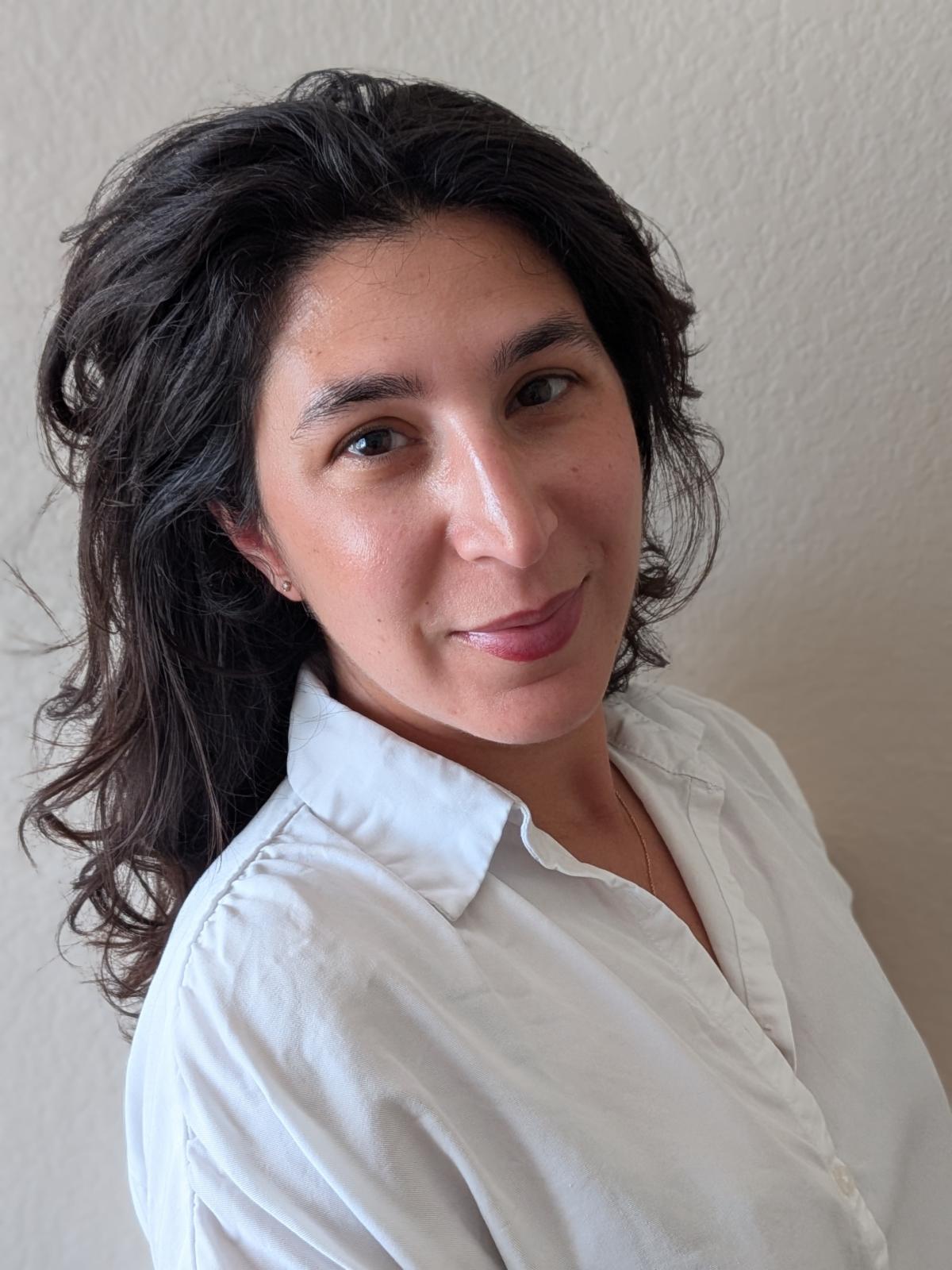
I hold a degree from Bar-Ilan University and work as a proofreader and compliance editor for a marketing company, bringing professional editing skills to my narrative craft. I am also an active community volunteer in my Israeli neighborhood. My authority to tell this story comes from lived experience: I am an Israeli mother who lived through the October 7th attacks and their aftermath with young children. I witnessed firsthand the psychological toll of processing collective trauma while maintaining daily family life. My perspective offers an intimate view of how ordinary Israeli families navigate existential threats—from explaining kidnapped children to my daughter after a classmate shared news at school, to sleeping in safe rooms with my family during missile attacks.
Born in Israel, raised in America, then returning as a teenager, I bring a unique bicultural perspective—deeply rooted in Israeli identity yet able to articulate experiences for international readers who may be unfamiliar with Israeli society. My professional background in editing and proofreading ensures my manuscript meets technical standards, while my community involvement demonstrates my commitment to the society I write about.
| |
ESSAY: A Forgotten American Tale:
Mary Antin's The Promised Land, by Ronit Mazovskiy
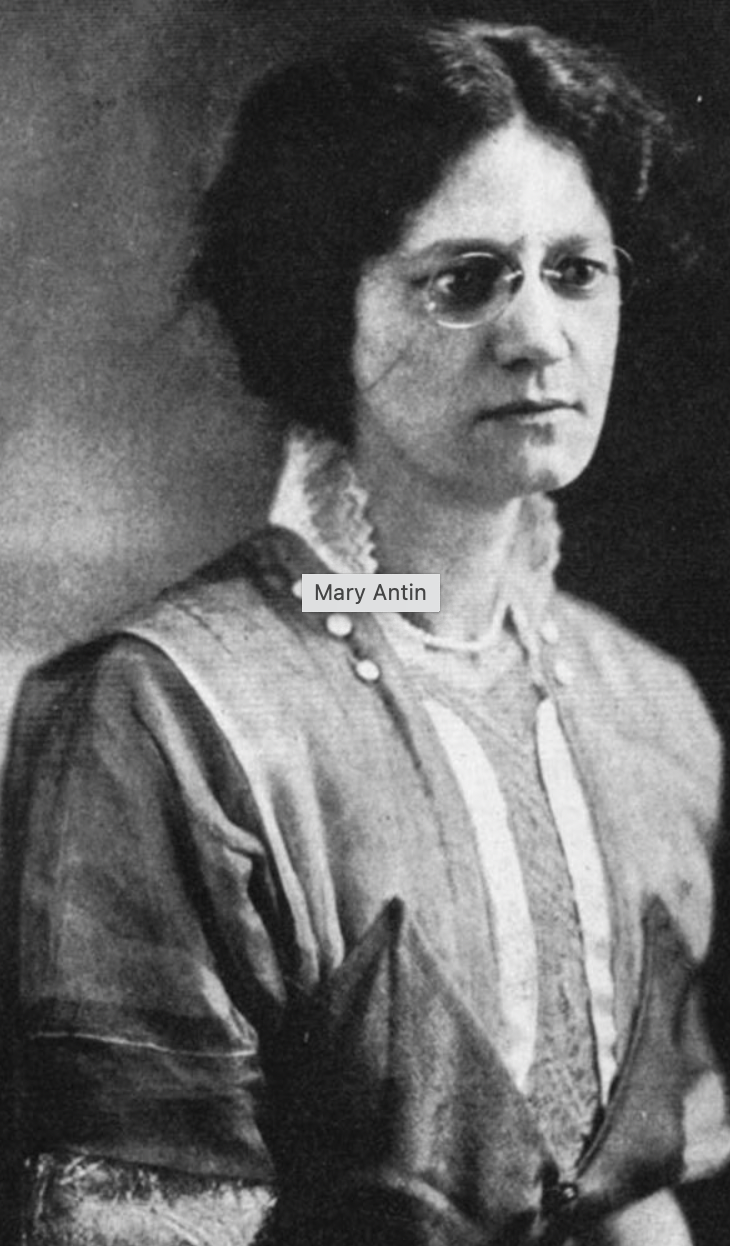
| | In the early twentieth century, when Jews escaped the poverty and inequality of the Russian Empire to the United States, slaving away for eighteen hours a day in a garment factory was probably not the freedom that had been dreamed of. Long hours, low wages and unsafe working conditions were the realities that many Jewish immigrants faced in New York City, Chicago, Philadelphia and Boston. And yet, these realities still represented better opportunities to make money and educate their children than anything they could have hoped for back in Europe. | | Ronit Mazovskiy is a teacher and writer. She lives in Austin, Texas | |  | |
In her life and her work, the best-selling author Mary Antin celebrated the immigrant experience and America’s boundless opportunities.
| | |
BLOG: With commentary and Guest Blogs on culture & current events, plus mini-reviews of books not published by Fig Tree Books
CLICK on the BLOG image to READ, REPLY to what we've written, COMPOSE something on your own about the state of literature (Jewish or otherwise), book publishing in general, culture & current events, or a specific book that you want to let others know about. And to SIGN UP, so you don't have to wait to read our blogs once a month when Fig Tree Lit is published.
| | | | |