Community for the Journey -- March 2026 | | "The best luck of all is the luck you make for yourself.”— Douglas MacArthur | |
If you would like to facilitate a group in your area, PANC will help.
Contact Jen Westoby here if interested.
| |
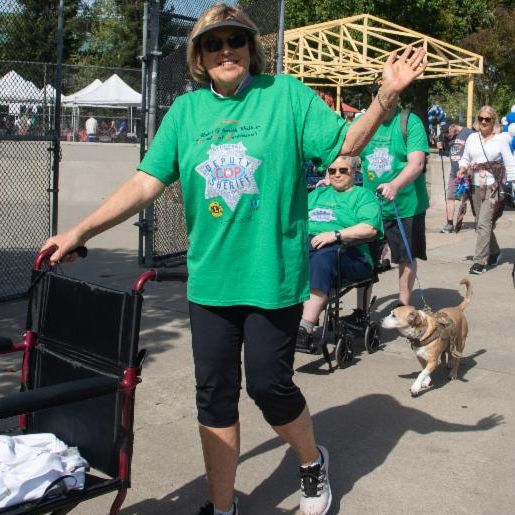
Walk to Cancel Out Parkinson's Coming Up!
Saturday, April 25 from 9 to 11:45 am
Maidu Park, Roseville
Early-bird registration rate and shirt through April 5
Information and Registration Here
Participate in-person or virtually
Event Flyer Here
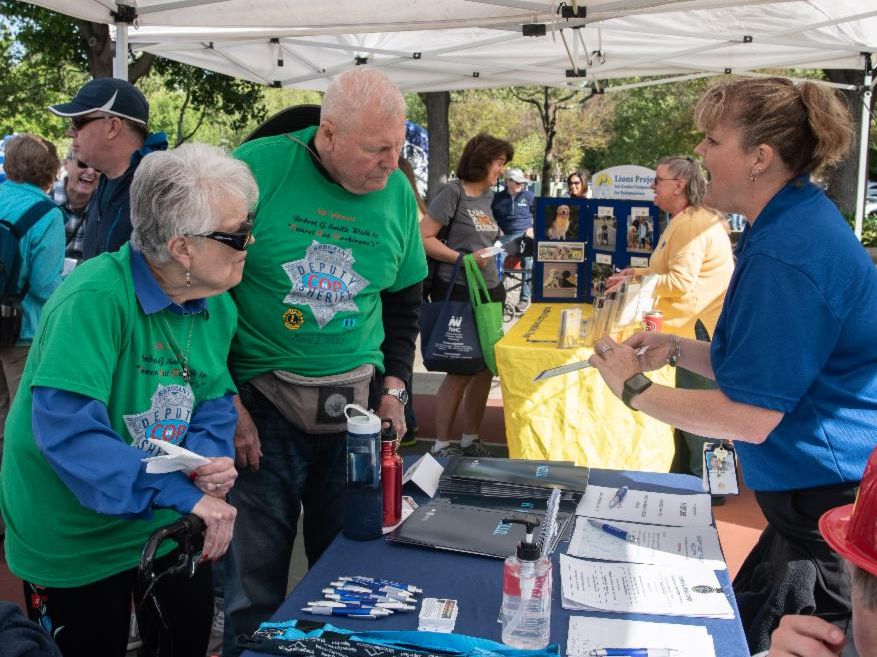
Hosted in partnership with the joint regional Lions Clubs. To register, form and join teams, order early-registration t-shirts, create and donate to individual fundraising pages, check it out here! Early bird walk registration for $40 runs through April 5. T-shirts are guaranteed for those who register through April 12. Make sure to visit the exhibit tables.
Support by participating in the virtual walk if you can't attend in person.
Every step helps fund PANC's programs and brighter futures, making this a feel-good day. Start a personal fundraising campaign to honor a loved one, mark a milestone, or to show your support for PANC!
Thank you to the following sponsors (as of 3.12.26) who are contributing significantly to making this an incredible and special event! AbbVie, Acadia Pharmaceuticals, Supernus Pharmaceuticals, Boston Scientific, Embarcadero Lions Club of Sacramento, Higgins Diggins Lions Club, McIlwain Mobility Solutions, Medtronic, NuMotion Mobility, and Weintraub Tobin.
| | |
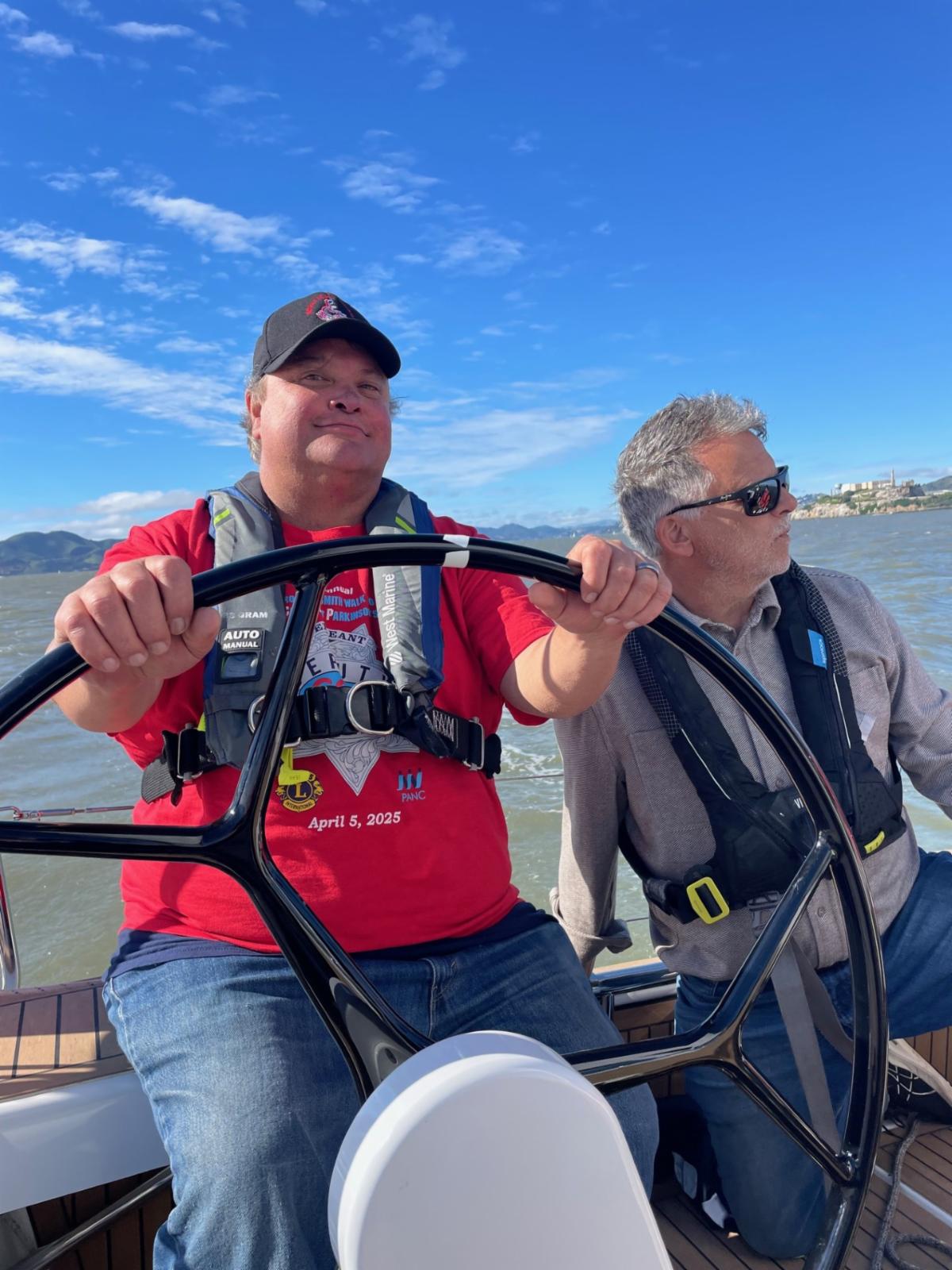
Sailing4Parkinsons Event on
April 11 and 12 in Tiburon
Sailing4Parkinsons Website and Flyer
Gala Registration ends April 1
We'd love for you to join in the inaugural Sailing 4 Parkinson's regatta which is a collaboration between the Neptune Project, the Parkinson Association of Northern California, the Michael J. Fox Foundation for Parkinson’s Research, and the Corinthian Yacht Club to raise funds for both PANC and MJFF.
Approximately thirty sailing clubs and many individuals from around the San Francisco Bay Area are anticipated to join in the event which includes a sailing race, gala, and post-race celebration.
Additionally, there is an inclusive opportunity for people with Parkinson's disease to experience the call of the sea along with their care partner at no cost. This opportunity is designed to be safe, supportive, and empowering, with experienced sailors and volunteers onboard to ensure comfort and confidence every step of the way. No prior sailing experience is required—just a sense of adventure and a willingness to try something new. Come sail with us and be part of a powerful, uplifting celebration of resilience and community. Click here to learn more and submit an application. There are only about 20 spots left, so register soon if you'd like to participate.
| | |
Fighting (Winning With) Apathy
by Jim Dowling
You hear a lot about apathy in the Parkinson’s community. It’s an energy-sapping undertow making it far too easy to pass the time doing nothing. For me, “doing nothing” for long periods invites dark thoughts and depression. In this article, I'm going to share my strategies for dealing with apathy in the hopes it might resonate with others. I realize that few of us with Parkinson’s face identical symptoms or challenges, but this is what seems to be working for me…so far anyway. I’ll begin by sharing that I am 73 years old and was diagnosed two years ago.
My daily goal is to find ways to stay busy with challenges that are both physical and mental. I push myself to explore just what I’m still capable of. This has meant real, and at time, an uncomfortable departures from my old lifestyle. The “old me” had it pretty good; no real routine. I'd start my day with a cup of coffee and go with the flow. As advertised, the easy life of the retired.
Those days are over. For one thing, there’s no jumping out of bed. I’m stiff and moving slowly in the morning. However, I do start my day armed with a plan and sense of purpose which is moving and not succumb to the urge to take it easy. I refuse to give apathy that opening. After my cup of coffee, it’s twenty minutes of yoga, pushups, various chores, I hit the gym, play a little pickle ball, do speech exercises, etc. By mid-afternoon, I’m spent and move to nap time. It’s hard to quantify the rewards of my hard work and the great rest after. With all of this exercise, I can do a few more pushups and am somewhat more flexible than I've ever been and I don’t get muscle cramps as often as I used to. Most importantly, I’m being proactive by framing this disease as my ultimate, personal challenge. Make no mistake, it is a battle, but I intend to conquer it the best I can.
Then there’s the mental aspect. Like many of us, I often struggle with finding the right word when trying to describe anything. This article will undoubtedly go through numerous drafts before I settle on the right words. Other complaints I have include fatigue and short-term memory loss. The onset of sudden sleepiness; when and why it descends on me, is still a mystery. When it does, I can hardly keep my eyes open. It can happen any time of day, but never when I’m physically active or mentally engaged with something I find interesting. With memory loss, I’ve been able to adapt. Keeping a note pad and pen handy are invaluable to help remember everything that I’m supposed to do along with the names of new people I’m meeting.
I still enjoy a good read and pursue many of my old hobbies and interests. In short, I feel very fortunate that Parkinson’s hasn’t taken these away from me. Yet. I harbor no illusions; the day of reckoning might be somewhere out there. Who knows. I think of this disease as a race against time. I do what I can while I can and do everything possible to stall the progression.
I find inspiration where I can. My heroes and inspirations are those folks who manage to maintain a positive attitude and share what has worked for them. I’d be lost without the unwavering support of my patient and understanding wife. I’m a big fan of Jimmy Choi, who spoke at the last PANC conference and is an advocate for rigorous physical activities. Jimmy and others like him have positive outlooks that are contagious. Who doesn’t love Michael J. Fox? There are plenty of others if you search the internet. These individuals manage to find a way to carry on with an enviable quality of life despite having Parkinson’s. We all stand to benefit from their experience, and I hope this article has helped you learn a little from mine.
If you are finding effective ways to deal positively with your Parkinson's journey, please think about sharing your strategies with the rest of us in this newsletter. We are all on the road together -- the more the merrier!
If you'd like to share an article, please email Jan here.
| | |
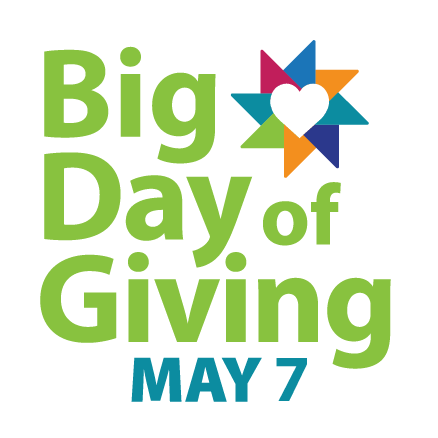
Why the Big Day of Giving
Matters So Much for PANC
Click here to learn more and donate
between April 20 and May 7
Each year, the Big Day of Giving brings our community together for a powerful movement of generosity. For families living with Parkinson’s disease, this day represents far more than a fundraising campaign—it’s a lifeline.
Supporting the Parkinson Association of Northern California (PANC) on this special day helps ensure that people living with Parkinson’s, along with their care partners, have access to critical services, education, and community support throughout Northern California. While organizations like the Michael J. Fox Foundation for Parkinson’s Research work tirelessly to fund research toward better treatments and a cure, local organizations play a different, but equally vital role.
PANC focuses on helping people right now, providing programs, support groups, respite grants for caregivers, educational events, and wellness resources that improve quality of life for thousands of families.
When donors give on Big Day of Giving, their contributions go even further. Gifts are boosted by matching funds and regional incentives, meaning every dollar can have a greater impact. Just as important, this collective day of generosity raises awareness about Parkinson’s disease and reminds those living with it that they are not alone. By supporting PANC on Big Day of Giving, our community helps ensure that no one facing Parkinson’s in Northern California has to navigate the journey without support, resources, and hope.
Please share with others and help us reach our goal of $75,000 in 2026. Reminder to donate here starting April 20th to make an impact! THANK YOU!!!
| | |
Parkinson's Advocacy Day
Monday, April 13
California State Capitol
Registration link here
Deadline to Register is March 20
Parkinson’s advocates from across California are invited to join Sacramento Parkinson’s Advocacy Day on April 13, 2026, a powerful opportunity to meet directly with state lawmakers and urge support for policies that impact the Parkinson’s community.
Advocates will call for support of California Senate Bill 895 (SB 895), which would strengthen California’s long-standing commitment to medical research funding and educate lawmakers about the dangers of paraquat plus additional legislative options under consideration that could directly benefit people living with PD and their care partners.
Parkinson’s Advocacy Day is a partnership between The Michael J. Fox Foundation for Parkinson’s Research, Parkinson’s Foundation, American Parkinson Disease Association, and Parkinson’s Association of Northern California.
Participants will hear from expert speakers and take part in scheduled meetings with legislators and their staff. No prior advocacy experience is required—just a willingness to share your story and speak up for the Parkinson’s community. Training for participants will be available via Zoom the week prior to April 13th, as well as during the event program.
Tentative Agenda
- 9:00 Arrival and Registration
- 10:00 Programming
- 11:30 Lunch
- 12:30 Meetings with lawmakers
- 5:00 Conclusion
- Tentative afternoon Parkinson's Awareness Month recognition on Assembly and Senate floors
Space is limited and closes March 20, so register today. Everyone must individually register, including carepartners and family members.
| | |
Why Women Might Miss DBS
Over 400,000 women in the U.S. have Parkinson's. A new piece in Oprah Daily examines why they are less likely to receive Deep Brain Stimulation (DBS), a surgery that can significantly improve symptoms. Experts including Dr. Michael Okun discuss how delayed diagnosis, referral patterns, and caregiving roles may limit access for many women. Click here to see the article.
| | |
The Parkinson's Community is Taking on Washington DC!
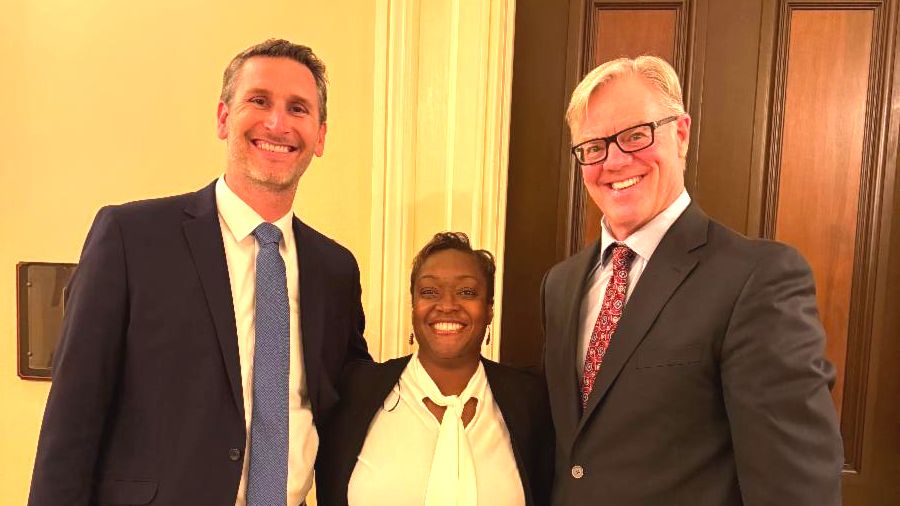
This week, the Parkinson’s community is in Washington, D.C. for the 2026 Parkinson’s Policy Forum, meeting directly with members of Congress to push for policies that accelerate research, improve care and address environmental risks linked to Parkinson’s disease. PANC President Harry Starkey is in attendance and testifying before the U.S. Congress this morning representing the interests of the Northern California Parkinson's community.
The Parkinson’s Foundation, Michael J. Fox Foundation and American Parkinson Disease Association are hosting this inspirational event, with support from many other allied organizations.
Even if you aren't in Washington, you can raise your voice in support of these policy priorities from home. Throughout the week, advocates from across the country are sharing their stories and urging lawmakers to act. Join them by posting on social media or contacting your members of Congress through email or a quick phone call.
View the website here for those resources and watch for live updates. Together, we can ensure lawmakers hear our loud, unified message from the PD community: Invest in Parkinson’s research and protect people from environmental risks now!
| |
|
2026 Schedule of Events
April 11 -- World Parkinson's Day
April 11 & 12 -- Sailing4Parkinsons Regatta
April 13 -- MJFF Parkinson's Advocacy Day at the Capitol
April 25 -- Cancel Out Parkinson's (COP) Walk in Roseville
May 7 -- Big Day of Giving
May 9 -- Support Group Facilitator's workshop
May 24 to 27 -- World Parkinson's Congress in Phoenix
September 21-23 -- Take A Shot at Parkinson's Sacramento
October 24 -- PANC Annual Conference at Cal Expo in Sacramento
| |
Experiencing Hallucinations
or Delusions?
Free Webinar
Tuesday, March 31 at 11 am
Click here to register
Flyer Here
If you or a loved one is experiencing Parkinson's-related hallucinations and delusions, talk to your doctor and attend this educational session hosted by the Independent Parkinson's Network (PANC is a member).
| |
New Way to Support
Parkinson's Research on Your
California Tax Return
Beginning with the 2025 California tax return, taxpayers now have the option to make a voluntary donation to the Parkinson’s Disease Research Voluntary Tax Contribution Fund.
By simply checking the box on your state tax form and contributing $1 or more, you can help support critical research aimed at improving treatments and finding a cure for Parkinson’s disease. Funds raised will support programs including the Richard Paul Hemann Parkinson’s Disease Program, advancing research that benefits the Parkinson’s community throughout California.
When you file your 2025 California taxes, keep an eye out for this new option and consider adding your support. Even small contributions can make a meaningful difference in the fight against Parkinson’s.
| |
Equipment Exchange Products
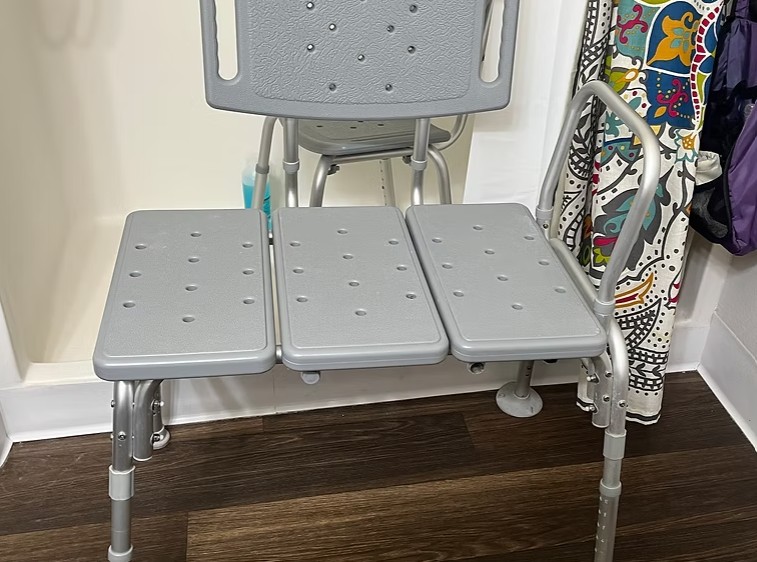
PANC's Equipment Exchange has the following available:
If you have equipment to share that can help others, the Durable Medical Equipment Exchange is ready to go. Click here to post an item and here to see what's available. We want to see this benefit grow to help our Parkinson's community members through the various phases of their disease care.
| |
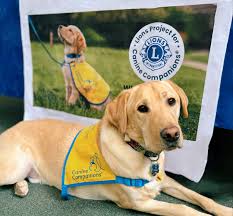
Lions Project for
Canine Companions for Independence Might be for You!
The Lions Project for Canine Companions for Independence is leading the service dog industry so their clients and dogs can live with greater independence. They provide service dogs to adults, children, and veterans with disabilities and facility dogs to professionals working in healthcare, criminal justice and educational settings. Since their founding in 1975, their dogs and all follow-up services are provided at no cost to their clients.
Clients come to Canine Companions because of their reputation, the quality of their dogs, the experience of their training staff and the desire to lead life with greater independence. They are committed to providing services to all qualified clients.
Learn about service dogs here or contact Mark Steffans by email here. See the pups in action at the COP Walk and PANC Conference.
| |
Pain and Sensory Changes
with Parkinson's
Here’s a different little-known aspect of Parkinson's disease that many people don’t realize, pain and sensory changes. While Parkinson’s is often thought of as a movement disorder, up to 50% of people with the disease experience chronic pain. This pain can take many forms like muscle cramps, stiffness, joint aches, or even a burning or tingling sensation. Unlike typical aches from aging or injury, this pain is directly related to the way Parkinson’s affects the nervous system and how the brain processes signals from the body.
Pain in Parkinson’s can appear years before diagnosis or alongside other symptoms, and it’s often misunderstood or dismissed. People may feel frustration when their discomfort isn’t visible, or when doctors focus only on tremors and mobility. The pain can affect sleep, mood, and overall quality of life, making it a crucial, but frequently overlooked aspect of managing the disease.
Addressing pain in Parkinson’s requires a comprehensive approach. Physical therapy, gentle exercise, medication adjustments, and sometimes complementary therapies like massage or mindfulness techniques can all help. Awareness of these hidden sensory symptoms is important, not only for those living with Parkinson’s but also for caregivers and medical professionals, so that treatment can be more holistic and supportive.
| |
Research Study Opportunity
Michael J. Fox Foundation's
Landmark Study
The Michael J. Fox Foundation launched Parkinson's Progressive Markers Initiative (PPMI) in 2010. Since then, the study has changed how research is done and what scientists know about the brain.
PPMI follows people — with and without Parkinson's — over time to learn more about how disease starts and changes. That information can help doctors and scientists better diagnose, treat and even prevent brain disease.
Some volunteers share data online. Others have tests and share biological samples at one of 50 participating medical centers in 12 countries. They see expert medical teams who can talk to them and their families about brain health. The study shares its data set, the most robust in Parkinson's research, with scientists to speed breakthroughs. PPMI has led to many findings, including a new test for Parkinson’s disease. All data is protected; scientists who use the data must pledge to protect it too.
The PPMI Smell test is also an option for participation -- anyone without Parkinson's can easily participate. Smell loss may be one of the most important signals of Parkinson’s risk, so this study explores this link toward prevention. They are asking everyone age 40 and up without Parkinson’s disease to take a smell test to help scientists learn more about risk and to develop new treatments. Click here to learn about the smell test
This landmark initiative is only possible through partnerships. Field leaders and more than 40 funding partners have helped shape PPMI. Most importantly, more than 3,000 participants enrolled in PPMI. Now PPMI is recruiting more volunteers who can help advance better treatments and prevention. Click here to learn about the full PPMI study!
| |
Planning for the Prevention of Parkinson’s and Related Synucleinopathies: A Trial Design forum
May 22-24, 2026 in Phoenix, Arizona
Information Here
Calling all researchers, clinicians, those affected by Parkinson's, governmental and advocacy organizations. Help shape the first trials for the prevention of dementia with Lewy bodies and Parkinson’s disease. Investigators, at-risk advocates, and other stakeholders invested in preventing synucleinopathy are welcome to join in the exchange May 22–24, 2026 in Phoenix, Arizona at Planning for Prevention of Parkinson’s and Related Synucleinopathies: A trial design forum.
This collaborative biennial conference focuses on advancing trial design research via its underlying biology and clinical science towards the prevention of DLB, PD, and related synucleinopathies, and will immediately precede the 2026 World Parkinson Congress. Those with family histories of PD and related disorders, toxic exposures, or prodromal symptoms (RBD, constipation, hyposmia) may be especially interested.
Opportunities for participants include:
- Early bird registration
- Open abstract submissions, with eligible presenters considered for the Early-Career Investigator Travel Fellowship
- Limited hotel room block at a reduced nightly rate
- Networking across academic, advocacy, industry, & regulatory perspectives
- Mentorship program for Early-Career Investigators
Access the agenda, speakers, and full event details here.
| |
March Free Webinars
Tuesday, March 17 at 10am
Innovations in Deep Brain Stimulation for Parkinson’s Symptoms with the Parkinson's Foundation
Audience: Healthcare professionals
Navigating transitions between the emergency department, inpatient, and outpatient can be challenging for patients and medical care team members. This discussion will highlight the significance of care team communication and collaboration and learning opportunities from different hospitals' successes and challenges. CEU's offered.
Info and Register Here
Tuesday, March 17 at noon
Beyond Meds: Assistive Devices for Sexual Health and Intimacy with PMD Alliance
How clinician-created Uro/Gyn devices could help improve sexual health through targeted stimulation. Improve localized blood flow, reduce muscle tension, and enhance nerve sensation to reduce pelvic pain, erectile dysfunction, vaginal dryness, and more.
Info and Register Here
Wednesday, March 18 at 9am
Practical Cooking Tips and Recipes for Parkinson’s Disease with the Parkinson Association of the Carolina's
Practical recipes beneficial for those with PD. For anyone looking for new meal ideas, inspiration, or helpful tips. Bring recipes that you love to share!
Info and Register Here
Wednesday, March 18 at 10am
Navigating the Emergency Room with Parkinson's with the Parkinson's Foundation
Practical tools and strategies to help you or your loved one communicate effectively with healthcare providers, ensure timely access to medications, and avoid common pitfalls in the emergency department.
Info and Register Here
Wednesday, March 18 at 11am
Planning for Future Care: A Carepartner Perspective with the Parkinson Society of British Columbia
Audience: PD Caregivers
Helps attendees recognize when additional support may be helpful, while honoring individual choices and independence, understand different types of care, prepare ahead for home safety considerations, how to have conversations about care preferences and wishes, questions to ask in-home care agencies, and more.
Info and Register Here
Wednesday, March 18 at 11am
Women & Parkinson’s: Raising Our Voices for Change with Parkinson Canada
How women with Parkinson’s experience symptoms differently than men, barriers to care and treatment options, resources and tools available for women, and how to advocate for better care and research into women with Parkinson’s. An author also joins the conversation to share her own personal journey with Parkinson’s, captured in her book, “In This Faulty Machine: A Memoir of Loss and Transformation.”
Info and Register Here
Wednesday, March 18 at 4pm
A Veteran's Guide: Navigating Parkinson’s and Mental Health Together with Michigan Parkinson Association
Audience: Veterans and care partners
A new approach to healing the emotional wounds of war and navigating PD for veterans.
Info and Register Here
Thursday, March 19 at 9am
Sleep and Parkinson's: What’s Going On (and What Can Help) with the Michael J. Fox Foundation
A panel of experts will discuss what researchers are learning about the connection between sleep and Parkinson’s, particularly in light of the fact that REM sleep behavior disorder (RBD) is linked to Parkinson’s risk and can appear years before other symptoms.
Info and Register Here
Thursday, March 19 at 11:30am
Understanding Cognition & Thinking Changes in Parkinson’s with the Parkinsons' Foundation
Audience: Veterans and care partners
How PD impacts cognitive function and what veterans and care partners can do to recognize, manage, and adapt to these changes. They will discuss when to seek additional support, how the VA addresses cognitive health, and which tools and therapies may help maintain brain function and quality of life.
Info and Register Here
Wednesday, March 25 at 11am
Coping with Emotions in Parkinson's Disease with Banner Health
Understanding the emotional changes that occur with Parkinson’s can help limit frustration.
Info and Register Here
Wednesday, March 25 from 1-2:30pm
Lifestyle Interventions and Living Well with PD [YOPD] with American Parkinson Disease Association
Audience: Young Onset Parkinson’s
Addresses both the practical and emotional challenges of YOPD. Participants will gain tools and guidance to support daily life, decision-making, and long-term planning.
Info and Register Here
Thursday, March 26 at 11am
Keeping Parkinson’s Research on Track with American Parkinson Disease Association
Three inaugural APDA Bridge Funding awardees talk on strategies to improve the walking of someone with PD, generating dopamine neurons from stem cells, and cerebrospinal fluid biomarkers for Parkinson’s disease.
Info and Register Here
Saturday, March 28 from 6am-Noon
Parkinson's Expo with Neuro Challenge
Livestreamed presentations from renowned Parkinson’s experts and the opportunity to view the sponsors and resources available on the Parkinson's Expo website, ParkinsonsExpo.org. Multiple speakers
Info and Register Here
Tuesday, March 31 at 11am
Navigating Parkinson’s Changes in a Parent with American Parkinson Disease Association
Audience: Adult Child PD Caregivers
The speaker will translate mood, mind, and movement changes into clear and compassionate strategies for adult child caregivers and real-world examples, checklists, simple tracking tools, and step-by-step plans. Participants will be better able to spot patterns, respond in the moment, communicate with clinicians, support safety, dignity, and independence, reduce conflict, prevent crises, and stay connected.
Info and Register Here
| | |
* Contact Jan Whitney here if you are interested in placing a
sponsor article or research opportunity in this publication
| | | | |