Community for the Journey -- May 2026 | | |
“You cannot swim for new horizons until you have
courage to lose sight of the shore.” — William Faulkner
| |
If you would like to facilitate a group in your area, PANC will help.
Contact Jen Westoby here if interested.
| | |
World Parkinson's Congress -- Are You Going?
Are you attending the WPC meeting in Phoenix next week? If you're a member of the PANC community and will be at the World Parkinson's Congress, we'd love to try and schedule a meetup for all to gather. If you are interested in connecting with your NorCal peers, please email Sara at sara@panctoday.org by Wednesday, May 20 with your name, email address and cell phone # and we will see what we can work out. Hope to see you there!
| | |
Fighting PD My Way!
by Dirk Holstege
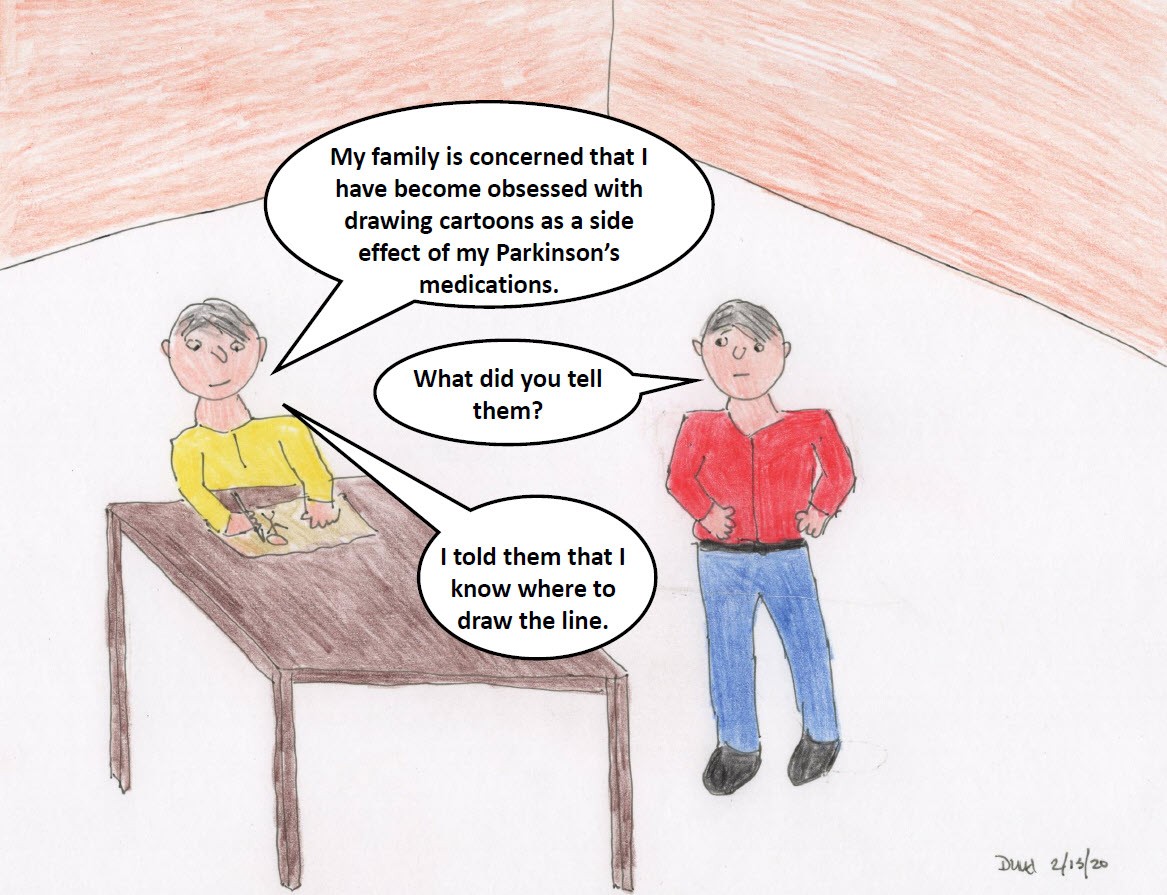
I'm a retired chemist turned Parkinson’s disease (PD) combatant, cartoonist, poet, and songwriter from Sacramento. I became a member of the Parkinson’s Club when diagnosed in 2015. Although I had only used formal, science-style writing throughout my career, I began writing as a way to process the profound changes to my life and express the complex feelings I was experiencing following my diagnosis.
I composed a book of poems called “Yesterday and Today” featuring stories about my life and PD plus created half a dozen cartoon books, including the someday-to-be-famous one entitled Lucky Stiff. I've realized that a strong sense of humor is essential in this war against the progression of this disease.
Despite having no prior experience creating music, I began setting my poems to music using phone apps that I discovered like GarageBand and Suno AI. Describing my PD journey through the emotion of song, the lyrics explore themes of perseverance, uncertainty, memory, anger, resilience, humor, hope, courage, and the search for meaning while living with a chronic illness. I highlight the importance of care partners to our success living with this disease. To date, I have written more than one hundred original songs, many of which are available on platforms such as Spotify, Apple Music, and the like.
I firmly believe that creativity and learning are powerful allies in fighting this disease. I have given several public presentations, which is also a new skill for me.
Exercise is extremely important in my fight against PD. I bike more than an hour every day and participate in a variety of other programs, such as weight training. At Rock Steady Boxing, I train with others with PD who understand the importance of fighting with might and vigor. I am fortunate to work with an incredible coach and a gym full of other brave heroes. Boxing is an integral part of my process.
I have learned that the most important aspect to combatting PD is learning and growing. Developing new skills keeps our brains active, creates dopamine, plus can inspire optimism to others living through this experience. I hope that my story helps my fellow Parkinson’s Club members try something new and outside of your usual "box." It can be fun and infinitely rewarding!
What skill or life change have you made since your diagnosis that has affected your life for the better? I'd love to hear from you and look forward to seeing you at the PANC Conference in October.
Meet Dirk Holstege who will be showcasing a couple of his songs at the PANC Conference
on October 24 at our new location at Cal Expo in Sacramento. Registration opens July 1!
| | |
Big Hearts, Big Impact:
Our Big Day of Giving Success
Thanks to the incredible generosity of our community, our Big Day of Giving campaign was a tremendous success, raising an amazing $49,000 to support the programs and services of the Parkinson Association of Northern California. Every donation, share, and word of encouragement helped make a meaningful difference for individuals and families living with Parkinson’s disease throughout Northern California.
We are deeply grateful to our supporters, volunteers, sponsors, and advocates who came together to inspire hope, strengthen connections, and ensure that vital resources remain available to those who need them most. This achievement reflects the power of community and the impact we can make together.
| |
Resilience at the Cancel Out Parkinson's Walk
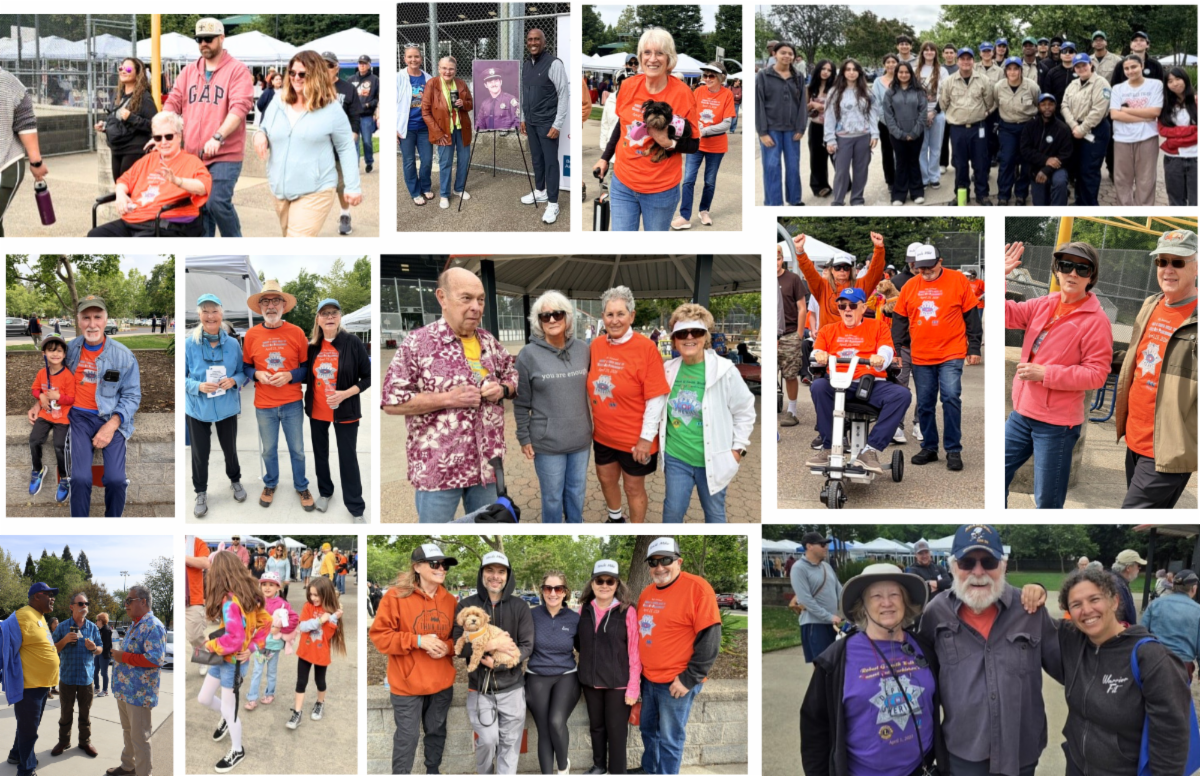
Thank you to the attendees, Lions Club members, volunteers, and exhibitors for another fun Robert J. Smith Cancel Out Parkinson's (COP) Walk. The weather held out for a beautiful day, and all had a great time. Thank you, especially, to our sponsors who ensure that the event happens!
AbbVie
Acadia Pharmaceuticals
Embarcadero Lions Club
Supernus Pharmaceuticals
Boston Scientific
Higgins Diggins Lions Club
Auburn 49'ers Lions Club
McIlwain Mobility Solutions
Medtronic
Weintraub Tobin
| | |
When Sleep Turns Active: Understanding RBD
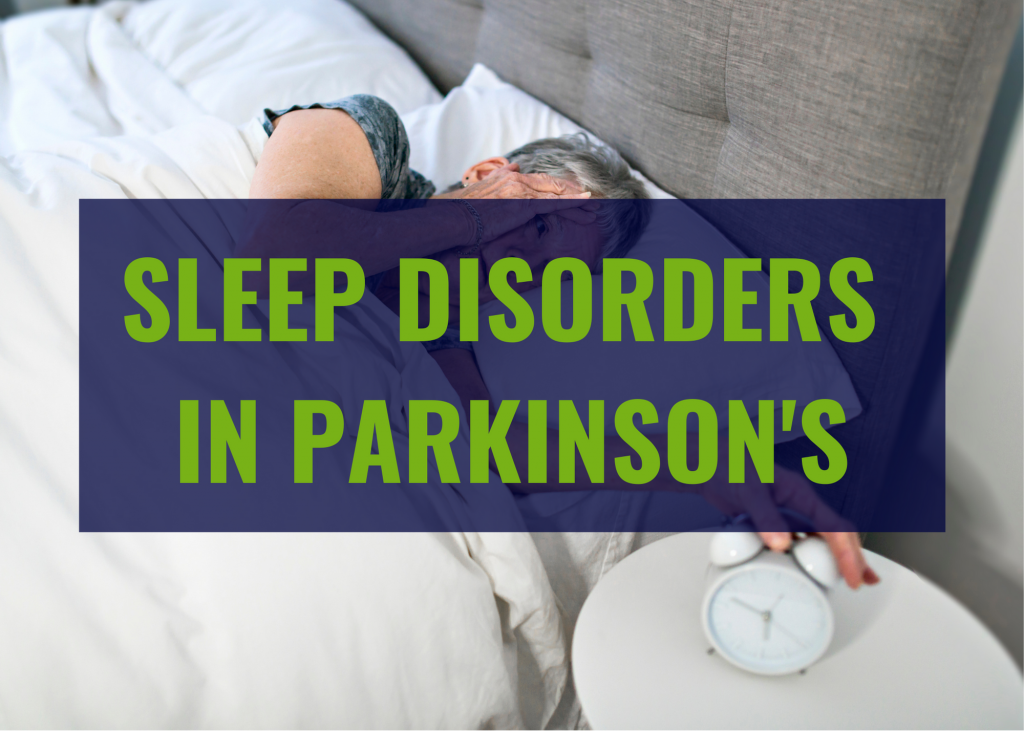
One lesser-known aspect of Parkinson’s disease is its connection to sleep disorders, especially REM Sleep Behavior Disorder (RBD).
People with RBD physically act out vivid dreams while sleeping including talking, yelling, punching, kicking, or even jumping out of bed. For some individuals, these symptoms can appear years or even decades before the movement symptoms of Parkinson’s disease begin. Researchers now recognize RBD as one of the strongest early warning signs of Parkinson’s and related neurological conditions. Raising awareness about sleep changes can help people seek medical attention earlier and better understand the many non-movement symptoms of Parkinson’s disease. This topic will be discussed at length at the PANC Conference in October.
If you think that you may have REM Sleep Behavior Disorder (RBD), it’s important to talk with a neurologist, movement disorder neurologist, or sleep specialist because treatment can help reduce injuries and improve sleep quality. RBD causes people to physically act out dreams during sleep, which can sometimes be dangerous for the person or their bed partner.
Common recommendations include:
- Making the sleep environment safer by removing sharp objects, padding furniture, or placing the mattress lower to the floor
- Maintaining a regular sleep schedule and reducing sleep deprivation, which can worsen episodes
- Avoiding alcohol and reviewing medications with a doctor, since some medications can trigger or intensify RBD symptoms
- Having a sleep study performed to confirm the diagnosis
- Treating the condition with medications when appropriate — doctors commonly use melatonin or sometimes clonazepam to reduce symptoms
Because RBD can be associated with Parkinson’s disease and related neurological disorders, ongoing monitoring by a healthcare professional is important, especially if movement, balance, memory, or mood changes develop over time.
| | |
Support Group Facilitators Are the Lifeblood of PANC
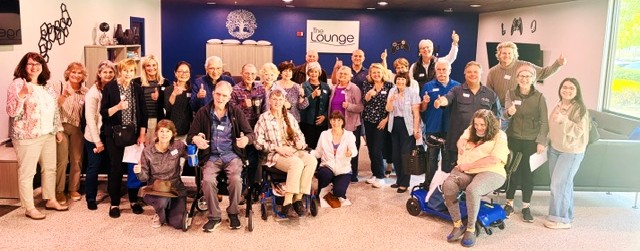
A heartfelt thank you to our dedicated support group facilitators, whose hard work, compassion, and commitment make each group a welcoming, supportive, and successful place for our Parkinson’s community to connect and thrive.
This past weekend, PANC's annual Support Group facilitators Workshop was held at Creekside Church in Elk Grove. Many representatives of our 50 groups spent their Saturday enhancing their skills and knowledge of Parkinson's disease so they can more effectively help others.
| |
|
UCSF Clinical Trial
Living with Parkinson's
and Feeling Depressed?
The UC San Francisco Department of Psychiatry and Behavioral Sciences is recruiting participants for a research study utilizing psilocybin therapy for depression in Parkinson's disease. If you are between 40 and 80 years old, have been diagnosed with PD, are currently experiencing depression, and can come to UCSF's Mission Bay campus in San Francisco, they'd love to hear from you. Visit the study website here to learn more and to volunteer. Call 415-935-3489 or email Brittany here with questions.
Participating in clinical trials for Parkinson’s disease helps advance research toward better treatments and a cure. Volunteers make it possible for researchers to test new medications, therapies, and approaches that may improve quality of life for people living with Parkinson’s. Participants may also gain access to promising treatments and specialized care while helping create hope for future generations.
| |
PANC Participates in Successful Defeat of Controversial Farm Bill Paraquat Element
Recently, there was a significant fight in Congress over language in the federal Farm Bill that could have limited states’ ability to restrict pesticides like paraquat. This major issue connecting Parkinson’s disease and the Farm Bill involves the herbicide paraquat, which has been increasingly linked in scientific studies to a higher risk of Parkinson’s disease
Parkinson’s advocacy groups including PANC, the American Parkinson Disease Association, The Michael J. Fox Foundation, the Environmental Working Group, and Parkinson's Foundation pushed lawmakers to preserve states’ rights to regulate or ban the chemical. On May 1, 2026, the U.S. House voted to protect states’ authority to restrict paraquat use, which Parkinson’s organizations called a “meaningful step forward” for people living with Parkinson’s disease. View the opposition letter sent to U.S. House Committee on Agricultural leaders Glenn Thompson and Angie Craig and all other members of Congress here.
At the same time, several states have introduced legislation to ban paraquat entirely. Just yesterday, Vermont became the first U.S. state to ban it (YES! and thank you MJFF team for helping with that!) while lawmakers in Minnesota recently debated similar legislation.
The controversy has grown because:
- More than 70 countries have already banned paraquat.
- Studies suggest people exposed to paraquat may have a significantly increased risk of developing Parkinson’s disease.
- Thousands of lawsuits have been filed against paraquat manufacturers alleging links to Parkinson’s.
California has not fully banned paraquat, but the state has taken several major steps that put it among the more aggressive states regulating it. Here’s where things stand:
- In 2024, California lawmakers considered AB 1963, which originally aimed to ban paraquat because of concerns about links to Parkinson's disease. The final version of the bill did not create an outright ban. Instead, it required the state to complete a formal reevaluation of paraquat by January 2029.
- California already classifies paraquat as a restricted material, meaning only licensed applicators can use it.
-
In April 2026, Syngenta voluntarily canceled registration of its Gramoxone paraquat product in California. However, this was not a statewide ban, and other paraquat products can still legally be sold and used while the reevaluation continues. Existing Gramoxone supplies can also continue to be sold through 2028.
- California regulators are continuing scientific reviews tied to health and environmental risks, including concerns about Parkinson’s disease.
So overall, California is:
- More restrictive than many states
- Actively reevaluating whether paraquat should remain legal
- But not yet one of the states with a full ban
|
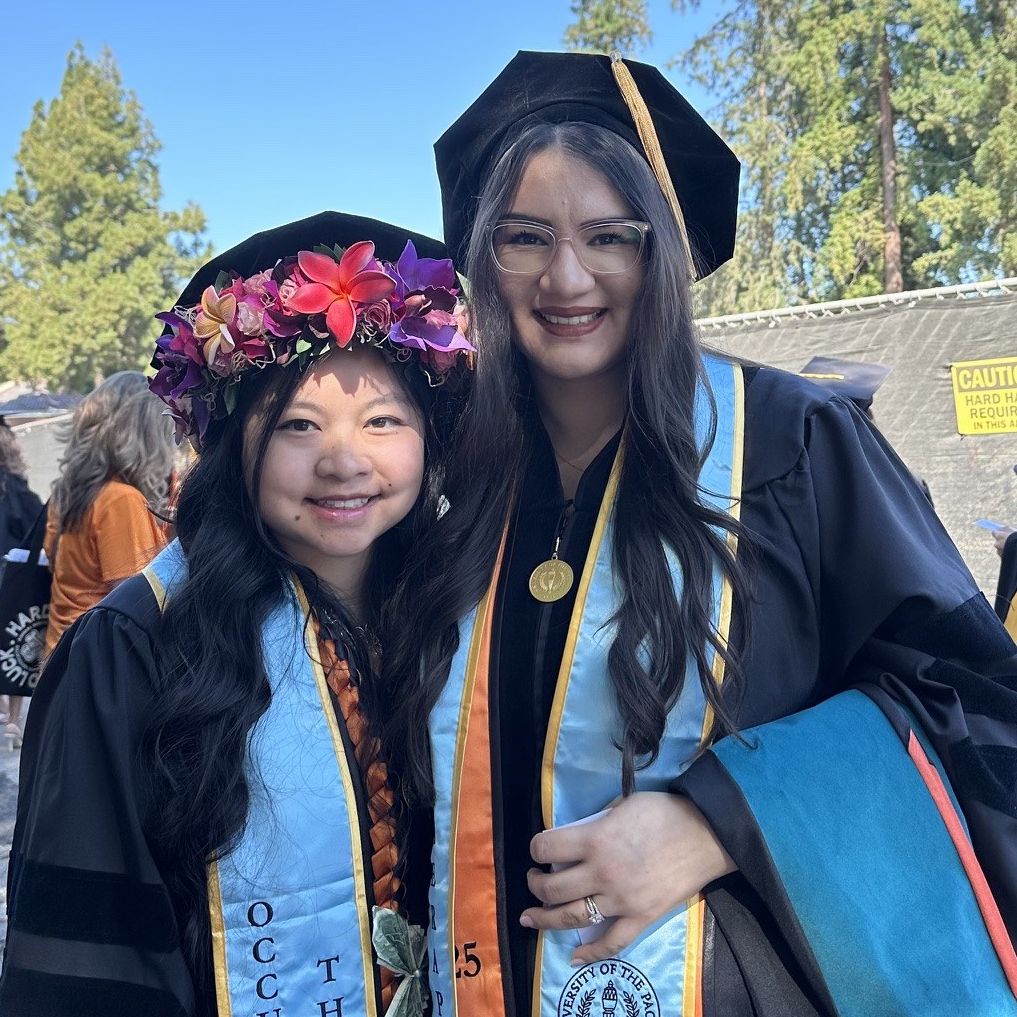
Congratulations Aly and Christie!
Please join PANC in congratulating Alyson (Aly) Chew and Christie Ledezma on their recent graduation from the University of the Pacific's Occupational Therapy Doctorate program.
Aly and Christie performed their mandated Capstone projects with PANC last summer. Aly visited numerous support groups and provided trainings on fall prevention and tools for best living with PD. Christie developed the website and many resources for the Rural Parkinson's Alliance and provided several Spanish-language trainings. Both of these young professionals will make tremendous strides to help others throughout their careers, and we are so grateful that PANC was a recipient of their talents along the way! Good luck Aly and Christie!
| |
May Free Webinars
Thursday, May 14 at 10am
Your Brain's Future Isn't Fixed with PMD Alliance
When neurodegeneration starts and how baseline neuropsychological testing can help catch subtle shifts in cognition when the brain still has the greatest capacity to adapt.
Info and Register Here
Thursday, May 14 from 11am-12:30pm
Finding Your Flow: Tools to Improve Walking and Balance with Parkinson's Community of Los Angeles
Helps attendees understand their bodies, take an active role in their care, and build sustainable movement strategies that extend far beyond the clinic or insurance limitations.
Info and Register Here
Thursday, May 14 at noon
Re-creating Recreation – Access, Adaptation, and Adventure with APDA Northwest
Real-life stories and practical examples that show how small, thoughtful changes to environments, equipment, and planning can make activities more accessible, reduce fatigue, and build confidence and independence.
Info and register here
Monday, May 18, 10am
Our Journey to Parkinson’s Research Participation with American Parkinson Disease Association
A wide range of topics related to clinical trial participation, including different types of clinical trial opportunities and how to learn about them, the practical aspects of participating in a clinical trial, strategies to overcome barriers to participation, myths about clinical trial participation in Black and African American communities, and the importance and benefits of diverse participation in clinical research.
Info and Register Here
Tuesday, May 19 at 3pm
Ambiguous Loss: Living with Uncertainty with Banner Health
Caregiver stress sometimes may be misunderstood, with the real culprit being ambiguous loss. Ambiguous loss is unclear, has no resolution and no closure. Dementia, progressive, chronic conditions like PD and other movement disorders can create ambiguous loss whereby the person is psychologically present but physically different from who they once were or physically present but psychologically different from who they once were. Learn how to better cope with ambiguous loss and reduce caregiver burden.
Info and Register Here
Tuesday, May 19 at 4pm
Deciphering PD Medical Lingo with the Maryland Association for Parkinson's Support
Info and Register Here
Wednesday, May 20 at 9am
Avoiding Frauds and Scams When Living with Parkinson’s with the Parkinson Association of the Carolinas
How to recognize, prevent, and respond to frauds and scams when living with Parkinson’s. This session is designed to provide easy-to-understand guidance for everyday safety and peace of mind.
Info and Register Here
Wednesday, May 20 at 10am
Coffee & Conversations: Break the Ice on Taboo Topics with the Parkinson's Foundation
Bring your questions about topics that often go unspoken: sex and intimacy, incontinence, drooling, constipation, speech and swallowing changes, driving, and impulse control behaviors. The speakers will explore why these issues can be difficult to talk about, how they impact emotional and social well-being, and practical ways to address them with care partners, friends, and healthcare professionals.
Info and Register Here
Thursday, May 21 at 9am
Parkinson's and Constipation: A Candid Conversation with the Michael J. Fox Foundation
An expert panel speaks openly about why constipation happens in Parkinson’s, practical ways to manage it and what the latest research may tell us about the gut-brain connection.
Info and Register Here
Wednesday, May 27 at 10am
Holding Space for Yourself in the Care Partner Journey with the Parkinson Society of British Columbia
How shame, waves of guilt, lingering regret show up in the caregiving journey and how cultivating self-compassion, courage, and connection can reduce hurts and fears, as we move forward with greater presence and peace. This session offers a supportive space to reflect, share (if you wish), and reconnect with your well-being.
Info and Register Here
Sunday, May 31 at 10am
How to build a Parkinson's Exercise Cocktail Plan with Twitchy Woman
The author will share her new book, “How to Build a PD Exercise Cocktail Plan: A Professional’s Companion Guidebook.” This book is written for health professionals and trainers in addition to people with Parkinson’s. Invite your personal trainer or physical therapist to attend.
Info and Register Here
| | |
* Contact Jan Whitney here if you are interested in placing a
sponsor article or research opportunity in this publication
| | | | |