It's Tomorrow ~ Don't Miss It! |
|
|
|
Our next webinar will be
February 22, 2024:
"Neuromodulation - A Rising Scientists in Therapeutic Ultrasound" Special Session
|
|
Our February webinar will be "Neuromodulation - A Rising Scientists in Therapeutic Ultrasound" Special Session. This special series provides postdocs and early career scientists (Asst Prof.) a platform to share their work. This session will feature Tommaso Di Ianni, Ivan M. Suarez-Castellanos, and Huiliang Wang and their individual lectures with Q & A. This session will be moderated by Professor Kim Butts Pauly from Stanford, the founder of the Webinar Series for ISTU.
This webinar will be held live on February 22, 2024 at the following local times:
8:00 - 9:00 (West Coast, USA)
11:00 - 12:00 (East Coast, USA)
16:00 - 17:00 (UK)
17:00 - 18:00 (Continental Europe)
Midnight - 1:00 (China)
1:00 - 2:00 (Japan and Korea)
Registration for this event is required. Emails will be sent to registered attendees with Zoom Meeting details in advance of the meeting. The Webinar Series will be recorded and available to members for later review.
|
|
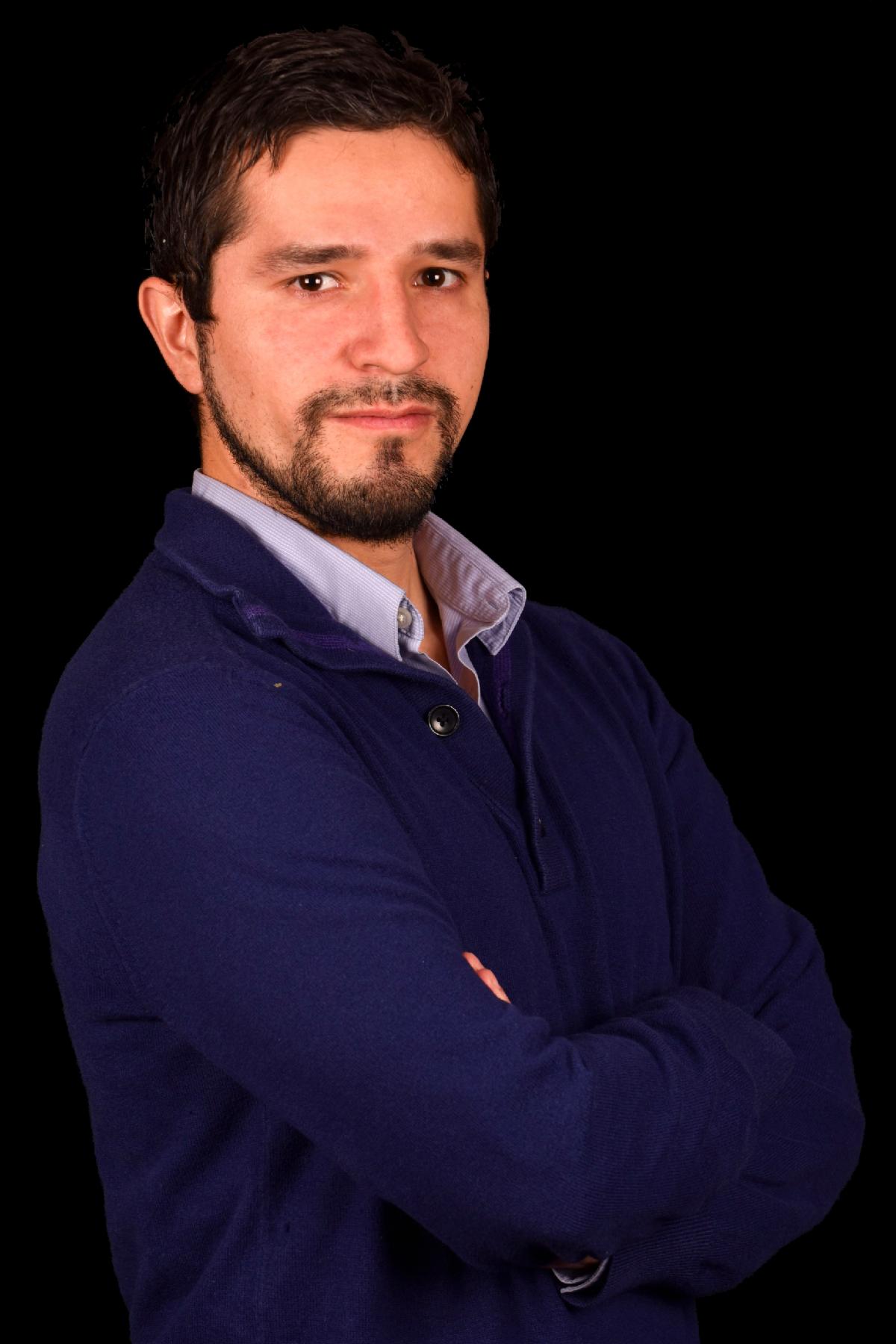
Ivan Suarez Castellano, Ph.D.
Research Associate
LabTAU - INSERM U1032
Lyon, France
Lecture Title: "Mechanisms regulating focused ultrasound neurostimulation: findings from in vitro to in vivo neural models"
Ivan Suarez Castellanos was born in Bogota, Colombia. He received his B.Sc. degree in biomedical engineering and M.Sc. degree in electrical engineering from the George Washington University in Washington, DC (United States) in 2010 and 2012, respectively. He earned his Ph.D. degree from the Department of Biomedical Engineering at George Washington University in 2017 for his work exploring the biological and biophysical dynamics involved in the stimulation of insulin release from pancreatic beta cells using therapeutic levels of ultrasound in the context of a novel treatment for type 2 diabetes.
He joined LabTAU - INSERM U1032 as a postdoc immediately after finishing his Ph.D. in the summer of 2017 to join a project aimed at studying, understanding and describing the spatiotemporal mechanisms involved in ultrasound neurostimulation. Additionally, he is also working on a project seeking to develop a dual-mode capacitive micromachined ultrasound transducer (CMUT) medical device for ultrasound-guided HIFU ablations in the context of endocavitary focal therapy of localized prostate cancer. He is now a permanent research associate at LabTAU – INSERM U1032 in Lyon, France.
|
|
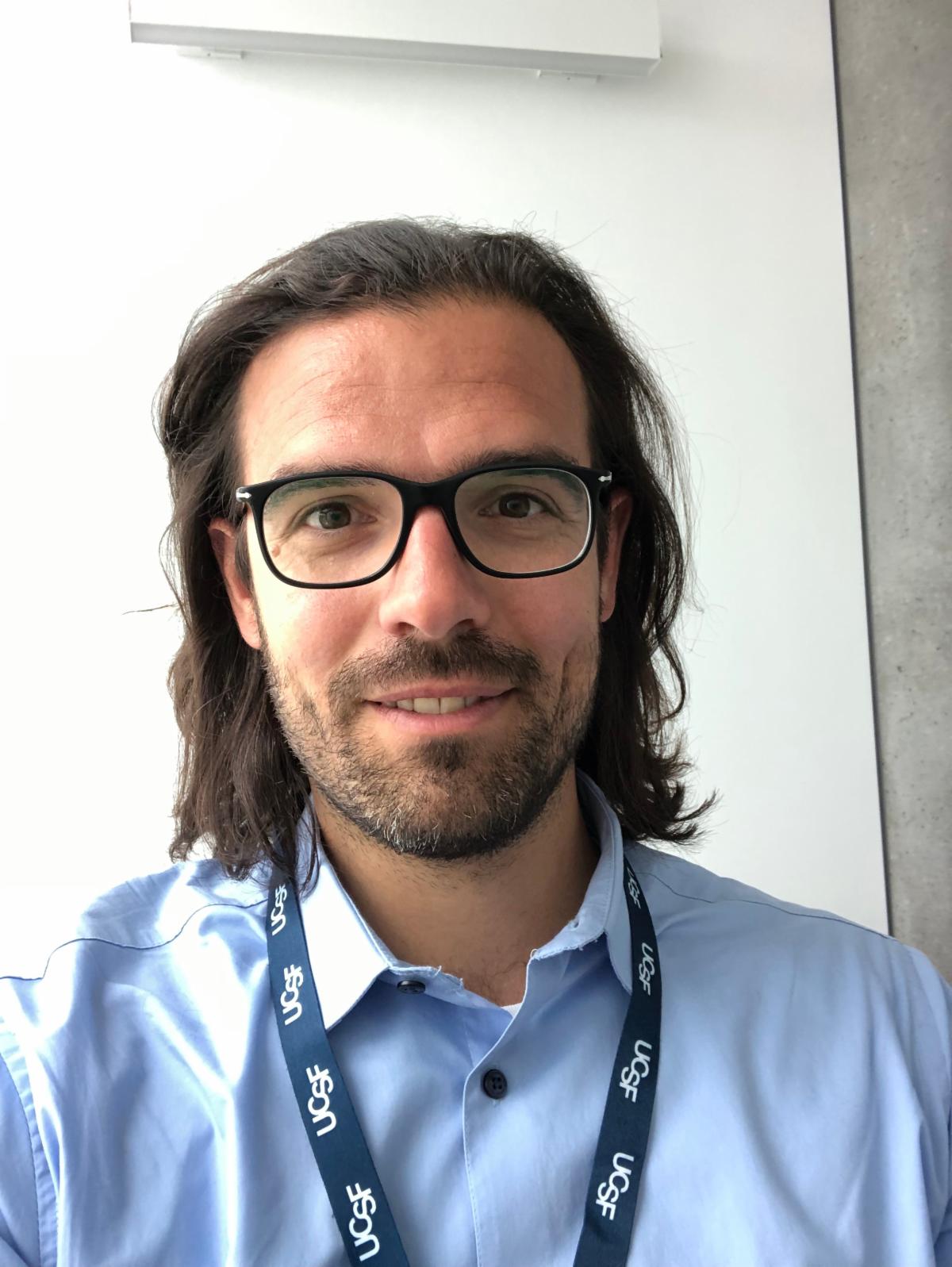
Tommaso Di Ianni, Ph.D.
Assistant Professor
Department of Psychiatry and Behavioral Sciences
Department of Radiology and Biomedical Imaging (joint)
Director, Basic Ultrasound Research Program
University of California, San Francisco
Twitter: @diianni_t
Lecture Title: "Ultrasound array design for high-throughput neuromodulation in freely behaving rats"
Tommaso Di Ianni, PhD is an Assistant Professor at the University of California, San Francisco in the Department of Psychiatry and Behavioral Sciences, with a joint appointment in the Department of Radiology and Biomedical Imaging. He is the Director of the UCSF Basic Ultrasound Research Program. Dr. Di Ianni completed postdoctoral training at Stanford University specializing in ultrasound neuromodulation, functional neuroimaging, and image-guided targeted drug delivery. He received a PhD in biomedical engineering from the Technical University of Denmark and an MSc degree (summa cum laude) in electrical engineering from the University of Bologna, Italy. Research in the Di Ianni Lab focuses on developing cutting-edge systems and technologies for noninvasive ultrasonic neurointervention and functional ultrasound imaging.
|
|
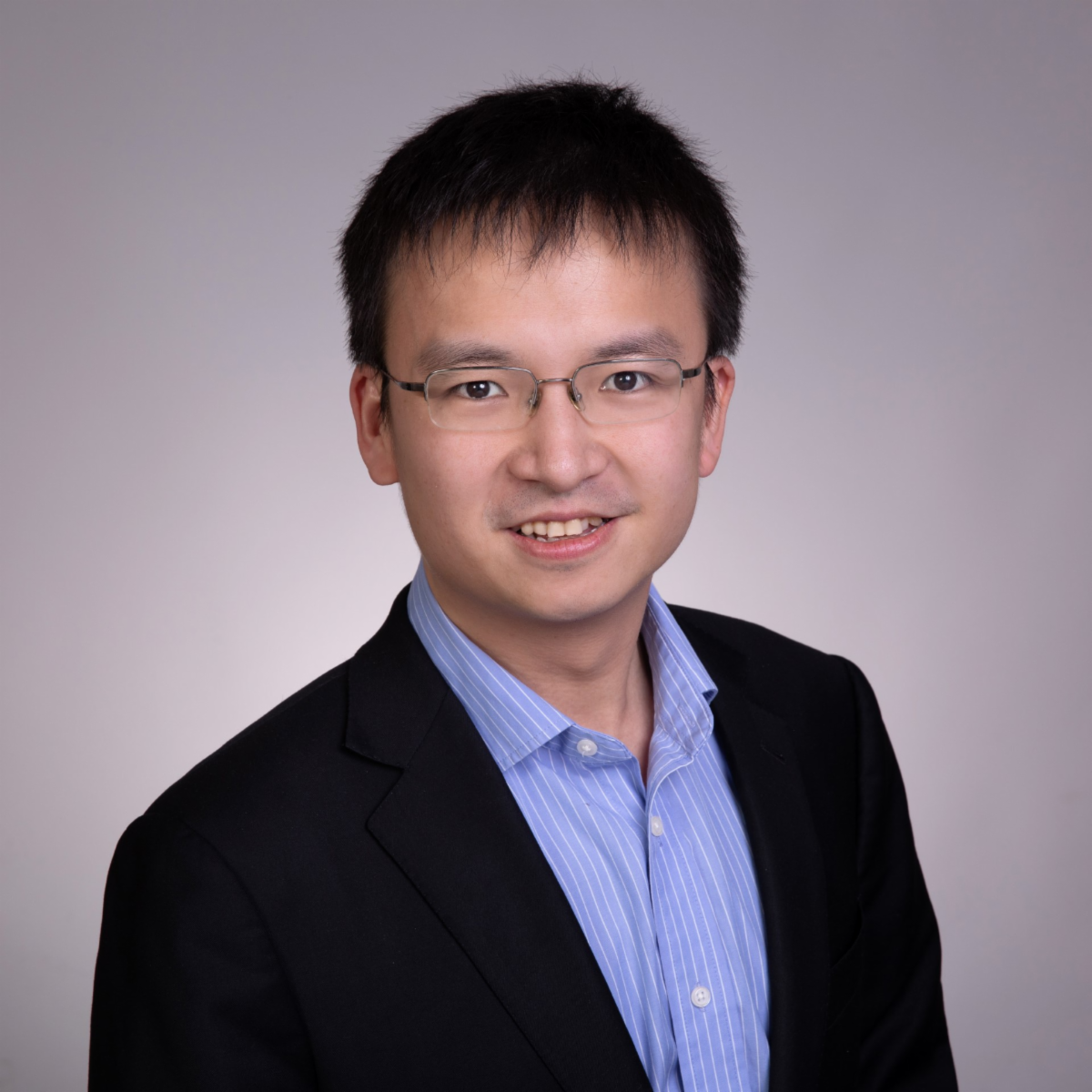
Huiliang (Evan) Wang, Ph.D.
Assistant Professor, Biomedical Engineering
The University of Texas at Austin
Lecture Title: "Ultrasound-triggered liposome nanoparticles for non-invasive deep brain optogenetics"
Dr. Huiliang Wang is an Assistant Professor at the department of Biomedical Engineering at University of Texas at Austin. His research area is on the design of functional nanomaterials, proteins and electronic devices for neural interface engineering. Dr. Wang did his undergraduate degree in Materials Science at University of Oxford and his PhD in Materials Science and Engineering at Stanford University, with Prof Zhenan Bao. After PhD, he continued his postdoctoral research at Stanford bioengineering, with Prof Karl Deisseroth. Since he started his independent career at University of Texas at Austin, he has won several awards, including NSF CAREER Award, NIH R35 Maximizing Investigators’ Research Award (MIRA), Young Investigator Award from Controlled Release Society Gene Delivery and Gene Editing Focus Group, and MIT Technology Review 35 Innovators under 35 (China).
|
|
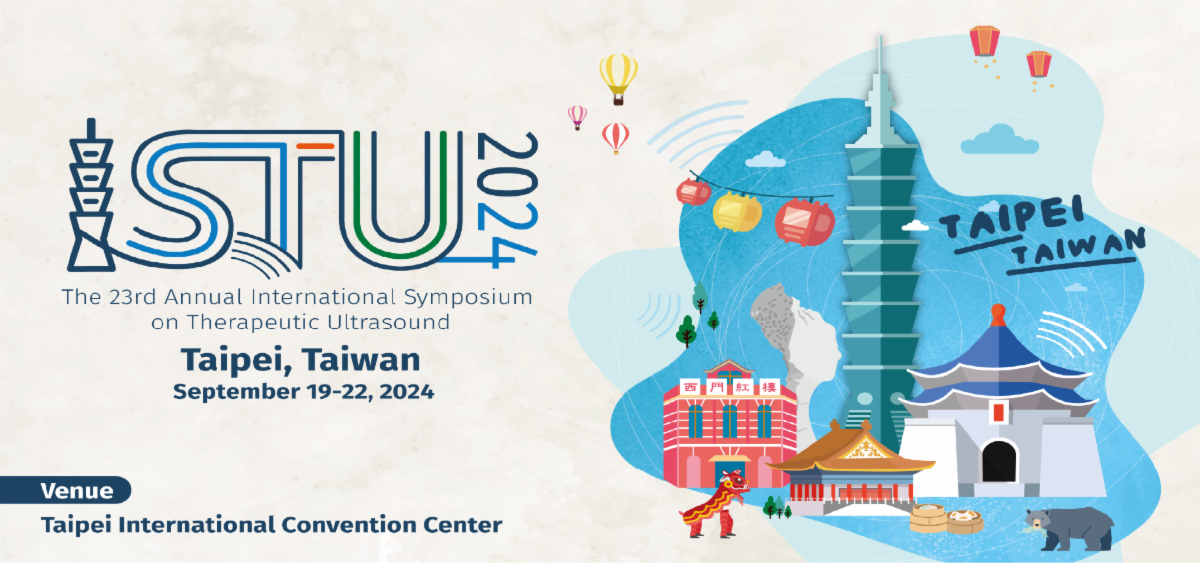
Save the Dates! ISTU 2024: Taiwan |
|
Don't miss the opportunity to share your latest advancements in therapeutic ultrasound!
Join scientists, engineers, clinicians and industry from around the world to gather together in lively Taipei, Taiwan for the 23rd Annual International Symposium on Therapeutic Ultrasound.
The capital city is the economic, political, and cultural center of Taiwan. Experience both a modern cosmopolitan city with a world-class restaurants, plus the history of veiled temples dating back to dynastic times. Enjoy the blend of urban night markets and beautiful natural delights to explore!
The Annual Symposium will be held at the Taipei International Convention Center, right in the heart of Taipei, from 19 September to 22 September 2024. The meeting will offer both virtual access and in-person attendance options.
Key Dates
- March 1, 2024: Registration and Abstracts Systems Open
- May 1, 2024: Abstract (Oral and Posters) Submissions Due Date (This is also the deadline to be considered for Student Registration Awards.)
- May 31, 2024: Regular Abstract Acceptance Notice & Student Registration Award Notifications
- June 1, 2024: Late-Breaking Abstracts (Posters Only) Submissions System Opens
- July 1, 2024: Deadline for Early Registration
- July 1, 2024: Late-Breaking Abstracts (Posters Only) Submissions Due Date
- July 15, 2024: Late Breaking-Abstract Acceptance Notice
|
|
|
|
|
|
|