|
Finding Strength
News & Updates
| | | |
Cardiovascular Health and Depression after TBI
Individuals with depression after TBI have higher rates of self-reported hypertension, heart attack, and congestive heart failure than those without depression.
Super Bowl Spotlight: HealthSpan Lab Year in Review
Clinical & Research Education
- Podcast: Menopause and Musculoskeletal Health
Research
- Community Advisory Board for Stroke Research
- Dr. Joseph Giacino on Consciousness
- ITDC Hits One Year Mark
Advocacy
- Addressing Gaps in Disability Clinical Care Training
- Burn Awareness Week
Achievements
- Christopher Lewis, MD: LeaHD Scientist
- New Publications from Spaulding Scientists
Community
- SCIboston’s 2026 Annual Gala: The Power of Peer Mentoring
- TBI Model Systems Introduces New Resource Packet
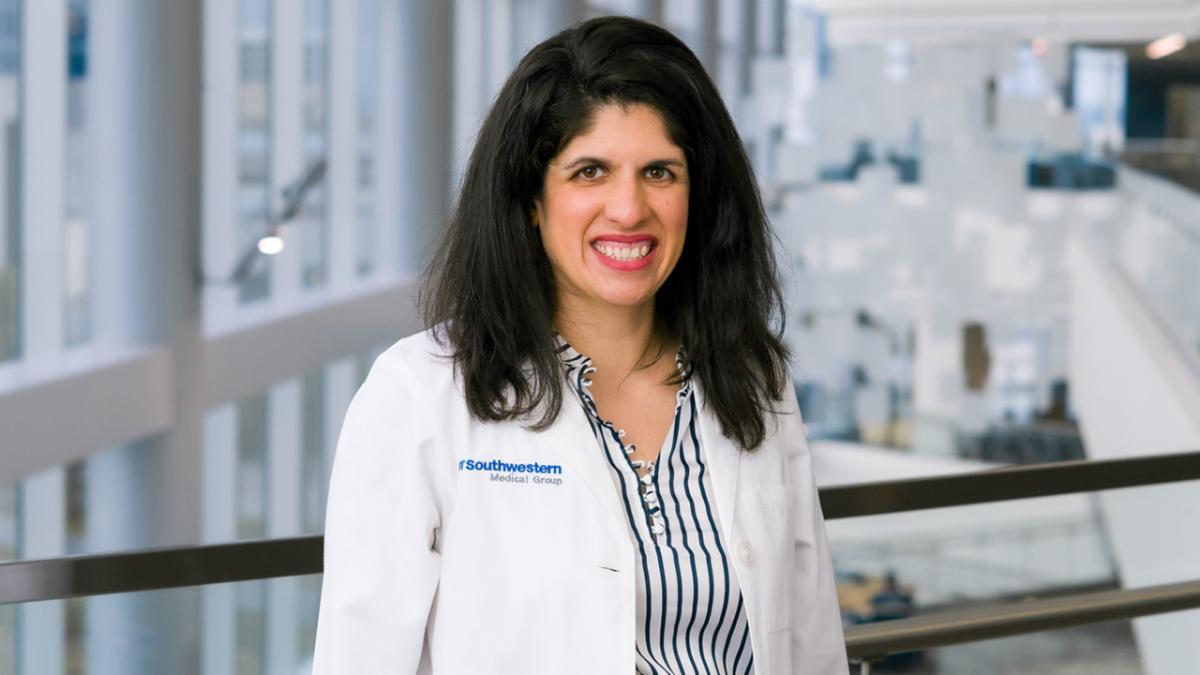
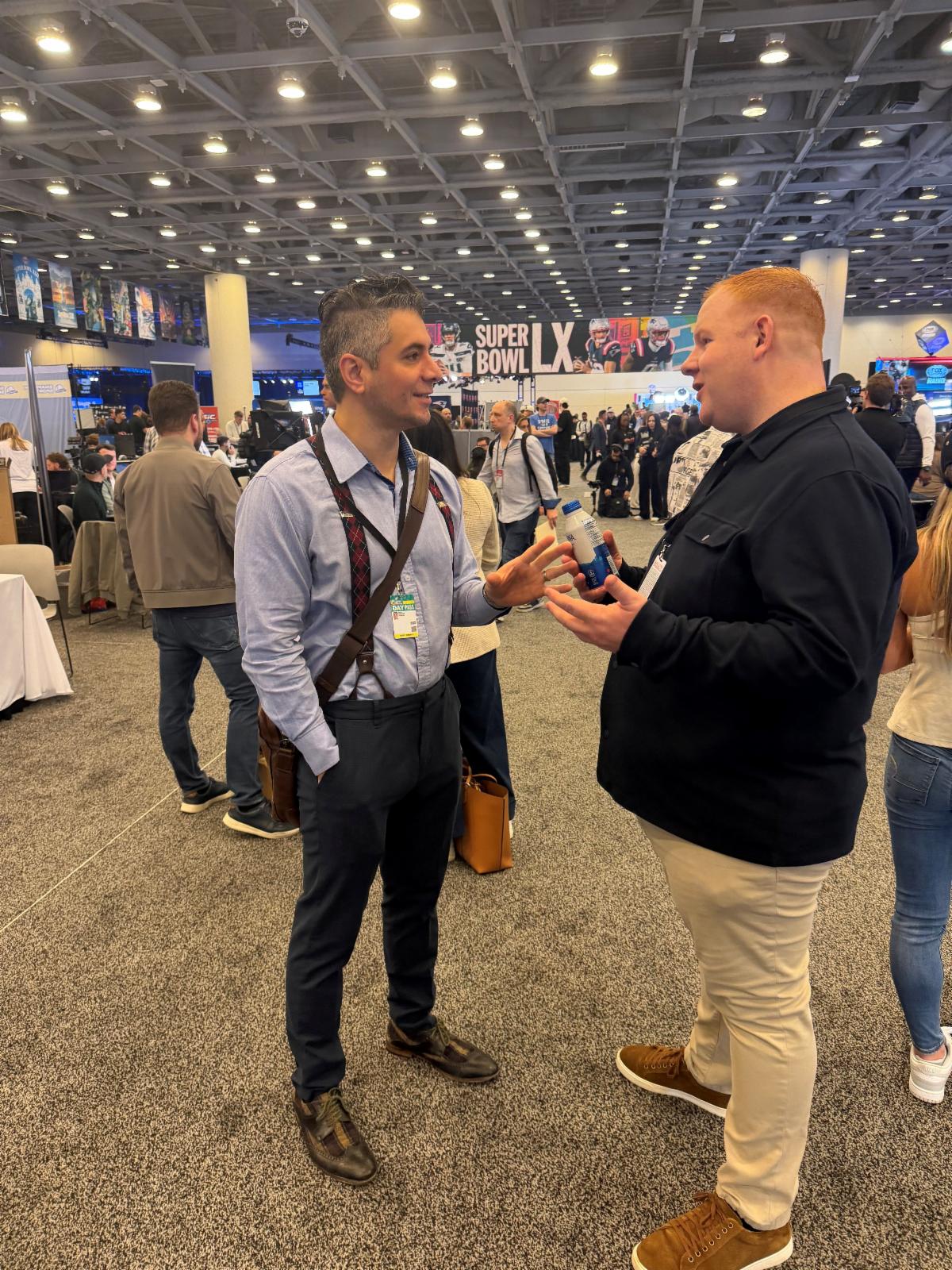
| | Shanti Pinto, MD Cardiovascular Health and Depression after TBI | Dr. Pinto’s research program focuses on cardiovascular health after traumatic brain injury (TBI). Her long-term goals are to understand how cardiovascular health impacts long-term recovery and function after TBI, determine who is most at risk for cardiovascular disease (CVD) and related conditions after TBI, and develop evidence-based strategies to enhance early identification and management of cardiovascular health after TBI. She was recently awarded a grant from the National Institute on Disability, Independent Living, and Rehabilitation Research (NIDILRR) to understand the link between depression and cardiovascular health following TBI. Her preliminary data has shown that individuals with depression after TBI have higher rates of self-reported hypertension, heart attack, and congestive heart failure than those without depression. Her study is currently enrolling individuals at least one year following TBI to complete questionnaires and blood work to objectively measure cardiovascular health. | | | Dr. Daneshvar spent the week leading up to the Super Bowl in Santa Clara at health events promoting brain science. Seen here with Dr. Adam White, newly appointed Head of Brain Health at the Professional Footballers' Association. | | The HealthSpan Lab, led by Dr. Daniel Daneshvar, MD, PhD, studies the risks associated with participation in American-style football and develops evidence-based strategies to improve player safety at all levels. Much of the work published by Dr. Daneshvar and his team in 2025 focused on leveraging biomarkers, neuroimaging, and cognitive phenotyping to characterize patterns of cognitive function, neuropsychiatric performance, and neurodegenerative disease risk in those with repetitive head impact exposure. The lab maintains numerous ongoing projects aimed at advancing player safety and the long-term health consequences of repetitive head impacts. | | | HealthSpan Lab Year in Review | | | | | |
PODCAST: Menopause and Musculoskeletal Health
Finding Strength Podcast
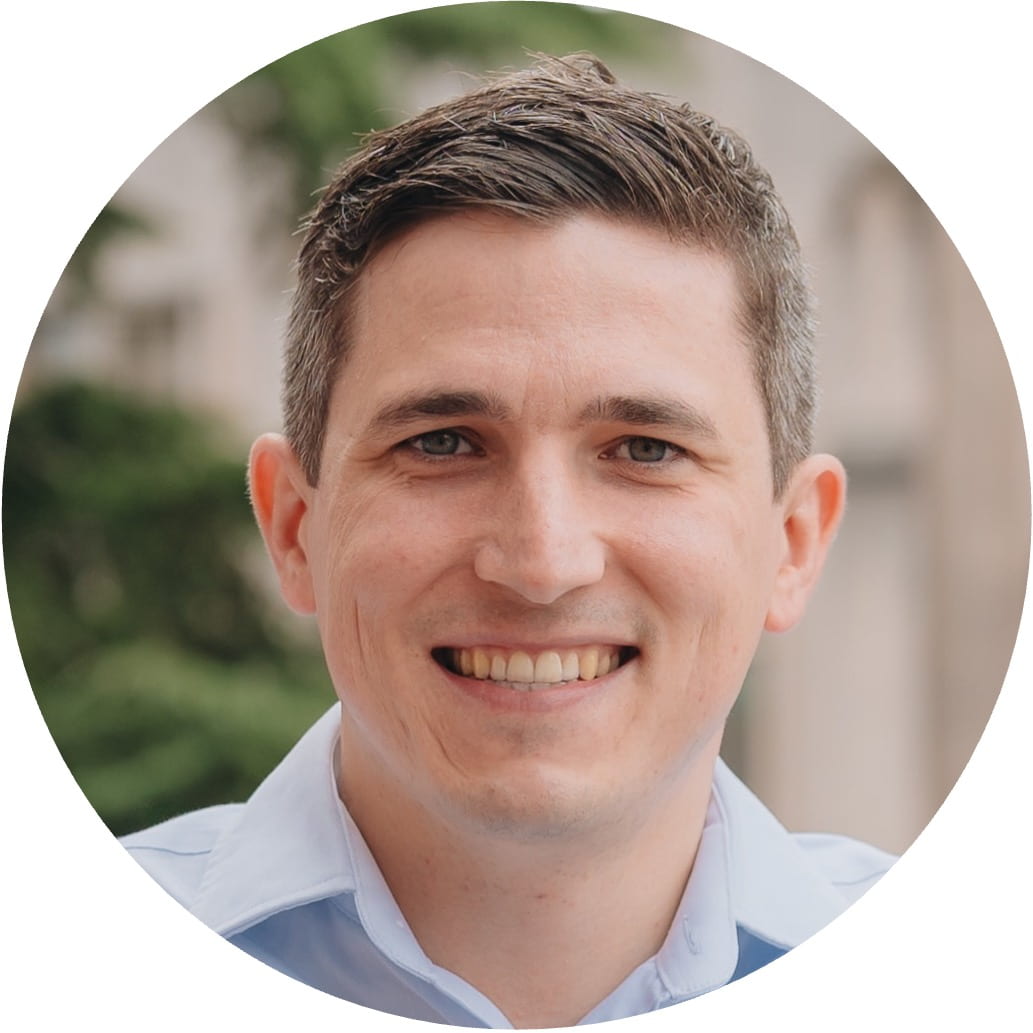
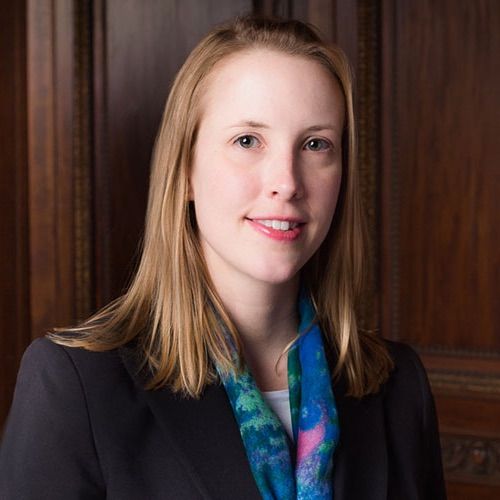
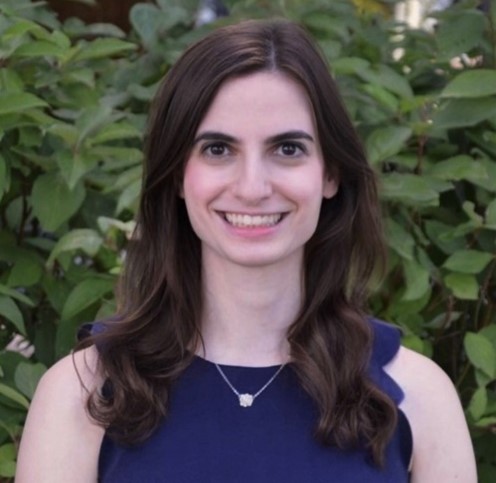
Fabrisia Ambrosio, PhD, Gabby Gilmer, PhD, and Elise Sargent, MS
| |
New podcast episode: Aging, Osteoarthritis, and Pain: How Menopause Shapes Women’s Musculoskeletal Health. Featuring , this conversation explores the often-overlooked link between menopause and joint pain, highlighting how biology, research, and lived experience intersect in women’s osteoarthritis.
36 Minutes
| |
Rehabilitation AI Taxonomy
ROCS Scientific Meeting
Kevin Pacheco Barrios, MD, MSc, MPH
| |
On January 28, Kevin Pacheco Barrios led a scientific meeting introducing a broad framework for understanding how AI can be organized and applied within rehabilitation. The presentation highlighted the rapid expansion of the field while noting its ongoing fragmentation, underscoring the value of establishing a unified framework.
The session encouraged community input to help refine and strengthen this developing AI taxonomy.
59 Minutes
| | | | | Community Advisory Board for Stroke Research | |
Dr. Carla Tierney-Hendricks, a speech-language pathologist and researcher, is conducting a research project to improve the hospital-to-home discharge process for persons with aphasia after stroke. She is working with a community advisory board to guide project development. The first advisory board meeting was held at the end of January with 11 board members including stroke survivors with aphasia, caregivers, physicians, rehabilitation therapists, case management, healthcare administrators, and policy/clinical guideline experts. The board will meet monthly over the next year.
The advisory board continues to recruit new members, especially stroke survivors with aphasia and care partners of stroke survivors with aphasia, primary care providers, and homecare clinicians. Please reach out to Dr. Tierney-Hendricks (ctierney@partners.org) with interest and questions.
| Dr. Joseph Giacino on Consciousness | The Harvard Gazette has launched a new series called "One Word Answer" where specialists probe the depths of a single term. In its inaugural piece, titled Consciousness, Dr. Joseph T. Giacino shared insights from his work at the intersection of clinical care and disorders of consciousness research. The piece emphasizes the complexity of understanding the concept of consciousness and assessing patients with disorders of consciousness. | |
The Innovative Treatments in Disorders of Consciousness (ITDC) program is proudly marking one year since launching its first funded research projects. The DECIPHER-COMA project - led by Dr. Chethan Rao at Baylor College of Medicine - is exploring large datasets to identify scalable biomarkers for recovery. The RE-CONNECT project - led by Drs. Sam Snider and John Rolston at Brigham and Women's Hospital - aims to develop and test a novel brain stimulation target in just two patients. Over the past year, both have advanced promising ideas aimed at improving diagnosis, treatment, and recovery pathways for individuals with disorders of consciousness, demonstrating the power of bringing together clinicians, researchers, and innovators committed to reshaping care for this underserved population. As we celebrate these accomplishments, we are excited to build on this foundation and expand opportunities for transformative research.
A new ITDC funding opportunity will open in early summer 2026, inviting the next wave of bold, creative proposals.
| | | | | Addressing Gaps in Disability Clinical Care Training | Dr. Chloe Slocum and David Estrada recently provided input to help shape policy on disability clinical care and competency trainings. The National Council on Disability (NCD) issued a Request for Information (RFI) in December to inform a forthcoming policy brief on the need for disability clinical care and competency training among medical professionals. Extensive research shows that limited disability competency and interdisciplinary training contribute to health disparities for people with disabilities nationwide. Although some U.S. medical schools offer such training, most do not. Integrating comprehensive disability clinical-care competency across undergraduate and postgraduate healthcare education is essential. | | | | | National Burn Awareness Week | |
February 1–7, 2026 is National Burn Awareness Week, a time set aside each year for organizations and educators to unite in sharing a common burn awareness and prevention message. Led by the American Burn Association, the 2026 campaign focuses on preventing burns in the workplace. Prevention resources highlight common risks such as scalds, flames, and contact burns, which contribute to nearly 400,000 burn-related medical visits in the U.S. each year.
The Boston-Harvard Burn Injury Model System team will be hosting an informational table at Spaulding Rehabilitation in Charlestown on February 5th.
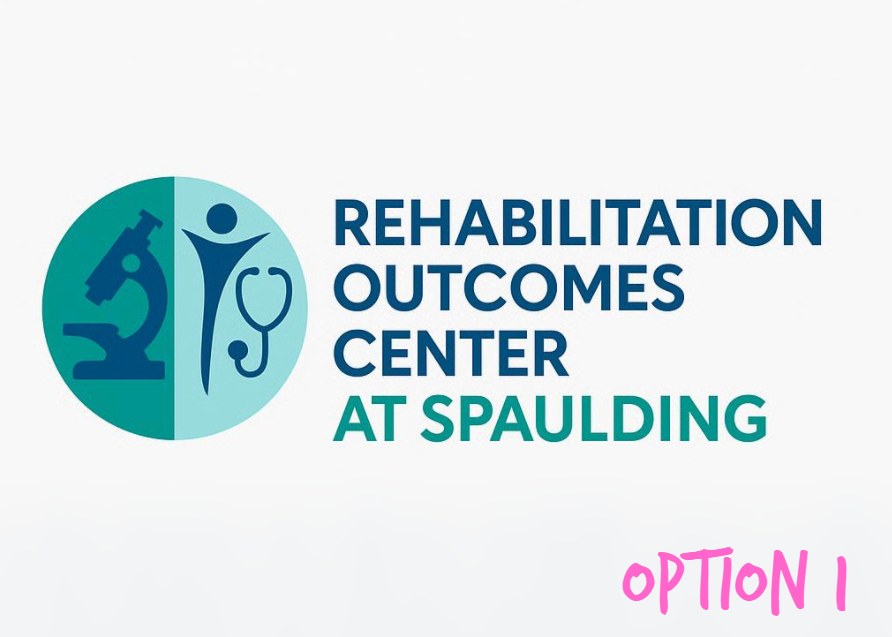
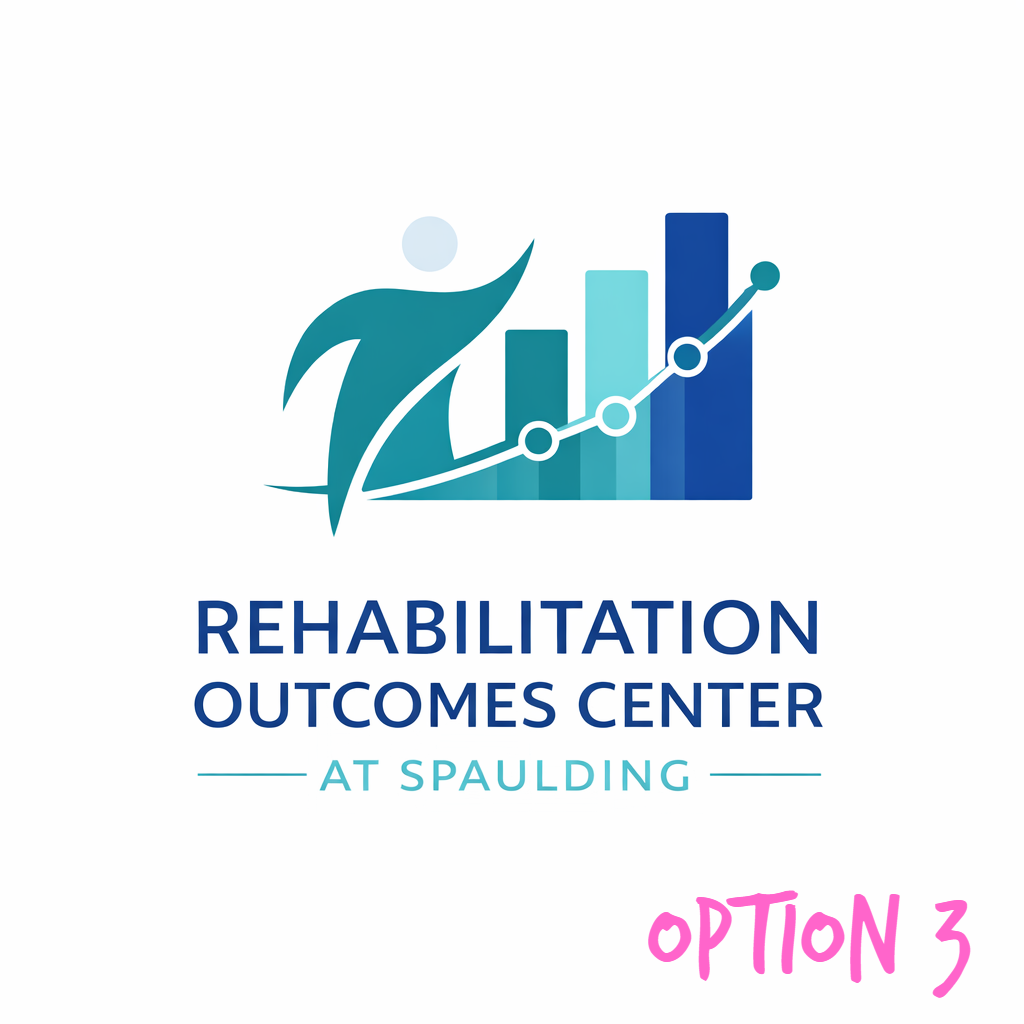
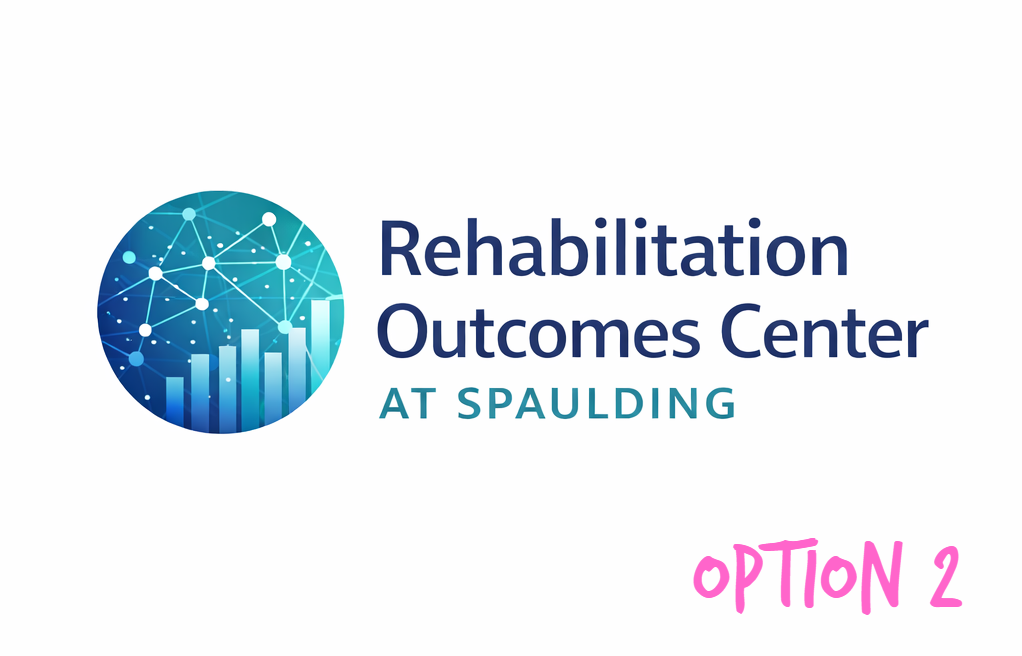
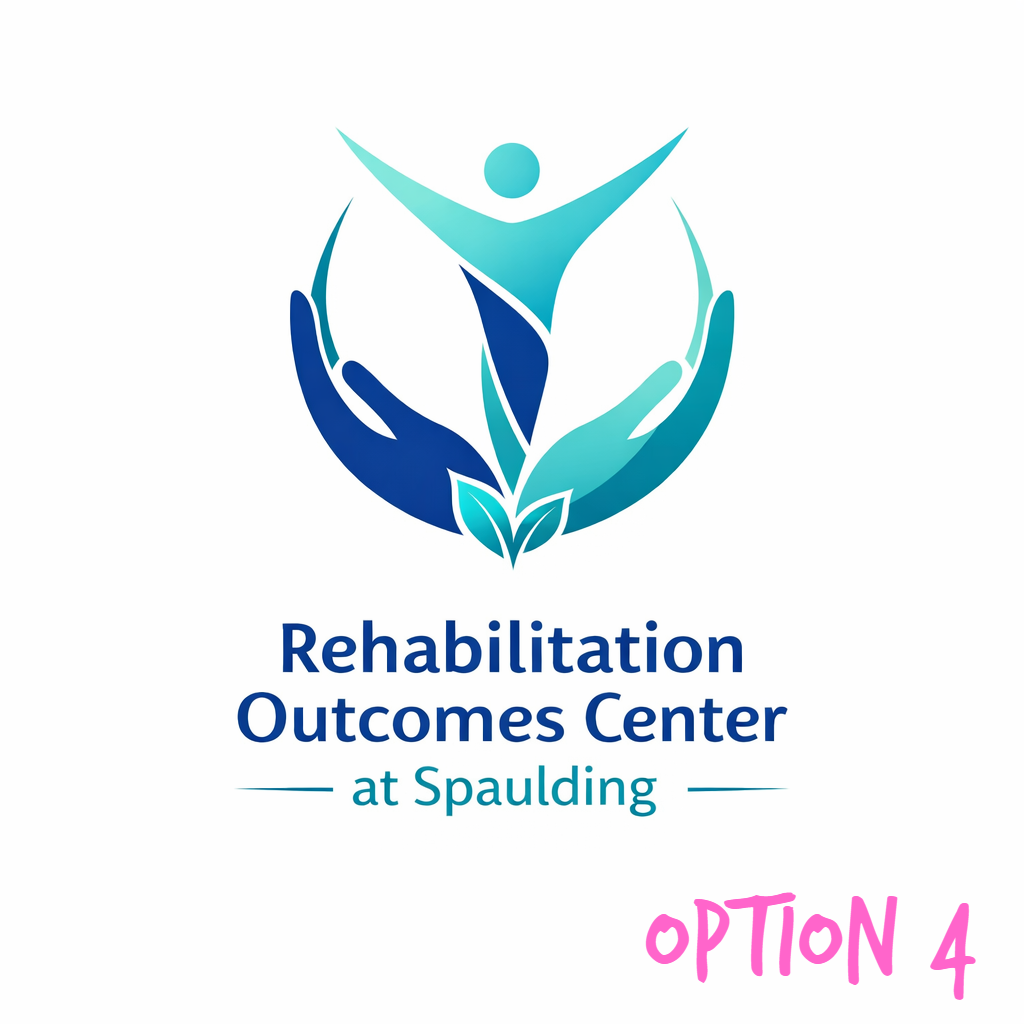
| | | | | Spinal Cord Injury Research Award | Congratulations to Dr. Chad Swank, PT, PhD, who received the 2026 Spinal Cord Injury Special Interest Group's Research Award from the American Physical Therapy Association’s Academy of Neurological Physical Therapy. | | | | | Christopher Lewis, MD: LeaHD Scientist | Dr. Christopher Lewis, an Assistant Professor in the Department of Rehabilitation Medicine at the University of Washington, was selected as Spaulding's 2025-2027 Learning Health System Scientist through the LeaHD program (Learning Health systems training to improve Disability and chronic condition care.) With a degree in Clinical Informatics, Dr. Lewis is partnering with Dr. Daniel Daneshvar's HealthSpan Lab to identify disease and patient characteristics associated with discharge destination from acute rehab to home vs. skilled nursing facilities. | | | | | Perceived Value, Ownership, and Barriers to Smart Home Technology for Individuals with Spinal Cord Injury and Disease | This study from the Spinal Cord Injury Model System program, with Spaulding co-authors Dr. Chloe Slocum and Dr. Chad Swank, investigated the categories of Mainstream Smart Home technology (MSHT) that are commonly owned by individuals with spinal cord injury and disease (SCI/D), their perceived benefits, and barriers to obtaining or utilizing. | | | | | Multicenter Validation of a Telephone-Based Caregiver Interview for Longitudinal Assessment of Outcome after Severe Brain Injury: A Traumatic Brain Injury Model Systems Study | Led by Ally Sterling, ScM, MBE and Yelena G. Bodien, PhD with senior author Joseph T. Giacino, PhD, this Journal of Neurotrauma study developed a caregiver-administered telephone interview for longitudinal assessment after severe brain injury. Results support validation of the telephone-adapted Coma Recovery Scale - Revised for remote monitoring of level of consciousness. | | | | | Potential Cardiovascular Autonomic Dysfunction in Burn Survivors: A Pilot Study | This pilot study, led by Maria Sukhoplyasova under senior author J. Andrew Taylor, PhD, evaluated cardiovascular autonomic function in adults with chronic burn injuries, as a collaboration between Dr. Taylor's Cardiovascular Research Lab and Dr. Jeffrey Schneider's burn research program. Results indicate diminished cardiac vagal control—shown by reduced Valsalva ratios and heart rate variability—potentially underlying the elevated long-term cardiovascular risk in this population. | | | | | The role of personal social networks in social participation for adult burn survivors: A cohort study | Led by Huan Deng under senior author Jeffrey C. Schneider, MD, this cohort study examines how personal social networks relate to social participation among adult burn survivors. Findings suggest that smaller, more close-knit networks, and specific patterns of social support, are associated with better social participation, highlighting opportunities to optimize network composition to support recovery and well-being. | | | POLL: Help Pick Our ROCS Logo! | | | Our teams are doing so much with Artificial Intelligence these days, we decided to ask Microsoft Copilot to generate a new logo for the Rehabilitation Outcomes Center at Spaulding! | | |
| Which logo is your favorite? | | |
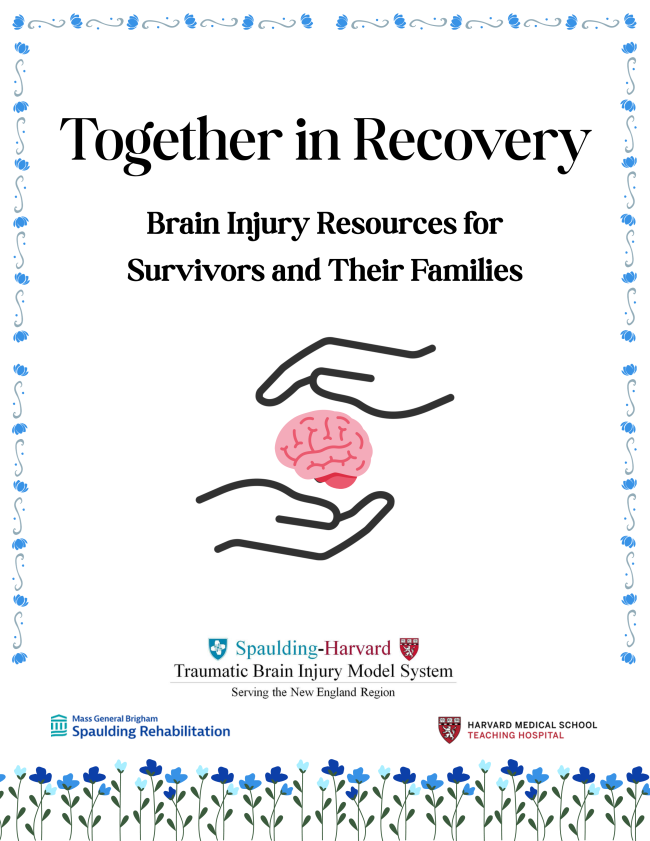
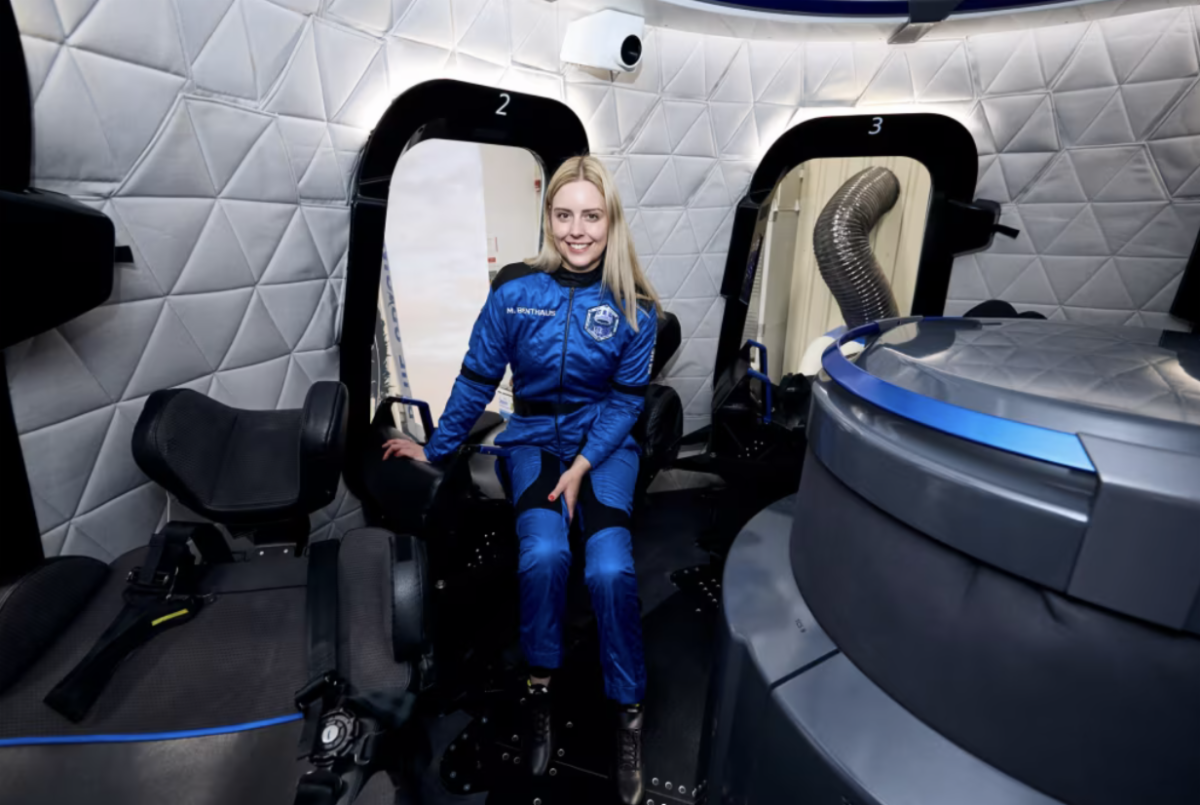
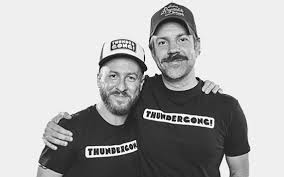
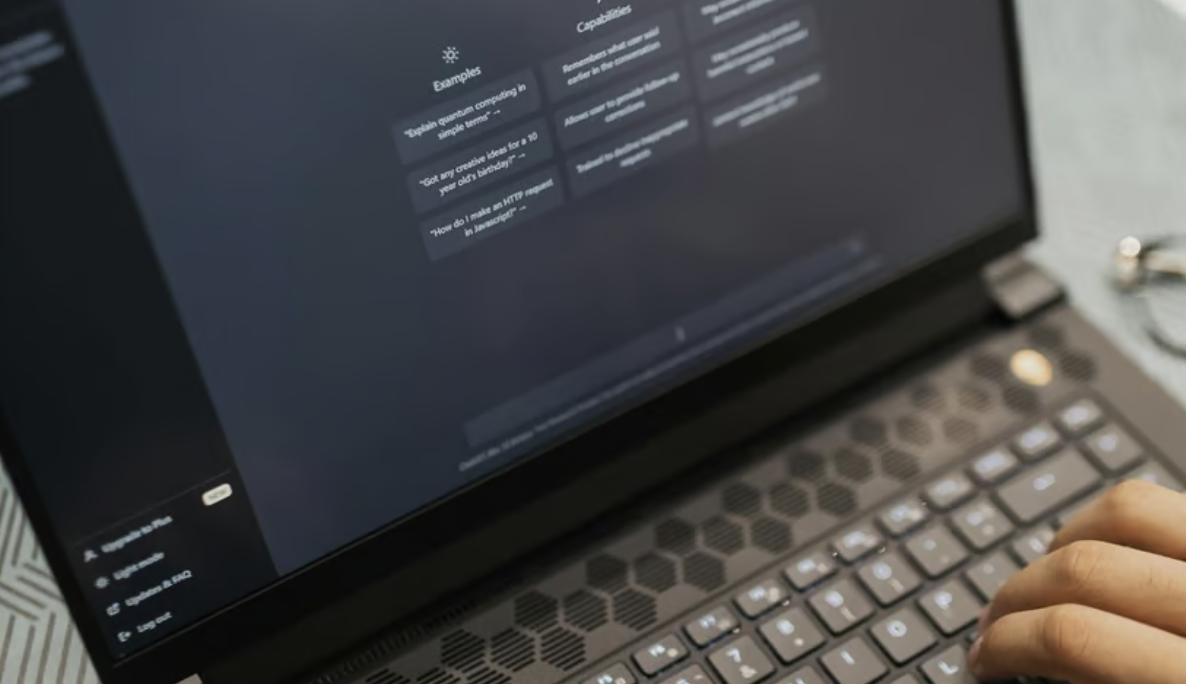
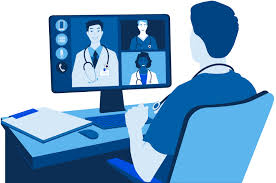
| | | | TBI Model Systems Introduces New Resource Packet | The Spaulding–Harvard Traumatic Brain Injury Model Systems team is excited to share a new resource packet designed to support brain injury survivors and their families. The team developed this packet in hopes of bridging the gap between clinical care, community resources, and everyday life after brain injury. Inside, you will find information on community organizations that can support recovery after injury, a range of in-person and virtual support groups offered through Spaulding and our partners, and evidence‑based educational materials created by the TBI Model Systems and the Model Systems Knowledge Translation Center (MSKTC). We have also included two full-length sample factsheets focused on Understanding TBI. | | | | | Brain Injury Advocacy Day | Beth Hansen, PT, Therapy Manager for the Brain Injury Program, along with Dave Estrada and others, will host a resource table at Brain Injury Advocacy Day at the Massachusetts State House on February 24, 2026 at 11am.. This forum is a great opportunity for service providers, direct support professionals, brain injury survivors, and family members of survivors to learn more about our legislative priorities. A panel of speakers will inform the audience about our legislative initiatives and funding for the Statewide Head Injury Program (SHIP). | | | | | SCIboston’s 2026 Annual Gala: The Power of Peer Mentoring | Join us on Saturday, March 21, 2026, at the Boston Marriott Newton to honor SCIboston’s peer mentors who guide and support individuals with spinal cord injuries. The evening features a cocktail reception, seated dinner, silent auction, and fundraising to support SCIboston’s programs empowering the SCI community. | | | | | Burn Survivors of New England 2026 Healing Summit | Mark your calendars for August 14–15, 2026, at The Westin Waltham for the inaugural Healing Summit, a two-day event celebrating wellness, community, and empowerment for burn survivors and their families. The summit includes a welcome party, workshops, panel discussions, and inspiring survivor stories. | | | | | First Wheelchair User Travels to Space | Michaela Benthaus, a 33-year-old German aerospace engineer and wheelchair user, became the first person in a wheelchair to travel to space aboard Blue Origin’s New Shepard capsule. Her historic suborbital flight not only provided minutes of weightlessness but also aims to improve accessibility and experiences for future passengers with spinal cord injuries, while raising funds for the spinal cord injury research nonprofit Wings for Life. | | | | | How "Ted Lasso" star Jason Sudeikis and Billy Brimblecom Jr. brought hope to amputees | Jason Sudeikis and friends have helped more than 2,000 amputees access prosthetics through the Steps of Faith Foundation and the annual Thundergong! fundraiser. The initiative began when Sudeikis rallied to support his friend, musician Billy Brimblecom Jr., after he lost a leg to cancer, and has since grown into a nationwide effort providing life-changing support, hope, and resources to the amputee community. | | | | | 40M people use ChatGPT to get answers to healthcare questions, OpenAI says | OpenAI reports that over 40 million people use ChatGPT daily for healthcare questions, with 1 in 4 users asking about health weekly. Much of this activity occurs outside clinic hours and in underserved “hospital deserts.” | | | | | Provider, telehealth groups urge Congress to make telehealth flexibilities permanent | Provider and telehealth groups, including the American Medical Association, are urging Congress to make pandemic-era Medicare telehealth flexibilities permanent. Temporary extensions have created uncertainty for patients and providers, and permanent policies would ensure continued access to virtual care, particularly for rural and underserved communities. | | | |
| Did you enjoy this email? | | |
| | | Spaulding New England Regional Spinal Cord Injury Center | Visit Website | | | | Spaulding-Harvard Traumatic Brain Injury Model System | Visit Website | | | | |