|
Directors of Florida condominium associations should be aware of the effect of Florida Statute Section 633.202(18) which deals with fire safety communications inside high rise buildings to assure that firefighters can use their radios properly in the buildings during an emergency.
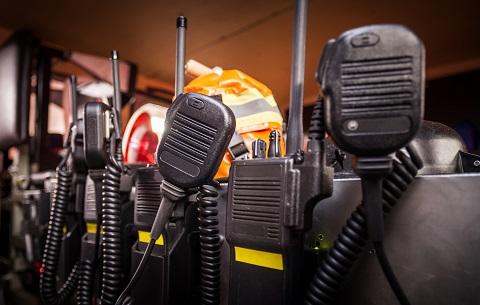
It is important that firefighters be able to easily communicate with each other inside high-rise buildings. Thick concrete and steel may block radio signals, so the law requires buildings to have good radio signal coverage for emergency crews. That might mean your building needs to install a radio enhancement system — basically, equipment that boosts fire department's radio signals so they work throughout the building.
The focus of the law is on high-rise buildings — those over 75 feet tall measured from the ground level. Enhancement systems or equivalent systems are not required in apartment buildings 75 feet or less in height that are constructed using wood framing, provided that the building has less than 150 dwelling units and that all dwelling units discharge to the exterior or to a corridor that leads directly to an exit as defined by the Florida Building Code. It is prudent to check with your local fire marshal to be sure since they make the final call on whether your building is in compliance.
The statute had a deadline of January 1, 2025 within which buildings were required to finish the work and be in compliance by installing or modifying an existing radio system to meet the standards. If your building is among those which was required to comply and it has not yet been tested or you do not know whether your building is in compliance, it is important to act now as municipalities are reportedly starting to inspect buildings and fine those that are in non-compliance.
Here’s a step-by-step plan for boards:
1. Check if the statute applies to you. Ask your municipality’s fire marshal if your building is considered a “high-rise” and whether you might be exempt.
2. Get a radio-signal test. Hire a qualified company to test your building for firefighter radio signal strength.
3. If you are not compliant, plan the fix. If testing shows weak signals, get quotes for a radio enhancement system and apply for your permit as soon as possible.
4. Budget for the cost. These systems may be expensive (often in excess of six figures), so consider including the cost in your upcoming budget or reserves now to avoid surprises.
5. Communicate with owners. To avoid excess push back from owners who are understandably assessment weary, inform your owners of what is required and that safety matters like this are not optional.
6. Keep records. Save your testing reports, meeting notes, and any communication with the fire marshal. It may assist your association if you are cited for non-compliance.
|