October 3, 2025

Thank you for reading our First Connect Newsletter! If you have an area of interest where you'd like to contribute, please don't hesitate to reach out to Eric Robinson.


We will have no adult classes this Sunday because of our combined service and mission fair!


October 12 at a Glance

Short Stories and Faith | 10:05-10:55 AM | Room 203

The Final Word: Unpacking Revelation's Mysteries |10:05-10:55 AM | The Library


We would also like to remend you about our new, FPC First Connect Digital Resource Library. Here, you will find the booklets, podcasts, resources and videos we have put together to help you dig deeper! This newsletter will include new and fresh content, with the library serving as a place to view our growing collection of resources. Building it will be a work in progress, but there is much in there already to get started.


We look forward to seeing you!

Thank You!

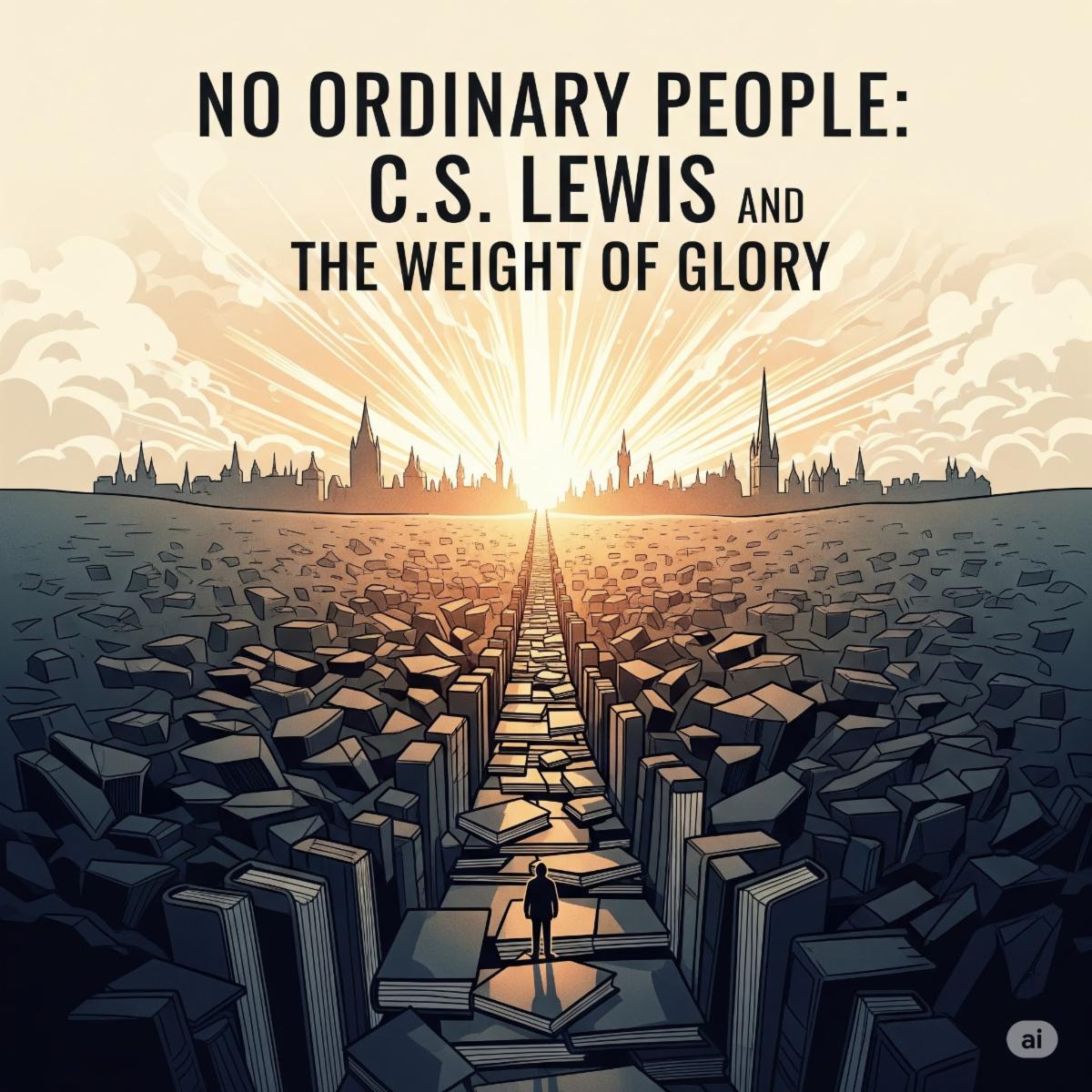
We want to take a moment to say thank you to our leader, Stephen McConnell, for sharing his knowledge of C.S. Lewis and his gift of teaching with us.


Thank you to everyone who participated in this amazing class!


Access the Zoom Recording or Audio Recording of the final class session. The Passcode for the Zoom recording is jG&5pY5w.


Stephen also hosts a regular Zoom discussion about C.S. Lewis. See Eric Robinson if you'd like more information. Finally, we encourage you to check out Stephen's book, Take Me to Aslan: CS Lewis and the Art of Trusting.


Looking Ahead: Our Next Session

We will continue our discussion about the imagery in the book of Revelation, its connection to historical events, and how it informs our understanding of what it means to live faithfully in our day and time. We will begin an exploration of the seven churches, and how this exploration might shape our understanding of the church today.


This Revelation Imagery Booklet will serve as the starting point for our discussions.


A Recap from This Sunday

This past Sunday, we set out to read the Book of Revelation with fresh eyes—trying to understand it the way its very first audience would have, rather than just as a prediction of the future.


One of the first "aha!" moments for us was realizing that most early Christians wouldn't have read Revelation silently. They would have heard it performed aloud in the community! 🎭 Thinking of it as a powerful, shared experience, almost like theater, completely changed how we approached the dramatic symbols.


We then dove deep into the powerful symbol of "Babylon." We saw how the first-century audience would have immediately connected this to the Roman Empire—a place of incredible excess, injustice, and oppressive power. It was a coded way of critiquing the world they lived in.


This led us to ask a challenging question: where do we see the spirit of "Babylon" today? We had a powerful conversation about how systems of economic inequality and corrupt power aren't just ancient history but are still very much present in our world.


Perhaps the biggest insight came when we discussed the "worship of the beast." For early Christians, this wasn't an abstract idea; it was the real-life pressure to participate in the Imperial Cult and declare "Caesar is Lord." In that context, their simple, core confession—"Jesus is Lord"—became a radical and dangerous act of political defiance.


This helped us see the subtle (and not-so-subtle) pressures in our own lives—at work, in our culture—where we might feel pushed to conform to an ideology that conflicts with our primary allegiance to Christ.


What was so exciting was moving back and forth between "what did it mean then?" and "what does it mean for us now?" By grounding ourselves in the struggles of those first-century churches, the book came alive with relevance for our own walk with God today. It was a rich and challenging conversation, and we can't wait to see what comes next!


Dates: Ongoing, 10:05-10:55

Facilitators: Eric Robinson, Doug DeCelle, Paul Urbanick, Richard Cole, and others

Location: The Library

We are going to take a step in a different direction this week, with a look at a fascinating time in Christian history, the Iconoclast Controversy. Icons, meaning images, were regularly used in the context of a church service. Think of our stained-glass windows as very large icons.


The iconoclasts believed that God, Jesus, or the saints cannot be represented with any kind of imagery, as images open the door to idolatry in violation of the second commandment. St. John of Damascene, living in the 600's, put up a very strong defense of the use of icons in the church, arguing against the conclusions of the iconoclasts.


Below, you will find a full text of John of Damascene's works, a short video overview of the controversey and his arguments, and a booklet expounding on the historical context, and theological arguments he made.

Exploring Revelation: Resources to Dig Deeper

Listen to an insightful podcast discussion about Revelation with Dr. Brian K. Blount, Revelation scholar and retired President of Union Presbyterian Seminary.

Listen to a thoughtful and in-depth discussion about Revelation's interpretation and themes. I (Eric) found the discussion to be very insightful and helpful.

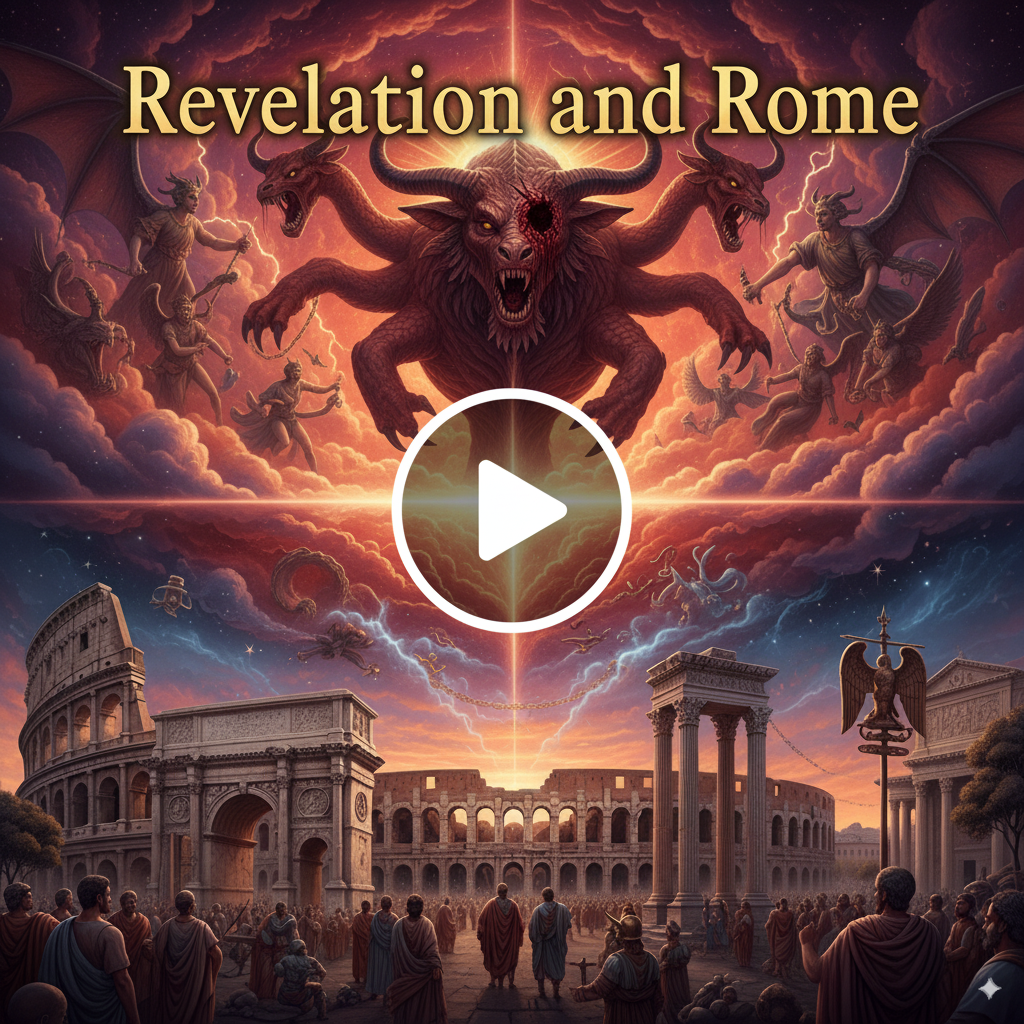
Watch a video about how the imagery of Revelation connects to the Roman Empire, as we prepare for discussion on Sunday.

Six Themes in the Bible Everyone Should Know: (POSTPONED)


Spiritual and Moral Issues in American Fiction: Some Stories to Challenge Our Faith: Join us beginning October 12 for a fascinating study of literature and faith. John Parks will be teaching. Access the first story, "I Stand Here Ironing."


The Legacy of Celtic Christianity: Join us beginning November 2 for a deep dive into the legacy of Celtic Christianity, and what we can learn from it today. Dent Davis will be teaching.