|
Thank you for reading our First Connect Newsletter! If you have an area of interest where you'd like to contribute, please don't hesitate to reach out to Eric Robinson.
This Sunday at a Glance
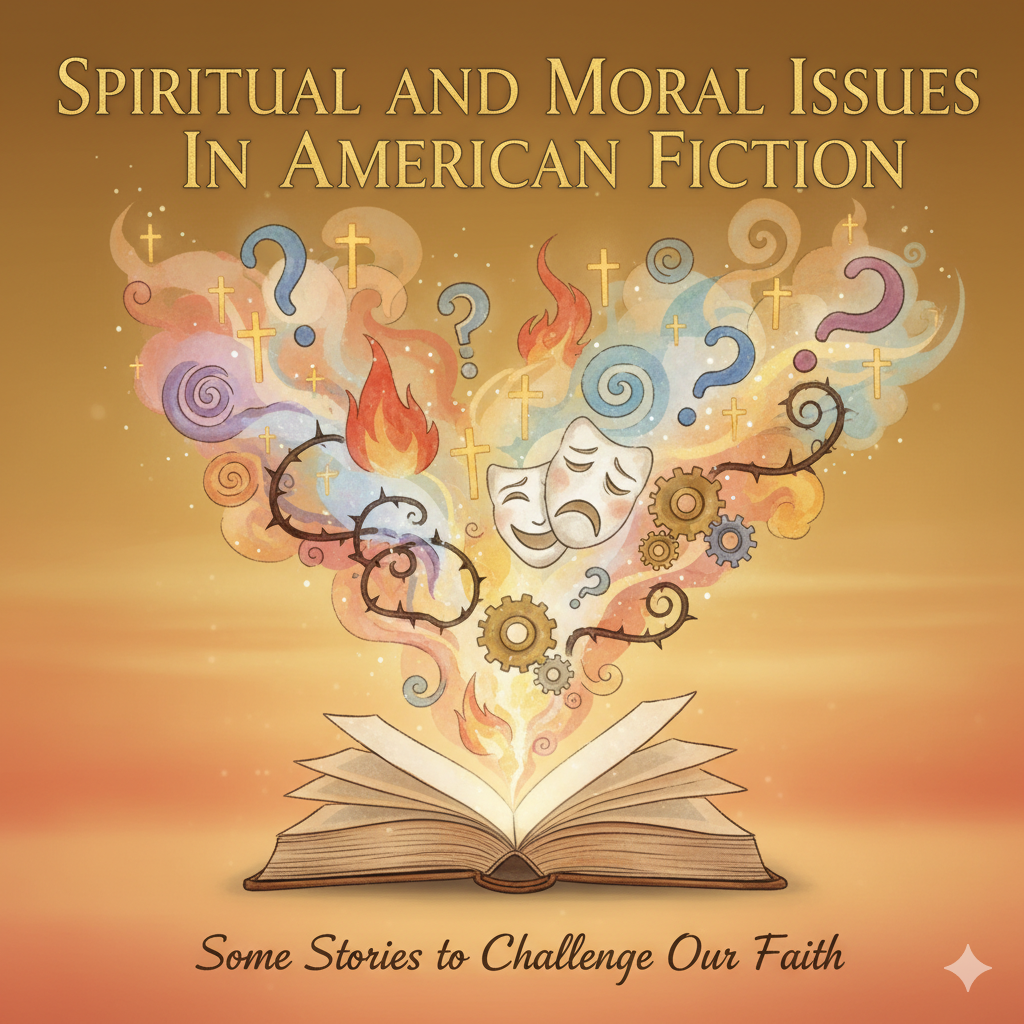
Short Stories and Faith | 10:05-10:55 AM | Room 203
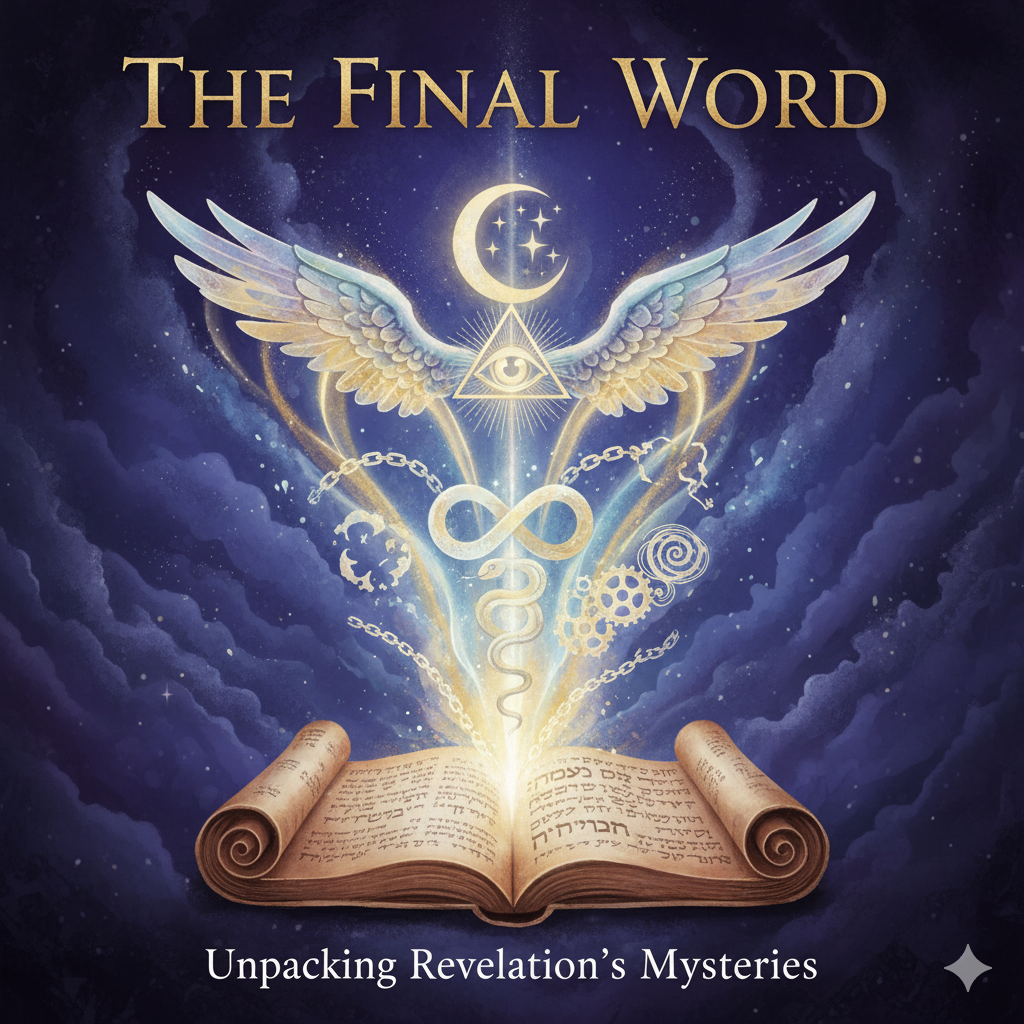
The Final Word: Unpacking Revelation's Mysteries |10:05-10:55 AM | The Library
We would also like to remind you about our new, FPC First Connect Digital Resource Library. Here, you will find the booklets, podcasts, resources and videos we have put together to help you dig deeper! This newsletter will include new and fresh content, with the library serving as a place to view our growing collection of resources. Building it will be a work in progress, but there is much in there already to get started.
We look forward to seeing you!
| | |
Class Overview
Embark on a thought-provoking journey through the rich landscape of American short fiction. This class invites you to delve into powerful narratives that unflinchingly grapple with profound questions of morality, justice, doubt, and faith.
Through close reading and lively discussion of carefully selected works, including Tillie Olsen's poignant portrayal of sacrifice and regret in "I Stand Here Ironing," Raymond Carver's profound exploration of connection and empathy in "Cathedral," and Ursula K. Le Guin's challenging thought experiment on communal ethics in "The Ones Who Walk Away from Omelas," we will collectively wrestle with the complexities these masterful writers present. Together, we'll consider how these timeless stories resonate with our contemporary lives, challenging our preconceived notions and ultimately deepening our personal walk with Christ.
Our First Session Together
In our first session, we will explore Tillie Olsen's remarkable story, "I Stand Here Ironing." This story offers a rich tapestry of themes deeply resonant with the Christian faith. At its heart, we can anticipate encountering narratives of transformation, redemption, and perhaps even miraculous intervention, echoing the foundational stories of salvation and grace found in scripture. We might see characters grappling with dilemmas that challenge their understanding of justice, compassion, and divine will, inviting us to reflect on our own faith journeys and the ethical principles guided by biblical teachings. Furthermore, the relationships and societal structures depicted could provide a compelling backdrop for discussing themes of community, forgiveness, and the enduring power of faith in overcoming adversity, much like the parables and historical accounts that shape Christian understanding. As we embark on this journey, let us keep an open mind to the myriad ways this story illuminates and interacts with the timeless truths of the Gospel.
Dates: October 12, 19, 26
Leader: John Parks
Location: Room 203 (Email Eric Robinson if you are interested in joining over Zoom)
Materials: You can access the stories in this class in the Narthex or Fellowship Hall on Sunday morning, or digitally in THIS FOLDER.
| |
|
Looking Ahead: Our Next Session
We will continue our discussion about the imagery in the book of Revelation, its connection to historical events, and how it informs our understanding of what it means to live faithfully in our day and time. We will begin an exploration of the seven churches, and how this exploration might shape our understanding of the church today.
This 7 Churches of Revelation Booklet will serve as the starting point for our discussions.
A Preview of our Seven Churches Study
While the Book of Revelation can seem intimidating with its vivid imagery, at its core, it is a pastoral letter of profound hope and encouragement. This study guide peels back the mystery to reveal messages from Christ to seven real, first-century churches facing surprisingly relatable struggles.
Prepare to meet the doctrinally pure church that had lost its "first love", the persecuted church that was spiritually rich despite its material poverty, and the wealthy, self-sufficient church that was declared "lukewarm" and spiritually blind. These ancient communities serve as a mirror, offering timeless insights for our own spiritual lives.
Join us to uncover the powerful relevance these letters hold for believers today. By exploring the historical context of Roman Asia Minor, you will understand the intense pressures these Christians faced from idolatry, emperor worship, and economic compromise.
You will learn how Christ’s promises to the "conqueror" in each church are a call to faithful endurance, grounded in the certainty of God's ultimate victory. This study is more than a history lesson; it's an opportunity to hear what the Spirit is saying to the churches and to find encouragement for your own faith journey.
Dates: Ongoing, 10:05-10:55
Facilitators: Eric Robinson, Doug DeCelle, Paul Urbanick, Richard Cole, and others
Location: The Library
| | |
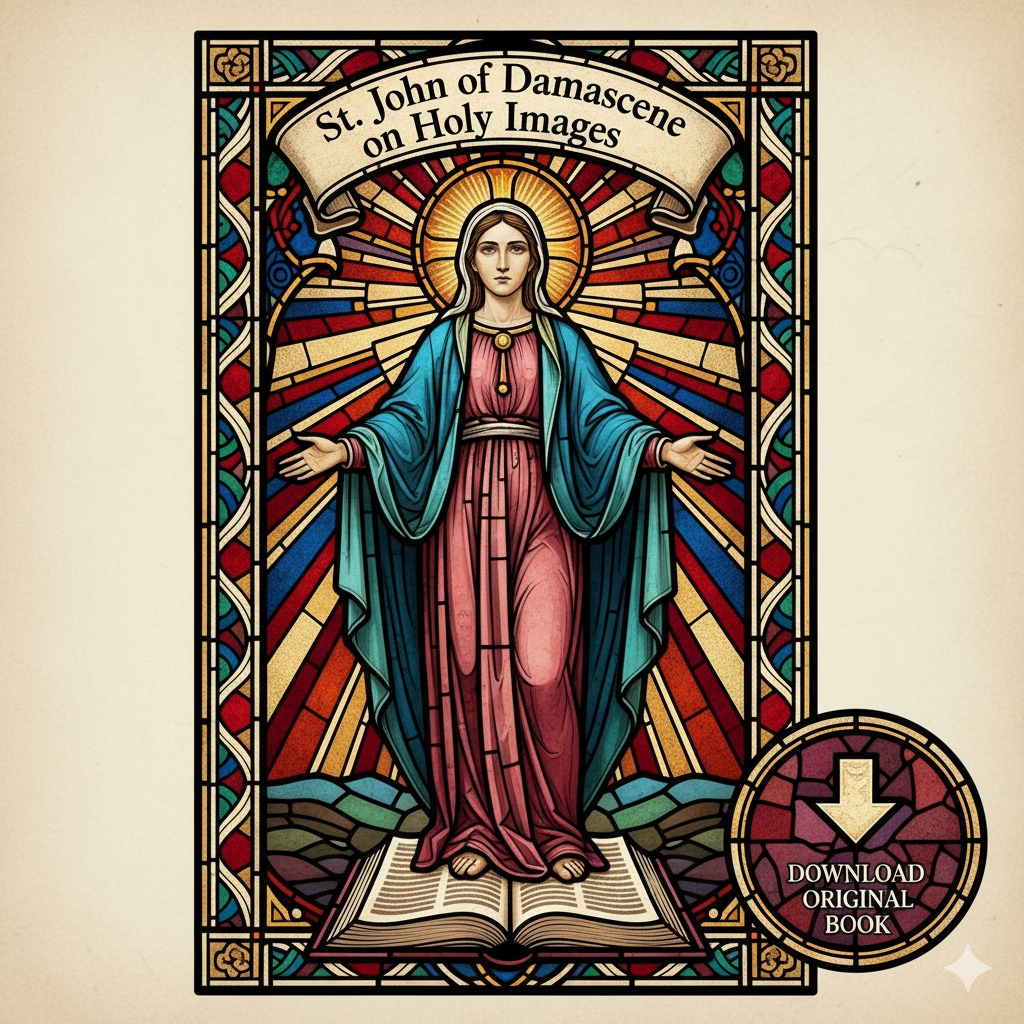
In case you missed it, we encourage you to check out a fascinating study below, looking at a fascinating time in Christian history, the Iconoclast Controversy. Icons, meaning images, were regularly used in the context of a church service. Think of our stained-glass windows as very large icons.
The iconoclasts believed that God, Jesus, or the saints cannot be represented with any kind of imagery, as images open the door to idolatry in violation of the second commandment. St. John of Damascene, living in the 600's, put up a very strong defense of the use of icons in the church, arguing against the conclusions of the iconoclasts.
Below, you will find a full text of John of Damascene's works, a short video overview of the controversy and his arguments, and a booklet expounding on the historical context, and theological arguments he made.
| | Exploring Revelation: Resources to Dig Deeper | | Listen to another insightful podcast discussion about Revelation with Robyn Whitaker, who offers an accessible and engaging look at how this ancient text speaks to contemporary issues of faith and justice. Prepare to have your perspectives broadened as this episode delves into Revelation's spiritual depth and prophetic voice | | |
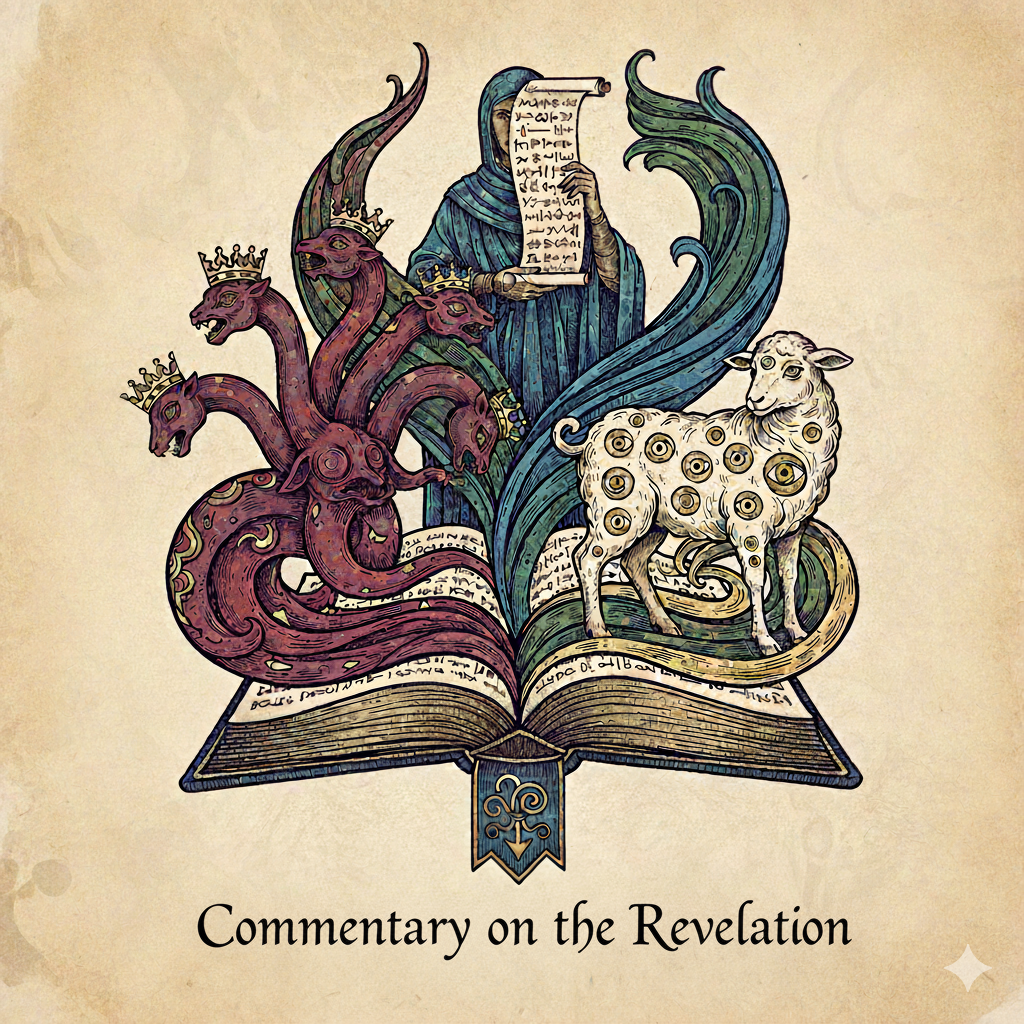
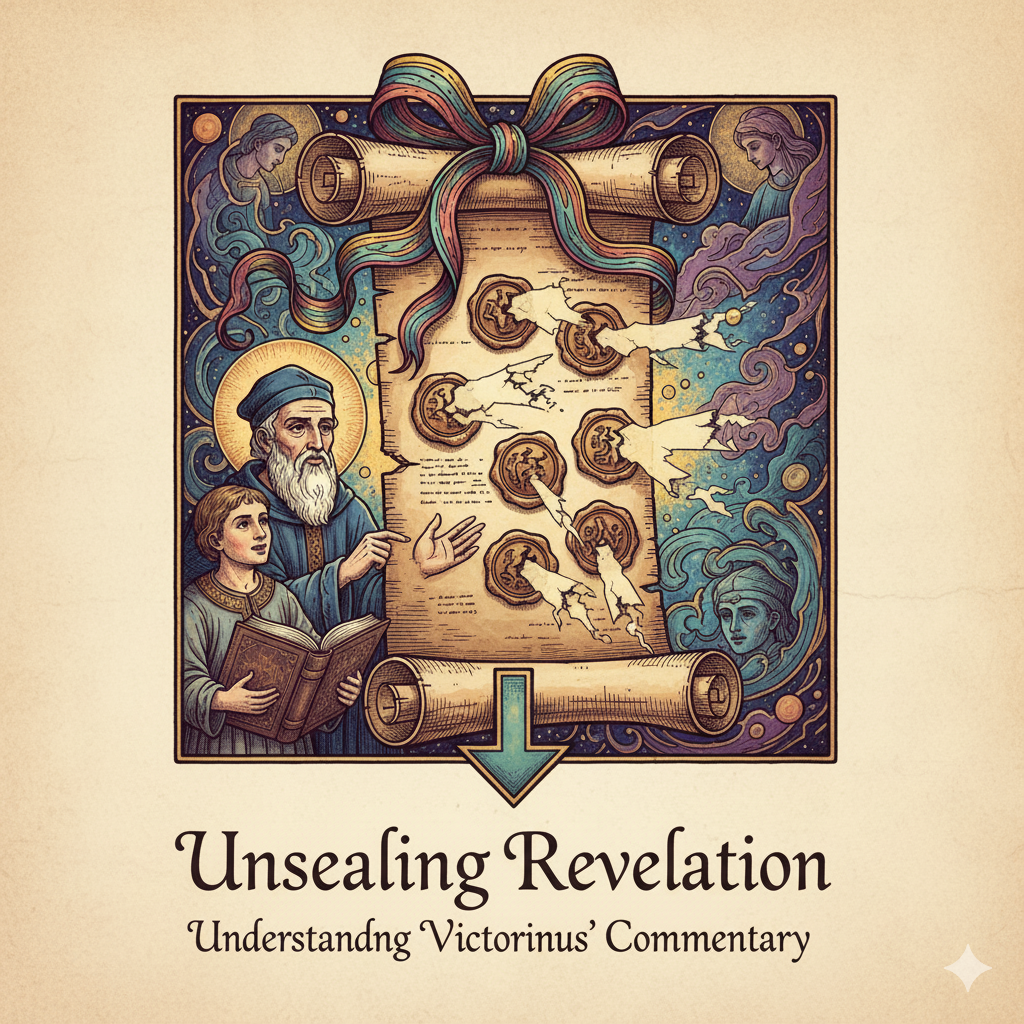
Journey back to 304 CE to read the earliest surviving commentary on Revelation by Victorinus, offering a glimpse into early Christian thought. Victorinus explains key symbols, stating that the "white horse" seen in the heavens is the word of God and that He who sits upon it is Jesus Christ coming to judge the world. Furthermore, he identifies the angel ascending from the east as the prophet Elias, who will come to restore the churches before the time of Antichrist. This commentary provides a straightforward, chapter-by-chapter guide to the allegorical meanings within the final book of the New Testament.
Find below the full commentary, an infographic with key points, and a video overview.
| | |
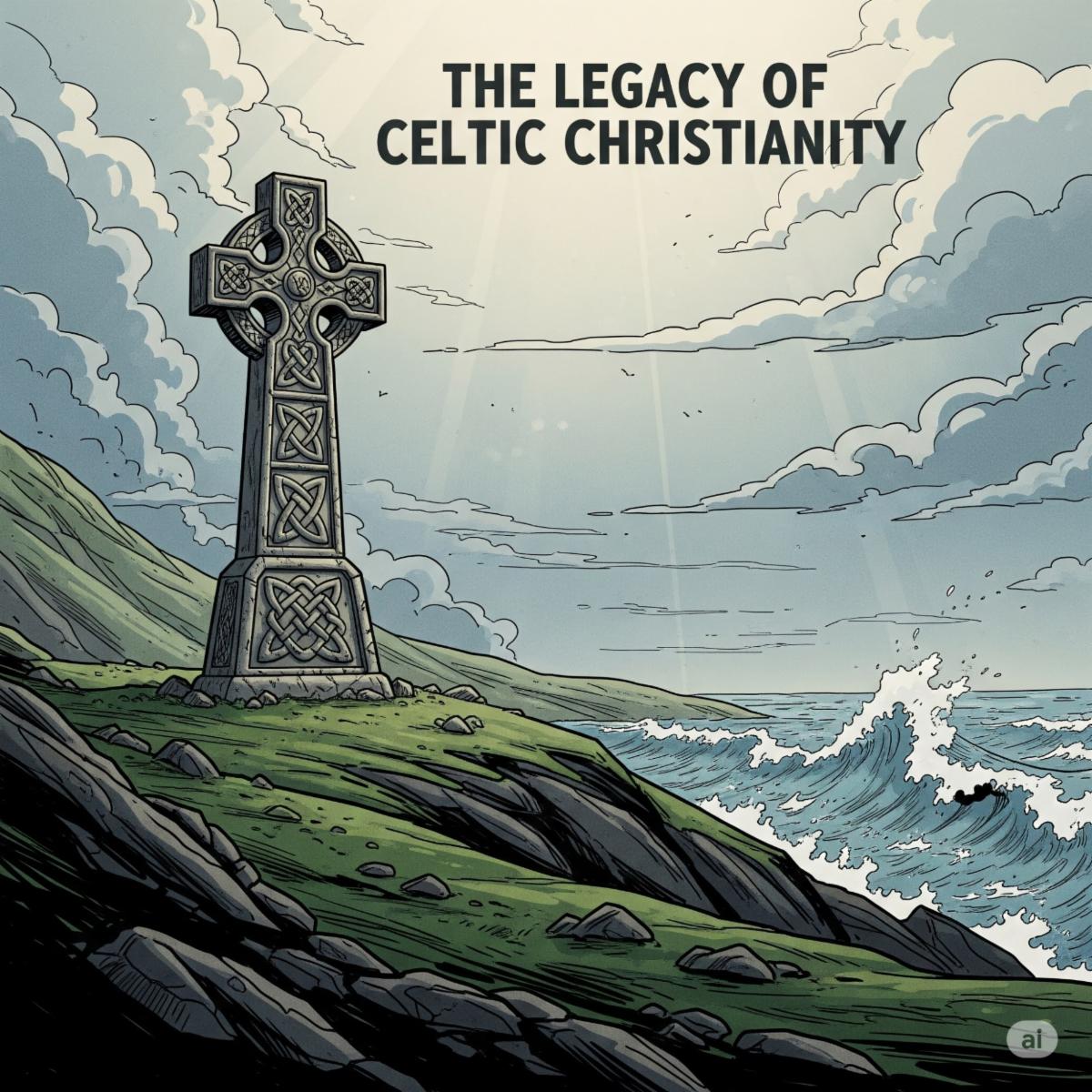
The Legacy of Celtic Christianity Join us beginning November 2 for a deep dive into the legacy of Celtic Christianity and what we can learn from it today. Dent Davis will be teaching.
All this month, in anticipation of this class, we'll feature an interesting tidbit about Celtic Christianity.
This week's nugget:
A unique feature of Celtic Christianity was the "peregrinatio pro Christo," or "wandering for Christ." Unlike traditional pilgrimages to a specific holy site, these journeys were a form of self-exile, where monks would leave their homeland and entrust themselves entirely to God's providence, sailing without a set destination. This act of radical faith led to the establishment of monasteries across Europe, from Iona in Scotland to Bobbio in Italy.
| | | | |