View as Webpage

A Guide to DNA-PAINT Dye Selection

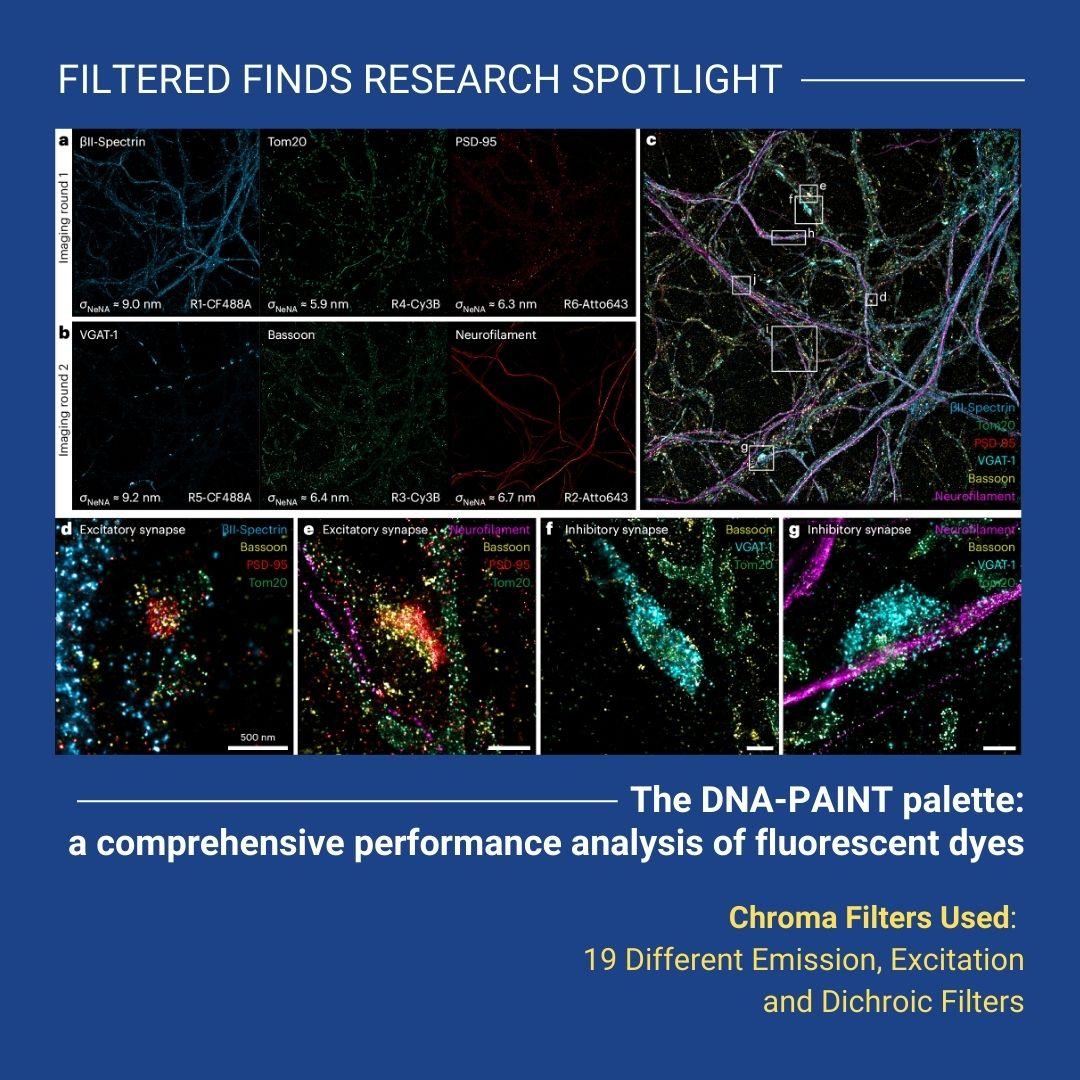
DNA-PAINT microscopy continues to break new ground in super-resolution imaging, and selecting the right fluorescent dye is essential for achieving optimal results.


In a recent study, Chroma filters were used to evaluate 18 fluorescent dyes based on critical performance metrics, including brightness, signal-to-background ratio, DNA-PAINT docking site integrity, and off-target signal.

This in-depth analysis offers actionable insights for researchers looking to enhance their imaging techniques. Discover which dyes stood out and delivered the best performance.

Read the Research

🗓️ Upcoming Photonics Trade Shows

SCIX 2024

October 20th - October 25th, 2024

Raleigh, NC, USA


Explore the latest in analytical chemistry and spectroscopy at SCIX 2024 and learn how Chroma's filters can enhance your application in booth #216c.

Cell Bio 2024

December 14th - December 18th, 2024

San Diego, California, USA


From fluorescence microscopy to multiphoton, FISH, FRET and TIRF, our filters are designed to meet the demands of your application.


Stop by booth #533 to see how Chroma’s optical filters can support your cutting-edge cell biology research.

Photonics West

January 25th - January 30th, 2025

San Francisco, California, USA


The world’s premier event for lasers, biomedical optics and biophotonic technologies, quantum, and optoelectronics.


Come say 👋 at Photonics West. We'll be in booth #3425 ready to talk all things optics.

Improve LED Fluorescence Imaging with Pro Tips

Fluorescence microscopy relies on precision, and getting the best image quality often comes down to how well your optical filters and light source are matched.


In a recent interview, Dr. Michael Stanley, Senior Applications Scientist at Chroma Technology, breaks down the critical steps researchers can take to optimize their imaging setup.

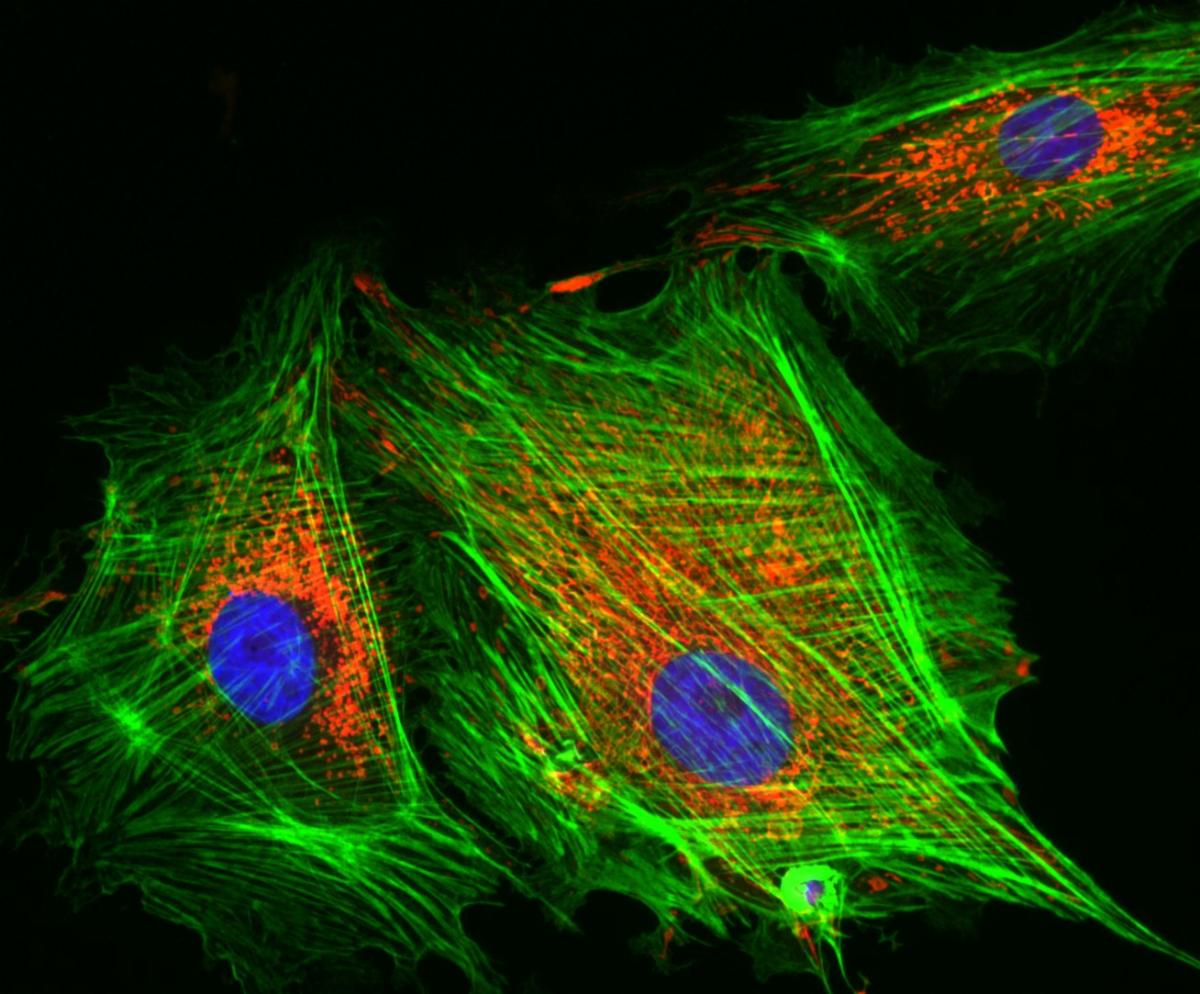
Bovine pulmonary artery endothelial cells using pE 800 Image credit: CoolLED

Dr. Stanley has spent years teaching scientists how to get the most out of their experiments. His top advice? Pay close attention to the interaction between your filters, light source, and fluorophore. A small mismatch—such as the wrong filter for your LED light source—can drastically reduce the quality of your images.


For more insights from Dr. Stanley, and to learn practical tips you can apply to your own microscopy work, check out the full interview.

Learn Dr. Stanley's Insights

ICYMI: New Spectra Viewer Upgrades are Live!

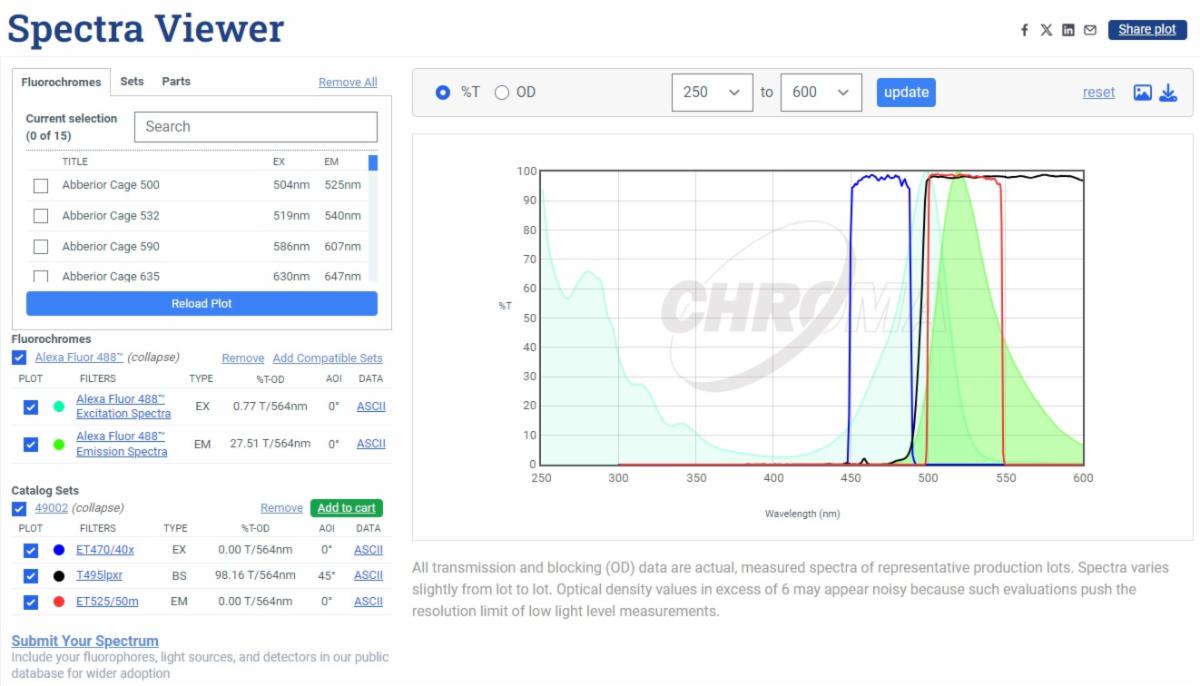
We’ve updated our Spectra Viewer tool to make your work easier. Try these exciting new features available now:


🔍 Find Compatible Filter Sets: Easily identify the perfect filter sets to match your fluorochromes.


📊 Simple Data Export: Export spectra graphs and ASCII data with one click.


🛒 Add Filters to Cart: Add your modeled filters directly to your cart from the Spectra Viewer.


🤝 Simple Sharing Options: Collaborate effortlessly by sharing spectra via social media or email.


🌈 Submit Your Spectrum: Share your spectra to add it to our growing library.

Try the New Upgrades
LinkedIn  X  Facebook  YouTube

Chroma Newsletter - October 2024

Was this email helpful?

Let us know in this two question survey.