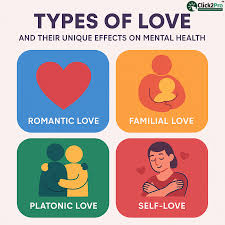
February is often centered on the theme of love, and at ATPWC, we want to expand the meaning of love beyond romantic expectations. Love can take many forms—self-love, healthy boundaries, compassion, healing from relational wounds, and intentional connection with others. This month, we invite you to reflect on how love shows up in your emotional world and how therapy can support that growth. |
Redefining Love in Mental Health
Love is not just a feeling—it is a practice. In counseling, love can look like:
- Learning to speak to yourself with kindness instead of criticism
- Allowing yourself to receive care and support
- Setting boundaries that protect your emotional well-being
- Healing from past relationship pain or attachment wounds
- Choosing growth, even when it feels uncomfortable
|
For many, February can bring up complex emotions—loneliness, grief, pressure, or reminders of unmet needs. These experiences are valid, and therapy offers a safe space to explore them without judgment.
|
Self-Love as Emotional Foundation
Self-love does not mean perfection or constant positivity. It means honoring your needs, acknowledging your limits, and extending compassion to yourself during difficult moments. Practicing self-love can reduce anxiety, strengthen self-esteem, and support healthier relationships with others.
This month, consider gently asking yourself:
- What does my emotional well-being need right now?
- Where can I soften self-judgment?
- How do I show myself care when I’m struggling?
| |
Love in Relationships
Healthy love includes mutual respect, emotional safety, and honest communication. Whether you are navigating romantic relationships, family dynamics, or friendships, counseling can help strengthen connection, process conflict, and understand patterns that may no longer serve you.
If relationships feel overwhelming, painful, or confusing, you do not have to carry that alone.
| |
February Wellness Reflection
Choose one small way each day to act from a place of love—toward yourself or others. This might include resting without guilt, expressing appreciation, practicing patience, or reaching out for support. Small acts of love can lead to meaningful emotional shifts over time.
|
Blog Post:
The Quiet Power of Slowing Down
By Deanna Freed, LMSW, CAADC
| We live in a world that encourages & values busyness, speed & immediate gratification. Many may have heard the term “dopamine hit”. This term refers to a surge of the brain’s neurotransmitter, dopamine, which reinforces behavior in response to a stimulus, prompting us to repeat the same behavior(s). Faster responses, quicker results, instant updates, message alerts, immediate gratification, constant stimulation… all feed this dopamine reinforcement, but it’s temporary. We then need more & eventually it does not sustain... | | |
Meet The Therapist
Tiffany Jeffers MA, LPC
| Tiffany has a master’s degree in Clinical Mental Health Counseling from Oakland University. She received a bachelor’s degree in Sociology from Alma College. She is a Licensed Professional Counselor (LPC). As an intern, she worked in a partial outpatient hospitalization crisis program where the setting was group-based therapy (children, adolescents, and adults). She has worked with children and adolescents who have autism from a year and a half in an Applied Behavior Analysis setting. She has worked for a community mental health setting focusing on infant mental health and children who have severe emotional disorders in Macomb County. | |
UPCOMING EVENT!
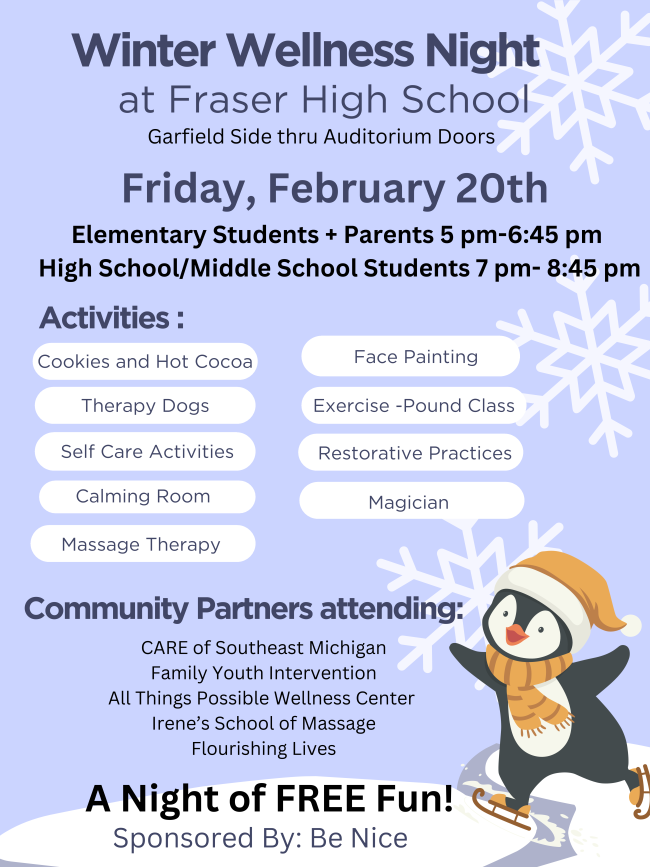
The 2026 Fraser High School
Winter Wellness Night
Friday, February 20th, 2026
| |
ATPWC will be participating in the annual
Fraser High School Winter Wellness Fair
Friday, February 20, 2026 5pm-8:45pm
At Fraser High School
Please come out and join us!
| |
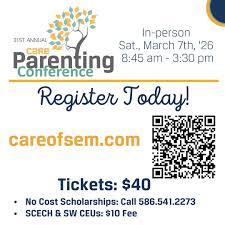
Upcoming Event:
March 7, 2026
CARE Parenting Converence
Registration- 8:00am
Conference Time 8:45am-3:30pm
Where: MISD
44001 Garfield Road,
Clinton Township, MI 48038
| |
ATPWC's very own,
Ashley Kraut, LPC &
Hayley Thiele, LLC
will be presenting at this years conference!
| |
Conference Topic:
ADHD Myth Busters: What Does the Research Actually Say? Presented by Ashley Kraut, LPC & Hayley Thiele, LLC
We hear many ideas regarding ADHD and what may or may not be helpful. Parents need to know what the research actually says. We can easily get influenced by social media and other’s opinions, so let’s get the facts straight! I will provide information on ADHD facts, and also provide helpful tools that are based on the research acquired by professionals.
| |
May the spirit of love and
self-care carry with you beyond February.
We’re grateful to support your journey.
| |