Kōanga Spring 2026

Food business tips and reminders

Spring has sprung, bringing longer days, warmer weather, and Labour Weekend to look forward to. Whether you're dusting off the outdoor seating, refreshing your menu or preparing for a rise in visitors, a little planning now goes a long way. Read on for tips and reminders to serve up a busy and successful season.

Exciting event on the menu

Opening day for Kaikohe Library


The Kaikohe Library and Hub officially opens its doors on Monday 9 November 🎉, bringing a busy day of celebrations, visitors and dignitaries to the Far North town.


Complimentary food and refreshments will be served as part of the festivities, so local food businesses should be prepared for a few changes to the usual trading day. An increase in foot traffic is also expected, along with extra pressure on parking in the area.


For any queries or concerns, contact FNDC Events Coordinator, Morgan Armstrong, at morgan.armstrong@fndc.govt.nz or call 0800 920 029.

Putting safety first

Get online support


 A smorgasbord of free online training modules is available through the Ministry for Primary Industries (MPI), covering all the basics of food safety.


The bite-sized modules are an excellent resource for managers and staff wanting to refresh their food safety knowledge and maintain great food safety practices in their businesses.


Best of all, they don't take long to complete - often between eight and 15 minutes. Once completed, you can even print a certificate of completion.


Check it out here Food safety basics: online training modules | NZ Government

The heat is on - or is it?

Getting reliable readings


Using an accurate thermometer is a key ingredient in keeping food safe. Regular calibration checks help ensure reliable temperature readings and can identify problems before they affect food safety. Thermometers must be accurate, clean and used correctly.


Here’s how:


Probe thermometers

Cold food: Check your thermometer using an ice slurry – crushed ice mixed with a small amount of water. The thermometer should read 0°C (±1°C)

Hot food: Check the thermometer in boiling, unsalted water. It should read 100°C (±1°C).


Remember to:

  • Keep the probe away from the sides and bottom of the container and wait for the reading to stabilise
  • Document the result and any action taken. If the thermometer is still outside the acceptable range after a second check, replace it
  •  Always clean and sanitise your thermometer after each use.


Infrared thermometers

Follow the manufacturer's instructions for calibration. Infrared thermometers only measure surface temperatures unless food is cut to allow for an internal temperature check.


  • An ice slurry check should give a reading between -1°C and +1°C.
  • Infrared thermometers can be affected by shiny surfaces, so placing a tissue over the ice slurry can help.
  • A boiling-point check is not practical for infrared thermometers.

Pack it in!

Handy tools for you


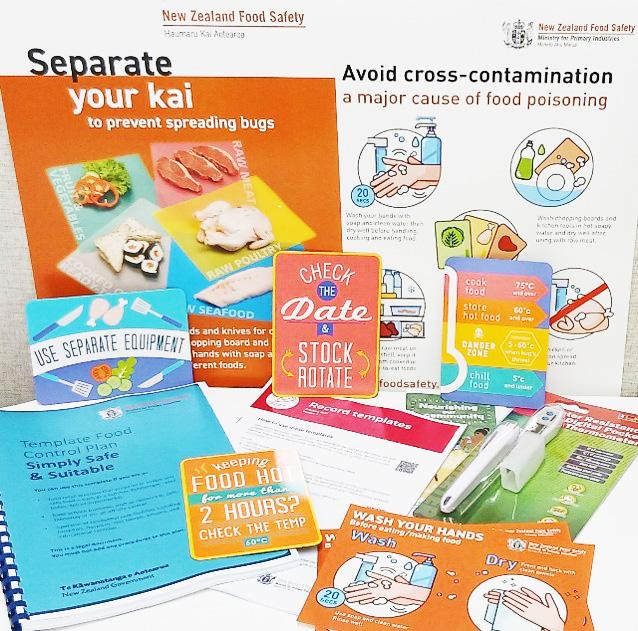
Document packs for template food control plans (FCP) are now available to order through Far North District Council.

 The handy pack (right) includes:


  • A colour copy of the current FCP (S39-0006)
  • Record blanks
  • Handwash stickers
  • MPI promotional magnets
  • MPI promotional posters
  • Nourishing Our Community pamphlet
  • Thermometer (additional costs apply)


Contact our administrator at Compliance.admin@fndc.govt.nz to buy your pack or for any other inquiries. Prices are listed here.

Allergy or intolerance

What's your reaction?


Food allergy: An overreaction by the body’s immune system to a particular food. The body produces antibodies against a food protein and releases histamine and other chemicals that 
cause inflammation. An allergic reaction can happen within minutes, but symptoms can also take up to two hours to appear. Peanuts and sesame seeds are common causes of food allergies.


Food intolerance: An adverse reaction to food that does not trigger the immune system. It can include reactions to non-protein substances in foods such as carbohydrates, chemicals, additives, toxins, and irritants. Food intolerance is often dose-related. Unlike allergies, symptoms can occur many hours after eating the food. Common examples include gluten and lactose.


Coeliac disease

People with coeliac disease have an immune reaction to gluten. It is a genetic, autoimmune condition caused by – you guessed it – gluten. Gluten is a protein in wheat, rye, barley, oats, as well as their various subspecies and hybridised strains. About one in 70 people in New Zealand and Australia have coeliac disease and must follow a strict gluten-free diet.


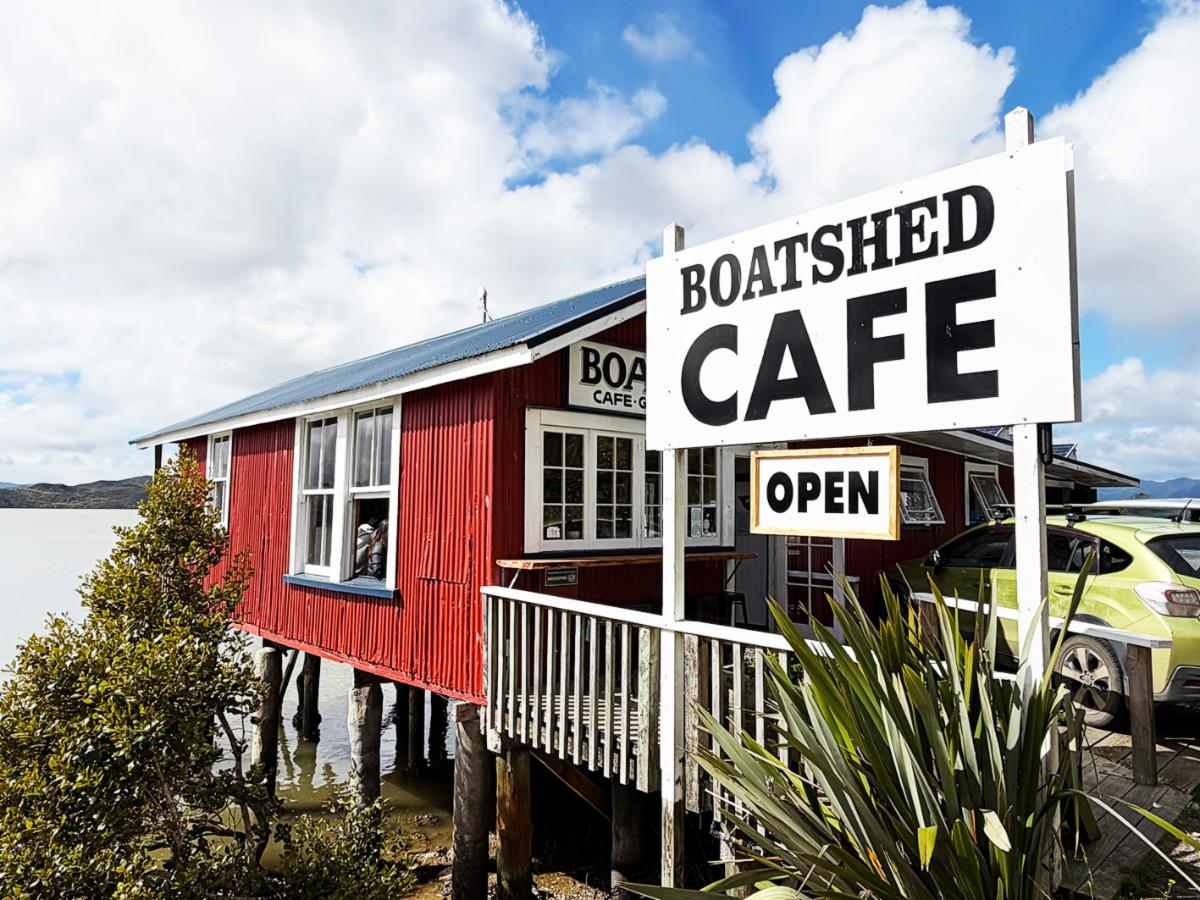
Featured business

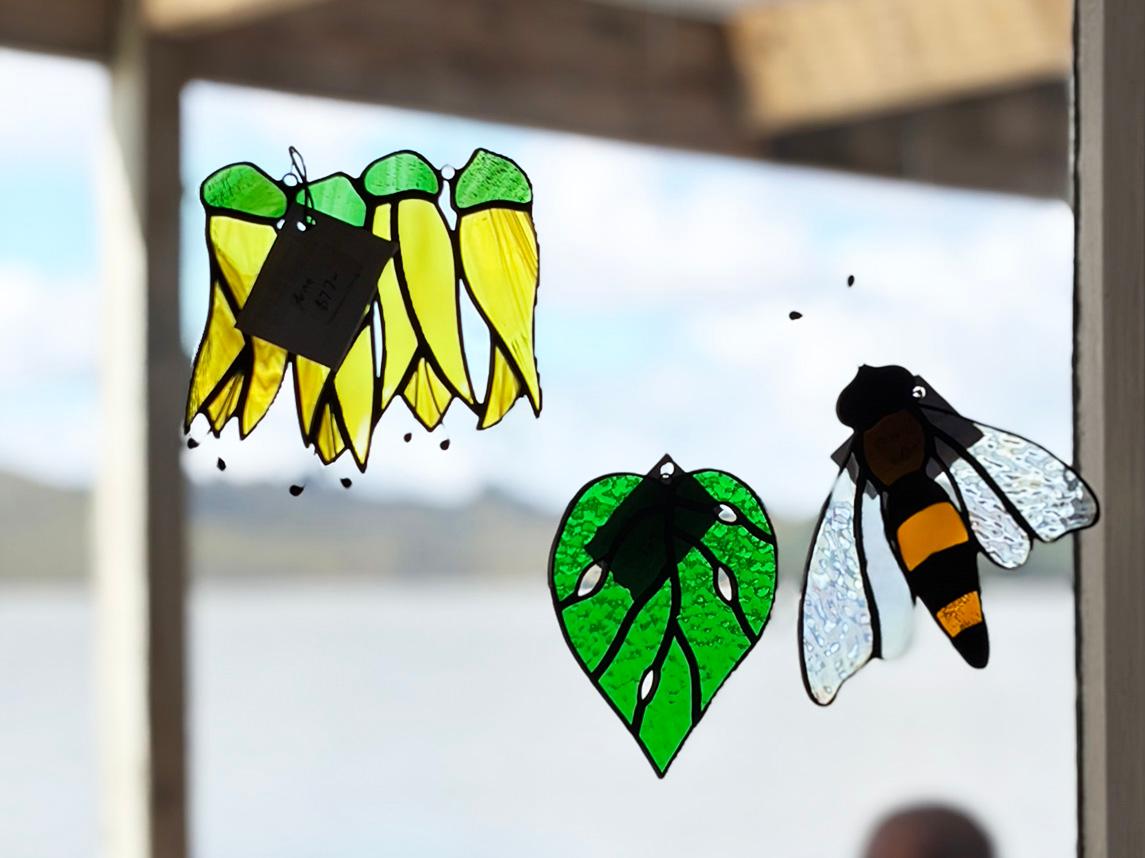
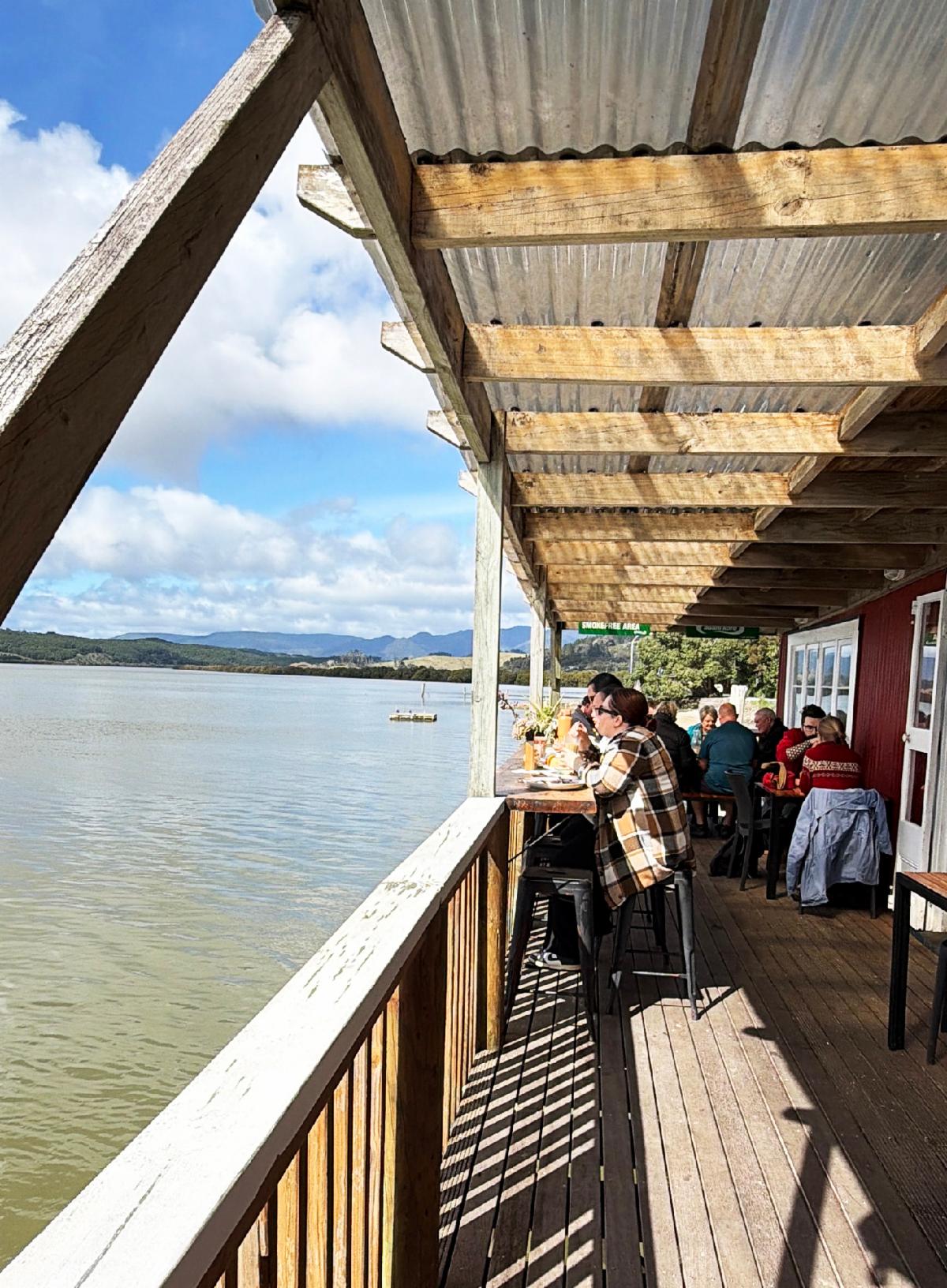
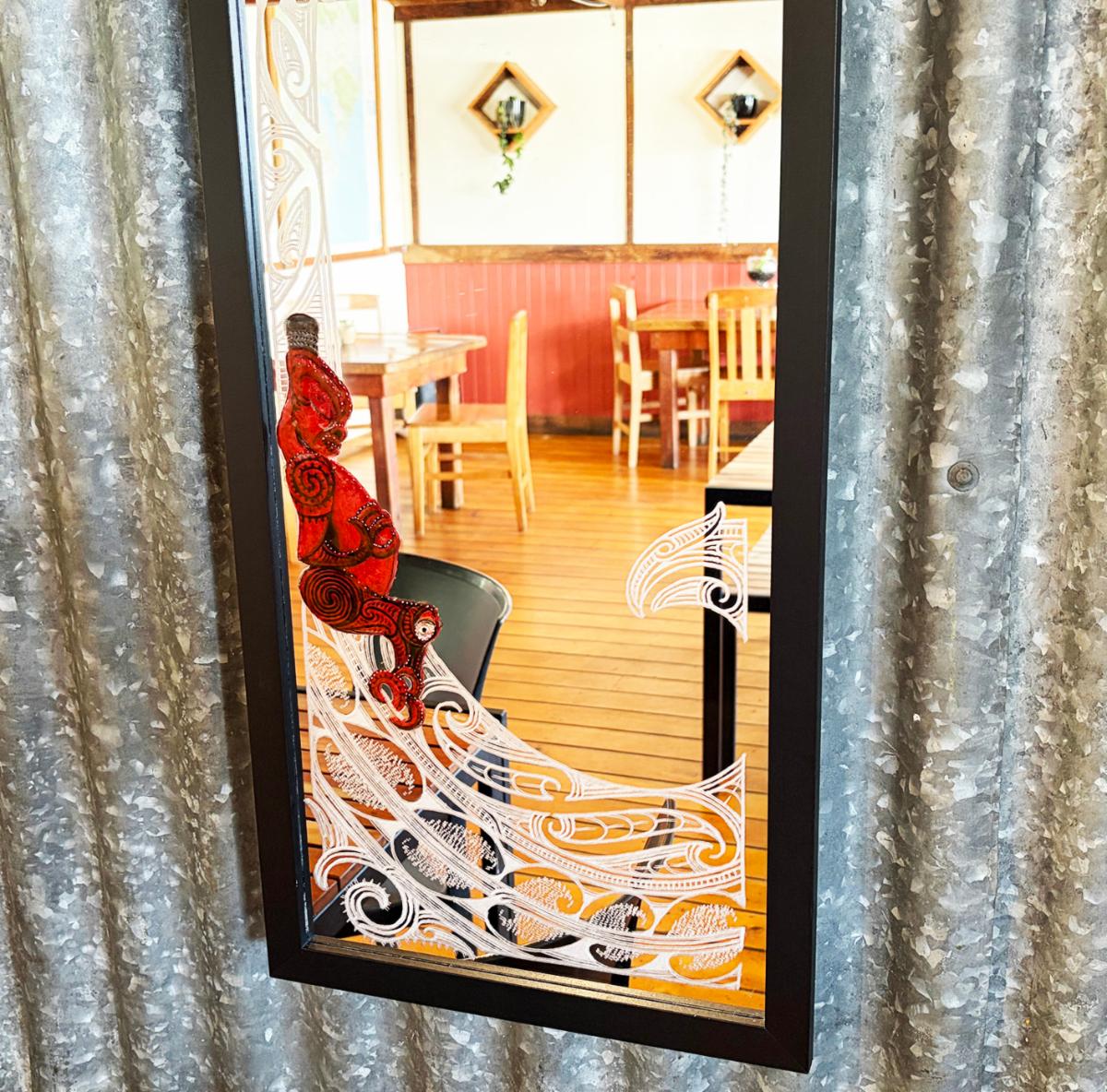
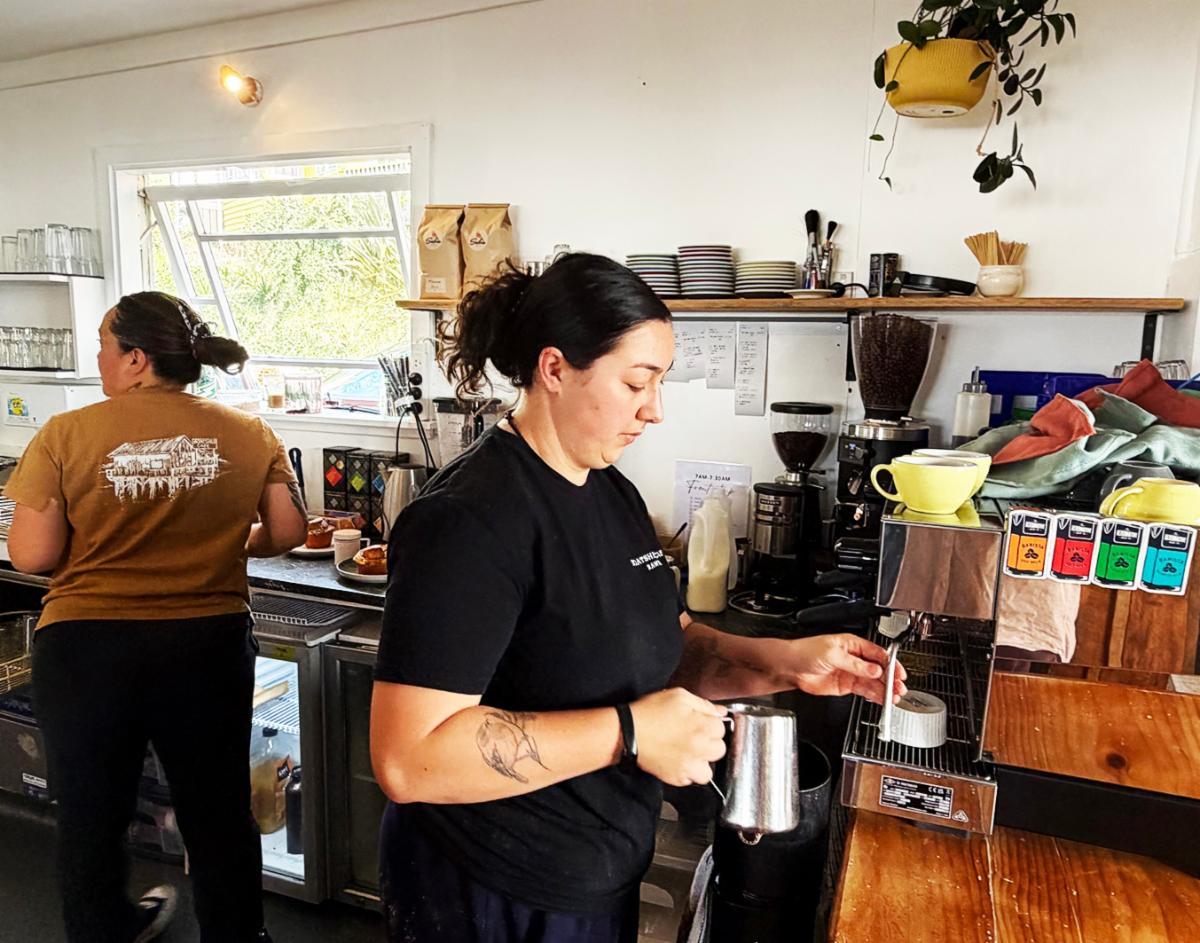
Boatshed Cafe

8 Clendon Esplanade

Rāwene


Hours

Mon, Tues - 7.30am to 2pm

Wed to Sun - 7.30am to 3pm


Social media


Any suggestions for our next newsletter?


Email us at ask.us@fndc.govt.nz or visit our website at:

www.fndc.govt.nz/Our-Services/Licences_and_permits


Facebook  X  Instagram