Raumati Summer 2025

Food business tips and reminders

Summer is rolling in, with warmer weather, festive cheer, and plenty of visitors heading for a taste of the beautiful Far North. Many restaurants and cafes will 
be taking advantage of the longer days, offering al fresco dining with tasty 
seasonal flavours. Check out our tips and tricks to help you serve up a successful, busy season ahead.

Are you summer ready?

Prepare for the hordes

The busy summer season means a higher volume of customers. Being prepared ahead of the busy summer will make it a safer, smoother season for everyone.


✔ Ensure staff are trained and confident in hand hygiene, safe food handling, temperature control, and cleaning.


✔ Check that Food Control Plans are up to date and that records, such as temperature logs and cleaning schedules, are maintained.


✔ Have plenty of sanitisers, gloves, calibrated thermometers, and approved food-grade cleaning products available.


✔  Ensure fridge and freezer capacity to cope with higher volumes of perishable stock, as well as having transport options such as chilly bins for off-site catering.


✔ Monitor MPI food safety alerts, especially for shellfish, and communicate with staff and customers about allergen management and food safety expectations.

Get set for inspection

Recording good habits


Apps can streamline recordkeeping and reduce paperwork but records must be easily accessible for inspection. Here's how to be audit-ready. 


Understand the Template Food
 Control Plan
(TFCP):

★ Ensure staff are familiar with your TFCP and regularly review and update procedures.


Maintain Accurate Records:

★ Keep detailed logs of food safety practices, including temperature checks, cleaning schedules, and staff training.


Conduct internal audits:

★ Perform routine reviews to identify any non-compliance issues before an audit.


Train staff regularly:

★ Provide training so all employees know their responsibilities.

Prepare for verification visits:

★  Organise records so they can be retrieved quickly during an audit and ensure hygiene and safety standards are met before a visit.

Changing times?


Have you had a recent change in management? New licensee? Sold the business?

Ensure the information we have on file is up to date, so you don’t miss any important information.

If you need to update us with new details, send the completed this form here to compliance.Admin@fndc.govt.nz

It's a date!

How to keep it fresh


Use-by and best-before dates indicate how long food can be kept before it should be binned.


Use-by dates:

Purpose: Indicates the last date food is considered safe to eat.

Applies to: Perishable items such as fresh meat, dairy, seafood, and ready-to-eat meals.

Legal requirement: Food must not be sold or consumed after that date.

Risk: Eating food past the use-by date may pose a health risk.


Best-before dates:

Purpose: Indicates the date up to which the food will be at its best quality.

Applies to: Non-perishable or semi-perishable items such as canned goods, dry pasta, cereals, and frozen foods.

Legal requirement: Food can be sold after this date, but must be clearly labelled as past its best-before date.

Risk: Generally safe to eat after this date, but quality may decline.


New levy on the menu

The MPI Food Business Levy came into effect on 1 July 2025. It is payable by all businesses registered under a food control plan or national programme under the Food Act 2014. Find out how it affects your business here and read the consultation document on the MPI website.

Don't get left on the shelf

Your guide to understanding food shelf life:

Refrigerator Shelf Life

Beef (steaks, roast), pork (chops, roast): 3-5 days in normal packaging; 10-14 days vacuum-packed.

Poultry (chicken, turkey): 2-4 days in normal packaging, 7-10 days vacuum packed.

Ground meat: 1-2 days in normal packaging, 5-7 days vacuum-packed.

Fish (fresh): 1-2 days in normal packaging, 5-7 days vacuum packed.

Freezer Shelf Life:

Beef (steaks, roast): 6-12 months in normal packaging, 2-3 years vacuum-packed.

Pork (chops, roast): 4-6 months normal packaging, 2-3 years vacuum-packed.

Poultry: 6-12 months in normal packaging, 1-2 years vacuum-packed.

Ground meat: 3-4 months in normal packaging, up to a year vacuum-packed.

Fish and seafood: 2-6 months in normal packaging, 6-12 months vacuum-packed.

Unwelcome guests

Ants: Look out for a spike in ant infestations - particularly white-footed house ants and Argentine ants. Use bait stations along foraging trails, maintain cleanliness, store food securely, and apply both indoor and outdoor treatments.

Cockroaches: Keep all areas clean and dry, especially kitchens, storage rooms, and waste areas. Seal cracks, gaps, and entry points around walls, doors, and pipes. Store food in sealed containers and empty rubbish bins regularly. Use commercial-grade cockroach baits and traps. If activity is detected, act quickly with approved pest control methods or engage a licensed pest control professional. 

Whaddaya know?

Test your knowledge on common food allergens


1 ***nuts; 2 Al****s; 3 ******nuts; 4 C*****s; 5 Hazel****; 6 Macad*****; 7 Pe****; 8 P****nuts; 9 Pi********; 10 Wal****, 11 Crust***** , 12 ****uscs, 13 F***, 14 M***, 15 E**.


Answers at the bottom of the newsletter


Featured business

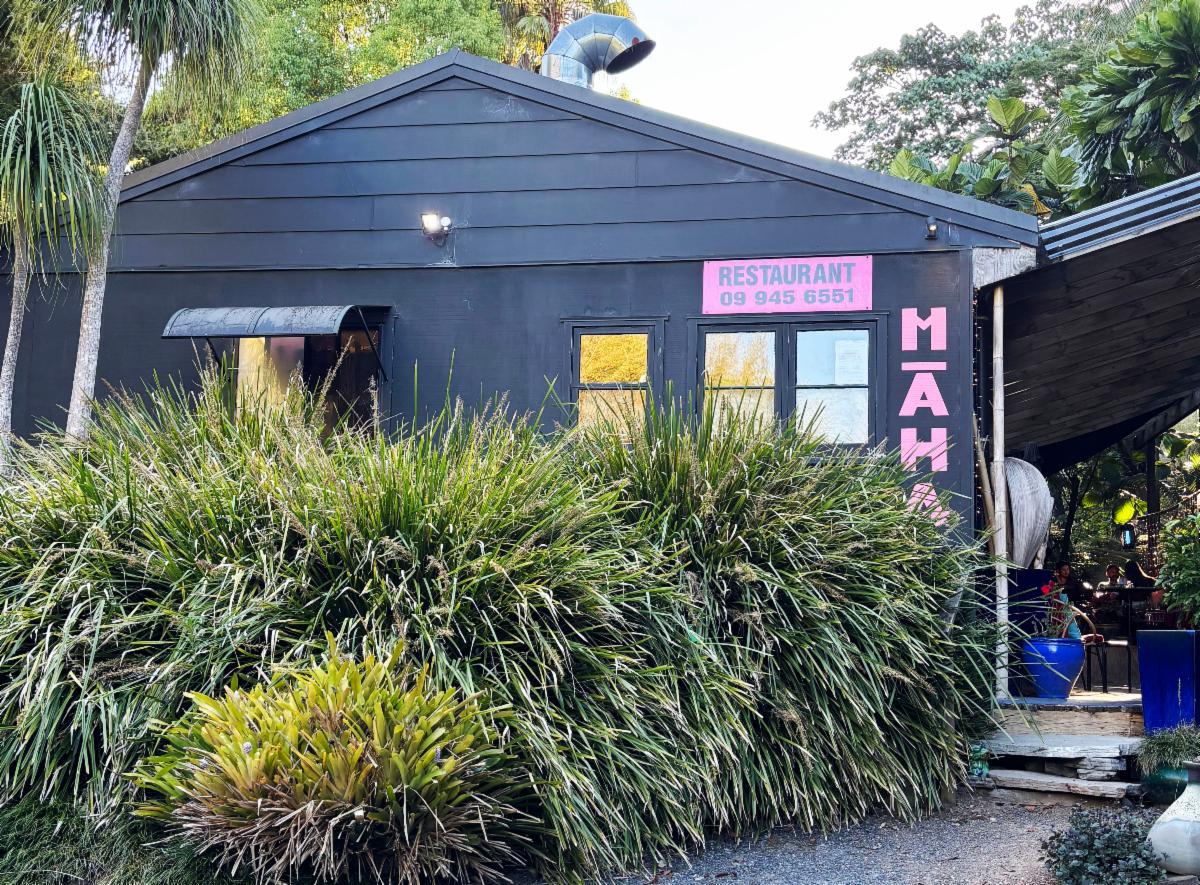
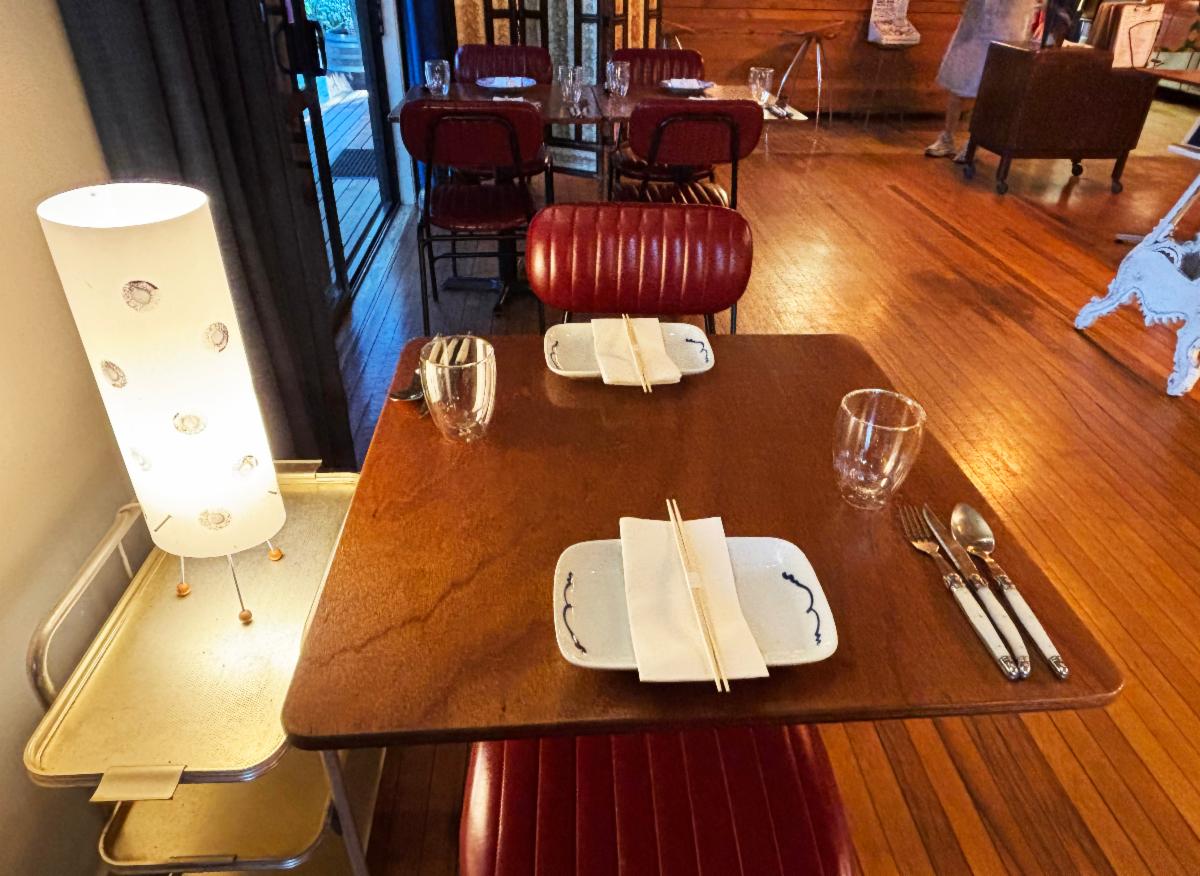
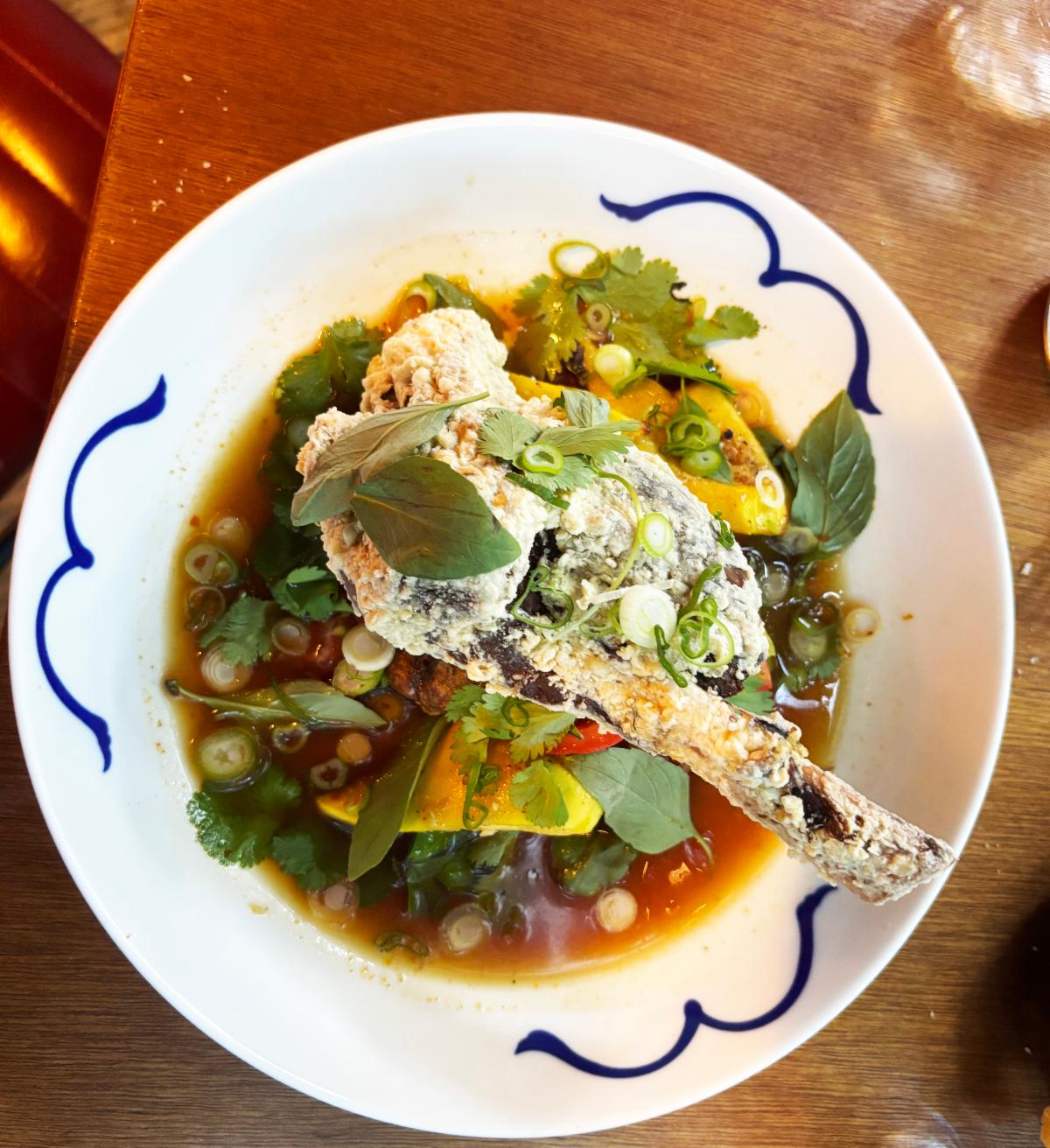
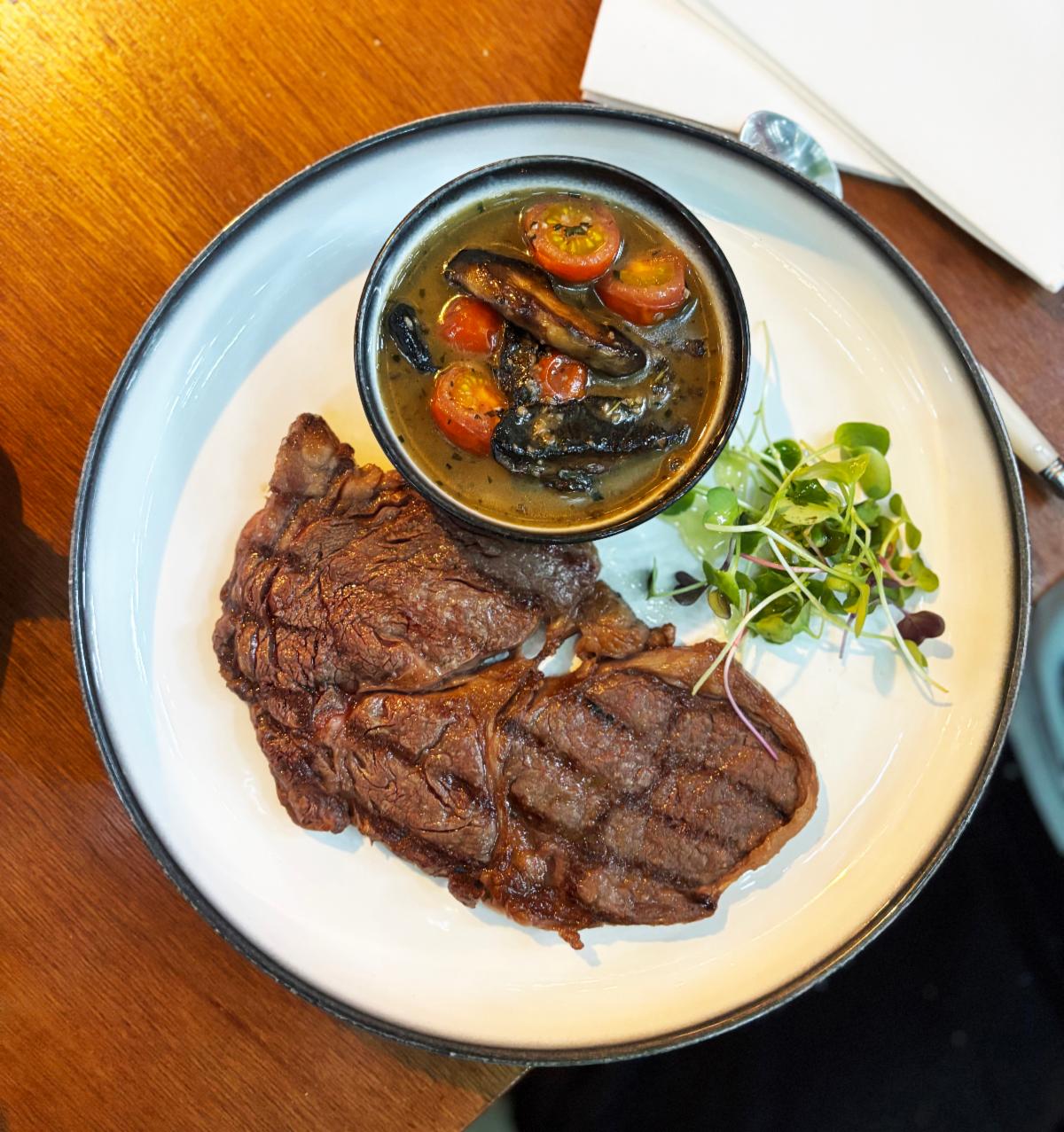
MĀHA Restaurant @ Wharepuke

190 Kerikeri Road, Kerikeri 0230

09 945 6551

Hours: Tuesday, Wednesday 5pm-late

Thursday, Friday, Saturday 12pm-3pm, 5pm-late

Sunday, Monday Closed.

Check the website for festive opening hours.

Website / Facebook


Quiz Answers: 1- Peanuts; 2- Almonds; 3- Brazil nuts; 4- Cashews; 5- Hazelnuts; 6- Macadamias; 7- Pecans; 8- Pine nuts; 
9- Pistachios; 10- Walnuts; 11-Crustacean; 12- Molluscs; 13- Fish; 14- Milk; 15- Egg.


Any suggestions for our next newsletter?


Email us at ask.us@fndc.govt.nz or visit our website at:

www.fndc.govt.nz/Our-Services/Licences_and_permits


Facebook  Twitter  Instagram