|
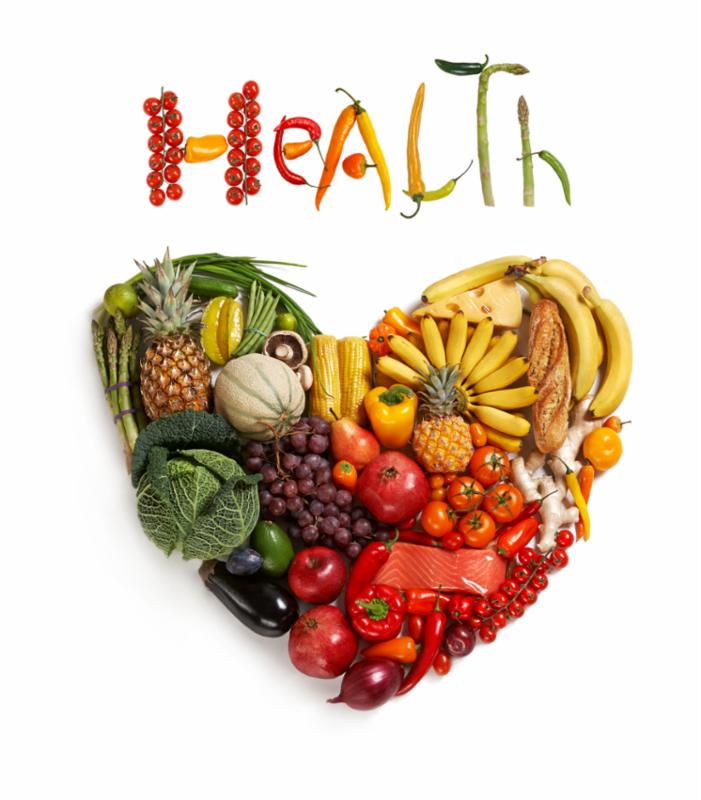
Food is/as Medicine: From Ancient Wisdom to Arkansas Action
by Michael Thomsen, UAMS College of Public Health
The idea that food shapes health is not new. The saying “Let food be thy medicine and medicine be thy food” is commonly attributed to Hippocrates who lived more than two millennia ago. Produce prescription programs as we know them today gained momentum after 2007, when Wholesome Wave, co-founded by former USDA Undersecretary Gus Schumacher, began piloting clinician-written prescriptions for fruits and vegetables in underserved communities. This effort helped create the USDA’s Gus Schumacher Nutrition Incentive Program (GusNIP), now the primary federal funding engine for produce prescription work nationwide.
“Food is Medicine” or “Food as Medicine”? You may encounter both terms. The distinction, while only one letter, reflects a difference in framing. “Food as medicine” tends to be preferred by nutrition professionals, public health researchers, and dietitians who emphasize a broad, holistic approach. In short, food is viewed as one of many tools for health promotion and disease prevention. “Food is medicine,” by contrast, signals a more clinical, integrated model in which food-based interventions are often formally prescribed and targeted at specific diet-related conditions. The American Heart Association has adopted this narrower definition, describing food is medicine as “the provision of healthy food resources to prevent, manage, or treat specific clinical conditions in coordination with the health care sector”.1 For extension educators, both framings matter. You may operate across both the community nutrition education space (“food as medicine”) and increasingly in clinical referral networks (“food is medicine”).
Arkansas’s GusNIP Produce Prescription Programs. Arkansas currently has at least two active GusNIP-funded produce prescription projects. The Arkansas Fruit and Vegetable RX Program, is a collaboration between the Arkansas Hunger Relief Alliance and Baptist Health. This program targets patients with diet-related chronic conditions who also face food insecurity. The program provides participants $50 per month in fresh produce, delivered through temperature-controlled, 24-hour accessible Food Rx lockers. Participants receive a PIN via text when their order is ready. This is a no-contact model that overcomes barriers of pantry hours and transportation. The second program, HOPE for Cancer: Healthy Outcomes Through Produce Prescriptions and Education, is led by the UAMS Fay W. Boozman College of Public Health, in partnership with the UAMS Culinary Medicine program and Clinical Oncology Social Work Department. Eligible patients receive bags of fruits and vegetables as often as once per week. These bags are sourced, in part, from local Arkansas farms. These two programs illustrate the range of approaches: one is community-based and focused on chronic disease prevention; the other is embedded in a major academic medical center and oriented toward treatment support.
Sustaining Food is Medicine Beyond Grant Funding. Sustaining food is medicine requires durable financing, and neighboring states are showing Arkansas one path forward through legislation and policy. In May 2025, Oklahoma enacted SB 806, the Food is Medicine Act, with overwhelming bipartisan support. The law directs the Oklahoma Health Care Authority to seek federal approval to expand nutrition supports within Medicaid, potentially including nutrition counseling, produce prescriptions, medically tailored meals, and grocery provisions. Last month (April 2026), Kentucky’s General Assembly passed a joint resolution that formally declared Kentucky to be a Food is Medicine state and directed state agencies to advance food-is-medicine initiatives. Notably, the resolution moves beyond Medicaid to address the state employee health plan.
As our neighbors in Oklahoma and Kentucky show, efforts to sustain food is medicine are often in partnership with insurance programs. Medicaid Section 1115 Demonstration Waivers allow states to pilot Medicaid benefits not otherwise permitted under federal law, including produce prescriptions, medically tailored meals, and nutrition counseling. As of late 2024, the Centers for Medicare and Medicaid Services had approved ten such waivers with nutrition components.2 Oklahoma’s SB 806 is explicitly designed to pursue this pathway. In Lieu of Services and Settings (ILOS) is a more flexible, plan-level mechanism within Medicaid managed care. States can authorize managed care organizations to offer nutrition interventions as cost-effective substitutes for traditional covered services.3 Private payer wellness benefits represent a third frontier. Kentucky’s CSA wellness benefit model points toward a replicable approach for any employer health plan, public or private, that is interested in connecting employees to local farms while investing in long-term health.
Food is/as medicine can bring value and opportunities to farms and extension educators. Consider how state and national efforts around this topic tie to your business or education program.
References
1. Volpp KG, Berkowitz SA, Sharma SV, et al. Food Is Medicine: A Presidential Advisory From the American Heart Association. Circulation. 2023;148(18):1417-1439. doi:10.1161/CIR.0000000000001182
2. Hanson E, Albert-Rozenberg D, Garfield KM, et al. The evolution and scope of Medicaid Section 1115 demonstrations to address nutrition: a US survey. Health Affairs Scholar. 2024;2(2):qxae013. doi:10.1093/haschl/qxae013
3. Garfield K, Hanson E, Shachar C, Stain P, Mozaffarian D. States’ Use Of Medicaid Managed Care ‘In Lieu Of Services’ Authority To Address Poor Nutrition: Articles examines Medicaid Managed Care ‘In Lieu Of Services’ authority to address poor nutrition. Health Affairs. 2025;44(4):422-428. doi:10.1377/hlthaff.2024.01349
| |
Produce Safety Resource:
Agricultural Water Training Courses
Looking to strengthen your farm's water safety practices or meet audit and regulatory requirements? Michigan State Extension offers affordable, self-paced online courses designed specifically for produce growers:
This is around a 1-hour course that helps growers understand the updated FSMA Produce Safety Rule requirements on pre-harvest water. Topics include:
The course also covers strategies to reduce on-farm risk and maintain compliance. A certificate of completion is provided.
Agricultural Water Sampling Course ($20)
This course takes around 35 minutes to complete and covers:
- proper water sampling techniques (including identifying sampling sites)
- using sterile materials
- preventing contamination
- maintaining sample integrity, and
- completing chain of custody records
While it meets the PrimusGFS (5.16.09) training requirement, the content is broadly applicable and useful for any grower needing to collect water samples for testing, regardless of audit requirements. A certificate of completion is provided.
| | Infrastructure and Supply Chain | | |
💲Financing Connections: Meet with Lenders One-on-One!
Looking to expand your operation or explore financing options? This event offers a chance to connect directly with lenders and financial support organizations.
On Wednesday, May 13 from 1–4 p.m. at the Reynolds Business Center (UA Little Rock), participants can meet one-on-one with multiple lenders in a fast-paced matchmaking format. Appointments are tailored based on your business stage, credit profile, project scope, and industry, helping ensure relevant and productive conversations.
Confirmed participants:
- ACC Capital
- Arkansas Federal Credit Union
- Arvest Bank
- Chase Bank
- Communities Unlimited
- First Security Bank
- FNBC
- FORGE Community Loan Fund
- Hope Credit Union
- Regions Bank
- Southern Bancorp Bank
- Southern Bancorp Community Partners
- Stone Bank
- U.S. Bank
In addition, you will also have the opportunity to:
- Confer with credit counseling services
- Talk with ASBTDC business consultants and SBA representatives
- Get tips on how to pitch your financing needs
There is no cost participate, but registration is required! Grab your spot now:
| |
🔊USDA Announces $32.4 Million in Grant Funding
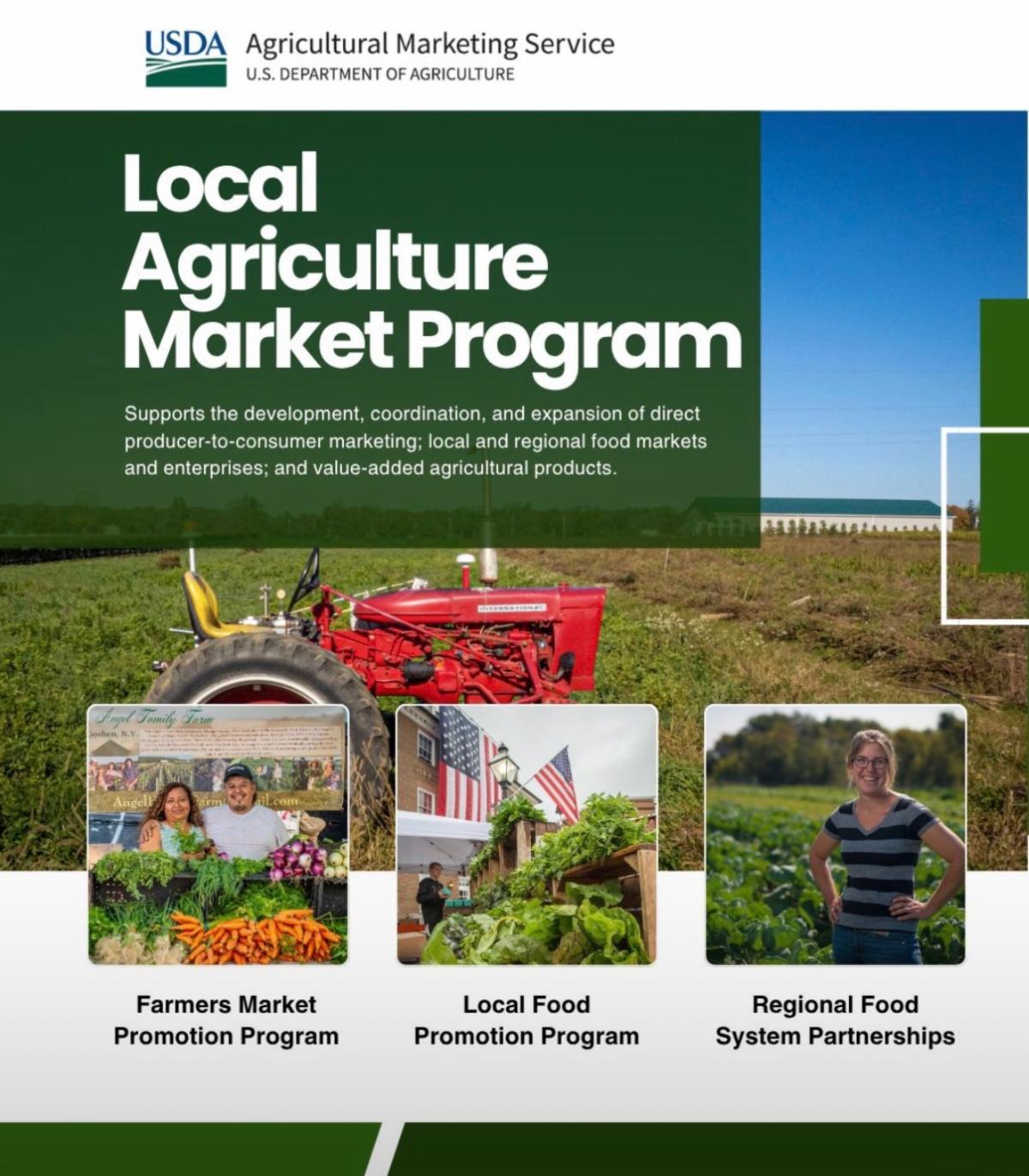
Yesterday, The U.S. Department of Agriculture (USDA) announced that $32.4 million in grant funding will be available through the Local Agriculture Market Program (LAMP) to help local and regional food entities develop, coordinate, and expand producer-to-consumer marketing, local and regional food markets, and local food enterprises.
LAMP includes the Farmers Market Promotion Program (FMPP), Local Food Promotion Program (LFPP), and the Regional Food System Partnerships (RFSP). USDA’s Agricultural Marketing Service (AMS) is accepting applications for the grant programs until June 5, 2026.
Learn more here: USDA Announces $32.4 Million in Grant Funding Available through the Local Agriculture Market Program | Agricultural Marketing Service
| | | | | |
Understanding ultra-processed foods
In the past several years, scientists have begun examining more closely how diets heavy in ultra‑processed foods influence long‑term health. Their findings consistently show that people who eat large quantities of these products face increased risks for issues like heart disease, obesity, and Type 2 diabetes.
Ultra‑processed foods typically contain high levels of added sugars, refined grains, sodium, and unhealthy fats, while offering fewer nutrients such as fiber, vitamins, and minerals. Because these products are engineered to be convenient, flavorful, and easy to overconsume, they can quickly become a regular part of the diet, contributing to poorer health outcomes.
More on this topic shared by UAMS Culinary Medicine Director, Alyssa Frisby here➡️: City & Town, Spring 2026, Vol. 83, No. 2 by Arkansas Municipal League - Issuu
| | |
Extension Risk Management Education National Conference🧑🏽🌾
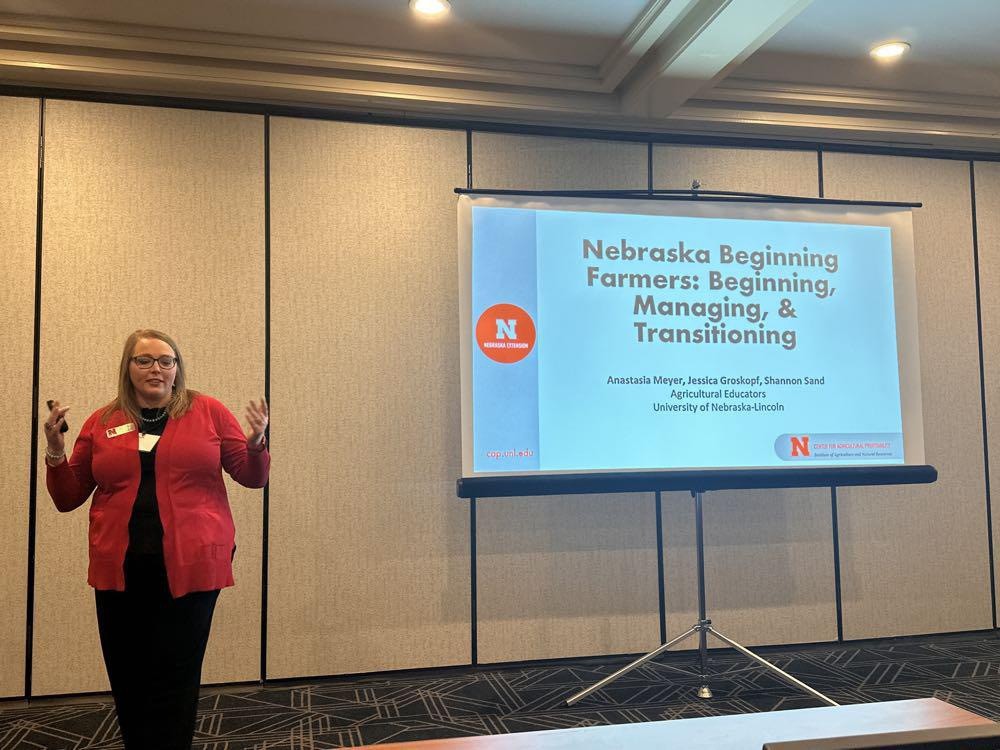
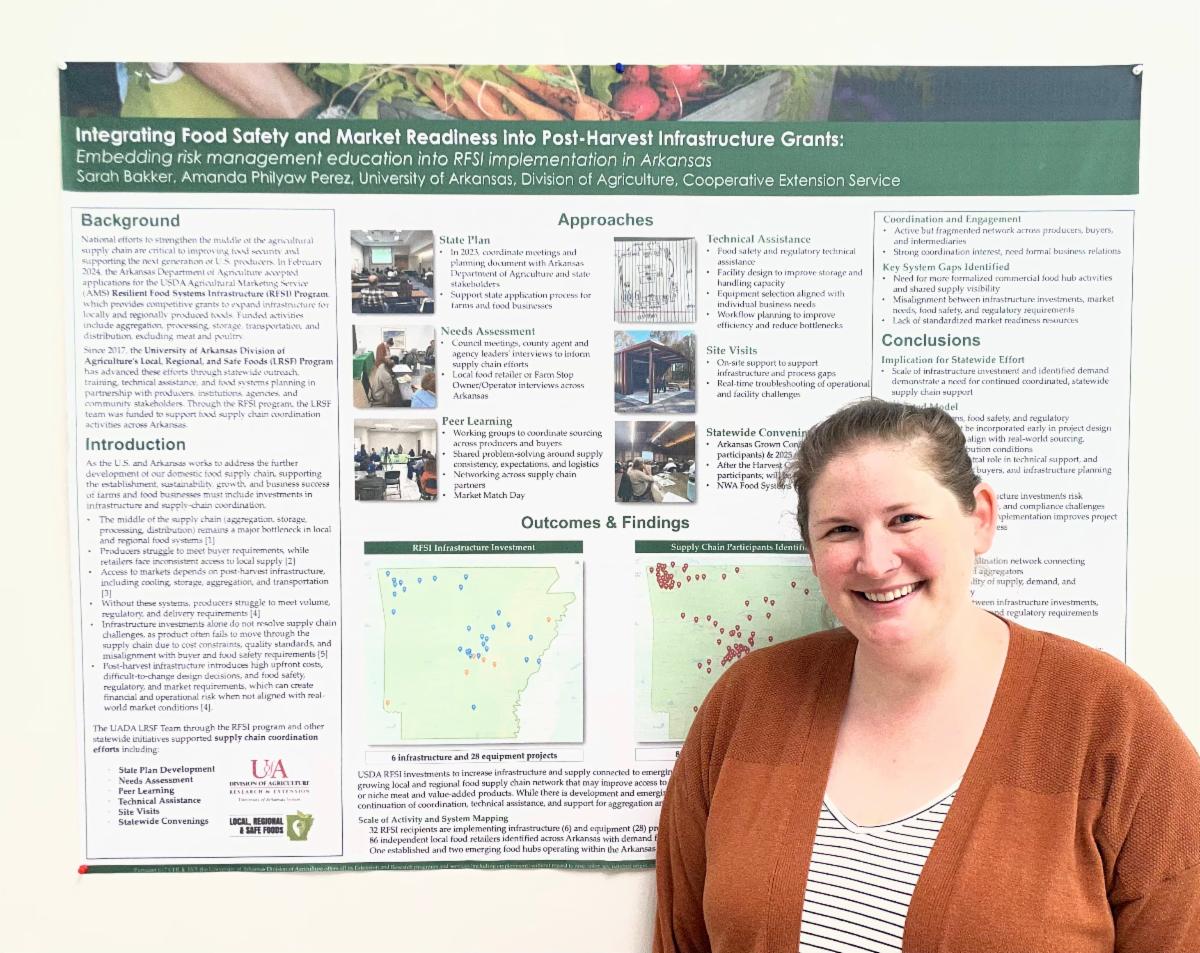
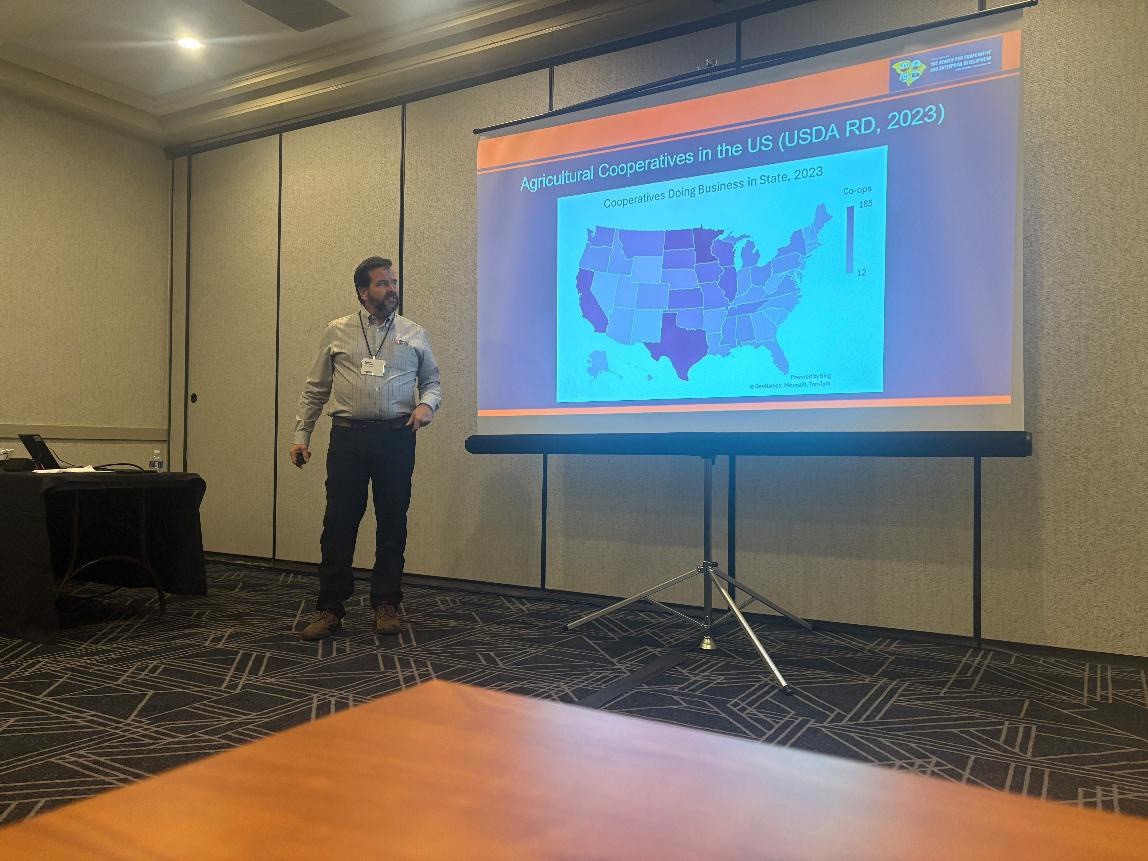
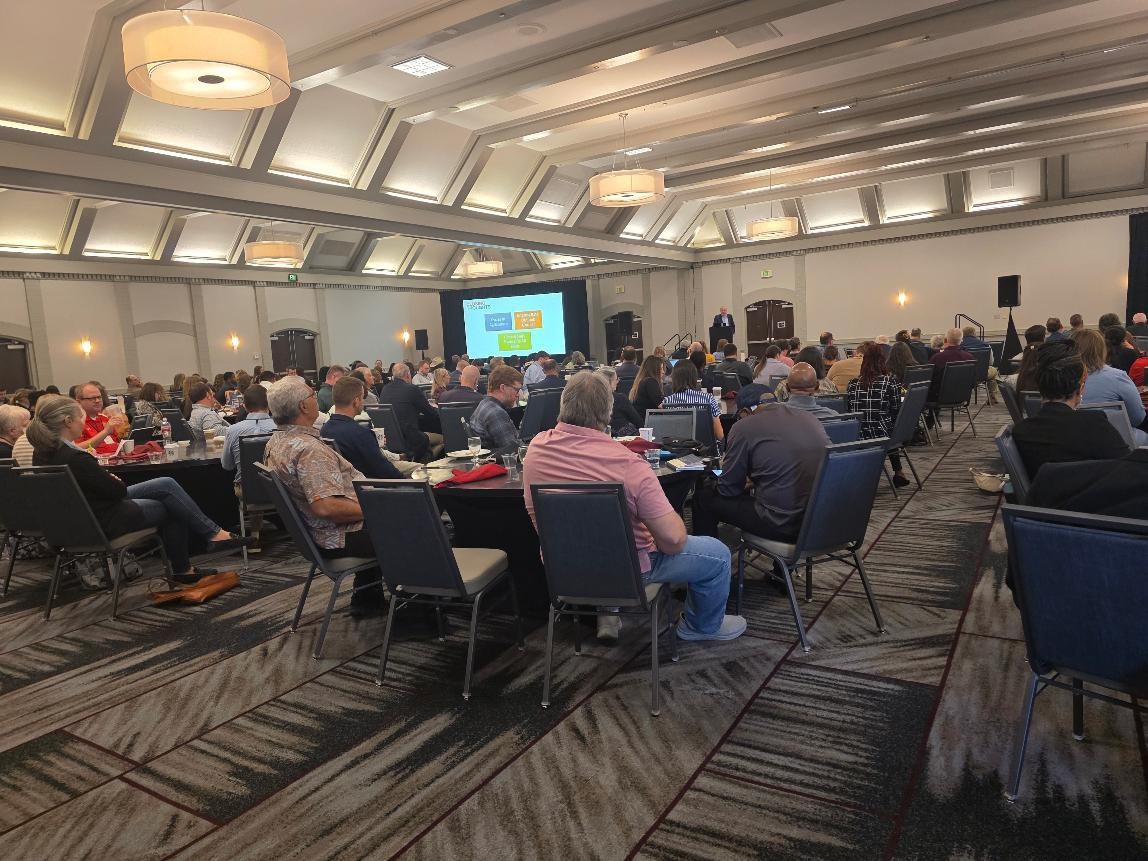
Our team member Sarah Bakker recently attended the Extension Risk Management Education National Conference in Salt Lake City, which is a national gathering that aims to improve risk management education for agricultural producers. The conference brought together Extension professionals and partners from across the country to address key challenges impacting farm viability and resilience.
She attended sessions exploring coordinated Extension approaches to supply chain risks, digital agriculture, marketing tools, and education models supporting beginning farmers and ranchers. Additional discussions highlighted farm labor systems, financial stress and assistance programs, landowner rights, and methods for measuring farm resilience. Across sessions, themes of mental health, agritourism, direct-to-consumer markets, and innovative outreach strategies like video-based education reinforced the evolving nature of agricultural risk and the critical role Extension continues to play in equipping farmers with the tools and support needed to adapt and succeed.
During the conference, Sarah presented a poster on LRSF’s work connecting RFSI infrastructure investments with independent local food retailers in Arkansas to improve supply chain coordination and reduce operational risk. The overall experience offered fresh ideas, new connections, and renewed momentum to continue building stronger, more resilient local food systems.
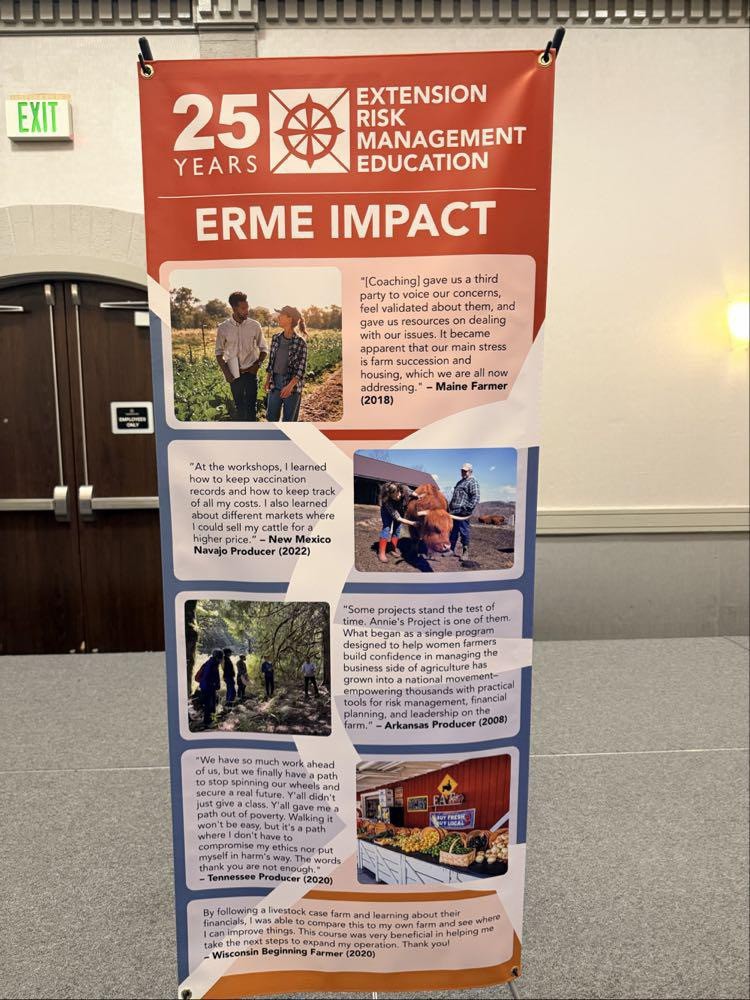
This year’s Extension Risk Management Education National Conference also marked the 25th anniversary of the Extension Risk Management Education (ERME) program, led by USDA National Institute of Food and Agriculture (NIFA). For 25 years, ERME has supported farmers and ranchers in navigating a wide range of risks (including production, market, financial, legal, and human challenges) helping strengthen both individual operations and rural communities.
| | | |
Cultivate IQ (CIQ) Platform Survey📝
We are inviting small and mid-scale agrifood firms producing or involved in specialty types of produce like fruits, tree nuts, vegetables, culinary herbs, spices, and medicinal plants, to participate in a survey (Qualtrics Survey | Qualtrics Experience Management) aimed at learning how to improve your market opportunities and competitiveness to strengthen local food systems.
The goal of the survey is to partner with and help small and mid-sized agribusinesses to adopt an agricultural technology Cultivate IQ (CIQ) platform. The platform prototype currently offers real-time price discovery and market intelligence, enabling distributors and retailers to make more informed purchasing decisions while empowering farmers to negotiate better spot prices and secure favorable forward contracts.
The survey takes approximately 9–12 minutes to complete. Your participation is completely voluntary, and your responses will remain anonymous. As a reminder, individuals who complete the entire survey will have the opportunity to indicate interest in joining an early-stage testing group for the agricultural technology platform.
You may also follow this link to the survey: Qualtrics Survey | Qualtrics Experience Management
| | | |
USDA’s Updated Grant Terms: Decision Toolkit🔨
Practical guidance for navigating USDA terms and conditions and compliance. This Toolkit helps you review your situation calmly and make thoughtful, good-faith decisions when accepting USDA funding based on how your program operates.
Resource link here➡️: USDA’s Updated Grant Terms: Decision Toolkit - Farm Commons
| | | | Events, Resources, and Partner News | |
📢Attention📢
You're invited to the 2026 American Community Garden Association National Conference. Little Rock is the host city! What a great conference lineup of speakers, tours, and workshops.
This annual gathering brings together diverse voices, innovative ideas, and proven practices that strengthen the role of community gardens inn advancing food security, improving community health, and promoting long-term garden sustainability.
Want to sponsor? There are many perks, including conference passes. Sign up to be a vendor. Check out the flyer and share it with your network.
Register today! ➡️:
American Community Garden Association | June 04, 2026 - June 07, 2026
| | |
Farm-to-ECE, May 7 and 8
Please join us for the Growing Minds, Growing Bodies Farm-to-ECE Summit starting tomorrow May 7 and May 8!
This event brings together leaders across early childhood, public health, agriculture, and community organizations to explore how we can better align efforts to improve child health outcomes, strengthen local food systems, and support families across Arkansas.
📅 May 7th and 8th
📍 May 7th Rabbit Ridge Farms - Bee Branch, Arkansas
May 8th Herschel Hall - Greenbrier, Arkansas
🕑 May 7th 5:30 p.m. - 8:30 p.m.
May 8th 8:30 a.m. - 3:30 p.m.
This summit is designed to highlight practical, community-driven solutions that connect:
- Early childhood education settings
- Local food procurement and distribution
- Family engagement and food access
- Health and wellness promotion
- For detailed information, visit this link: SUMMIT 2026
Register here: Summit Contact Sign Up (If you haven't registered you are still welcomed to attend the event).
Your presence is warmly welcomed, and please continue to share within your network to anyone you feel would be interested in attending tomorrow!
| | | |
|
Submit Your Community Event!
Do you have any events regarding local foods that you would like to share out? Please feel free to reach out to our team member here at Local, Regional, and Safe Foods.
📩Questions? Contact Cardeja Triplett at ctriplett@uada.edu
| | |
Amanda Philyaw Perez, DrPH, MPH
Associate Professor, Food Systems and Food Safety Specialist
Department of Horticulture, Cooperative Extension Service
University of Arkansas System, Division of Agriculture
2301 S. University Ave, Little Rock AR 72204
Office: 501.671.2228 | Email: aperez@uada.edu
| | |
Follow, Like, Subscribe, Watch + Connect Today! | | | | | |