|
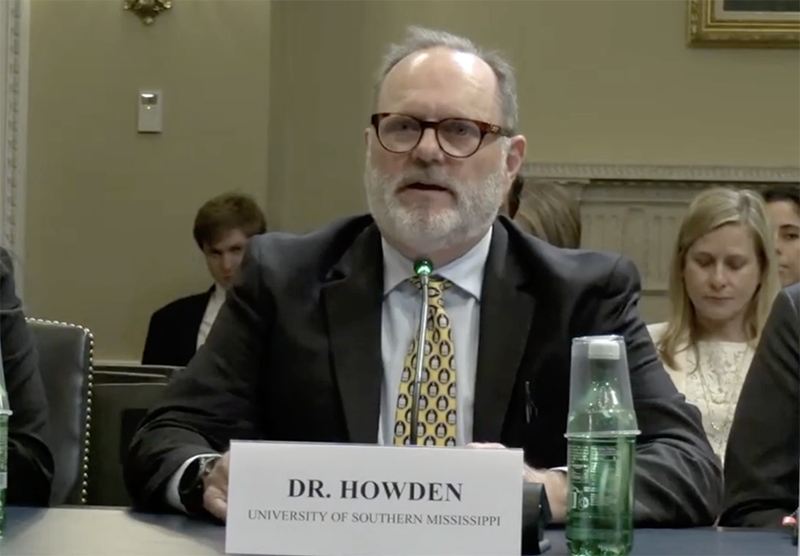
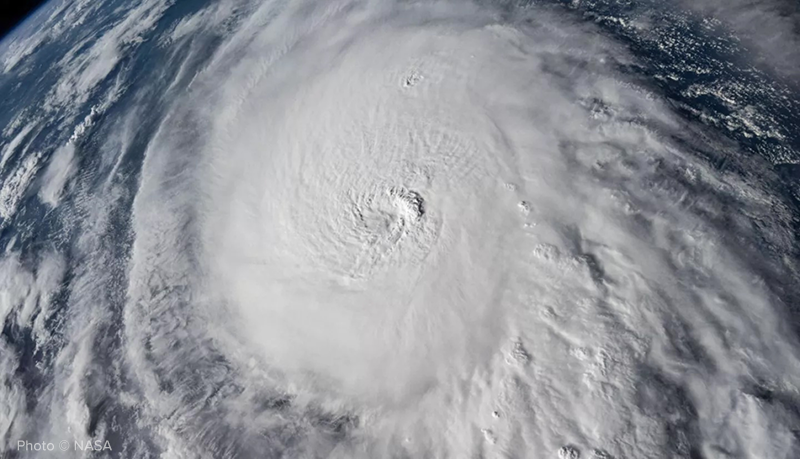
“IOOS is one of the most cost-effective, impactful federal programs supporting our ocean, coasts, and Great Lakes,” Dr. Howden testified. “It’s a cross-sector, bipartisan success story. And reauthorizing it is not just smart policy—it’s essential for public safety, national defense, economic growth, and resilience... In recent years, we’ve deployed ocean gliders — low-power, autonomous vessels that measure heat content in the upper ocean. Why? Because storm intensity is still the hardest part of hurricane forecasting, and the temperature of the ocean is a major factor driving its intensity. It has been shown that these gliders are cost-effective and capable of helping NOAA’s National Hurricane Center improve intensity forecasts by up to 50%. That means more accurate warnings, better evacuations, and billions in potential savings. IOOS is not just about science and data. It’s about safety, sovereignty, and smart governance. Reauthorizing this critical law is a win for our nation.”
-
Watch Dr. Howden’s testimony here or click the link below and read his full remarks here.
The bill ensures continued support for critical ocean monitoring efforts that benefit coastal communities, fisheries, and maritime industries. "IOOS is essential to keeping coastal economies strong and resilient, especially in Mississippi," Ezell said at the bill’s introduction. "This reauthorization ensures we maintain vital ocean monitoring resources while modernizing the program to maximize its impact. I’m proud to introduce this legislation to support jobs, commerce, and our nation’s leadership in ocean science."
IOOS provides the backbone that allows 11 regions across the U.S. to gather the data needed to support the nation's blue economy.
GCOOS — the Gulf of America Coastal Ocean Observing System — is the association focused on gathering and disseminating data in the Gulf region. It is a 501(c)3 organization responsible for developing a network of business leaders, marine scientists, resource managers, governmental and non-governmental organizations and other stakeholder groups that collect and combine their data to provide timely and reliable information about our oceans — similar to the information gathered by the National Weather Service to develop weather forecasts. GCOOS has 36 principal investigators and 62 partners providing data from 1,730 sensors via 447 regional and federal stations, and 181 institutional and individual members.
The data that GCOOS hosts and disseminates:
|