|
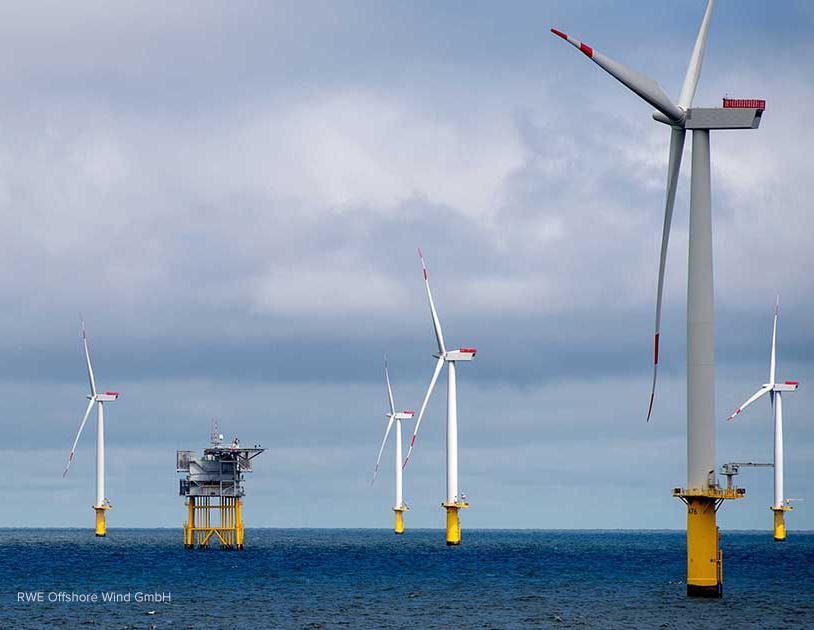
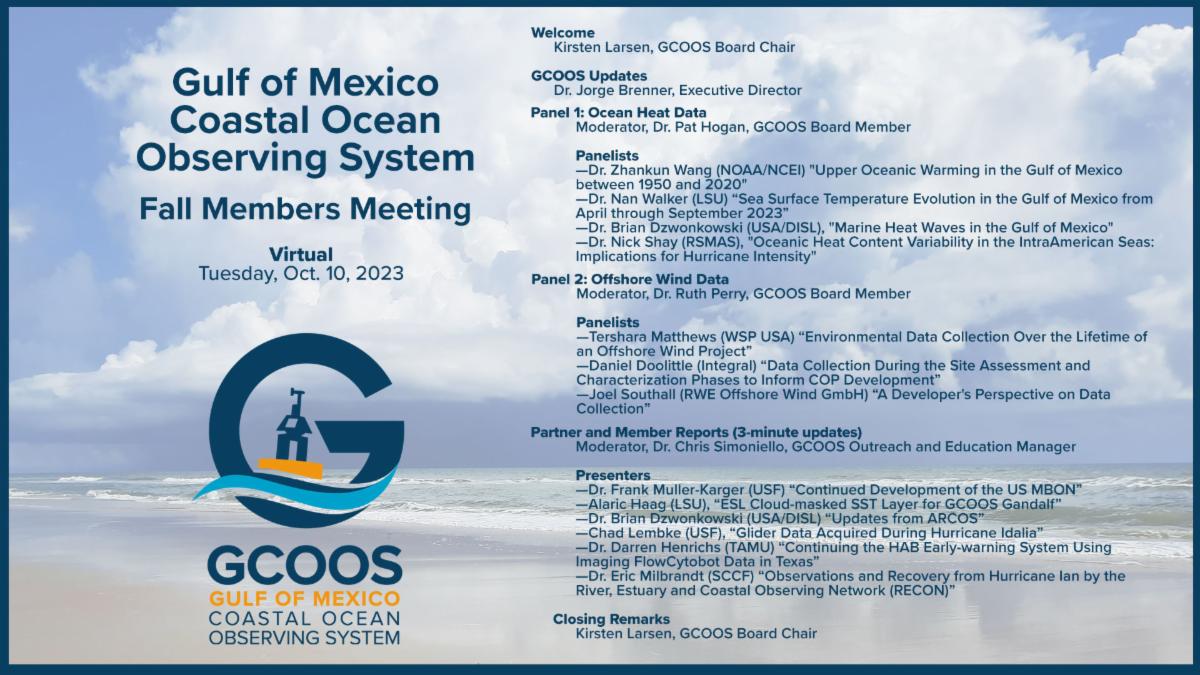
The Gulf of Mexico Coastal Ocean Observing System (GCOOS) recently hosted its annual Fall Meeting, focusing discussions on emerging issues related to long-term climate change, including marine heat waves and the development of renewable wind energy platforms in the Gulf.
GCOOS is one of 11 certified regional coastal ocean observing systems under the banner of the U.S. Integrated Ocean Observing System (IOOS) and the only one whose sole focus is on the Gulf of Mexico. Its mission is to provide on-demand information about the Gulf’s coastal and open ocean waters that is accurate, reliable and benefits people, ecosystems and the economy.
“GCOOS and other regional observing system provide the backbone of ocean data used in everything from weather and storm forecasting to search and rescue and contaminant spill response,” said GCOOS Board Chair Kirsten Larsen, a Coastal Data Science Advisor in NOAA’s National Centers of Environmental Information (NCEI). “This data dissemination and the public-private partnerships we develop throughout the Gulf of Mexico support the health and safety of coastal communities.”
GCOOS hosts two annual meetings that focus on important emerging issues and other topics related to data collection and dissemination in the Gulf. In addition to session discussions on marine heat waves and offshore wind energy, the virtual 2023 Fall Meeting included presentations from GCOOS-funded principal investigators — who provided updates on information collected during hurricanes, the Marine Biodiversity Observing Network (MBON), HAB early-warning systems and other topics — and organizational updates from GCOOS Executive Director Dr. Jorge Brenner.
“We had robust discussions of two pressing issues affecting us in the Gulf of Mexico: marine heat waves and offshore wind renewable energy data,” Brenner said. “I think the meeting was an especially great opportunity to begin developing new connections in the emerging offshore wind energy community and to talk about data collection on these new wind platforms that are in the early stages of development in the Gulf. The session discussion on marine heat waves was especially timely, given the record high temperatures seen in oceans around the world, including the Gulf of Mexico, in 2023.”
|