FEATURE
_____________________
Georgia Rural Health Innovation Center Hosts First Autism in Rural Georgia Conference
by Harvey Lee Moody, Community Resource and Assessment Specialist
| |
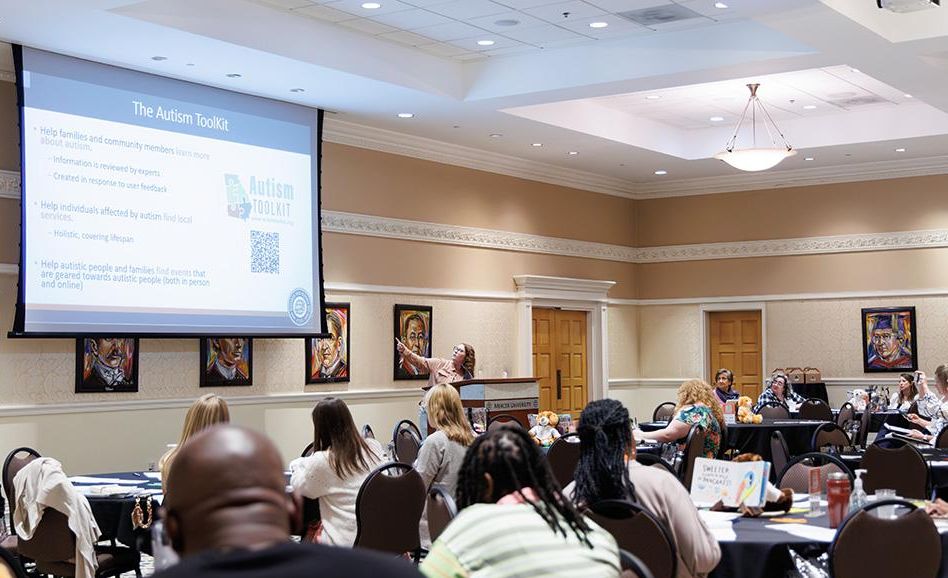
For the first time, the Georgia Rural Health Innovation Center, as part of the Kids Alliance for Better Care program, hosted the Autism in Rural Georgia Conference on July 17–18. Held on Mercer University’s Macon campus, the two-day conference brought together families, caregivers, educators and health care professionals from across the state to explore how best to support and understand autistic youth in rural communities.
Access to diagnostic, treatment and intervention resources for youth with autism spectrum disorder (ASD) is severely lacking in rural Georgia. Residents in these areas already face significant geographic and financial barriers to accessing primary care, and those barriers are even greater when it comes to autism-related services. The number of providers who can diagnose and treat autistic youth is limited and often concentrated in metro Atlanta, leaving rural families with few options.
This conference was designed to spark conversations that help bridge gaps in care for rural communities. On the first day of the conference, attendees heard from six presenters who shared current insights and research on topics essential to those working with autistic youth. On the second day, attendees participated in two breakout sessions designed to provide practical information on issues most affecting households with autistic youth. These hands-on sessions offered actionable tools attendees could bring back to their homes and communities.
| | |
Madrid-Lowery Joins GRHIC as Clinical Behavioral Health Specialist
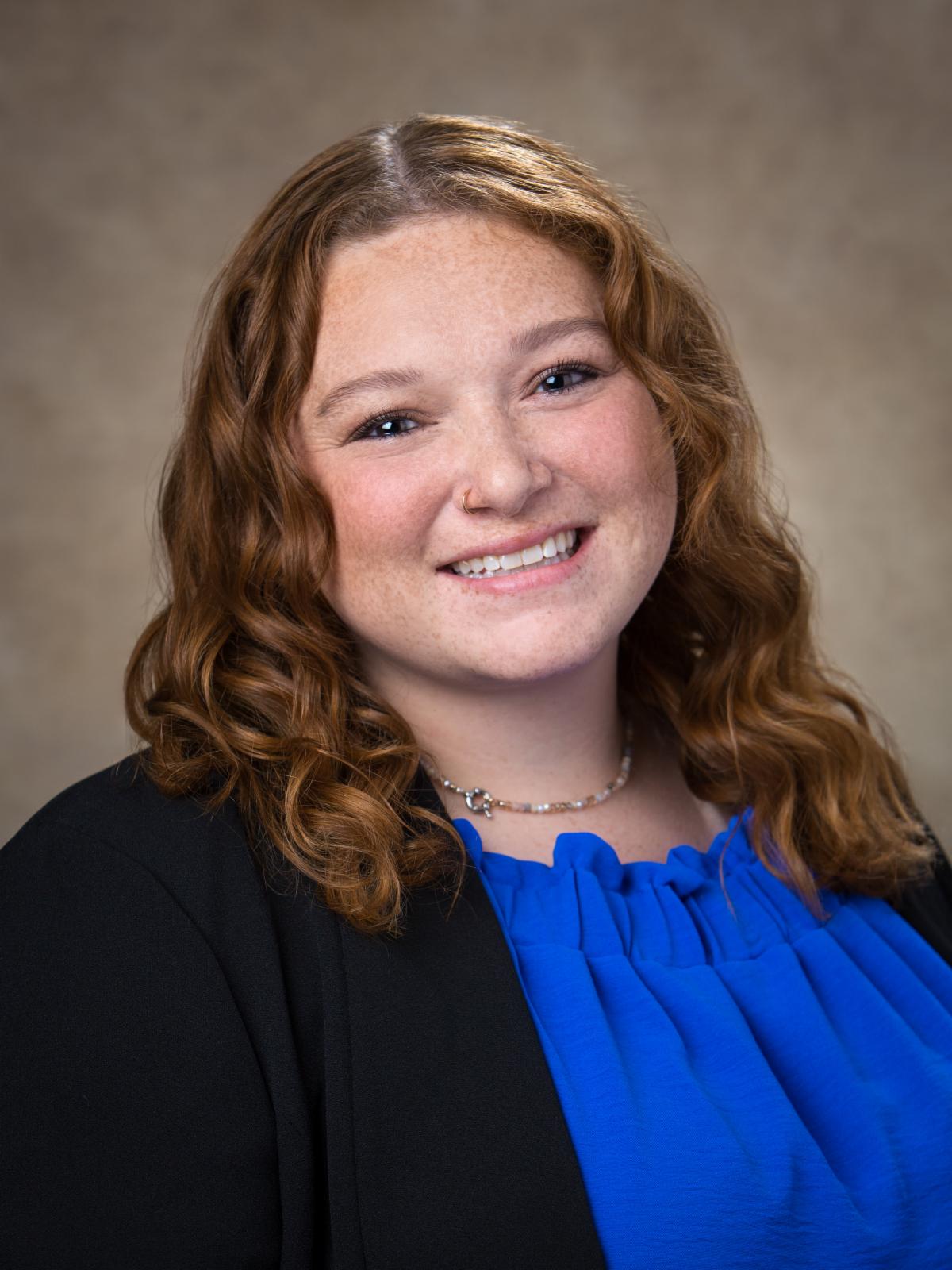
Mercedes Madrid-Lowery, LCSW, joined the Georgia Rural Health Innovation Center in July and serves as the clinical behavioral health specialist. She is a dedicated clinical social worker with extensive experience supporting children and families through school-based mental health services and community-focused care. Madrid-Lowery holds both a Bachelor of Science and a Master of Science in social work from Troy University and has worked across Georgia and Alabama in roles that emphasize interdisciplinary collaboration, therapeutic support and crisis intervention. She is known for her compassionate, client-centered approach and her commitment to helping families and youth thrive emotionally, socially and academically. In her free time, she enjoys reading, catching up on TV shows and spending quality time with her family and her dog, Walle.
| | |
Berry Good Farm Bears Fruit for Family and Community
by Kayla Stroud, Communications and Events Specialist
| | |
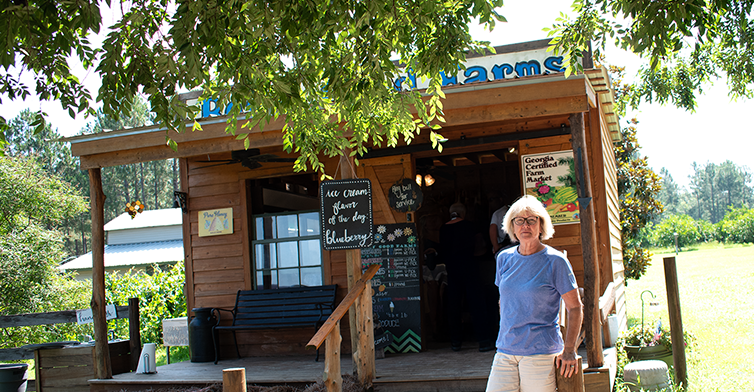
Pat Welker, owner of Berry Good Farm in Tifton.
_____________________
| | The Georgia Agricultural Wellness Alliance was established in response to the prevalence of mental health challenges experienced by farm families and communities, which was revealed, in large part, through a joint study conducted by Mercer University School of Medicine's Georgia Rural Health Innovation Center, the Georgia Foundation for Agriculture and students in the School of Medicine’s Rural Health Sciences Ph.D. program. GAWA's focus is all of Georgia's farming communities. In this issue of For Rural, we spotlight Berry Good Farm in Tift County. | | |
Berry Good Farm, a family-owned u-pick fruit farm, sits on 13.5 acres in Tift County. Owners Pat Welker and her husband, Bob, tend to their land filled with blueberries, blackberries, peaches and more — all grown with a commitment to hard work, sustainability and community.
The couple opened the farm in 2009 after exploring ways to utilize the extra space on their land.
“My husband was just looking around, trying to figure out something to do,” Welker said. “We were trying to think what we could do with what we had. So my husband built the whole thing. He put the irrigation in from the ground up. He did all the beds, everything.”
The farm offers seasonal favorites, including blueberries that peak in June, peaches in August and Fuyu persimmons in the fall.
Welker said the farm’s fruits are especially popular, with visitors often picking them by the bucketful. She noted they are a customer favorite at Atlanta farmers markets, where sales are strong.
Berry Good Farm emphasizes healthy, sustainable farming practices.
Welker said the farm avoids using harsh chemicals or synthetic substances, opting instead for organic-approved materials and methods. While Berry Good Farm is not certified organic, she emphasized that its growing practices prioritize health and sustainability.
Welker, who serves on her local tourism board, takes pride in the role her farm plays in attracting visitors to the area.
“We like the idea of it bringing visitors to Tifton,” Welker said. “They buy gas, food and visit other places. It’s important for the community. They can come here and get some good, healthy food and then leave to enjoy our great little community.”
Welker said the most rewarding part of the work is seeing families return each year.
“One guy said, ‘This is my sixth Father’s Day in a row coming here,’” Welker said. “We have met so many people here. They love the fresh fruit. People come out here and they think they don’t even like certain fruits, but they’ll try out fresh ones.”
When asked what keeps her going, Welker’s answer was simple: “We love it. I love gardening. I love being outdoors.”
She has one piece of advice for aspiring farmers: “Use your resources, talk to other farmers, your county and state resources, your state offices. They’re there to help you.”
As muscadine and persimmon season nears, Welker is already preparing for another year of nourishing both her land and her community.
“We just appreciate the support of our community,” Welker said. “Without them, we wouldn’t be the business we are today.”
| | GRHIC Supports Rural Families at Back-to-School Health Fairs | | |
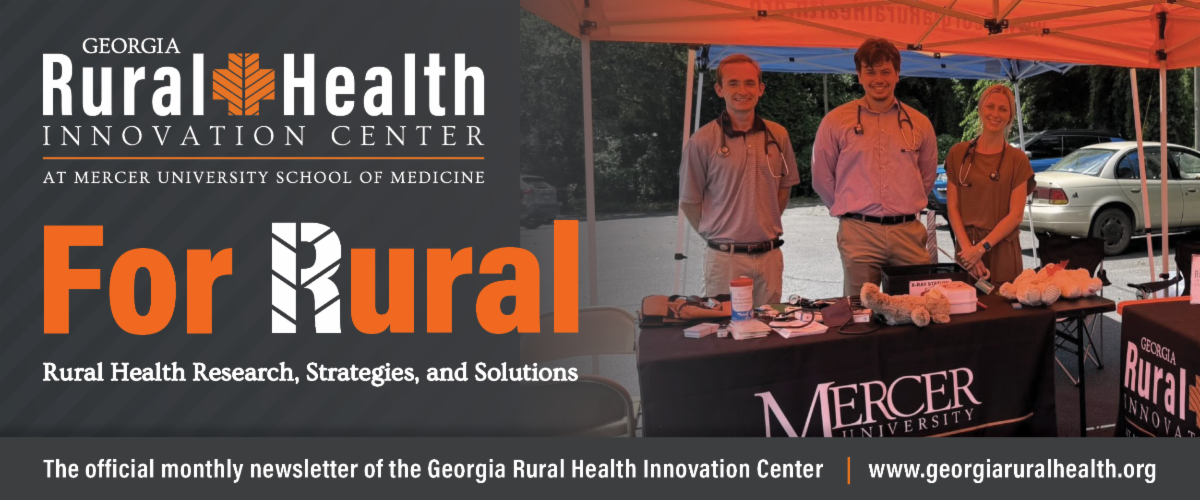
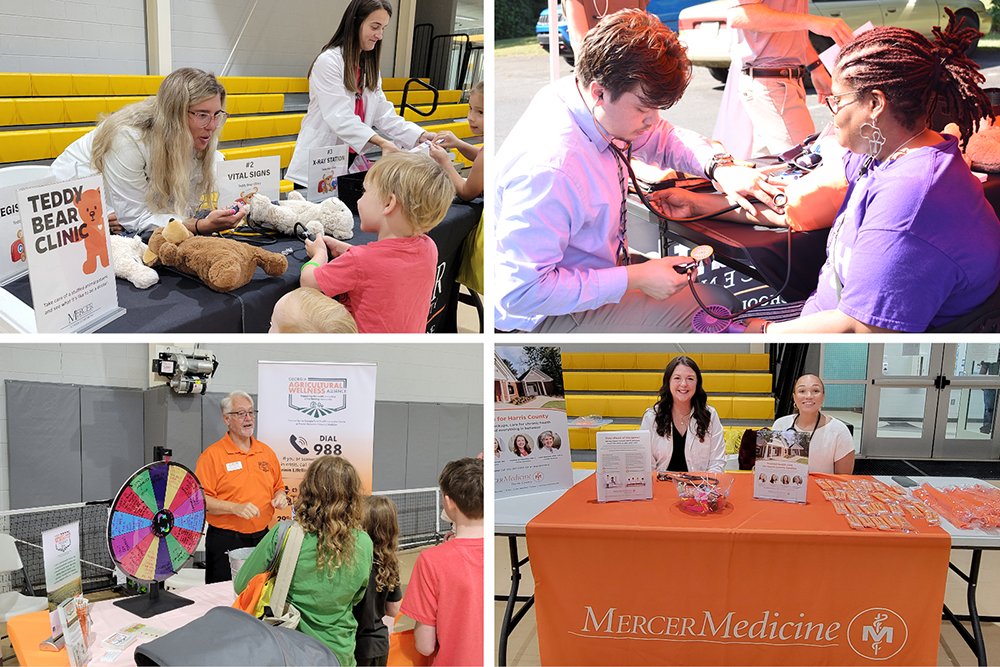
GRHIC participated in back-to-school health fairs in rural communities, partnering with the Harris County School District in Hamilton and Reach 2 Teach in Putnam County to help families prepare for the new academic year.
At the events, representatives provided valuable health information, answered questions from parents and students, and distributed educational materials. Students from Mercer University School of Medicine led a Teddy Bear Clinic and conducted blood pressure checks.
The goal was to connect families with resources that support physical and mental wellness, promote healthy habits, and ease the transition into the school routine. Activities included free health screenings, nutrition tips, free school supplies, and information on local services — all aimed at fostering a strong start to the school year for students and their families.
| | |
Rural Hospital Emergency Department Collaborative
The KidsABC Rural Emergency Department Collaborative continues to work at enhancing rural pediatric care across the state. In July, planning began for the Fall Collaborative Meeting on Sept. 24 at Crisp Regional Hospital. Education sessions will include competencies, family reunification and Code Lavender. The meeting will also feature presentations from participants in the program, highlighting best practices implemented at their facilities. Pediatric-specific training for rural emergency department staff is ongoing, with additional sessions scheduled for Cohort 3. The team is also working to introduce regional training in neonatal resuscitation (NRP) and respiratory and airway management.
Rural Pediatric Support Collaborative
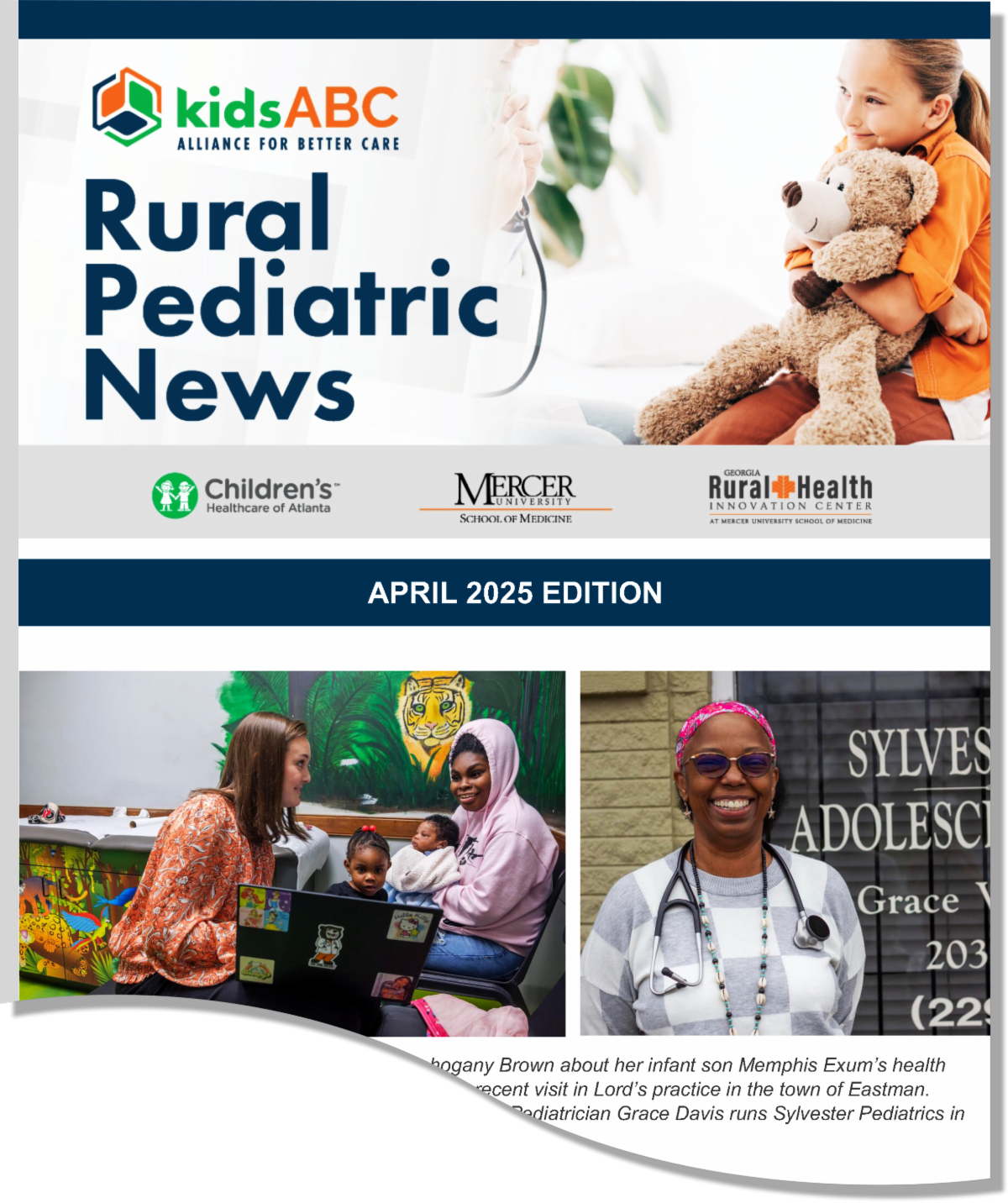
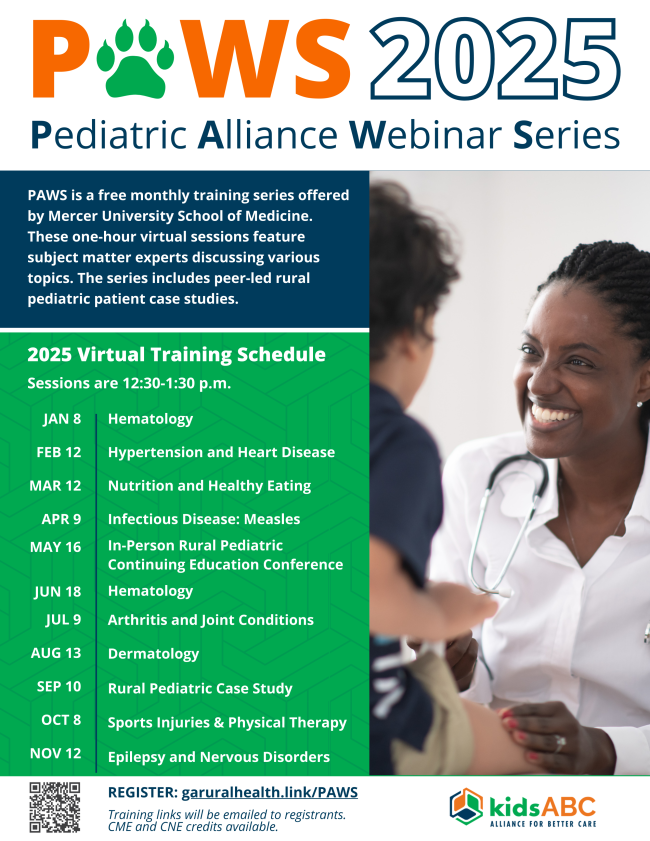
Pediatric and family medicine offices and providers in Cohorts 1 and 2 have continued to show strong interest in both the educational opportunities and in-office resources available through their participation as KidsABC sites. The Pediatric Alliance Webinar Series (PAWS), held July 9, featured a session on pediatric rheumatology presented by Dr. Kelly Rouster-Stevens, pediatric rheumatology fellowship program director and professor of pediatrics at Emory University. Dr. Rouster-Stevens shared a wealth of information and valuable resources with participants. KidsABC also hosted the two-day Autism in Rural Georgia Conference on Mercer University’s Macon campus, drawing medical providers, public health professionals, educators, and community and family members from across the state. On July 17, Children’s Healthcare of Atlanta Scholars attended the annual Children’s Scholars Day in Atlanta. Participants engaged with pediatric residents, toured the Arthur M. Blank Hospital, shared lunch with Children’s executives and shadowed pediatric subspecialists in areas including neurology, pulmonology, nephrology, rheumatology, gastroenterology, and behavioral and mental health. Telehealth appointments remain active in KidsABC pediatric and family medicine offices. Offices for Cohort 3 are currently being confirmed, with a significant increase in participating sites compared to previous cohorts. Telehealth assessments have already been completed in these practices.
Rural Pediatric Mental Health Collaborative
The Georgia Rural Health Innovation Center continues its work with Children’s Healthcare of Atlanta to offer universal mental health and wellness screenings for school-aged children in grades 3–12 in rural school systems. During the 2024–2025 academic year, the Center screened approximately 1,300 students across five schools in Ben Hill, Jefferson and Washington counties. When appropriate, parents or guardians were contacted if a student’s screening responses indicated moderate or severe symptoms. Those students and their families were offered care navigation and access to behavioral health and supportive services. These services are available through Emory University, Children’s Healthcare of Atlanta, the Georgia Rural Health Innovation Center’s Pediatric Mental Health Initiative, and local community resources. During the 2025–2026 academic year, the Center plans to expand its universal screening initiative to include approximately 10 rural school systems, continuing to serve students in grades 3–12 and offer services as needed.
| | |
New QI Projects Available
Streamlined, Complementary Templates
We are pleased to announce three new Quality Improvement (QI) projects now available through our portfolio site, designed with ease and efficiency in mind. These projects are focused on depression screening, anxiety screening, and ADHD screening in adolescents aged 12–18.
Each project includes a ready-to-use template, allowing pediatricians to simply fill in their data and submit for credit; no complex setup required. A run chart template was also set up for your convenience. The projects are designed to be complementary, offering the opportunity to tackle multiple QI goals with aligned workflows.
These additions reflect the growing need for streamlined options that support both clinical goals and MOC requirements. The projects were created in response to feedback from our rural pediatricians who value time-saving, plug-and-play formats.
View or Enroll in the New QI Projects
Visit your MOCAM profile, and find our projects with templates under Mercer University School of Medicine, or contact Anne Montgomery, PhD, School of Medicine associate professor, at montgomery_a@mercer.edu.
QI Project Virtual Training Opportunity: September 1, 2025
Anne Montgomery, PhD, is offering quarterly training sessions on QI projects that fulfill MOC Part 4 for ABP.
Training presentations include:
- Basic overview of what is necessary for a QI project for MOC
- How our portfolio program can help
- How to participate
- Currently approved ready-to-go projects
- Other project ideas
Presentations are 10 to 15 minutes and can be one-to-one or in groups.
Contact: montgomery_a@mercer.edu
| |
_________
Mercer University School of Medicine is a Pediatric Portfolio Sponsor for ABP Maintenance of Certification (MOC) activities. The sponsorship gives pediatricians and pediatric trainees a seamless opportunity to earn MOC credit for work they are already doing while participating in the School of Medicine’s quality improvement (QI) activities.
|
| Training and News for Rural Pediatric Health Care Providers | | 2025 Ongoing Center Initiatives | | |
Maternal Health Observership
All Rural Counties
Kedrick Williams
Maternal Health Symposium
All Rural Counties
Joan Anderson
Community Health Reporter
All Rural Counties
Kedrick Williams, Harvey Moody
Clinical Ethics ECHO
All Rural Counties
Samantha Johnson
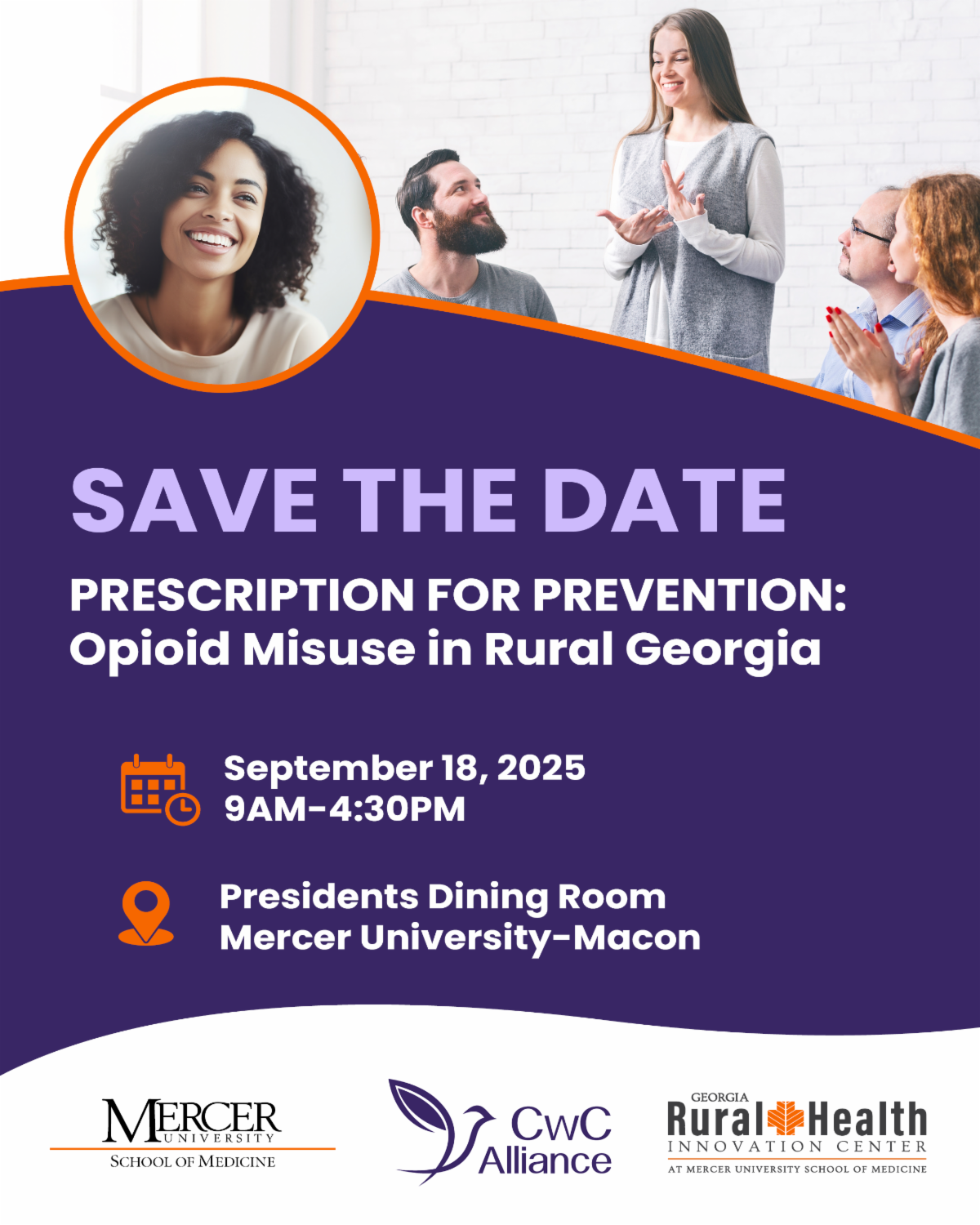
Opioid Misuse Prevention Project
Rural Hospitals
Glenda Grant, Samantha Johnson
| | |
Community Resiliency
Model (CRM)
All Rural Counties
Joan Anderson
Mental Health First Aid
All Rural Counties
Kedrick Williams,
Glenda Grant
Pediatric Mental Health Initiative
Ben Hill, Jefferson, Washington
Joan Anderson
Rural Medicine Pathways Events
All Rural Counties
Glenda Grant
| | |
QPR (Question, Persuade, Refer) Gatekeeper Training for Suicide Prevention
All Rural Counties
Joan Anderson
Health Fairs
Rural Partners
Amanda Livingston
Georgia Agricultural Wellness Alliance
All Counties
John McElveen
Continuing Medical Education and Continuing Nursing Education Training
Harvey Lee Moody
| | |
ABOUT THE CENTER
Mercer University School of Medicine’s Georgia Rural Health Innovation Center was established to address the complex health care challenges and disparities faced by rural communities throughout the state. The School of Medicine boasts a longstanding commitment to serving rural Georgia’s health needs, with a mission to educate physicians dedicated to tackling the health challenges in rural Georgia. The Rural Health Innovation Center serves as a critical resource to rural communities to improve access and effectiveness of health care by offering research, collaboration and training opportunities.
| | | | |