FEATURE
_____________________
Annual Farm Stress Summit Emphasizes Mental Health Support for Georgia Farmers
| |
Photos by John Knight, Mercer University School of Medicine
_____________
| |
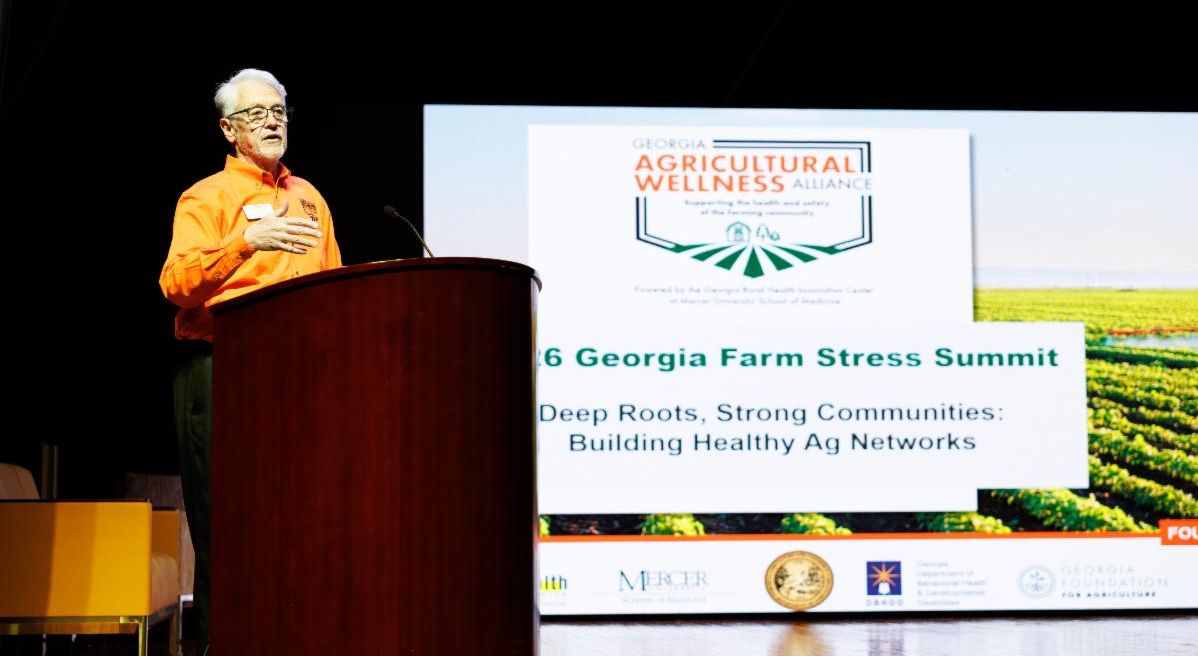
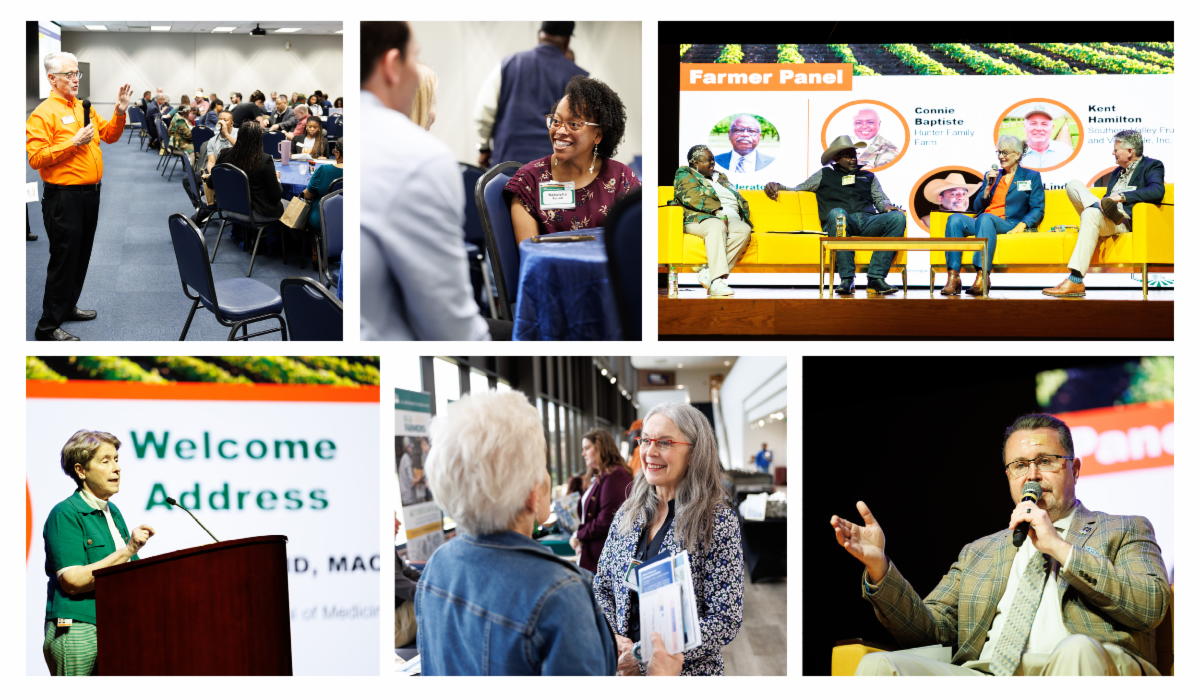
Mercer University School of Medicine’s Georgia Rural Health Innovation Center and its Georgia Agricultural Wellness Alliance hosted more than 230 attendees at the 2026 Georgia Farm Stress Summit. The event took place at Fort Valley State University’s C.W. Pettigrew Farm and Community Life Center.
Underscoring the theme of “Deep Roots, Strong Communities: Building Healthy Ag Networks,” speakers and panelists emphasized the toll stressors can take on farmers’ mental health and offered encouragement and ideas for support. Notable speakers included Georgia Department of Behavioral Health and Developmental Disabilities Commissioner Kevin Tanner, Georgia Farm Bureau President Tom McCall and AgriSafe Network Health Director Tara Haskins, DNP, RN, AHN-BC.
Attendees participated in breakout sessions on topics including COMET (Changing Our Mental and Emotional Trajectory) training, farm mental health resources for providers and agricultural agencies, and heirs’ property issues. Preconference activities included a research discussion, farm tour and Community Resiliency Model (CRM) presentation on stress-management tools.
| | | | |
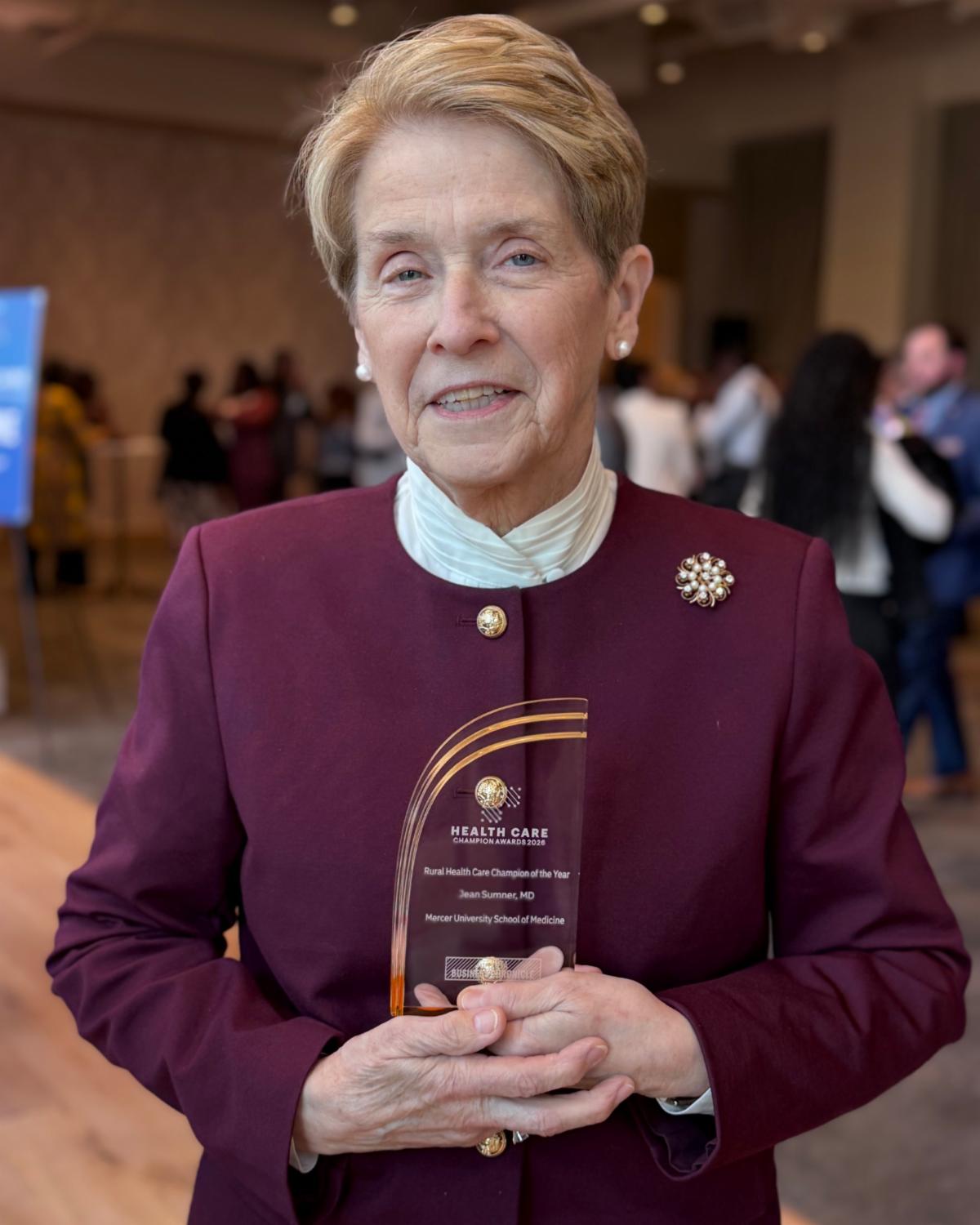
Dean Sumner Recognized as Rural Health Champion
Mercer University School of Medicine Dean Jean Sumner, MD, MACP, was recognized as a Rural Health Care Champion of the Year by the Atlanta Business Chronicle.
| | |
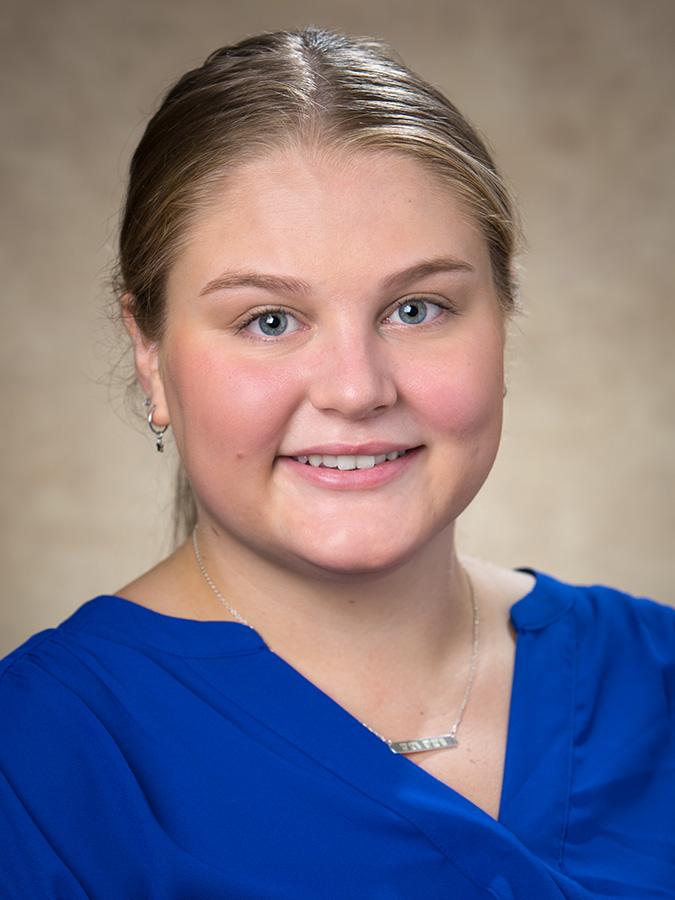
GRHIC Research Assistant and Mercer Rural Health Sciences PhD Student Successfully Defends Dissertation
Mercer’s PhD in Rural Health Sciences is a three-year program that teaches students to design, implement and evaluate strategies that improve health outcomes and address determinants of health in rural communities.
| | |
Ashley Harrington successfully defended her dissertation, Factors to Sexually Transmitted Infection Testing in Rural Communities: Understanding Challenges and Opportunities for Improved Access. Drawing on a mixed-methods design, her study examines the structural, interpersonal and community-level factors that shape STI testing behaviors among rural populations. Her findings offer clear, evidence-based recommendations to enhance confidential testing, strengthen provider communication and address stigma in rural health care settings.
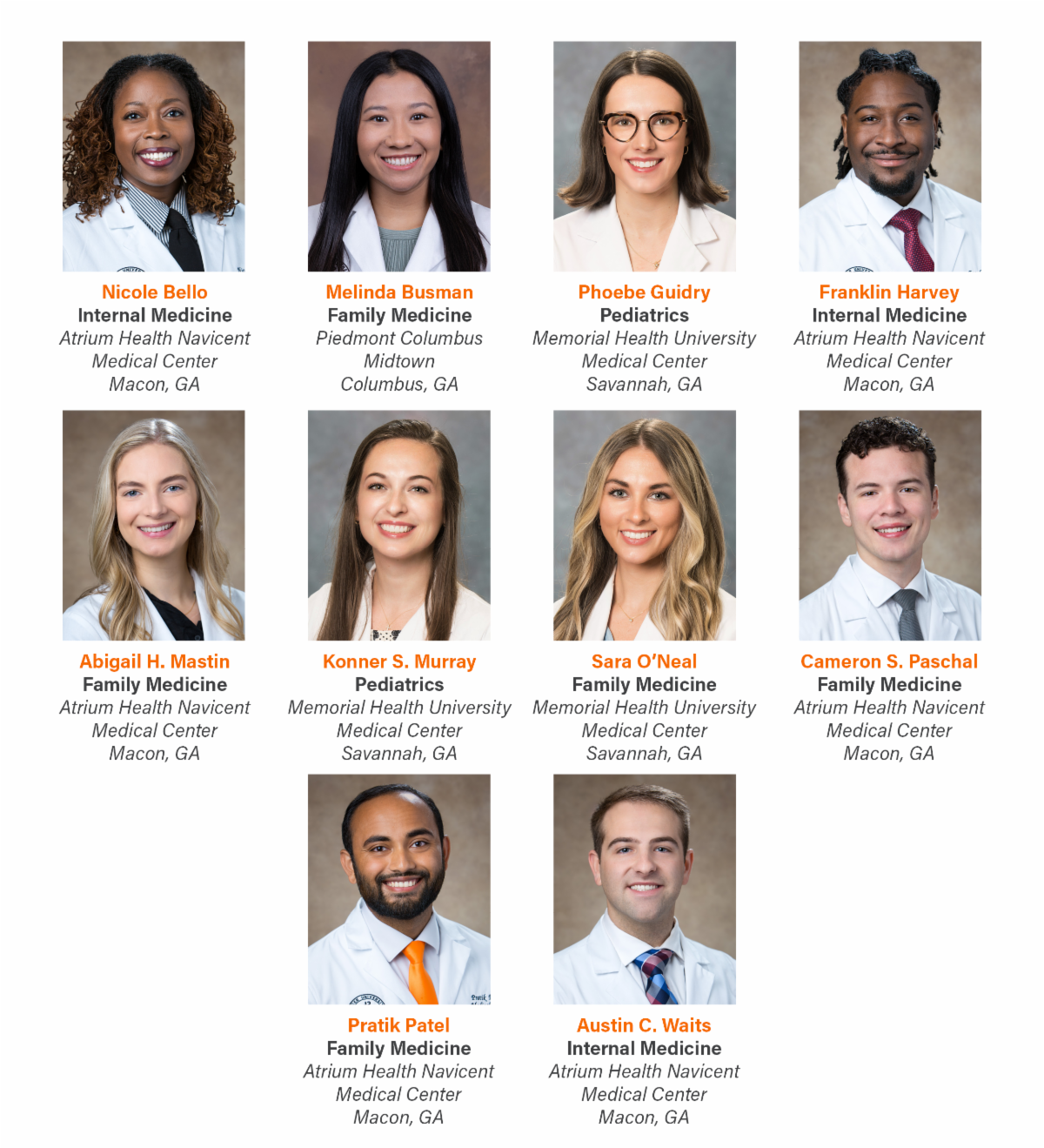
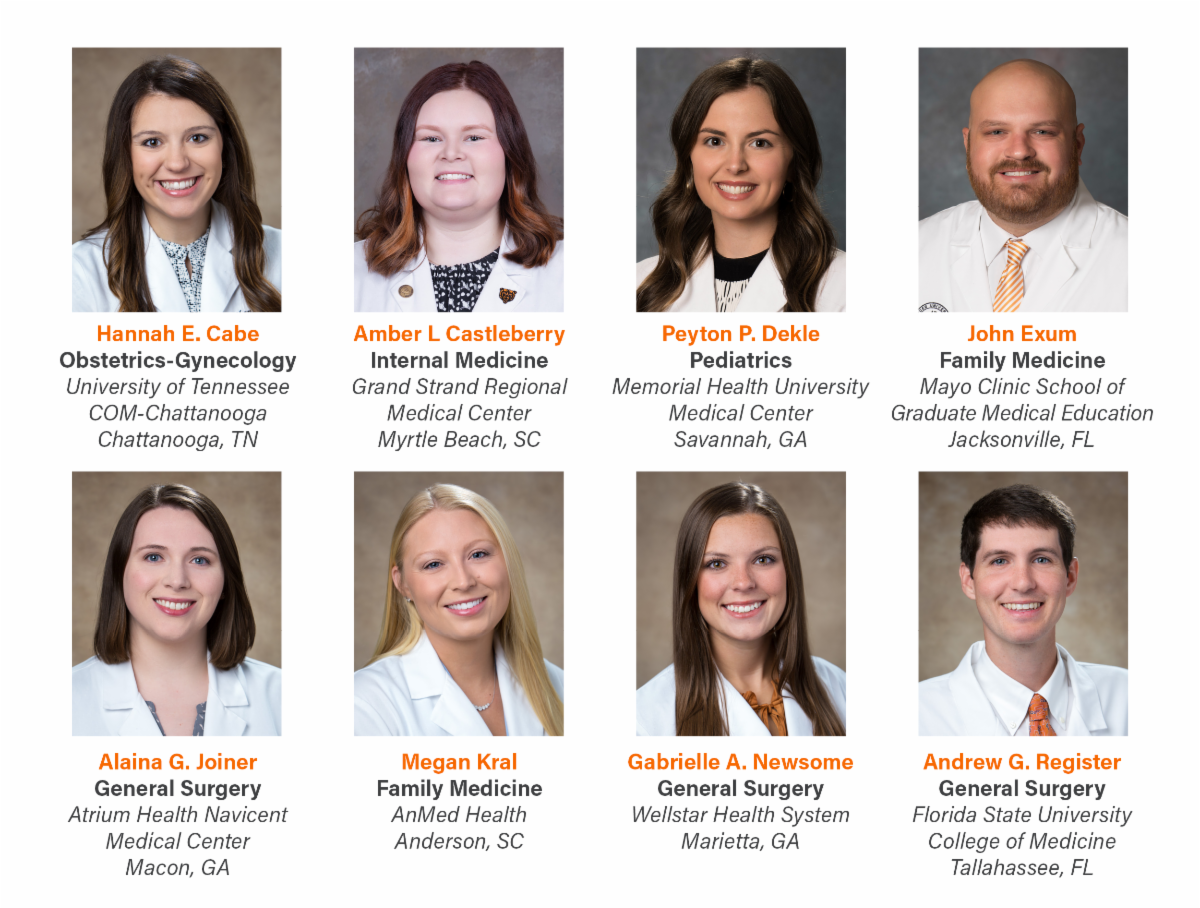
| | Mercer University School of Medicine Match Day Highlights: The Future of Rural Medicine | | Mercer University School of Medicine's mission is focused on rural health care. Special programs within the M.D. program are designed to address the shortage of physicians who practice in rural communities. The Georgia Rural Health Innovation Center commends all students, especially those in core programs, for successfully matching in residencies including family medicine, pediatrics, internal medicine, emergency medicine, general surgery, psychiatry, and obstetrics and gynecology. | | |
GRHIC's Maternal Health Observership Program Scholars
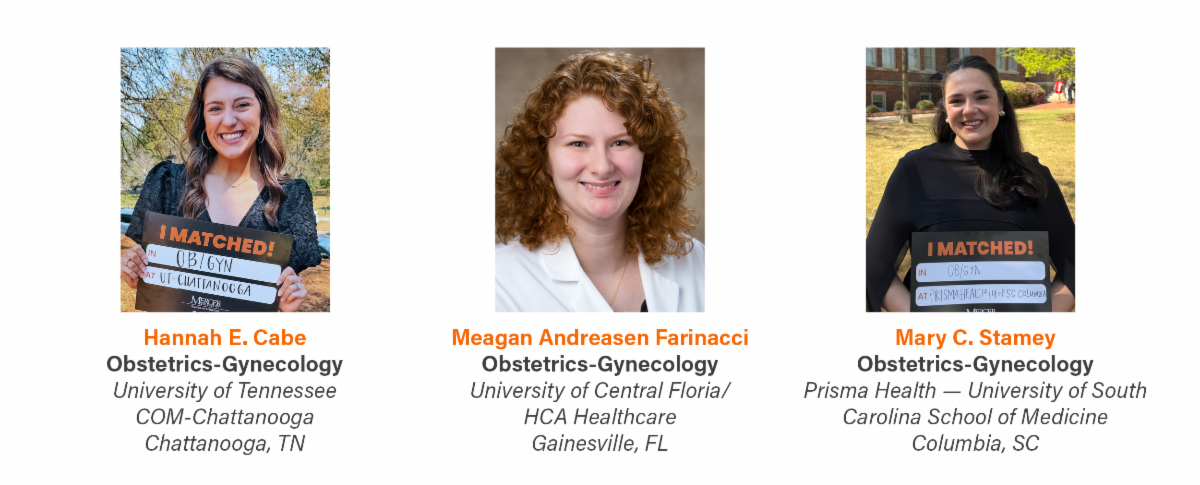
Georgia Rural Health Innovation Center's Maternal Health Observership Program gives rising second-year medical students interested in obstetrics and gynecology an expanded learning experience in rural, medically underserved communities. For six weeks, students shadow rural OB-GYN physicians, complete a problem-based research project, participate in journal club discussions and complete simulations.
We congratulate these graduates of the program on their matches with OB-GYN residencies.
| | | | |
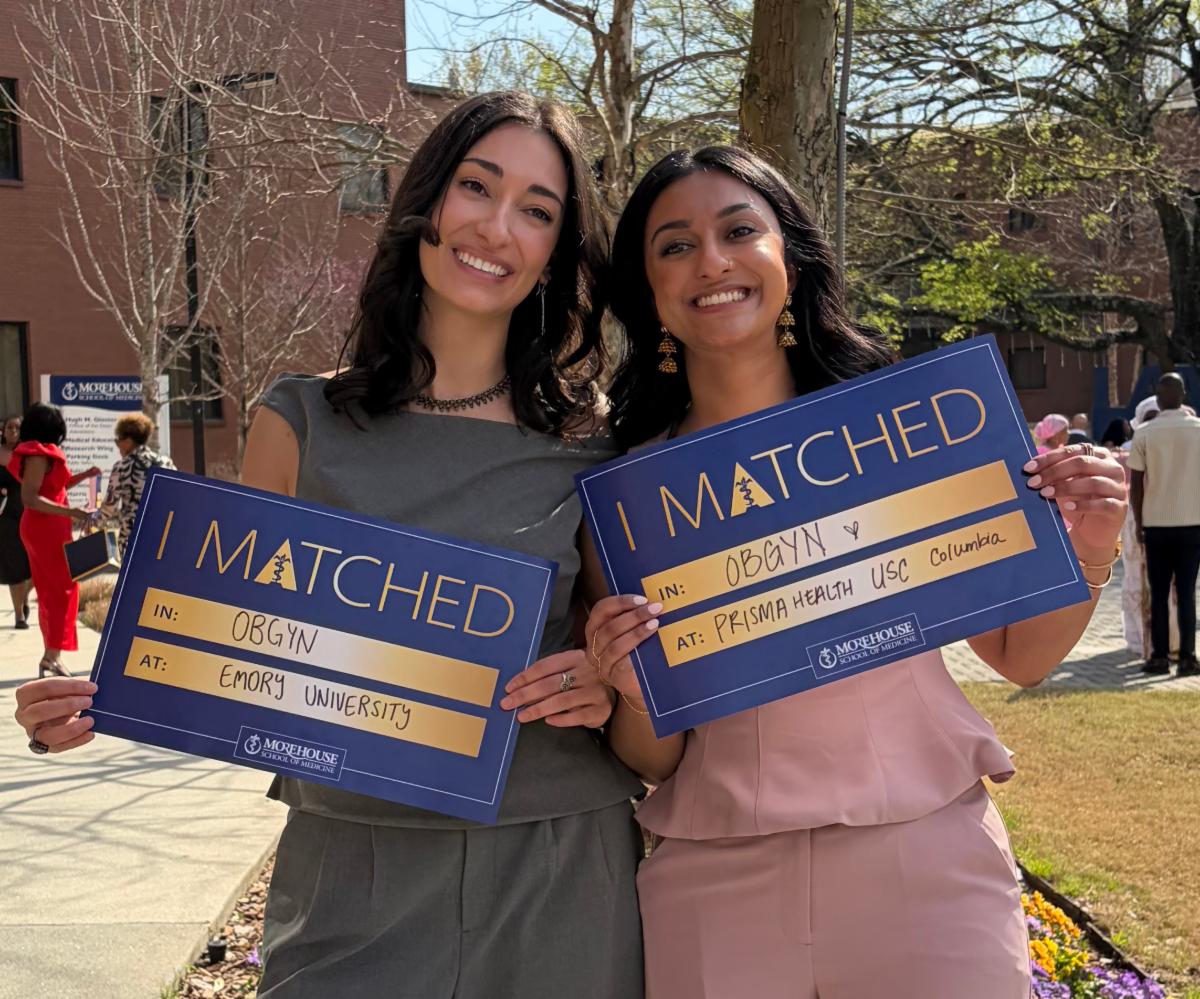
The Maternal Health Observership is also open to Morehouse School of Medicine students each year.
We congratulate Anahit Mehranian and Anchal Kumar on their OB-GYN residency matches at Emory University and Prisma Health-USC, respectively.
| | | |
Primary Care Accelerated Track Program
Mercer’s three-year Primary Care Accelerated Track (ACT) Program was one of the first two programs of its kind to be created in the United States. It is designed to address Georgia’s critical shortage of primary care physicians who practice in medically underserved rural areas. The ACT scholarship covers tuition for the second and third years of medical school.
| | |
Nathan Deal Scholars Program
The Nathan Deal Scholars Program was established in 2017 to recognize outstanding medical students who exemplify the highest values of the medical profession and are leaders in their commitment to Mercer’s mission. Upon completion of residency, Nathan Deal Scholars are committed to four years of continuous, full-time medical practice in a medically underserved rural Georgia county. In addition to financial assistance, these scholars receive leadership training to help prepare for the clinical challenges that may arise while practicing in rural Georgia.
| | Rural Hospital Leadership Training Program Achieves Full Compliance in 2025 | | |
The Hospital Leadership Program is a state-mandated training for every nonprofit rural hospital chief executive officer, chief financial officer, board member and hospital authority member. The purpose of the training is to equip rural hospital administration and board members with the knowledge and skills needed to make executive decisions for their facilities. The Georgia Hospital Association and HomeTown Health provide training for the program’s eight core curriculum standards: governance, regulatory and legal, finances and responsibility, compliance, ethics, continuum of care, strategic planning and responsibility, and grants.
In 2025, 56 rural hospitals were required to train their leadership, and all were in full compliance. Additionally, four nonrequired rural hospitals also chose to complete the training in 2025. In total, 538 individuals completed their initial or recertification training in the 2025 calendar year.
| | Project ECHO Expands Collaborative Learning for Rural Health Professionals | | |
Project ECHO (Extension for Community Healthcare Outcomes) is a collaborative learning community model used across a variety of professional fields, including health care, education, psychology and business, to build communities of practice. ECHO emphasizes the value of every member’s experience and knowledge with its uniting principle, “all teach, all learn.” ECHO stands apart from traditional lectures and webinars, as it is a more interactive learning experience facilitated by subject-matter experts but led by participants.
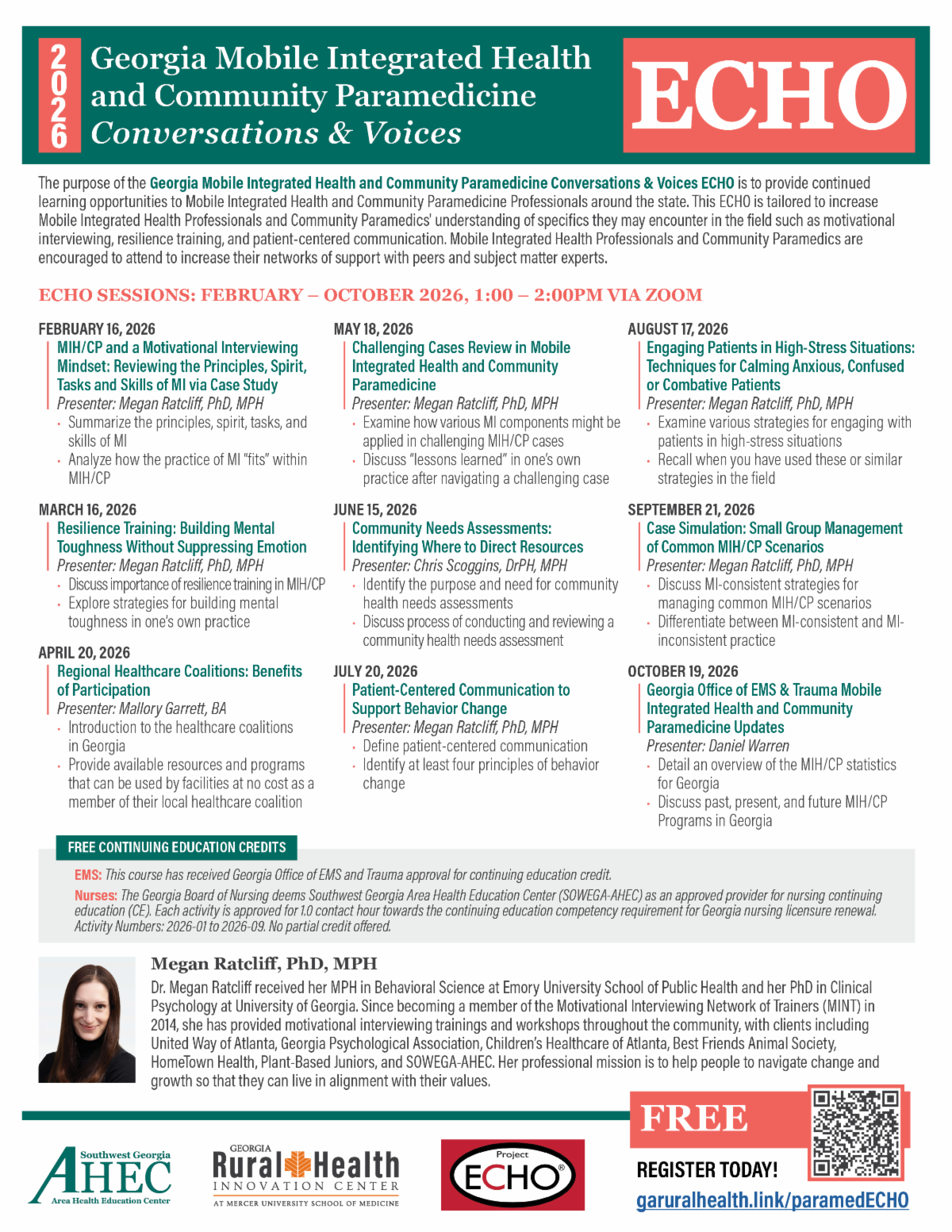
The Georgia Rural Health Innovation Center at Mercer University School of Medicine is a Project ECHO hub, offering monthly sessions on community paramedicine/mobile integrated health (MIH) and autism. The 2026 Georgia Mobile Integrated Health and Community Paramedicine Conversations & Voices ECHO meets monthly and is designed to increase community paramedics’ and MIH professionals’ understanding of issues they may encounter in rural Georgia. The 2025-2026 Rural Autism ECHO: Strategies for Improving Health Care for Autistic Patients in Rural Georgia equips rural physicians with an in-depth understanding of autism and strategies to treat patients and families affected by it. Sessions are targeted toward anyone who is part of a patient’s care team.
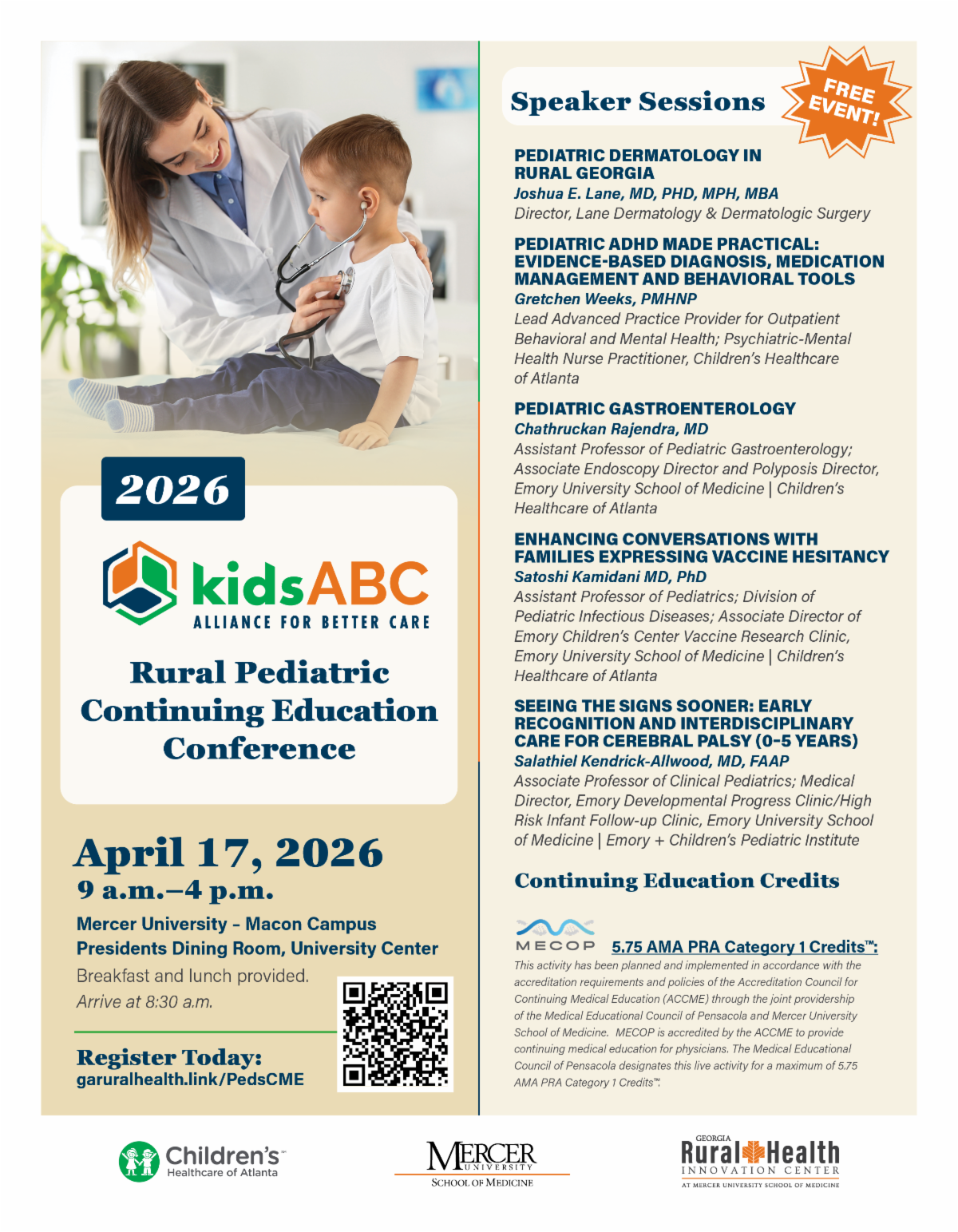
| | 2026 KidsABC Rural Pediatric Continuing Education Conference | | KidsABC Hosted Rural EDs for Collaborative Meeting | | |
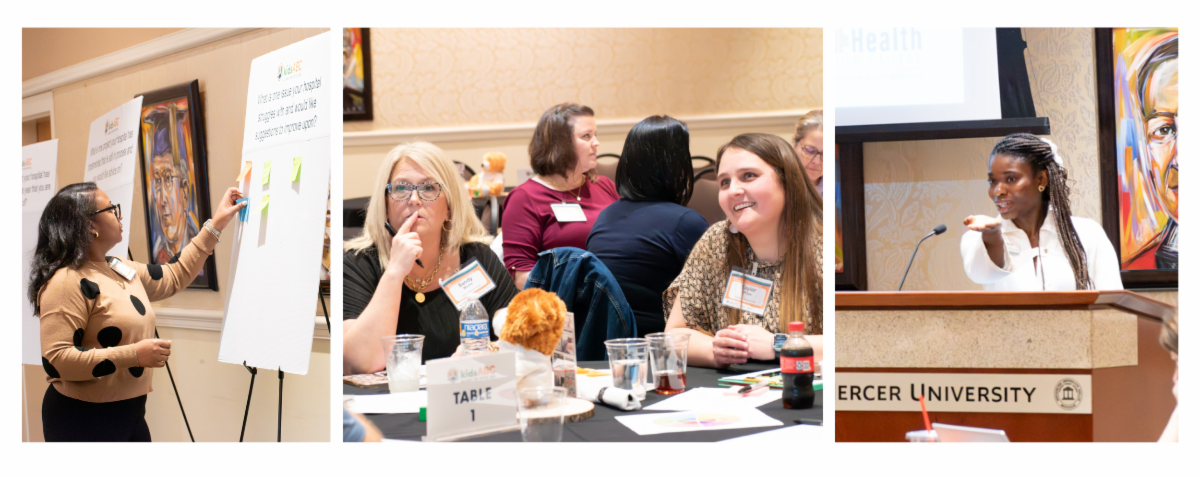
KidsABC hosted its sixth Rural Hospital ED Collaborative Meeting on Mercer University's Macon Campus.
The first day focused on program onboarding for Cohort 4 hospitals. Educational sessions included training on KidsABC marketing and hospital leadership competencies, while tabletop discussions allowed hospitals to explore how the program can support their facility’s goals.
The second day of the meeting was open to all KidsABC participating hospitals, and had approximately 60 attendees. Angie Boy, DrPH, program manager at the Stephanie V Blank Center for Safe and Heathy Children, presented on child neglect and poverty, which explored differences between these two topics in the rural emergency department setting. The day also featured spotlight sessions, where Coffee Regional Medical Center and Stephens County Hospital discussed emergency management and pediatric disaster drills.
The KidsABC team is excited to continue network building and hosting Collaborative Meetings annually.
| | |
Rural Hospital Emergency Department Collaborative
KidsABC Simulating Pediatric Assessment for Rural Kids (SPARK) program remains ongoing with March trainings taking place at Crisp Regional Hospital, Bleckley Memorial Hospital, and Colquitt Regional Medical Center. The SPARK program is targeted toward rural ED nurses, licensed practical nurses, respiratory therapists, paramedics, and clinicians and provides case-based scenarios for pediatric emergencies. Planning is concluding for April’s educational and training offerings such as the Rural Respiratory Session, which gives information and hands-on practice with pediatric airway management, and an initial certification Neonatal Resuscitation Course. KidsABC will offer a new course focused on pediatric triage and assessment in early April.
Rural Pediatric Support Collaborative
KidsABC continues to expand access to high-quality pediatric care in rural Georgia through the growth of Cohort 3 practices. Participating pediatric and family medicine sites are equipped with telehealth infrastructure and receive ongoing clinical and educational support, enabling them to manage more complex conditions locally while maintaining strong connections to pediatric subspecialists. This model improves care coordination, enhances continuity, and reduces the need for families to travel long distances for specialty services.
The program provides access to a wide range of pediatric subspecialties, strengthening rural providers’ ability to deliver comprehensive care within their communities. Early impact is evident, with 1,708 patient travel miles saved in 2026 to date, reflecting reduced burden on families and increased local care utilization.
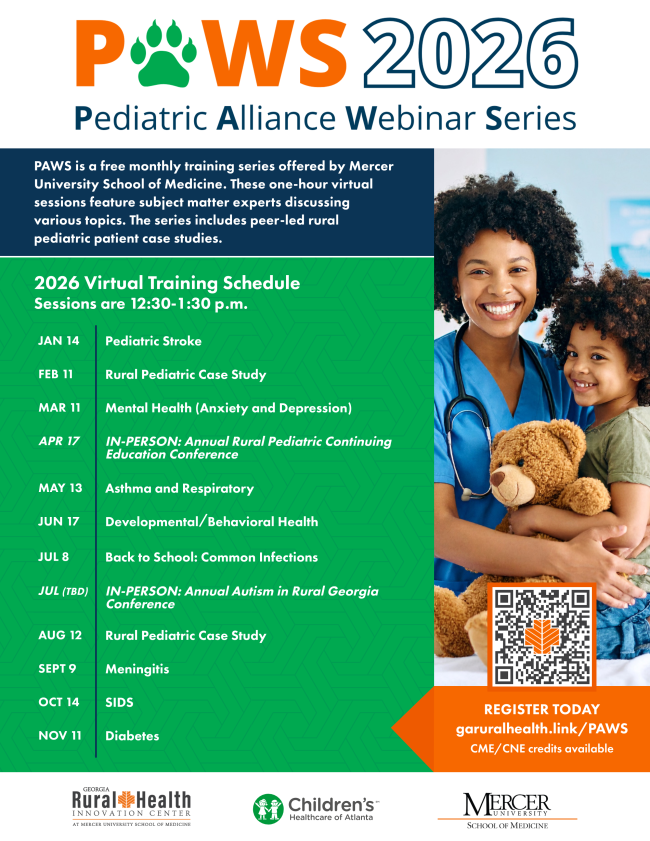
KidsABC also advances provider education through initiatives like the Pediatric Alliance Webinar Series (PAWS), which delivers specialist-led training on high-priority topics such as pediatric behavioral health. Continued professional development opportunities, including the upcoming Rural Pediatric Continuing Education Conference, further support clinical excellence, and capacity building across participating sites.
Rural Pediatric Mental Health Collaborative
KidsABC is advancing rural pediatric mental health through the expansion of its Rural Pediatric School Wellness Initiative, integrating early identification, prevention, and coordinated care within school settings. In Putnam County, comprehensive wellness screenings across multiple grade levels are enabling earlier detection of physical, behavioral, and developmental needs while strengthening connections between schools, families, and healthcare providers.
In Dade County, delivery of Community Resiliency Model (CRM) training has equipped school personnel with practical tools to support student mental health and foster more resilient learning environments. Ongoing collaboration with school leadership is ensuring alignment with local priorities and sustainability of these efforts.
To support scalable implementation, KidsABC team has developed a flexible Rural School Support Guide that allows districts to tailor interventions based on identified needs. Offerings include evidence-based health promotion resources, mental health training for staff, classroom tools to support emotional regulation, and structured referral pathways to connect families with care. Together, these efforts establish a comprehensive, school-centered continuum of mental health support from early childhood through adolescence.
| | | |
Pediatric Alliance Webinar Series
Monthly | Virtual
The Pediatric Alliance Webinar Series (PAWS) is a free monthly training program offering one-hour virtual sessions led by subject matter experts. Topics include ADHD, anxiety and depression, SIDS, diabetes and more.
CME and CNE available.
| | | |
Autism in Rural Georgia Conference
July 9-10 | Mercer University
The KidsABC Autism in Rural Georgia Conference is a skills-based, two-day conference exploring the latest developments and practical solutions for autism care. This event is open to physicians, health care professionals, school personnel, parents, caregivers, and community members.
CME and CNE available.
Event details and registration to come.
| | |
The Georgia Rural Health Innovation Center works with rural partners to enhance health education through health fairs.
We encourage these community members to join us:
Harris County
July 25 | 9–11 a.m.
Co-Host: Harris County School District
| | | | |
Georgia Healthy Farmer Mindset
Monthly Meeting | Virtual
Each month, the Georgia Agricultural Wellness Alliance hosts the Georgia Healthy Farmer Mindset Zoom meeting, which focuses on topics related to stress and mental health in the agricultural community.
| | | | |
Rural Autism ECHO
April–May | Virtual
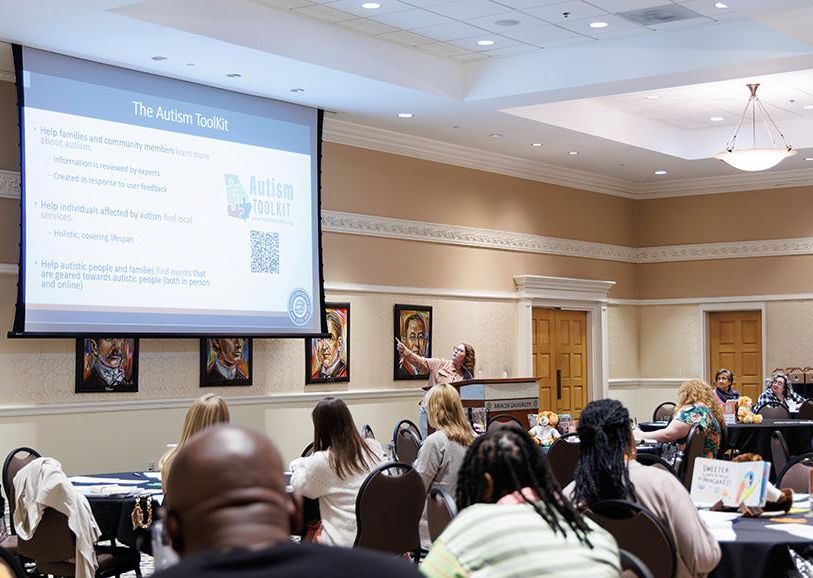
The Rural Autism ECHO: Strategies for Improving Health Care for Autistic Patients in Rural Georgia was launched in collaboration with the Autism ToolKit of Georgia. The series was created because rural families and communities often have limited access to information about autism, making it difficult to recognize early signs and respond to a child’s unusual behavior. By offering a virtual, peer-driven learning environment, the Rural Autism ECHO empowers rural physicians and other health care professionals to diagnose and treat autism more effectively without requiring families to travel long distances.
| | | | |
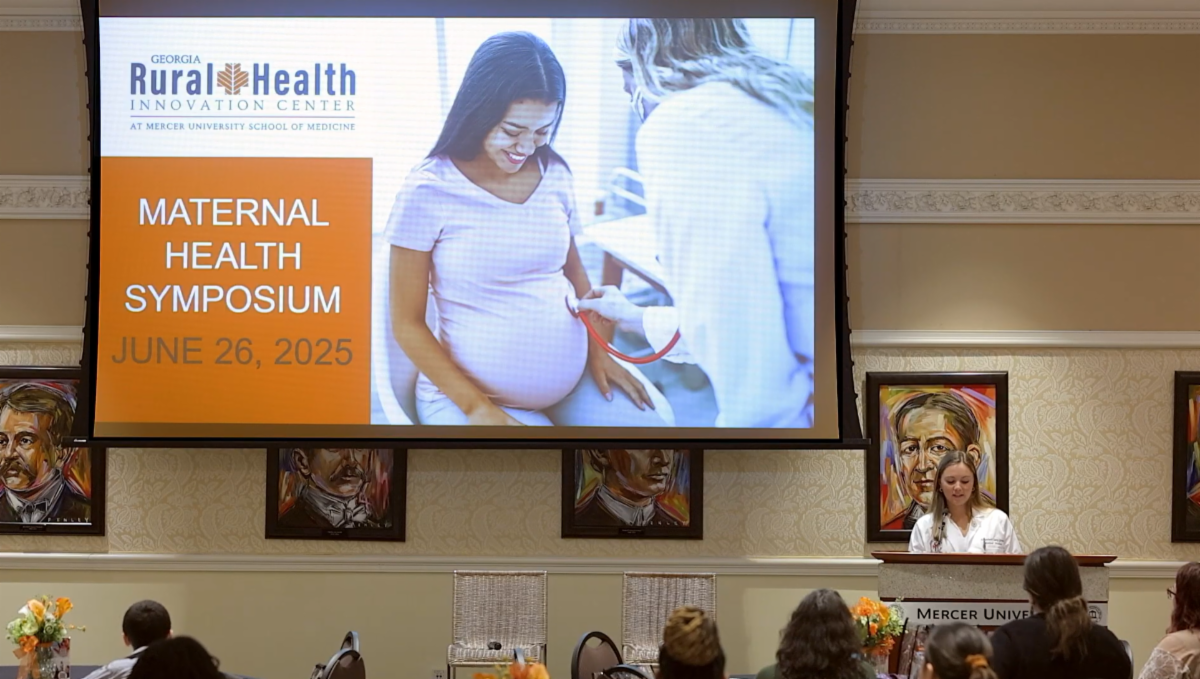
Maternal Health Symposium
June 25 | Mercer University
This year's Maternal Health Symposium will focus on maternal health care pathways for rural families.
CME and CNE available.
Event details and registration to come.
| | | | |
Prescription for Prevention
September 18 | Mercer University
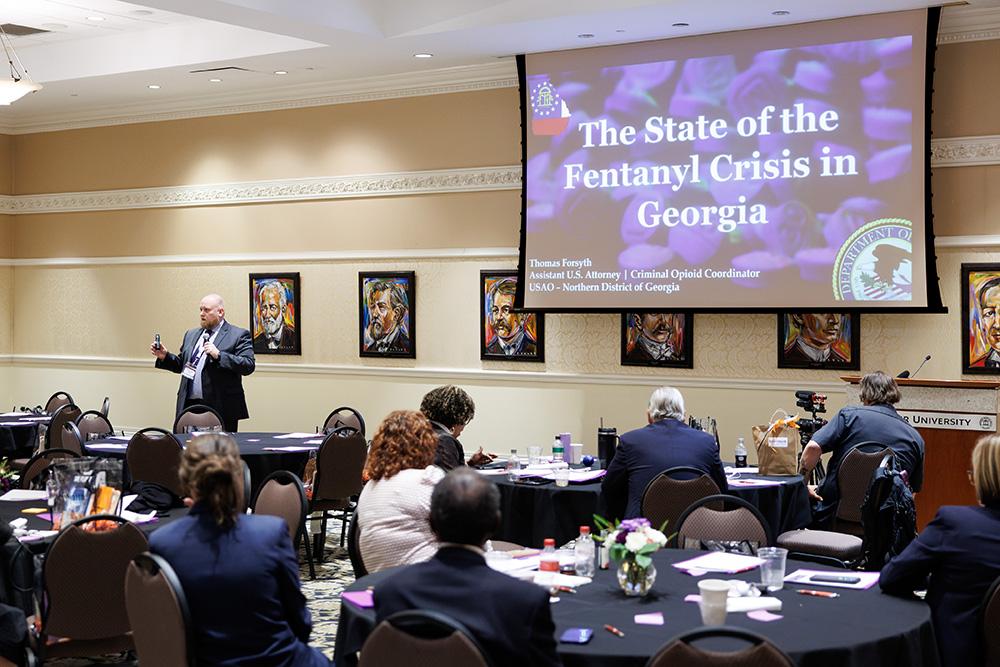
The Prescription for Prevention conference addresses the opioid crisis in rural communities. This event is designed for life care specialists, physicians, health care professionals, counselors, social workers and advocates.
CME and CNE available.
Event details and registration to come.
| | | | |
Georgia Mobile Integrated Health and Community Paramedicine ECHO
April–October | Virtual
The Georgia Mobile Integrated Health and Community Paramedicine Conversations & Voices ECHO provides continued learning opportunities to mobile integrated health and community paramedicine professionals around the state. This ECHO is tailored to increase mobile integrated health professionals' and community paramedics’ understanding of specifics they may encounter in the field such as motivational interviewing, resilience training, and patient-centered communication. Mobile integrated health professionals and community paramedics are encouraged to attend to increase their networks of support with peers and subject matter experts.
| | |
Premature Ovarian Insufficiency in Underserved and Rural Areas
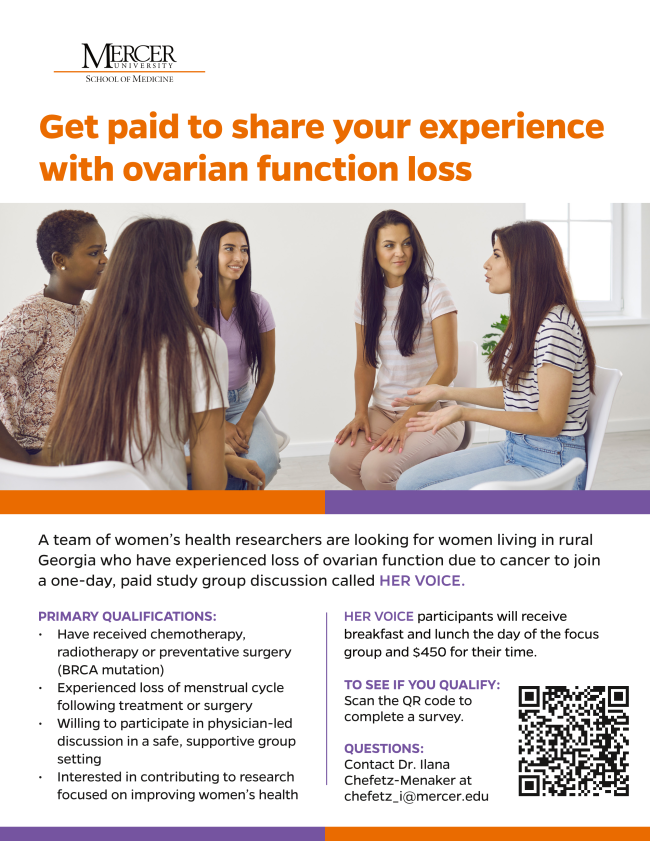
Mercer University School of Medicine researchers received IRB approval for their project, “Premature Ovarian Insufficiency in Underserved and Rural Areas.”
The study will establish focus groups of women who have lost ovarian function due to prophylactic surgery related to a family history of breast or ovarian cancer, as well as those whose ovarian function was affected by cancer treatments. Insights from these groups will inform the development of medical education programs for rural physicians and patients, helping address existing gaps in care.
Ultimately, the team aims to establish an interdisciplinary clinic dedicated to the medical, mental health, wellness, and peer-support needs of cancer survivors and women who have undergone bilateral oophorectomy.
Researchers: Chefetz Menaker, PhD, associate professor of pharmacology; Kristina Hawkins, MD, associate professor of OB-GYN; Candi Nobles-James, MD, senior associate dean of the Mercer School of Medicine Macon Campus; Betsy Smith, DrPH, MPH, associate professor of internal medicine; Anna Krampl, associate professor of library and information science; and Sorita Carter, PhD, assistant professor of psychiatry and behavioral science.
| | |
ABOUT THE CENTER
Mercer University School of Medicine’s Georgia Rural Health Innovation Center was established to address the complex health care challenges and disparities faced by rural communities throughout the state. The School of Medicine boasts a longstanding commitment to serving rural Georgia’s health needs, with a mission to educate physicians dedicated to tackling the health challenges in rural Georgia. The Rural Health Innovation Center serves as a critical resource to rural communities to improve access and effectiveness of health care by offering research, collaboration and training opportunities.
| | | | |