December 2025

YOUR WOODLAND WORDS...

MDC INVITES LANDOWNERS TO A PRESCRIBED BURN WORKSHOP DECEMBER 6 AT MARTHA LAFITE NATURE SANCTUARY


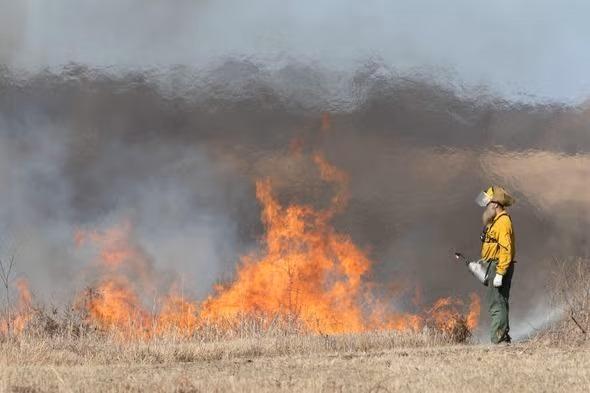
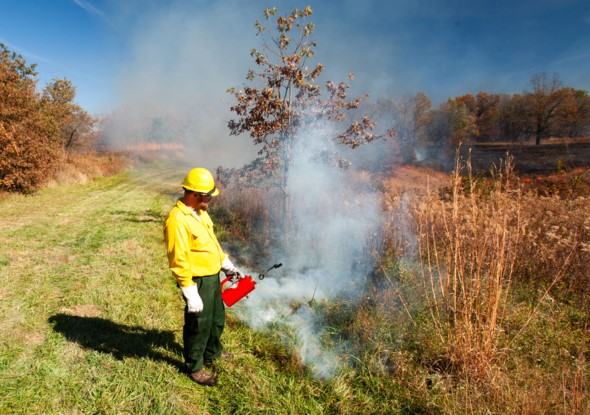
Prescribed burning can be a valuable tool for managing native plant diversity and controlling undesirable vegetation, but it can be dangerous and ineffective when used improperly. The Missouri Department of Conservation (MDC) invites landowners to a prescribed burn workshop from 10 a.m. to 3 p.m. on Saturday, Dec. 6 at the Martha Lafite Nature Sanctuary in Liberty.


Advance registration is required. Upon registration, participants will be asked to complete the virtual/online portion of the prescribed burn course. This online course is a mandatory prerequisite to the workshop, and there is a $25 fee to complete the online training. Participants are asked to bring their certificate of completion to the workshop.

LEARN THE ART OF MAPLE SUGARING WITH MDC IN COLUMBIA ON DECEMBER 13


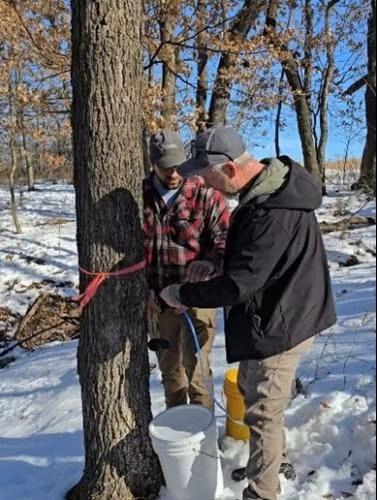
Learn the history of maple sugaring and techniques used to harvest the sweet sap from Missouri’s native maple trees at an event with the Missouri Department of Conservation (MDC). This event will be held on Dec. 13 from 9 a.m. to 12 p.m. at the Boone County Nature School in Columbia.


Participants will learn how to set up and tap the trees. After tapping, they will discuss the cooking process. Instructors will offer samples of some of mid-Missouri’s finest maple syrup. All ages are invited, and participants are encouraged to dress for the weather as most of this event will be held outdoors.

HAPPY FEET? LOOK BELOW GROUND TO SEE WHY YOUR WALNUTS ARE DANCING OR DISTRESSED


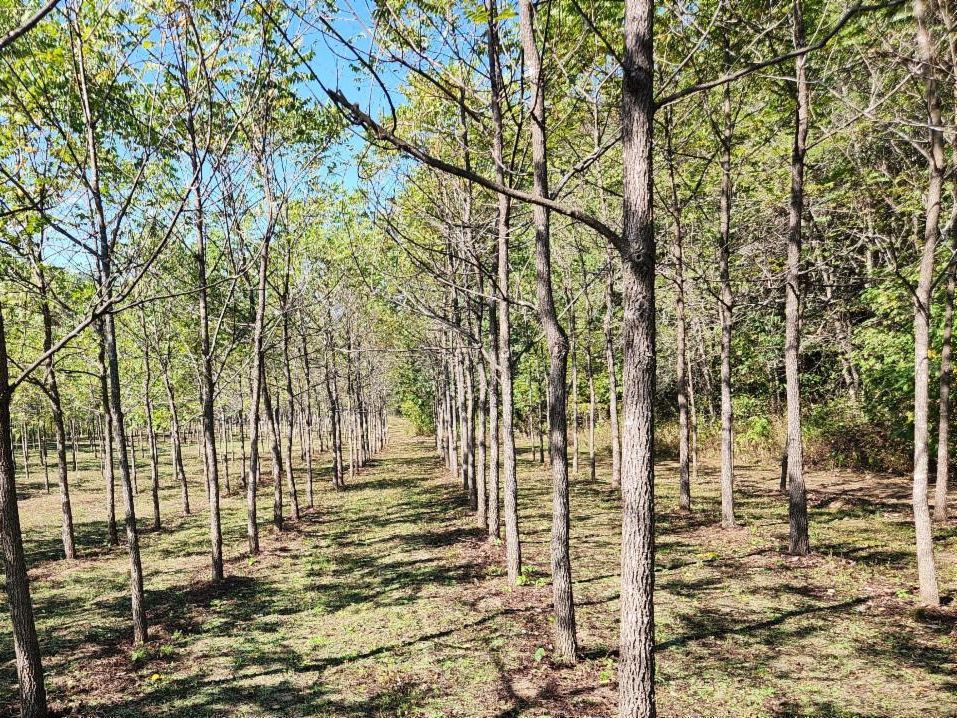
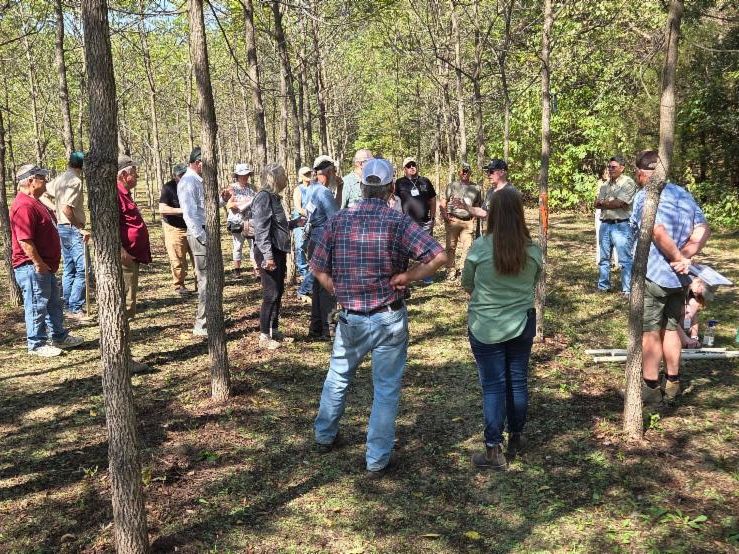
Walking across a walnut plantation, you may observe that trees in one area may be growing more vigorously than trees elsewhere. This was the case at Boone Creek Farms in Licking, Missouri, one of the field trip sites for the Missouri Woodland Owner’s & Walnut Council’s Conference this past October. Their walnut grove is planted along Boone Creek and extends from the floodplain to the footslopes of the surrounding hills. Walnuts on the footslope were taller and larger than those planted along the floodplain. The question arises: why are trees succeeding in one area while the others are struggling? The answer lies in the soil.


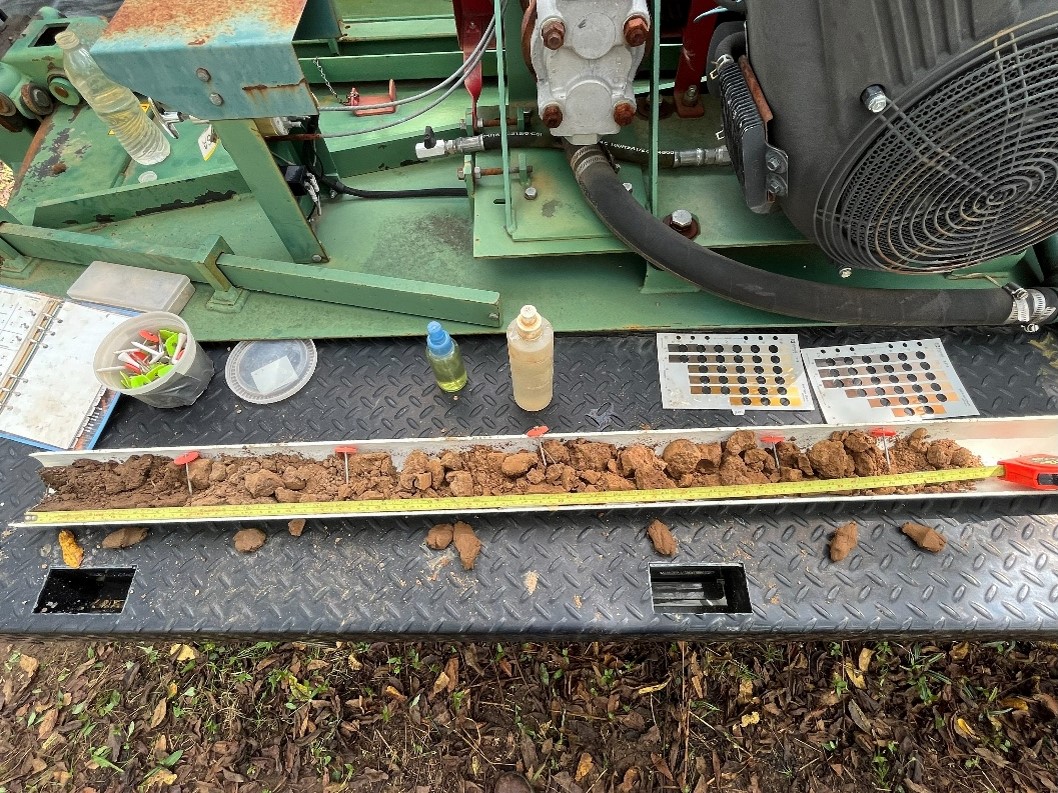
Soil tests from laboratories are great for understanding nutrient supply and possible deficiencies to equip you with information to help your walnut trees and keep them happy. Before you plant walnuts, or any crop, it is advisable to get a soil test to find out the chemical properties of your surface soil. However, doing an in-field inspection of your soil is also a great tool to answer the essential question of how well your soil’s characteristics will support walnut growth in terms of soil physical properties. This involves considering your soil as an entire profile, past the six to eight inches of the surface that usually get sampled for lab analysis. Observing a soil’s characteristics and its location on the landscape can clue you in to its suitability for walnuts. 

NEW MU PROGRAM PROMOTES HEALTHY WOODLANDS

Missouri Woodland Mentor program invites landowners to share their knowledge.


A new initiative is taking root across Missouri to promote healthy woods and trees through the power of peer mentorship.


The Missouri Woodland Mentor program, launched by University of Missouri Extension in partnership with the Missouri Department of Conservation (MDC), invites landowners to serve as mentors for other property owners who are exploring forest management practices for the first time.


“This innovative program aims to build a strong community of land stewards by connecting those with hands-on experience in forest management—such as timber stand

improvement, wildlife habitat enhancement, invasive species control and prescribed

burning—with landowners seeking guidance and inspiration,” says Brian Schweiss,

sustainable forestry specialist with MU Extension.


“Landowners learn best from each other,” he says. “By sharing real-world experiences and

lessons learned, mentors can help others avoid common pitfalls and make informed

decisions that benefit their land and the environment.”

MDC INVITES LANDOWNERS TO A PRESCRIBED BURN WORKSHOP DECEMBER 6 AT HORTON FARM CONSERVATION AREA NEAR STE. GENEVIEVE


The Missouri Department of Conservation (MDC) invites landowners interested in learning more about how to properly conduct a prescribed burn to attend a free workshop set for 9 a.m. to 3 p.m. on Saturday, Dec. 6 at Horton Farm Conservation Area near Ste Genevieve.


Advance registration is required. Upon registration, participants will be asked to complete the virtual/online portion of the prescribed burn course. This online course is a mandatory prerequisite for the workshop, and there is a $25 fee to complete the online training. Participants are asked to bring their certificate of completion to the workshop.

LEARN ABOUT TREE CARE AT A FREE MDC WORKSHOP ON DECEMBER 18 IN ST. JOSEPH


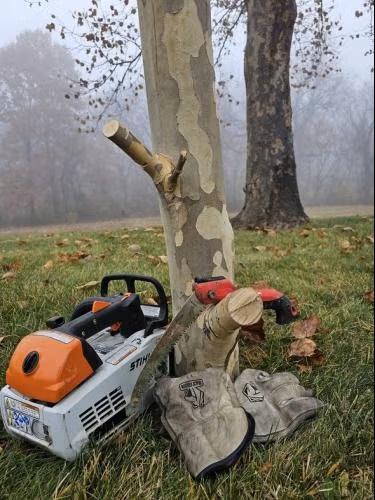
Trees are vital to many ecosystems, from forested areas to suburban backyards. The Missouri Department of Conservation (MDC) invites the public to attend a tree care workshop from 5-7 p.m. on Thursday, Dec. 18, at the Northwest Regional Office in St. Joseph.


Forester Timothy Wolfe will teach basic tree pruning practices and how to properly care for the surrounding environment. Participants will learn to identify species of trees and understand various elements of tree health.


Registration is required to attend this free program.

NEW YEAR’S HIKE - WINTER TREE IDENTIFICATION

Saturday, January 3 at 10:00 am


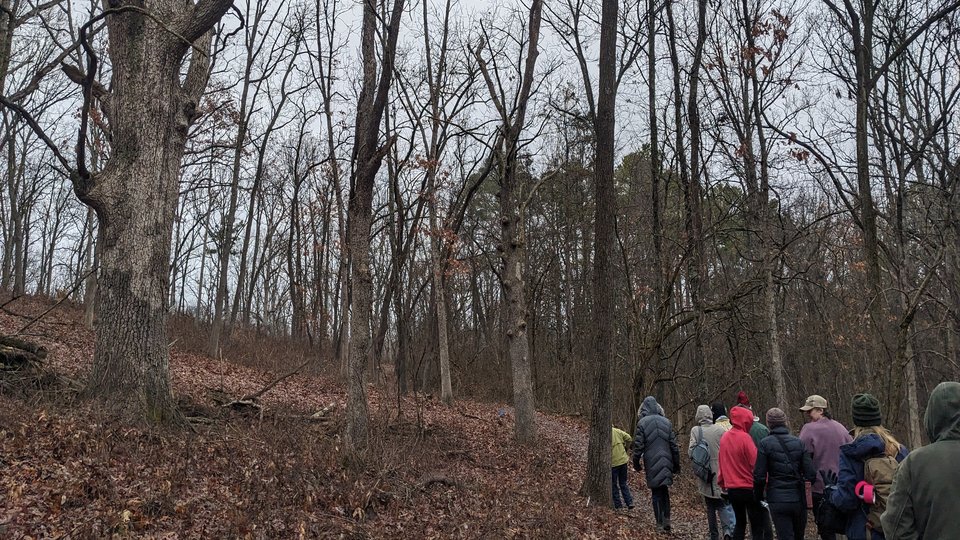
Celebrate 2026 by joining specialists from MU Extension for a New Year’s hike! Learn how to identify trees in the wintertime using clues like twigs, buds, and bark.


Multiple locations across Missouri! Sign up for the hike closest to you:

· Pleasant Valley Nature Preserve Loop in High Ridge (Jefferson County)

· Runge Nature Center in Jefferson City (Cole County)

· Shawnee Bend Bluff Trail, Warsaw (Benton County)


For questions or accommodations, contact Sarah Higgins at sarah.higgins@missouri.edu or 636-797-5391.

TAKE ADVANTAGE OF THE CHANGING FOLIAGE THIS FALL TO HELP WITH INVASIVE SPECIES MANAGEMENT


This fall, the Missouri Department of Conservation (MDC) encourages landowners to keep an eye out for invasive plant species on their property.


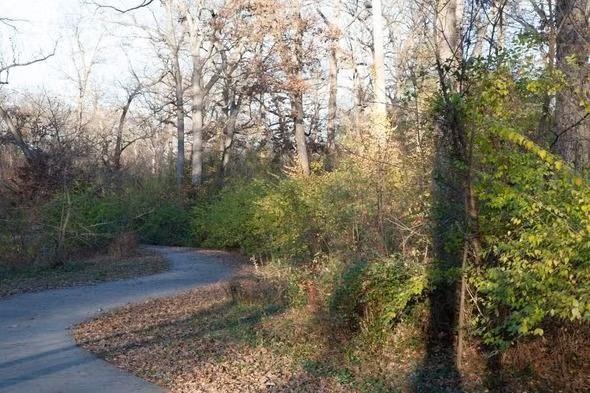
Invasive plant species often keep their green leaves into late fall and even early winter, making them easier to spot amongst native vegetation. This adaptation allows invasive plants to outcompete native plants but offers landowners an additional window of time for treatment.


Bush Honeysuckle and Autumn Olive are the two most prevalent shrubby invasives in central Missouri that are easily spotted during this time of year.


Both Bush Honeysuckle and Autumn Olive retain their green leaves among dormant vegetation making them easy to target with foliar, basal bark, and cut stump treatments during the fall.

FWAM FUNDRAISING AUCTION – BIDDING IS NOW OPEN!


The Forest & Woodland Association of Missouri's fundraising auction is being held from December 1 - December 20. Online bidding will close, and the winners will be determined on Saturday, December 20 at 12:00 p.m. You can view and bid on the auction items by visiting: https://www.32auctions.com/fwam2025.


Winners will be announced and contacted in late December. All auction winners must plan to either pick up your item(s) from FWAM Executive Director Laurie Wilson (arrangements must be made prior to bidding - fwam.trees@gmail.com) or pay the cost to have the item(s) shipped.


Income received from the auction will be used to advance the work of the Forest & Woodland Association of Missouri in its mission to promote healthy, productive and sustainable forests and trees.


Thank you for your support of the Forest and Woodland Association of Missouri and happy bidding! More items will be added this week!

MISSOURI WOODLAND OWNERS LEARN FROM THE BEST AT THE ANNUAL CONFERENCE


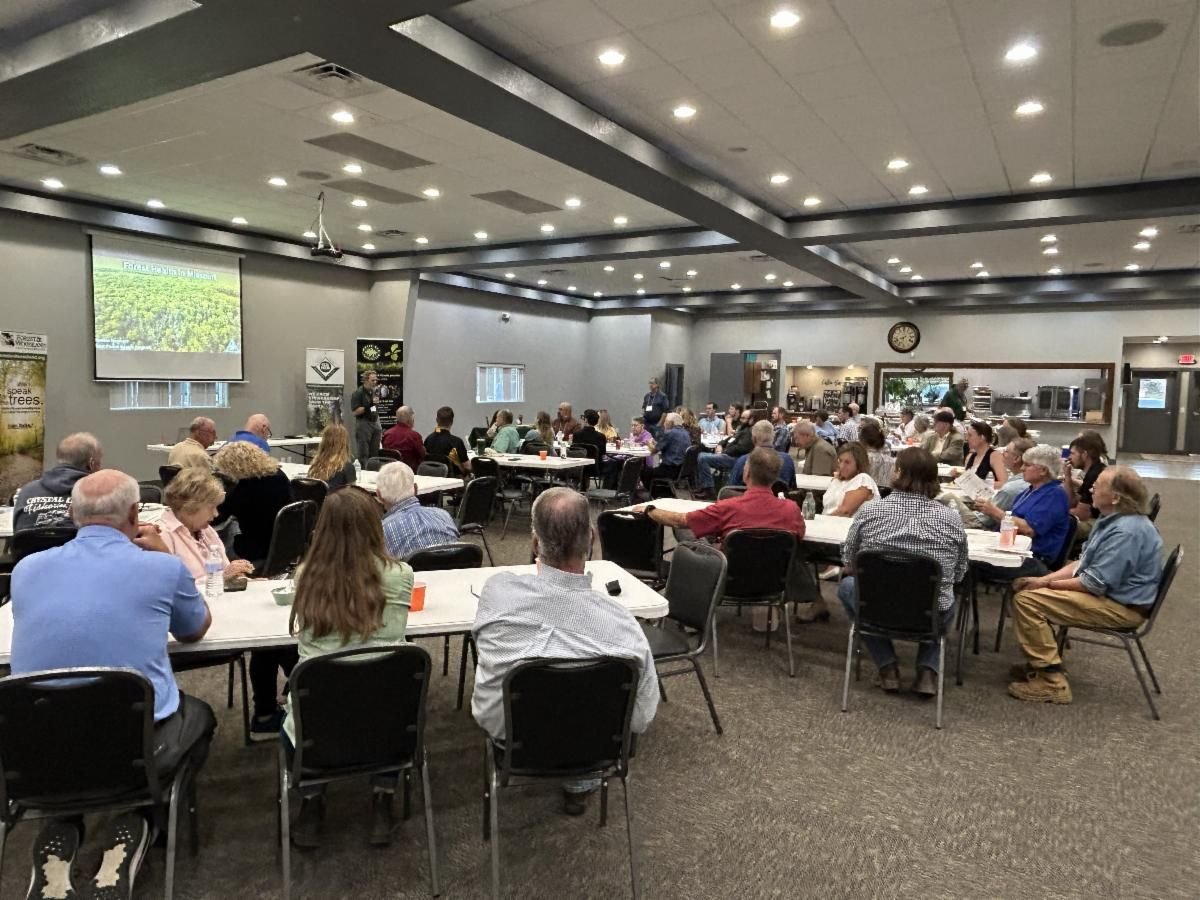
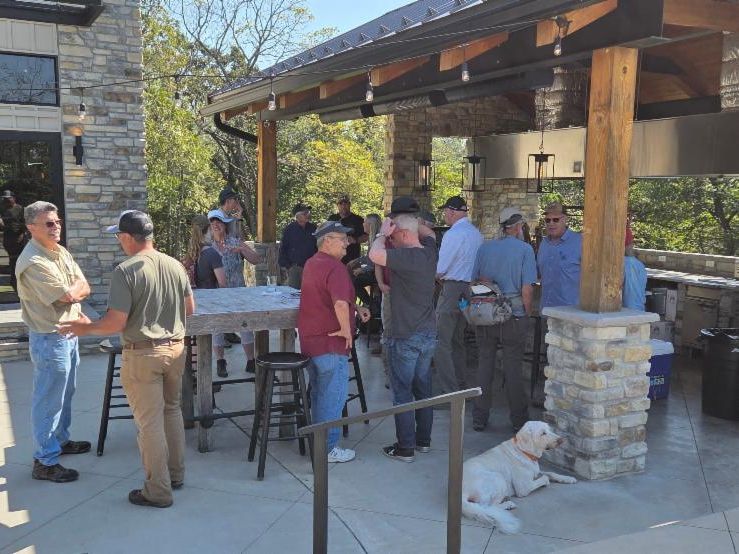
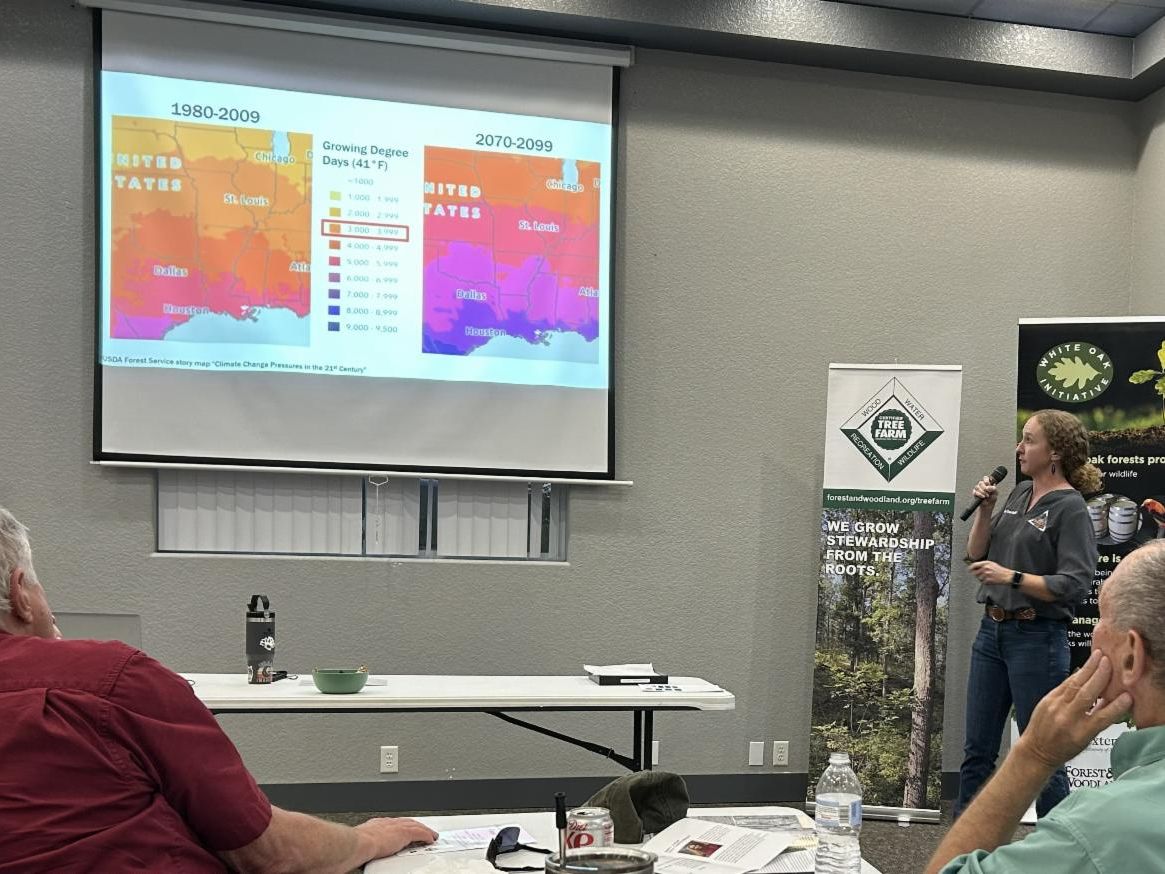
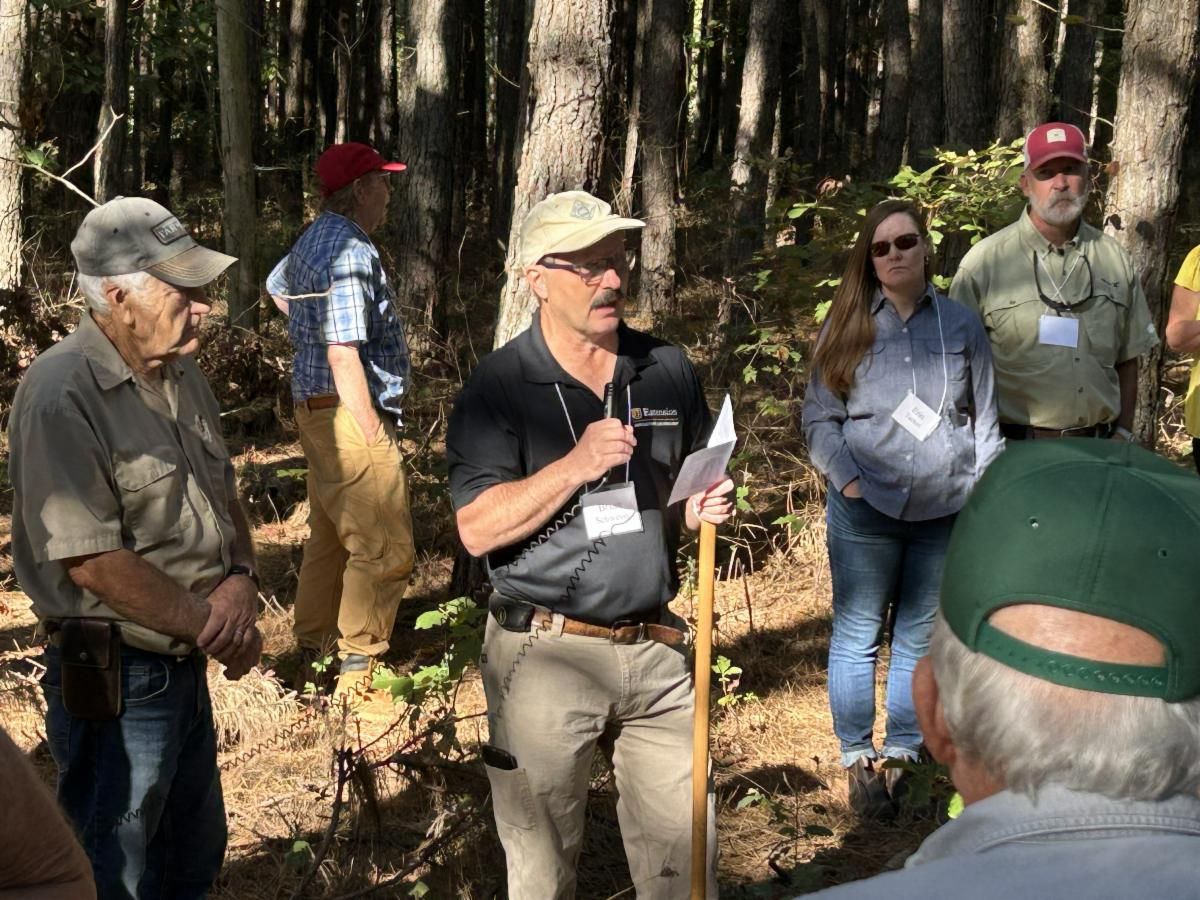
Woodland owners and natural resource professionals gathered October 3-4 in Mountain Grove, Missouri for the Annual Missouri Woodland Owners Conference. This year’s conference was hosted by the Forest and Woodland Association of Missouri (FWAM) in partnership with University of Missouri Extension, Missouri Walnut Council, Missouri Department of Conservation, Missouri Society of American Foresters, and the Missouri Tree Farm System. “This annual event is an excellent way for landowners to learn how to better manage their woodlands.” said FWAM Executive Director, Laurie Wilson.


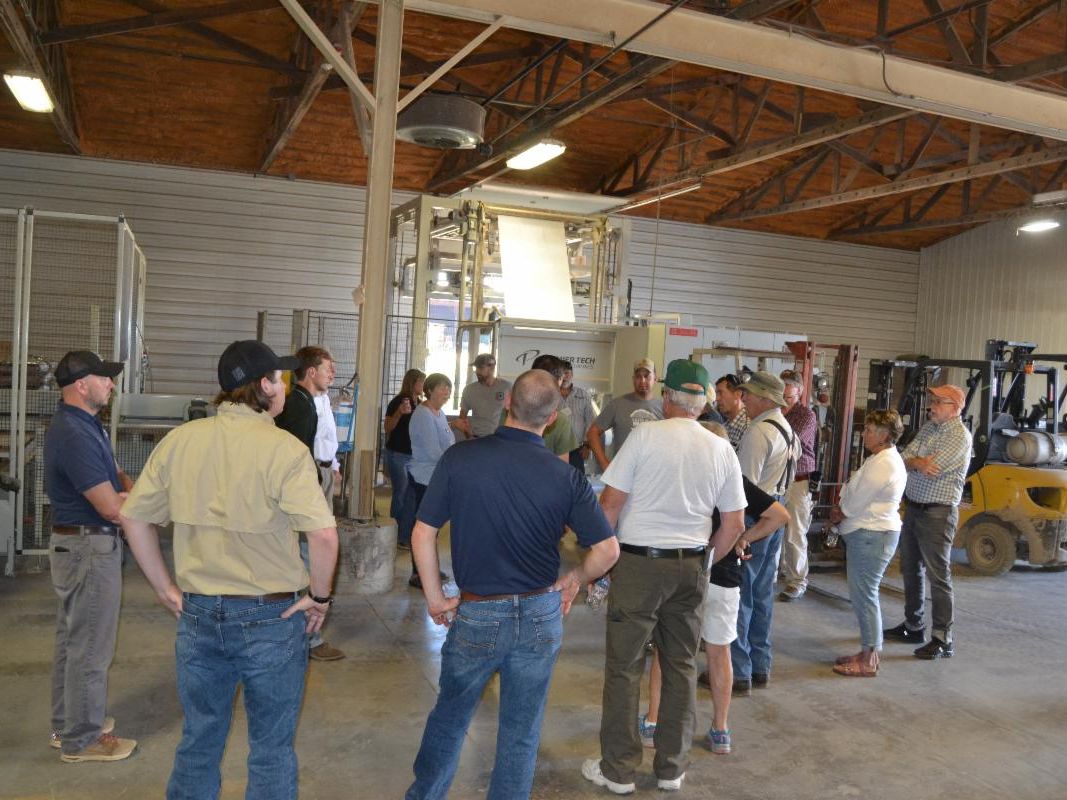
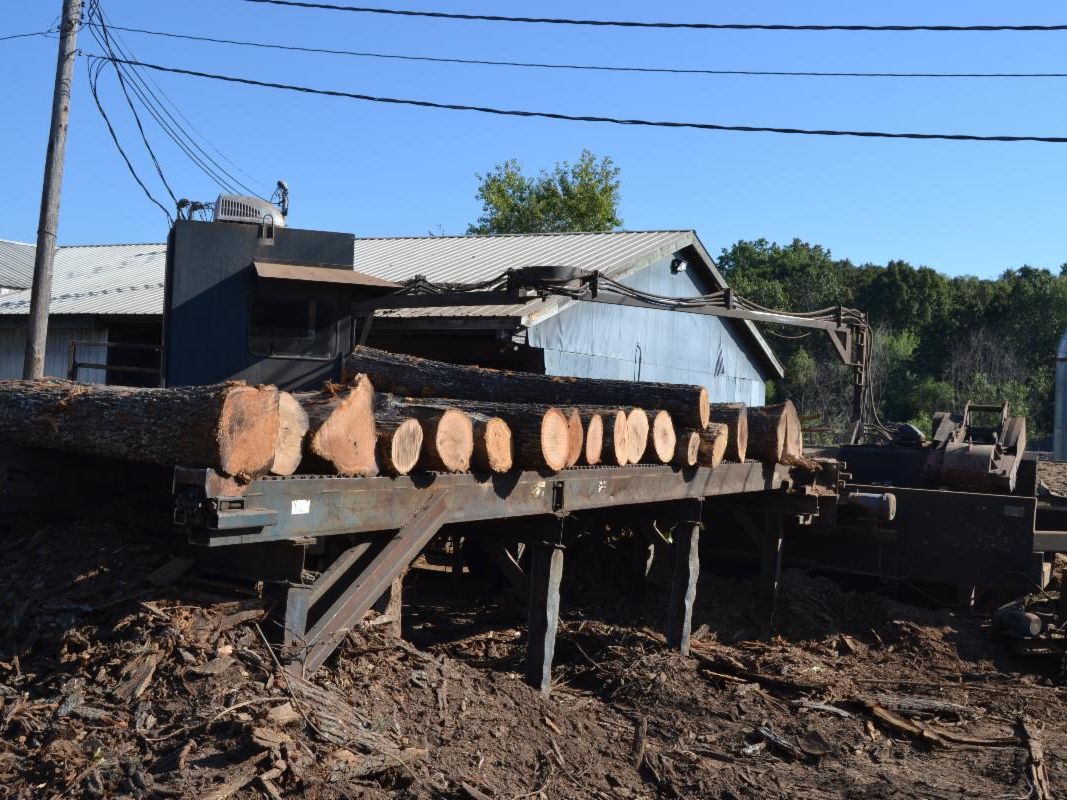
The conference provided hands-on learning through three field tours. The Missouri Walnut Council sponsored a tour of the Boone Creek Farm near Licking and their black walnut plantation to learn how soil characteristics impact tree growth. They also discussed pruning and thinning strategies. Missouri Society of American Foresters sponsored a tour of Smith Flooring in Mountain View and gained insights into the hardwood flooring industry and its connection to managed forests. Missouri State University offered a third tour of their fruit experiment station in Mountain Grove. Attendees at all tours gave the afternoon glowing reviews.


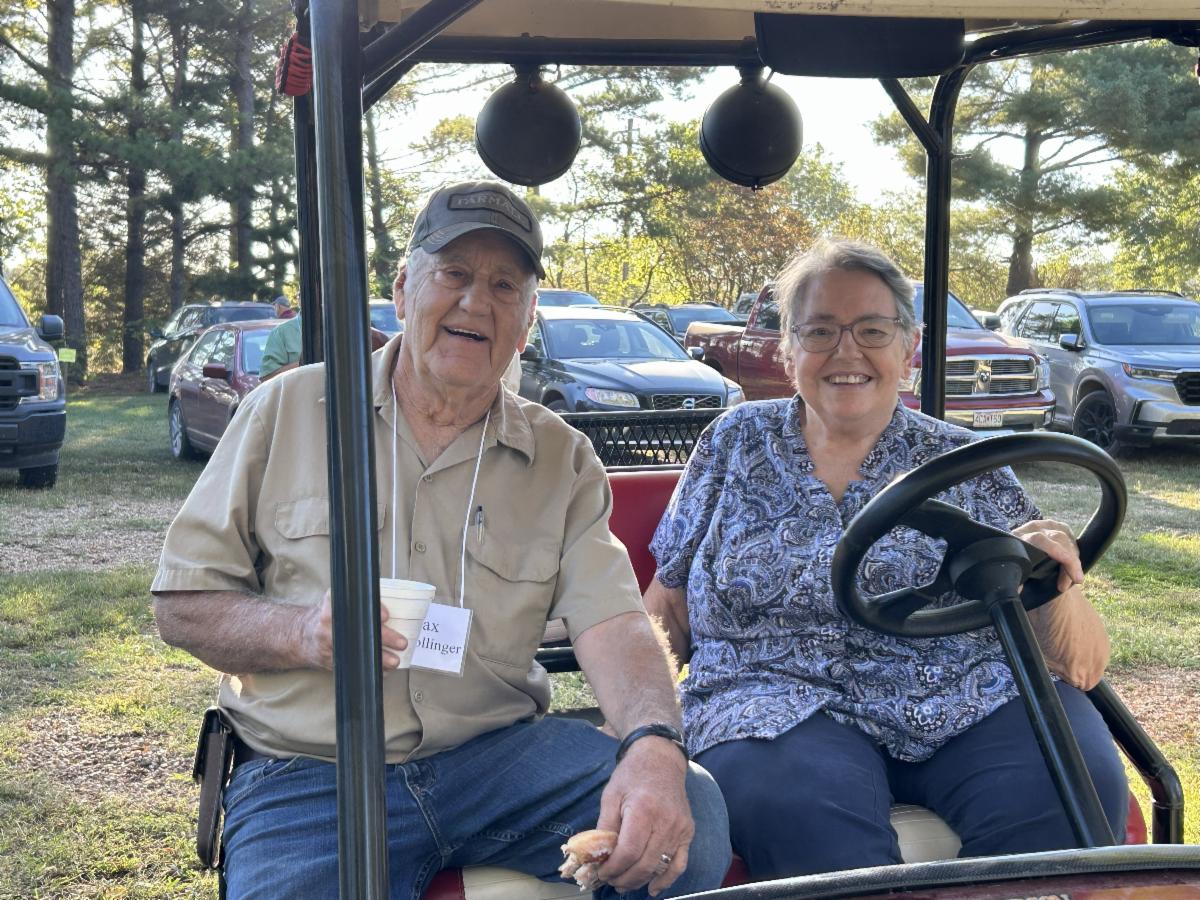
Friday evening featured a special recognition ceremony for Max and Lois Schmollinger, honored as Missouri Tree Farmers of the Year. Not only were they the top Tree Farm in Missouri, but they also made the ‘Elite Eight’ of this year’s national competition. “To be recognized as one of the top eight privately managed woodlands in the country is quite an honor.” said Hank Stelzer, MU Extension’s forestry state specialist.


Missouri Tree Farm Committee Chair, Matt Jones said, “One of the greatest benefits of the American Tree Farm System is to recognize woodland owners who are committed to sustainably managing their woods. Max and Lois took abused unproductive property and turned it into a healthy woodland resource for their families enjoyment.”


The evening concluded with an outstanding presentation by Robbie Doerhoff, forest health program coordinator with the Missouri Department of Conservation. Her talk focused on how Missouri’s increasingly erratic weather patterns over the past two decades are negatively impacting trees across the Show-Me State.


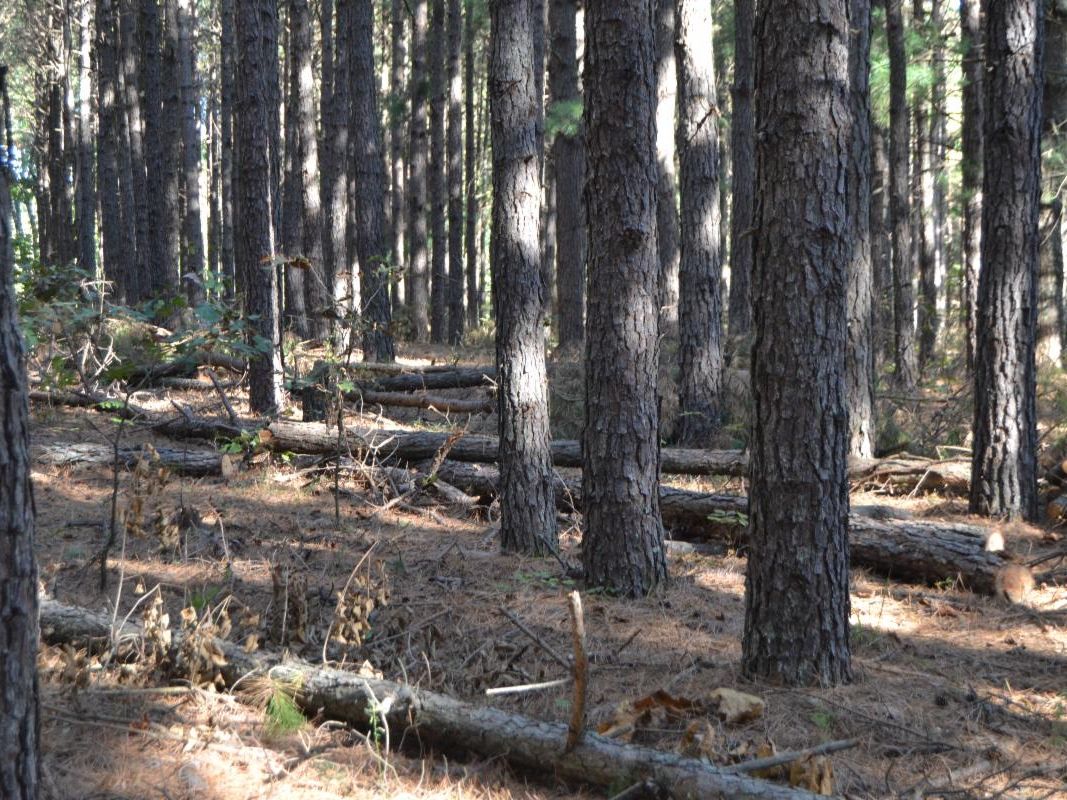
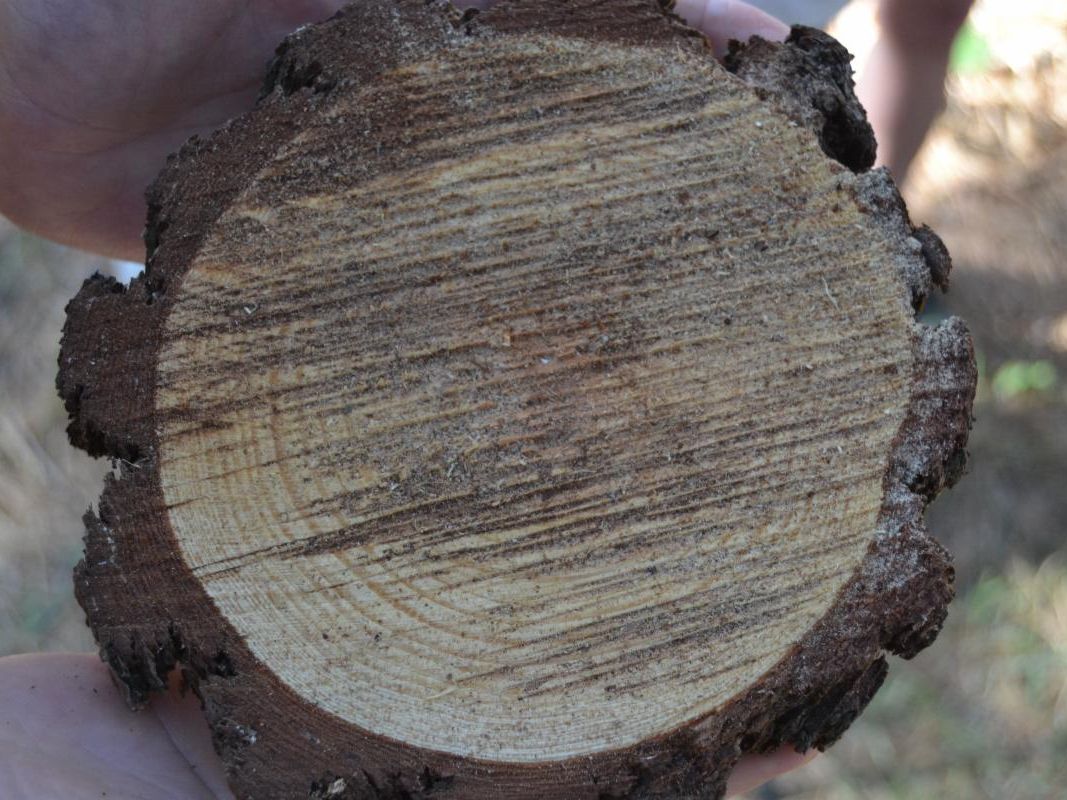
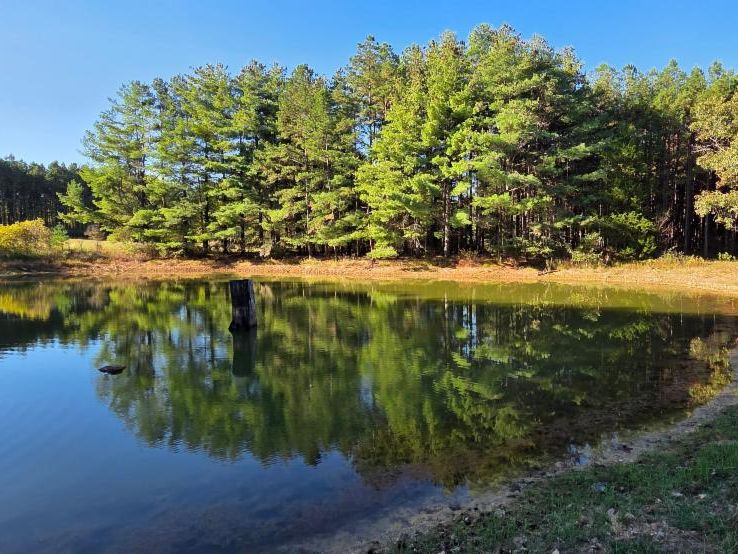
On Saturday, the Schmollinger’s welcomed more than 60 woodland owners and natural resource professionals on their property for a field tour. All phases of oak management from new seedlings sprouting under the shelter of a mature oak canopy to older trees fighting for available sunlight were seen. Selection and release of future crop trees was discussed to improve tree growth and forest health. Participants learned about establishing and caring for shortleaf pine and the importance of developing markets. The tour concluded with a discussion on the decline in health of post oak trees and emerging theories about this new threat to Missouri’s woodlands.


Do you want to learn more about forest and wildlife management? “FWAM and MU Extension offer many opportunities for landowners to engage and learn about their woods” says Brian Schweiss, MU Extension sustainable forestry specialist. Visit the FWAM or MU Extension website and sign up for Extension’s monthly Natural Resources Newsletter to stay in touch.

Forest and Woodland Association of MO
PO Box 1632
Saint Peters, MO 63376
573-353-6436
Connect with us
Facebook  Twitter