JOIN FWAM TODAY

February 2025

YOUR WOODLAND WORDS...

MDC SAYS TO BE ON THE LOOKOUT FOR INVASIVE SPECIES THIS WINTER


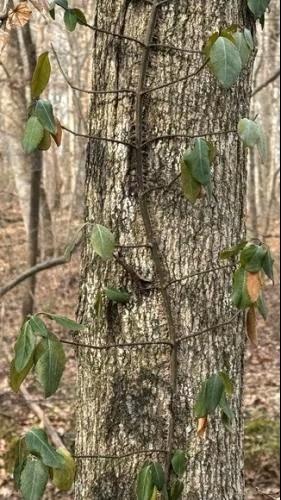
The Missouri Department of Conservation (MDC) recommends learning how to identify and remove known invasive species where possible this winter.


Invasive species are non-native and aggressive. They crowd out native species and are typically not ecosystem friendly to flora and fauna indigenous to Missouri. They are usually found in disturbed areas and urban/suburban locations, but they can move via wildlife, water, wind, and humans.


And once they become established, it can take an enormous effort to bring them under control, according to Jennifer Behnken, MDC Community Forester. 

READ MORE HERE

ANTHRACNOSE OF SHADE TREES


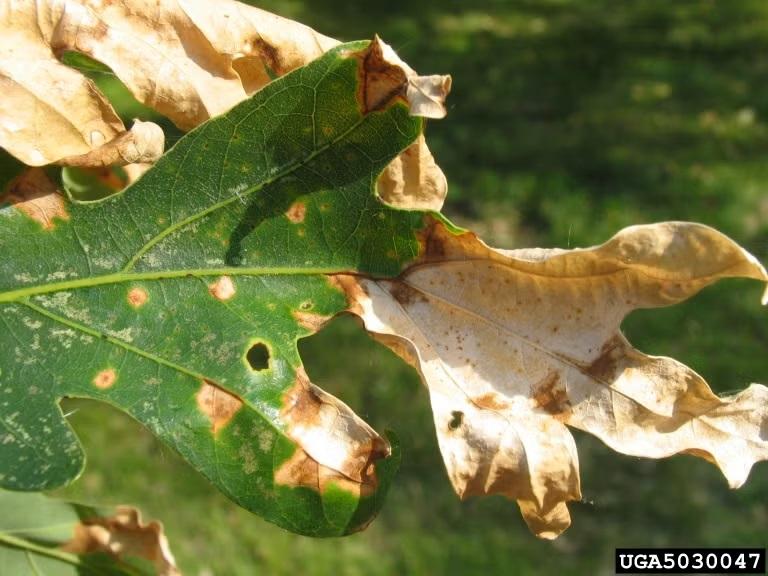
Anthracnose is a fungal disease that affects many species of deciduous trees and shrubs. Shade trees such as ash, maple, oak, and sycamore are commonly damaged. Details of how anthracnose affects each tree species are below. 


Symptoms and Signs

  • Spotted, blotched, or distorted leaves 
  • A scorched appearance from a distance
  • Partial or complete defoliation (loss of leaves) in early spring
  • Shoot blight, twig cankers, and dieback when infections are severe


Recommendations

  • Reduce stress through good tree care practices (mulching, watering, avoiding wounds, etc.).
  • Prune to improve air flow through the canopy.
  • Rake and destroy fallen leaves to reduce future infections. 
READ MORE HERE

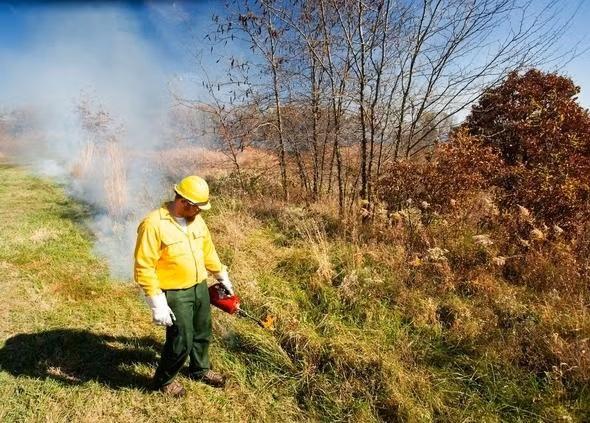
MDC INVITES LANDOWNERS TO A PRESCRIBED BURN WORKSHOP FEBRUARY 15 IN WINONA


The Missouri Department of Conservation (MDC) invites landowners to a prescribed burn workshop from 9 a.m. to noon on Feb. 15 at Twin Pines Conservation Education Center (CEC) in Winona.


Advance registration is required.


“Prescribed burning can be a valuable tool for managing native plant diversity and controlling undesirable vegetation, but it can be dangerous and ineffective when not used properly,” said Abbey Trantham, MDC Private Land Conservationist. “This workshop will provide basic information on how to plan and execute a prescribed burn for land management.”


Upon registration, participants will be asked to complete the virtual/online portion of the prescribed burn course. This online course is a mandatory prerequisite to the workshop, and there is a $25 fee to complete the online training.

READ MORE HERE
REGISTER HERE
ONLINE TRAINING COURSE

MDC OFFERS PRESCRIBED BURN WORKSHOP IN DENT COUNTY


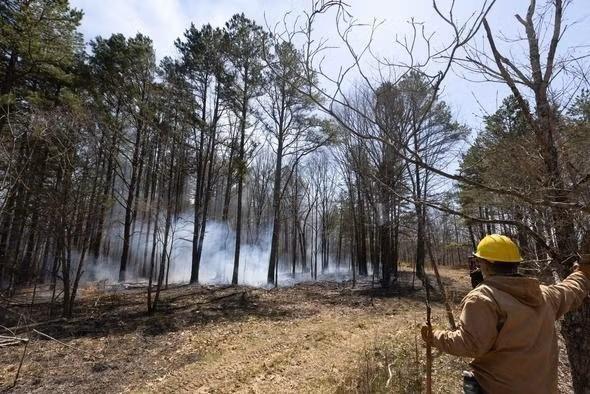
When used in controlled, supervised conditions, fire can be a beneficial land management tool. However, it’s important to stress that prescribed fire involves planning and on-site management.


People can learn more about how fire can be used as a land management tool at a prescribed fire demonstration program from 9 a.m.-2 p.m. Feb. 8 on private property in Dent County. However, to take part in this workshop, participants must first complete the online portion of this class.


People will get a link to the online portion of the workshop when they register. The online portion will take from 2-4 hours to complete. Upon completing the online portion, participants will receive a certificate, which they must bring to the Feb. 8 demonstration burn in Dent County. The online course requires a $25 fee which is paid to a third-party host.

READ MORE HERE
REGISTER HERE

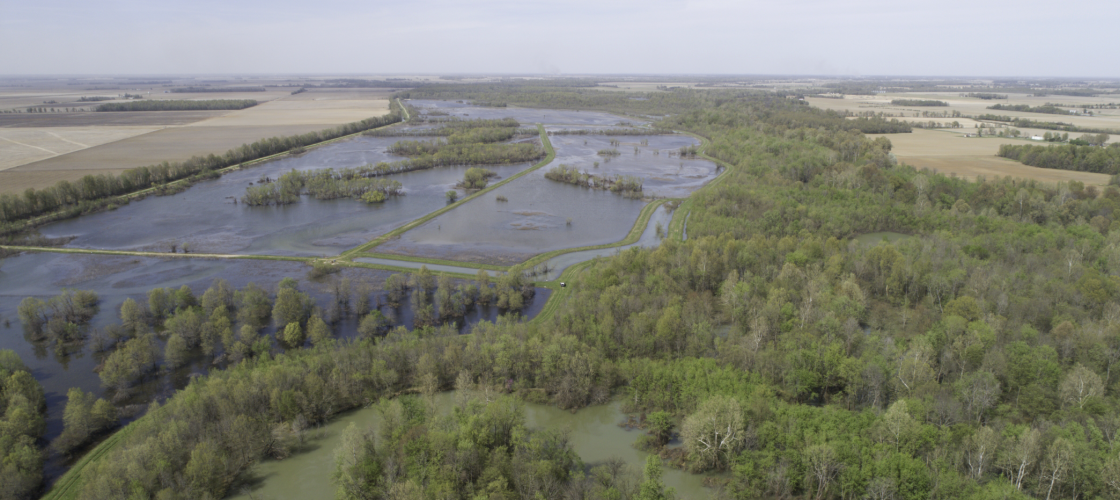
TIMBERED WETLANDS (GREEN TREE RESERVOIRS)


Bottomland forests are an important wetland habitat type for many species of wildlife. Several million acres of bottomland hardwood timber once occurred in Missouri and throughout the lower Mississippi River valley. Today only a fraction of this unique wetland habitat remains.


The management plan for a bottomland forest should protect the health of the trees; therefore, do not flood during the growing season. It is easy to damage and kill the timber in these areas.


Flooding Timbered Wetlands


When To Flood

  • If there are leaves on the trees, do not flood the timber.
  • Do not look at just the overstory. 
  • Check the understory because the seedlings, which are the forest of the future, typically hold onto their leaves a little bit longer and should be evaluated prior to fall flood up. 
READ MORE HERE

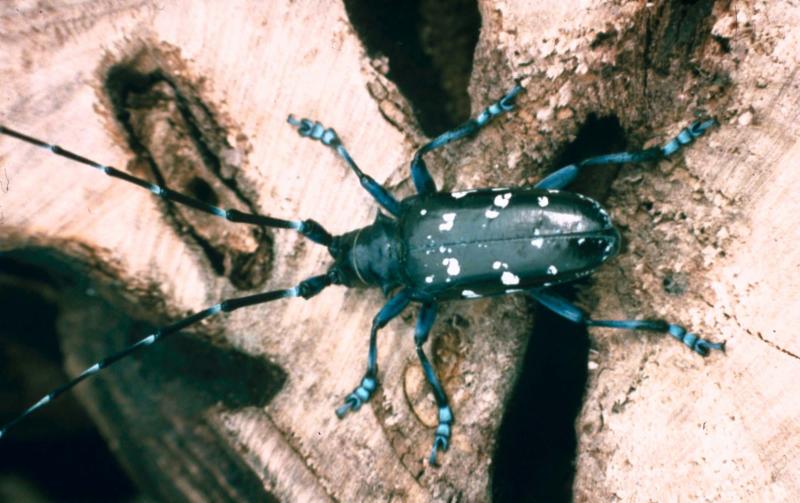
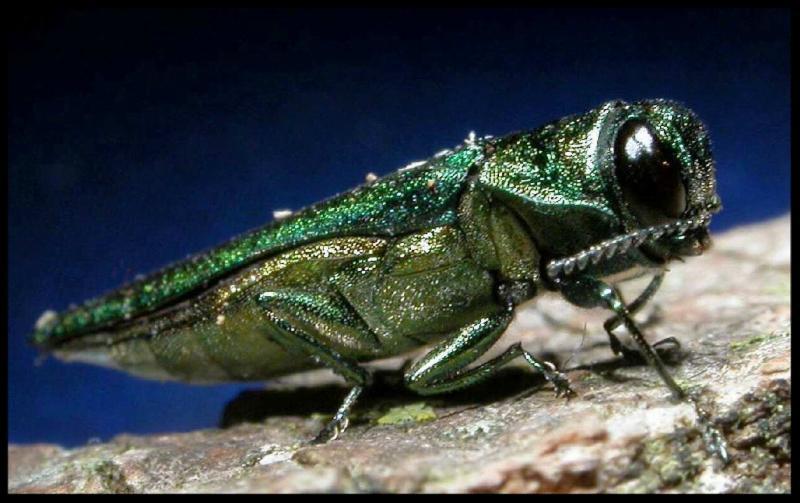
INVASIVE TREE PESTS


Watch Out for Invasive Tree Pests 

Invasive tree pests are insects and diseases that are not native to Missouri. Many of these can cause severe damage to our trees and forests. Browse this section to learn about some common invasive tree pests and how to identify them.


Help slow the spread of invasive pests through early detection. Contact the Missouri Department of Conservation if you see signs of invasive insects or diseases.

READ MORE HERE

MISSOURI TREE FARM SYSTEM


The American Tree Farm System is a program for woodland owners who are committed to sustainably managing their forested property for wood, water, wildlife and recreation. Each state program is run by a diverse group of partners, such as state agencies, non-profit organizations, volunteers, foresters and landowners.


Membership is open to private woodland owners who have 10 or more acres and are willing to develop and carry out a long-range management plan to meet their objectives. There are no fees or membership dues. The cost is determined by individual landowners, who decide how much investment they wish to make in their operations.


What is a Tree Farm?

Many individuals tend to think Tree Farms are Christmas tree plantations. They think of trees in typical short term agricultural plant and harvest scenarios. Although Tree Farms can be plantations such as Christmas tree farms, they can also be planted walnut, pecan, pine, oak or any other tree species, but they are also native forests and woodlands. The key is that they are farms or any land with trees, forests or woodlands that are actively managed for wood, wildlife, water and/or recreation.


To become a Tree Farm, a property must meet the following minimum standards:


·       At least 10 acres of trees or forest;

·       Have a written forest management plan for the property that addresses water quality, soil conservation, wildlife habitat and timber;

·       Must be protected from wildfire, insects, diseases and destructive grazing, and;

·       Have completed some management activity(s).


If you don't have a management plan or have not completed any management activity, don't worry. The American Tree Farm System (ATFS) has resources to help you. If you haven't completed management work yet, you can also sign up as a Pioneer Tree Farm to give you time to do work and become a Certified Tree Farm.


For more information about the Missouri Tree Farm System email FWAM Executive Director Laurie Wilson at fwam.trees@gmail.com.

Forest and Woodland Association of MO
PO Box 1632
Saint Peters, MO 63376
573-353-6436
Connect with us
Facebook  Twitter