JOIN FWAM TODAY

April 2025

YOUR WOODLAND WORDS...

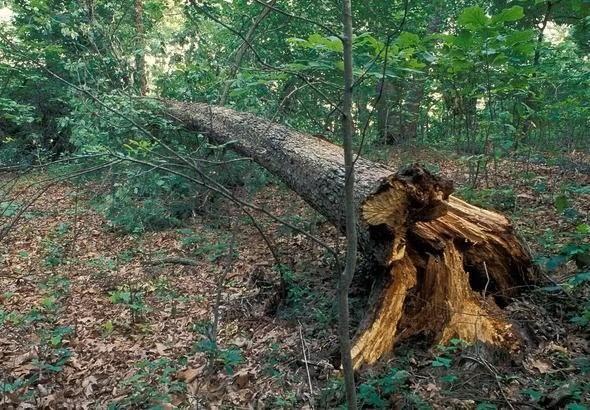
DON’T MAKE HASTY TREE-CARE DECISIONS AFTER A STORM


On March 14, parts of southern and central Missouri experienced a damaging storm event that included high winds and hail. One of the residual signs of this weather event are downed limbs and tree damage around homes and on farms. If trees on your property appear to be damaged, here are some tips to keep in mind:

  • Remove downed limbs or trees that have caused damage, have become obstructions, or pose some type of risk; but do not make hasty tree-care decisions after a storm. If there are more pressing issues to tend to, the trees can wait awhile.
  • Do not top damaged trees. Proper pruning is required to help your tree recover.
  • Do not hire anyone that knocks on your door to do tree work. They may – or may not – have the knowledge and/or skill required to do the work. They also may not have the proper insurance or business license.
READ MORE HERE

FLOWERING SPRING TREES


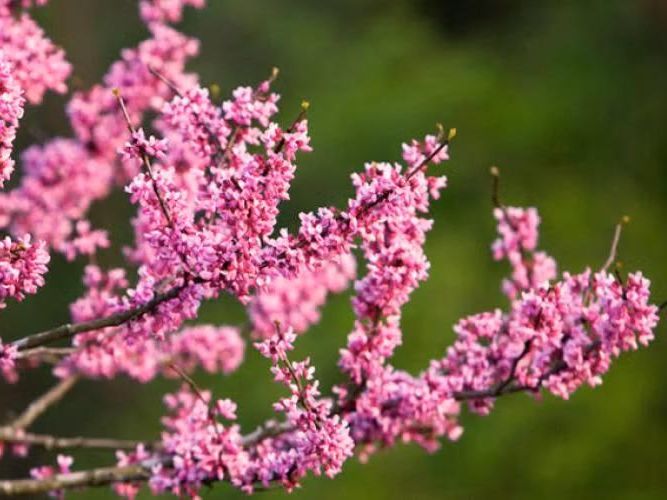
All trees produce flowers, but some of our native trees produce eye-popping masses of blooms in the spring. These are the white-flowering serviceberry, wild plum, flowering dogwood and hawthorn, the brilliant pink red bud, and the striking red buckeye.


Spring bloom starts in southern Missouri in March and travels north, and from lower to higher elevation as the average daily temperature rises. North Missouri's bloom peaks and begins to fade in May. The best time to see the state's springtime parade of showy woodland trees is during the last two weeks of April.

READ MORE HERE

NEW PUBLICATION ON NATIVE PLANTS FOR STORMWATER MANAGEMENT PROJECTS


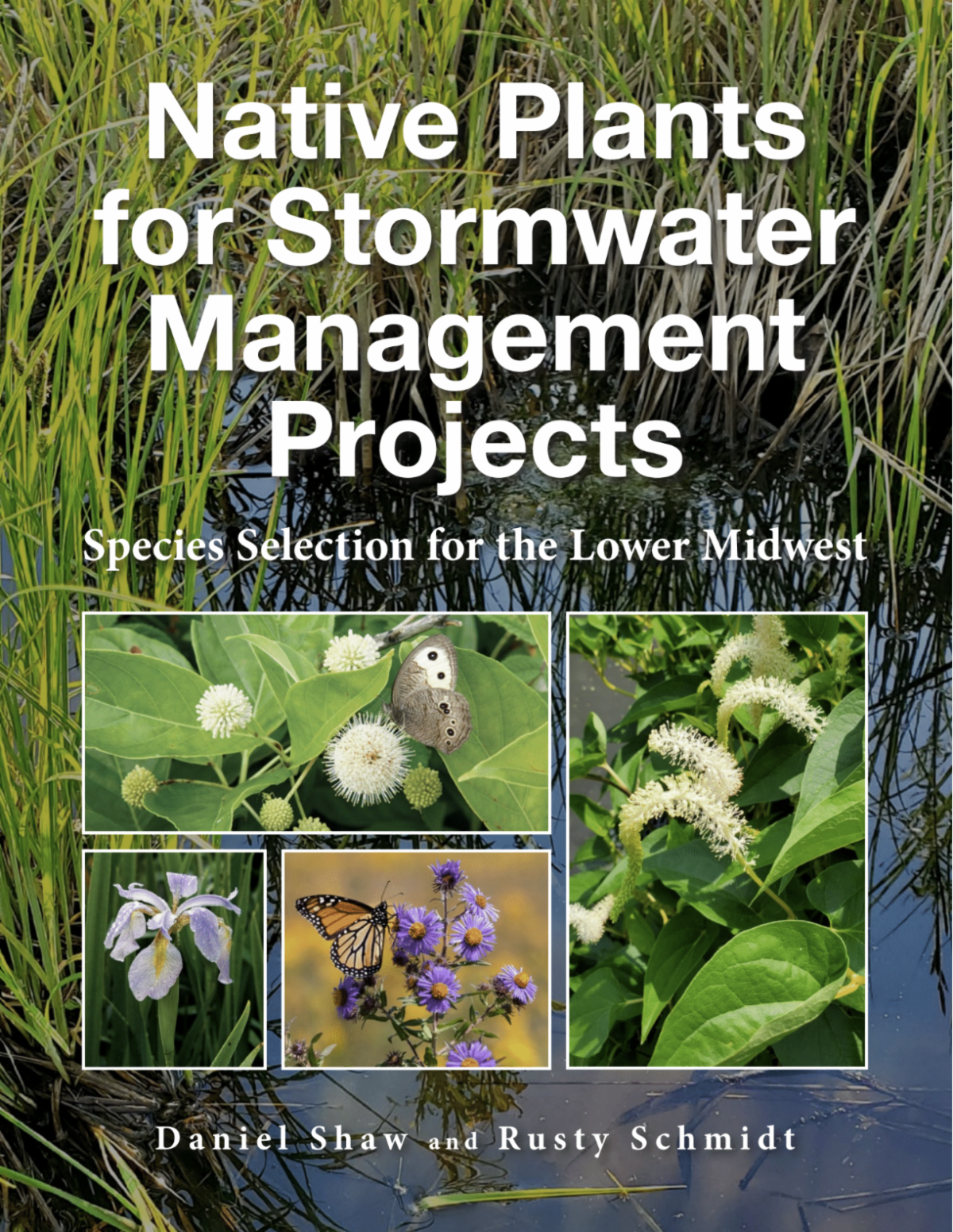
In February 2025, the Missouri Prairie Foundation's Grow Native! program launched Native Plants for Stormwater Management: Species Selection for the Lower Midwest by Daniel Shaw and Rusty Schmidt, developed to guide project planners and designers through the process of selecting plant species for a variety of stormwater practices. This free eBook provides profiles of 160 native species, including many native trees effective at managing stormwater.

VIEW EBOOK HERE

WILDFIRE PREVENTION


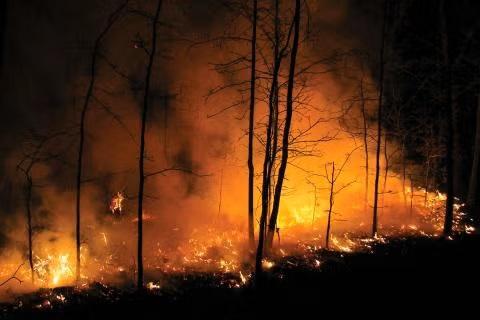
Each year MDC works with fire departments to help put out thousands of wildfires that can consume tens of thousands of acres. Help prevent wildfires by observing the following tips.


Outdoor Burning

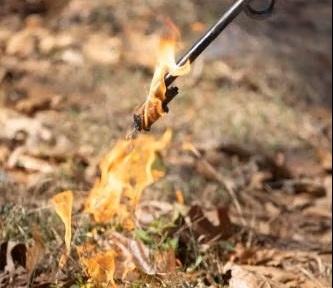
Prescribed fire can be a beneficial land management tool when done properly. Fires can easily become out of control if necessary precautions are not taken. In fact, the main cause of wildfire in Missouri is improper burning of debris, such as trash and brush piles. Remember, a person who starts a fire for any reason is responsible for any damage it may cause.

READ MORE HERE

CELEBRATE NATIVE TREES THROUGH ARBOR DAYS IN APRIL


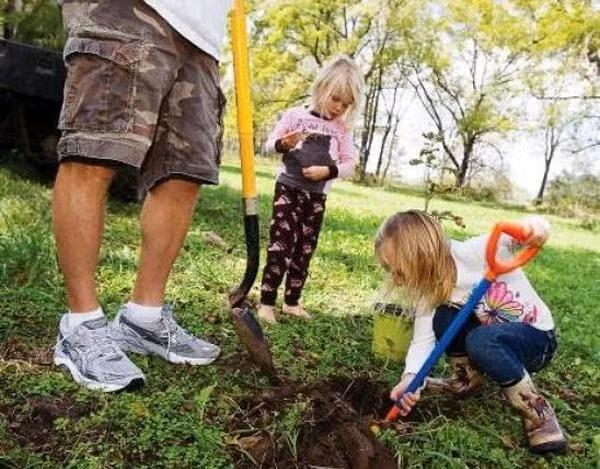
The Missouri Department of Conservation (MDC) invites people to celebrate the value of Missouri trees and forests during Arbor Days in April by planting native trees and practicing proper tree care.


Missouri Arbor Day for 2025 is Friday, April 4. Missouri has been observing the state's official Arbor Day on the first Friday in April since 1886 when the General Assembly declared that day be set aside for the appreciation and planting of trees. National Arbor Day is recognized on the last Friday of April, which is April 25.


Get information on backyard tree care – including types of trees for urban and other landscapes, selecting the right tree for the right place, planting tips, watering and pruning info, and more

READ MORE HERE

REGISTER MARCH 17 – APRIL 17 FOR 2025 CALLERY PEAR TREE BUYBACK


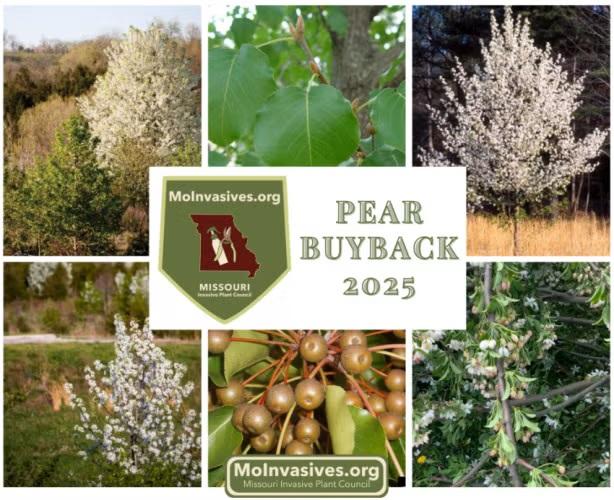
The Missouri Department of Conservation (MDC) is again partnering with the Missouri Invasive Plant Council (MoIP), Forest ReLeaf of Missouri, and Forrest Keeling Nursery to host a Callery Pear Tree Buyback event in communities around the state on April 22 from 3 – 6 p.m.


Also known as Bradford pear trees, Callery pear trees’ white flowers in spring give a visual attractiveness to these non-native, invasive trees. However, the trees pose problems for landowners and wildlife. Their top-heavy canopy and brittle branch structure leads to a tree that often breaks in storms. Their flowers may be appealing to the eye, but they have a foul smell, and many varieties of this tree have thorns.

READ MORE HERE

INVASIVE PLANT SUCCESS STORY: REPLACING TALL RESCUE WITH NATIVE WILDFLOWERS ON A TREE FARM


With the ongoing challenge of controlling invasive plants in native habitats, along roadsides, on working lands, yards, around businesses, schools, and in parks, we can all use some good news!


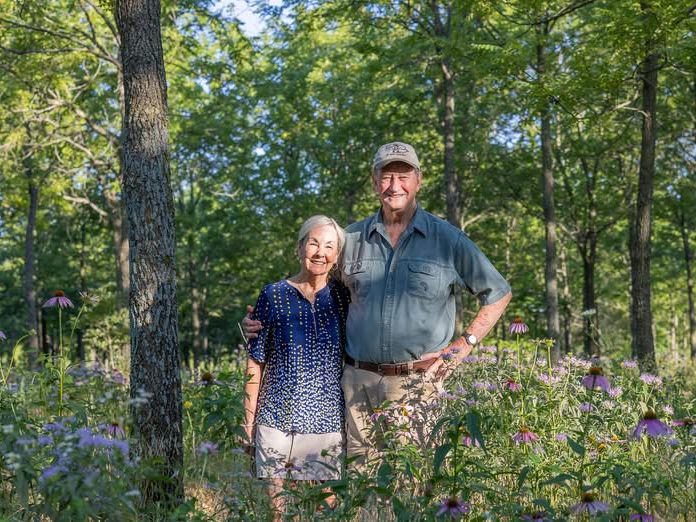
We hope that in reading these stories, you will have an added spring in your step as you carry your lopers, backpack sprayer, or other control tools to your work site. Many thanks to tree farmer Jim Ball for contributing the success story below.


While non-native, cool-season tall fescue (Festuca arundinacea) is an important forage grass in Missouri, its invasive qualities cause it to spread into native habitats where it can degrade native biodiversity. One reason tall fescue is successful at spreading is because it is allelopathic, meaning it produces compounds that can adversely affect the growth or germination of surrounding plants.

READ MORE HERE

25 YEARS OF KEEPING NATURE NEAR® WITH GROW NATIVE!

In 2025, the Missouri Prairie Foundation’s Grow Native! program is 25 years old. For a quarter century, this native plant education and marketing program has been a significant catalyst for the growth of the native landscaping movement in the lower Midwest and beyond, including the promotion of native trees.

READ MORE HERE

MDC OFFERING PRESCRIBED BURN WORKSHOP AT BUSCH CONSERVATION AREA ON APRIL 24


Prescribed burns help landowners achieve management goals and benefit native plants and wildlife at the same time.


The Missouri Department of Conservation (MDC) is offering a Prescribed Burn Workshop for landowners Thursday, April 24 from 6 – 9 p.m. at MDC’s St. Louis Regional Office, located on the August A. Busch Memorial Conservation Area. This workshop is part of MDC’s commitment to work with landowners interested in learning how to properly and safely utilize prescribed fire to manage grasslands, prairies, woodlands, glades and other natural communities on their land.

READ MORE HERE

Please consider donating to the Forest and Woodland Association of Missouri to help us further our mission to promote healthy, productive and sustainable forests and trees.

SAVE THE DATE - WOODLAND OWNERS CONFERENCE


Mark your calendar! The annual Woodland Owners Conference will be held on Friday, October 3 - Saturday, October 4 in Mountain Grove, MO.


Our Tree Farm committee meeting will be held the morning of Friday, October 3. Early afternoon we are hopeful of offering a couple of tour opportunities to attendees followed with a few educational presentations. That evening we will have our annual awards ceremony and dinner where we will recognize Max Schmollinger as Tree Farmer of the Year.


Saturday, October 4 we will host a tour of the Schmollinger property.


We have secured a room block at Comfort Inn & Suites in Mountain Grove for Friday, October 3 under Woodland Owners Conference. The room rate is $120 plus taxes. Reservations can be made online HERE or contact the hotel at (417) 477-7829.


More details will be available in the May newsletter and are subject to change.

MISSOURI TREE FARM SYSTEM


The American Tree Farm System is a program for woodland owners who are committed to sustainably managing their forested property for wood, water, wildlife and recreation. Each state program is run by a diverse group of partners, such as state agencies, non-profit organizations, volunteers, foresters and landowners.


Membership is open to private woodland owners who have 10 or more acres and are willing to develop and carry out a long-range management plan to meet their objectives. There are no fees or membership dues. The cost is determined by individual landowners, who decide how much investment they wish to make in their operations.


What is a Tree Farm?

Many individuals tend to think Tree Farms are Christmas tree plantations. They think of trees in typical short term agricultural plant and harvest scenarios. Although Tree Farms can be plantations such as Christmas tree farms, they can also be planted walnut, pecan, pine, oak or any other tree species, but they are also native forests and woodlands. The key is that they are farms or any land with trees, forests or woodlands that are actively managed for wood, wildlife, water and/or recreation.


To become a Tree Farm, a property must meet the following minimum standards:


·       At least 10 acres of trees or forest;

·       Have a written forest management plan for the property that addresses water quality, soil conservation, wildlife habitat and timber;

·       Must be protected from wildfire, insects, diseases and destructive grazing, and;

·       Have completed some management activity(s).


If you don't have a management plan or have not completed any management activity, don't worry. The American Tree Farm System (ATFS) has resources to help you. If you haven't completed management work yet, you can also sign up as a Pioneer Tree Farm to give you time to do work and become a Certified Tree Farm.


For more information about the Missouri Tree Farm System email FWAM Executive Director Laurie Wilson at fwam.trees@gmail.com.

Forest and Woodland Association of MO
PO Box 1632
Saint Peters, MO 63376
573-353-6436
Connect with us
Facebook  Twitter