JOIN FWAM TODAY

January 2025

YOUR WOODLAND WORDS...

MANAGING INVASIVE SPECIES IN YOUR COMMUNITY


Easy Things Communities Can Do to Prevent the Spread of Invasive Species

Invasive species are nonnative plants and animals that spread rapidly and can cause harm to the environment, economy, and/or human health.


Adopt a Weed Ordinance

Communities may craft an ordinance that addresses the nuisance and public health concern of landscapes that contain invasive, nonnative species or are unmaintained, allowing invasive species to become abundant. These ordinances can also encourage the use of native plants in place of nonnative species.


Case study: Chesterfield, MO

Chesterfield allows native plantings as long as they are free of turf weeds and grasses, nuisance plants, invasive plants, and noxious weeds. The ordinance refers to plant lists from the U.S. Department of Agriculture for noxious weeds and the Missouri Department of Conservation for invasive and native plants. Native plantings must be set 4 feet from property boundaries and must not block the sight of drivers or cause other harm to the health and safety of the public.


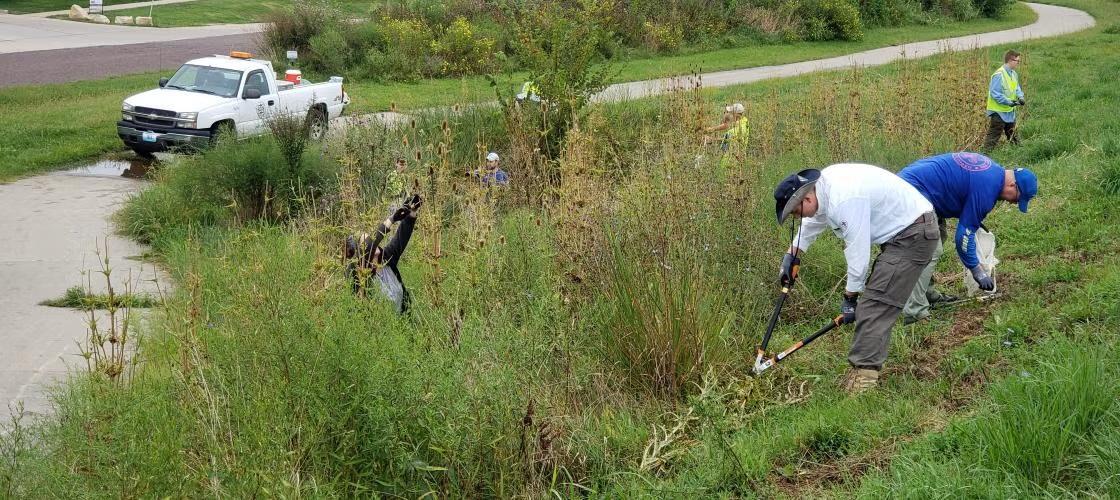
Sponsor Invasive Plant Removal Events

Hold volunteer events for invasive plant removal at schools, parks, and other community areas.

READ MORE HERE

MDC OFFERS JANUARY PROGRAMS TO LEARN ABOUT PRESCRIBED FIRE


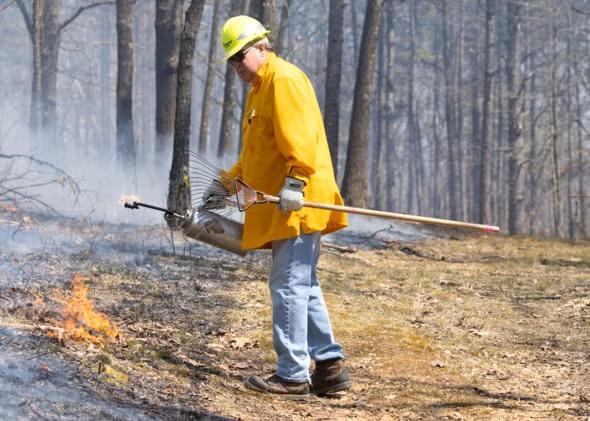
When used in controlled, supervised conditions, fire can be a beneficial land management tool. However, it’s important to stress that prescribed fire involves planning and on-site management.


People wanting to learn how to use fire as a land management tool will have chances in January at MDC prescribed fire workshops in Taney and Greene counties. Both workshops have online and hands-on components. The Taney County hands-on demonstration burn will be January 18, and the Greene County demonstration burn will be January 25. However, to take part in either of these field events, workshop participants must first complete the online portion of the classes.


People will get a link to the online portion of the workshop when they register. The online portion will take from 2-4 hours to complete. Upon completing the online portion, participants will receive a certificate which they must bring to whichever demonstration burn (Taney County or Greene County) they registered for. The online course requires a $25 fee which is paid to a third-party host.

READ MORE HERE

MDC OFFERS PRESCRIBED FIRE WORKSHOP IN PHELPS COUNTY


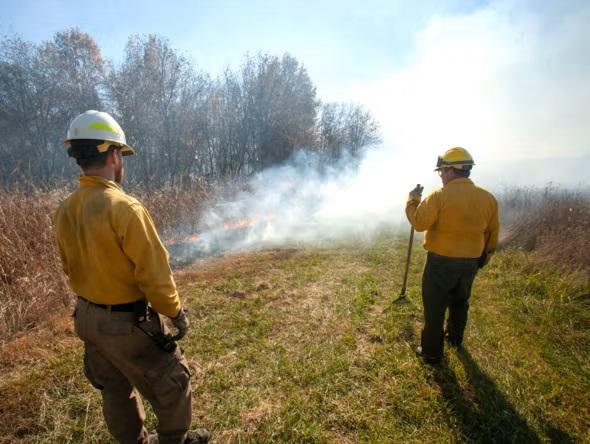
When used in controlled, supervised conditions, fire can be a beneficial land management tool. However, it’s important to stress that prescribed fire involves planning and on-site management.


People can learn more about how fire can be used as a land management tool at a prescribed fire demonstration program from 9 a.m.-1 p.m. Jan. 18 on private property in Phelps County. However, to take part in this workshop, participants must first complete the online portion of this class.


People will get a link to the online portion of the workshop when they register. The online portion will take from 2-4 hours to complete. Upon completing the online portion, participants will receive a certificate, which they must bring to the Jan. 18 demonstration burn in Phelps County). The online course requires a $25 fee which is paid to a third-party host.

READ MORE HERE

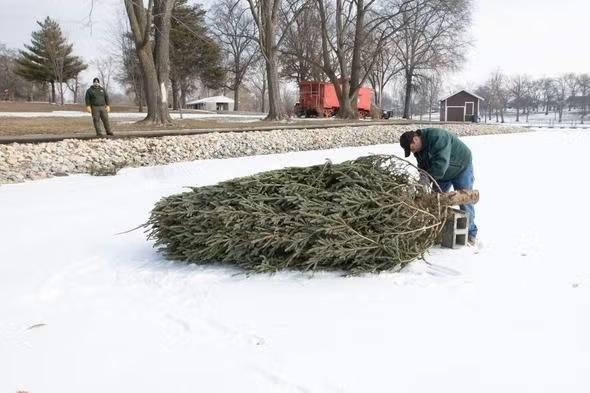
MDC FORESTER SUGGESTS WAYS TO “REGIFT” LIVE CHRISTMAS TREES TO NATURE


A live Christmas tree brings many gifts for the season. From the spicy-sweet aroma, the elegance of their stature, to the charming decorations that adorn them. But after the holidays, you can carry on the benefits of live Christmas trees in many conservation-friendly ways by regifting them back to nature, according to Missouri Department of Conservation Department (MDC) foresters. 


Since they come from nature in the first place, one of the advantages of live Christmas trees is that they can be recycled to benefit the environment, wildlife, and even people. There are plenty of after-holiday uses to consider.


“Most live trees can be chipped and turned into mulch, which you can use to return organic matter to the soil,” said MDC Community Forester Mark Grueber. “As the mulch breaks down, it helps keep soil moist and cool during the summer and warmer during the winter.”


Many municipalities will offer mulching services where residents can drop off their trees and return later to collect the mulch. Or, if homeowners have no use for it, the mulch might find a place in public works projects to benefit the community.

READ MORE HERE

DONATE LIVE CHRISTMAS TREES TO MDC AFTER THE HOLIDAY SEASON


The Missouri Department of Conservation (MDC) invites Missourians to drop off their live Christmas trees to be used for habitat improvement around central Missouri. MDC will accept trees at the following locations from Jan. 1, 2025, through Jan. 31, 2025:


·       MDC’s Central Regional Office at 3500 E. Gans Road in Columbia

·       Washington Park near Vivion Field in Jefferson City

·       Proctor Park in California


To donate your tree (real trees only), please remove all decorations and bring the tree to the drop-off site of your choosing. Signage at this location will direct donors to the proper drop-off spot.

READ MORE HERE

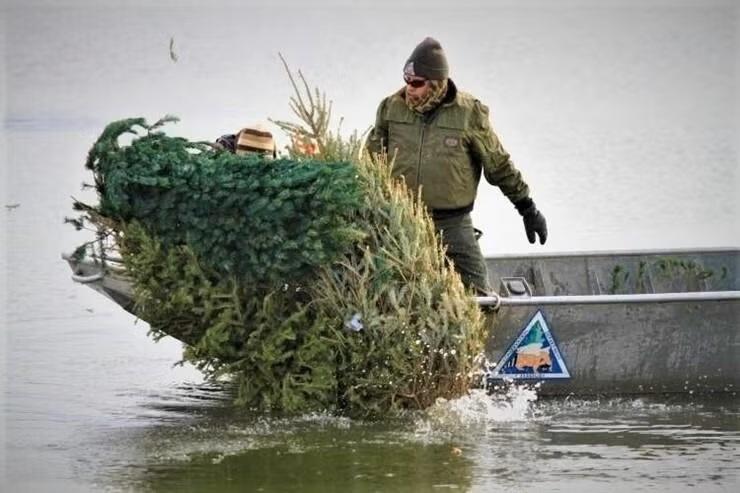
MDC SAYS RECYCLED LIVE CHRISTMAS TREES CAN IMPROVE FISH, WILDLIFE HABITATS


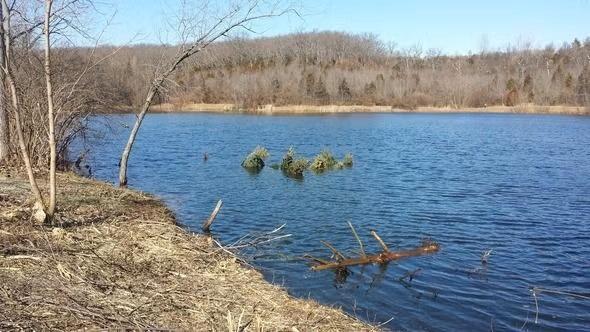
As the holiday season closes, the Missouri Department of Conservation (MDC) is asking you to donate your live Christmas tree to fish and wildlife in your area as a natural, year-round shelter.


Salvador Mondragon, MDC Fisheries Biologist, said live Christmas trees can easily be used to improve habitat in ponds, lakes, or even a backyard.


“Natural habitat is always preferred over artificial structures, and that makes Christmas trees a great option, especially when larger trees aren’t available,” he said. “But keep in mind Christmas trees won’t last long in a pond and will usually require adding on a yearly basis.”


Mondragon said clusters of 15 to 20 trees provide better fish habitat than one or two trees.

READ MORE HERE

MISSOURI TREE FARM SYSTEM


The American Tree Farm System is a program for woodland owners who are committed to sustainably managing their forested property for wood, water, wildlife and recreation. Each state program is run by a diverse group of partners, such as state agencies, non-profit organizations, volunteers, foresters and landowners.


Membership is open to private woodland owners who have 10 or more acres and are willing to develop and carry out a long-range management plan to meet their objectives. There are no fees or membership dues. The cost is determined by individual landowners, who decide how much investment they wish to make in their operations.


What is a Tree Farm?

Many individuals tend to think Tree Farms are Christmas tree plantations. They think of trees in typical short term agricultural plant and harvest scenarios. Although Tree Farms can be plantations such as Christmas tree farms, they can also be planted walnut, pecan, pine, oak or any other tree species, but they are also native forests and woodlands. The key is that they are farms or any land with trees, forests or woodlands that are actively managed for wood, wildlife, water and/or recreation.


To become a Tree Farm, a property must meet the following minimum standards:


·       At least 10 acres of trees or forest;

·       Have a written forest management plan for the property that addresses water quality, soil conservation, wildlife habitat and timber;

·       Must be protected from wildfire, insects, diseases and destructive grazing, and;

·       Have completed some management activity(s).


If you don't have a management plan or have not completed any management activity, don't worry. The American Tree Farm System (ATFS) has resources to help you. If you haven't completed management work yet, you can also sign up as a Pioneer Tree Farm to give you time to do work and become a Certified Tree Farm.


For more information about the Missouri Tree Farm System email FWAM Executive Director Laurie Wilson at fwam.trees@gmail.com.

Forest and Woodland Association of MO
PO Box 1632
Saint Peters, MO 63376
573-353-6436
Connect with us
Facebook  Twitter