JOIN FWAM TODAY

March 2025

YOUR WOODLAND WORDS...

TIMBER MANAGEMENT ASSISTANCE


Advisory Service

Advisory Service is available to all landowners, including urban residents. This service includes group training sessions, publications, film and video loan, office consultation, insect and disease identification and analysis, referrals to consultants, on-site visits under certain conditions and help with evaluating and choosing land management options.


We encourage owners to accompany the forester during an on-site visit to the property. The landowner must provide a legal description of the land or the street address with the request for assistance.


Management Service

Management Service is available to landowners interested in the long-term management of their forest. Those who receive management services agree to develop and carry out a management program for the immediate and long-term stewardship of their property.

READ MORE HERE

CARE OF NEWLY PLANTED TREES


Water Routinely

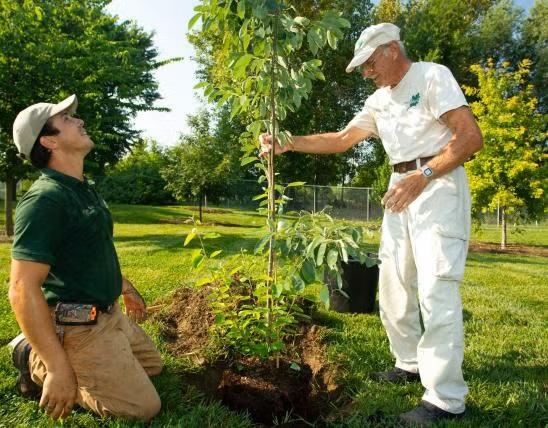
Water is the single most important need of newly planted trees. Root development or regeneration cannot occur without adequate moisture. Be sure new trees are watered routinely for the first two years after planting. Apply enough water to keep the soil around the roots moist but not wet. Examine soil once a week during dry periods. Gravelly or sandy soils may need more frequent watering; silt or clay soils may require less.


Mulch Every Two Years

Mulch conserves moisture, retards grass and weeds that compete with tree roots, stabilizes soil temperature, adds organic matter to improve soil and protects tree trunks from mowers and weed whips. Replace mulch every two years or so to maintain a 3-inch thick layer. Mulch rings may be widened as the tree grows.

READ MORE HERE

FOREST CARE


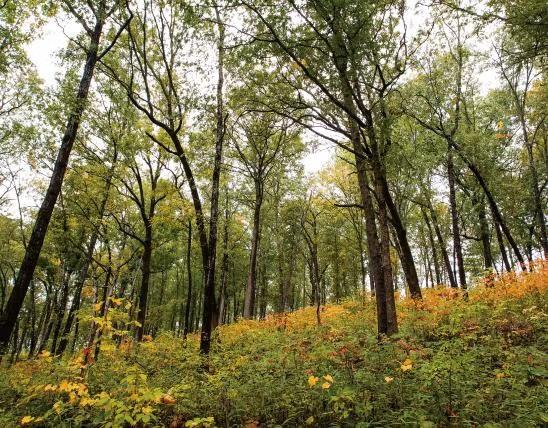
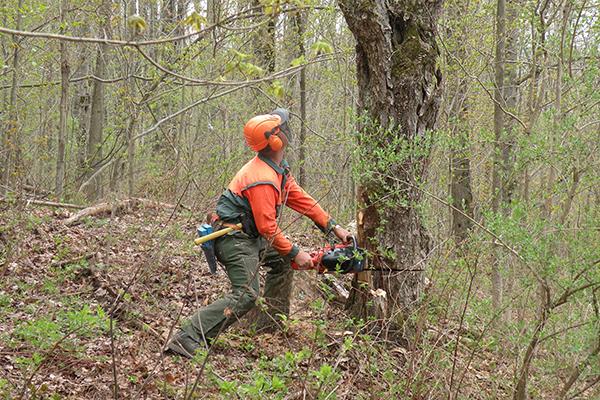
Responsible forest management is the key to a healthy forest. As part of an effective management program, sometimes cuts are needed to help regenerate parts of the forest. Also, consideration for wildlife and aesthetic value are key when deciding when and what cuts need to be made. Careful cutting of trees is a large part of effective forest management and creates a greater diversity of plant and animal life in our forests.


Some wood products are now being labeled "green." This means that those wood products come from a forest that is sustainably managed. In other words, those products come from a forest that is aggressively promoting new growth and forest regeneration, while at the same time offering mature trees to be used for quality wood products.

READ MORE HERE

MDC 2025 LOGGER OF THE YEAR AWARD


The Missouri Department of Conservation is seeking nominations for the Missouri Department of Conservation State Logger Award. This award recognizes loggers who are doing an outstanding job working with landowners and foresters.


Two Award Levels - Regional and State


• Regional Logger Award - is chosen from each MDC region (one award issued per region) and the loggers must be nominated by a professional forester. Landowners should work with their local forester to submit a nomination.

• State Logger Award - is chosen from the winners of the Regional Logger Award based on the narratives and a review of the candidates’ work areas.

READ MORE HERE

SAVE THE DATE - WOODLAND OWNERS CONFERENCE


Mark your calendar! The annual Woodland Owners Conference will be held on Friday, October 3 - Saturday, October 4 in Mountain Grove, MO.


More details will be sent out this Spring!

MISSOURI TREE FARM SYSTEM


The American Tree Farm System is a program for woodland owners who are committed to sustainably managing their forested property for wood, water, wildlife and recreation. Each state program is run by a diverse group of partners, such as state agencies, non-profit organizations, volunteers, foresters and landowners.


Membership is open to private woodland owners who have 10 or more acres and are willing to develop and carry out a long-range management plan to meet their objectives. There are no fees or membership dues. The cost is determined by individual landowners, who decide how much investment they wish to make in their operations.


What is a Tree Farm?

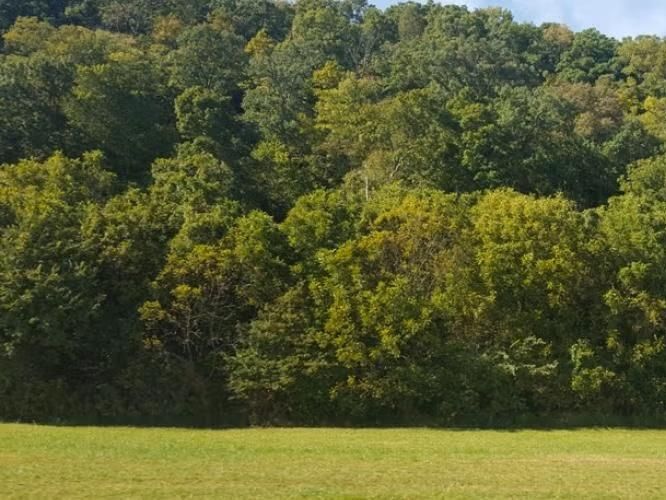
Many individuals tend to think Tree Farms are Christmas tree plantations. They think of trees in typical short term agricultural plant and harvest scenarios. Although Tree Farms can be plantations such as Christmas tree farms, they can also be planted walnut, pecan, pine, oak or any other tree species, but they are also native forests and woodlands. The key is that they are farms or any land with trees, forests or woodlands that are actively managed for wood, wildlife, water and/or recreation.


To become a Tree Farm, a property must meet the following minimum standards:


·       At least 10 acres of trees or forest;

·       Have a written forest management plan for the property that addresses water quality, soil conservation, wildlife habitat and timber;

·       Must be protected from wildfire, insects, diseases and destructive grazing, and;

·       Have completed some management activity(s).


If you don't have a management plan or have not completed any management activity, don't worry. The American Tree Farm System (ATFS) has resources to help you. If you haven't completed management work yet, you can also sign up as a Pioneer Tree Farm to give you time to do work and become a Certified Tree Farm.


For more information about the Missouri Tree Farm System email FWAM Executive Director Laurie Wilson at fwam.trees@gmail.com.

Forest and Woodland Association of MO
PO Box 1632
Saint Peters, MO 63376
573-353-6436
Connect with us
Facebook  Twitter