|
March 2026
YOUR WOODLAND WORDS...
| | |
MDC TO HOLD PRESCRIBED BURN WORKSHOP AND DEMO BURN MARCH 7 IN GREEN RIDGE
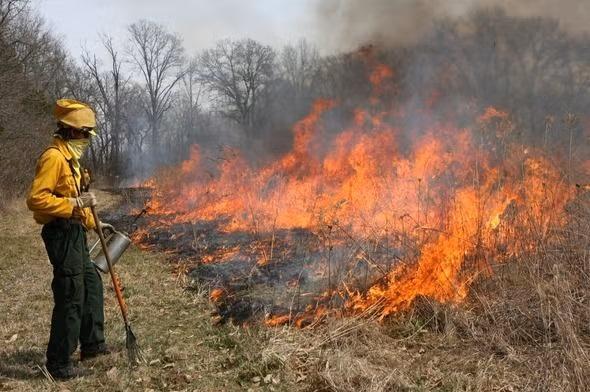
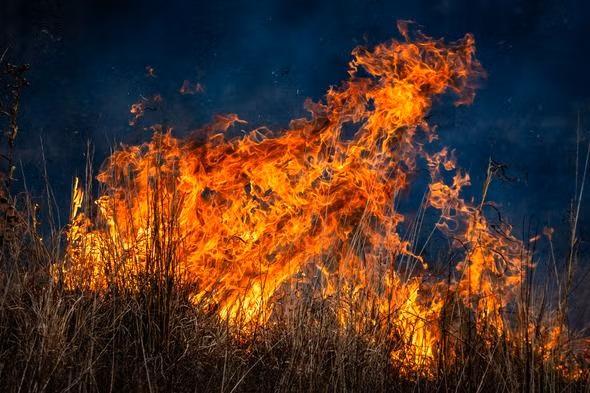
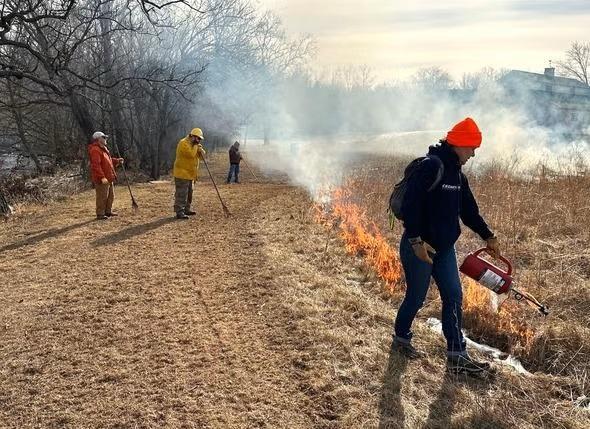
Prescribed fire is a valuable tool that can help landowners achieve their land management goals while encouraging native plant diversity and controlling undesirable vegetation. It can be dangerous and ineffective, however, if not used properly.
MDC is conducting a prescribed burn workshop for anyone interested in learning how to properly use prescribed fire on their property. The workshop will take place Saturday, March 7 from 9 a.m. to 3 p.m. at J.N. Turkey Kearn Memorial Wildlife Area in Green Ridge.
Prior to the workshop, participants must complete an online prerequisite course. This can be taken at the participant’s convenience before attending the in-person demonstration burn. The online portion costs $25 to complete. Attendees will need to bring their certificate of completion to the in-person demonstration burn.
The workshop is free, but advanced online registration is required.
| |
REGISTRATION OPEN FOR MDC PRESCRIBED BURN FIELD DAY MARCH 10 IN DADE COUNTY
When used in controlled, supervised conditions, fire can be a beneficial land management tool. However, it’s important that prescribed fire involves planning and on-site management.
Learn more about how fire can be used as a land management tool at a Missouri Department of Conservation (MDC) prescribed fire demonstration program from 5-7 p.m. on Tuesday, March 10 at Sloan Conservation Area, 255 West US Highway 160 in Greenfield. To take part in this workshop, participants must first complete the online portion of this class.
Attendees will get a link to the online portion of the workshop when they register. The online portion will take from 2-4 hours to complete. Upon completing the online portion, participants will receive a certificate, which they must bring to the March 10 demonstration burn in Dade County. The online course requires a $25 fee which is paid to a third-party host.
| |
SAVE THE DATE: APRIL 21 – MoIP CALLERY PEAR BUYBACK EVENT
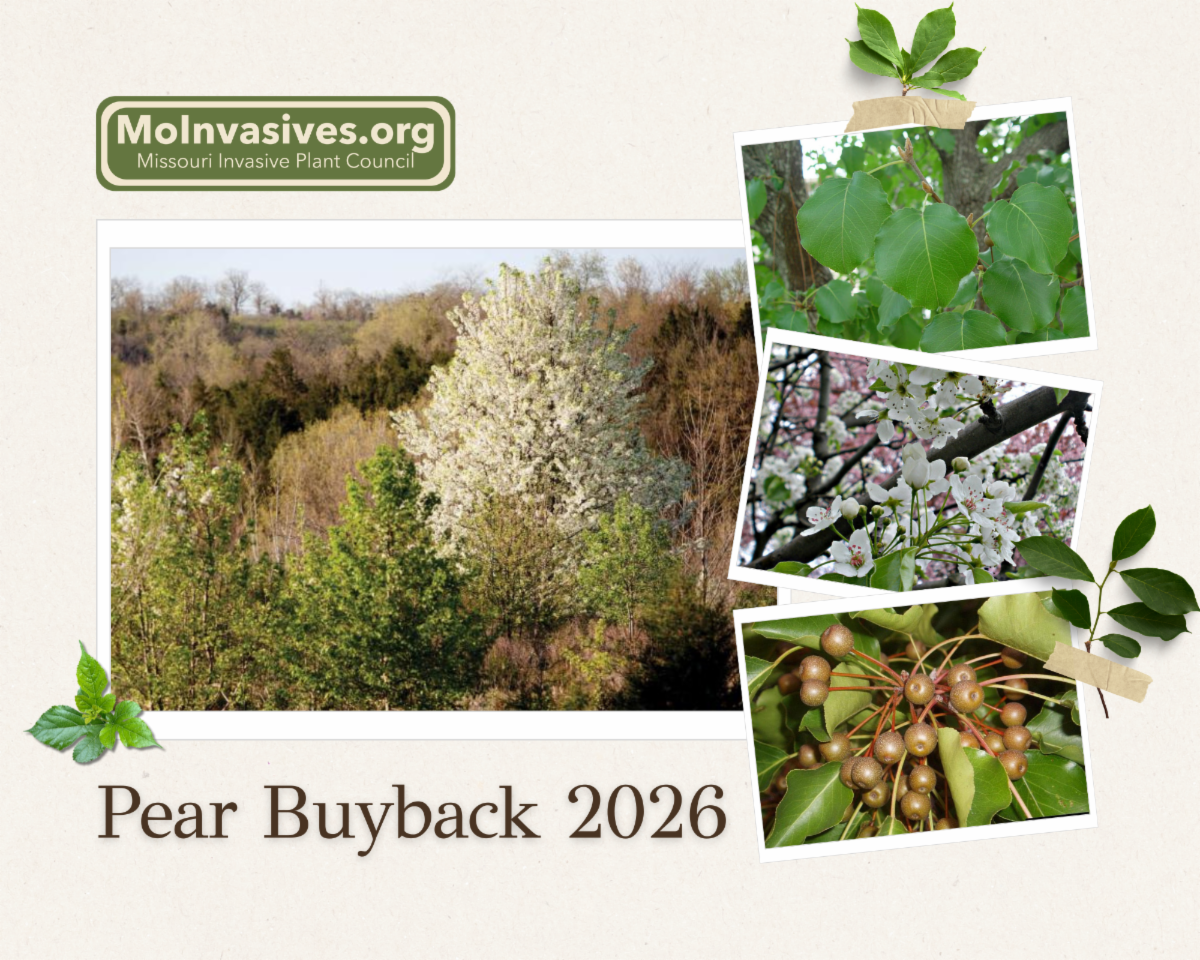
The Missouri Invasive Plant Council (MoIP) has set the date for its 2026 Callery Pear Buyback event as April 21, 2026, from 3:00 to 6:00 p.m. Registration will be open March 16 through April 16, 2026.
During the registration period, Missouri residents can take a photo of their cut-down callery pear tree(s) and sign up to receive a free native replacement tree.
The 2026 MoIP Callery Pear Buyback event will be held in 23 locations: Cape Girardeau, Columbia, Doniphan, Hannibal, Jefferson City, Joplin, Kansas City, Kirksville, Lebanon, Liberty, Moberly, Park Hills, Parkville, Pineville, Riverside, Rolla, Sikeston, Springfield, St. Charles, St. Joseph, St. Louis, Warrensburg, and West Plains.
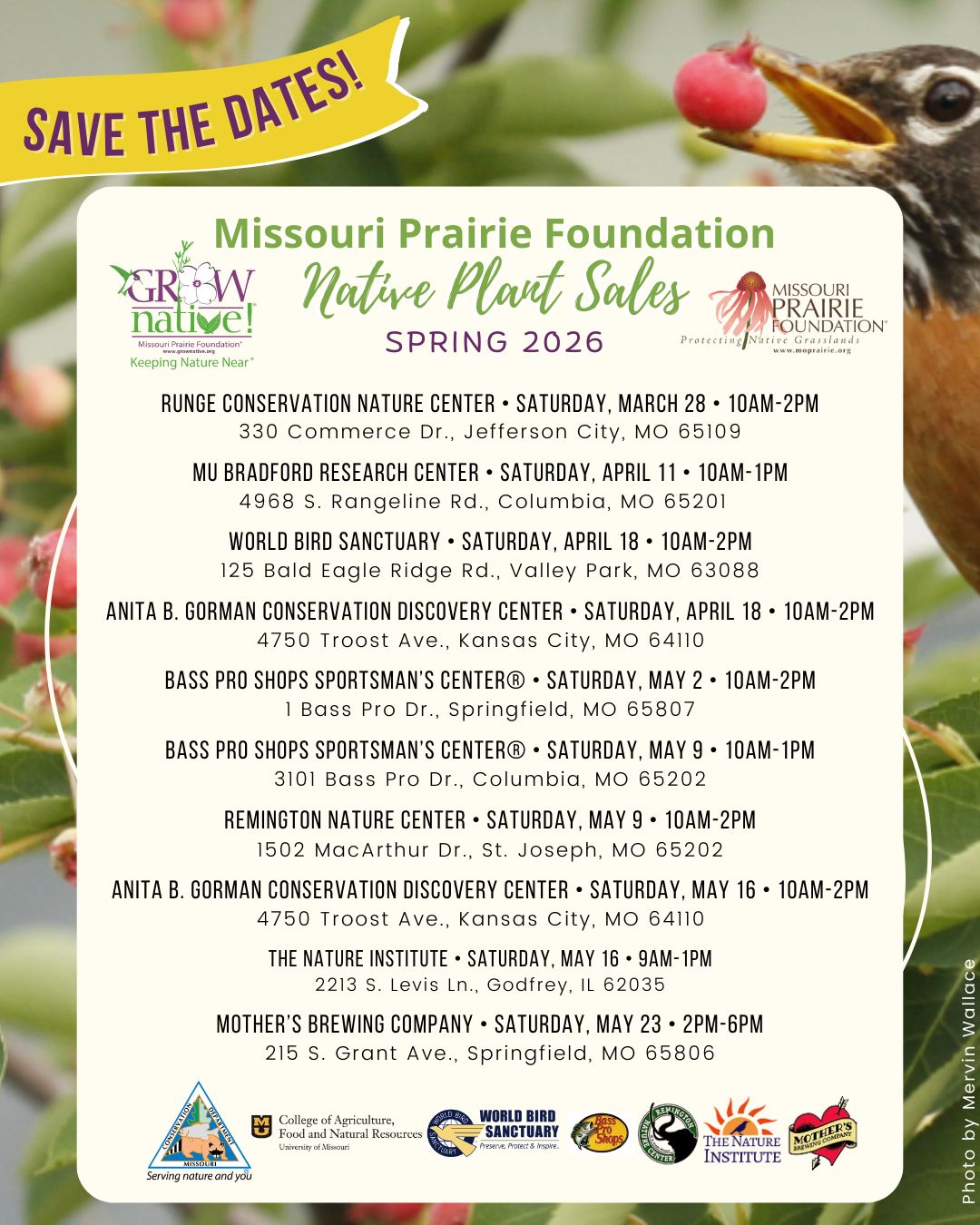
MoIP thanks Forest ReLeaf of Missouri, Forrest Keeling Nursery, Missouri Community Forestry Council, Magnificent Missouri, the Missouri Department of Conservation, and the Missouri Prairie Foundation for financial support for this invasive plant awareness and action event.
| |
FOREST HEALTH ALERT – OAK WILT
Tree species affected: Oaks, especially the red oak group
Concerns: Leaf discoloration and wilt, tree defoliation and death
Description: Oak Wilt is a lethal disease of oaks, especially species in the red oak group. The fungus responsible, Bretziella fagacearum, invades the tree, causing it to die. In Missouri, the oak wilt fungus is spread primarily when sap-feeding beetles carry oak wilt spores to fresh wounds during the early part of the growing season. Once established in a tree, oak wilt can move though root grafts connecting nearby oaks.
Symptoms and Signs: The first symptom of oak wilt in red oaks is usually browning and wilting of leaves in the upper crown in early summer. White oaks often exhibit scattered branches with wilting leaves in the crown. Wilted leaves display olive drab or light tan to bronze tissue starting at the margins and progressing toward the leaf base. Brown or black streaking may be seen under the bark of wilted branches in both groups. Rapid defoliation of red oaks can occur within two to six weeks of initial infection, and death occurs within a year. White oaks may take years to die from the infection. Under ideal conditions, oak wilt fungal mats form under the bark of dead red oaks the spring following tree death, causing cracks in the bark and emitting a sweet, fermenting odor, attracting sap-feeding insects that spread the fungus.
| | |
MDC TO HOLD PRESCRIBED BURN WORKSHOP AND DEMO MARCH 14 IN TINA
Prescribed fire is a valuable tool that can help landowners achieve their land management goals while encouraging native plant diversity and controlling undesirable vegetation. It can be dangerous and ineffective, however, if not used properly.
The Missouri Department of Conservation (MDC) is conducting a prescribed burn workshop for anyone interested in learning how to properly use prescribed fire on their property. The workshop will take place Saturday, March 14 from 9:30 a.m. to 2 p.m. at Tina-Avalon School in Tina.
Prior to the workshop, participants must complete an online prerequisite course. This can be taken at the participant’s convenience before attending the in-person demonstration burn. The online portion costs $25 to complete. Attendees will need to bring their certificate of completion to the in-person demonstration burn.
The workshop is free, but advanced online registration is required.
This workshop will discuss how to plan and execute a prescribed burn for habitat management. Participants will learn about burn equipment, burn line installation, safe weather parameters, ignition operations, and other techniques to safely conduct a prescribed burn.
| |
MISSOURI CHAPTER WALNUT COUNCIL FORESTRY FIELD DAY
Friday, March 20 – 12:00 - 3:00
Independent Stave Company
49 Stave Mill Road, New Florence
Topics: Mill Operation, Stave Quality, U.S. vs. Export Staves, Kiln Operation, Other Uses for Leftover Products, and Discussions with a Log Buyer on the log yard.
Friday, March 20 – 5:00 - 8:45
Scenic Regional Library
123 Bavarian Hills Blvd., Hermann
Saturday, March 21 – 9:00 - 12:30
Harlan Palm Family Tree Farm
Callaway County, MO
Topics: Property History, Woodland Practices Applied, Discussion on Needed Practices, Demonstration of Stihl Power Pole Saw
The event includes two tours, the chapter business meeting and officer elections, social, dinner, and two evening speakers talking about opportunities and challenges in growing and managing white oak. This is a great opportunity to learn about woodland management from landowners, foresters, and forest industry representatives.
The Friday evening activities will take place at the Scenic Regional Library in Herman, a short drive south of New Florence on State Route 19. The Palm Tree Farm is in north central Callaway County north of I-70. Join us for lunch Saturday at the Banded Rooster in Kingdom City.
You need not be a member of Walnut Council to attend, although there is a $10 fee for non-members. Membership forms will be available for those wanting to join Walnut Council. Those who join Walnut Council through your registration will not pay the $10 “non-member” registration fee. So, you actually receive your first year of chapter dues free!
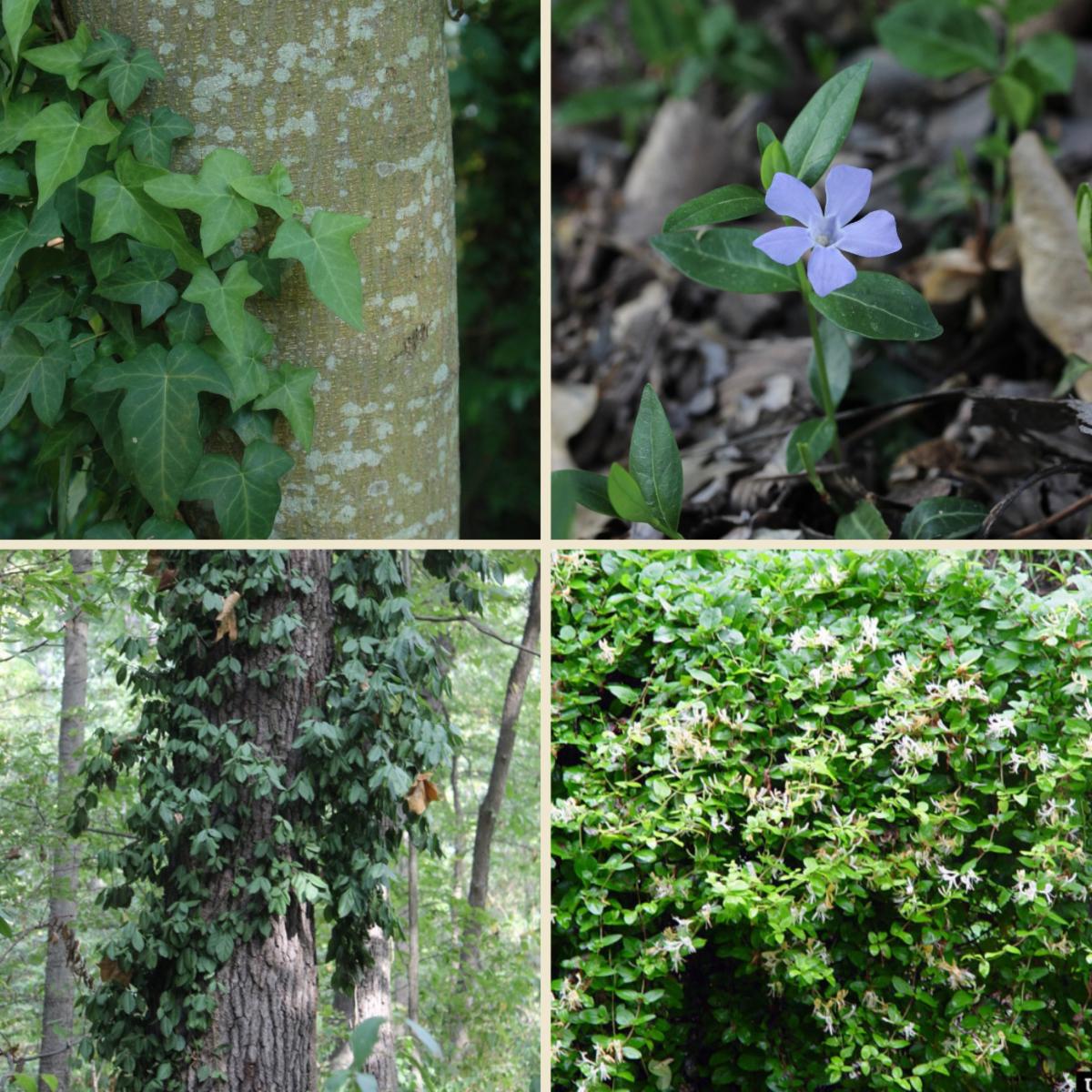
| Photo collage includes photos by Chris Evans, Bugwood.org, of, clockwise from top left, English ivy (Hedera helix), periwinkle (Vinca minor), Japanese honeysuckle (Lonicera japonica), and wintercreeper (Euonymus fortunei) by Carol Davit | |
INVASIVE VINES TO TREAT IN WINTER
Not all invasive plants are most effectively treated at the same time of year, and treatment methods can differ according to the seasons. Here, we highlight several species of vines to treat in winter. You can find treatment guidelines for many invasive plants other than those highlighted below at moinvasives.org.
Note: Treatment methods may differ considerably if invasives are found in otherwise intact, highly biologically diverse areas, in disturbed areas/altered landscapes, or if invasives are found in or near water. When using chemicals to treat invasives, always read label instructions.
Read about how to control English ivy (Hedera helix), periwinkle (Vinca minor), Japanese honeysuckle (Lonicera japonica), and wintercreeper (Euonymus fortunei) in the winter 2026 issue of State of Invasives. Subscribe to this quarterly e-newsletter of the HERE.
| | |
BERT FARMS AND CLAY SHAW: 2025 MISSOURI OUTSTANDING TREE FARMER OF THE YEAR
Each year, the Missouri Outstanding Tree Farmer of the Year award honors private landowners who exemplify exceptional forest management and serve as ambassadors for sustainable forestry. In 2025, this prestigious recognition goes to Clay Shaw of Bert Farms, located in Cowgill, Caldwell County, Missouri. For over 15 years, the 285-acre Bert Tree Farm has been a certified member of the Missouri Tree Farm System, standing as a testament to long-term stewardship and dedication to the land.
Under Clay Shaw’s guidance, Bert Farms has become a model for balancing productive forestry with conservation. The property is managed with a holistic approach, focusing on both timber production and wildlife habitat. Notably, the farm’s management practices support monarch butterflies, utilize edge feathering to enhance habitat diversity, and include food plots and brush management to benefit a range of species. The addition of a 12-acre lake and a new duck pond further enriches the landscape, providing vital water resources for wildlife and opportunities for recreation.
Beyond the boundaries of the farm, Clay Shaw actively promotes sustainable forestry. Bert Farms has previously welcomed the Missouri Walnut Council for educational tours, sharing best practices and inspiring other landowners to adopt responsible forest management. This spirit of outreach and education is a key reason for the farm’s recognition as a leader in Missouri’s forestry community.
The vision for Bert Farms extends beyond timber and wildlife. The property is also managed for recreation, offering a place where people can connect with nature and experience the benefits of well-managed woodlands. Whether it’s observing monarchs, enjoying the lakes, or learning about sustainable forestry, Bert Farms stands as a living example of how thoughtful stewardship can yield rewards for both people and the environment.
| |
Forest and Woodland Association of MO
PO Box 1632
Saint Peters, MO 63376
573-353-6436
| | | | | |