Volume 10, Issue 2 - Summer Edition | 2026 | | Threads of Time: The Digitized Springs Bulletin Collection | | |
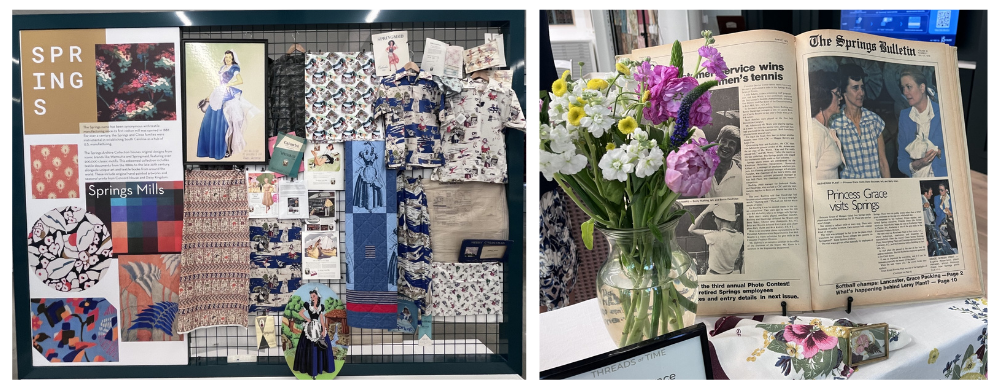
In May 2026, The Baxter Mill Archive, in collaboration with the Louise Pettus Archives and Special Collections at Winthrop University unveiled the newly digitized Springs Bulletin collection, marking the culmination of many years of a preservation initiative dedicated to safeguarding an important part of Fort Mill’s history. This remarkable project not only preserved more than forty years of Springs Bulletin content for future generations, but also transformed the collection into a fully searchable digital archive, providing unprecedented public access to the stories, people, and daily life that shaped the Fort Mill community and the South Carolina textile industry.
The Springs Bulletin served as the in-house employee newspaper of Springs Industries, one of the most influential textile companies in the American South and, for many years, the largest industrial employer in South Carolina. Published bimonthly, the Bulletin documented nearly every aspect of mill life — company milestones, employee achievements, retirements, weddings, births, sporting events, wartime production efforts, community gatherings, and the steady growth of the textile industry across the region. More than a company publication, it became a historical record of everyday life in a mill town where generations of families built their livelihoods around Springs Industries.
The digitization of this collection carries enormous significance for the Fort Mill community. For former employees and their families, the archive preserves personal memories that may otherwise have been lost to time. Workers could find their names, photographs, departments, or stories documented within its pages, often alongside friends, neighbors, and relatives who worked beside them. Entire family histories are woven throughout the Bulletins, reflecting the reality that many Fort Mill families spent generations connected to Springs Industries. By making the archive fully searchable, descendants, historians, students, and researchers can now easily trace individuals, events, and milestones that shaped both their personal histories and the identity of the town itself.
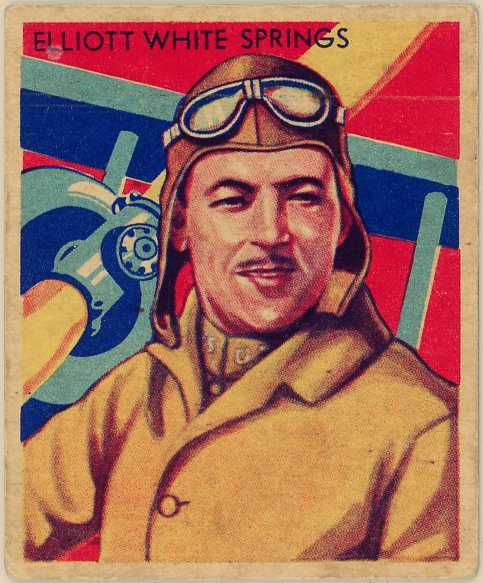
The Bulletins also reveal the culture intentionally fostered by Colonel Elliot White Springs, who believed that Springs Industries should feel like more than simply a workplace. Through publications like the Springs Bulletin, the company cultivated a strong sense of community pride, connection, and belonging among employees. Former workers consistently described Springs as having a “family feel." The Bulletins reinforced this culture by recognizing employees not merely as laborers, but as valued members of a larger community. Birthdays, anniversaries, military service, civic involvement, and personal accomplishments were celebrated alongside production updates and company news, creating a shared identity that extended far beyond the mill walls.
Today, the digitized Springs Bulletin collection stands as an invaluable historical resource that captures the voices and experiences of ordinary textile workers whose stories are often underrepresented in traditional historical records. It preserves the social, economic, and cultural history of Fort Mill during the height of the textile era and ensures that future generations can continue to explore, research, and better understand the people who helped shape the community. The project represents not only the preservation of documents, but the preservation of memory, identity, and the lasting legacy of Springs Industries in Fort Mill and throughout the South Carolina Piedmont.
Krista Huff
FMHM Museum Services Coordinator
| |
Experience the Whole Journey
As we celebrate our role in SC250, we’re reminded that we’re one meaningful piece of a much bigger story unfolding across our beautiful state. As you explore what we’re doing here, we encourage you to travel across South Carolina to experience the battlefields, historic sites, and communities that highlight the people, places, and pivotal moments that shaped our nation. Discover more and start planning your journey HERE!
| | |
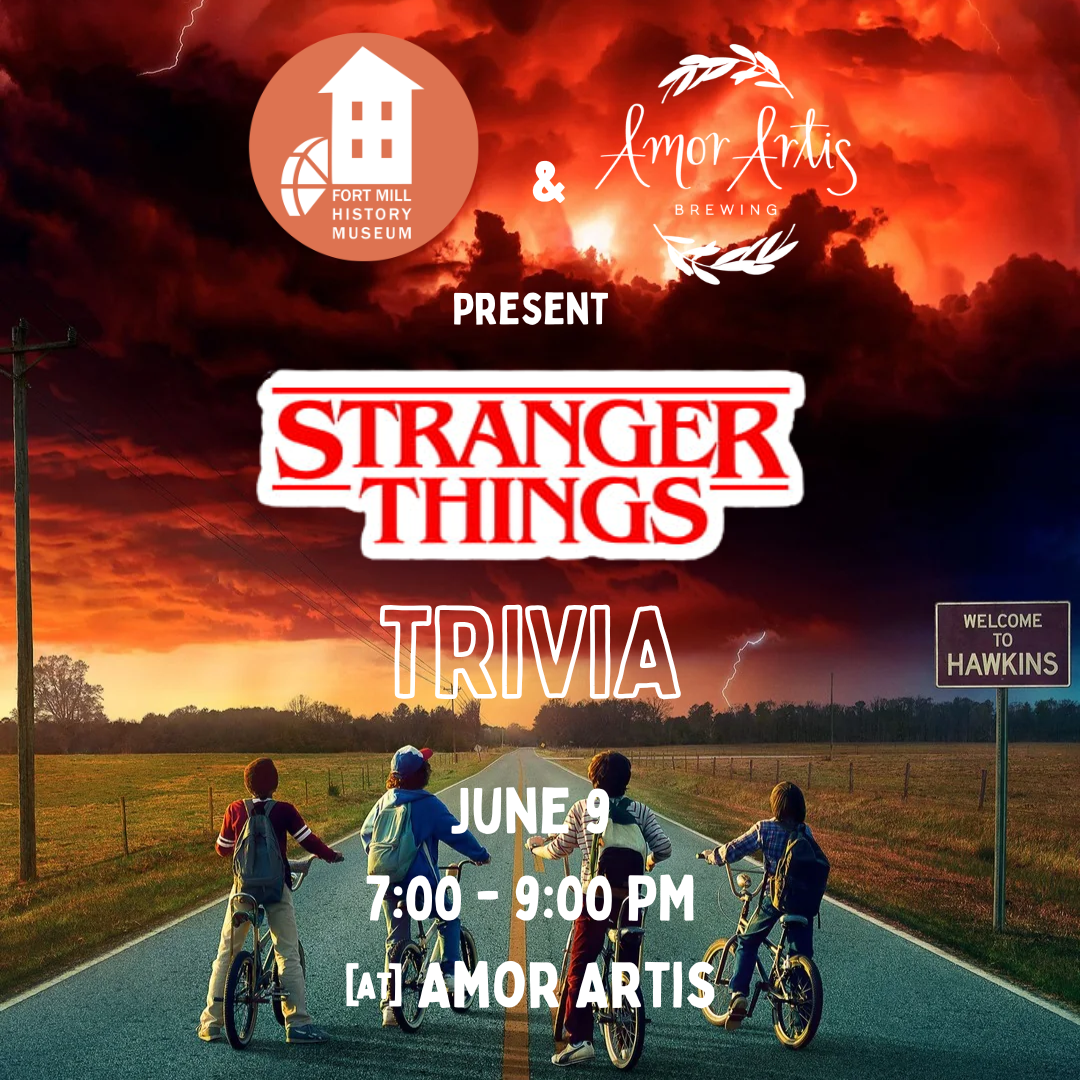
Stranger Things Trivia
Hosted by Mark Kerr
Tuesday, June 9
7:00 - 9:00 PM
| |  | |
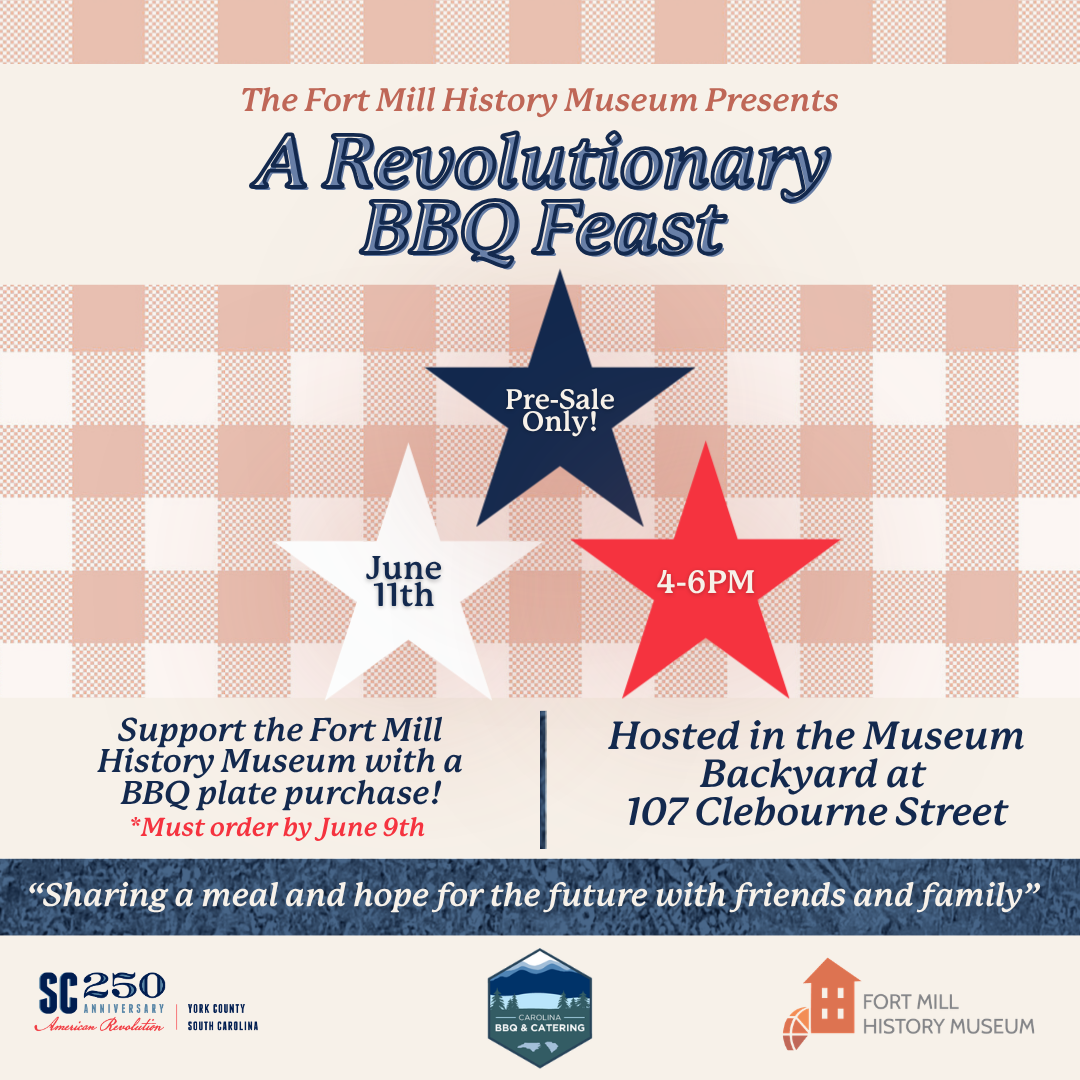
A Revolutionary BBQ Feast
Pre-Sale Only
Order by June 9 @ 12 Noon
Thursday, June 11
4:00 - 6:00 PM
Live Music by Charlotte Folk Society from 4:00 - 5:30 PM
| | |
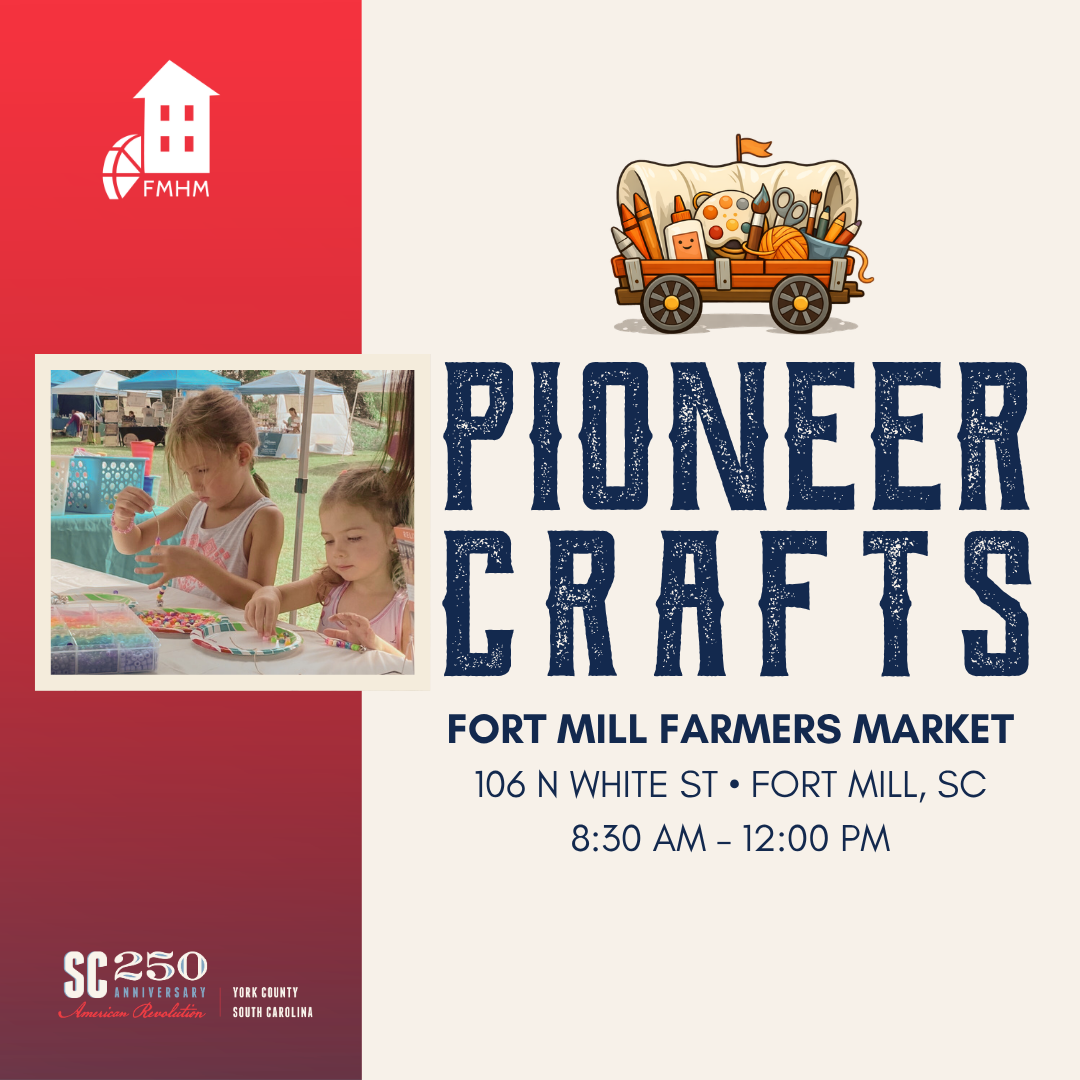
Pioneer Crafts
Fun & Free!
Saturday, June 13, July 11, August 8, September 12, & October 10
9:00 AM - 12:00 PM
| | | |
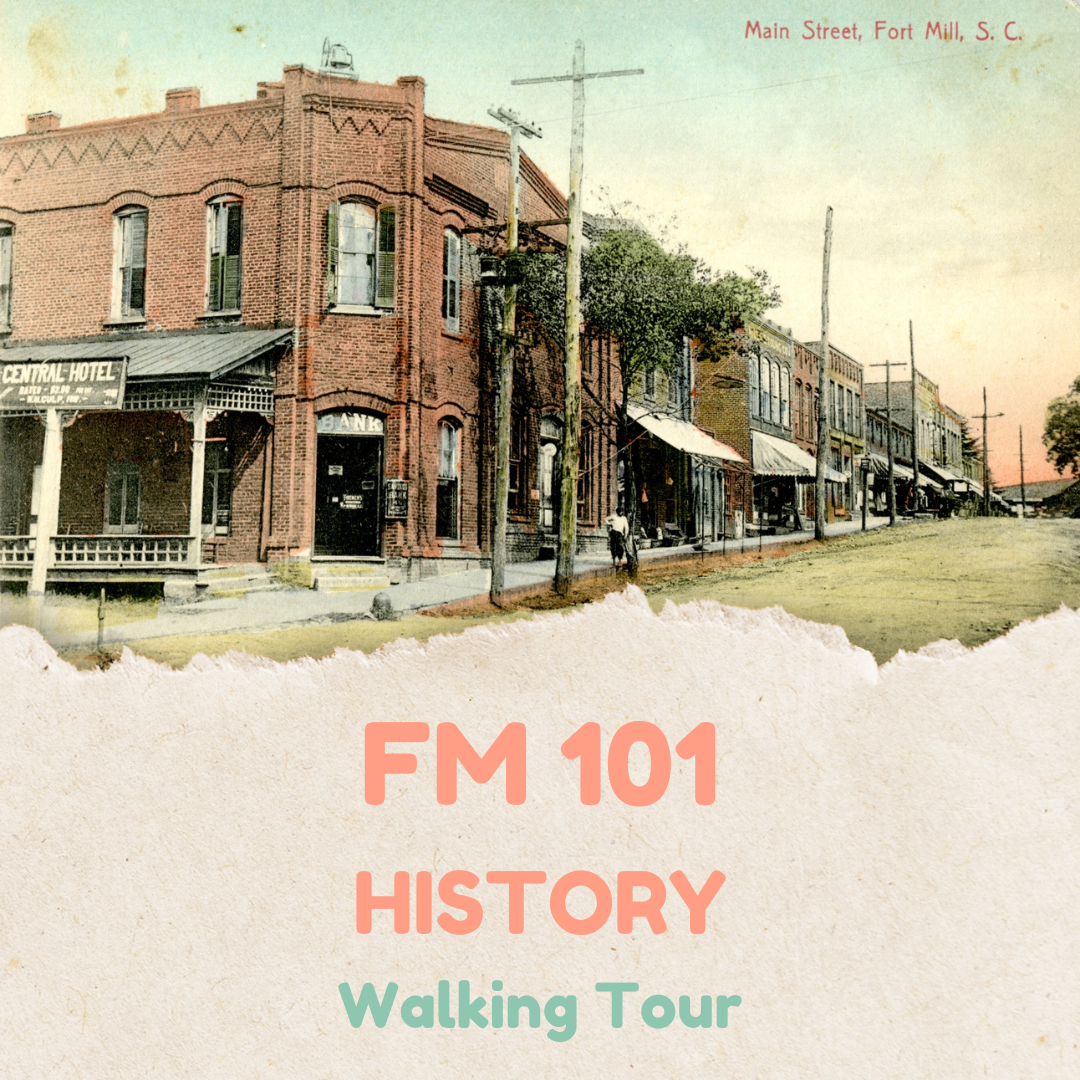
FM 101 Walking Tour
Saturday, June 13, July 11, August 8, & September 12
10:00 - 11:00 AM
| | |
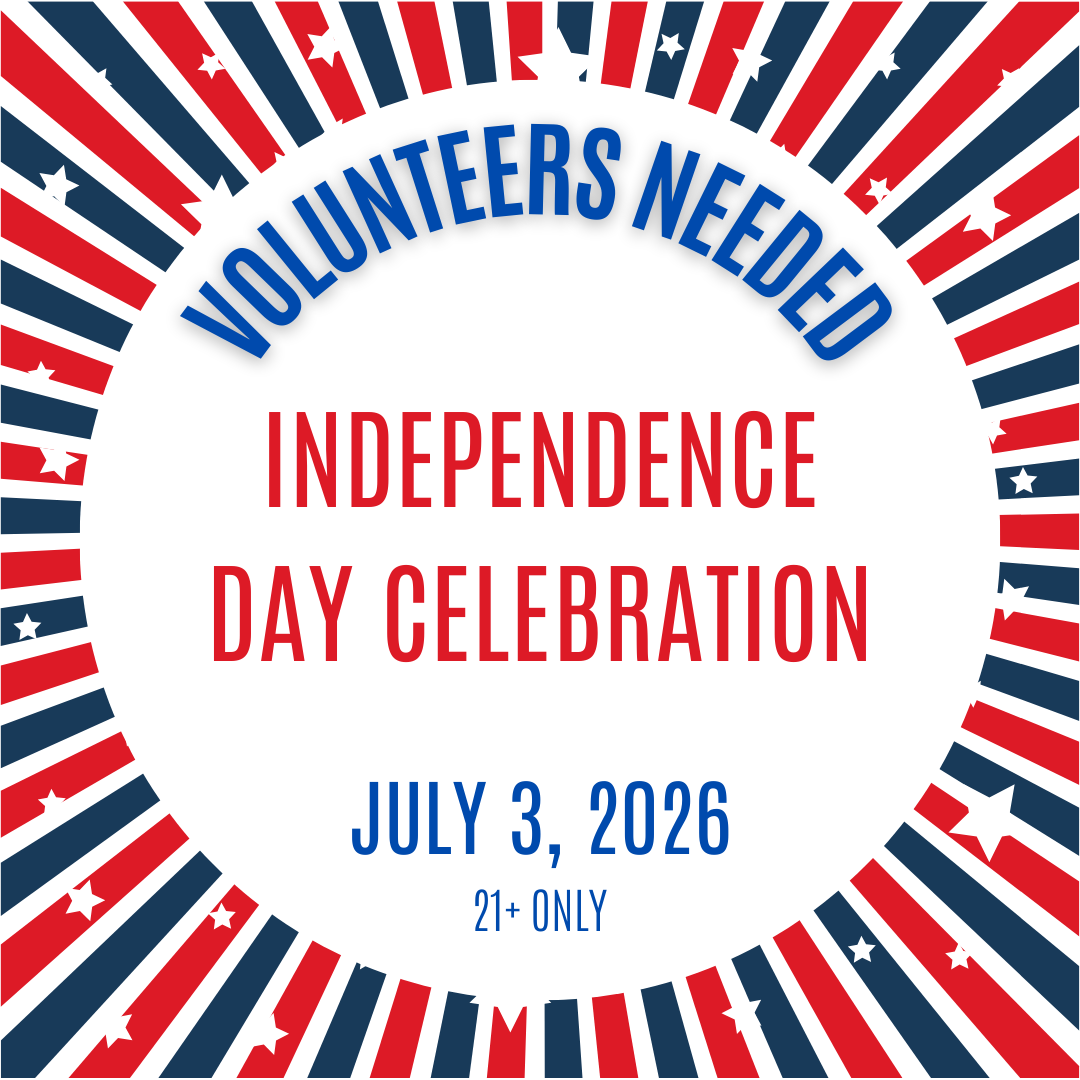
Independence Day Celebration Volunteers Needed
21+ Only
July 3, 2026
Volunteers will assist with checking ID's & selling beer tickets
| | | |
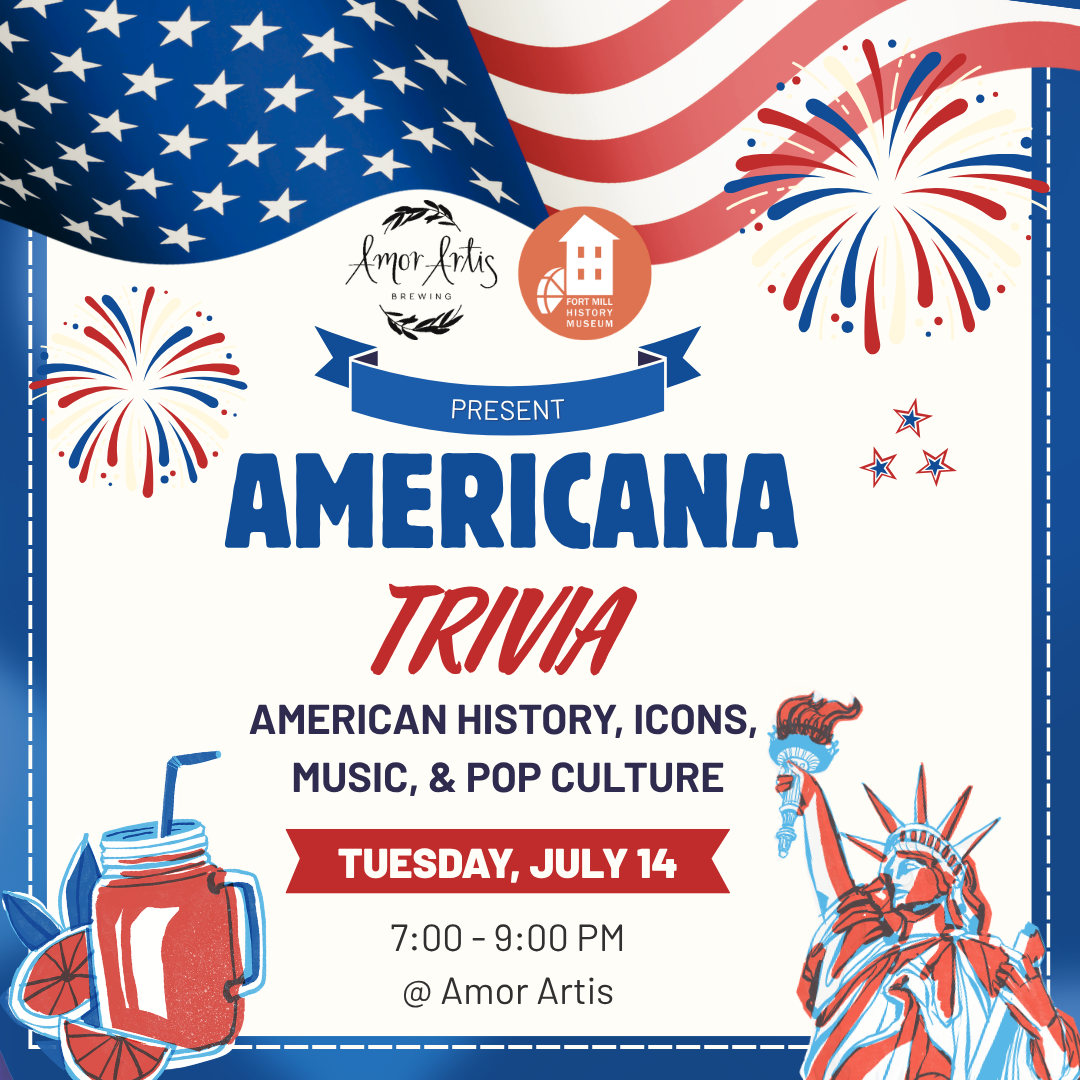
Americana Trivia
Hosted by Kimberly Long
Tuesday, July 14
7:00 - 9:00 PM
| | |
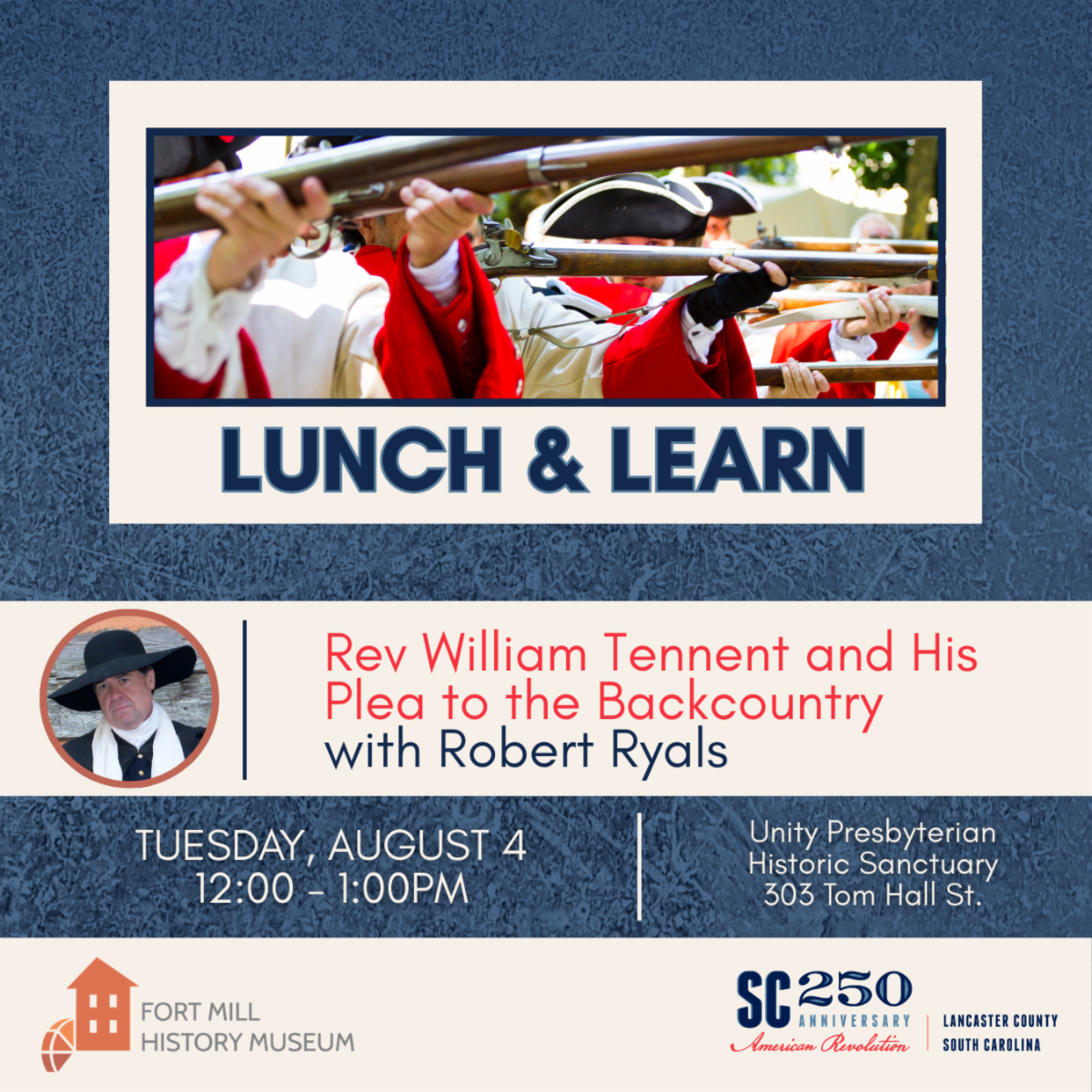
Lunch & Learn
w/ Robert Ryals
Tuesday, August 4
12:00 - 1:00 PM
| | | |
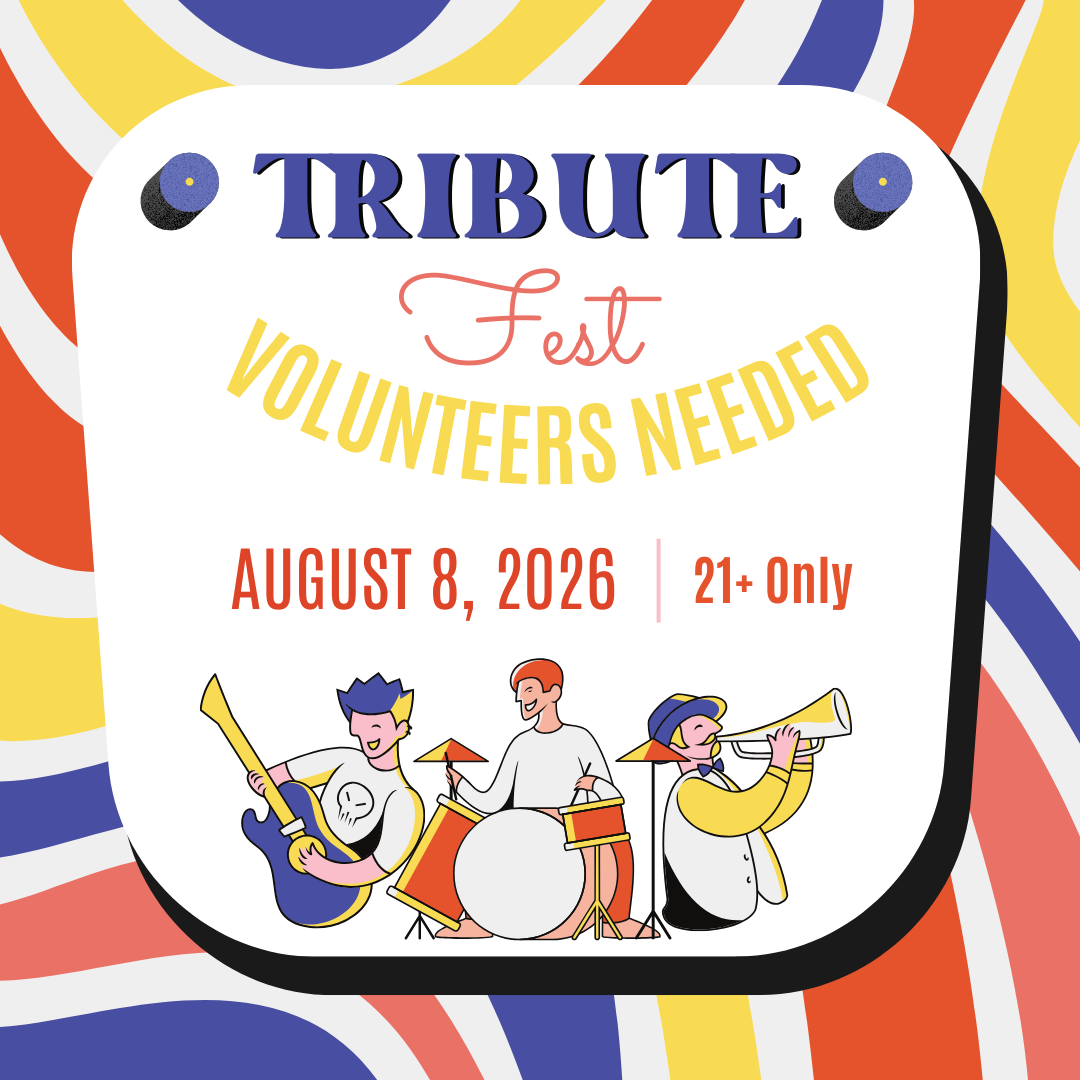
Tribute Fest Volunteers Needed
21+ Only
August 8, 2026
Volunteers will assist with checking ID's & selling beer tickets
| | |
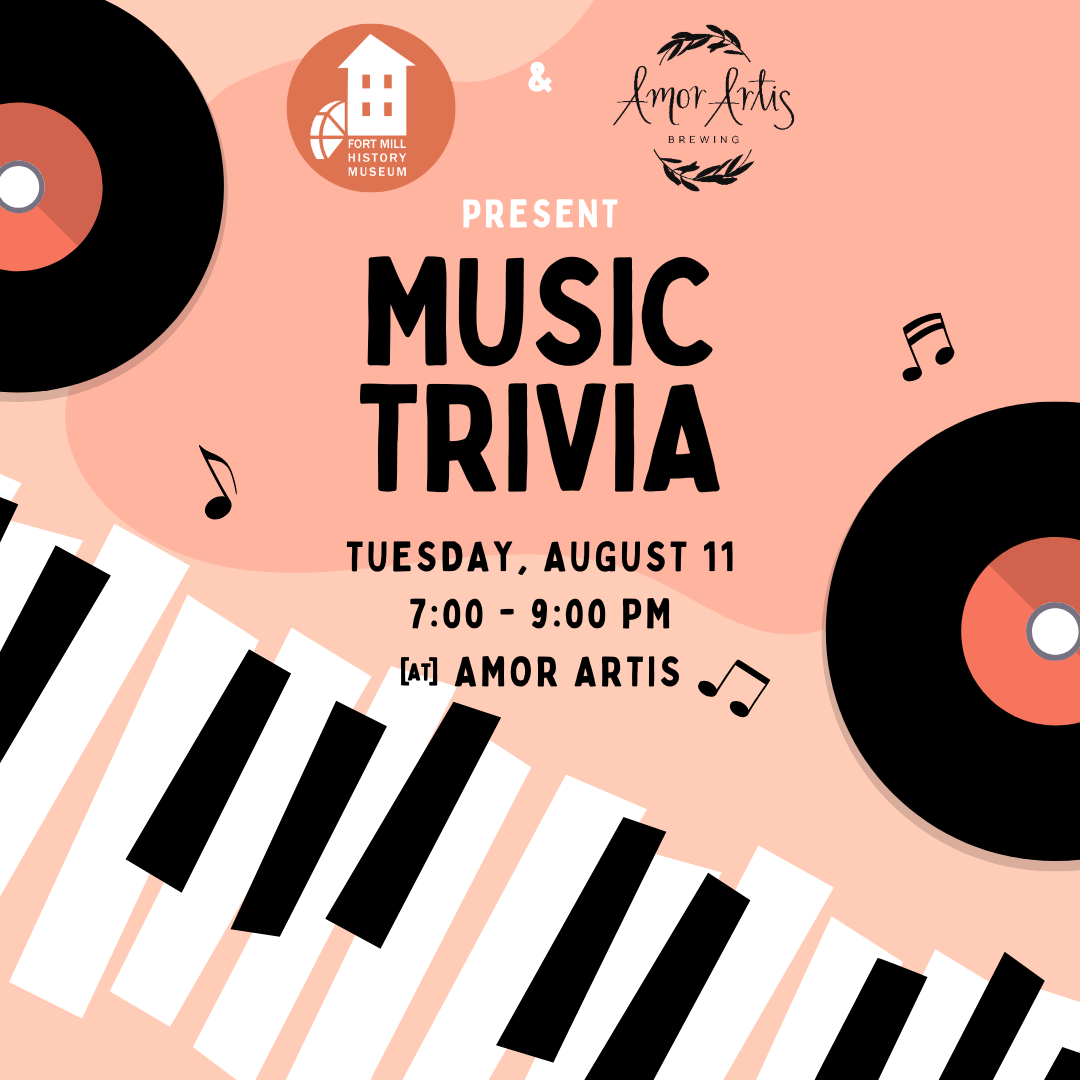
Music Trivia
Hosted by Shawn & Amber Smith
Tuesday, August 11
7:00 - 9:00 PM
| | | |
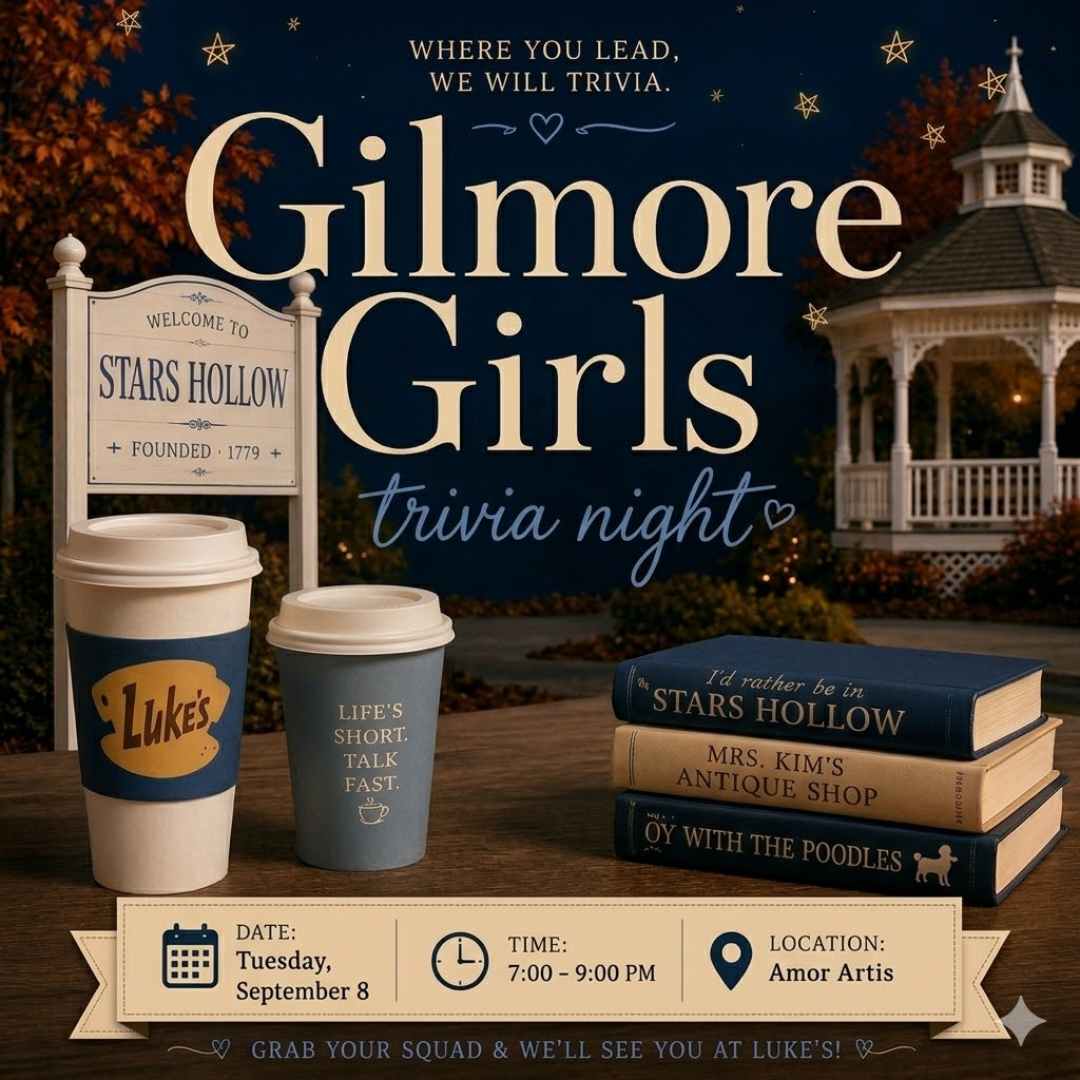
Gilmore Girls Trivia
Hosted by Lauren Randar
Tuesday, September 8
7:00 - 9:00 PM
| | |
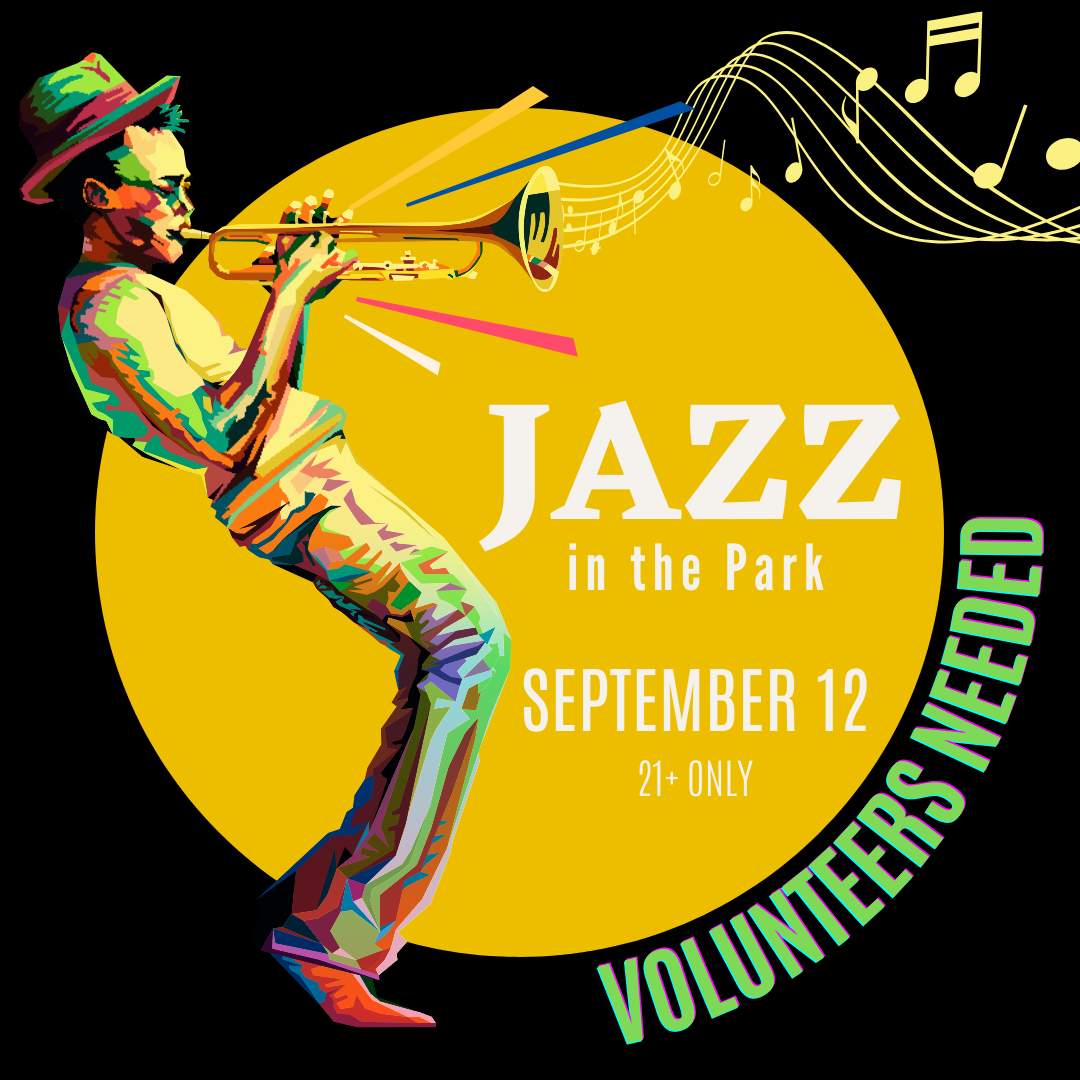
Jazz in the Park Volunteers Needed
21+ Only
September 12, 2026
Volunteers will assist with checking ID's & selling beer tickets
| | | |
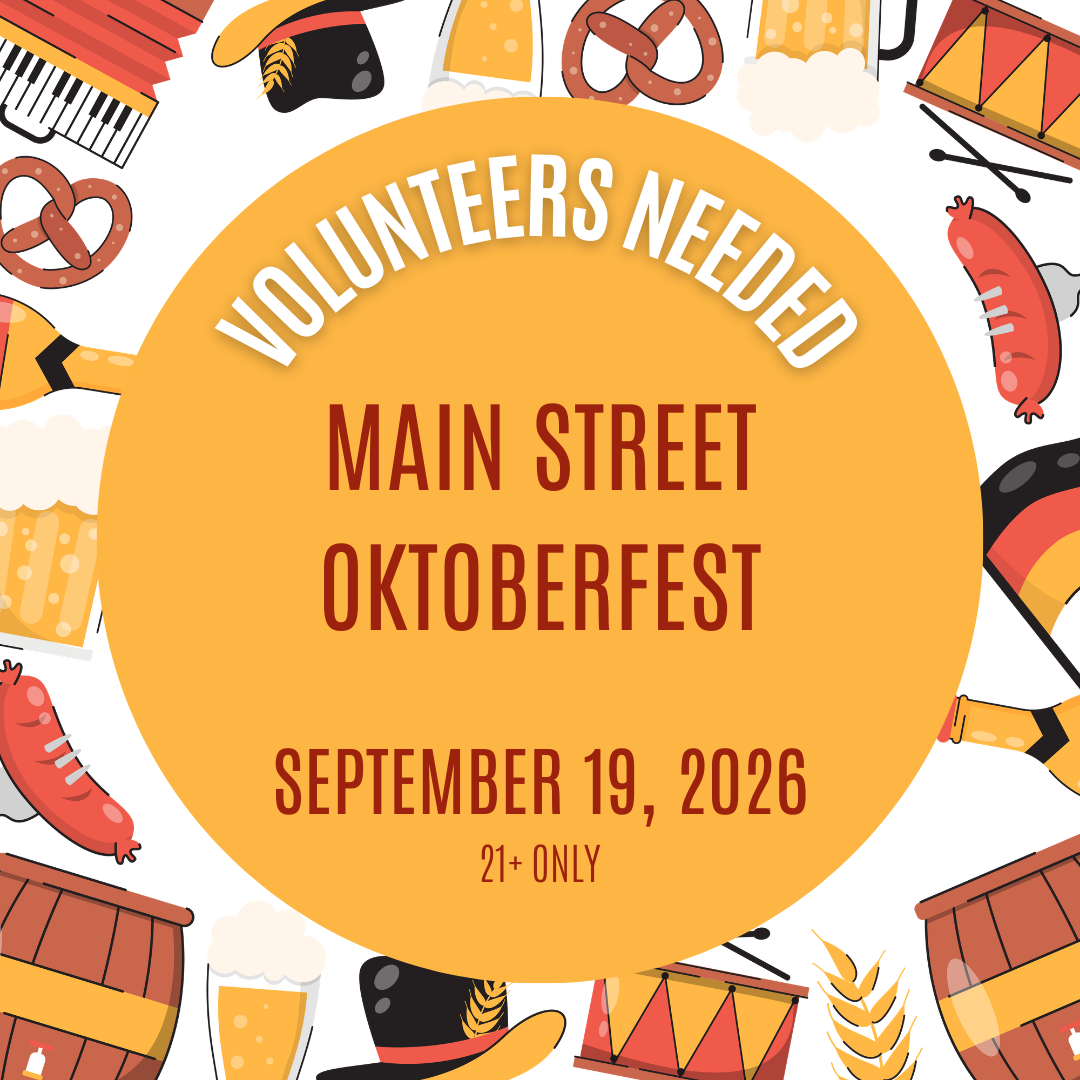
Oktoberfest Volunteers Needed
21+ Only
September 19, 2026
Volunteers will assist with checking ID's & selling beer tickets
| | |
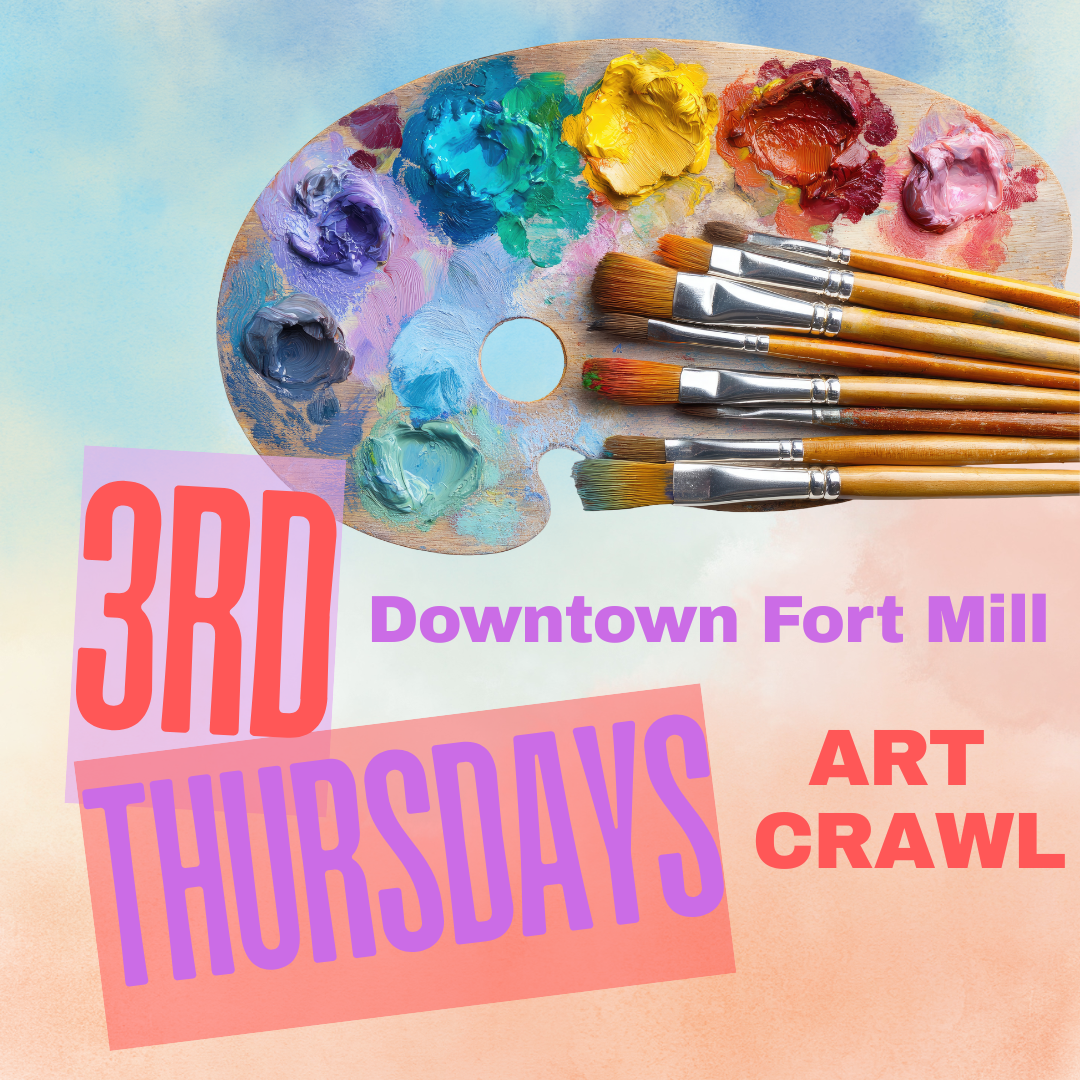
3rd Thursday Art Crawl
Free, Open to the Public
Thursday, June 18, July 16, August 20
4:00 - 8:00 PM
Historic Downtown
| | | |
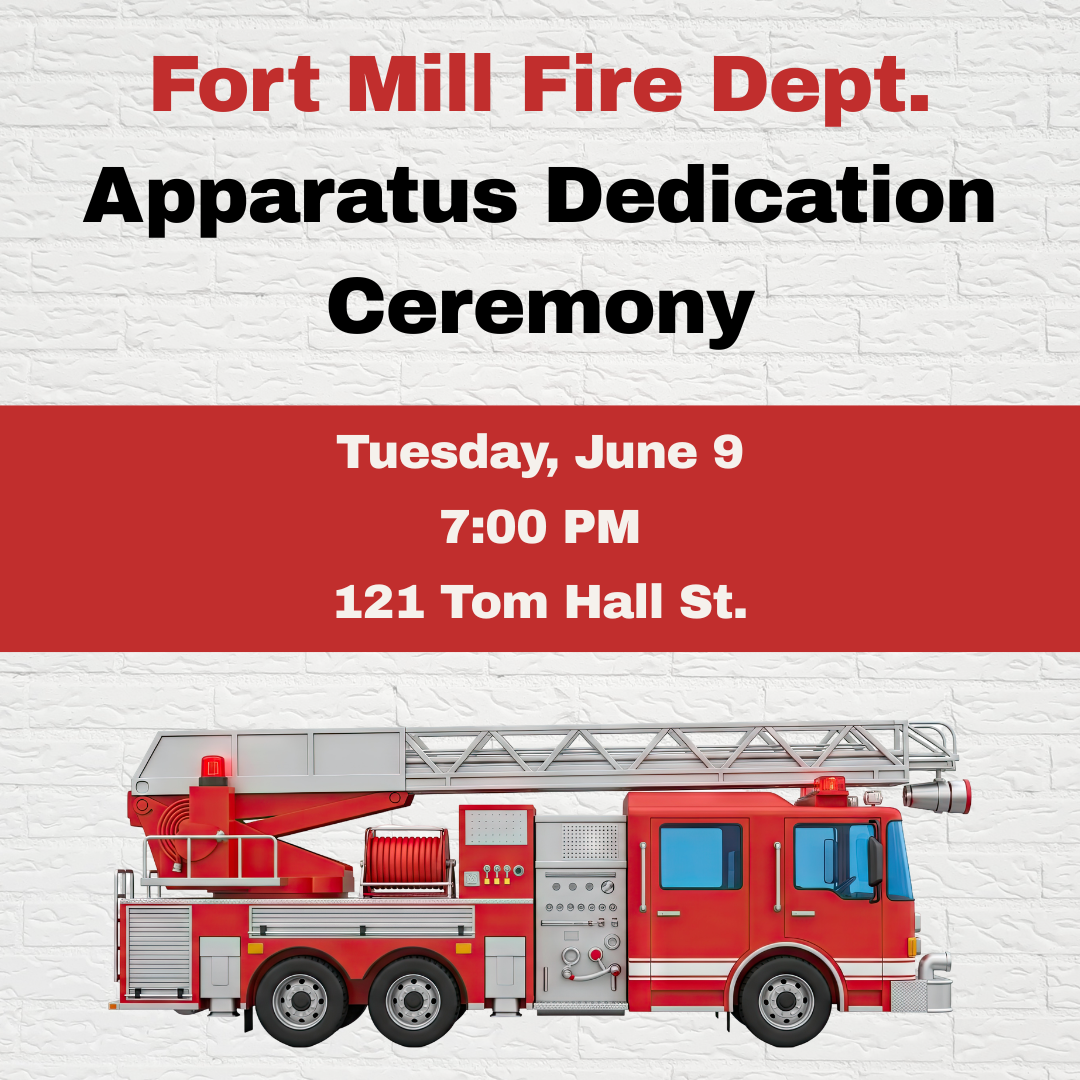
Fort Mill Fire Department Apparatus Dedication Ceremony
Free, Open to the Public
Thursday, June 9
7:00 PM
121 Tom Hall St.
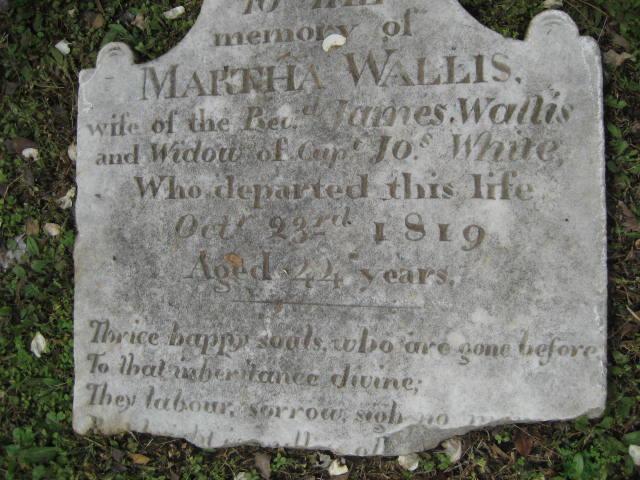
| | | | Please join the Fort Mill History Museum in proudly supporting the York County Council on Aging — a local nonprofit that offers services to help keep senior citizens in York and Chester counties living independently for as long as possible. These services include home delivered meals to frail, home-bound seniors, homemaker services, seven senior centers in York and Chester counties and transportation to and from our centers and other destinations. | | The deadline to donate a meal is June 9 @ 12:00 PM. Donated meals will go directly to the 50 seniors in need in Fort Mill. To donate a meal, click on the link above, click on "Buy tickets," scroll down to "Donation Plate - BBQ Combo Plate" and select how many you would like to donate. | | The Story of Martha Elliott White Wallis | | |
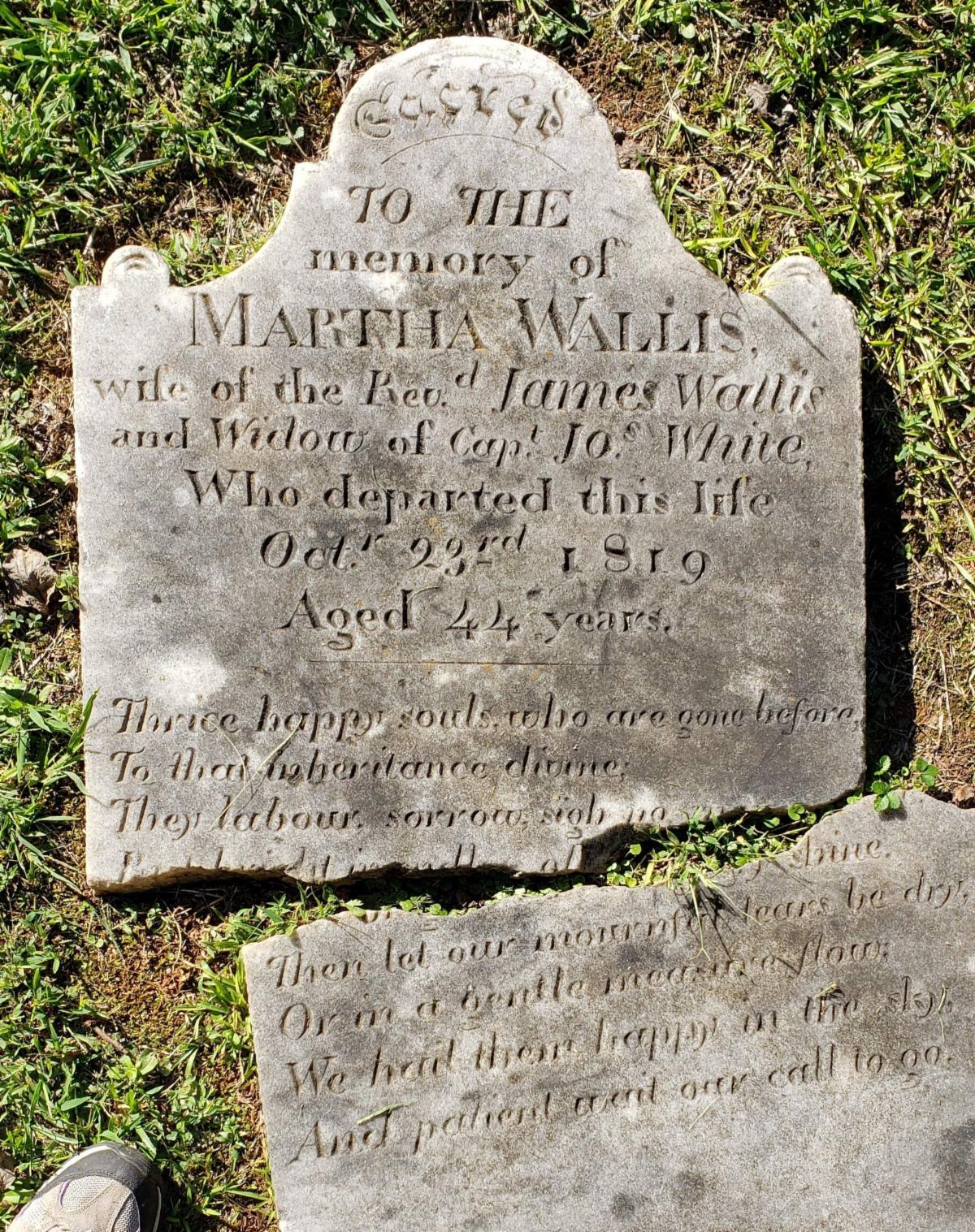
The history of Fort Mill is like a colorful blanket woven with stories about the families who have made this town their home. While all of the stories are intriguing, some have added elements of mystery, romance, family drama, and even ghostly scenes. Very few stories, however, encompass all of these descriptions with the exception of one narrative, the story of Martha Elliott.
In 1802, Martha Elliot from Fort Mill was 27 years old when she married her first husband, Revolutionary War Captain Joseph White. The following year they became parents to a son they named William Elliot White. Unfortunately, their marriage was cut short when Joseph White died just two years after being wed to Martha. He left his family with a significant estate appraised at $6,284.
Following her husband’s death, Martha persevered by successfully running a cotton plantation with a cotton gin. Considering her wealth through this business, her land holdings, and being of a relatively young age, Martha most likely would have been considered an eligible widow with valuable assets.
It took 14 years before Martha accepted a marriage proposal. This time it was from Reverend James Wallis, who was the pastor of Providence Presbyterian Church in Mecklenburg County. Wallis was 56 years old at the time, a graduate of the Mount Zion Institute of Winnsboro, served on the board of trustees at the University of North Carolina, authored a book on theology, and established an academy. He not only served as a pastor in North Carolina but also traveled to nearby churches in South Carolina who did not have a preacher. In 1810, one of these churches was Fort Mill’s Unity Church, which may be where he first met Martha.
This was not the Reverend’s first marriage. His first wife, Jean Bain Alexander, was associated with a ghostly tale of dying twice. The story goes that Jean first died around 1810-1813 but soon after her burial she was discovered alive by grave robbers who came looking for her jewelry. She lived several more years before “officially” dying in 1816.
Although it is not clear if the story of Jean’s premature burial was true and whether Wallis was suspected of any foul play, Martha did have Wallis sign a “Deed of Trust” before they were married. Known today as a prenuptial agreement, this deed, signed in May 1818, ensured that all of her estate holdings would be given to her son when she died, while Wallis would only receive $500 if she should die first. Martha did die first from a liver ailment on October 23, 1819, less than two years after she married Wallis.
Following Martha’s death, Wallis found out that Martha had a will written just before her passing. In this will she left most of her estate to 17-year-old son, William Elliot White, and only $200 to the Reverend Wallis. Martha referenced that this money was just “a small acknowledgment for the great care and attention he has paid me since our marriage.” Not pleased with this new development, Wallis contested the distribution of her estate arguing that the original deed of trust he signed was by coercion, the wording of the deed was not lawful, the deed was never placed in the Secretary of State’s office, and that the $200 the will stated was contrary to the $500 the deed had stated.
Wallis did not attend the trial because he felt his life was in danger, but sent his son, from his first marriage, to represent him. Martha’s witnesses included her brother, her sister, and her neighbors who stated they saw Wallis sign the original deed. They also agreed that Wallis did not oppose the deed and his only request was for Martha to live with him in his house in Mecklenburg County. Despite this request, the testimonies confirmed that Martha never moved into his residence and he never moved into her home in Fort Mill. Finally, on November 22, 1819, the judge overseeing the case, ruled that Martha’s will was valid and that Wallis would only receive the $200. Surprisingly, Wallis died less than five weeks after the judge’s ruling.
Thanks to Martha’s persistence in preserving her estate for her son, William Elliot White went on to inherit Martha’s estate and used some of his inheritance to build the home known today as the White Homestead.
Read Full Article HERE.
Susan Andrews
FMHM Research Team
| | Discover What Your Membership Can Do for You! | | |
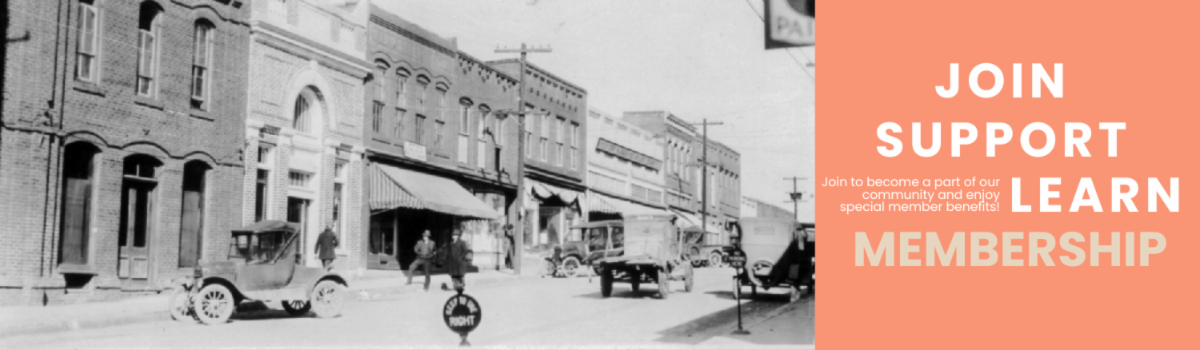
When you join the Fort Mill History Museum, you're not just supporting our mission—you're becoming part of a our community. Enjoy exclusive access to exciting members only events, special discounts in our gift shop, and savings on select programs. Your membership helps preserve our history while offering you unique experiences! In addition to supporting the museum, here are three membership benefits that our members receive:
- Invitation to Member Only Events - After multiple successful members only events in 2025, we look forward to introducing many more in 2026!
- Access to Early Ticket Sales - For several of our annual events, tickets have sold out. Our members receive early access to purchase tickets for selected events.
-
A Fort Mill History Museum membership, at the Enthusiast level or above, includes a membership to the North American Reciprocal Museum (NARM) Association. NARM gives you the opportunity to explore over 1,100 museums and cultural institutions across the country at a free or discounted rate. Check out this link for more information: https://narmassociation.org/
To see other membership benefits or to become a member, please visit our website or Email krista@fmhm.org for more information.
| | Looking to help out the museum? Check out our Amazon wish list of items that are needed! | | | | Giving to your local museum ensures that your dollars stay in your community along with supporting programs for you, our children and our neighbors. Please consider giving to help us enjoy more programs and activities and improve our quality of life. | | |
Retirement for Vereen Brown means hardly a minute to spare.
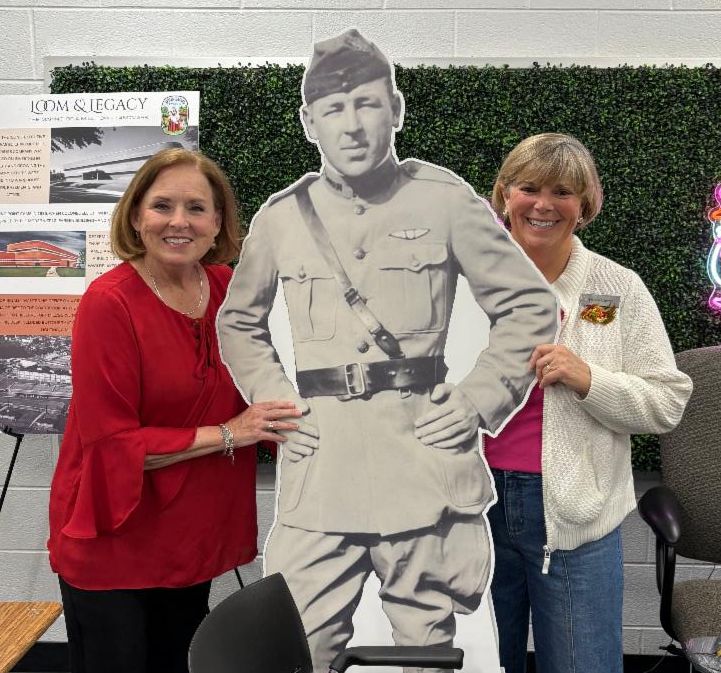
Vereen, a History Museum volunteer, stood in front of a class of elementary children telling them interesting history of Fort Mill – the Catawbas, who town streets are named after, the Hindenburg, flying ace Col. Springs and the Close family. In fact, Col. Springs, in life-sized cut out form, often accompanies Vereen when she goes to schools.
“Now it all makes sense,” said one of the children Vereen was teaching. “I love the ‘aha’ moment children have,” said Vereen.
She is one of the volunteers that take a trunk of artifacts and sometimes Col. Springs, to talk to the children and spike their interest in history. She always shows them how today relates to the past. Children are always first with Vereen, but she does go to other groups.
Vereen has spent all her life in Fort Mill with a few exceptions. The first, when her mom, Patty Barron, also a museum volunteer, crossed the bridge into Rock Hill to the nearest hospital to birth Vereen and again, after marrying and spending a few years away for her husband’s job.
Vereen’s childhood was happy as she went in and out of the Close’s home, went on field trips, rode horses, and loved doing arts and crafts. Of the eight Close children, Vereen went to school with three of them and has kept in touch with the youngest, Katy. They are the same age and went through school together.
When it was time for college, Vereen chose Clemson University. College is also where she met husband Mike. After a few years, they moved to Fort Mill, where Vereen began her teaching career.
Fort Mill Elementary School had an opening and Vereen spent the next 30 years teaching third grade. “I enjoyed teaching that age group,” said Vereen. And she made sure those children knew interesting facts about where they lived and their bulletin boards were full of bright colors and history.
After 30 years, Vereen retired to help a family member but then unretired to be a kindergarten assistant for seven years at Pleasant Knoll Elementary. She is still a substitute teacher for special needs children at Forest Creek Middle School.
Now, with hardly a minute to spare in “retirement,” Vereen not only volunteers at the Museum, but is an active member of Unity Presbyterian Church. She is an Elder and chairperson of the Children’s Ministry. And, of course, likes talking to groups, young and old, who would like to hear Fort Mill’s interesting history.
Vereen’s husband, Mike, is also retired and has taken over cooking. They have a daughter and son and five grandchildren.
Pat Crigler
FMHM Creative Writer
| | | | |
Do you have any unique items significant to Fort Mill’s History that you would like to donate to the museum? If so, please send an email to Carson Cope – Collections Manager at carson@fmhm.org with a description of the item(s) and picture if possible. Thanks for
helping to preserve Fort Mill’s past.
| | |
| Did you know? There was a Trading Post located south of Fort Mill in the early 1700s which was started by the Board of Indian Commissioners and managed by Eleazer Wiggan. Trading posts were also known as a factory and the person who managed them were called factors. The factory was maintained until the late summer of 1718. – Brown, Douglas Summers. “The Catawba Indians – The People of the River” (1966). P. 153. | |
|
Hello from the Fort Mill History Museum Board!
My name is Erin Pratt, and I am honored to serve on the museum's Executive Team. Wearing multiple hats as a board member, museum member, and volunteer has given me a wonderful opportunity to truly connect with the amazing community we call home.
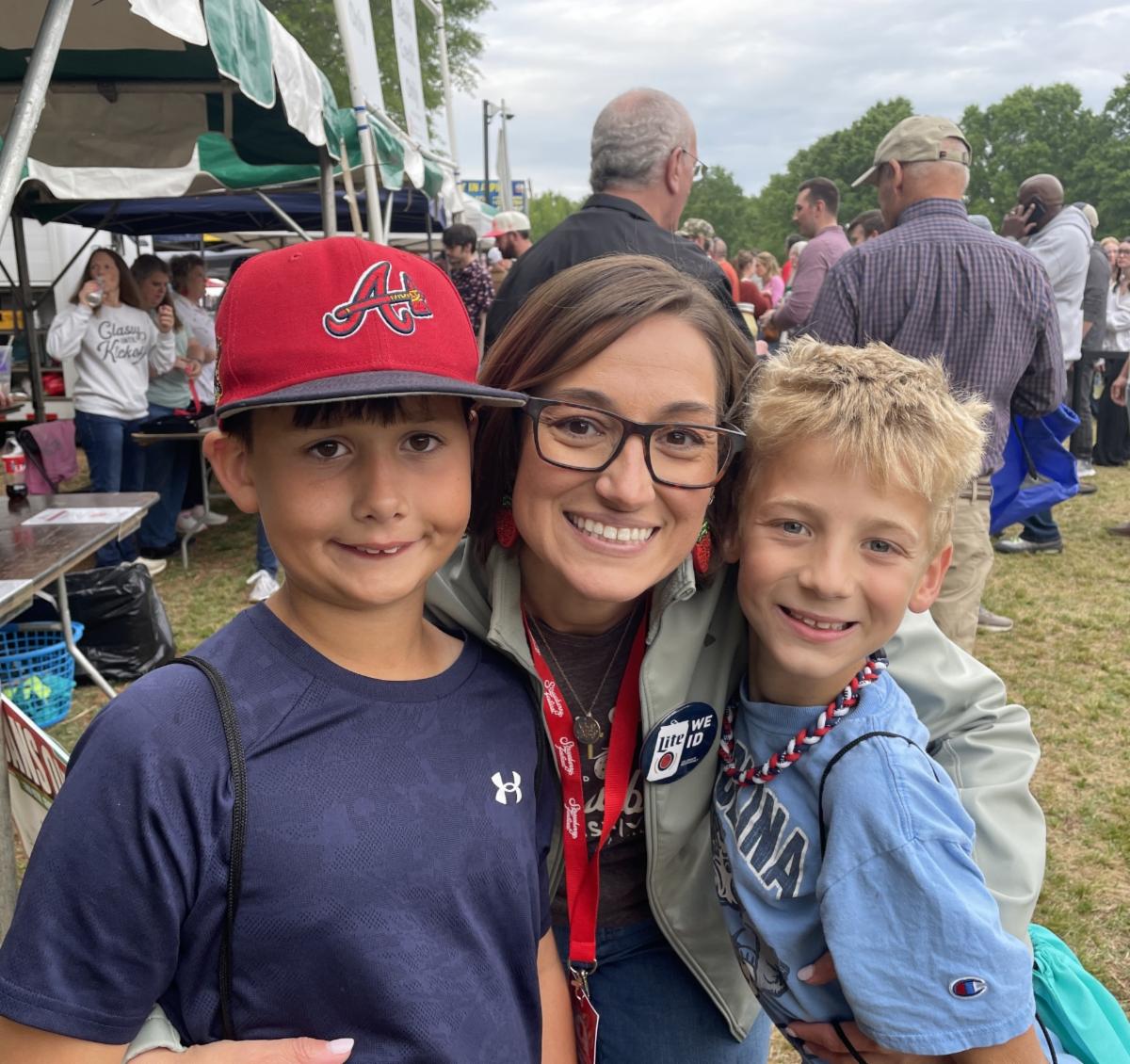
2026 is already proving to be an incredibly productive year for the museum. From the success of the Strawberry Soiree and the Strawberry Festival to our current Military Exhibit honoring local veterans, seeing these events come to life has been deeply rewarding. It has allowed me to build meaningful relationships with fellow residents who share a deep passion for keeping our town’s unique history alive.
I am incredibly excited about what the museum has in store over the next few months, from Suzy-Q to our BBQ fundraiser. I encourage you to join us, celebrate our local heritage, and connect with a community that shares your love for the Fort Mill History Museum!
Erin Pratt
FMHM Board Secretary
| | | | | |
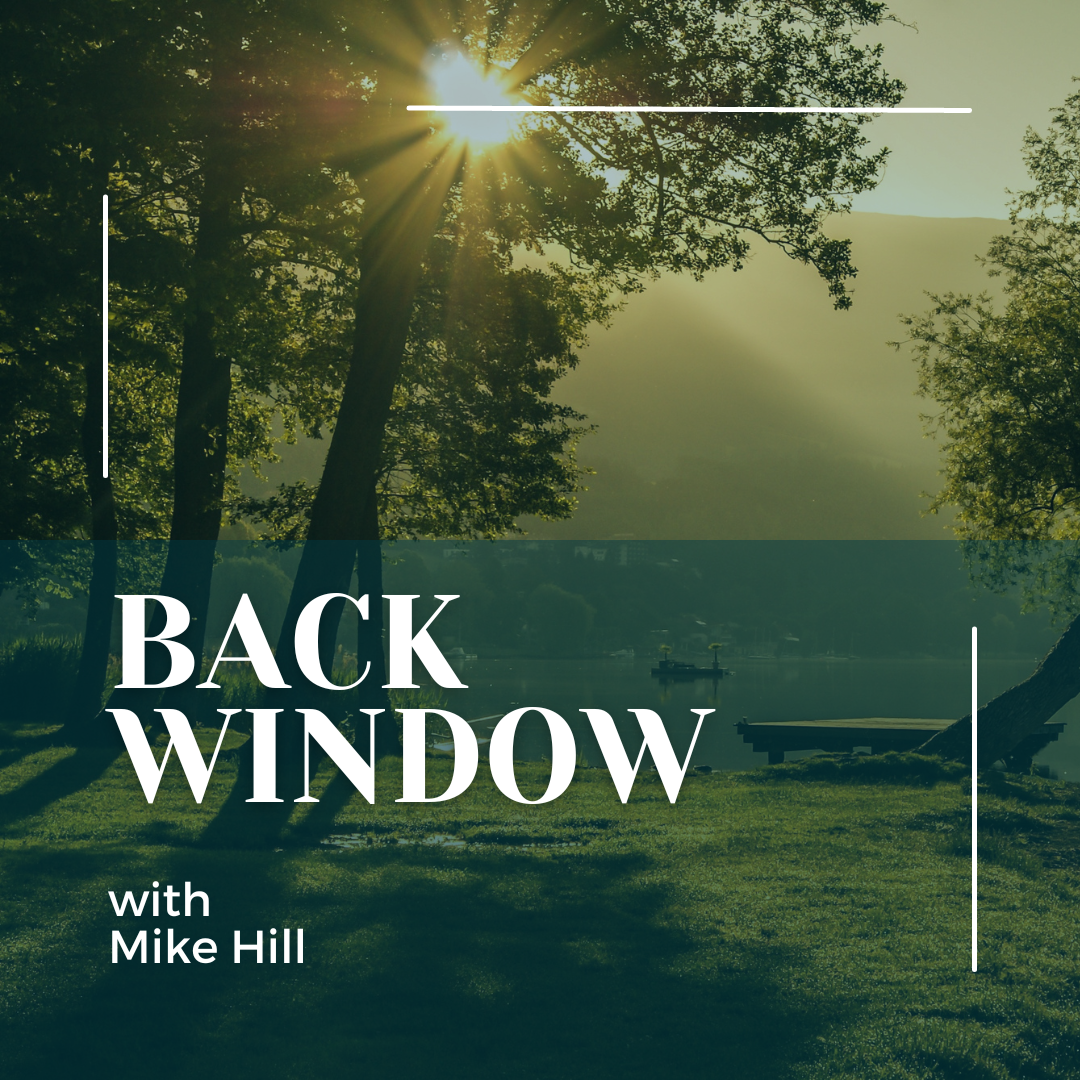
Back Window Podcast with Mike Hill
Friend of the Museum and Fort Mill native Mike Hill has a series of podcasts about growing up in Fort Mill in the 1950’s, 60's and 70’s when it was still a small town. You can listen to all the podcasts here or search Back Window on the Spotify App.
The podcast is of Mike Hill’s impressions of Fort Mill at the time and are not meant to be historically accurate.
| | |
107 Clebourne Street, Fort Mill, SC 29715 | phone: 803-802-3646 Admin@fmhm.org
Located in the Fort Mill Historic District
FMHM.ORG
| | The Fort Mill History Museum is a proud member of | |
The Fort Mill History Museum is a 501(c)3 nonprofit organization.
Support for this project is provided by the SCPRT TAG,
Town of Fort Mill & York County Accommodations Tax, FMHM members and donors.
For visitors information including lodging, contact Visit York County at 803-329-5200.
| | | | |