| |
|
|
| 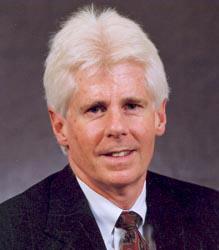 Bruce Kauffmann Bruce is an awarding-winning syndicated columnist, historian, author and speaker. His work has appeared in magazines and newspapers nationwide, and he regularly lectures on a number of historic topics.
A history fanatic since childhood, he launched
Bruce's History Lessons
in 2001. Written to be both entertaining and informative, the short (450-word) column covers little known events in American and world history.
Read full bio |
Bruce is on Pint
erest!
 |
|
Join the conversation!
|
|
|
|
Praise for
Bruce's History Lessons
Bruce's History Lessons reveal the historical significance lurking beneath every date on the calendar."
Dan Rather, CBS News
"If only history were taught the way Bruce writes about it, we'd have a nation of history buffs. He zeroes in on pivotal moments, relates them in conversational language, and connects yesterday to today with skill and insight."
Gayle Beck, Canton Repository
"Bruce brings history to life by comparing and contrasting current news with American history in the most refreshing and organized way."
Cindy Graves, WBOB, 600AM
Jacksonville, FL
From Teachers
"I teach American history and often use [Bruce's History Lessons] in my classroom. I find that your articles hold the attention of the students because they are written at a level they understand, are concise and interesting to read."
Jean DiGiacomo Reading, PA
|
|
|
Dear Reader,
The Founding Fathers looked forward to immigrants from around the world becoming citizens, gaining freedom and a higher quality of life, while contributing their own unique customs and traditions to the American "melting pot." But there was a proscribed path to American citizenship.
Sincerely,
|
Founding fathers and the Immigration "Melting Pot"
|
Ellis Island officially opened this week (Jan. 1) in 1892, and would subsequently process more than 20 million immigrants from around the world, all seeking a better life in America. The goal was, and still is, to create a "melting pot," in which immigrants successfully assimilate and become representative of our national identity, while also proudly retaining key aspects of their ethnic past. We are all Americans, but in this country those of us whose ancestors came from Italy, Russia, Ireland, Yugoslavia, Mexico, Australia, Nigeria, Pakistan, Egypt - among many others - are free to honor the many traditions and customs unique to our ancestral homelands.
As our Founding Fathers intended. They expected - they looked forward to - millions of immigrants coming to America to partake in this new nation conceived in liberty and dedicated to the proposition that all citizens are created equal. Indeed, to the Founders, immigration was a mutually beneficial process. For the first time in their lives, immigrants would benefit from an open society in which they were encouraged to participate in the nation's political and civic life, while also enjoying the fruits of their labor and a standard of living never imagined.
In return, ethnic groups coming to America would, through their unique customs and traditions, contribute to the ever-evolving American character, changing it and shaping it in ways that benefitted everyone. A "melting pot" includes many flavors and ingredients. So too with America's character, which delights in its Irish music, German beer, Italian architecture, French literature, Latin American cooking, African art, and a wide variety of other cultural, scientific, historical and educational contributions.
But the Founders also insisted that immigrants assimilate in ways that resulted in them having "American" opinions and beliefs, including - make that especially - a loyalty to their new country that supersedes any loyalty to their old one. As Alexander Hamilton wrote, "The safety of the republic depends on the energy of a common sentiment; on a uniformity of principles and habits; on the exemptions of the citizens from foreign bias and prejudice; on love of country ..."
Still, the Founders knew that this assimilation required guidance. Immigrants would need to undergo an education process in which they first learn America's common English language, thereby allowing them to also learn America's history, and its fundamental political and legal principles and institutions. Only that way would immigrants assume their primary national identity - American citizen.
And American patriot. This is why immigrants study American history, including the Constitution and Bill of Rights, memorize important dates, take a test of citizenship and learn the Pledge of Allegiance, which they recite upon becoming a citizen - and throughout their lives as a reminder of where their greatest loyalty belongs.
Click
here for more history lessons.
|
|
|
|
|
 |
|
Thomas Jefferson Lecture
|
Bruce is an engaging public speaker who has spoken before senior citizen, social and church groups, as well as a wide variety of educational outlets, from high schools to junior colleges.
Invite him to speak to your group today!
|
|
| 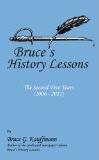
Bruce's History Lessons
are available in two paperbacks and e-books. These collections are a must for all readers who enjoy learning through brief, entertaining and accessible stories.
Purchase on Amazon.com |
|
|
Drawing from
Bruce's History Lessons column and
his
Thinking Out Loud blog, which puts today's public policy issues into historical perspective, Bruce is a regular guest on talk radio stations nationwide. His knowledge of the Constitution and our Founding Fathers make him a sought-after guest.
Book him on your show today!
Listen to a podcast |
|
|
|
Bruce's Blog: Thinking Out Loud
|
|
|
Tomorrow's news is making history!
Thinking Out Loud is Bruce's personal, here-and-now perspective on the modern-day issues related to the Constitution, governmental power, politics, the law, culture, religion and the like. If you are not already subscribed to Thinking Out Loud, you can change your subscription preferences on the front page of
historylessons.net
.
|
|
|
You are receiving this email because you have signed up for
Bruce's History Lessons. If you no longer wish to receive this e-newsletter, you can unsubscribe by clicking the link below. If you have any questions about this communication, you may email the author at
bruce@historylessons.net.
|
|
|