|
The Gift of Attention
Earlier this month, my 2.5-year-old son attended his first live concert when we went to hear the U.S. Army Field Band’s Jazz Ambassadors at Foxborough High School.
I watched as he experienced all the intrigue and curiosity of sitting in an auditorium for the first time. He wondered why the lights went down, learned when to clap, and very cutely demanded that I use both hands after I dared to clap one hand against my leg while using the other to reach for his Goldfish (toddlers... I’m still in trouble with him about that one!).
Most importantly, he watched intently as some of the finest musicians in the country performed, especially when one musician after another stood to solo with the big band behind them.
It was beautiful to observe, both as a music teacher and as a parent. It reminded me that we have a natural fascination not only with music, but with watching another person create it right in front of us. My son was learning the basic mechanics of being an audience member, but he was also giving the musicians something in return: his attention. That is a huge compliment coming from that age bracket!
Watching him also reminded me that learning to listen does not happen only in a classroom or while we are performing. Part of becoming a musician is learning how to listen to others perform.
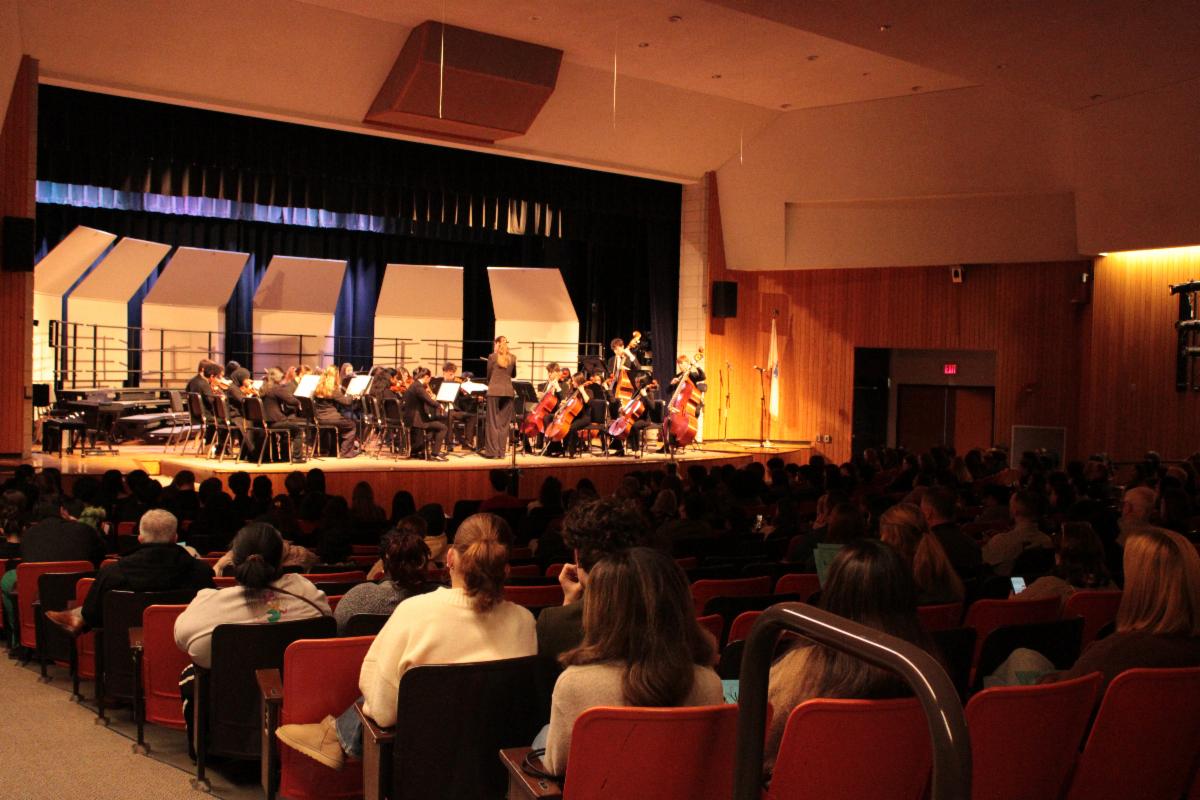
That is why audience etiquette is part of our curriculum across the K–12 Music Department. This includes teaching students when it is appropriate to talk, applaud, or move around. But the larger goal is not simply to produce quiet, well-behaved audiences. We want students to understand that listening is an active form of participation.
An audience does not simply receive a performance. It gives something back through its attention.
A live performance can be transformative for a young musician. Students can hear their instrument or voice performed right in front of them, watch musicians communicate without speaking, and see them create something that exists only in that room at that moment.
That experience is different from attending a concert at Gillette Stadium or TD Garden. While those events can be meaningful, exciting, and fun, a concert hall invites us to sit quietly, put away our phones, and focus on the people performing in front of us. Both have value, but this focused kind of listening may be something students have fewer opportunities to practice.
Every school concert asks students to give and receive that attention. They take the stage and share what they have learned, but they also listen to their peers and help create an environment in which other students can perform at their best.
As we enter a busy concert season, our students will move back and forth between two important roles: performer and audience member. Families are part of that experience, too. Simply by being there, listening alongside them, and sharing the experience, you help show students that their work and the work of their peers matter.
I hope you will also consider attending some live music together beyond our own concerts. Living within easy reach of Boston, Providence, and Worcester, we are fortunate to be surrounded by high-quality performances at every level. I have included several upcoming performances below in the hope that one might inspire you to go.
The particular concert matters less than the experience of sitting together and giving the people in front of us our attention. As my son reminded me, that attention may be one of the greatest compliments an audience can give.
|