Be Aware of Fraud and Scams!


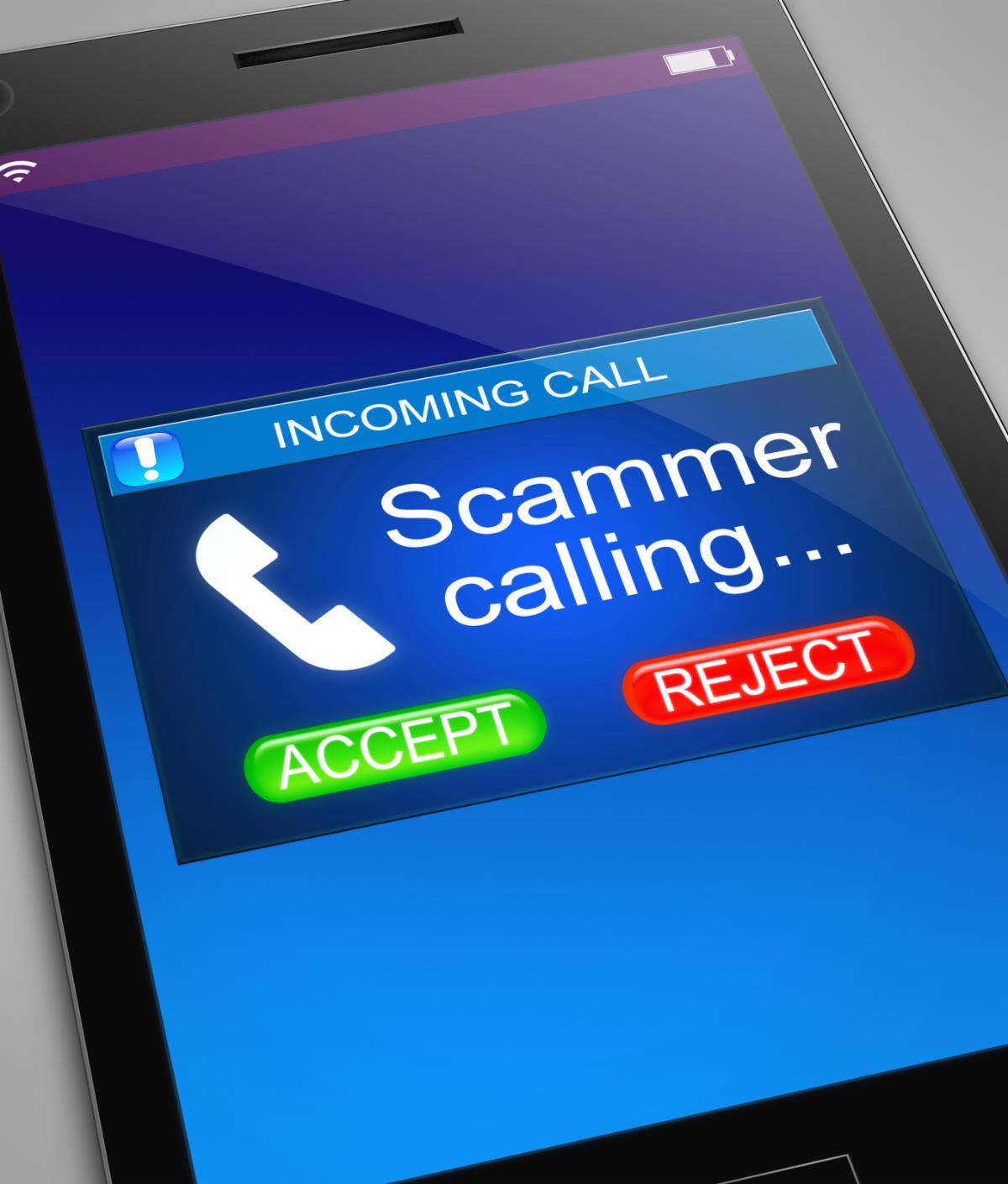
We want to let our customers know there has been increased reports of impersonation scams where victims receive phone calls that seem to be from Journey Bank with a spoofed phone number and identifying themselves as Journey Bank.


Some are unsolicited and others seem to be the result of victims clicking on links in texts or e-mails not related to Journey Bank activity.


Please be aware that Journey Bank will NEVER ask you to upload funds into a Crypto ATM or purchase gift cards to “safeguard” your money.


We will also NEVER ask you for sensitive information such as your full debit card number, debit card PIN or Online Banking One-time PIN (OTP).


If you are ever unsure whether you are actually speaking with someone from Journey Bank, please hang up and call us back directly at 570.784.1660.

How To Recognize and Avoid Phishing Scams

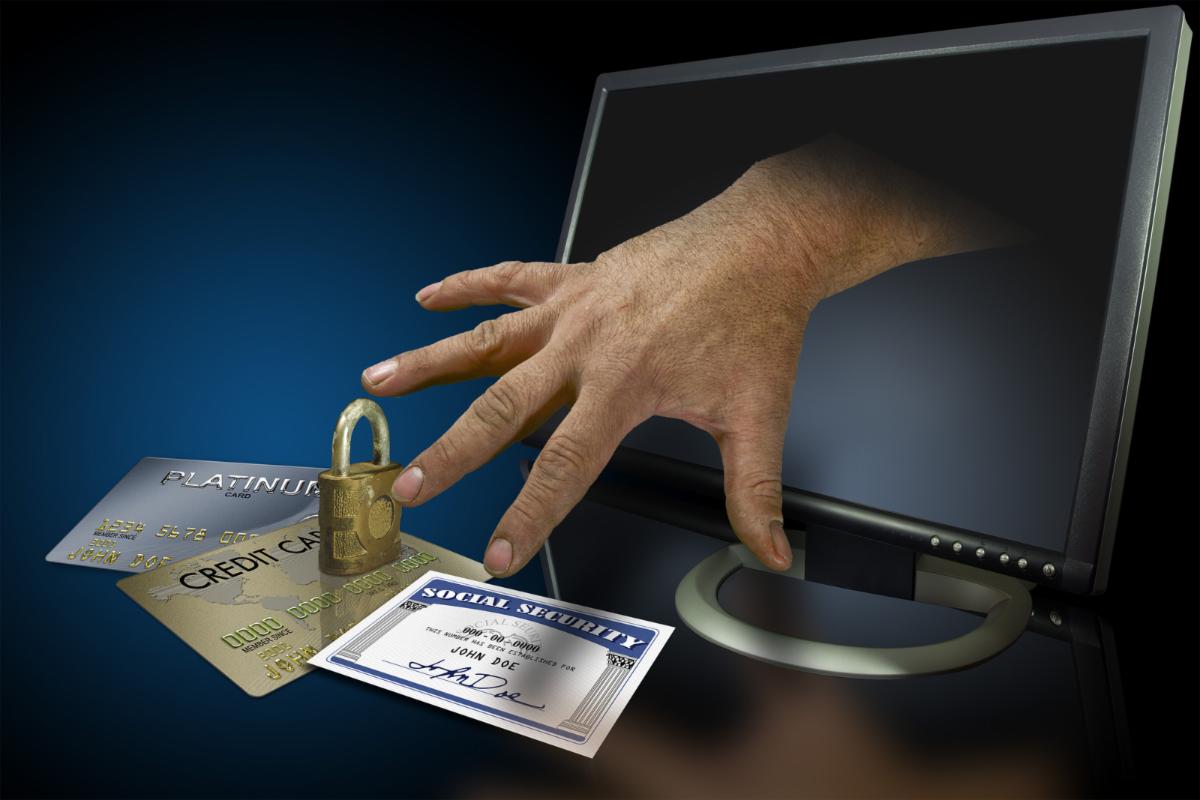
Scammers use email or text messages to try to steal your passwords, account numbers, or Social Security numbers. If they get that information, they could get access to your email, bank, or other accounts. Or they could sell your information to other scammers. Scammers launch thousands of phishing attacks like these every day — and they’re often successful.


Phishing emails and text messages often tell a story to trick you into clicking on a link or opening an attachment. You might get an unexpected email or text message that looks like it’s from a company you know or trust, like a bank or a credit card or utility company. Or maybe it’s from an online payment website or app. The message could be from a scammer, who might:


• Say they’ve noticed some suspicious activity or log-in attempts — They haven’t!

• Claim there’s a problem with your account or your payment information — There isn’t!

• Say you need to confirm some personal or financial information — You don’t!

• Include an invoice you don’t recognize — It’s fake!

• Want you to click on a link to make a payment — But the link has malware!

• Say you’re eligible to register for a government refund — It’s a scam!

• Offer a coupon for free stuff — It’s not real!


While real companies might communicate with you by email, legitimate companies won’t email or text with a link to update your payment information. Phishing emails can often have real consequences for people who give scammers their information, including identity theft. And they might harm the reputation of the companies they’re spoofing.

Source: FTC.gov

What To Do if You Suspect a Phishing Attack


If you get an email or a text message that asks you to click on a link or open an attachment, answer this question: 


"Do I have an account with the company or know the person who contacted me?"


If the answer is “No,” it could be a phishing scam. Look for the red flags identified above in the "How to recognize phishing" and look for signs of a phishing scam. If you see them, report the message and then delete it.


If the answer is “Yes,” contact the company using a phone number or website you know is real — not the information in the email. Attachments and links might install harmful malware.

What To Do if You Responded to a Phishing Email


If you think a scammer has your information, like your Social Security, credit card, or bank account number:


  • Go to IdentityTheft.gov
  • There you’ll see the specific steps to take based on the information that you lost


If you think you clicked on a link or opened an attachment that downloaded harmful software:


  • Update your computer’s security software
  • Then run a scan and remove anything it identifies as a problem

The security of your account and personal information is very important to us. We have multiple systems to protect your information, and we monitor and update these systems continuously to ensure we are doing everything we can to keep your accounts and information safe. Being a smart and aware consumer is an important factor in the safety of your accounts. We encourage you to visit the Account Protection page on our website for more information about how to protect your personal and financial information. If you ever suspect that you have been a victim of this fraud, please contact us immediately at 570.874.1660.

About Journey Bank


Journey Bank represents the combined strengths of two community banks in Central PA, First Columbia Bank and Muncy Bank. For over 125 years, we have stood as a beacon of financial trust and expertise in your community. As Journey Bank, we bring a shared commitment to delivering banking excellence to our valued customers with 22 convenient community offices across Clinton, Columbia, Lycoming, Montour, and Northumberland counties. Our nearly 300 dedicated employees stand ready to serve your banking needs now and on your financial journey ahead.

Member FDIC

Facebook  Instagram  LinkedIn