Friday's Labor Folklore
Con Carbon, the Minstrel of the Mine Patch
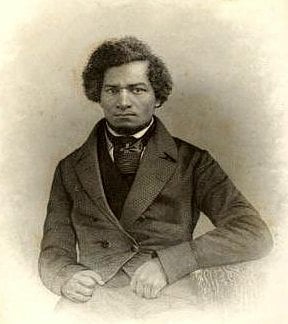
Frederick Douglass
(1818-1895)

Abolitionist * Suffragist * Labor Leader
Statesman * Diplomat * Orator
Journalist * Scholar

"Those who profess to love freedom and yet deprecate agitation are men who want crops without plowing. This struggle may be a moral one, or it may be physical, but it must be a struggle. Power concedes nothing without a demand.
It never did and it never will."

"The blow we strike is not merely to free a country or continent but the whole world from slavery. For when slavery falls here it will fall everywhere."
 
"Until it shall be safe to leave the lamb in the hold of the lion, the laborer in the power of the capitalist, the poor in the hands of the rich, it will not be safe to leave a newly emancipated people completely in the power of their former masters, especially when such masters have not ceased to be such from enlightened moral convictions but by irresistible force."
 
"For it is not light that is needed, but fire. It is not the gentle shower, but thunder. We need the storm, the whirlwind, and the earthquake."   
    
"All that distinguishes man as an intelligent and accountable being is equally true of woman. There can be no reason in the world for denying to a woman the exercise of the elective franchise or a hand in making and administering the laws of the land."

"Once you learn to read, you will forever be free."
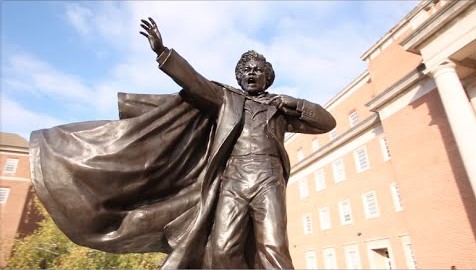
Frederick Douglass Square at the University of Maryland in College Park, features the Frederick Douglass Statue alongside stone pavers engraved to highlight famous quotes from the great writer and orator. Douglass was born into slavery in Talbot County, Maryland in 1818. 

At the age of 8 he was sent to Baltimore to live with Hugh and Sophia Auld. He asked Sophia to teach him to read; she did so until Hugh Auld stopped them.

Frederick was hired out to work as a caulker in a Baltimore shipyard, practicing reading and writing in secret. In 1838 he escaped to New York where he joined the abolitionist movement to end slavery.  
 
The Frederick Douglass Statue portrays a youthful Douglass speaking in Ireland. While in his late 20s Douglass visited Ireland, Scotland and England on a two year lecture tour. While in Ireland he discovered, among the people, a kindred spirit of resistance against oppression.
 
Watch this short video which includes biographical material on the great abolitionist.
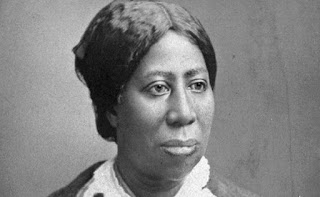
Anna Murray Douglass

Anna Murray Douglass was the first wife of Frederick Douglass. She was born a free person in rural Maryland. Her parents were manumitted - released from slavery - shortly before her birth.

She established herself as a laundress and housekeeper in Baltimore whose work took her to the docks where she met Frederick Washington Bailey, who was working as an enslaved caulker. In 1838 she facilitated Frederick's escape by providing him with money for a train ticket and a sailor's disguise.

Frederick made his way to Philadelphia and then New York. Anna followed him and they were married by Rev. J.W.C. Pennington, a prominent minister who was, himself, a formerly enslaved fugitive. They adopted the surname "Douglass" as their married name and moved to a Quaker community in New Bedford, Massachusetts. 

When Frederick began his climb as an abolitionist orator, Anna cared for their 5 children. In 1847 the couple moved to Rochester, New York where Frederick began publishing North Star, his abolitionist newspaper.

(Source: New Bedford Historical Society)

Spirituals

The songs of the slave represent the sorrows of his heart; and he is relieved by them, only as an aching heart is relieved by tears. At least, such is my experience. I have often sung to drown my sorrow, but seldom to express my happiness. Crying for joy, and singing for joy, were alike uncommon to me while in the jaws of slavery.
-- Frederick Douglass

(Black History in 2 minutes)

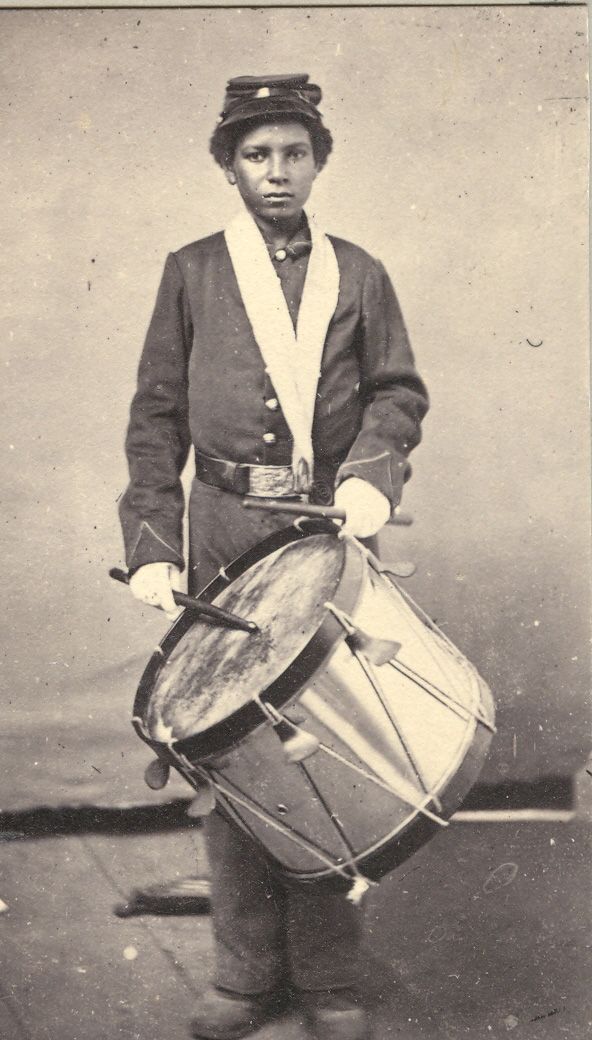
Black Union troops
during the Civil War

In the war's last year - 1865 - fully 10 percent of the Northern army was black, more than half of whom were men who escaped slavery.

Source: S. C. Gwynne, Hymns of the Republic : the story of the final year of the American Civil War, Scribner, 2019.
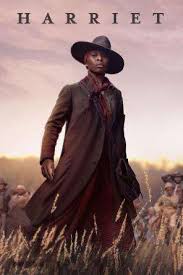
(movie trailer)
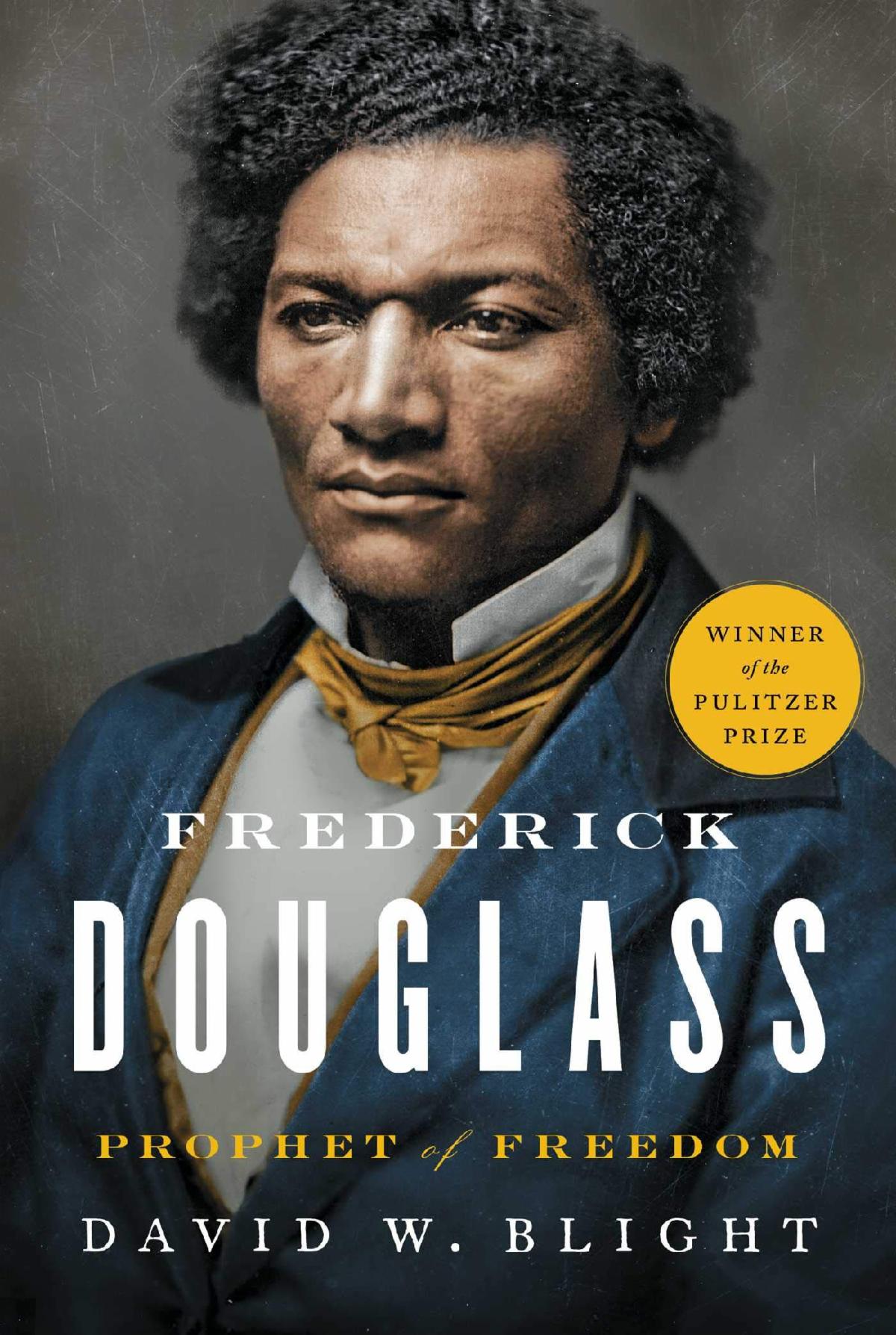
The definitive, dramatic biography of the most important African American of the nineteenth century: Frederick Douglass, the escaped slave who became the greatest orator of his day and one of the leading abolitionists and writers of the era. By David W. Blight, Winner of the 2019 Pulitzer Prize for History.

forward to a friend